
INTERVIEW: Farah Griffin Speaks with Toni Morrison in "Essence" Magazine

In April Essence magazine ran an interview with Toni Morrison by Farah Jasmine Griffin, director of the CSSD working group "Toward and Intellectual History of Black Women" and William B. Ransford Professor of English & Comparative Literature and African-American Studies at Columbia.
Morrison, who has just published her eleventh novel, God Help the Child, discussed with Griffin the themes of colorism, racism, and conceptions of beauty, which her latest work grapples with.
Read the interview here.
PUBLISHED: Mobilizing Memory Curators Interviewed by "n.paradoxa"

Feminist art journal n.paradoxa recently published an interview with Ayşe Gül Altınay and Işın Önol, curators of the successful exhibition "Mobilizing Memory: Women Witnessing." The exhibition grew out of the CSSD working group Women Mobilizing Memory and has been produced at Depo in Istanbul and Kunsthalle Exnergasse in Vienna. The article is available for purchase here.
Katy Deepwell corresponded with both curators and discussed the dearth of both the gendered aspects of mass violence and the gendering of memory struggles in public debates. Altinay explained how the exhibit sought to address the role of witnessing as a practice of resistance. The curators wanted to give evidence of women using memories to organize, analyze, and cope. Altinay also notes that the artworks in the show particularly resist monumentality in favor of intimacy, pointing to an alternative mode of documenting violent pasts.
The exhibit reaches beyond the dichotomies of "women as victims vs. women as fighters" and "personal vs. public/political" and among other things uses the subtheme of "family," drawing connections between family photos and stories and national narratives of belonging and violence.
Altinay said the exhibit can be used to contextualize current conflicts with the Islamic State, Syria, and Iraq on the borders of Turkey. Pieces in the show can provide creative tools for struggling with wars and their memories in a gendered manner, claimed Altinay.
Önol commented on the different ways that the artworks show women using cameras to witness and record events related to war. They might record or revisit past events and thereby furnish alternative, subjective histories. The works might serve to collect existing information or they might provide proofs of suppressed facts.
Read the full article here.
Jean Howard Discusses Diversity Initiative in Columbia Spectator
Less than 25% of Columbia University's total faculty members are minorities and only 18% of its tenured faculty fit that demographic. The percentage of tenure track faculty that are women is a meager 26%.
In a recent article in the Columbia Spectator called "Leaks in the Pipeline," Jean Howard, CSSD director and George Delacorte Professor in the Humanities, spoke about her efforts to improve diversity when she served as the university's first provost for diversity initiatives.
From 2004 to 2007 she used $15 million in allocations to increase the number of female and minority hires in the Faculty of the Arts and Sciences, funding grants to support junior faculty research, and producing programs to provide mentoring for new faculty members. From 2004 to 2009, over 30 new minority faculty members were hired.
“There are some departments that have made enormous strides, and they have really become very diverse,” she says, pointing to the English and philosophy departments. “There are others that are doing very little, so a lot of the gains you see are in pockets."
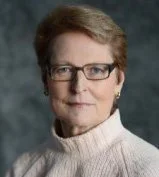
"We had to start from scratch because there was nothing. Nothing," says Howard.
Read the article here.
DISCUSSION: Shoshana Magnet on Feminism, Robots, and Roaches
In early 2015 Shoshana Magnet, associate professor at the Institute of Feminist and Gender Studies at the University of Ottawa, came to speak to CSSD's working group on Science and Social Difference about her feminist analysis of recent scientific inquiry into mixed societies of robots and insects.

Magnet, co editor of the text Feminist Surveillance Studies, discussed the field of biomimetics, where entomologists, roboticists, zoologists, and engineers analyze the natural world for guidance in solving problems. One such study by an interdisciplinary team examined robot-insect societies and how those subjects' interactions shape intelligence.
The Leurre Research group examined American Cockroaches living with robots coated in cockroach pheromones, finding that the cockroaches eventually began to follow marked robots into shelters they would not have ordinarily selected on their own. Thus, robots became integrated into the decision-making process of the cockroach society.
Although the results were interesting, Magnet found that the scientists selected only male cockroaches for their study, claiming that the presence of females would produce sexual behaviors that might mar the experiment results. According to Magnet this portrayal of “compulsory heterosexuality” in insect behavior and elsewhere is erroneous, as many animals, insects, and cockroaches participate in same-sex courtship. The scientists also excluded cockroaches with disabilities from the studies, prompting Magnet to consider the greater implications of studies that are heteronormative and ableist.
Magnet grounded her research in the feminist scientific philosopher Donna Haraway’s theory that species are really webs of relationships rather than distinct entities and that scientific research should be conducted as a relationship that involves interaction. This "dance of relating," as Haraway describes it, acknowledges the impossibility of a pure form of observation. Magnet also referenced physicist Karen Barad, who claims that a truly ethical research method requires that scientists must have an ethical relationship with the objects they study and that it must be imbued with a sense of scientific responsibility.
Magnet asked "What are the ethical implications of a scientific practice that claims to be able to eliminate queers, females, and those with disabilities?" She concluded that the Leurre experiments studied animal communications only as a means to better understand and facilitate social control in diverse human societies. In the words of the scientists, "We hope these experiments will enable the possibility to control such mixed societies.”
Magnet claimed that this irresponsible approach elides the rich possibilities of studying collective decision-making and that the gendered, sexualized, and able-bodied limitations on such research foregoes conclusions that might help disabled people or non-heterosexual people. Additionally, it would be useful to consider robot-cockroach relationships as a version of queer or "chosen" family, she said. This speaks to the recognition that kinship is a social and cultural matter, rather than a biological or natural fact.
Magnet concluded with the insight that during our current era of broad-based social movements characterized by collective forms of communication, studies such as the Leurre research are troubling because they ignore the possibility of diverse, mixed societies as sites for collective action in favor of focusing on communication that seeks to control cultural change while purging bodies of difference.
Contributed by Terry Roethlein, Communications Manager, CSSD.
JUST PUBLISHED: Farah Griffin's "Intellectual History of Black Women"
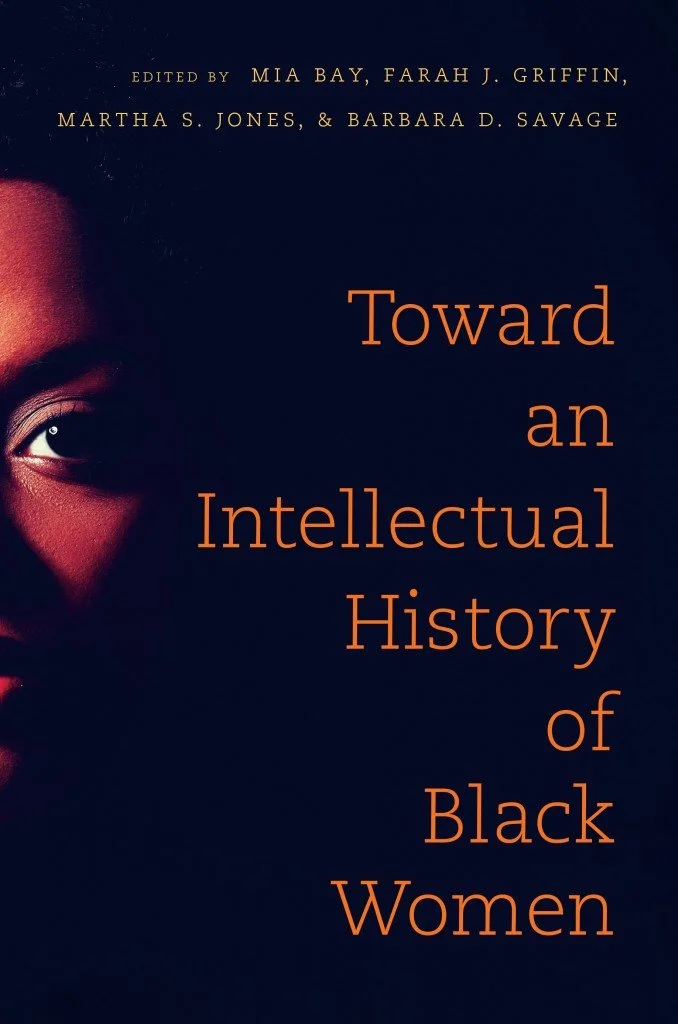
Toward an Intellectual History of Black Women, edited by Farah J. Griffin, co-director of the CSSD working group of the same name and Professor of English and African-American Studies at Columbia University, has been published by University of North Carolina Press.
Professor Griffin's project co-directors Mia E. Bay (Rutgers University), Martha S. Jones (University of Michigan), and Barbara D. Savage (University of Pennsylvania) also co-edited the volume of essays in a passionate collective effort that spanned nine years.
The edited volume presents the work of black women writers, educators, activists, religious leaders, and social reformers in the United States, Africa, and the Caribbean. Recovering the contributions of thinkers marginalized by both their race and their gender, the 15 essays collected in Toward an Intellectual History of Black Women uncover the ideas of both formally educated and self-taught thinkers.
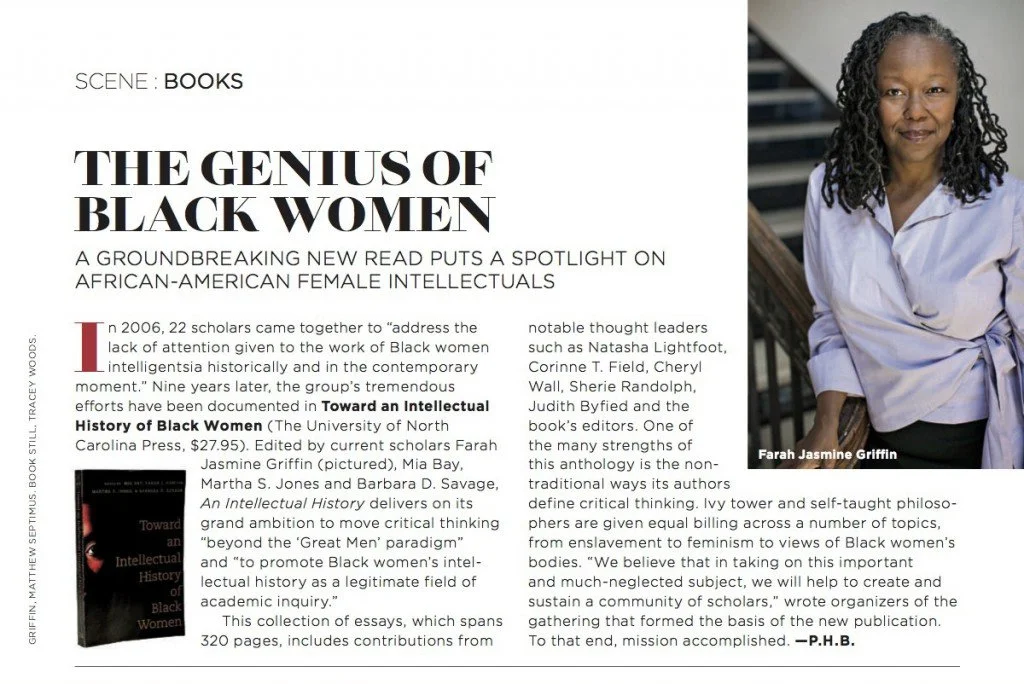
CSSD hosted one of four meetings held to foster discussion and criticism of the commissioned essays by colleagues and graduate students. Ultimately, the scholars planned to move intellectual inquiry "beyond the 'Great Men' paradigm" and lift up Black women's own intellectual achievements. The published result is an innovative volume that addresses topics ranging from religion and slavery to the politicized and gendered reappraisal of the black female body in contemporary culture.
The book is featured in the May issue of Essence Magazine and on the University of Pennsylvania and University of Michigan websites. Copies can be purchased here.
ROUNDTABLE Keywords: Trans
On April 9th, the Center for the Study of Social Difference and the Women's, Gender, and Sexuality Studies Council co-sponsored the roundtable discussion Keywords: TRANS.
The Keyword panel comprised Jack Halberstam, Professor of American Studies and Ethnicity, Gender Studies and Comparative Literature, University of Southern California; Jack Pula, Instructor of Psychiatry, College of Physicians & Surgeons, Columbia University and Chairperson of the Transgender Committee, Association of Gay and Lesbian Psychiatrists; and Yasmine Ergas, Co-Chair of the Women’s, Gender & Sexuality Studies Council, Director of the Gender & Public Policy Specialization, and Lecturer in the Discipline of International and Public Affairs, SIPA. The program was moderated by Jean Howard, CSSD Director, George Delacorte Professor in the Humanities and Chair, Department of English and Comparative Literature, Columbia University.
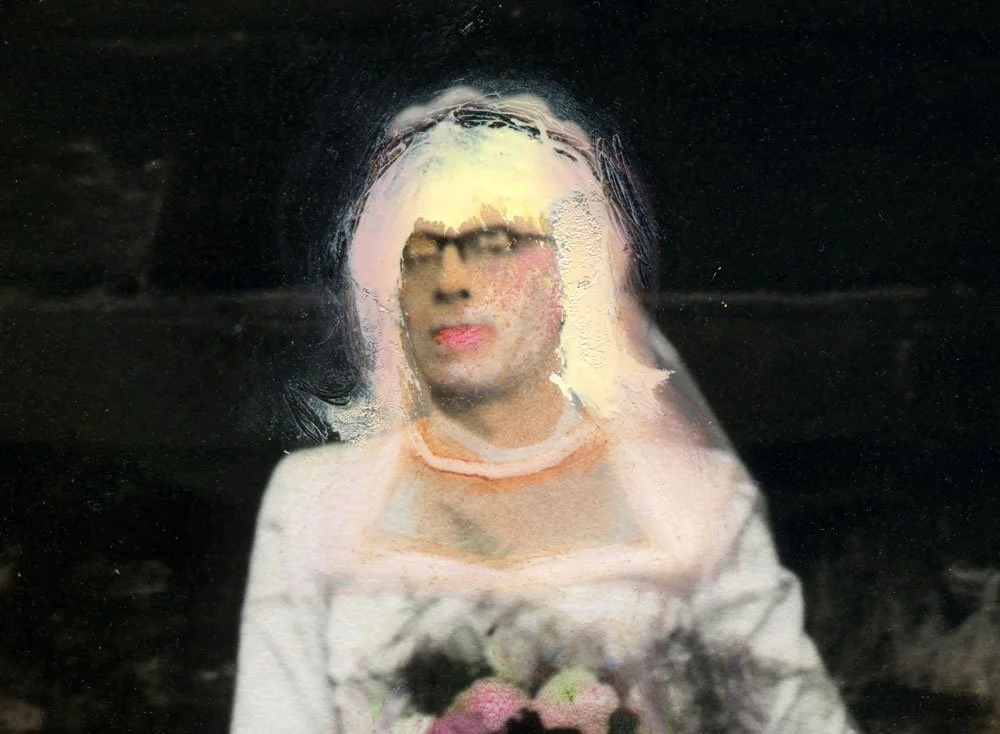
Professor Halberstam spoke about artist Sara Davidmann's photo series chronicling the life of Davidmann's Uncle Ken, a married man who was trans* and simultaneously lived as K, something Ken and wife Hazel kept a secret until their deaths. Halberstam said K's life showed how trans* lives disrupted linear narratives and traditional ways of writing history. Halberstam argued that it is difficult to tell trans* histories because terms and definitions change so quickly and that scholars have focused on histories of violence at the expense of narratives about silence and secrecy. Halberstam also explained that trans* lives aren’t isolated from the stories of everyone else in their lives. Social norms and dominant categories affect the trans* person and influence the relationships they have. Halberstam suggested that scholars think about parallel lives in the experience of trans* persons so that in writing a narrative, no part of their life is erased.
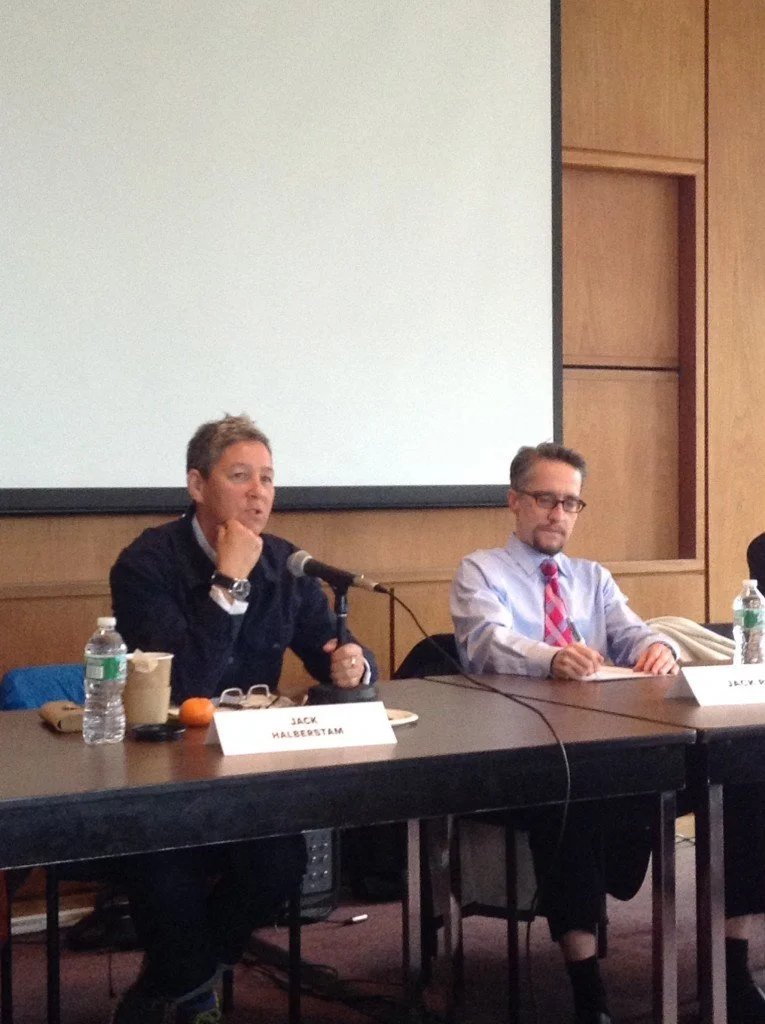
Jack Pula spoke about working professionally on gender dysphoria as a trans* man. Acknowledging that political controversy has followed psychiatrists’ definitions of gender identity, Pula considered how to combine subjective and objective forms of knowledge to make satisfactory claims about gender.
Pula warned that medicine and psychology often fall prey to reductive thinking, especially around identities that are known subjectively. Since language cannot capture all oppressed gender categories, it can itself become oppressive. Pula connected to Halberstam’s point about the difficulties inherent in using linear narrative to explain K and her gender identity. Pula argued that the etymology of identity could not begin with medicine and psychology because gender is first and foremost a subjective experience.
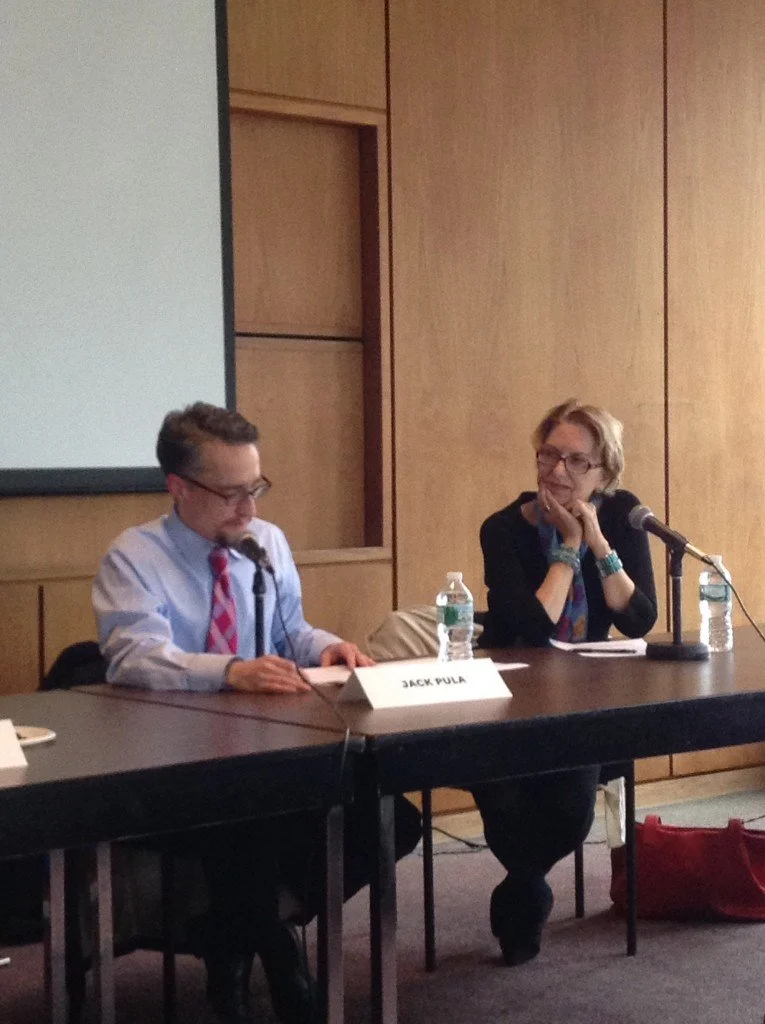
Yasmine Ergas examined the inchoate nature of the prefix "trans" and that "translation" was a process. In Ergas’s view, "trans-" as a prefix was insufficient, but still came closest to what it means to cross boundaries. Ergas shared how transnational surrogacy and adoption often leave children stateless and parentless. In its worst incarnation, transnational surrogacy has led to human trafficking.
For children, "trans-" is a matter of civic belonging. Ergas asserted that transnationalism challenged the presumption of national exclusivity and the processes of immigration, civil marriage, and the acceptance of educational credentials. Because of these structures, “transnational” still challenges a monopolistic system that, with limited exceptions, is based on an either/or binary. For surrogate children abandoned by their sponsors and who have no tie to national kin, this can mean existing in a legal no-man’s land. In the end, “transnational” remains anchored in the idea of nations.
The Q&A that followed the panel helped to weave together the presentations. Halberstam noted that just as "transnationalism" assumes the stability of the nation, "transgender" demonstrates the violence of gender dichotomies. Euro-American dichotomies of nation or gender continue to perpetuate colonialism and structure how scholars frame their research and get it funded. For Halberstam, transnationalism revealed how Euro-American constructions of transgender obscure other cultural and gender norms.
An audience member who saw limitations with the prefix "trans-" asked for alternatives. Ergas explained that dropping the prefix doesn’t obliterate the core words of nation or gender. In a sense, "trans-" implied a patchwork, she argued. Halberstam stated that people assemble under the heading trans* but often acknowledge more differences than similarities. The panel ended with an eye on the future: youth today speak more fluently than ever before about trans* life and this suggests the possibility for more humane understandings of individuals connected to the word.
Contributed by George Aumoithe, Graduate Assistant, Center for the Study of Social Difference and Ph.D. candidate in American history. Images of 1) K, Digital print of 1954 photograph with hand-tinting and acrylic paint, 2013 by Sara Davidmann 2) Jack Halberstam and Jack Pula 3) Jack Pula and Yasmine Ergas. Last two images: 2015 by George Aumoithe.
ROUNDTABLE: Women Mobilizing Memory "Keywords"
Vulnerability. Reaction. Privilege. Heritage. Utopia. What associations do these “keywords” evoke? What concepts do they represent? How are these ideas used by scholars, or put into practice by activists? What kinds of work can we do with a keyword, what conversations can keywords unlock?
These were some of the questions asked at a recent roundtable discussion by Women Mobilizing Memory, a CSSD working group exploring issues of memory, witnessing, testimony, and trauma from a cross-cultural feminist perspective. For this project, students in graduate programs at Sabancı University (Istanbul), Columbia University, and New York University teamed up in pairs, selected their keywords, and finally presented the fruits of their collaboration in the form of a roundtable at the Columbia campus in New York.
Reflecting on the circumstances in which their discussion took place, Alyssa Greene (Columbia) and Armanc Yıldız (Sabancı University) considered the keyword privilege, acknowledging the immense institutional privilege that enabled the roundtable, and by extension their own critical examination of the word “privilege” itself. Their presentation urged a consideration of how privilege can easily be forgotten by those who benefit from it. The duo did not necessarily condemn privilege, but noted that it was an “unevenly distributed” resource, creating all kinds of differences between those it touches and those it does not. These differences can silence certain conversations, but they can also produce other kinds—like Greene and Yıldız’s reflections on how privilege made their conversation possible.
In a similar vein, the keyword reaction sparked thoughts on the role of the environment where groups like Women Mobilizing Memory do their work. Dilara Çalışkan (Sabancı) and Andrea Crow (Columbia) suggested that a “critical attention to historic and economic forces” is necessary. For example, how does the physical location of this roundtable at Columbia University, or the fact of it being conducted in English, shape the kind of work being done? “Reaction” can be an emotional response that tells us something about how we relate to the ideas, people, and circumstances that surround us. In a feminist perspective, reactions can be a revealing part of academic work.
The issue of translation, both literal and figurative, came up in the work of Nicole Gervasio (Columbia) and Bürge Abiral (Sabancı) on vulnerability. There is no precise translation of “vulnerability” in Turkish. The Turkish equivalent would mean something like “weakness” or “exposure to the possibility of being harmed.” Their co-written paper pointed out that vulnerability has become “not just a keyword, but a keystone” in the #blacklivesmatter movement: the practice of “die-ins” works as a deliberate public display of vulnerability. Vulnerability can be leveraged as a form of strength and protest, yet vulnerability can also be misappropriated by perpetrators of violence to justify their actions.
A common feature of the five keywords is that they have widely varying meanings that depend on context. Such was the case with utopia, analyzed by R. Ertug Altinay (NYU) and Pınar Ensari (Sabancı). The pair cautioned against an association of utopia with liberal ideals and progressive politics. Utopia has a dark side, too: utopia produces difference and exclusion—what is a utopian vision for the group envisioning it can easily become dystopian for other groups. With heritage as well, chosen by Henry Castillo (NYU) and Leticia Robles-Moreno (NYU), perspective matters immensely. The pair emphasized a distinction between official and unofficial forms of heritage. One is sanctioned by state and government while the other is constructed within the local environment of a specific community. Castillo provocatively asserted that heritage, in this latter sense, is the memory of individuals and communities—not an object or material possession. Yet it is embodied, too: Robles-Moreno continued the discussion by suggesting that the female body can transmit heritage biologically and symbolically through generation.
Contributed by Grace Delmolino, PhD Candidate in Italian/ICLS and 2014-15 IRWGS Graduate Fellow
LECTURE: Ron Suskind on "Narratives of Earned Hope: Or the Ways Adversity Can Build Compensatory Strengths"
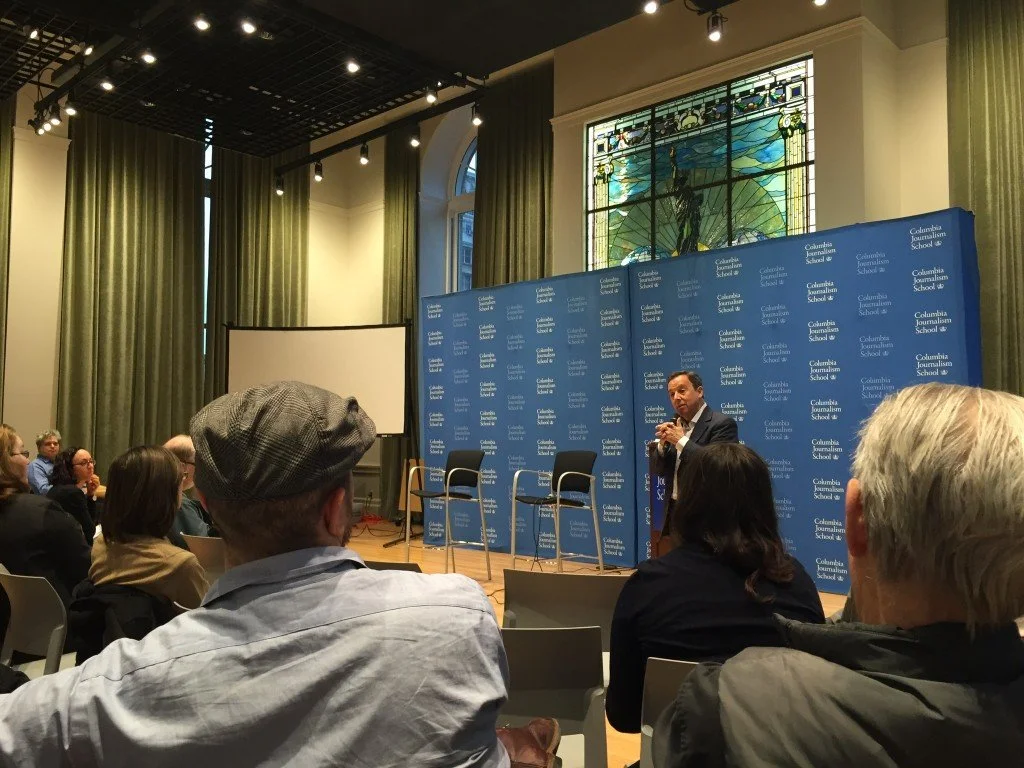
Speaking on Wednesday, March 25th before an audience sponsored by the Center for the Study of Social Difference's Future of Disability Studies workshop, Ron Suskind shared his story about pursuing a demanding career in investigative journalism while raising his autistic son Owen. Whether explaining socio-economics in the inner-city, public policy, or his own family, Suskind argued that adversity was a necessary precondition in order to produce insightful journalism.
Suskind won the Pulitzer Prize for Feature Writing in 1995 after publishing a series of articles that became his first book A Hope in the Unseen. The book describes the life of Cedric Jennings, who grew up in inner city Washington, DC before attending Brown University. Suskind followed with three books about the George W. Bush administration’s planning for the Iraq War, their post-9/11 intelligence activities, and their response to the 2007-2008 financial crisis.
To write about Owen in Life, Animated, however, Suskind wrestled with how to treat his family with the same tough standards that won him wide acclaim for his previous reporting. Suskind employed many of the same methods when interviewing his wife Cornelia, their eldest son Walter, and Owen himself, who now lives independently of his family.
When Owen was first born, his family noticed that he did not exhibit the same interpersonal skills—namely eye contact—that most children acquired by his age. Only after the family sat down to watch The Little Mermaid did Owen sustain eye contact with them. This observation led Suskind and Cornelia to use the personas of Disney characters to communicate with Owen.
One evening, after Suskind and Cornelia put Owen to bed, Suskind snuck into Owen’s bedroom with a puppet of Genie from the movie Aladdin. When he popped up from underneath Owen’s bedspread with Genie, Owen had his first extended conversation with his father for the very first time.
Knowing that Disney films would enable Owen to speak about his feelings, Suskind and his family watched hundreds of hours as the basis for dialogue.
Today, Owen is working with filmmaker Roger Williams to produce a documentary about A Life, Animated.
While writing about his family for a public audience was difficult, Suskind argued that journalism was capable of conveying both the joy and pain of family life and especially for families living with disability. While interviewing his family members revealed painful memories, it was also a therapeutic process. Suskind exhorted the audience of journalists and scholars to "seek the jewel." He concluded, "Human beings are not cardboard cutouts. We all have a heart and a soul.”
Interviewing his family forced them to remember a past when Owen’s condition was opaque, but the process of narrating their journey helped place their present-day triumphs in a larger context of "earned hope." For families with disability, Suskind's Life, Animated serves as a template for how to help others understand disability through personal narrative.
Contributed by George Aumoithe, Graduate Assistant, Center for the Study of Social Difference
Image of Ron Suskind in the World Room at Pulitzer Hall at Columbia University in the City of New York, 2015, by George Aumoithe.
ART EXHIBIT: "Die Presse" Reviews "Mobilizing Memory" in Vienna
Vienna's "Die Presse" reviewed the "Mobilizing Memory" exhibit that was created by the CSSD working group Women Mobilizing Memory and launched in Istanbul in 2014.
“‘Mobilizing Memory:’ Armenian Women Who Don’t Forget”
Anne-Catherine Simon (March 31, 2015, Die Presse)
“Mobilizing Memory” shows how women use memory to practice resistance to oppression: a politically charged show in Vienna.
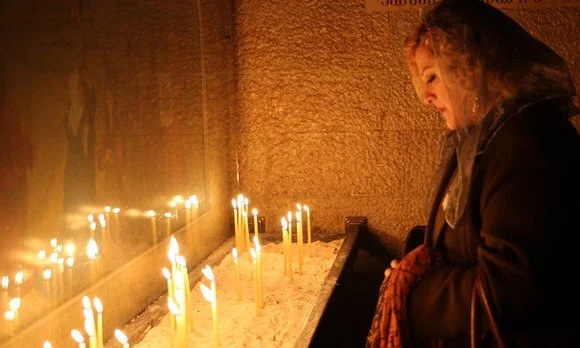
They’re called Saturday Mothers. Every Saturday for twenty years, women have been standing on the street, in Galatasaray or in another Turkish square. They hold up pictures of their sons. Or their husbands. They are officially counted as missing; in reality, they were murdered for political reasons.
“The mothers’ tenacity in witnessing to this is the strongest form of resistance,” says Işın Önol. The artist comes from Istanbul and has lived in Vienna for five years. Here she has organized a powerful exhibition about forms of female, and sometimes publically celebrated, memory. “Mobilizing Memory” will be on display through Friday and could hardly leave the viewer cold. The piece by Argentinian-born Silvina Der-Meguerditchian was developed specifically for the Vienna show and especially is noteworthy, just weeks before the memorial day marking the deportation of Armenian intellectuals from Istanbul 100 years ago, the beginning of the murder of hundreds of thousands of Armenians. Armenian descendants of survivors living in Vienna knitted together their old family photos—literally, with wool—into a kind of Anatolian carpet. On the white screen that comprises the back side of the piece is a video showing the women in the midst of this collaborative memory work. The photos show families together before the camera, who were never together again after the genocide. The family of the artist also shared this fate; Silvina Der-Meguerditchian is the granddaughter of displaced Armenians.
Memory Work in Vienna
The knitwork shows one of the unique aspects of this exhibition – it not only depicts memory, but also generated memory in its workshops. How does it affect a people with no national memory culture, like the Kurds? On akakurdistan.com, Susan Meiselas has tried for years to fill in these gaps. For “Mobilizing Memory,” she also held a workshop with women from Iran, Iraq, Syria, and Turkey. “In Vienna we continued collecting,” says Önol. Denise Sözen in turn interviewed residents of the Armenian neighborhood in Los Angeles.
The exhibit was already on display in a similar form in Istanbul, the idea of which came from a feminist research project by American and Turkish academics. “I like using the image of the unbroken camera,” says curator Işın Önol. “When political violence takes place in public spaces in Turkey, the story usually is, ‘unfortunately, the security camera was broken when it happened.’ For me, the witnesses are unbroken cameras.”
“Mobilizing Memory.” On display until Friday, April 3, in the Kunsthalle Exnergasse, Währingerstraße 59, Vienna 1090.
Translation: Alyssa Greene
SYMPOSIUM: Caribbean Queer Visualities, April 2-3, 2015, Co-sponsored by Digital Black Atlantic Project
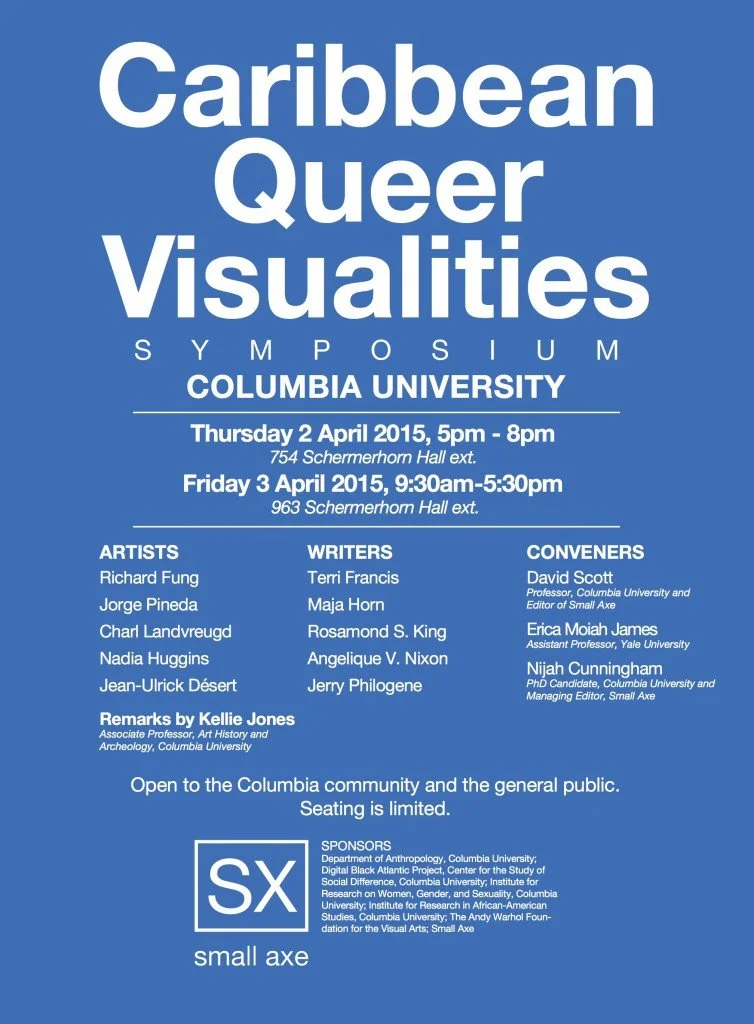
Caribbean Queer Visualities, co-sponsored by the CCSD working group the Digital Black Atlantic Project, reflects on and stimulates the production of creative and critical work that takes seriously the emergence of heterodox personal and public identities, identities that breach or subvert or evade the heteronormativities of colonial and postcolonial modes of being and self-expression. Growing in part out of a concern about the catastrophes of sexual othering, not to say sexual violence, so rampant in the Caribbean, the conference asks whether or to what extent “queer” offers a way of understanding the contemporary in Caribbean visual art practice, and in scholarly considerations of this practice. Why is it imperative for Caribbean cultural workers—intellectuals and artists—to think about the efficacy of “queer”? What might thinking through “queer” illuminate about the contemporary in Caribbean art practice?
The conference is open to the public and the schedule is available here.
Thursday April 2, 2015, 5pm - 8pm, 754 Schermerhorn Hall Extension
Friday April 3, 2015, 9:30am-5:30pm, 963 Schermerhorn Hall Extension
Participants:
Writers: Terri Francis, Maja Horn, Rosamond S. King, Angelique V. Nixon, Jerry Philogene.
Artists: Richard Fung, Jorge Pineda, Charl Landvreugd, Nadia Huggins, Jean-Ulrick Désert
Remarks by Kellie Jones, Associate Professor, Art History and Archeology, Columbia University
WOMEN MOBILIZING MEMORY: Effective Activism for Human Rights
CSSD’s Women Mobilizing Memory working group met in late February to discuss, in a comparative perspective, the links between memory and activism and between memory practices and movements promoting human rights.
Examining current protest movements in the wake of the Arab Spring and Occupy Wall Street, members engaged in sustained debate about whether, and in what circumstances, such protests are useful in mobilizing people for sustained activist efforts at social transformation.
Among the aesthetic tools that might mobilize memory for progressive social change are the digital arts and photography, performance, and media, each of which can have strong ties to human rights law and academic examinations of inequality and the systematic erasure of memory.
The group suggested that while street protest was perhaps the most visible venue of mobilization, it was often overly romanticized and could not be sustained indefinitely. Still, the action of individuals coming together to claim a civil space has proved to be a useful tool for fomenting social and political transformation, as we saw in the frequent civil rights and peace protests of the 1960’s and the massive anti-war demonstrations at the beginning of this century.
One student activist spoke of the current difficulties of using public space on the Columbia campus for unionizing, where the rules of institutional decorum did not permit such activity, deeming it “confrontational.” Breaking the rules, however, is indeed what gets social movements noticed.
The group agreed that holding a public space indefinitely was not necessary to make a protest effective, so long as the innovative ideas being discussed continued to circulate after the physical protest ends. A street protest might ultimately be ephemeral, but as the 2011 Occupy Wall Street movement demonstrated, one action could lead to a series of related actions. As with Occupy, the communication of a sustained message (“99%”) can spark social connections to recycle the message and use it for new forms of protest.
Istanbul’s Saturday Mothers of Galatasaray Square are an example of sustained, networked protest with earlier roots. These activists have appeared since 1995 bearing photos of their children who were most likely murdered by government security forces. Their work was in turn inspired by the Mothers of the Plaza de Mayo in Buenos Aires, women who since 1977 have mourned the disappearance of 30,000 individuals under Argentina’s dictatorship. Similar occurrences also take place in Mexico and Rwanda.
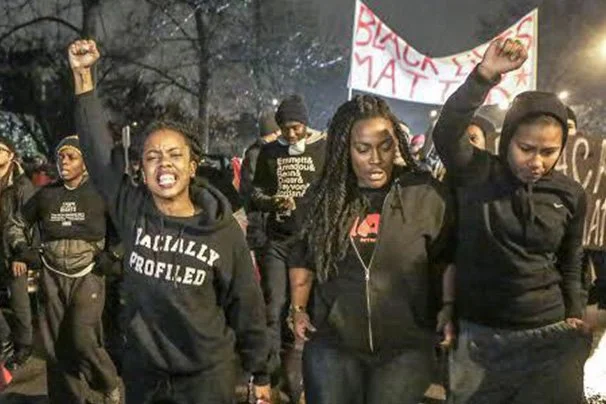
Similarly, many in the group claimed that the power of social media lies in the circulation of key phrases that act as an engine, generating an expanding desire for and a manifestation of change in the real world. Protesting the police murders of Michael Brown in Ferguson, Missouri and Eric Garner in Staten Island, New York this past year, activists throughout the country made phrases like #Ferguson, #icantbreathe, and #BlackLivesMatter go viral, leading to clashes with the police, freeway shutdowns, and other interventions. Risking arrest or violence was key in getting these events noticed.
While one member said that activism seems to have flatlined since 2011, since it lacked uniform goals and organization, another claimed, that on the contrary, many more students are now interested in course work around social change. It is important to remember that only a few years have passed since the events of the Arab Spring and Occupy, and that systemic social change requires much more time.
Contributed by Terry Roethlein, Communications Manager, Center for the Study of Social Difference
Image: Brittany Ferrell, Ashley Yates, and Alexis Templeton, Co-Founders of Millennial Activists United, an organization focused on outreach, policy campaign, civic engagement and direct action, in Ferguson, Missouri.
CSSD Announces Two New Working Groups for Fall 2015
In fall 2015, CSSD will convene two new working groups: Pacific Climate Circuits, which will apply lenses of race, class, gender and sexuality to current analyses of climate change in the Pacific Region, and The Legacy of Bandung Humanisms, which will examine the post-colonial developing world’s espousal of a radical brand of humanism and self-determination.
Convening in 2015, Pacific Climate Circuits will apply lenses of race, class, gender, sexuality, and inequality to the current analyses of climate change in the Pacific Region. The working group, directed by Paige West, Department Chair and Professor of Anthropology, Barnard College; Kevin Fellezs, Assistant Professor of Music and African American Studies, Columbia University; and J.C. Salyer, Adjunct Lecturer, Sociology, Barnard College, examines the specific political-economic systems culpable for climate change in the region, linking them to its histories of colonialism and neoliberalism. Researchers will seek solutions outside the typical hard sciences approach, instead drawing on scholarship in the arts, the humanities, and the social sciences to scrutinize the region, its environment, and its peoples.
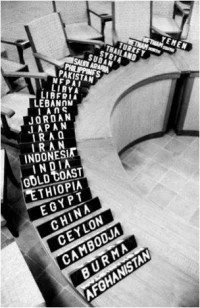
The Legacy of Bandung Humanisms, also convening in the fall, is an interdisciplinary research project examining the workings of Bandung Humanisms, the progressive political, social, and cultural movement among nations of the Global South that refused to ally with either major power bloc during the Cold War. The working group, a collaboration between scholars at Columbia University and the University of California, Los Angeles uncovers the post-colonial developing world’s espousal of a radical brand of humanism and self-determination that gave rise to the Non-Aligned Movement of non-aggressor states.
A diverse group of scholars including Stathis Gourgouris, Director, Institute of Comparative Literature & Society and Professor, Classics, Columbia University; Aamir Mufti, Professor, Comparative Literature, UCLA; and Lydia Liu, Wun Tsun Tam Professor in the Humanities, Department of East Asian Languages, Columbia University, will trace the institutions, associations, writings, and artworks identified with the Bandung Humanisms movement, connecting them to current global struggles for social justice.
Banu Karaca in The New York Times
Banu Karaca, a member of CSSD working group Women Mobilizing Memory, was quoted in a recent New York Times article about creeping censorship amid the current flourishing of the arts in Turkey.
Karaca is a founder of Siyah Bant, an organization that monitors arts censorship in Turkey.
Read the New York Times article here.
CONFERENCE REPORT: 2014 Caribbean Digital Conference
The Digital Black Atlantic Project closed the fall of 2014 with an unprecedented event, its inaugural Caribbean Digital conference.
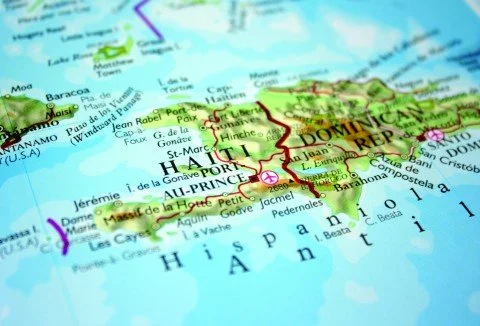
On December 4th and 5th, professors, artists, graduate students, activists and administrators explored the dimensions of digital expression and its implications on the Caribbean and its diaspora. Panelists from across the globe joined a conversation at Barnard College in person, on Skype, and via Livestream, sharing theories and cautionary tales about various approaches to building projects and creating community in an increasingly digital academic environment. With a focus on the Caribbean and its diaspora, the conference offered fertile ground for analyzing the intersection of information technologies with fields such as American studies, gender and sexuality studies, queer studies, black studies, ethnomusicology, and communications, among others.
The conference showcased radical approaches to the archive throughout its seven panels. Researchers and educators of color were a strong presence at Caribbean Digital, contributing in important ways to the breadth of topics that inform the critical discipline that is the digital humanities. The panel discussions were preceded by the Kamau Brathwaite researchathon held on Thursday morning and afternoon. This singular event—kicking off the ongoing the collaborative constitution of an open-access, online bibliography of work by and on Caribbean intellectual Brathwaite—generated over 500 bibliographic contributions in just six hours.
With the help of Twitter hashtag #sxcd2014 and the conference website, extensive social media activity gave enormous reach to the two-day event. Questions fielded from Twitter kept the conversations fresh and helped to archive what is planned to be the first of many conferences concerning archipelagic formations of digital networks and/in the Caribbean. David Scott, anthropology professor at Columbia and founder of the Small Axe print journal, closed the conference with a provocative reflection on the futures of publishing.
The event's primary organizers were Kaiama L. Glover, associate professor of French and Africana studies at Barnard, Kelly Baker Josephs, associate professor of English at York College, CUNY, and Alex Gil, digital scholarship coordinator and affiliate faculty in English and comparative studies at Columbia. Generously supported by the Center for the Study of Social Difference at Columbia, along with the Barnard Africana Studies Department and Barnard's Committee for Online and On-Campus Learning (COOL), the conference drew a sizeable audience from within the campus community in addition to drawing participants from around the tri-state area and, of course, cyberspace.
PUBLICATION: Yarimar Bonilla on "#Ferguson: Digital protest, hashtag ethnography, and the racial politics of social media in the United States"
Yarimar Bonilla of the Digital Black Atlantic Working Group and Jonathan Rosa have published "#Ferguson: Digital protest, hashtag ethnography, and the racial politics of social media in the United States" in the January 2015 issue of the American Ethnologist.
As thousands of demonstrators took to the streets of Ferguson, Missouri, to protest the fatal police shooting of unarmed African American teenager Michael Brown in the summer of 2014, news and commentary on the shooting, the protests, and the militarized response that followed circulated widely through social media networks. Through a theorization of hashtag usage, Bonilla and Rosa discuss how and why social media platforms have become powerful sites for documenting and challenging episodes of police brutality and the misrepresentation of racialized bodies in mainstream media. The piece demonstrates how engaging in “hashtag activism” can forge a shared political temporality, and, additionally, examines how social media platforms can provide strategic outlets for contesting and reimagining the materiality of racialized bodies. Their analysis combines approaches from linguistic anthropology and social movements research to investigate the semiotics of digital protest and to interrogate both the possibilities and the pitfalls of engaging in “hashtag ethnography.”
Read it here.
Lila Abu-Lughod's new book named "Best Book of 2014 on the Middle East"
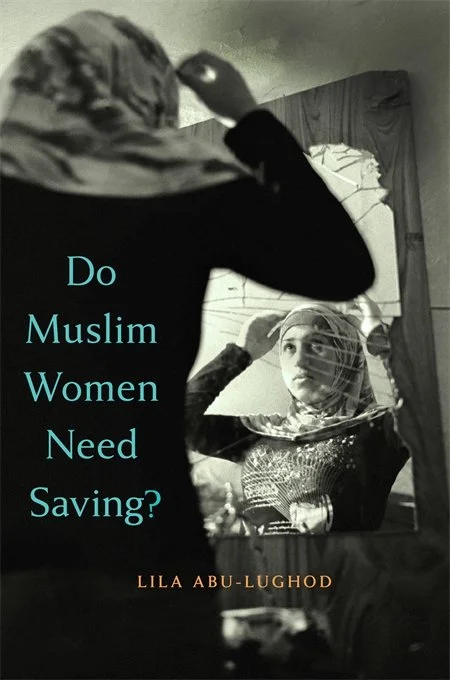
Lila Abu-Lughod's Do Muslim Women Need Saving? (Harvard University Press) was named a "Best Book of 2014 on the Middle East" by Foreign Affairs.
Abu-Lughod is Co-director of the CSSD project Gender, Religion and Law in Muslim Societies.
Read John Waterbury's review here. Listen to Abu-Lughod discuss her work here.
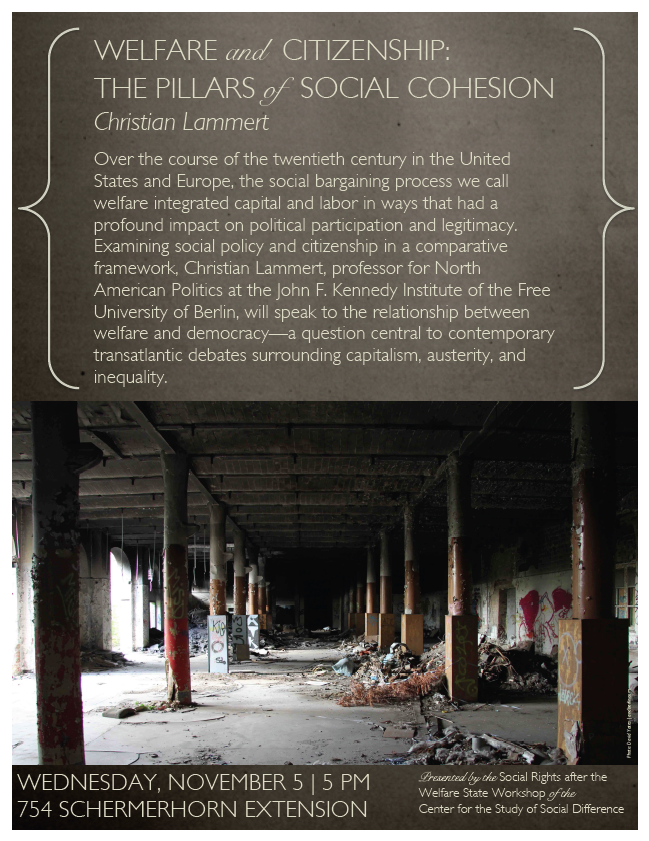
Christian Lammert on "Welfare and Citizenship: The Pillars of Social Cohesion"
PUBLIC LECTURE:
Wednesday, November 5th, 5pm in 754 Schermerhorn Extension.
Christian Lammert, Professor for North American Politics at the John F. Kennedy Institute of the Free University of Berlin, will speak about the relationship between welfare and democracy—a question central to contemporary transatlantic debates surrounding capitalism, austerity, and inequality.
Over the course of the twentieth century in the United States and Europe, the social bargaining process we call welfare integrated capital and labor in ways that had a profound impact on political participation and legitimacy. Examining social policy and citizenship in a comparative framework, Christian Lammert, Professor for North American Politics at the John F. Kennedy Institute of the Free University of Berlin, will speak to the relationship between welfare and democracy—a question central to contemporary transatlantic debates surrounding capitalism, austerity, and inequality. Please join us in 754 Schermerhorn Extension on November 5th at 5PM for an enlightening lecture on this topic.
Wednesday, November 5, 2014 - 5:00pm
754 Schermerhorn Extension
CONFERENCE REPORT: Debating the “Woman Question” in the New Middle East: Women’s Rights, Citizenship, and Social Justice
In light of the recent events across the Arab region, the time is opportune for a careful examination of the new opportunities and challenges facing Arab women.
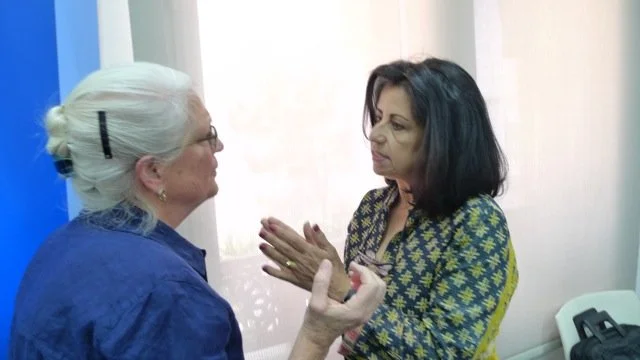
Debating the "Woman Question" in the New Middle East (Columbia Global Center, Amman) brought together scholars, academics, and practitioners to explore three broad themes: Political Economies and Women's Lives; Political and Legal Strategies for Citizenship and Social Justice; Islamic Feminism and Islamist Governance.
Read the full Conference Report here.
Women Leaders in Changing India
Anupama Rao, Women Creating Change project director for "Gender and the Global Slum" will participate in a discussion at the Four Seasons Hotel in Mumbai, featuring: Anjali Bansal ’97SIPA, Managing Director, Spencer Stuart, Sheela Patel, Director, Society for the Promotion of Area Resource Centers (SPARC), and Falguni Nayar P: ’12CC, Founder and CEO Nykaa.com. The panel will address the challenges and opportunities that face women in India's formal and informal economies.
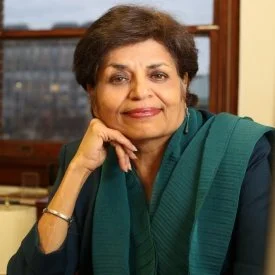
The panel will be moderated by Vishakha Desai, Special Advisor for Global Affairs Columbia University, Professor of Professional Practice in the Faculty of International and Public Affairs.
Read more here.
CALL FOR PROJECTS: Women Creating Change
Women Creating Change (WCC) invites proposals for a new working group project that would begin in 2015. WCC will provide seed money of $45,000 over three years to working groups of scholars and practitioners whose projects are consistent with the mission of the Center (socialdifference.columbia.edu) and the specific goals of Women Creating Change (womencreatingchange.columbia.edu). Submission Deadline: Monday, March 2, 2015.
Call For Proposals
Women Creating Change (WCC) is a global research initiative of the Center for the Study of Social Difference, an advanced study center at Columbia University that supports scholarship on global issues of gender, race, ethnicity, and sexuality. WCC invites proposals for a new project that would begin in 2015. WCC will provide seed money of $45,000 over three years to working groups of scholars and practitioners whose projects are consistent with the mission of the Center (socialdifference.columbia.edu) and the specific goals of Women Creating Change (womencreatingchange.columbia.edu).
Women Creating Change
WCC engages distinguished feminist scholars from across Columbia to focus on contemporary global problems affecting women and on women’s roles in addressing those problems. It also engages with broader networks committed to raising awareness of these issues, on campus and beyond. The innovative research program and working group model of WCC draws on the scholarly depth and global perspectives that animate the Center for the Study of Social Difference and the Columbia Global Centers. However varied in topic and regional location, all WCC projects involve multiple partners, at Columbia and beyond. They focus on changing the terms in which significant global problems affecting women are being addressed.
Of necessity, the work of WCC is interdisciplinary as well as comparative and transnational. It seeks to build on the rich resources and global perspective afforded both by Columbia’s faculty and its expanding network of Global Centers, insisting on deep knowledge of the history, the languages, and the cultures of the regions with which we engage.
WCC has developed a unique working group structure of close intellectual collaboration and exchange over multi-year periods. WCC seed grants are intended to support the development of such working groups. Under the broad umbrella of WCC, individual working groups led by Columbia and Barnard faculty work on a particular problem or issue in collaboration with scholars, artists, activists and policymakers in specific regions of the world where Columbia’s Global Centers are located (currently, Beijing, Mumbai, Amman, Paris, Nairobi, Istanbul, Santiago, and Rio de Janeiro).
Project Proposals
Proposals may be submitted for consideration by any Columbia or Barnard faculty member(s) whose project aligns with the aims of CSSD and WCC, although preference will be given to faculty affiliated with one or more of CSSD’s five member centers and institutes. WCC seeks projects that are global and interdisciplinary in nature and favors proposals from an already-constituted core working group (typically 5-8 people) that closely links its work to one or more of Columbia’s Global Centers. (http://globalcenters.columbia.edu/). Each WCC working group should be composed of junior and senior scholars and practitioners from the U.S. and abroad, and should reach across multiple geographic regions, fields of study, specialization and expertise. For a list of current WCC projects, please see our website (womencreatingchange.columbia.edu).
WCC projects are expected to run for three years. Year 1 might concentrate on focused project development, including the constitution of an international working group that would convene exploratory seminars or workshops. Year 2 involves the most intensive intellectual work, featuring regular meetings of the working group and the active participation of international and regional fellows and affiliates, whether face-to-face or through videoconferencing using CSSD’s seminar room (752 Schermerhorn Extension). Fundraising efforts to develop and extend the project should begin early in Year 2. Year 3 is dedicated to post-project planning and dissemination of the project’s work through whatever means seem most appropriate to the working group. Examples might be conferences, the publication and/or translation of conference proceedings and/or edited collections of working group scholarship, or online publication of policy papers, curricular materials, or individual scholarship. Outside funding could support the continuation and development of the working group’s activities.
WCC project support budgets may be used by Project Directors at their discretion. However, budgets typically include the following: Course relief for a Project Director (one course per year for two years, alternating in the case of Project co-Directors); stipends for two graduate student participants and one graduate assistant responsible for program support; travel and accommodation for international workshops at Columbia’s Global Centers; support for visiting scholars or public conferences. Project Directors should be prepared to work with CSSD to seek additional funding sources.
We encourage prospective applicants to meet with WCC co-directors Jean Howard (jfh5@columbia.edu) and Marianne Hirsch (mh2349@columbia.edu) and/or WCC Associate Director Laura Ciolkowski (lec30@columbia.edu) early in the application process. Project proposals should not exceed five double-spaced pages and should include a project description, a provisional budget, a short CV for each tentative working group member, and a plan for group meetings, public events, and the dissemination of project research. Proposals should also describe a plan for soliciting and adjudicating applications for working group membership from the wider University community and beyond. Any anticipated curricular or pedagogical outcomes of the proposed project should be noted, although the absence of curricular components will not detract from the applications.
Proposals should be directed to Laura E. Ciolkowski, PhD, CSSD Associate Director (lec30@columbia.edu), by or before Monday, March 2, 2015.
Projects will be selected by the Executive Committee of the CSSD and applicants will be notified by March 30, 2015.