

Thea Abu El-Haj
Professor, Department of Education, Barnard College
Thea Renda Abu El-Haj, Professor in Education, is an anthropologist of education. Prior to joining Barnard College, she was an associate professor at the Graduate School of Education at Rutgers University. She currently serves as the President of the Council on Anthropology and Education of the American Anthropological Association. Abu El-Haj’s research explores questions about belonging, rights, citizenship, and education raised by globalization, transnational migration, and conflict.
Thea Abu El-Haj
Professor in Education and Education Program Director/Chair, Barnard College
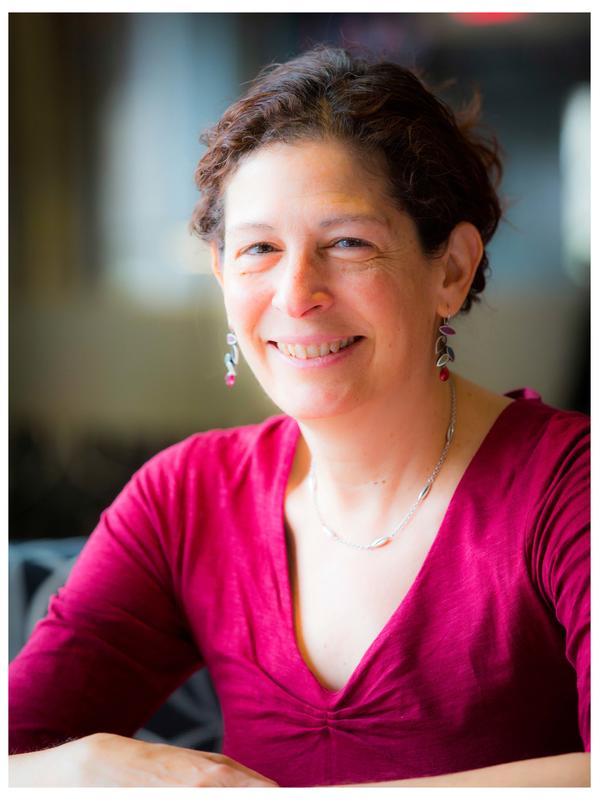
Thea Renda Abu El-Haj, Professor in Education, is an anthropologist of education. Prior to joining Barnard College, she was an associate professor at the Graduate School of Education at Rutgers University. There, she co-founded and co-directed the GSE’s Urban Teaching Fellows Program, and directed the Ph.D. program in Theory, Organization, and Policy.
She currently serves as the President of the Council on Anthropology and Education of the American Anthropological Association. Abu El-Haj’s research explores questions about belonging, rights, citizenship, and education raised by globalization, transnational migration, and conflict. She is currently working on two research projects. She is conducting a collaborative ethnographic study of public kindergartens in Beirut, Lebanon, that focuses on questions of conflict and refugee policy. With the support of a Spencer Foundation grant, she is the principal investigator of a U.S. national interview study exploring the civic identities and civic practices of youth from Muslim immigrant communities.
Her second book, an ethnographic account of young Palestinian Americans grappling with questions of belonging and citizenship in the wake of September 11, 2001, won the 2016 American Educational Studies Association Critics Choice Award (Unsettled Belonging: Educating Palestinian American Youth after 9/11, University of Chicago Press, 2015). Other publications about this research have appeared in Anthropology and Education Quarterly; Harvard Educational Review; Educational Policy; and Theory into Practice. Her first book, Elusive Justice: Wrestling with Difference and Educational Equity in Everyday Practice (Routledge, 2006), offers a critical account of the range of justice claims at play inside real schools, exploring several different, important dimensions of educational equity that are often ignored in contemporary educational policy debates.
Working Group Affiliation
Migrant Personhood and Rights: Crises of Recognition, Project Director

Lila Abu-Lughod
Interim Director
Lila Abu-Lughod
Joseph L. Buttenwieser Professor of Social Science
Lila Abu-Lughod teaches anthropology and gender studies at Columbia University. She is a former director of the Institute for Research on Women and Gender, the Center for the Study of Social Difference, and the Middle East Institute, all at Columbia. A leading voice in the debates about gender, Islam, and global feminist politics, her books and articles have been translated into 15 languages. Her scholarship, strongly ethnographic, has focused on the relationship between cultural forms and power; the politics of knowledge and representation of the Arab and Muslim worlds; and the dynamics of gender and the question of human and women’s rights in the Middle East. Her award-winning books include Veiled Sentiments: Honor and Poetry in a Bedouin Society; Writing Women’s Worlds: Bedouin Stories; Remaking Women: Feminism and Modernity in the Middle East; and Dramas of Nationhood: The Politics of Television in Egypt. Her most recent book, Do Muslim Women Need Saving?, was published by Harvard University Press in 2013. Her most recent publication is The Cunning of Gender Violence: Geopolitics and Feminism (2023). Lila Abu-Lughod was elected to the American Academy of Arts and Sciences in 2023.
Lila Abu-Lughod's Academic Website
Working Group Affiliations
Religion and the Global Reframing of Gender Violence, Project Director
Gender, Religion & Law in Muslim Societies, Project Director
Liberalism’s Others, Project Director
Book publications
Do Muslim Women Need Saving?
Harvard University Press, 2013.
Dramas of Nationhood: The Politics of Television in Egypt
Lewis Henry Morgan Lectures. Chicago: University of Chicago Press, 2005.(American Ethnological Society Senior Book Prize, 2007)
Other English Editions: American University in Cairo Press, 2005.
Writing Women’s Worlds: Bedouin Stories
University of California Press, 1993 (Victor Turner Prize, 1994). Fifteenth Anniversary Edition with new preface, 2008.
Veiled Sentiments: Honor and Poetry in a Bedouin Society
University of California Press, 1986 (IUAES Silver Medal; Chicago Folklore Prize, honorable mention). Second edition, updated with a new preface, 2000. 30th Anniversary Edition, with a new Afterword, September 2016.
Other English Editions: American University in Cairo Press, 1987.
Local Contexts of Islamism in Popular Media.
Amsterdam University Press, Institute for the Study of Islam in the Modern World Papers. 2006.
Edited Books
The Cunning of Gender Violence: Geopolitics and Feminism
Co-edited with Rema Hammai and Nadera Shalhoub-Kevorkian.
Duke University Press, 2023.
On the Move: Reframing Nomadic Pastoralism
Edited Exhibition Catalogue. Skira, National Museum of Qatar, and Qatar Museums. 2022.
Nakba: Palestine, 1948 and the Claims of Memory
Co-edited with Ahmad H. Sa`di.
Columbia University Press, The Cultures of History Series, 2007.
Media Worlds: Anthropology on New Terrain
Co-edited with Faye Ginsburg and Brian Larkin.
University of California Press, 2002.
Remaking Women: Feminism and Modernity in the Middle East
Edited. Princeton University Press, Series in Culture/Power/History, 1998.
Other English Editions: American University in Cairo Press, 1998.
Language and the Politics of Emotion
Co‑edited with C. Lutz.
New York: Cambridge University Press, 1990.
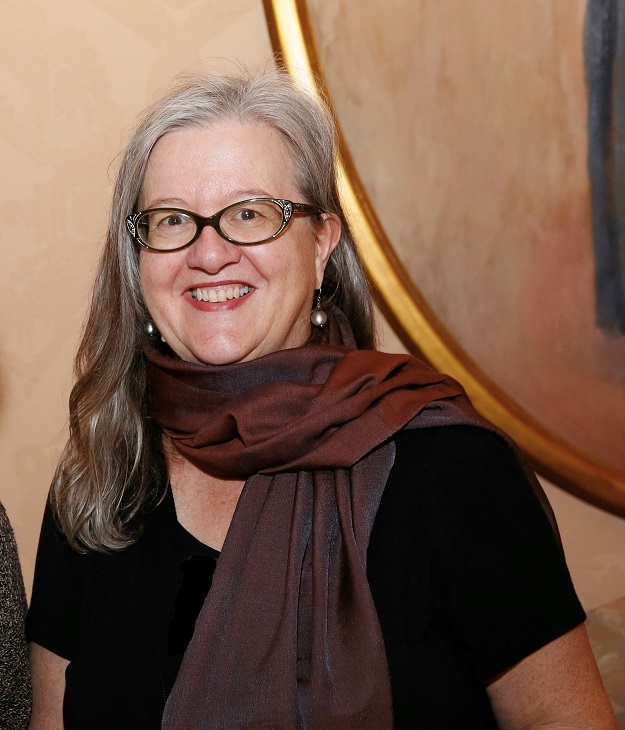
Elizabeth Castelli
Professor, Department of Religion, Barnard College
Elizabeth A. Castelli is a cultural historian of late ancient Christianity and a translator. She is the author of Martyrdom and Memory: Early Christian Culture Making and Imitating Paul: A Discourse of Power; co-author, as a member of the Bible and Culture Collective, of The Postmodern Bible; and editor of Women, Gender, Religion: A Reader; Interventions: Activists and Academics Respond to Violence (with Janet Jakobsen); Reimagining Christian Origins (with Hal Taussig); and special issues of the Journal of the History of Sexuality, differences: A Journal of Feminist Cultural Studies, and Scholar and Feminist Online.
Elizabeth Castelli
Professor of Religion and Director of the Barnard Center for Research on Women, Barnard College
Elizabeth A. Castelli is Professor of Religion and Director of the Barnard Center for Research on Women at Barnard College. She is a cultural historian of late ancient Christianity and a translator. She is the author of Martyrdom and Memory: Early Christian Culture Making and Imitating Paul: A Discourse of Power; co-author, as a member of the Bible and Culture Collective, of The Postmodern Bible; and editor of Women, Gender, Religion: A Reader; Interventions: Activists and Academics Respond to Violence (with Janet Jakobsen); Reimagining Christian Origins (with Hal Taussig); and special issues of the Journal of the History of Sexuality, differences: A Journal of Feminist Cultural Studies, and Scholar and Feminist Online. She is the translator of the authorized English translation of Pier Paolo Pasolini's Saint Paul. She is on the board of the Brooklyn Institute for Social Research and the advisory board of the Center for Religion and Media at NYU. She is a collective member and volunteer at Word Up Community Bookshop/Libreria Comunitaria, a volunteer-run and multi-lingual community bookshop and arts space in Washington Heights.

Matthew Engelke
Professor, Department of Religion, Columbia University
Matthew Engelke is an anthropologist with research interests in Christianity, secular humanism, media, materiality, semiotics. He has conducted fieldwork in Zimbabwe and in Britain. He is currently working on a book about secularity and death, based on research among humanist funeral celebrants in London. Before joining the Columbia faculty in 2018, Engelke taught in the Department of Anthropology at the London School of Economics and Political Science for 16 years. He received his BA from the University of Chicago in 1994 and his PhD from the University of Virginia in 2002.
Matthew Engelke
Professor of Religion; Director of the Institute for Religion, Culture and Public Life, Columbia University

Matthew Engelke is an anthropologist with research interests in Christianity, secular humanism, media, materiality, semiotics. He has conducted fieldwork in Zimbabwe and in Britain. He is currently working on a book about secularity and death, based on research among humanist funeral celebrants in London.
Before joining the Columbia faculty in 2018, Engelke taught in the Department of Anthropology at the London School of Economics and Political Science for 16 years. He received his BA from the University of Chicago in 1994 and his PhD from the University of Virginia in 2002.
Engelke is the editor of Prickly Paradigm Press, a section editor at Public Books, former editor of the Journal of the Royal Anthropological Institute, and former deputy editor of the Journal of Religion in Africa. Engelke has served on the board of trustees of both the Royal Anthropological Institute and the London School of Economics, as well as vice-chair of the LSE’s Ethics Policy Committee.
The author or editor of several books, Engelke has also published articles in many journals, including American Ethnologist, Comparative Studies in Society and History, South Atlantic Quarterly, and Current Anthropology. Beyond his scholarly writing, Engelke has written for the Guardian and Tate Modern.
Ana M. Ochoa Gautier
Professor, Department of Ethnicity and Race, Columbia University
Ana M. Ochoa Gautier is Professor and Chair of the Department of Music, and faculty member at the Center for the Study of Ethnicity and Race at Columbia University. Her recent book, Aurality, Listening and Knowledge in Nineteenth-Century Colombia (Duke University Press, 2014) was awarded the Alan Merriam Prize by the Society for Ethnomusicology. She is also the author of Músicas locales en tiempos de globalización (Buenos Aires: Norma 2003) and Entre los Deseos y los Derechos: Un Ensayo Crítico sobre Políticas Culturales (Bogotá: Ministerio de cultura, 2003).
Ana M. Ochoa Gautier
Professor and Chair of the Department of Music; Faculty Member at the Center for the Study of Ethnicity and Race, Columbia University

Ana M. Ochoa Gautier is Professor and Chair of the Department of Music, and faculty member at the Center for the Study of Ethnicity and Race at Columbia University. Her recent book, Aurality, Listening and Knowledge in Nineteenth-Century Colombia (Duke University Press, 2014) was awarded the Alan Merriam Prize by the Society for Ethnomusicology. She is also the author of Músicas locales en tiempos de globalización (Buenos Aires: Norma 2003) and Entre los Deseos y los Derechos: Un Ensayo Crítico sobre Políticas Culturales (Bogotá: Ministerio de cultura, 2003). She writes on music and cultural policy, forced silence and armed conflict, and genealogies of listening and sound in Latin America and the Caribbean. Her current projects explore the bioacoustics of life and death in colonial histories of the Americas. She has been a Distinguished Greenleaf Scholar in Residence at Tulane University (2016) and a Guggenheim Fellow (2007-2008). She has served on the advisory boards of the Society for Cultural Anthropology, the Démos project at the Cité de la Musique - Philharmonie de Paris, and the Smithsonian Center for Folklife and Cultural Heritage.
Working Group Affiliation
Environmental Justice, Belief Systems, and Aesthetic Experiences in Latin America and the Caribbean, Project Director
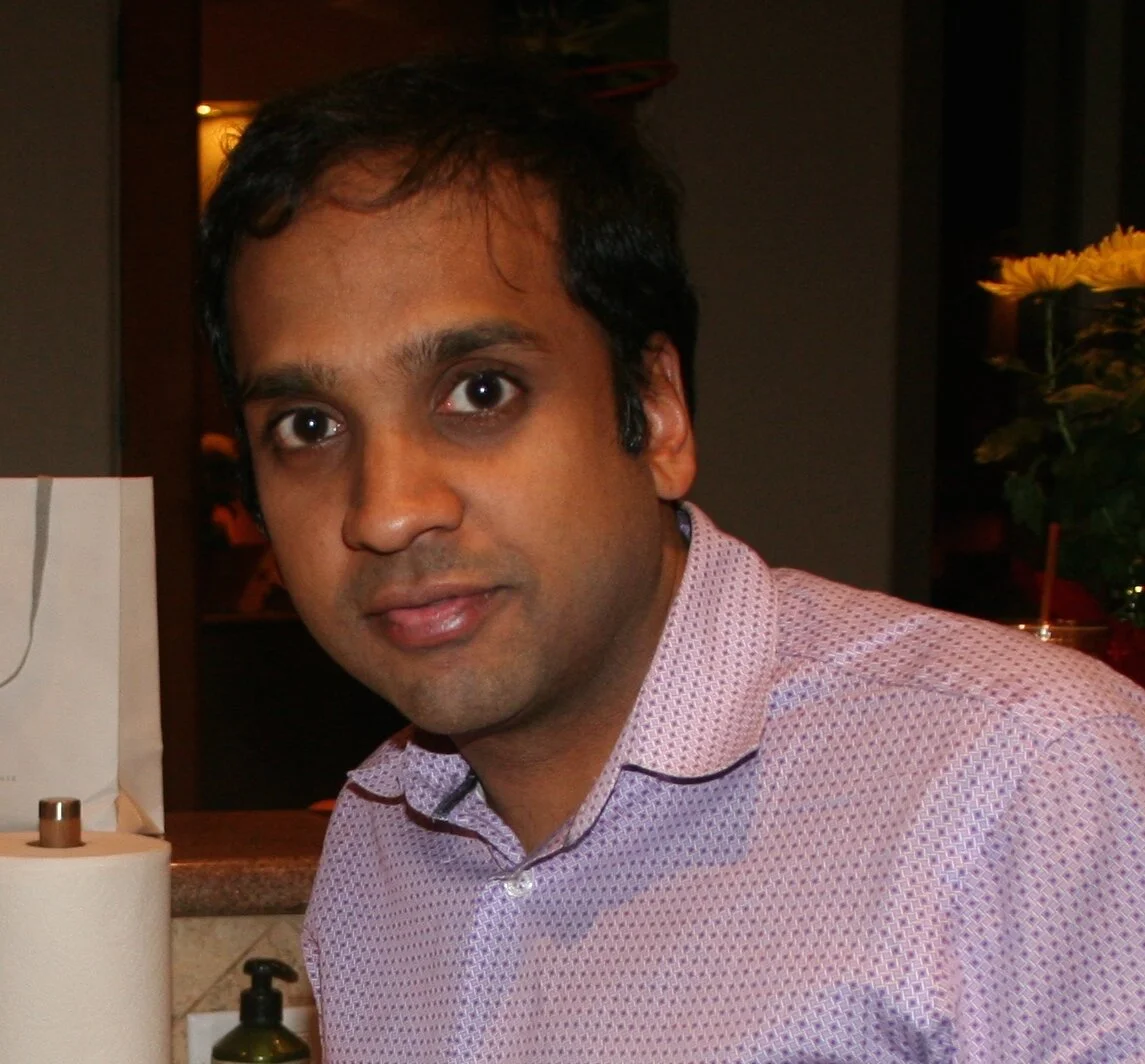
Rishi Goyal
Assistant Professor, Department of Emergency Medicine and the Institute of Comparative Literature, Columbia University
Rishi Goyal, MD, PhD is an Assistant Professor in the Department of Emergency Medicine and the Institute of Comparative Literature at Columbia University where he is the Director of the Medicine, Literature and Society Major. Dr. Goyal is also an Adjunct Associate Professor of Humanities at the University of Southern Denmark. Dr. Goyal received his MD (2001) and his PhD in English and Comparative Literature (2010) from Columbia University. He was Chief Resident in Emergency Medicine at New York-Presbyterian Hospital (2009-10). Dr. Goyal’s research, writing and teaching focuses on the reciprocal transformations that result when new ideas about health, disease and the body find forms of expression in fiction and memoirs.
Rishi Goyal
Assistant Professor, Department of Emergency Medicine and the Institute of Comparative Literature, Columbia University

Rishi Goyal, MD, PhD is an Assistant Professor in the Department of Emergency Medicine and the Institute of Comparative Literature at Columbia University where he is the Director of the Medicine, Literature and Society Major. Dr. Goyal is also an Adjunct Associate Professor of Humanities at the University of Southern Denmark.
Dr. Goyal received his MD (2001) and his PhD in English and Comparative Literature (2010) from Columbia University. He was Chief Resident in Emergency Medicine at New York-Presbyterian Hospital (2009-10). Dr. Goyal’s research, writing and teaching focuses on the reciprocal transformations that result when new ideas about health, disease and the body find forms of expression in fiction and memoirs. His most recent work explores the political, aesthetic, and social dimensions of the representation of physical trauma in literature. His writing has appeared in The Living Handbook of Narratology, Aktuel Forskning. Litteratur, Kultur og Medier, and The Los Angeles Review of Books among other places. He is a co-founding editor of the online journal, Synapsis: A Health Humanities Journal, and is the recipient of multiple grants and awards including a recent NEH grant.
Working Group Affiliation
Motherhood and Technology, Project Director
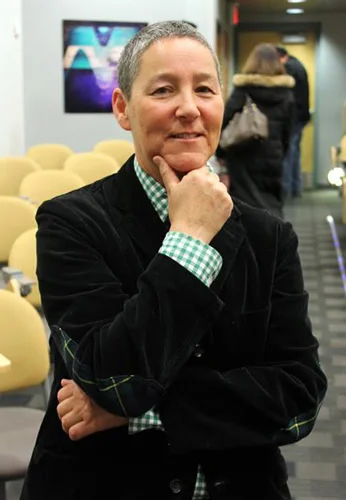
Jack Halberstam
Halberstam works in the areas of popular, visual and queer culture with an emphasis on subcultures. Halberstam’s first book, Skin Shows: Gothic Horror and the Technology of Monsters (1995), was a study of popular gothic cultures of the 19th and 20th centuries and it stretched from Frankenstein to contemporary horror film. Her 1998 book, Female Masculinity (1998), made a ground breaking argument about non-male masculinity and tracked the impact of female masculinity upon hegemonic genders.
Jack Halberstam
Professor of Women, Gender, and Sexuality Studies and English
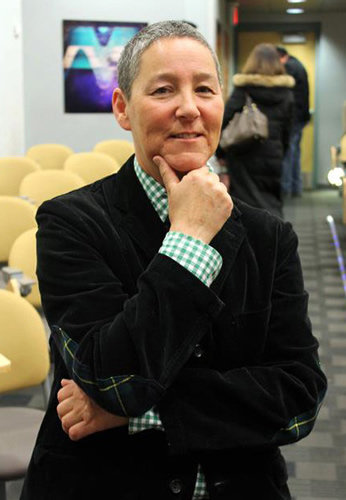
Jack Halberstam is the author of five books including: Skin Shows: Gothic Horror and the Technology of Monsters (Duke UP, 1995), Female Masculinity (Duke UP, 1998), In A Queer Time and Place (NYU Press, 2005), The Queer Art of Failure (Duke UP, 2011) and Gaga Feminism: Sex, Gender, and the End of Normal (Beacon Press, 2012) and has written articles that have appeared in numerous journals, magazines and collections. Halberstam has co-edited a number of anthologies including Posthuman Bodies with Ira Livingston (Indiana University Press, 1995) and a special issue of Social Text with Jose Munoz and David Eng titled “What’s Queer About Queer Studies Now?” Jack is a popular speaker and gives lectures around the country and internationally every year. Lecture topics include: queer failure, sex and media, subcultures, visual culture, gender variance, popular film, and animation. Halberstam is currently working on several projects including a book titled WILD THING on queer anarchy, performance and protest culture, the visual representation of anarchy and the intersections between animality, the human and the environment. Halberstam is also finishing up a short book titled Trans* for UC Press, forthcoming in 2018.
Working Group Affiliations
Queer Aqui, Project Director
Books Edited:
Skin Shows: Gothic Horror and the Technology of Monsters Duke UP, 1995
Female Masculinity Duke UP, 1998
In A Queer Time and Place NYU Press, 2005
The Queer Art of Failure Duke UP, 2011
Gaga Feminism: Sex, Gender, and the End of Normal Beacon Press, 2012
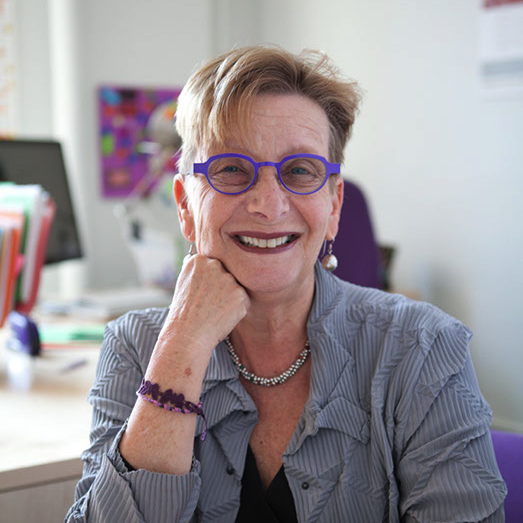
Marianne Hirsch
William Peterfield Trent Professor of English and Comparative Literature and Professor of Women's, Gender, and Sexuality Studies, Columbia University
Marianne Hirsch, former Director of Columbia University's Center for the study of Social Difference is a fellow of the American Academy of Arts and Sciences and a former President of the Modern Language Association of America. She was born in Romania, and educated at Brown University where she received her BA/MA and Ph.D. degrees. Hirsch’s work combines feminist theory with memory studies, particularly the transmission of memories of violence across generations.
Marianne Hirsch
Professor of English and Comparative Literature and Professor of Women's, Gender, and Sexuality Studies
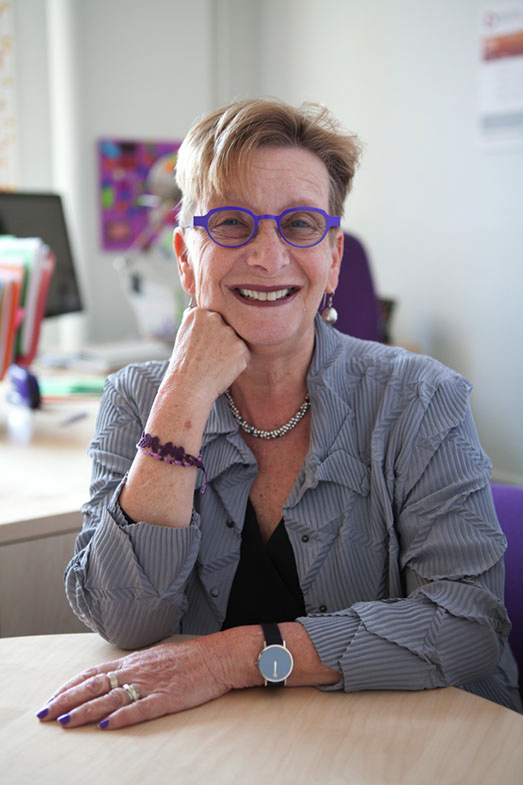
Marianne Hirsch is William Peterfield Trent Professor of English and Comparative Literature at Columbia University and Professor in the Center for the Study of Sexuality. She is a member of the American Academy of Arts and Sciences and a former President of the Modern Language Association of America. She was born in Romania, and educated at Brown University where she received her BA/MA and Ph.D. degrees.
Hirsch’s work combines feminist theory with memory studies, particularly the transmission of memories of violence across generations. Her recent books include School Photos in Liquid Time: Reframing Difference, co-authored with Leo Spitzer (University of Washington Press, 2020), and the co-edited volumes Imagining Everyday Life: Engagements with Vernacular Photography (Steidl, 2020) and Women Mobilizing Memory (Columbia University Press, 2019). Earlier publications include The Generation of Postmemory: Writing and Visual Culture After the Holocaust (Columbia University Press, 2012), Ghosts of Home: The Afterlife of Czernowitz in Jewish Memory, co-authored with Leo Spitzer (University of California Press, 2010), Family Frames: Photography, Narrative, and Postmemory (1997), and The Familial Gaze (ed.1999). With Leo Spitzer, Hirsch recently curated "School Photos and Their Afterlives,” an exhibit at the Hood Museum of Art, Dartmouth College.
Hirsch is the former editor of PMLA and the recipient of fellowships from the Guggenheim Foundation, the ACLS, the Mary Ingraham Bunting Institute, the National Humanities Center, and the Bellagio and Bogliasco Foundations. She is one of the founders of Columbia’s Center for the Study of Social Difference, and its global initiative “Women Creating Change.”
Along with a group of local scholars, artists and activists, Hirsch is currently co-directing the Zip Code Memory Project, an initiative that seeks to find art and community-based ways to repair the devastating losses resulting from the Coronavirus pandemic while also acknowledging its radically differential effects on Upper New York City neighborhoods.
Working Group Affiliations
Engendering the Archive, Project Director
Reframing Gendered Violence, Project Director
Women Mobilizing Memory, Project Director
Zip Code Memory Project: Practices of Justice and Repair, Social Engagement Project, Project Director

Lauren C. Houghton
Assistant Professor of Epidemiology, Columbia University
Lauren C. Houghton, PhD, takes a biosocial and life course approach to breast cancer prevention. Using tools from biological anthropology and molecular epidemiology, she focuses on hormones as the mechanism that links what happens above the skin with that beneath the skin.
Lauren C. Houghton
Assistant Professor of Epidemiology, Columbia University
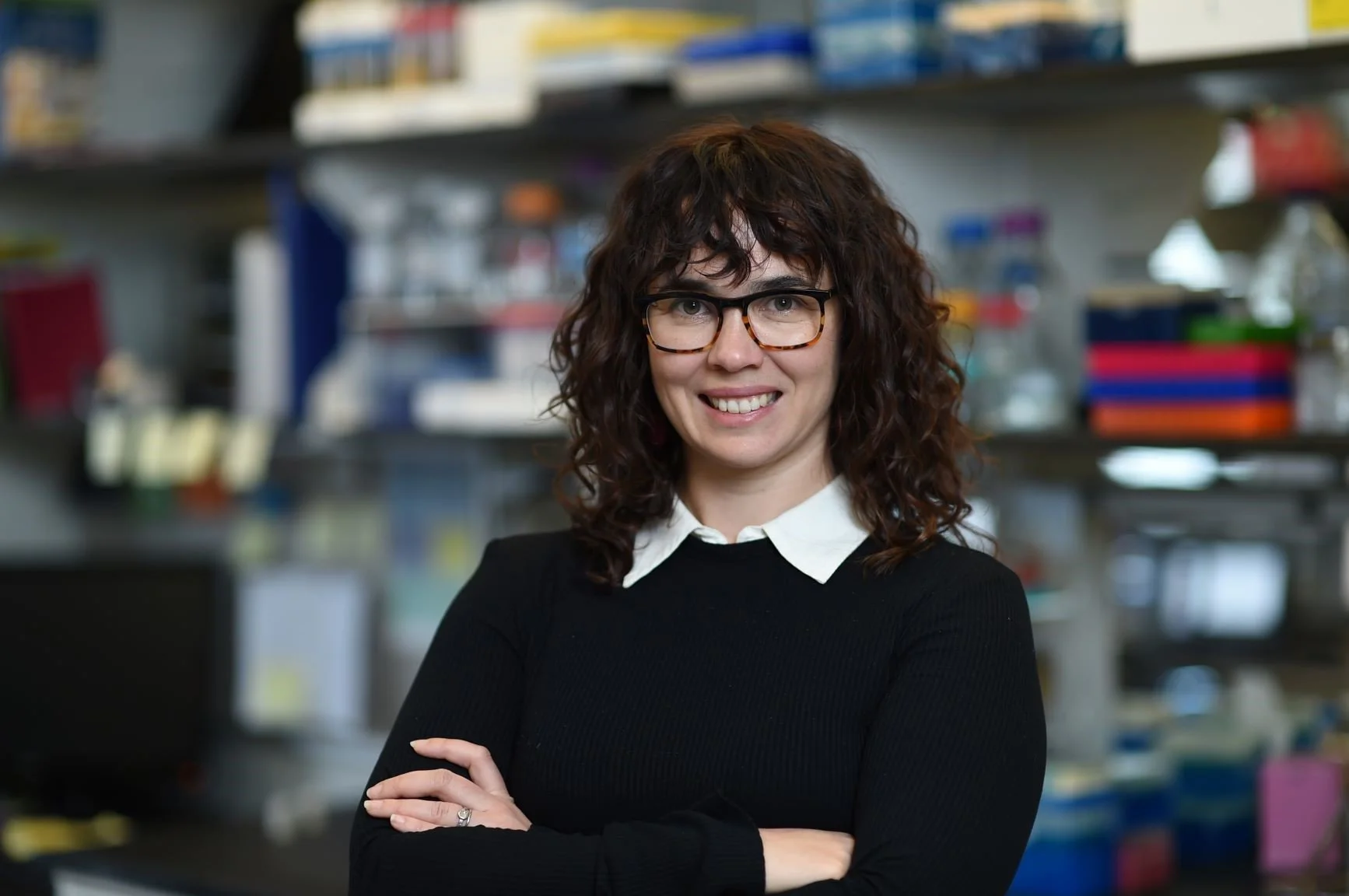
Lauren C. Houghton, PhD, takes a biosocial and life course approach to breast cancer prevention. Using tools from biological anthropology and molecular epidemiology, she focuses on hormones as the mechanism that links what happens above the skin with that beneath the skin. Specifically, she examines the steroid metabolome in relation to intermediate outcomes, including pubertal development and the menstrual cycle, and breast cancer risk. She has extensively worked with migrant studies in Bangladesh, the UK and Mongolia to better understand reproductive factors among females moving from low to high risk geographic areas. She has conducted fieldwork with Native Americans in the Southwest US, menopausal women in the UK and school girls in Bangladesh and is currently a co-investigator of The LEGACY Girls Study in New York City. Having a background in anthropology, Dr. Houghton is also interested in developing mixed-methods to be implemented in epidemiological studies to better capture biological and cultural mediators of health disparities. She is currently exploring how digital menstrual health can be used in the dissemination and implementation of the latest breast cancer science. Ultimately, by understanding how culture is embedded in our biology and designing culturally compelling interventions she aims to improve the translation of preventative medicine to the public.
Working Group Affiliation

Jean Howard
Professor, Department of English and Comparative Literature, Columbia University
Jean E. Howard is the George Delacorte Professor in the Humanities at Columbia University where she teaches early modern literature, Shakespeare, feminist studies, and theater history. Howard has authored over fifty essays; and her books include Shakespeare’s Art of Orchestration: Stage Technique and Audience Response (1984); The Stage and Social Struggle in Early Modern England (1994); Engendering a Nation: A Feminist Account of Shakespeare’s English Histories (1997), co-written with Phyllis Rackin; Theater of a City: The Places of London Comedy 1598-1642 (2007), which won the Barnard Hewitt Prize for the outstanding work of theater history for 2008, and Marx and Shakespeare in the Great Shakespeareans series (2012), co-written with Crystal Bartolovich.
Jean Howard
Professor of English and Comparative Literature

Jean E. Howard is a former Director of the Center for the Study of Social Difference and the George Delacorte Professor in the Humanities at Columbia University where she teaches early modern literature, Shakespeare, feminist studies, and theater history. Howard has authored over fifty essays; and her books include Shakespeare’s Art of Orchestration: Stage Technique and Audience Response (1984); The Stage and Social Struggle in Early Modern England (1994); Engendering a Nation: A Feminist Account of Shakespeare’s English Histories (1997), co-written with Phyllis Rackin; Theater of a City: The Places of London Comedy 1598-1642 (2007), which won the Barnard Hewitt Prize for the outstanding work of theater history for 2008, and Marx and Shakespeare in the Great Shakespeareans series (2012), co-written with Crystal Bartolovich. In addition, Professor Howard is one of the co-editors of The Norton Shakespeare, the third edition of which is now in preparation, and general editor of the Bedford Contextual Editions of Shakespeare. She has edited seven collections of essays and has been the recipient of Guggenheim, ACLS, NEH, and Huntington, Folger, and Newberry Library Fellowships. A past President of the Shakespeare Association of America and an active member of many committees of the Modern Language Association, she currently serves as a Senator for the National Phi Beta Kappa organization and as Chair of its Visiting Scholar Committee. Howard has received several awards for the teaching and mentoring of graduate students and has directed over forty-five doctoral dissertations. As an administrator, Howard has served as a Trustee of Brown University and is currently Chair of Brown’s Presidential Diversity Advisory Council and Vice Chair of the Pembroke Center’s Associates’ Board. At Columbia she has served as Chair of the Institute for Research on Women and Gender, as Columbia’s first Vice Provost for Diversity Initiatives, and as Chair of the Department of English and Comparative Literature. She has just completed a contextual edition of As You Like It and is turning the Schoff Lectures, which she delivered at Columbia, into a new book, Staging History, Writing the Nation that considers the work of contemporary playwrights Tony Kushner and Caryl Churchill alongside Shakespeare’s history plays. She is planning a book on early modern tragedy.
Working Group Affiliations
Prison Education and Social Justice, Project Director
Engendering the Archive, Project Director
Reframing Gendered Violence, Project Director
Women Mobilizing Memory, Project Director
Book Publications
Theater of a City: The Places of London Comedy 1598-1642 , University of Pennsylvania Press, 2007. Won the Barnard Hewitt award for Outstanding Theater History for 2008.
Marxist Shakespeares, Edited with Scott Shershow, Routledge, 2000
Engendering a Nation: A Feminist Account of Shakespeare's English Histories, Routledge, 1997
Shakespeare Reproduced: The Text in History and Ideology, Edited with Marion O'Connor, Routledge, 1987
The Stage and Struggle in Early Modern England, Routledge, 1994
Shakespeare's Art of Orchestration: Stage Technique and Audience Response, University of Illinois Press, 1984.
Ana Paulina Lee
Associate Professor, Department of Latin American and Iberian Cultures, Columbia University
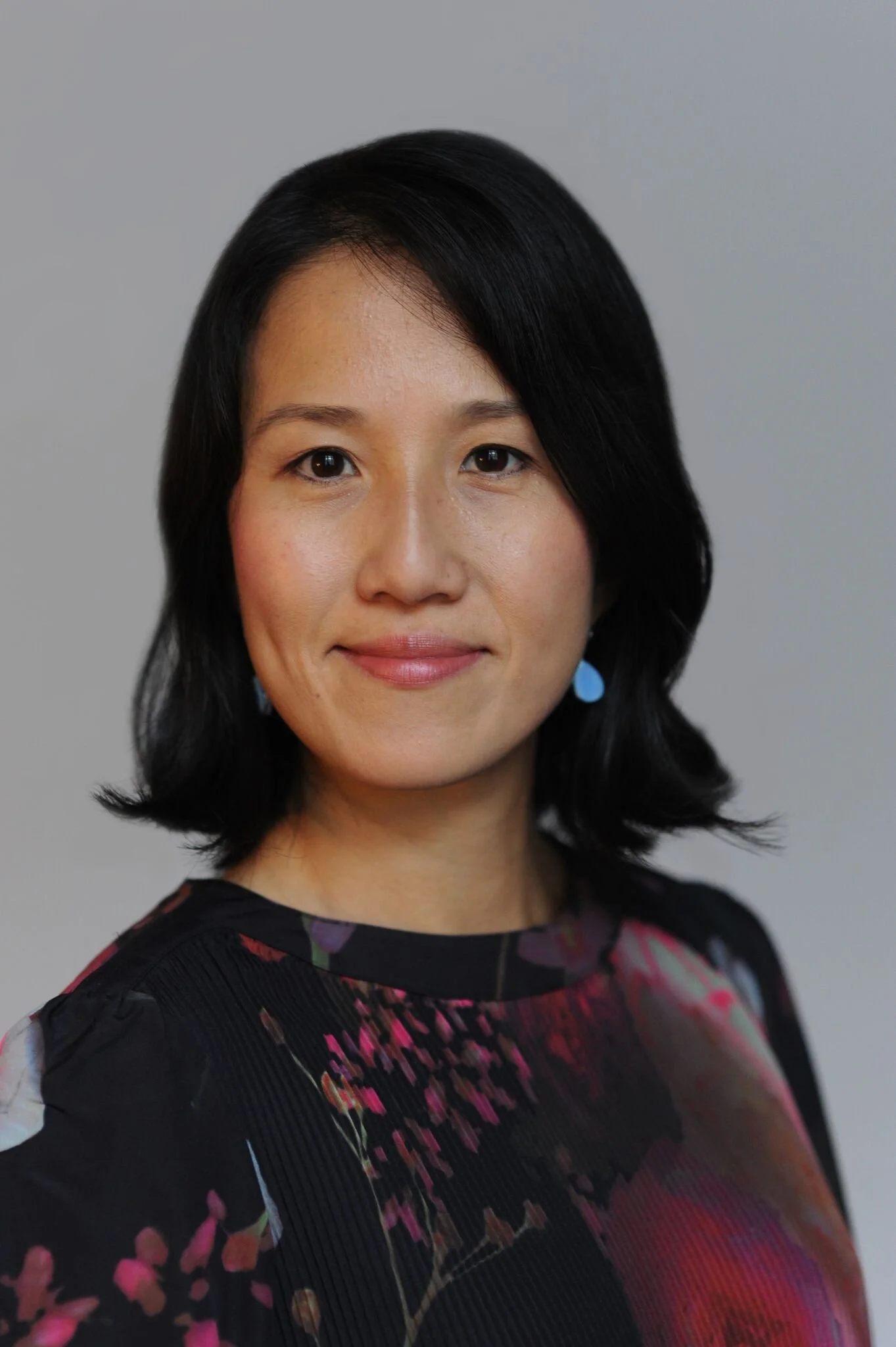
Ana Paulina Lee is Associate Professor of Latin American and Iberian Cultures at Columbia University. She is the author of Mandarin Brazil: Race, Representation, and Memory (Stanford University Press).
Ana Paulina Lee
Ana Paulina Lee is Associate Professor of Latin American and Iberian Cultures at Columbia University. She is the author of Mandarin Brazil: Race, Representation, and Memory (Stanford University Press).
Ana Paulina Lee's research and teaching focus on the intersection of cultural studies and political philosophy, race relations and hemispheric American histories of slavery and immigration, Asian and African diasporic cultures in the Americas, performance and memory studies. Prior to joining the department of Latin American and Iberian Cultures, Lee was a Mellon Postdoctoral Fellow at the Stone Center for Latin American Studies at Tulane University in New Orleans, Louisiana. She received a PhD in Comparative Literature from the University of Southern California, and holds an MA in Hispanic Literatures and Cultures from New York University in Madrid, Spain, a Pós-Graduação Lato Sensu em Cultura e Arte Barroca from the Federal University of Ouro Preto, Brazil, and a BA in English Literature and Global Studies from SUNY Binghamton. Professor Lee has been a Fulbright Researcher in Lisbon, Portugal, and the recipient of the Fundação Luso-Americana Fellowship and Cultural Ambassador Award from the Ministry of Education and Sport of Spain.
Working Group Affiliations
Geographies of Injustice: Gender and the City, Project Director
Books Edited:
Mandarin Brazil: Race, Representation, and Memory Stanford University Press, 2018
Celia E. Naylor
Associate Professor, Department of Africana Studies and History, Barnard College
Celia E. Naylor explores the multifaceted connections between African-Americans, Black Indians and Native Americans in the U.S. Her book, African Cherokees in Indian Territory: From Chattel to Citizens, was published by the University of North Carolina Press in May 2008 (John Hope Franklin Series in African American History and Culture). This work charts the experiences of enslaved and free Blacks in the Cherokee Nation from the Trail of Tears to Oklahoma’s entry into the Union in 1907. Her interests include African-American and Caribbean history; Native American history; women's history and literature in the African Diaspora; and colonialism and neocolonialism in the Americas.
Celia E. Naylor
Associate Professor, Africana Studies and History, Barnard College
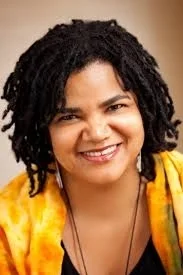
Celia E. Naylor is an Associate Professor in the Departments of Africana Studies and History at Barnard College. She has taught at various institutions, and she was the Director of the Margaret Sloss Women’s Center at Iowa State University from 1993-1997. Her interests include African-American and Caribbean history; Indigenous history; women's history and literature in the African Diaspora; and colonialism and neocolonialism in the Caribbean. Most of her published work explores the multifaceted connections between people of African descent and Indigenous descent in the U.S. She was one of the coordinators of the historic conference, “‘Eating Out of the Same Pot’: Relating Black and Native (Hi)stories,” held at Dartmouth College in April 2000. Her book, African Cherokees in Indian Territory: From Chattel to Citizens, was published by the University of North Carolina Press in May 2008 (John Hope Franklin Series in African American History and Culture). Her current book project is a microhistory of enslaved people’s experiences (with a particular focus on enslaved women’s lives) at Rose Hall Plantation in Jamaica. It will include an interdisciplinary critique of the legend of the “White Witch of Rose Hall” and a digital component to present a counternarrative to this mythology. She also works with a non-profit organization, the Institute for Strategic and Equitable Development, that centers on philanthropy-focused initiatives grounded in racial equity and promotes impactful grantmaking, investments, and economic development in communities of color.
Working Group Affiliations
Transnational Black Feminisms, Project Director
Frances Negrón-Muntaner
Professor, Department of English and Comparative Literature, Columbia University
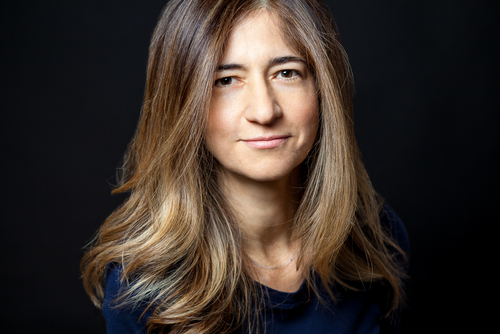
Frances Negrón-Muntaner is a filmmaker, writer, curator, scholar and professor at Columbia University, where she is also the founding curator of the Latino Arts and Activism Archive. Among her books and publications are: Boricua Pop: Puerto Ricans and the Latinization of American Culture (CHOICE Award, 2004), The Latino Media Gap (2014), and Sovereign Acts: Contesting Colonialism in Native Nations and Latinx America (2017). Her most recent films include Small City, Big Change (2013), War for Guam (2015) and Life Outside (2016).
Frances Negrón-Muntaner
Professor of English and Comparative Literature, Former Director of the Center for the Study of Ethnicity and Race

Frances Negrón-Muntaner is a filmmaker, writer, scholar and professor at Columbia University, where she is also the founding curator of the Latino Arts and Activism Archive. Among her books and publications are: Boricua Pop: Puerto Ricans and the Latinization of American Culture (CHOICE Award, 2004), The Latino Media Gap (2014), and Sovereign Acts: Contesting Colonialism in Native Nations and Latinx America (2017). She has received various recognitions, including the United Nations' Rapid Response Media Mechanism designation as a global expert in the areas of mass media and Latin/o American studies (2008); the Lenfest Award, one of Columbia University's most prestigious recognitions for excellence in teaching and scholarship (2012), and the Latin American Studies Association’s Frank Bonilla Public Intellectual Award (2019). Negrón-Muntaner served as director of Columbia’s Center for the Study of Ethnicity and Race from 2009-2016 and co-director of Unpayable Debt, a working group that studied debt regimes in the world. Her most recent project is the award-winning Valor y Cambio (Value and Change), an art, digital storytelling and just economy project in Puerto Rico and New York (valorymcambio.org).
Social media: @imfrancesnegron, FB - Frances Negron Muntaner.
Working Group Affiliation
Unpayable Debt: Capital, Violence, and the New Global Economy, Project Director
Mae Ngai
Professor, Department of Asian American Studies and History, Columbia University
Mae M. Ngai is Lung Family Professor of Asian American Studies and Professor of History, and Co-Director of the Center for the Study of Ethnicity and Race.
Mae M. Ngai
Lung Family Professor of Asian American Studies and Professor of History, Columbia University
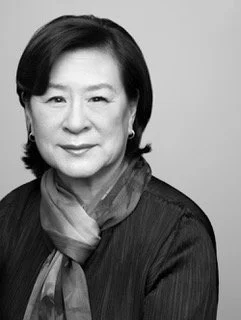
Mae M. Ngai is Lung Family Professor of Asian American Studies and Professor of History, and Co-Director of the Center for the Study of Ethnicity and Race. She is a U.S. legal and political historian interested in the histories of immigration, citizenship, nationalism, and the Chinese diaspora. She is author of the award-winning Impossible Subjects: Illegal Aliens and the Making of Modern America (2004); The Lucky Ones: One Family and the Extraordinary Invention of Chinese America (2010); and The Chinese Question: The Gold Rushes and Global Politics (2021). Ngai has written on immigration history and policy for the Washington Post, New York Times, Los Angeles Times, the Atlantic, the Nation, and Dissent. Before becoming a historian she was a labor-union organizer and educator in New York City, working for District 65-UAW and the Consortium for Worker Education. She is now writing Nation of Immigrants: A Short History of an Idea (under contract with Princeton University Press).
Anupama Rao
Associate Professor, Department of History, Columbia University
Anupama Rao has research and teaching interests in the history of anti-colonialism; caste and race; historical anthropology, social theory and intellectual history, and comparative urbanism. She is Senior Editor, Comparative Studies in South Asia, Africa and the Middle East. She has served as President, Society for the Advancement of South Asian History (American Historical Association), and on the South Asia Council of the Association for Asian Studies. Her work has been supported by fellowships at the Center for Advanced Study in the Behavioral Sciences (Stanford) and the National Humanities Center (North Carolina), and by grants for the American Institute for Indian Studies, and the National Endowment for the Humanities.
Anupama Rao
Associate Professor, History and Associate Director, Institute for Comparative Literature and Society
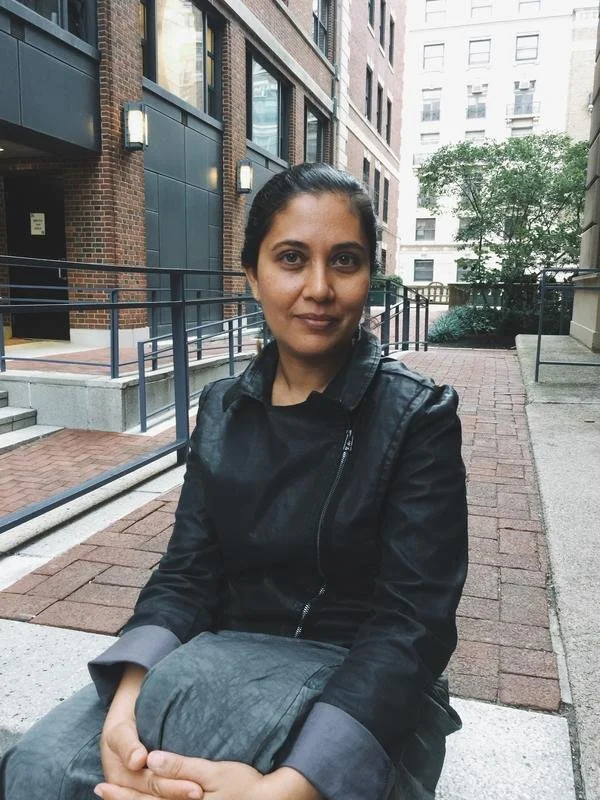
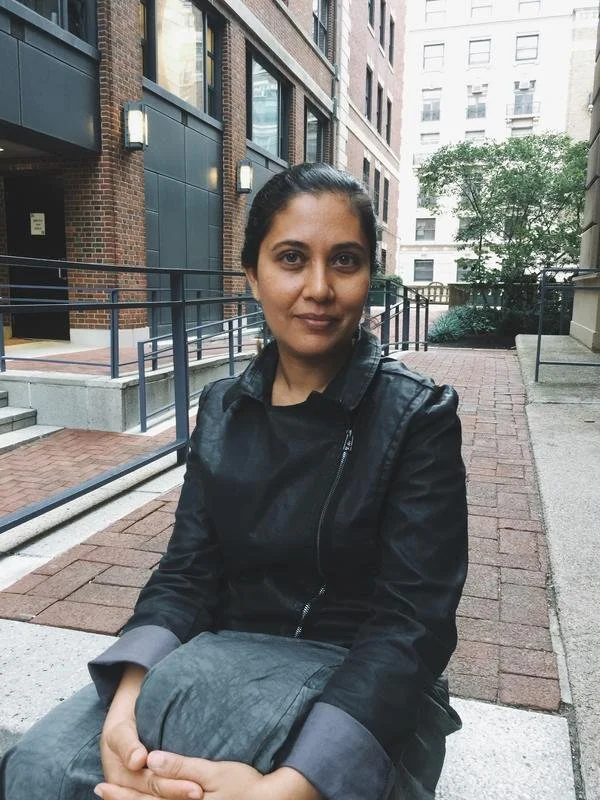
Anupama Rao, Associate Professor, History, Barnard College, is the author of The Caste Question: Dalits and the Politics of Modern India (U California Press, 2009), and numerous essays on colonialism and humanitarianism, and on non-Western histories of gender and sexuality. She has been a Fellow-in-Residence at the National Humanities Center; at the Center for Advanced Study in the Behavioral Sciences (Stanford); and at REWORK (Humboldt University, Berlin). Rao is co-convenor of “Subaltern Urbanism,” which is supported by Columbia’s Center for the Study of Social Difference, and was supported by a faculty grant from the Heyman Center for the Humanities. From 2014 to 2015, she was co-convenor of the project Asian Spatialities, supported by the Mellon Foundation and the International Institute of Asian Studies (Leiden). Rao is currently working on a book on the political thought of B. R. Ambedkar; and on a project titled Dalit Bombay, which explores the relationship between caste, political culture, and everyday life in colonial and postcolonial Bombay. Rao is currently Senior Editor, Comparative Studies in South Asia, Africa, and the Middle East, and Associate Director, Institute for Comparative Literature and Society.
Working Group Affiliations
Gender and the Global Slum, Project Director
Geographies of Injustice: Gender and the City, Project Director
Liberalism’s Others, Project Director
Reframing Gendered Violence, Project Director

Victoria Rosner
Professor, Department of English and Comparative Literature, Columbia University
Victoria Rosner specializes in modernist literature and culture, with particular interests in architecture and design, gender and sexuality studies, and life writing. She is the author of Modernism and the Architecture of Private Life (Columbia UP, 2005), winner of the Modernist Studies Association Book Prize. She is also the editor ofThe Cambridge Companion to the Bloomsbury Group (Cambridge UP, 2014) andThe Global and the Intimate: Feminism in Our Time (Columbia UP, 2012; with Geraldine Pratt).
Victoria Rosner
Dean of Academic Affairs for the School of General Studies; Adjunct Associate Professor of English and Comparative Literature, Columbia University
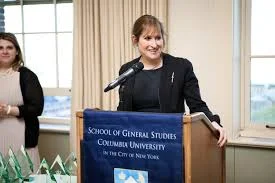
Victoria Rosner specializes in modernist literature and culture, with particular interests in architecture and design, gender and sexuality studies, and life writing. She is the author of Modernism and the Architecture of Private Life (Columbia UP, 2005), winner of the Modernist Studies Association Book Prize. She is also the editor ofThe Cambridge Companion to the Bloomsbury Group (Cambridge UP, 2014) andThe Global and the Intimate: Feminism in Our Time (Columbia UP, 2012; with Geraldine Pratt). With Nancy K. Miller, she edits the Gender and Culture book series for Columbia University Press. She is currently completing a book on interarts modernist aesthetics, forthcoming from Oxford University Press.
Rosner completed her bachelor of arts at Columbia College and her Ph.D. in English and Comparative Literature at Columbia University Graduate School of Arts and Sciences. Rosner previously held a tenured position in the Department of English at Texas A & M University, where she worked closely with undergraduates and spearheaded a revision of the English department’s undergraduate curriculum. She has played a number of key administrative roles in her efforts to promote the quality of education and enhance the student educational experience.
Working Group Affiliation
On the Frontlines: Nursing Leadership in Pandemics, Project Director

Anooradha Iyer Siddiqi
Assistant Professor, Department of Architecture, Columbia University
Anooradha Iyer Siddiqi is an Assistant Professor of Architecture at Barnard College, Columbia University, and co-editor of “Feminist Architectural Histories of Migration” (2020) and Spatial Violence (2016). Her book manuscript Architecture of Migration: The Dadaab Refugee Camps and Humanitarian Settlement analyzes the history, visual rhetoric, and spatial politics of the Dadaab refugee camps in Northeastern Kenya.
Assistant Professor, Architecture, Barnard College

Anooradha Iyer Siddiqi is an art and architectural historian specializing in histories of modernity, migration, and settlement. She is an Associate Professor at Barnard College, Columbia University, and her writing and teaching builds on yearslong research in Africa, Asia, and Europe for two scholarly monographs, Architecture of Migration (Duke University Press) and Ecologies of the Past. These two projects inform her research on histories of architecture, craft, settlement, and land, experiences of migration and territorial partition, and knowledge of the past through architectural practice, pedagogy, and discourse on the African continent and South Asian subcontinent. For more, please see https://www.anooradhaiyersiddiqi.net/.
Insurgent Domesticities, Co-Director
Black Archipelago, Working Group Member
Geographies of Injustice, Working Group Member
Edited Books
Architecture of Migration: The Dadaab Refugee Camps and Humanitarian Settlement (Duke University Press, Theory in Forms) available open access
Minnette De Silva: Intersections (Mack Books)
Alisa Solomon
Associate Professor, Department of Journalism, Columbia Journalism School
Alisa Solomon directs the Arts & Culture concentration in the M.A. program at the Journalism School. She came to Columbia in 2005 after nearly 20 years as a professor of English/Journalism at Baruch College-CUNY and as a professor in the Ph.D. programs in Theater and in English at the CUNY Graduate Center. In addition to contributing occasionally to The Nation, The Forward, The New York Times, and other publications, she was on staff at The Village Voice for 21 years, where she was a regular theater critic and cultural and political reporter, winning awards for stories on reproductive rights, electoral politics, women's sports, and immigration policy. Solomon's book, Re-Dressing the Canon: Essays on Theater and Gender, won the George Jean Nathan Award for Dramatic Criticism.
Associate Professor of Journalism, Columbia Journalism School
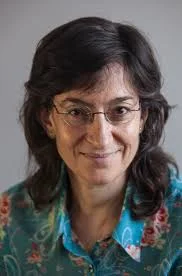
Alisa Solomon directs the Arts & Culture concentration in the M.A. program at the Journalism School. She came to Columbia in 2005 after nearly 20 years as a professor of English/Journalism at Baruch College-CUNY and as a professor in the Ph.D. programs in Theater and in English at the CUNY Graduate Center. In addition to contributing occasionally to The Nation, The Forward, The New York Times, and other publications, she was on staff at The Village Voice for 21 years, where she was a regular theater critic and cultural and political reporter, winning awards for stories on reproductive rights, electoral politics, women's sports, and immigration policy. For radio, she has contributed theater commentaries to WNYC and has served for more than a decade as a contributor to the weekly program "Beyond the Pale: Radical Jewish Culture and Politics" (WBAI). Solomon's book, Re-Dressing the Canon: Essays on Theater and Gender, won the George Jean Nathan Award for Dramatic Criticism. She is the editor of three anthologies: Wrestling with Zion: Progressive Jewish-American Responses to the Israeli-Palestinian Conflict (with Tony Kushner); "Theater and Social Change" (Theater, 31:3); and The Queerest Art: Essays on Lesbian and Gay Theater (with Framji Minwalla). Most recently, she edited and wrote the Introduction to The Reverend Billy Project: From Rehearsal Hall to Super Mall with the Church of Life After Shopping, by Bill Talen and Savitri D. Solomon holds a doctorate in Dramaturgy and Dramatic Criticism from Yale. Her book, Wonder of Wonders: A Cultural History of Fiddler on the Roof, was published by Metropolitan Books/Holt in 2013.
Working Group Affiliations
Marisa Solomon
Assistant Professor, Department of Women’s, Gender and Sexuality Studies, Barnard College
Marisa Solomon is an Assistant Professor of Women’s, Gender and Sexuality Studies at Barnard College, where she is affiliated with The Earth Institute. Her work draws upon Black feminist Marxism, queer of color critique, feminist intersectional science studies, and standpoint epistemologies to explore how scales of racial and ecological injury are linked from the body, to the neighborhood, to the region, to the Black Atlantic.
Marisa Solomon
Assistant Professor of Women’s, Gender and Sexuality Studies, Barnard College
Marisa Solomon is an Assistant Professor of Women’s, Gender and Sexuality Studies at Barnard College, where she is affiliated with The Earth Institute. Her work draws upon Black feminist Marxism, queer of color critique, feminist intersectional science studies, and standpoint epistemologies to explore how scales of racial and ecological injury are linked from the body, to the neighborhood, to the region, to the Black Atlantic. Broadly, Solomon’s work tracks how embodiment in an anti-Black world contours how, when, and for whom constitutions of matter matter. Her book project, tentatively titled, Mapping Trash Talk: Black Environments and Feminist Cartographies of Black Thought ethnographically situates what it means to “know” waste in the daily refusals of those overburdened by its emplacement and signification. Exploring the Black grammars, aesthetics, and gendered politics that challenge easy definitions of waste and degradation, Mapping Trash Talk locates Black ecopolitical praxis in the fugitivity of disposability. She has published on the materiality of waste and anti-Black histories of urban planning and gentrification in the Journal of International Labor and Working-Class History.
Working Group Affiliation
Black Atlantic Ecologies, Project Director
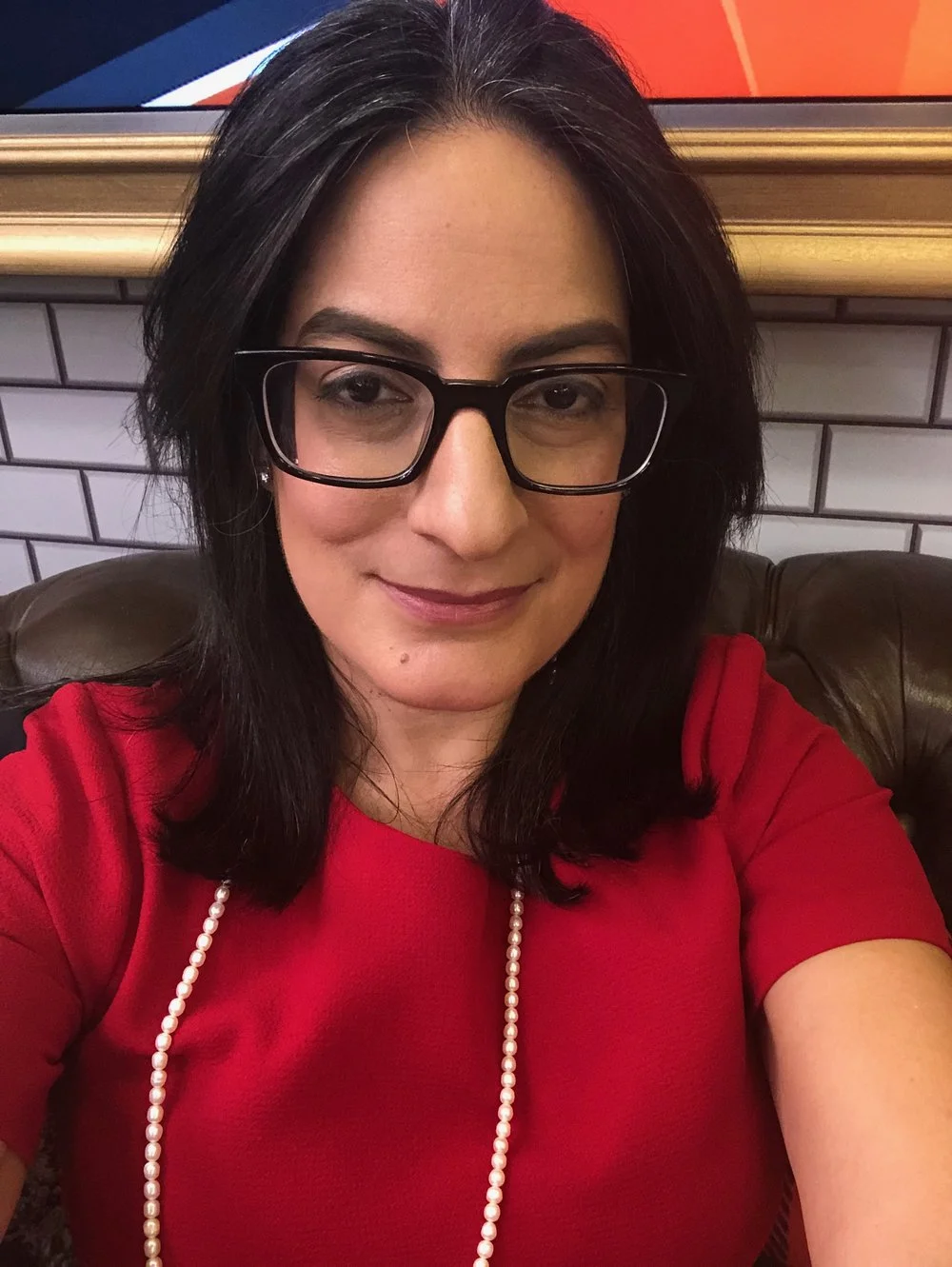
Sonia Tolani
Assistant Professor of Medicine, Columbia University Irving Medical Center
Dr. Tolani received her medical degree with honors from New York University School of Medicine. She completed her internship, medical residency and her fellowship in cardiovascular medicine at Columbia University Irving Medical Center in New York City. Dr. Tolani the co-Director of the Women’s Heart Center At Columbia University and a part of the Hypertension Center. As part of her cardiology fellowship, Dr. Tolani spent several years studying the interplay of cholesterol and inflammation and how this interaction impacts atherosclerosis.
Sonia Tolani, M.D.
Assistant Professor of Medicine, Columbia University Irving Medical Center
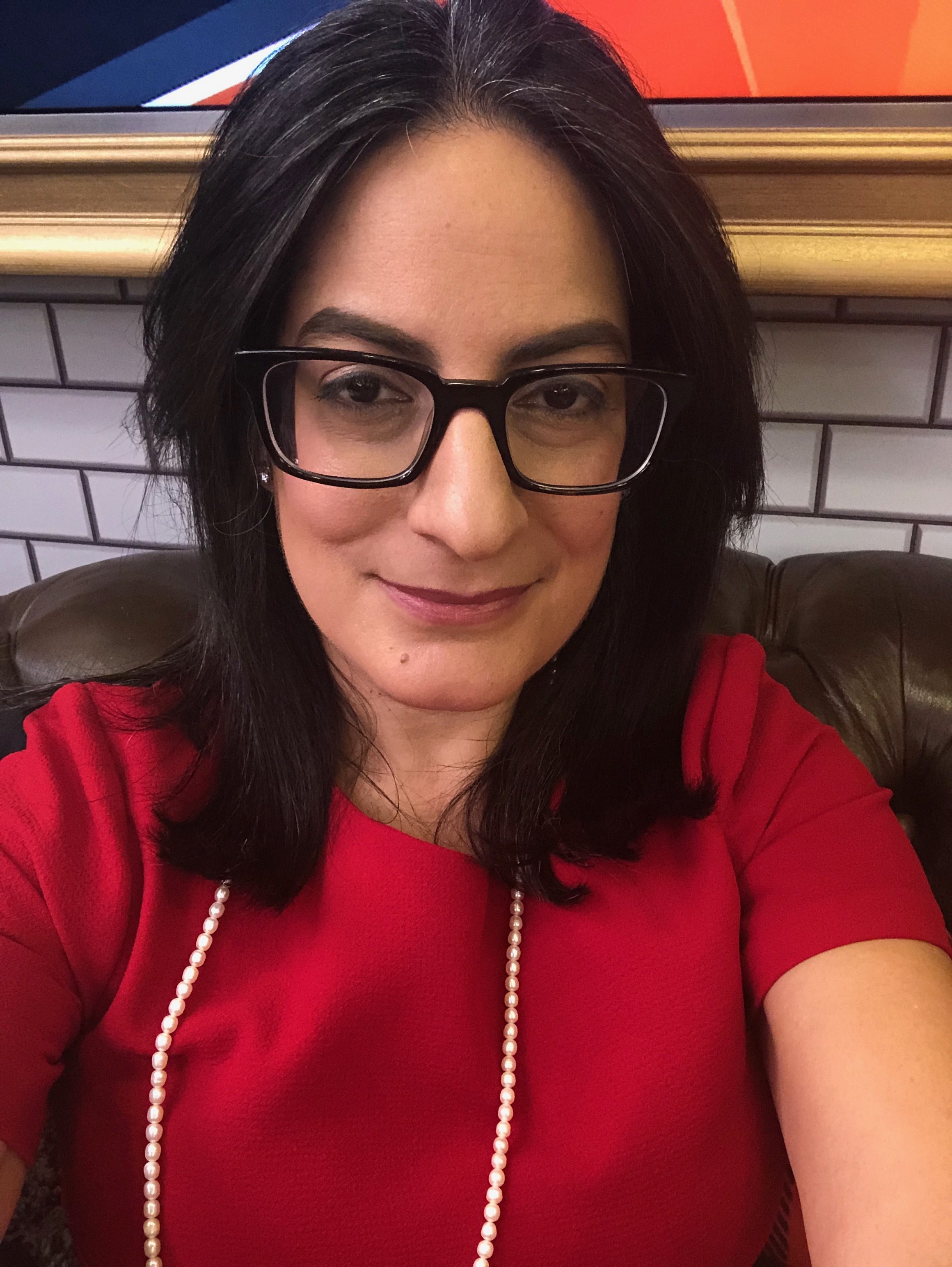
Dr. Tolani received her medical degree with honors from New York University School of Medicine. She completed her internship, medical residency and her fellowship in cardiovascular medicine at Columbia University Irving Medical Center in New York City. Dr. Tolani the co-Director of the Women’s Heart Center At Columbia University and a part of the Hypertension Center. As part of her cardiology fellowship, Dr. Tolani spent several years studying the interplay of cholesterol and inflammation and how this interaction impacts atherosclerosis. Her research has been published in core journals including Atherosclerosis, Journal of Clinical Investigation and Journal of Immunology. In addition to being a full-time clinician, she frequently appears in local and national media as an expert on preventative cardiology and women’s health. She has been featured on Morning Edition on NPR and the Dr. Oz Show. She also actively donates her time to community outreach programs aimed at educating women on the signs and symptoms of cardiovascular disease. Dr. Tolani's areas of expertise include consultative cardiology, preventative medicine and women's health. She is board certified in Internal Medicine, Cardiology and Echocardiography.
Working Group Affiliation
Women’s Heart Disease Awareness: Digital Intervention, Creating Change, Project Director