
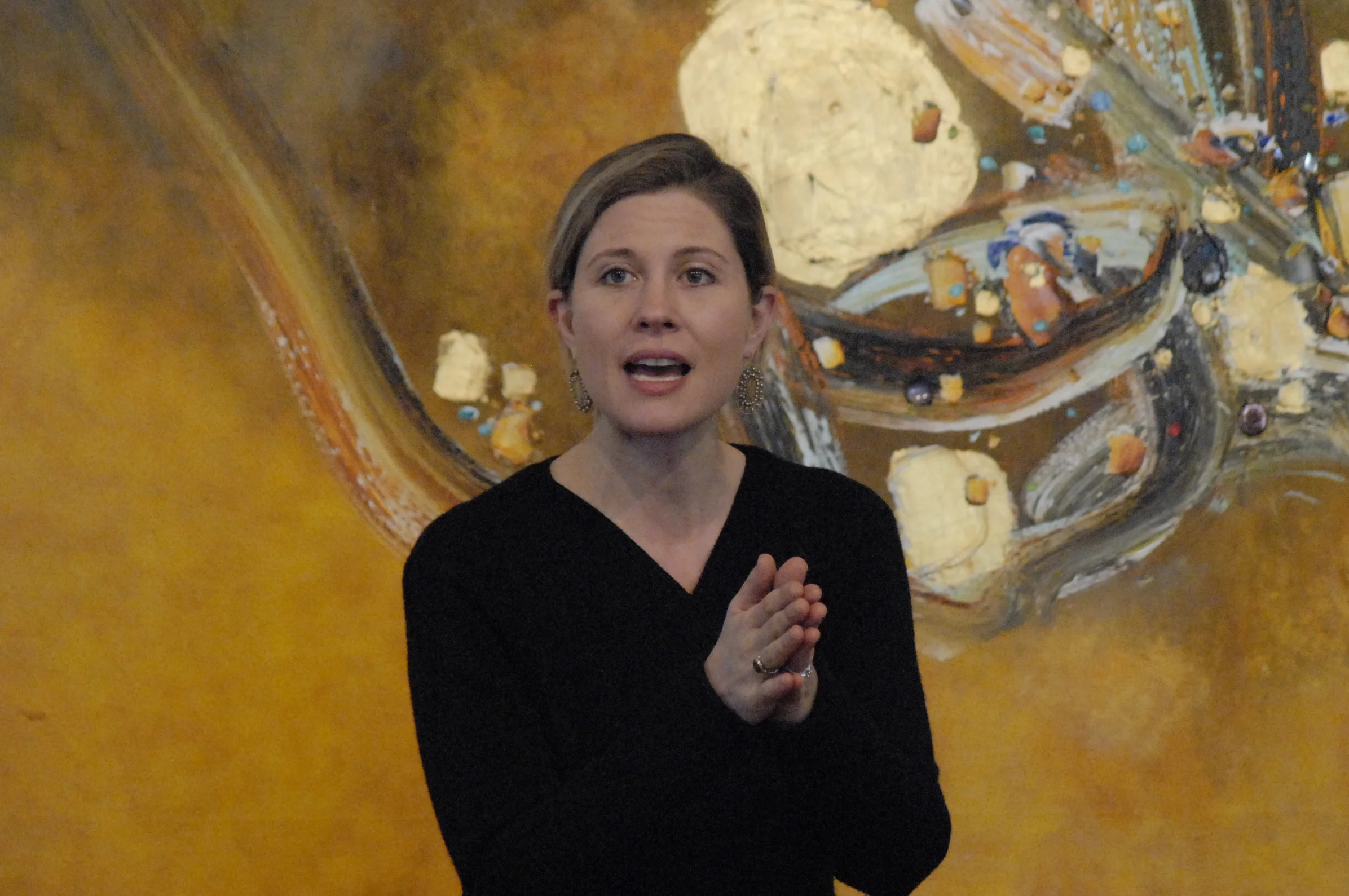
Kathryn Spellman Poots
Associate Professor, Department of Islamic Studies, Columbia University
Kathryn Spellman Poots is a Visiting Associate Professor at Columbia University and Academic Program Director for the MA in Islamic Studies. She is also Associate Professor at the Aga Khan
Kathryn Spellman Poots
Visiting Research Scholar, Middle East Institute, Columbia University

Kathryn Spellman Poots is a Visiting Associate Professor at Columbia University and Academic Program Director for the MA in Islamic Studies. She is also Associate Professor at the Aga Khan
University’s Institute for the Study of Muslim Civilizations in the United Kingdom. She earned her MSc and PhD in Politics and Sociology from Birkbeck College, University of London. Her research interests include Muslims in Europe and North America; the Iranian diaspora; transnational migration networks; and gender and religion in the Middle East and North Africa. Her publications include The monograph: Religion and Nation: Iranian Local and Transnational Networks in Britain (Berghahn, Oxford and New York) as well as the edited volumes: The Political Aesthetics of Global Protest: The Arab Spring and Beyond(Edinburgh University Press); and Ethnographies of Islam: Ritual Performances and Everyday Practices (Edinburgh University Press). She consults for organizations focusing on the rights and experiences of refugees and minority groupings, including the UNHRC (Geneva), UNESCO (Paris), UK Foreign Office, US State Department, German Foreign Office, and the London Detainee Support Group.
Working Group Affiliation
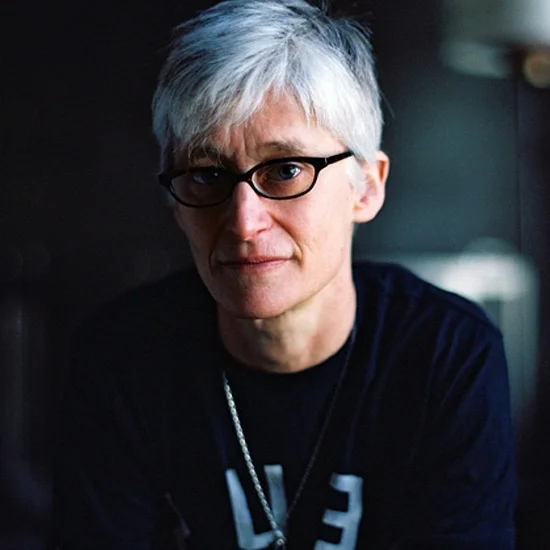
Elizabeth Povinelli
Professor, Department of Anthropology and Women’s and Gender Studies, Columbia University
Elizabeth Povinelli's writing has focused on developing a critical theory of late liberalism. This critical task is grounded in theories of the translation, transfiguration and the circulation of values, materialities, and socialities within settler liberalisms. Her first two books focused on impasses within liberal systems of law and value as they meet local Australian indigenous worlds, and the effect of these impasses on the development of legal and public culture in Australia. Her most recent book examines how a set of ethical and normative claims about the governace of lowve, sociality, and the body circulate in liberal settler colonies in such a way that life and death, rights and recognition, goods and resources are unevenly distributed there.
Elizabeth Povinelli
Professor of Anthropology and Women's and Gender Studies, Columbia University
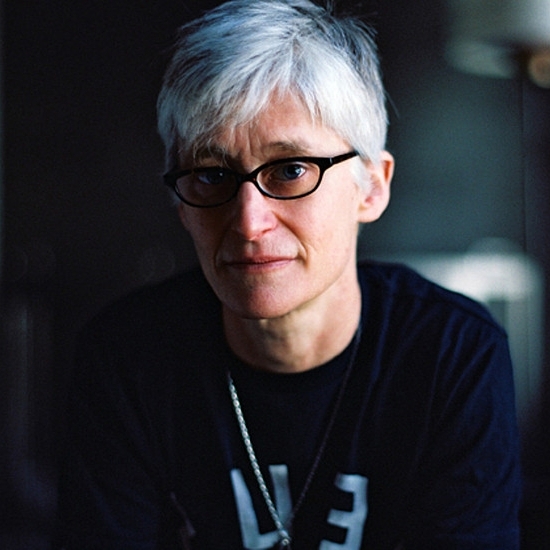
Elizabeth Povinelli's writing has focused on developing a critical theory of late liberalism. This critical task is grounded in theories of the translation, transfiguration and the circulation of values, materialities, and socialities within settler liberalisms. Her first two books focused on impasses within liberal systems of law and value as they meet local Australian indigenous worlds, and the effect of these impasses on the development of legal and public culture in Australia. Her most recent book examines how a set of ethical and normative claims about the governace of lowve, sociality, and the body circulate in liberal settler colonies in such a way that life and death, rights and recognition, goods and resources are unevenly distributed there.
Professor Povinelli diverges from most contemporary approaches to sexuality, gender and the legacy of European colonialism in so far as she brackets sexuality in the first moment and, instead, looks at how the distinction between individual freedom and social bondage subtends and animates most theories and practices of sexuality in postcolonial liberalisms.
Working Group Affiliations
Borders and Boundaries, Project Director
Liberalism’s Others, Project Director
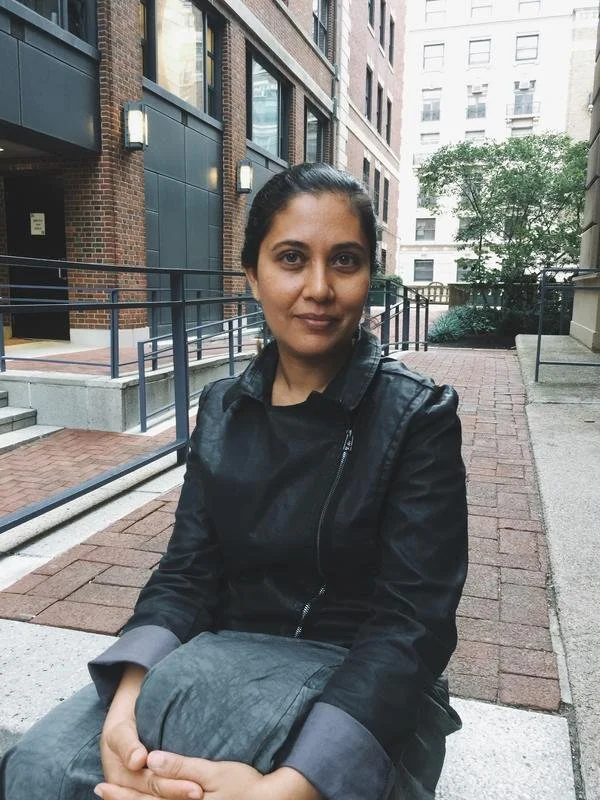
Anupama Rao
Associate Professor, Department of History, Columbia University
Anupama Rao has research and teaching interests in the history of anti-colonialism; caste and race; historical anthropology, social theory and intellectual history, and comparative urbanism. She is Senior Editor, Comparative Studies in South Asia, Africa and the Middle East. She has served as President, Society for the Advancement of South Asian History (American Historical Association), and on the South Asia Council of the Association for Asian Studies. Her work has been supported by fellowships at the Center for Advanced Study in the Behavioral Sciences (Stanford) and the National Humanities Center (North Carolina), and by grants for the American Institute for Indian Studies, and the National Endowment for the Humanities.
Anupama Rao
Associate Professor, History and Associate Director, Institute for Comparative Literature and Society
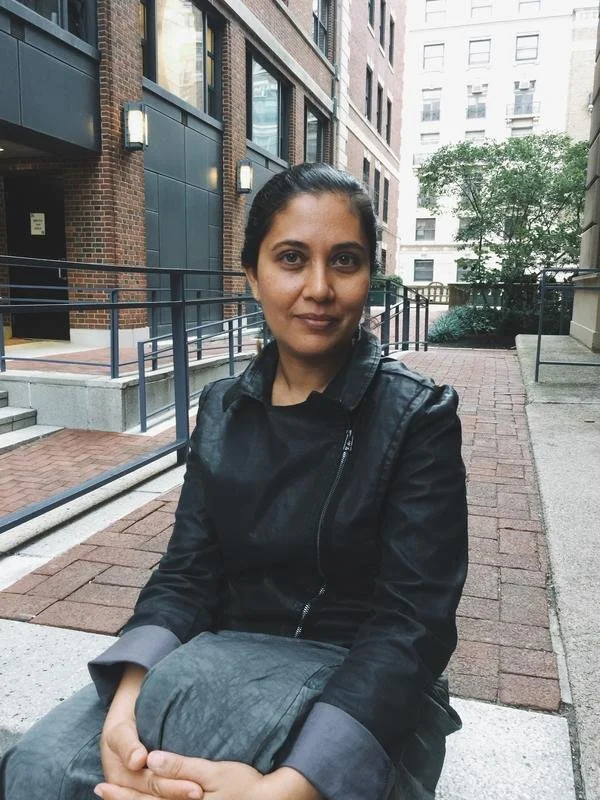
Anupama Rao, Associate Professor, History, Barnard College, is the author of The Caste Question: Dalits and the Politics of Modern India (U California Press, 2009), and numerous essays on colonialism and humanitarianism, and on non-Western histories of gender and sexuality. She has been a Fellow-in-Residence at the National Humanities Center; at the Center for Advanced Study in the Behavioral Sciences (Stanford); and at REWORK (Humboldt University, Berlin). Rao is co-convenor of “Subaltern Urbanism,” which is supported by Columbia’s Center for the Study of Social Difference, and was supported by a faculty grant from the Heyman Center for the Humanities. From 2014 to 2015, she was co-convenor of the project Asian Spatialities, supported by the Mellon Foundation and the International Institute of Asian Studies (Leiden). Rao is currently working on a book on the political thought of B. R. Ambedkar; and on a project titled Dalit Bombay, which explores the relationship between caste, political culture, and everyday life in colonial and postcolonial Bombay. Rao is currently Senior Editor, Comparative Studies in South Asia, Africa, and the Middle East, and Associate Director, Institute for Comparative Literature and Society.
Working Group Affiliations
Gender and the Global Slum, Project Director
Geographies of Injustice: Gender and the City, Project Director
Liberalism’s Others, Project Director
Reframing Gendered Violence, Project Director

Nancy King Reame
Professor, Department of Emerita of Disease Prevention and Health Promotion, School of Nursing, Columbia University
Nancy King Reame, MSN, PhD, FAAN authored the chapter "Toxic Shock Syndrome and Tampons: The Birth of a Movement and a Research Vagenda" in The Palgrave Handbook of Critical Menstruation Studies (Bobel et al) 2020. The handbook, which is free and down-loadable can be found here: https://link-springer-com.ezproxy.cul.columbia.edu/book/10.1007%2F978-981-15-0614-7.
Nancy King Reame
Mary Dickey Lindsay Professor (Emerita) of Health Promotion and Risk Reduction, School of Nursing

Nancy King Reame, MSN, PhD, FAAN authored the chapter "Toxic Shock Syndrome and Tampons: The Birth of a Movement and a Research Vagenda" in The Palgrave Handbook of Critical Menstruation Studies (Bobel et al) 2020. The handbook, which is free and down-loadable can be found here: https://link-springer-com.ezproxy.cul.columbia.edu/book/10.1007%2F978-981-15-0614-7. In 2020, she was a member of the National Academy of Medicine committee that published the consensus study report on The Clinical Utility of Compounded Bioidentical Hormone Therapy in response to a request by the Food and Drug Administration. Nancy Reame provides ongoing commentaries for the journal Menopause, on such issues as the safety and efficacy of new breakthrough drugs for the treatment of menopausal hot flashes: KNDY neuron antagonists (Reame, April 2020), estetrol (August, 2020), and the effects of COVID on the management of menopausal symptoms (July, 2021). She continues to serve as a regular member of the screening panel for the prestigious Kavli Prize in Science Journalism, the annual international award program begun in 1945 by the American Association for the Advancement of Science (AAAS) for excellence in science journalism for the public.
Working Group Affiliations
Jason Resnikoff
Professor, Department of History, Columbia University
Jason Resnikoff is a Core Lecturer in the History Department at Columbia University, and formerly an organizer for the United Auto Workers. He specializes in labor history, the history of global capitalism, intellectual history, and the history of technology. His book, Labor’s End: How the Promise of Automation Degraded Work, explores the ideological origins of automation in the US in the middle of the twentieth century.

Jason Resnikoff is a Core Lecturer in the History Department at Columbia University, and formerly an organizer for the United Auto Workers. He specializes in labor history, the history of global capitalism, intellectual history, and the history of technology. His book, Labor’s End: How the Promise of Automation Degraded Work, explores the ideological origins of automation in the US in the middle of the twentieth century.
Samuel Kelton Roberts, Jr.
Dr. Samuel Kelton Roberts, Jr., PhD, PhD, is Associate Professor of History (Columbia University School of the Arts and Sciences) and Sociomedical Sciences (Columbia University’s Mailman School of Public Health), and is also a former Director of Columbia University’s Institute for Research in African American Studies (IRAAS).

Dr. Samuel Kelton Roberts, Jr., PhD, is Associate Professor of History (Columbia University School of the Arts and Sciences) and Sociomedical Sciences (Columbia University’s Mailman School of Public Health), and is also a former Director of Columbia University’s Institute for Research in African American Studies (IRAAS). Dr. Roberts writes, teaches, and lectures widely on African-American urban history, especially medicine, public health, and science and technology. His widely acclaimed book, Infectious Fear: Politics, Disease, and the Health Effects of Segregation (University of North Carolina Press, 2009), is an exploration of the political economy of race and the modern American public health state between the late nineteenth century and the mid-twentieth century, a period which encompasses the overlapping and mutually-informed eras of Jim Crow segregation and modern American public health practice.
Roberts currently is researching and writing a book-length project on the United States’s troubled history of race and recovery, examining the social and political history of heroin addiction treatment from the 1950s to the early 1990s. This project traces urban policy at the beginning of the postwar heroin epidemic, the emergence of therapeutic communities, the politics of state-run addiction rehabilitation facilities, the adoption of methadone maintenance treatment in the 1960s and 1970s, the emergence of “radical recovery” movements and harm reduction and syringe exchange in the 1980s and 1990s.
Working Group:
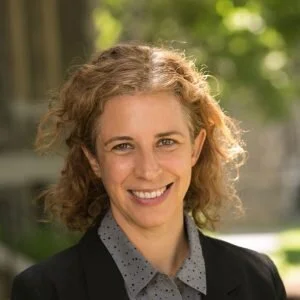
Camille Robcis
Associate Professor, Department of History and French, Columbia University
Camille Robcis specializes in modern European intellectual history, with a focus on nineteenth- and twentieth-century France. Her interests have circled around three issues: the historical construction of norms, the intellectual production of knowledge, and the articulation of universalism and difference in modern French history. Prior to coming to Columbia, she taught at Cornell for ten years.
Camille Robcis
Associate Professor of History and French
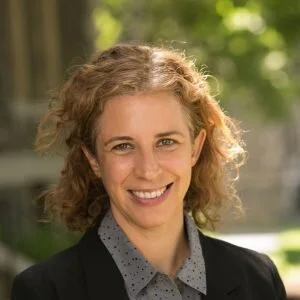
Camille Robcis specializes in modern European intellectual history, with a focus on nineteenth- and twentieth-century France. Her interests have circled around three issues: the historical construction of norms, the intellectual production of knowledge, and the articulation of universalism and difference in modern French history. Prior to coming to Columbia, she taught at Cornell for ten years.
Robcis is the author of The Law of Kinship: Anthropology, Psychoanalysis, and the Family in France which was published by Cornell University Press and which won the 2013 Berkshire Conference of Women Historians Book Prize. It examines how and why French judges and legislators turned to structuralism – and more specifically, to some of the most difficult and abstract concepts of Claude Lévi-Strauss and Jacques Lacan – to reassert the centrality of the heterosexual family in political debates around bioethics, same-sex unions, single-parent households, family names, surrogacy, and adoption.
Her second book, Disalienation: Politics, Philosophy, and Radical Psychiatry in France, is forthcoming with the University of Chicago Press. It traces the history of institutional psychotherapy, a movement born in France during the Second World War that called for the profound transformation of the theory and practice of psychiatric care, through the lens of Marxism and Lacanian psychoanalysis. According to institutional psychotherapy, the asylum could function as a microcosm for society at large, as a space to promote non-hierarchal and non-authoritarian political and social structures, as a template to better understand alienation and offer perspectives for “disalienation.” My book explores the intersections of psychiatry, philosophy, and politics in the works of several figures for whom institutional psychotherapy was important, including François Tosquelles, Jean Oury, Félix Guattari, Frantz Fanon, Georges Canguilhem, Michel Foucault, Paul Éluard, and Jean Dubuffet.
Robcis is currently working on a new project, tentatively titled The Gender Question:
Populism, National Reproduction, and the Crisis of Representation in which she tries to make sense of the protests against the so-called “theory of gender” that have raged in various parts of the world since the 1990s, especially in their conceptual links to populism.
Working Group Affiliation

Jesús Rodríguez-Velasco
Professor, Department of Latin America and Iberian Cultures, Columbia University
Jesús Rodríguez-Velasco teaches Medieval and Early Modern Studies at Columbia. He has taught at the University of California, Berkeley, Universidad de Salamanca, Université de Paris III (Sorbonne Nouvelle), and the École Normale Supérieure (Lettres et Sciences Humaines). Among his publications are books and articles on Medieval and Early Modern knighthood, history of the book and reading, medieval political theory, law and culture, Occitan poetry, etc. He is one of the executive directors of the Journal of Medieval Iberian Studies and a member of the MLA Committee on Scholarly Editions.
Jesús Rodríguez-Velasco
Professor of Latin American and Iberian Cultures, Columbia University
Jesús Rodríguez-Velasco teaches Medieval and Early Modern Studies at Columbia. He has taught at the University of California, Berkeley, Universidad de Salamanca, Université de Paris III (Sorbonne Nouvelle), and the École Normale Supérieure (Lettres et Sciences Humaines). Among his publications are books and articles on Medieval and Early Modern knighthood, history of the book and reading, medieval political theory, law and culture, Occitan poetry, etc. He is one of the executive directors of the Journal of Medieval Iberian Studies and a member of the MLA Committee on Scholarly Editions. He was the recipient of the 2010 John K. Walsh award for his article "La urgente presencia de las Siete Partidas". His most recent publication is Order and Chivalry. Knighthood and Citizenship in Late Medieval Castile (Philadelphia: University of Pennsylvania Press, 2010).


Victoria Rosner
Professor, Department of English and Comparative Literature, Columbia University
Victoria Rosner specializes in modernist literature and culture, with particular interests in architecture and design, gender and sexuality studies, and life writing. She is the author of Modernism and the Architecture of Private Life (Columbia UP, 2005), winner of the Modernist Studies Association Book Prize. She is also the editor ofThe Cambridge Companion to the Bloomsbury Group (Cambridge UP, 2014) andThe Global and the Intimate: Feminism in Our Time (Columbia UP, 2012; with Geraldine Pratt).
Victoria Rosner
Dean of Academic Affairs for the School of General Studies; Adjunct Associate Professor of English and Comparative Literature, Columbia University
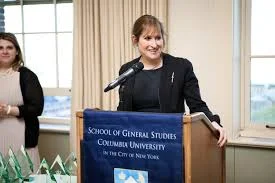
Victoria Rosner specializes in modernist literature and culture, with particular interests in architecture and design, gender and sexuality studies, and life writing. She is the author of Modernism and the Architecture of Private Life (Columbia UP, 2005), winner of the Modernist Studies Association Book Prize. She is also the editor ofThe Cambridge Companion to the Bloomsbury Group (Cambridge UP, 2014) andThe Global and the Intimate: Feminism in Our Time (Columbia UP, 2012; with Geraldine Pratt). With Nancy K. Miller, she edits the Gender and Culture book series for Columbia University Press. She is currently completing a book on interarts modernist aesthetics, forthcoming from Oxford University Press.
Rosner completed her bachelor of arts at Columbia College and her Ph.D. in English and Comparative Literature at Columbia University Graduate School of Arts and Sciences. Rosner previously held a tenured position in the Department of English at Texas A & M University, where she worked closely with undergraduates and spearheaded a revision of the English department’s undergraduate curriculum. She has played a number of key administrative roles in her efforts to promote the quality of education and enhance the student educational experience.
Working Group Affiliation
On the Frontlines: Nursing Leadership in Pandemics, Project Director

Garnett Russell
Garnet Russell’s research explores how countries rely on the education system to promote peacebuilding and transitional justice and how they use global models around human rights and citizenship. She draws on a sociological disciplinary perspective and mixed quantitative and qualitative methods to investigate questions related to education in post-conflict contexts, particularly in Sub-Saharan Africa, including Rwanda and South Africa.
Garnett Russell
Assistant Professor of International and Comparative Education, Teacher’s College, Columbia University

Garnet Russell’s research explores how countries rely on the education system to promote peacebuilding and transitional justice and how they use global models around human rights and citizenship. She draws on a sociological disciplinary perspective and mixed quantitative and qualitative methods to investigate questions related to education in post-conflict contexts, particularly in Sub-Saharan Africa, including Rwanda and South Africa. Russell has also conducted research on human rights and diversity in New York high schools and the right to education for urban refugees in Ecuador, Lebanon, Kenya and other countries in the global south.
She is a co-founder and former co-chair of the Education, Conflict, and Emergencies Special Interest Group (SIG) of the Comparative and International Education Society (CIES). Russell also serves on the editorial board of the Journal on Education in Emergencies (JEiE) and the International Journal of Human Rights Education.
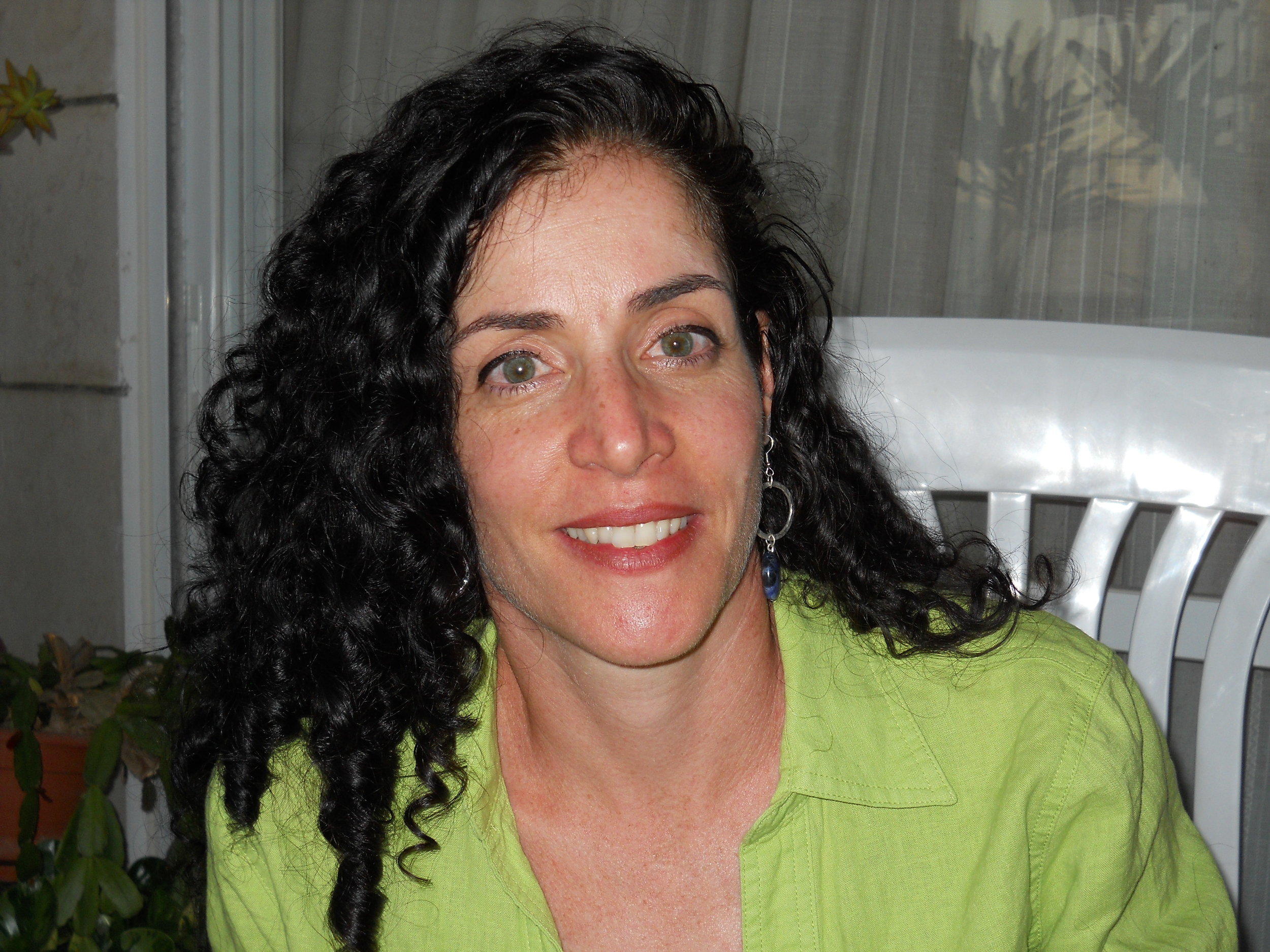
Maya Sabatello
Assistant Professor, Department of Psychiatry, Columbia University, College of Physicians and Surgeons
Maya Sabatello is an Assistant Professor of Clinical Bioethics, at the Department of Psychiatry, and a Lecturer, at the Institute for the Study of Human Rights, Columbia University. A lawyer with a PhD in political science, and post-doctoral training from Harvard Medical School and Columbia University Medical Center, she specializes in bioethics, medical ethics, disability studies, international law and comparative human rights. Her research focuses on law, society, and disability; a child-centered approach to assisted reproductive technologies; and the ethical, legal, and social implications of genetics, especially in pediatrics and judicial settings.
Maya Sabatello
Assistant Professor of Clinical Bioethics, Department of Psychiatry, Columbia University College of Physicians and Surgeons
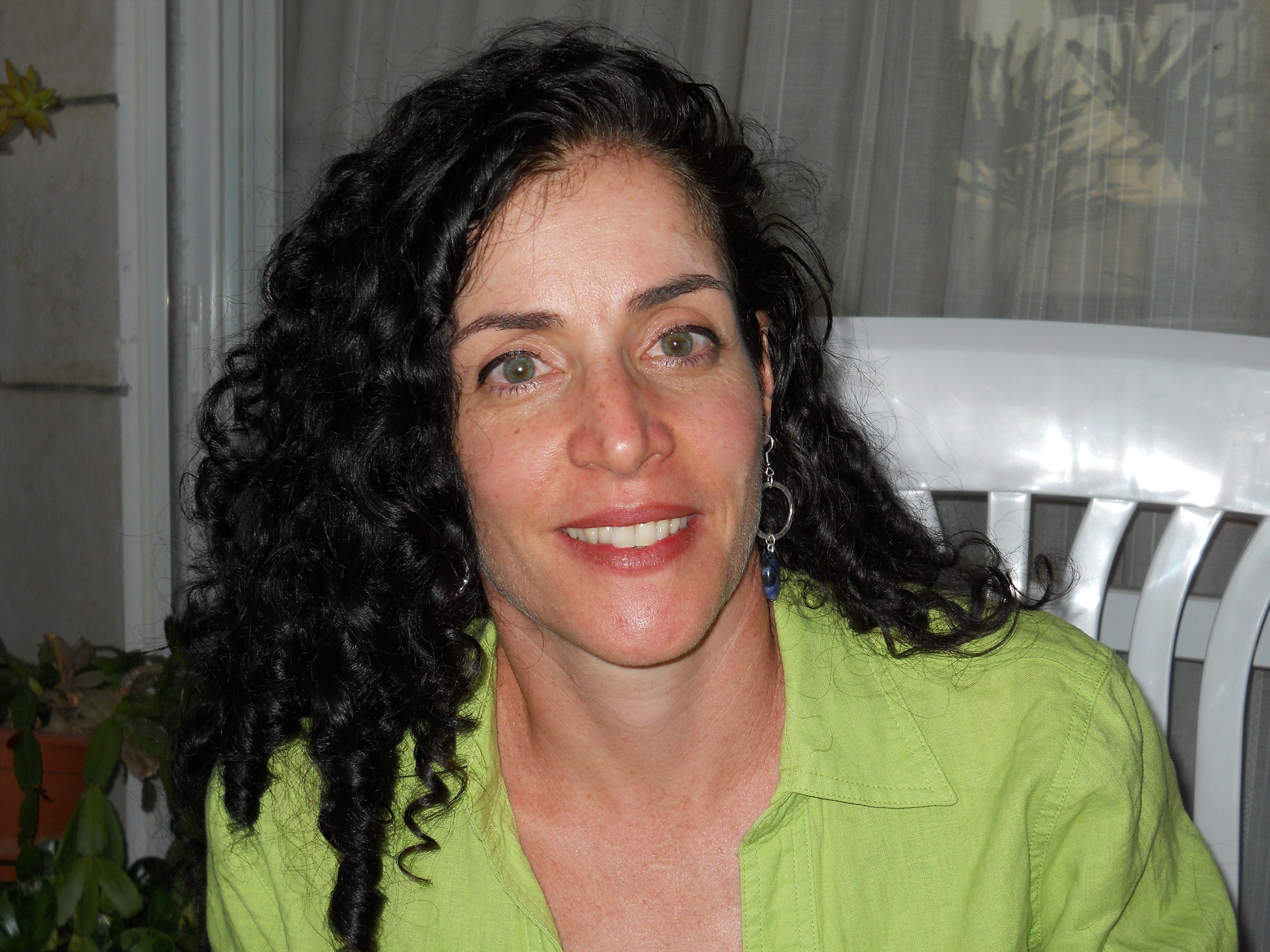
Maya Sabatello is an Assistant Professor of Clinical Bioethics, at the Department of Psychiatry, and a Lecturer, at the Institute for the Study of Human Rights, Columbia University. A lawyer with a PhD in political science, and post-doctoral training from Harvard Medical School and Columbia University Medical Center, she specializes in bioethics, medical ethics, disability studies, international law and comparative human rights. Her research focuses on law, society, and disability; a child-centered approach to assisted reproductive technologies; and the ethical, legal, and social implications of genetics, especially in pediatrics and judicial settings. She authored Children's Bioethics (Martinus Nijhoff/ Brill Publishing, 2009) and co-edited (with Marianne Schulze) Human Rights and Disability Advocacy (Penn University Press, 2014). Previously, Sabatello litigated cases of medical malpractice and has worked as a legal adviser to national and international nongovernmental organizations to promote health-related and disability rights.
Working Group Affiliation
Precision Medicine: Ethics, Politics and Culture, Project Director

J.C. Salyer
Assistant Professor of Practice in Human Rights and Anthropology, Barnard College
J.C. Salyer is an anthropologist and a lawyer whose work focuses on law and society, immigration law, and social justice. He is also the staff attorney for the Arab-American Family Support Center, a community-based organization in Brooklyn, and runs the organization’s immigration clinic. His current research focuses on migration, disruption, and displacement related to climate change in the southwestern Pacific.
J.C. Salyer
Associate Professor of Practice in Human Rights and Anthropology, Barnard College

J.C. Salyer is an anthropologist and a lawyer whose work focuses on law and society, immigration law, and social justice. He is also the staff attorney for the Arab-American Family Support Center, a community-based organization in Brooklyn, and runs the organization’s immigration clinic. His current research focuses on migration, disruption, and displacement related to climate change in the southwestern Pacific.
Working Group Affiliation
Migrant Personhood and Rights: Crises of Recognition, Project Director
Pacific Climate Circuits: Moving Beyond Science, Technology, Engineering, and Economics, Project Director

Catherine Sameh
Professor, Department of Women’s and Gender Studies, Columbia University
Catherine Sameh is managing editor of The Scholar & Feminist Online. She is also in charge of transnational collaborations with peer centers globally. Catherine’s work at the Center draws on her expertise on transnational feminism developed in her dissertation, “Signatures, Networks, Rights: Iranian Feminism in the Transnational Sphere.” Her dissertation explores the role of transnational networks, cyberspace, and print technologies in coalescing new political cultures, and considers how Iranian feminists reframe the putative opposition between religious (Islam) and secular (rights) discourses.
Catherine Sameh
Associate Director, Barnard Center for Research on Women
Catherine Sameh is managing editor of The Scholar & Feminist Online. She is also in charge of transnational collaborations with peer centers globally. Catherine’s work at the Center draws on her expertise on transnational feminism developed in her dissertation, “Signatures, Networks, Rights: Iranian Feminism in the Transnational Sphere.” Her dissertation explores the role of transnational networks, cyberspace, and print technologies in coalescing new political cultures, and considers how Iranian feminists reframe the putative opposition between religious (Islam) and secular (rights) discourses.


Maggie Schmitt
Doctoral Student, Gender, Adolescent Transitions and Environment(GATE), Columbia University
Maggie Schmitt, MPH, is a Project Director for the Gender, Adolescent Transitions and Environment (GATE) Program, housed in the Department of Sociomedical Sciences at Columbia University’s Mailman School of Public Health. Ms. Schmitt has been at CU MSPH for over 8 years, working on a range of health systems, reproductive health and humanitarian response research initiatives.
Maggie Schmitt
Project Director, Gender, Adolescent Transitions and Environment (GATE)

Maggie Schmitt, MPH, is a Project Director for the Gender, Adolescent Transitions and Environment (GATE) Program, housed in the Department of Sociomedical Sciences at Columbia University’s Mailman School of Public Health. Ms. Schmitt has been at CU MSPH for over 8 years, working on a range of health systems, reproductive health and humanitarian response research initiatives. Most recently, her work has focused on the inclusion of menstrual hygiene within humanitarian emergencies, in collaboration with the International Rescue Committee. This includes supporting the development of both improved evidence and practical guidance for the integration of menstrual hygiene into ongoing emergency response operations.
Working Group Affiliation
David Scott
Professor, Department of Anthropology, Columbia University
David Scott is a Fellow in the Institute for Research in African American Studies, Columbia University, New York. He is the author of a number of scholarly articles and three books, Formations of Ritual: Colonial and Anthropological Discourses on the Sinhala Yaktovil (University of Minnesota Press, 1994); Refashioning Futures: Criticism after Postcoloniality (Princeton University Press, 1999); and Conscripts of Modernity: The Tragedy of Colonial Enlightenment (Duke University Press, 2004), and co-editor with Charles Hirschkind of Powers of the Secular Modern: Talal Asad and his Interlocutors (Stanford University Press, 2006). He is also the editor of the journal Small Axe.
Professor of Anthropology, Columbia University
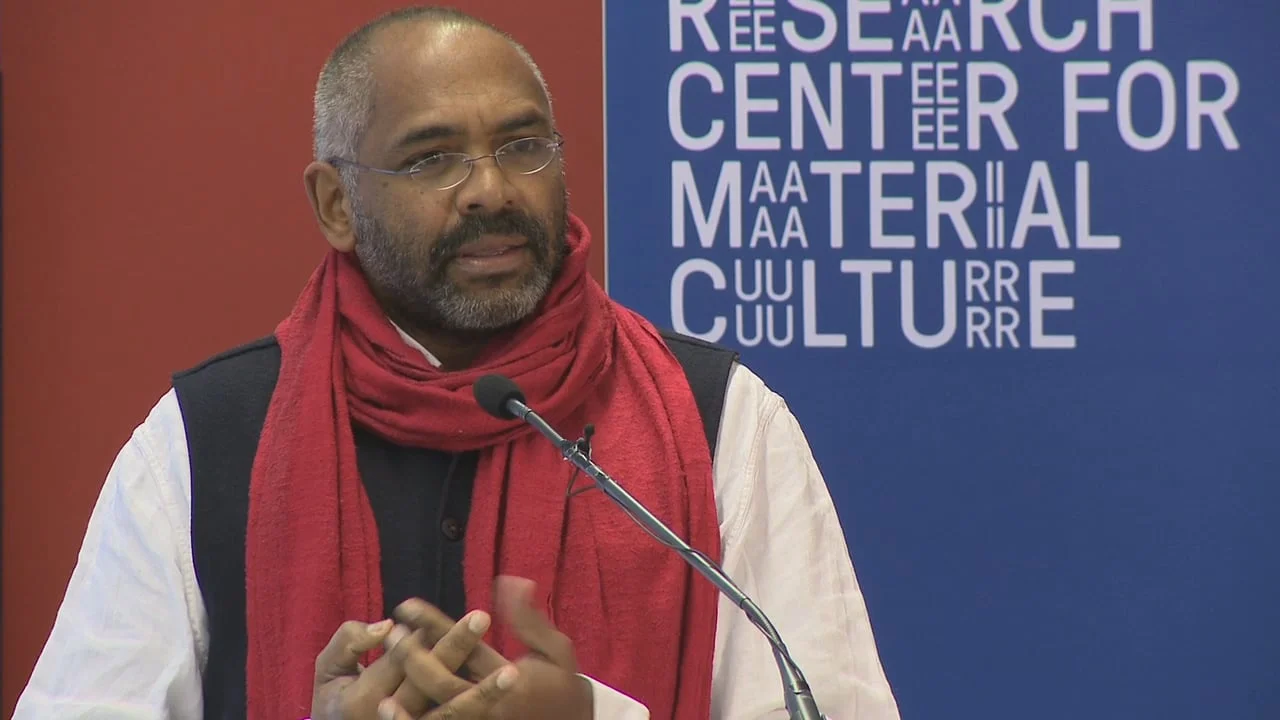
David Scott is a Fellow in the Institute for Research in African American Studies, Columbia University, New York. He is the author of a number of scholarly articles and three books, Formations of Ritual: Colonial and Anthropological Discourses on the Sinhala Yaktovil (University of Minnesota Press, 1994); Refashioning Futures: Criticism after Postcoloniality (Princeton University Press, 1999); and Conscripts of Modernity: The Tragedy of Colonial Enlightenment (Duke University Press, 2004), and co-editor with Charles Hirschkind of Powers of the Secular Modern: Talal Asad and his Interlocutors (Stanford University Press, 2006). He is also the editor of the journal Small Axe.
Working Group Affiliation
The Digital Black Atlantic, Project Director
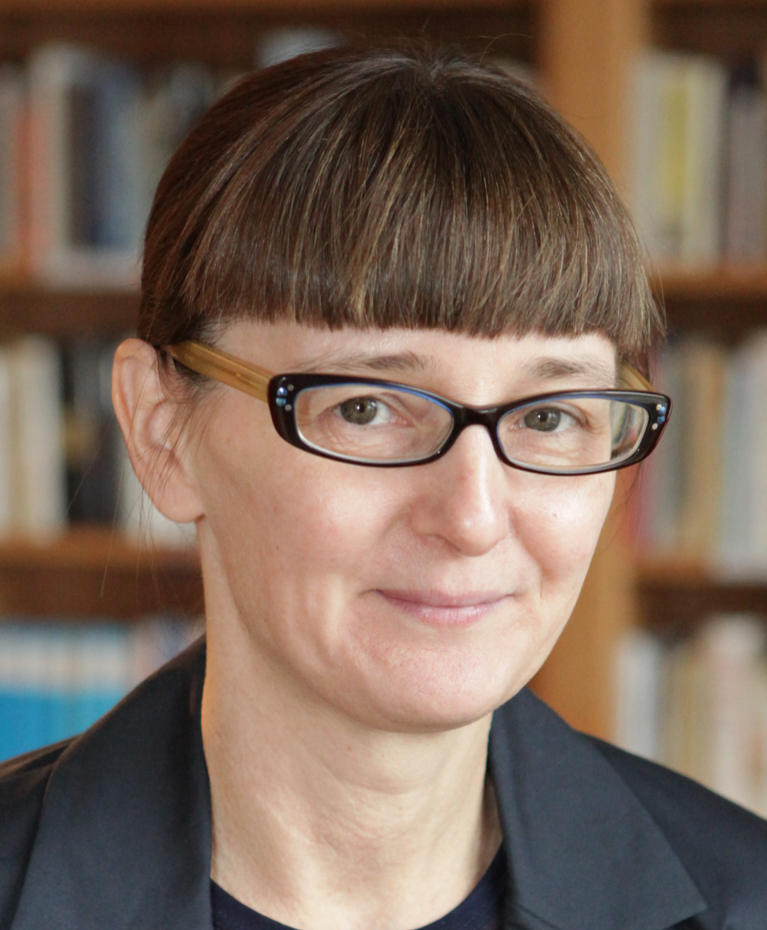
Felicity D. Scott
Professor, Department of Architecture, Planning, and Preservation, Columbia University
Felicity D. Scott is a Professor of Architecture in the Graduate School of Architecture, Planning, and Preservation at Columbia University. She is the author of Outlaw Territories: Environments of Insecurity/Architectures of Counter-Insurgency (2016), Disorientations: Bernard Rudofsky in the Empire of Signs (2016), and Architecture or Techno-Utopia (2007).
Professor, Architecture, Columbia University

Felicity D. Scott is a Professor of Architecture in the Graduate School of Architecture, Planning, and Preservation at Columbia University. She is the author of Outlaw Territories: Environments of Insecurity/Architectures of Counter-Insurgency (2016), Disorientations: Bernard Rudofsky in the Empire of Signs (2016), and Architecture or Techno-Utopia (2007). Her work as a historian and theorist focuses on articulating genealogies of political and theoretical engagement with questions of techno-scientific, environmental, and geopolitical transformation within modern and contemporary architecture, art, and media, as well as upon the discourses, institutions and social movements that have shaped and defined these disciplines, sometimes evidently, sometimes less so.
Working Group Affiliation