

Danielle Goldman
Doctoral Student, Neuroscience and Behavior, Columbia University
Danielle Goldman is a current graduate student studying Bioethics at Columbia University with a focus on the intersection between neuroscience, genetics, and pediatric protections. She graduated with an undergraduate degree in Neuroscience and Behavior from Columbia University in 2016. Her interest in translational research was ignited when she was named an Intel (now: Regeneron) Science Talent Search finalist in 2012. Since then, she has only augmented and diversified her scientific curiosities.
Danielle Goldman
Graduate Student, Columbia University

Danielle Goldman is a current graduate student studying Bioethics at Columbia University with a focus on the intersection between neuroscience, genetics, and pediatric protections. She graduated with an undergraduate degree in Neuroscience and Behavior from Columbia University in 2016. Her interest in translational research was ignited when she was named an Intel (now: Regeneron) Science Talent Search finalist in 2012. Since then, she has only augmented and diversified her scientific curiosities. In addition to her graduate studies, she currently is a research associate in two laboratories at Columbia studying developmental trajectories of emotion regulation in youth, and prenatal biomarkers of neurodevelopmental risk. Danielle is ardently passionate about continuing her graduate studies in a PhD program that will allow her to integrate her interdisciplinary interests in neuroscience, genetics, bioethics, and developmental science.
Working Group Affiliation
Sandra Aguilar Gomez
PhD Student, School of International and Public Affairs, Columbia University
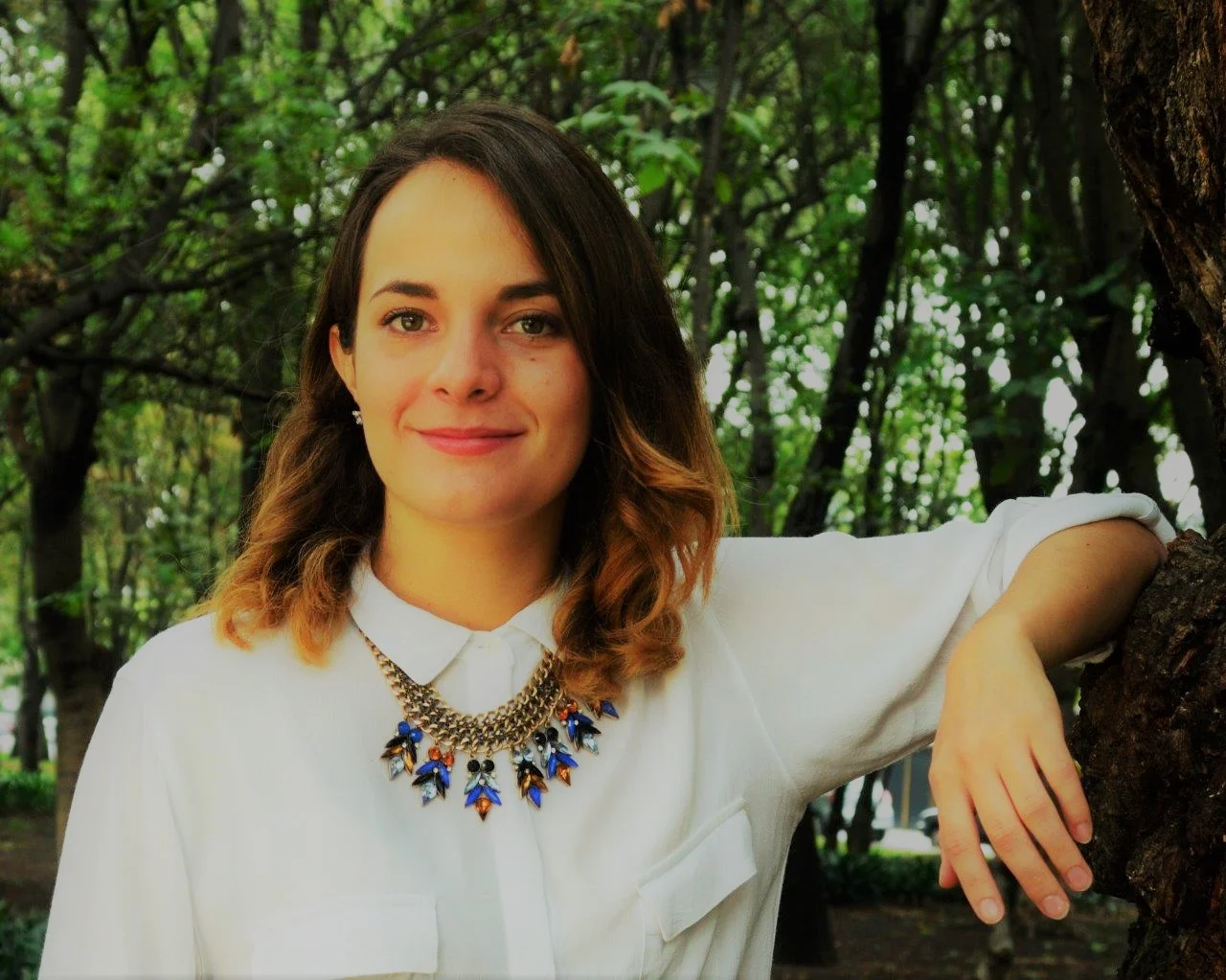
Sandra Aguilar Gomez is a third year student in the Sustainable Development PhD program in Columbia University, where she was awarded the Wu Fellowship for her research in health, wellbeing and public policy. Her main research interests lie in the fields of health, climate change, and development economics. She holds a Master in Applied Economics from Instituto Tecnológico Autónomo de México (ITAM), as well as a degree in Economics from the same university.
Sandra Aguilar Gomez
PhD Student, School of International and Public Affairs, Columbia University
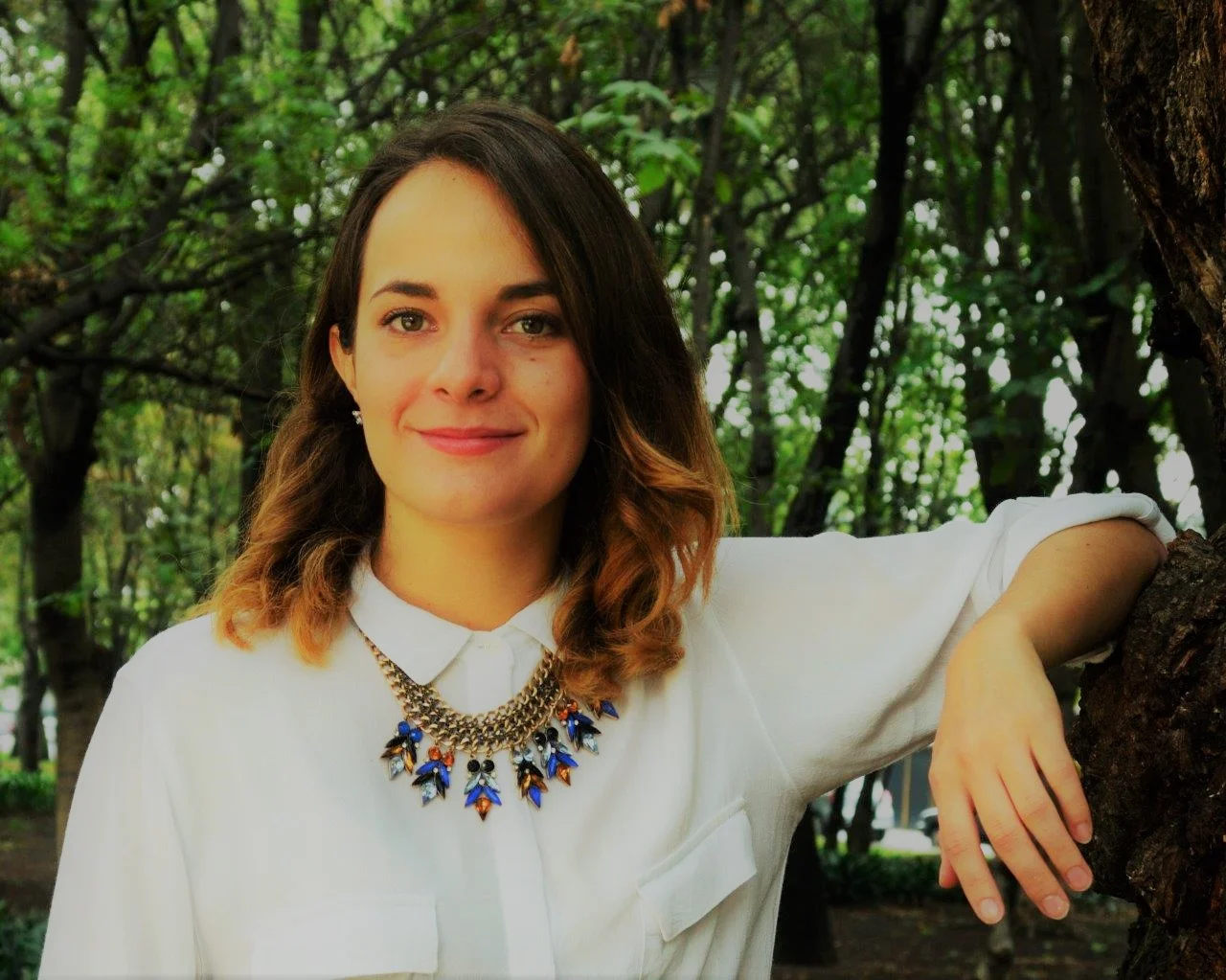
Sandra Aguilar Gomez is a third year student in the Sustainable Development PhD program in Columbia University, where she was awarded the Wu Fellowship for her research in health, wellbeing and public policy. Her main research interests lie in the fields of health, climate change, and development economics. She holds a Master in Applied Economics from Instituto Tecnológico Autónomo de México (ITAM), as well as a degree in Economics from the same university. Sandra currently studies gender disparities in the context of natural resource shocks (particularly, the California Gold Rush), as well as women’s reproductive health in developing countries (Mexico and Tanzania). She is interested in behavioral responses to environmental change and their impact on gender and socioeconomic inequality. She teaches Gender Economics in Mexico, where she has participated in several panels on women’s rights, economic history and politics. She also contributes to the Economics and Society section in Nexos, a cultural and political magazine based in Mexico City, and to Foco Economico, a Latin American academic economics blog.
Working Group Affiliation

Marianne González Le Saux
PhD Student, History, University of Chile
Marianne González Le Saux is a second year student in the History doctoral program, and her research is centered on the cultural and social history of the law in Latin America. She is a lawyer from the University of Chile. She has been awarded the Fulbright Scholarship, and she is funded by CONICYT, Chile, and Columbia's Richard Hofstadter Fellowship.
Marianne González Le Saux
PhD Student, History
Marianne González Le Saux is a second year student in the History doctoral program, and her research is centered on the cultural and social history of the law in Latin America. She is a lawyer from the University of Chile. She has been awarded the Fulbright Scholarship, and she is funded by CONICYT, Chile, and Columbia's Richard Hofstadter Fellowship.
Before coming to Columbia, she worked for several years in the Human Rights Center at the University of Chile, teaching and researching on topics related to transitional justice, democracy and Human Rights in Latin America. She also studied the history of the Chilean middle class in the 19th century and its relationship with the public education system, and her research has been published in the book “De empresarios a empleados: clase media y Estado docente en Chile en el siglo XIX” (Santiago, Chile, LOM Ediciones, 2011). She also has several other publications in the areas of history, law, and political philosophy.
Currently, her research is focused on the history of legal aid systems and other mechanisms of access to justice in Chile in the 20th century, and how they defined the relationship of the popular classes with the state in the areas of family, labor, and criminal law.

Alyssa Greene
PhD Student, Germanic Languages, Columbia University
Alyssa Greene is a Ph.D. student in the Department of Germanic Languages and the Institute for Comparative Literature and Society at Columbia University. She studies twentieth-century German and Austrian literature, with a particular emphasis on the post-Second World War era. Her research interests include memory discourses in the postwar period; migration (especially in the German-Turkish context); feminist and postcolonial criticism; the figure of the child and depictions of childhood in Cold War and post-Cold War narratives of authoritarian states.
Alyssa Greene
Alyssa Greene is a Ph.D. student in the Department of Germanic Languages and the Institute for Comparative Literature and Society at Columbia University. She studies twentieth-century German and Austrian literature, with a particular emphasis on the post-Second World War era. Her research interests include memory discourses in the postwar period; migration (especially in the German-Turkish context); feminist and postcolonial criticism; the figure of the child and depictions of childhood in Cold War and post-Cold War narratives of authoritarian states.
Working Group Affiliation

Emily Groopman
Doctoral Student, Human Evolutionary Biology, Columbia University College of Physicians and Surgeons
Emily Groopman is a third year MD/PhD student at Columbia University College of Physicians and Surgeons. She was born and raised in Brookline, MA, and graduated magna cum laude with Highest Honors in Human Evolutionary Biology from Harvard College. Her PhD research, in the lab of Dr. Ali Gharavi, applies genomic methods to discover variants predisposing individuals to different forms of chronic kidney disease, in order to deliver personalized diagnoses and treatment. Her interests include bioethics, medical humanism, and integrating cultural differences into the delivery of care.
Emily Groopman
Graduate Student, Columbia University College of Physicians and Surgeons

Emily Groopman is a fourth year MD/PhD student at Columbia University College of Physicians and Surgeons. She was born and raised in Brookline, MA, and graduated magna cum laude with Highest Honors in Human Evolutionary Biology from Harvard College. Her PhD research, in the lab of Dr. Ali Gharavi, applies genomic sequencing technologies for genetic diagnosis and discovery for individuals with chronic kidney disease. Her interests include personalized medicine, bioethics, medical humanism, and integrating cultural differences into the delivery of care.
Working Group Affiliation
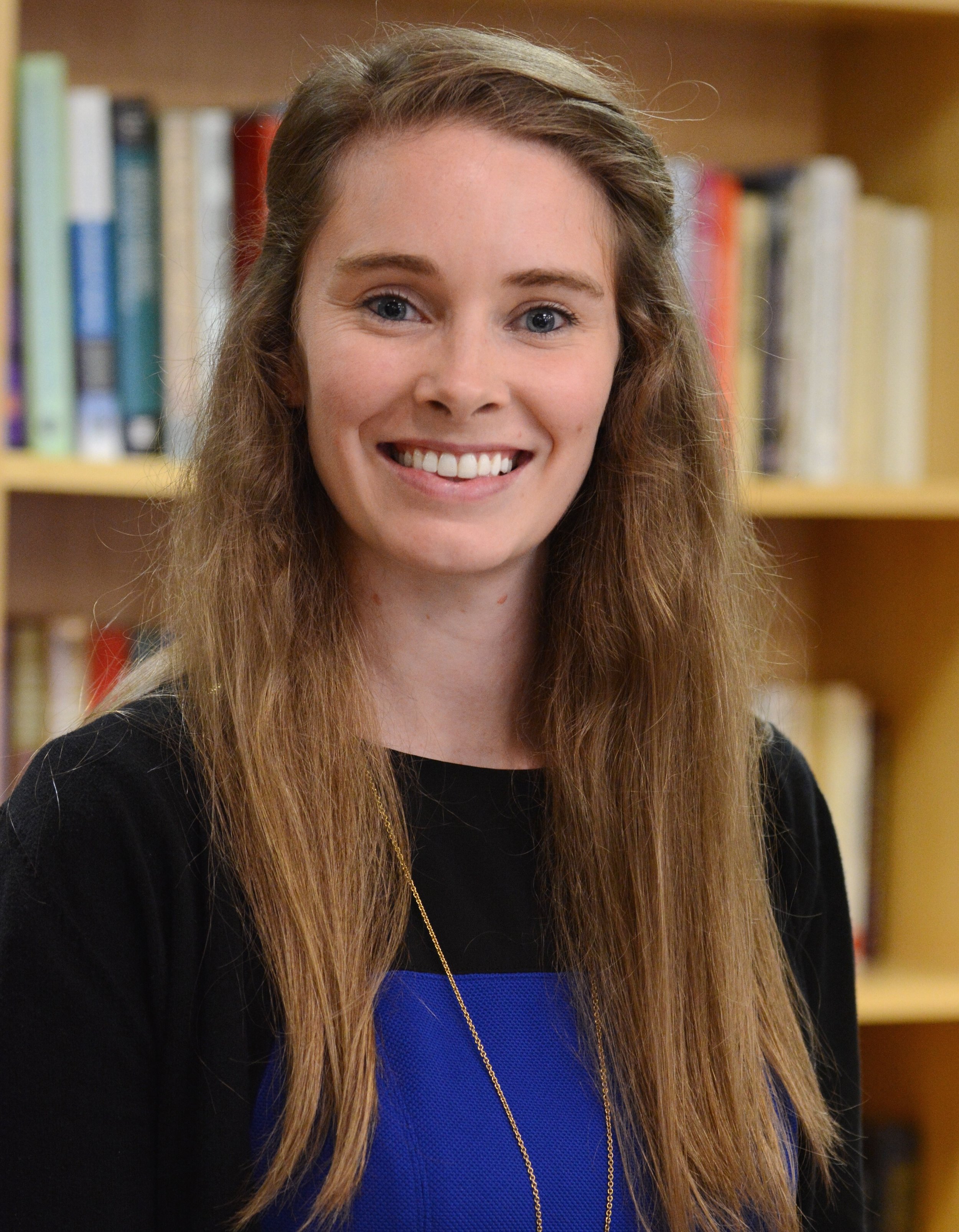
Caitlin Gruer
Doctoral Student, Adolescent Transitions and Environment, Columbia University
Caitlin Gruer, MPH, is a Senior Project Coordinator at Columbia University’s Mailman School of Public Health, where she supports the Gender, Adolescent Transitions and Environment (GATE) Program, based in the Department of Sociomedical Sciences. Prior to joining Columbia, she worked at Plan International USA leading initiatives related to menstrual hygiene management (MHM), water, sanitation and hygiene (WASH), and integrated WASH and nutrition.
Caitlin Gruer
Gender, Adolescent Transitions and Environment (GATE) Program Senior Project Coordinator, Mailman School of Public Health, Columbia University
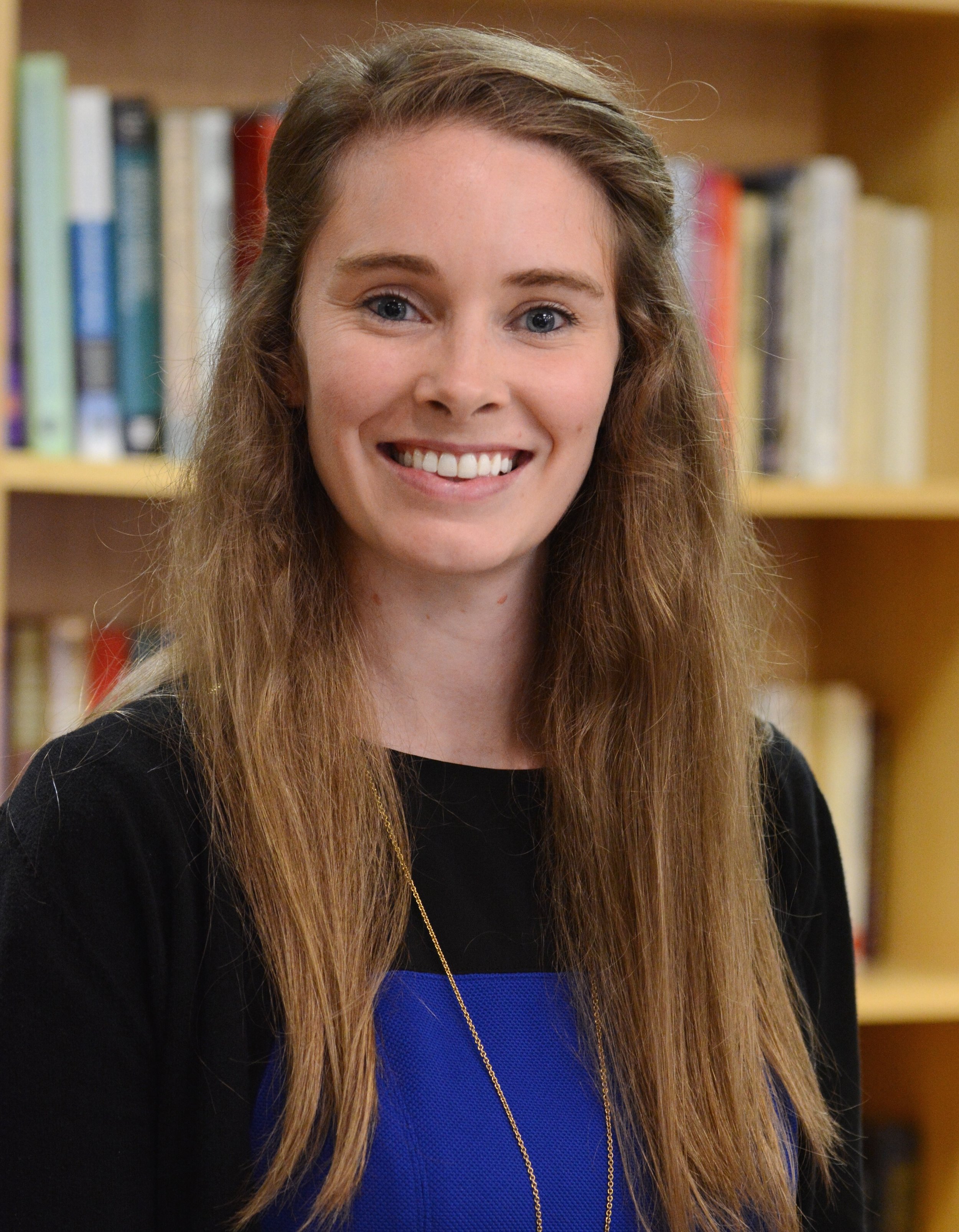
Caitlin Gruer, MPH, is a Senior Project Coordinator at Columbia University’s Mailman School of Public Health, where she supports the Gender, Adolescent Transitions and Environment (GATE) Program, based in the Department of Sociomedical Sciences. Prior to joining Columbia, she worked at Plan International USA leading initiatives related to menstrual hygiene management (MHM), water, sanitation and hygiene (WASH), and integrated WASH and nutrition. Her particular areas of focus are MHM, sustainable WASH programming, and equitable access to sanitation, particularly for women and girls.
Working Group Affiliation

Jenny Gumer
Doctoral Student, Bioethics, Columbia University
Jenny Gumer is an attorney practicing in the litigation department of Gibson Dunn and Crutcher, Los Angeles. As a member of the firm's FDA, Healthcare and Life Sciences practices groups, she advises pharmaceutical and medical device companies on regulatory compliance as well as represents them in large scale litigations. Jenny is also a student in Columbia University's Masters in Bioethics program which she will complete in Spring 2017.
Jenny Gumer
Graduate Student, Bioethics, Columbia University

Jenny Gumer is an attorney practicing in the litigation department of Gibson Dunn and Crutcher, Los Angeles. As a member of the firm's FDA, Healthcare and Life Sciences practices groups, she advises pharmaceutical and medical device companies on regulatory compliance as well as represents them in large scale litigations. Jenny is also a student in Columbia University's Masters in Bioethics program which she will complete in Spring 2017. Prior to joining Gibson Dunn, Jenny received her Juris Doctorate from New York University, School of Law and her Bachelors in Science in Biology/Genetics from the University of California, San Diego where she was elected to Phi Beta Kappa.
Working Group Affiliation

Anna Danziger Halperin
PhD Student, History, Columbia University
Anna Danziger Halperin studies twentieth century American and British social policy and its effects on women and children, with a particular interest in child care. She graduated from Barnard College in 2006 with a degree in History and Human Rights. Before returning to Columbia in 2010, Anna conducted research and coauthored several reports on U.S. child care policies and other related issues affecting low-wage working families during her employment with the Urban Institute and the Institute for Women's Policy Research.
Anna Danziger Halperin
PhD Student, History

Anna Danziger Halperin studies twentieth century American and British social policy and its effects on women and children, with a particular interest in child care. She graduated from Barnard College in 2006 with a degree in History and Human Rights. Before returning to Columbia in 2010, Anna conducted research and coauthored several reports on U.S. child care policies and other related issues affecting low-wage working families during her employment with the Urban Institute and the Institute for Women's Policy Research.
Working Group Affiliation
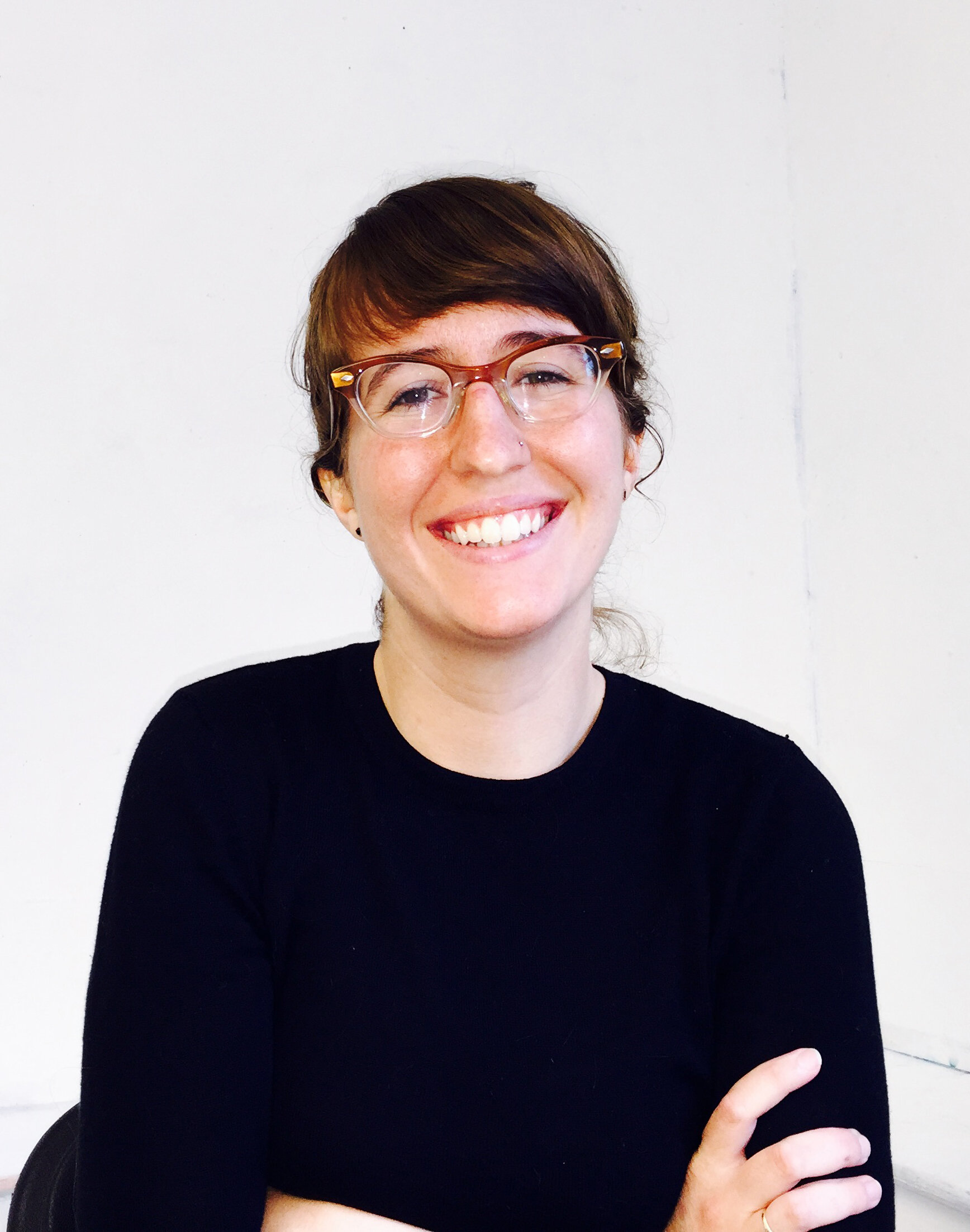
Kristin Hankins
Ph.D. candidate, American Studies, Yale University
Kristin Hankins is a Ph.D. candidate in American Studies at Yale University. She holds a B.A. in Urban Studies from the University of Pennsylvania and previously worked as a program, project, and exhibition coordinator at a non-profit public art organization.
Kristin Hankins
Ph.D. candidate, American Studies, Yale University

Kristin Hankins is a Ph.D. candidate in American Studies at Yale University. She holds a B.A. in Urban Studies from the University of Pennsylvania and previously worked as a program, project, and exhibition coordinator at a non-profit public art organization. Her research and teaching interests include urban history and geography, ethnography, public humanities, and visual culture.
Working Group Affiliations
Zip Code Memory Project: Practices of Justice and Repair, Social Engagement Project
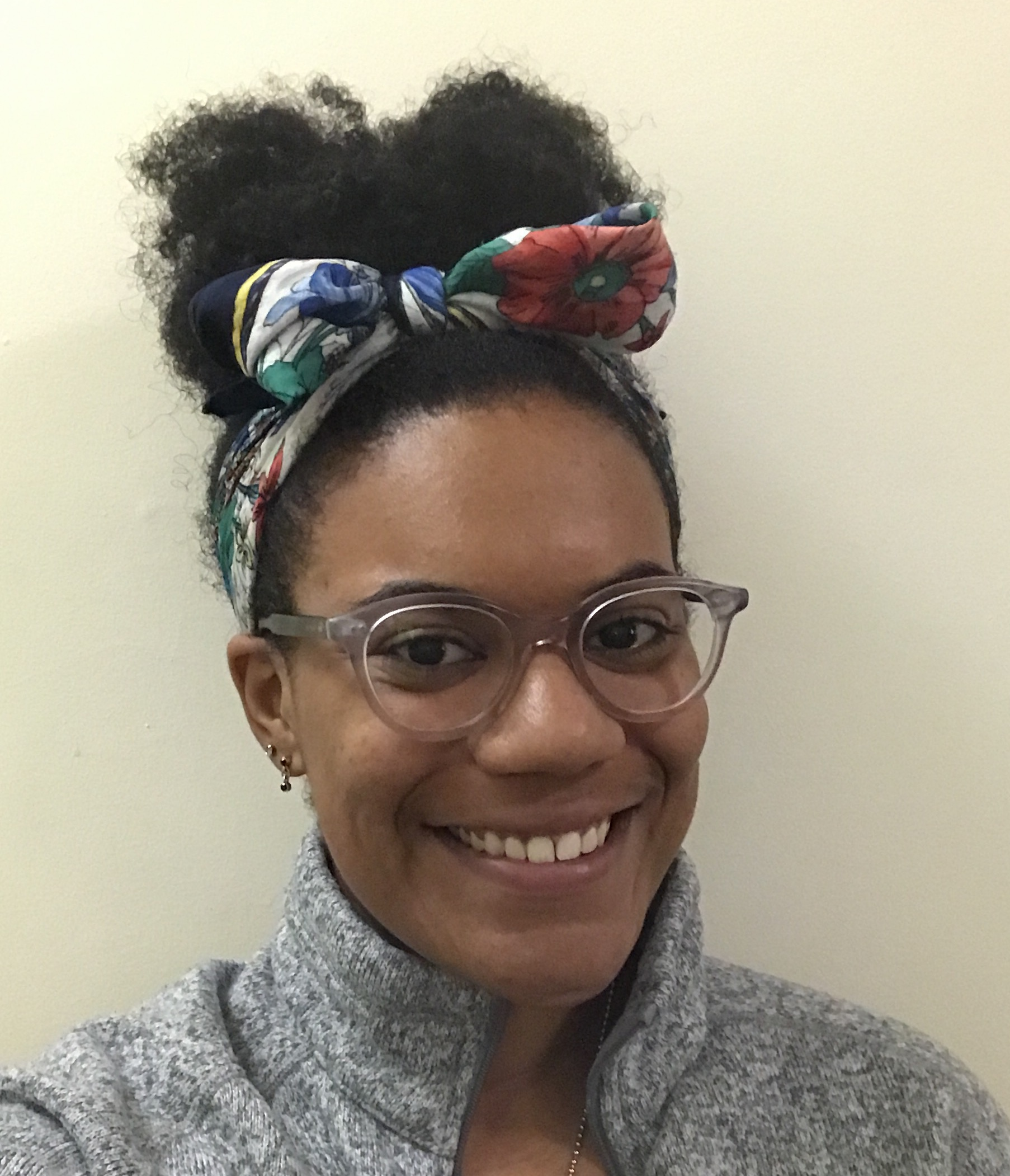
Sarah Harvin
Graduate Student, Narrative Medicine, Columbia University
Sarah Harvin hails from the state of Michigan, where she completed her bachelor's degree in psychology at Hope College. Sarah moved to NYC in the summer of 2018 to pursue a Master of Science in Narrative Medicine. She was attracted to the Narrative Medicine program because she recognized a unique opportunity to combine her interest in having difficult conversations surrounding racial inequalities in health care with her pursuit of a career in medicine.
Sarah Harvin
Graduate Student, Narrative Medicine, Columbia University
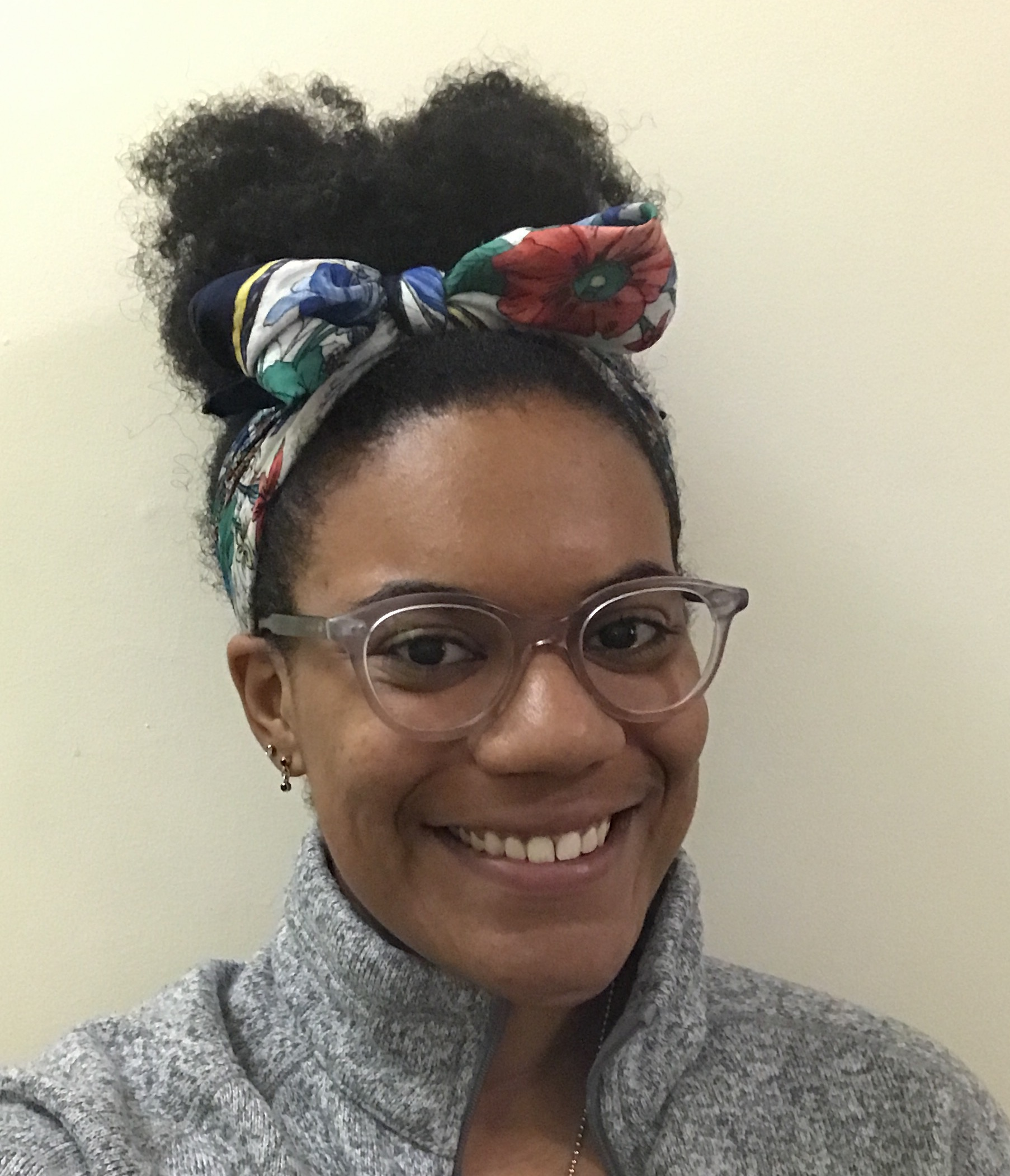
Sarah Harvin hails from the state of Michigan, where she completed her bachelor's degree in psychology at Hope College. Sarah moved to NYC in the summer of 2018 to pursue a Master of Science in Narrative Medicine. She was attracted to the Narrative Medicine program because she recognized a unique opportunity to combine her interest in having difficult conversations surrounding racial inequalities in health care with her pursuit of a career in medicine. When she isn't reading or sailing, Sarah loves to explore NYC in search of the best cup of coffee.
Working Group Affiliation

Tomi Haxhi
PhD Candidate, Department of Slavic Languages, Columbia University
Tomi Haxhi is a PhD student in the Department of Slavic Languages and Literatures specializing in Russian literature. Originally from Albania, Tomi completed his BA at McGill University and his MA at the University of Toronto. His dissertation focuses on Soviet and post-Soviet speculative fiction from the Revolution to the Putin era, and the discourse of posthumanism as a way of working through national trauma and reckoning with historical breaks.
Tomi Haxhi
PhD Candidate, Department of Slavic Languages, Columbia University

Tomi Haxhi is a PhD student in the Department of Slavic Languages and Literatures specializing in Russian literature. Originally from Albania, Tomi completed his BA at McGill University and his MA at the University of Toronto. His dissertation focuses on Soviet and post-Soviet speculative fiction from the Revolution to the Putin era, and the discourse of posthumanism as a way of working through national trauma and reckoning with historical breaks.

Emma Horan
Biomedical Informatics Research Coordinator, Columbia University
Attended Lafayette College, majoring in Neuroscience and minoring in Bioengineering. Research coordinator at Columbia Medical Center Department of Biomedical Informatics. Team member of Citizen Endo, a research project that is aimed to better understand endometriosis.
Emma Horan
Biomedical Informatics Research Coordinator, Columbia University

Attended Lafayette College, majoring in Neuroscience and minoring in Bioengineering. Research coordinator at Columbia Medical Center Department of Biomedical Informatics. Team member of Citizen Endo, a research project that is aimed to better understand endometriosis.
Working Group Affiliation

Kurt Holuba
Premedical Post Baccalaureate Student, General Studies, Columbia University
Kurt Holuba is currently a premed postbac student in the School of General Studies. Previously, he attended Princeton University, earning a B.A. in Psychology. After graduation, Kurt immediately enrolled in the postbac program. He is interested in the intersection between psychology and physiology as it relates to response to stress.
Kurt Holuba
Premedical Post Baccalaureate Student, General Studies, Columbia University
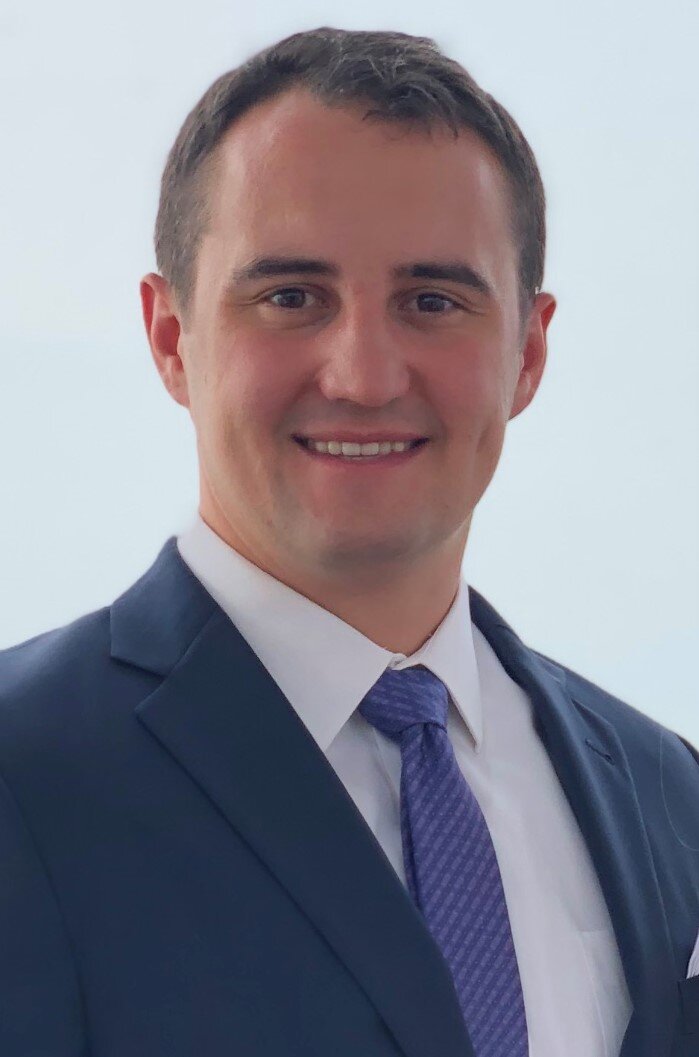
Kurt Holuba is currently a premed postbac student in the School of General Studies. Previously, he attended Princeton University, earning a B.A. in Psychology. After graduation, Kurt immediately enrolled in the postbac program. He is interested in the intersection between psychology and physiology as it relates to response to stress. As part of his involvement with On the Frontlines, Kurt joined the group as a volunteer in September 2019 and took over as co-coordinator in July 2020. Kurt enjoys traveling and learning about other cultures.
Working Group Affiliation
On the Frontlines: Nursing Leadership in Pandemics, Coordinator
Levi C. R. Hord
PhD Candidate, English & Comparative Literature, Columbia University
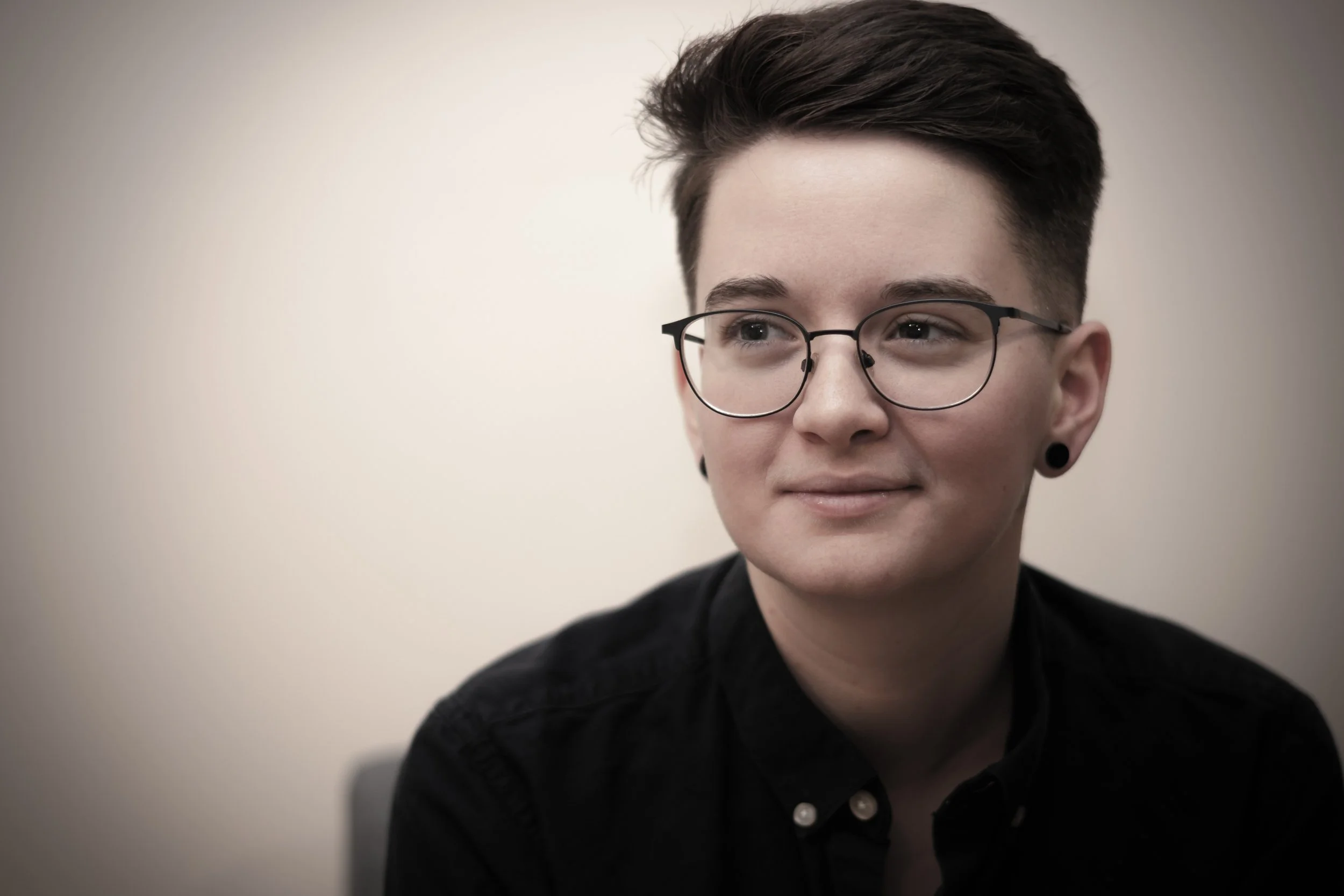
Levi C. R. Hord is a writer, scholar, and public speaker based in Lenapehoking (New York City). They are currently a Ph.D. student in the department of English & Comparative Literature at Columbia University, where they hold a Doctoral Fellowship from the Social Sciences and Humanities Research Council of Canada.
Levi C. R. Hord
PhD Student, Department of English & Comparative Literature, Columbia University
Levi C. R. Hord is a writer, scholar, and public speaker based in Lenapehoking (New York City). They are currently a Ph.D. student in the department of English & Comparative Literature at Columbia University, where they hold a Doctoral Fellowship from the Social Sciences and Humanities Research Council of Canada. Under the supervision of Professor Jack Halberstam, Levi’s research focuses on post-2010 shifts in gender identity claims, especially the flourishing uptake of “nonbinary”. Through their academic work, Levi aims to demystify cultural and legal anxieties surrounding this significant shift in mainstream gender politics, and turn this site of theorization into an opportunity for more effective political conversations.
Outside of the university, Levi devotes their time to community-facing research roles and public speaking. Between 2019 and 2021, they designed and ran nation-wide community consultations on transgender healthcare and criminal justice through Stonewall UK. Levi has been an invited speaker at venues including the Professional Institute of the Public Service Canada, TEDx, the Fierté Canada Pride National Conference, the Women of the World Festival, and the University of Oxford.
At Columbia, Levi is also affiliated with the Institute for the Study of Sexuality and Gender, and runs the Trans & Queer Theory Graduate Colloquium through the English department. They are the 2022-2023 Graduate Assistant for Queer Theory: Here, Now, and Everywhere.

Kristina Hosi
Graduate Student, Columbia University
Kristina Hosi is second year MS in Bioethics student at Columbia University, where she serves on the SPS Student Government. She has a B.A. from the University of Virginia in Biology. Her current academic interests lie in reproductive ethics, specifically the intersection of medical and scientific reproductive technology advancements and their social implications for women. She hopes to expand the conversation of health, healthcare, and ethics into the present news and global dialogue. Outside of academia, she is a co-founder and copy-writer for FEME, a female-centric information site on women, womanhood, and sex. She also enjoys cooking with friends and exploring to find the city's hidden gems.
Kristina Hosi
Graduate Student, Columbia University

Kristina Hosi is second year MS in Bioethics student at Columbia University, where she serves on the SPS Student Government. She has a B.A. from the University of Virginia in Biology. Her current academic interests lie in reproductive ethics, specifically the intersection of medical and scientific reproductive technology advancements and their social implications for women. She hopes to expand the conversation of health, healthcare, and ethics into the present news and global dialogue. Outside of academia, she is a co-founder and copy-writer for FEME, a female-centric information site on women, womanhood, and sex. She also enjoys cooking with friends and exploring to find the city's hidden gems.
Working Group Affiliation
Nick Ide
PhD, Biological Science, Columbia University
Nick Ide is a third-year PhD candidate in the Department of Biological Sciences at Columbia University. His main areas of research are in the fields of biochemistry and biophysics, with a broader interest in making STEM more accessible. His current research focuses on the molecular mechanisms used by cells to synthesize protein molecules.
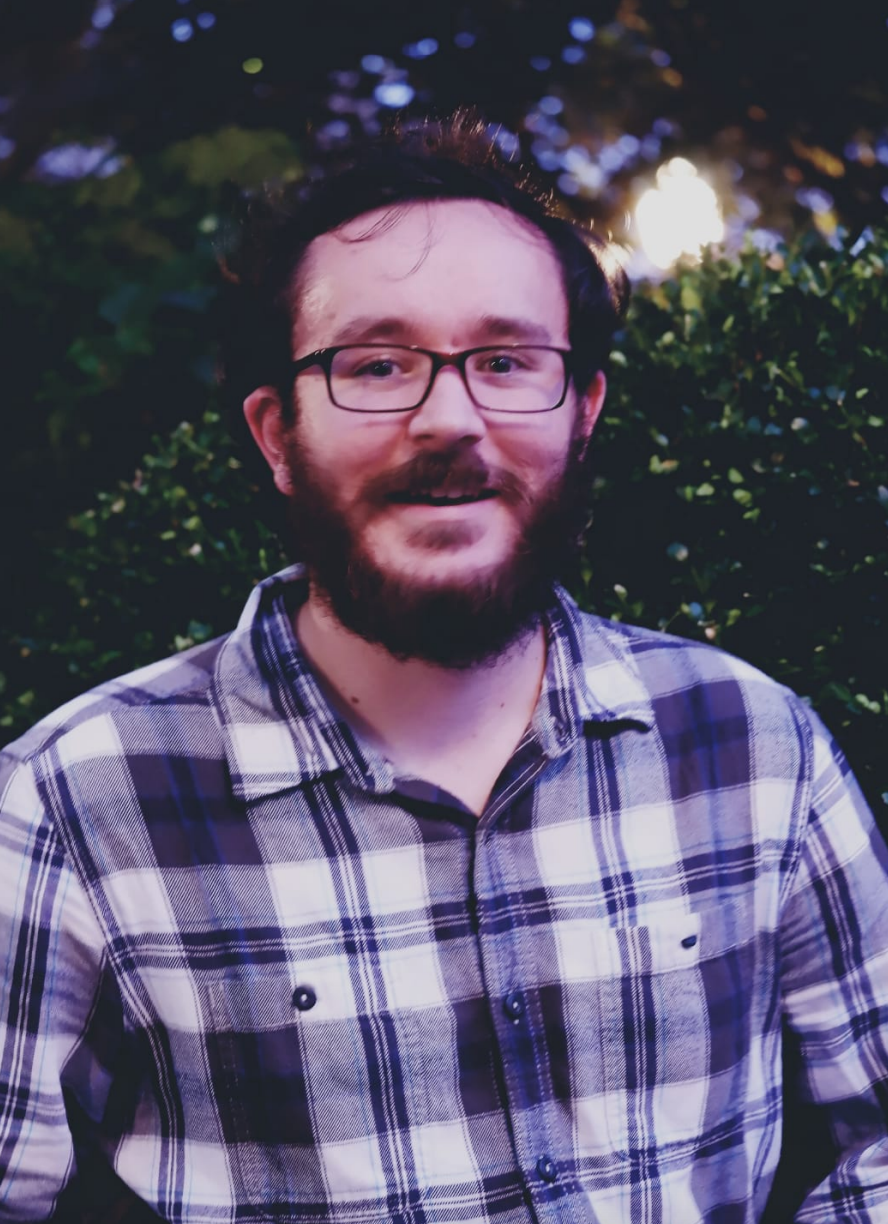
Nick Ide is a third-year PhD candidate in the Department of Biological Sciences at Columbia University. His main areas of research are in the fields of biochemistry and biophysics, with a broader interest in making STEM more accessible. His current research focuses on the molecular mechanisms used by cells to synthesize protein molecules.

Enajite Igho
Graduate Student, Narrative Medicine, Columbia University
Enajite Igho is an Nigerian American from across the river in New Jersey. She graduated from the University of Virginia with a Cognitive Science degree with a Neuroscience concentration and a Bioethics minor. She is currently pursuing a Masters in Narrative Medicine here at Columbia, and capturing storytelling as a form of healing as well as how this “teller and listener” relationship can impact the clinical encounter. She is passionate about creating space for marginalized voices to share their stories.
Enajite Igho
Graduate Student, Narrative Medicine, Columbia University

Enajite Igho is an Nigerian American from across the river in New Jersey. She graduated from the University of Virginia with a Cognitive Science degree with a Neuroscience concentration and a Bioethics minor. She is currently pursuing a Masters in Narrative Medicine here at Columbia, and capturing storytelling as a form of healing as well as how this “teller and listener” relationship can impact the clinical encounter. She is passionate about creating space for marginalized voices to share their stories. Aside from academics she is a poet that loves to travel and spend time with friends and family.
Working Group Affiliation
Salma Ismaiel
Salma Ismaiel is a second year American Studies MA student. Her research interests intesect at Islamic feminism and Muslim American cultural studies. Some of her research has taken a look at how faith based legal models may serve young Muslim American women as they consult contemporary feminist issues in the United States.
Salma Ismaiel
Salma Ismaiel is a second year American Studies MA student. Her research interests intesect at Islamic feminism and Muslim American cultural studies. Some of her research has taken a look at how faith based legal models may serve young Muslim American women as they consult contemporary feminist issues in the United States.
Working Group:

Yoshiko Iwai
Graduate Student, Creative Nonfiction & Narrative Medicine, Columbia University
Yoshiko Iwai is a second-year master’s student working towards her MFA in Creative Nonfiction and MS in Narrative Medicine. She is from Kobe, Japan, and graduated from the University of Michigan with a BFA in Dance and BS in honors Neuroscience where she conducted research on Parkinson’s Disease. Currently, she is writing her MFA thesis — an essay collection exploring the vernacular around pain and mortality, drawing on memoir, research, and phenomenology. Yoshiko is also a Chair’s Fellow for the Graduate Writing Program and teaches creative writing at a correctional center in New York. In the future, she hopes to integrate narrative medicine and creative writing into medical education.
Yoshiko Iwai
Graduate Student, Creative Nonfiction & Narrative Medicine, Columbia University

Yoshiko Iwai is a second-year master’s student working towards her MFA in Creative Nonfiction and MS in Narrative Medicine. She is from Kobe, Japan, and graduated from the University of Michigan with a BFA in Dance and BS in honors Neuroscience where she conducted research on Parkinson’s Disease. Currently, she is writing her MFA thesis — an essay collection exploring the vernacular around pain and mortality, drawing on memoir, research, and phenomenology. Yoshiko is also a Chair’s Fellow for the Graduate Writing Program and teaches creative writing at a correctional center in New York. In the future, she hopes to integrate narrative medicine and creative writing into medical education.
Working Group Affiliation