

Aya Labanieh
Ph.D. Candidate, English and Comparative Literature, Columbia University
Aya Labanieh is a Ph.D. candidate in the English and Comparative Literature Department, where she works on imperial conspiracies and their conspiracy-theory afterlives in 20th and 21st century Middle Eastern literature and politics. Her broader interests include conspiratorial thinking within a global digital context, and how conspiracy theories function as alternate histories, heretical discourses, popular critiques, epistemic injuries, and modern enchantments.
Aya Labanieh
Ph.D. candidate, English and Comparative Literature, Columbia University

Aya Labanieh is a Ph.D. candidate in the English and Comparative Literature Department, where she works on imperial conspiracies and their conspiracy-theory afterlives in 20th and 21st century Middle Eastern literature and politics. Her broader interests include conspiratorial thinking within a global digital context, and how conspiracy theories function as alternate histories, heretical discourses, popular critiques, epistemic injuries, and modern enchantments. Aya is an instructor of record for writing composition at Columbia University, a Public Humanities Fellow with the Heyman Center's ZIP Code Memory Project, a Lead Teaching Fellow with the Center for Teaching and Learning, and the Assistant Editor at the Journal of Arabic Literature. Her writing has appeared in the MOSF Journal of Science Fiction, Politics/Letters quarterly, and Aeon magazine. Before coming to Columbia, she received three B.A. degrees (with honors) in Comparative Literature, Philosophy, and French Literature from the University of California, Irvine.
Working Group Affiliations
Zip Code Memory Project: Practices of Justice and Repair, Social Engagement Project

Delilah Leibowitz
Doctoral Student, Narrative Medicine, Columbia University
Delilah Leibowitz is currently a graduate student studying Narrative Medicine at Columbia University. She graduated magna cum laude from the University of Southern California in 2019. She holds a B.A. in Health and the Human Sciences, with an emphasis in Internal Health. Delilah participated in several research labs throughout her undergraduate studies, ranging from studying fluoresced vasculature pathways of Zebrafish embryos to her work in understanding the relationship between blood proteins and cognitive function.
Delilah Leibowitz
Graduate Student, Narrative Medicine, Columbia University
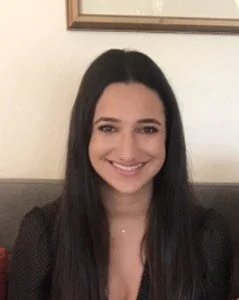
Delilah Leibowitz is currently a graduate student studying Narrative Medicine at Columbia University. She graduated magna cum laude from the University of Southern California in 2019. She holds a B.A. in Health and the Human Sciences, with an emphasis in Internal Health. Delilah participated in several research labs throughout her undergraduate studies, ranging from studying fluoresced vasculature pathways of Zebrafish embryos to her work in understanding the relationship between blood proteins and cognitive function. She is an avid runner and enjoys reading in her spare time. Delilah aspires to become a healthcare practitioner.
Working Group Affiliation
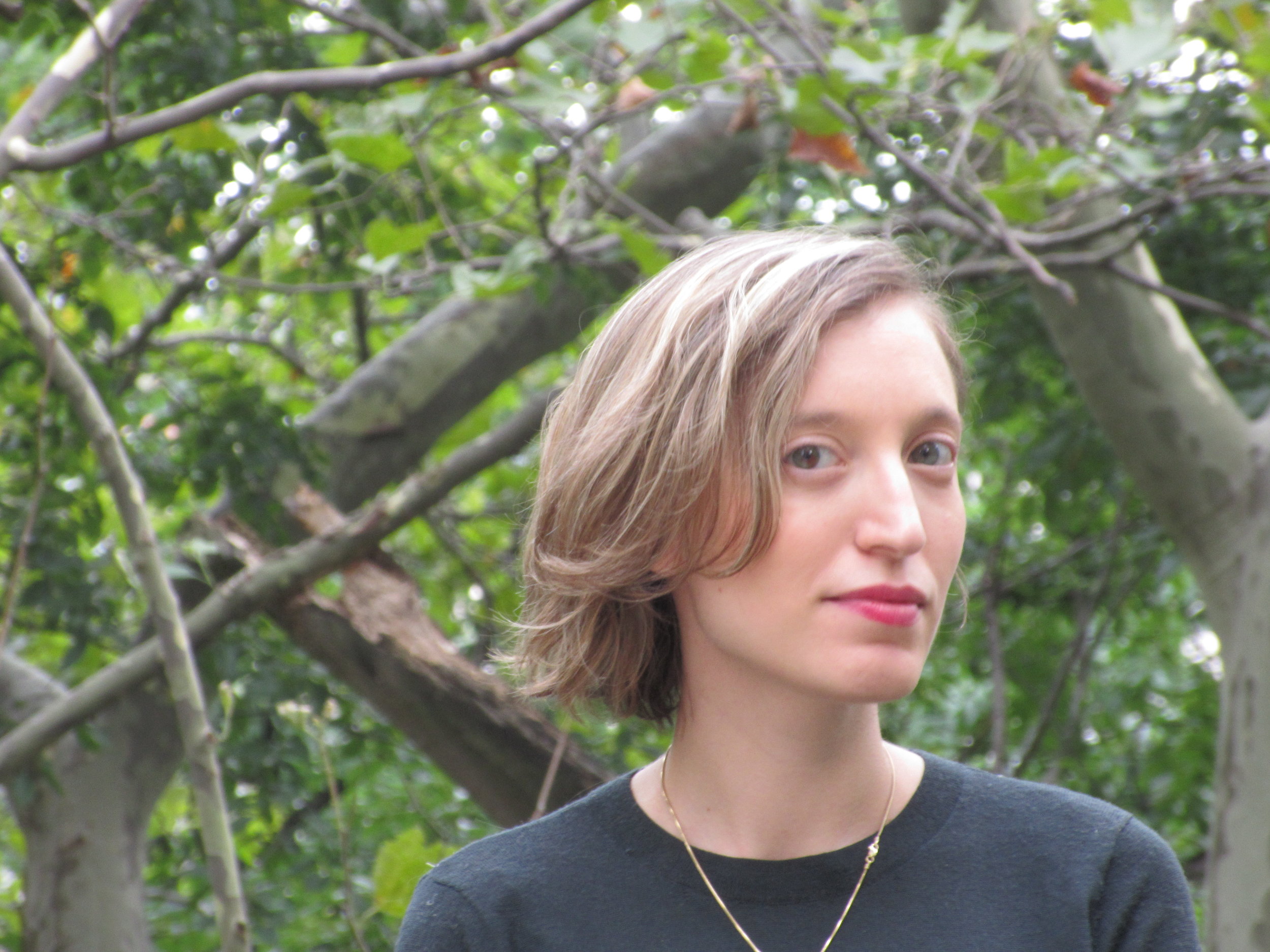
Moran Levy
PhD Student, Sociology, Columbia University
Moran Levy is a Doctoral Candidate at the Department of Sociology at Columbia University and a fellow with the working group on Precision Medicine: Ethics, Politics and Culture. Moran’s research focuses on classification of patients and diseases. She examines the role of social institutions in shaping biomedical classification as well the social consequences of diagnostic practices.
Moran Levy
PhD Student, Columbia University
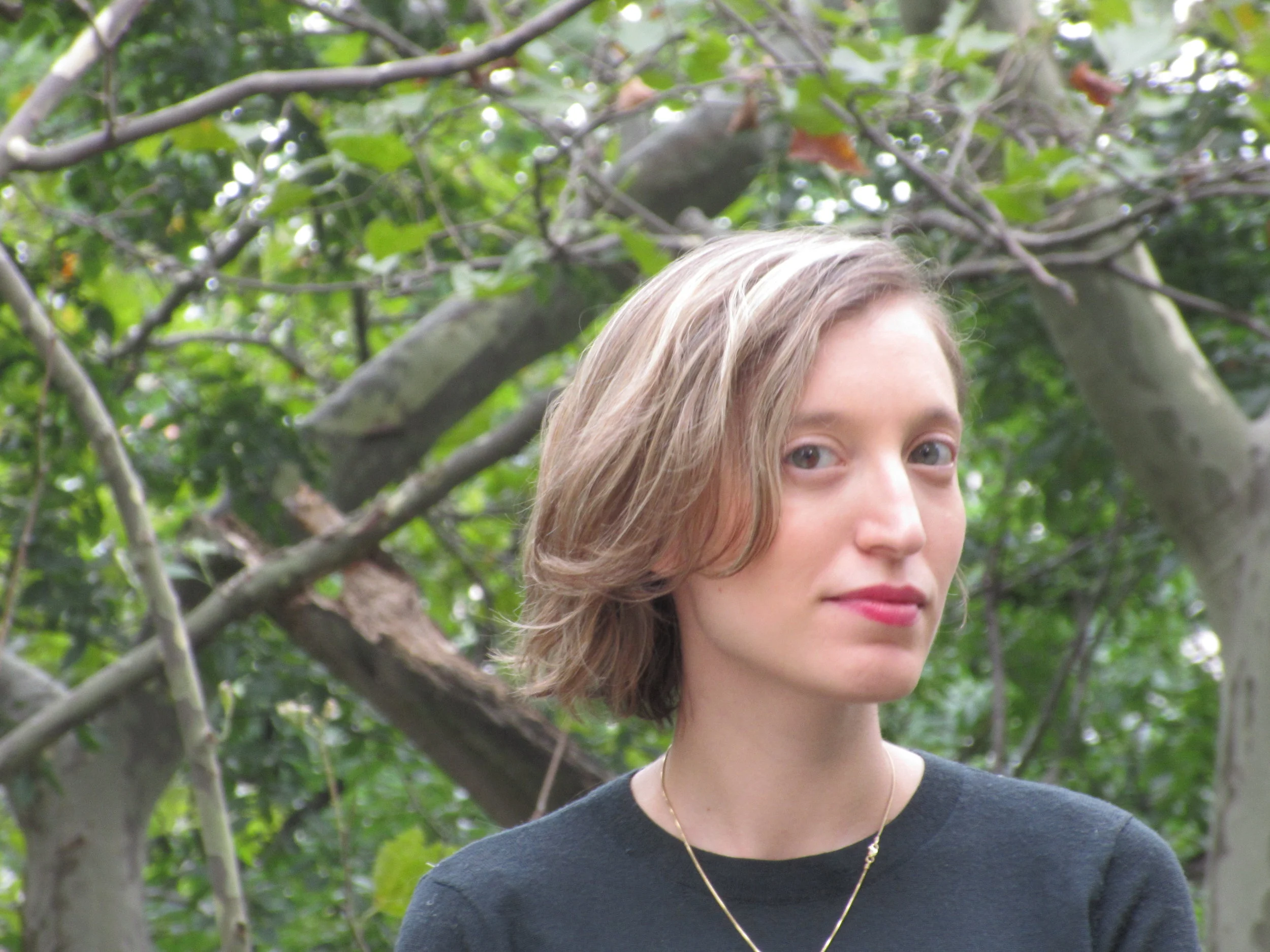
Moran Levy is a Doctoral Candidate at the Department of Sociology at Columbia University and a fellow with the working group on Precision Medicine: Ethics, Politics and Culture.
Moran’s research focuses on classification of patients and diseases. She examines the role of social institutions in shaping biomedical classification as well the social consequences of diagnostic practices. Her dissertation focuses on cancer clinical trials conducted between 1950-1990 and explores how cancer diagnoses changed as different groups of experts brought into research and into healthcare new, and often conflicting approaches to classifications. She then investigates the implication of such transformation for patients and their effect on health inequalities. As part of the Precision Medicine group, Moran examines these questions in the context of cancer genetics. The introduction of genetics into cancer medicine creates new, increasingly narrow, cancer diagnoses. Moran’s research aims to explore the social consequences of the splitting up of diagnoses; how do new genetic classification map onto and interact with existing social and clinical categories? How might the specification of diagnoses affect patient mobilization and the inclusion/exclusion of patients from diverse social groups in cancer research?
Working Group Affiliation
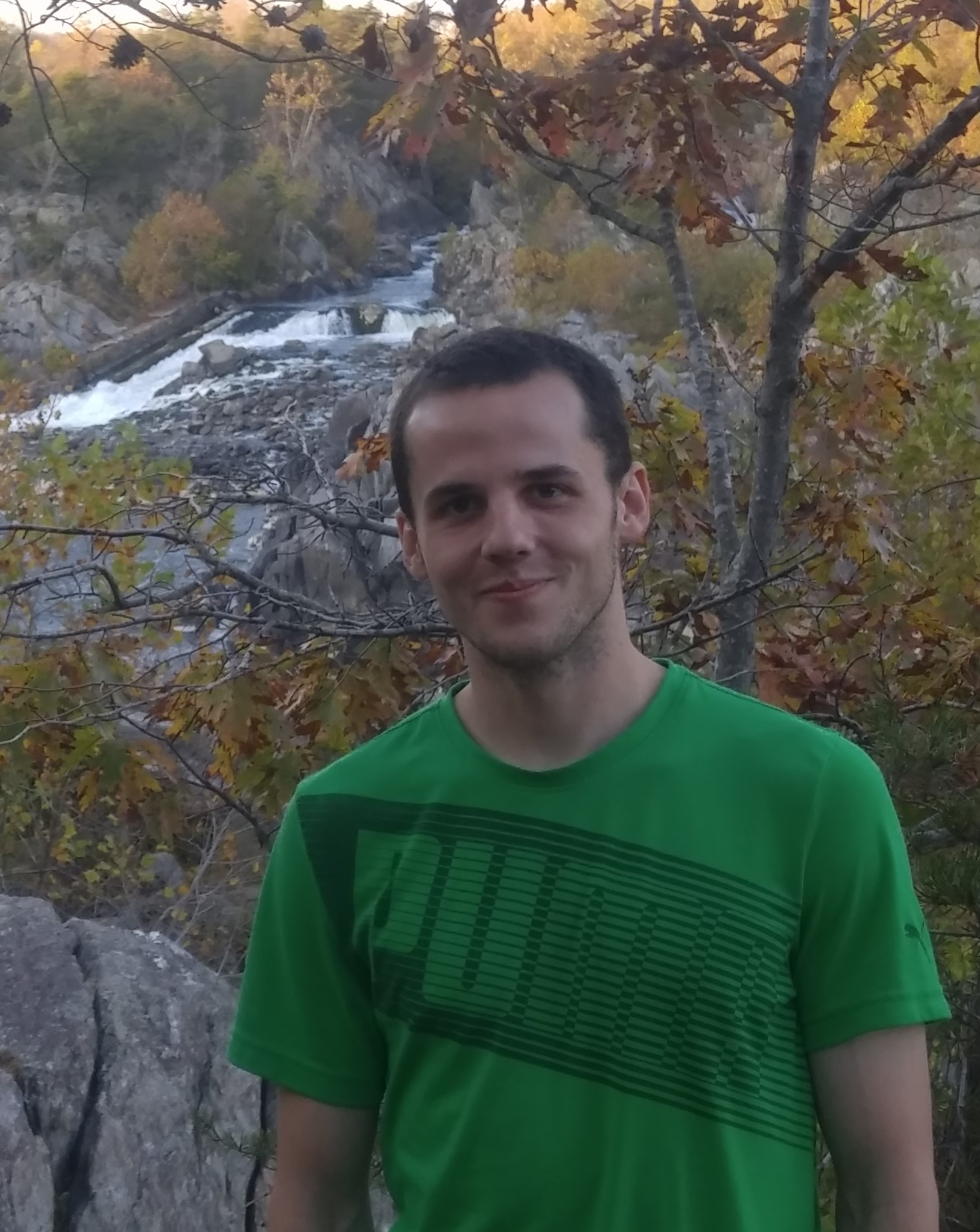
Aaron Limoges
PhD Student, Biological Sciences, Columbia University
Aaron Limoges is a PhD student in the Department of Biological Sciences. His doctoral research is performed at the New York State Psychiatric Institute, where he studies cell- and circuit-level mechanisms through which stress affects cognition and mood. As a neuroscientist, Aaron wants to find new ways to merge biological and behavioral data.
Aaron Limoges
PhD Student, Department of Biological Sciences, Columbia University
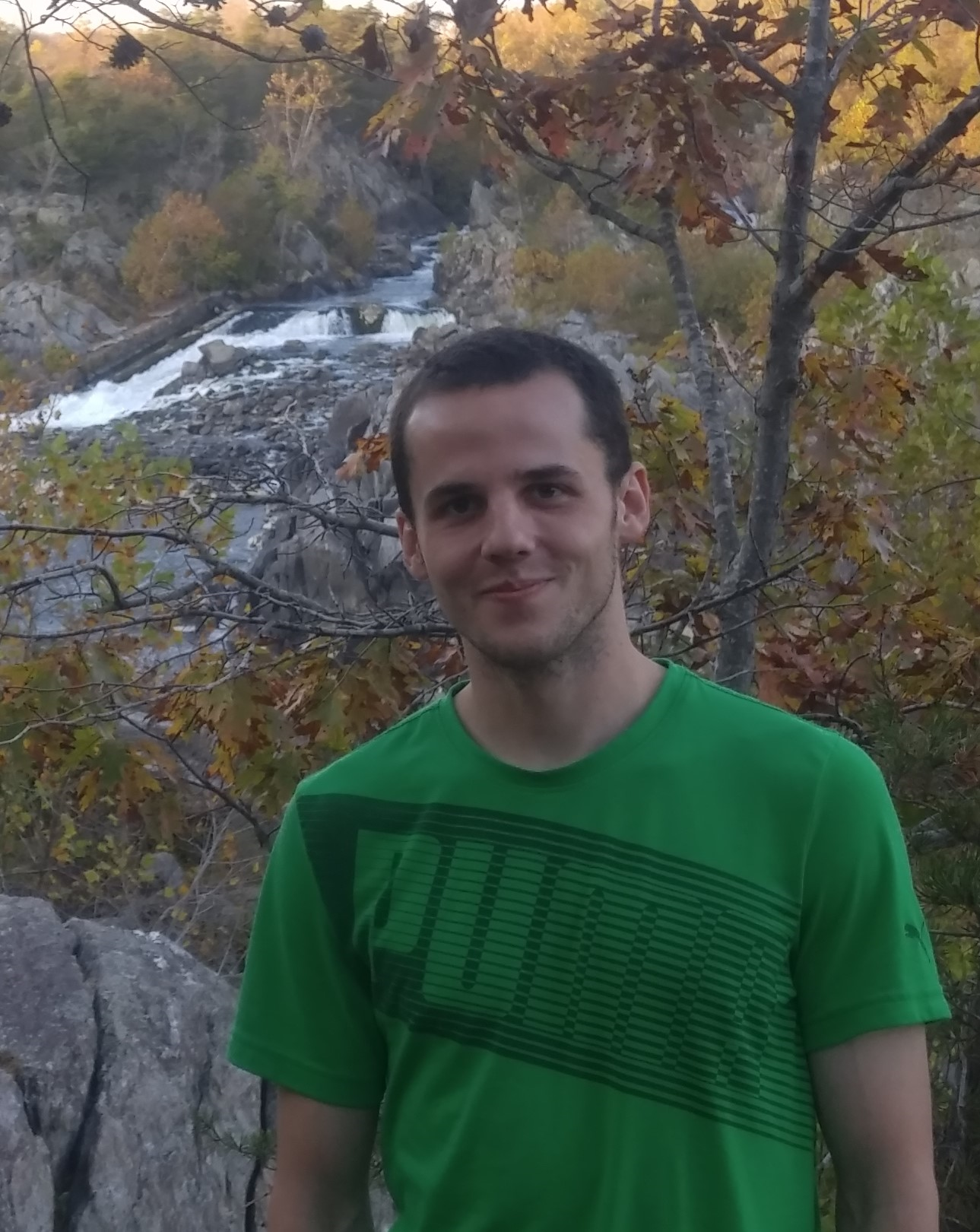
Aaron Limoges is a PhD student in the Department of Biological Sciences. His doctoral research is performed at the New York State Psychiatric Institute, where he studies cell- and circuit-level mechanisms through which stress affects cognition and mood. As a neuroscientist, Aaron wants to find new ways to merge biological and behavioral data. While he believes that statistical modeling can help diagnose patients and predict their responsiveness to certain treatments, building accurate models requires an abundance of patient information, and Aaron therefore hopes to help scientists, regulators, and the public work together so that rights to privacy are respected. Before coming to Columbia, Aaron earned his B.S. in Psychology from Kansas State University and was a Post-Baccalaureate Fellow at the National Institutes of Health.
Working Group Affiliation

Penelope Lusk
Doctoral Student, Narrative Medicine, Columbia University
Penelope Lusk is a graduate student in the Narrative Medicine program at Columbia University. She holds a BA in English Literature from Bowdoin College. Born and raised in Brooklyn, New York, she currently she works as a Project Associate for the Program for Medical Education Innovations and Research at New York University. In the future, she hopes to continue working at the crossroads of medical education and the health humanities.
Penelope Lusk
Graduate Student, Narrative Medicine, Columbia University

Penelope Lusk is a graduate student in the Narrative Medicine program at Columbia University. She holds a BA in English Literature from Bowdoin College. Born and raised in Brooklyn, New York, she currently she works as a Project Associate for the Program for Medical Education Innovations and Research at New York University. In the future, she hopes to continue working at the crossroads of medical education and the health humanities.
Working Group Affiliation

Trisha Maharaj
Doctoral Student, Graduate School of Arts and Sciences, Columbia University
Trisha Maharaj is a MA candidate in the Human Rights Studies program at Columbia University. Her research focuses on cultural and religious practices related to menstruation and women’s experiences and attitudes in the Hindu diaspora of Trinidad.
Trisha Maharaj
Graduate Student, Graduate School of Arts and Sciences, Columbia University

Trisha Maharaj is a MA candidate in the Human Rights Studies program at Columbia University. Her research focuses on cultural and religious practices related to menstruation and women’s experiences and attitudes in the Hindu diaspora of Trinidad. She holds a B.A. from American University in International Studies with a focus on International Politics and a regional focus in Africa.
Working Group Affiliation
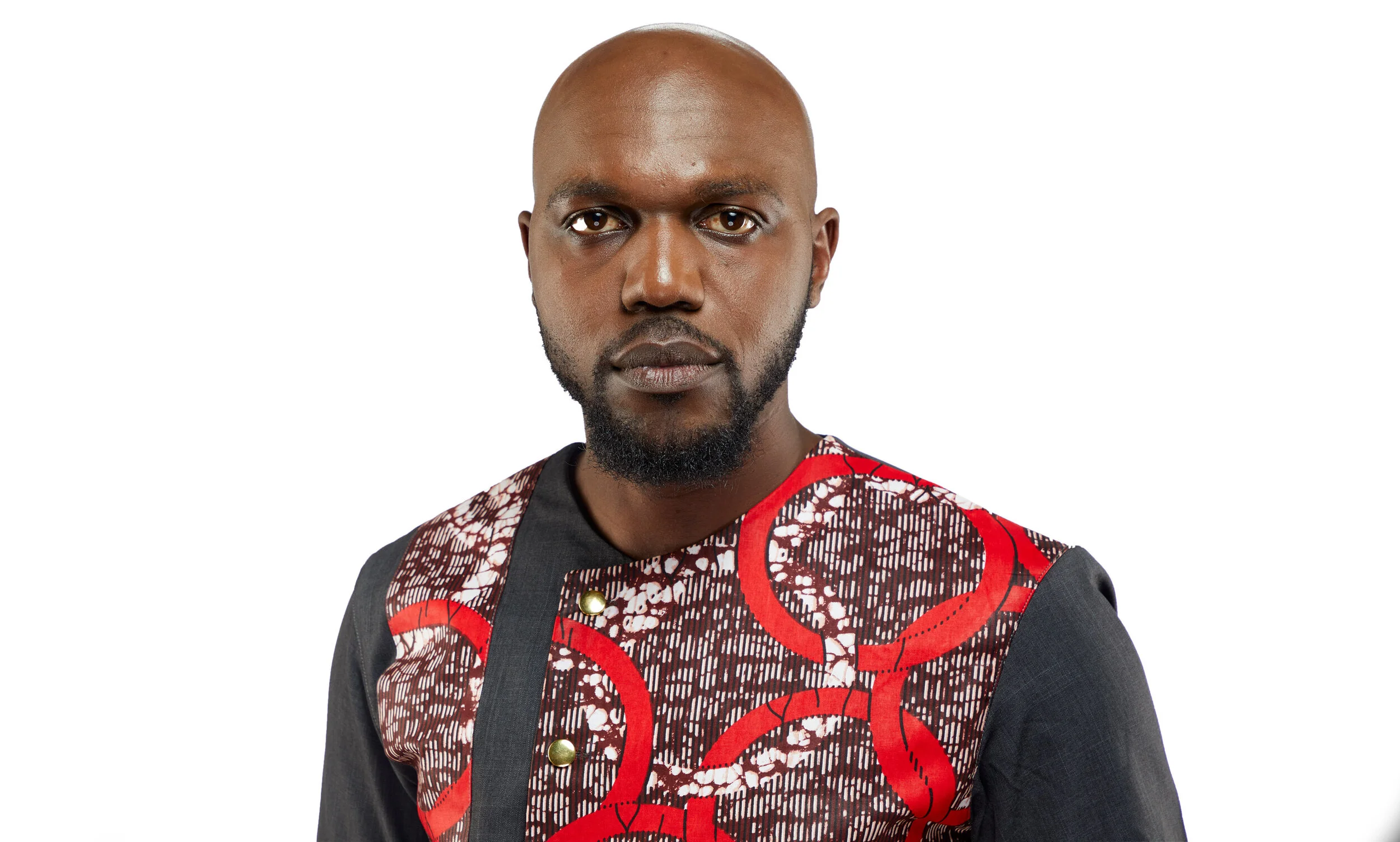
Larry Madowo
Doctoral Student, Journalism, Columbia University
Larry Madowo is a Knight-Bagehot Fellow in Economics and Business Journalism at Columbia University. He is also a candidate for an M.A. in Business and Economics at Columbia Journalism School. Before taking up the fellowship in New York City, he was the BBC Africa Business Editor. Larry launched 6 syndicated BBC TV shows in English, Swahili and French and led the broadcaster’s coverage of business in Africa.
Larry Madowo
Graduate Student, School of Journalism, Columbia University

Larry Madowo is a Knight-Bagehot Fellow in Economics and Business Journalism at Columbia University. He is also a candidate for an M.A. in Business and Economics at Columbia Journalism School. Before taking up the fellowship in New York City, he was the BBC Africa Business Editor. Larry launched 6 syndicated BBC TV shows in English, Swahili and French and led the broadcaster’s coverage of business in Africa. He was named among the 100 Most Influential Africans by NewAfrican magazine. He has reported from more than 40 countries and interviewed some of the world’s most prominent business, political and cultural leaders. He is an international correspondent, speaker and writer who has previously worked in Nairobi, London and Johannesburg. His work has been featured on numerous global outlets including CNN International, the Washington Post, Al Jazeera English, France 24, ABC News Australia and RTÉ Ireland. Larry has presented his own radio and television shows and spoken at conferences around the world. He is also a pioneering digital journalist with an audience of nearly 4 million followers on social media.
Working Group Affiliation
Racial Capitalism, Media Fellow (2020)
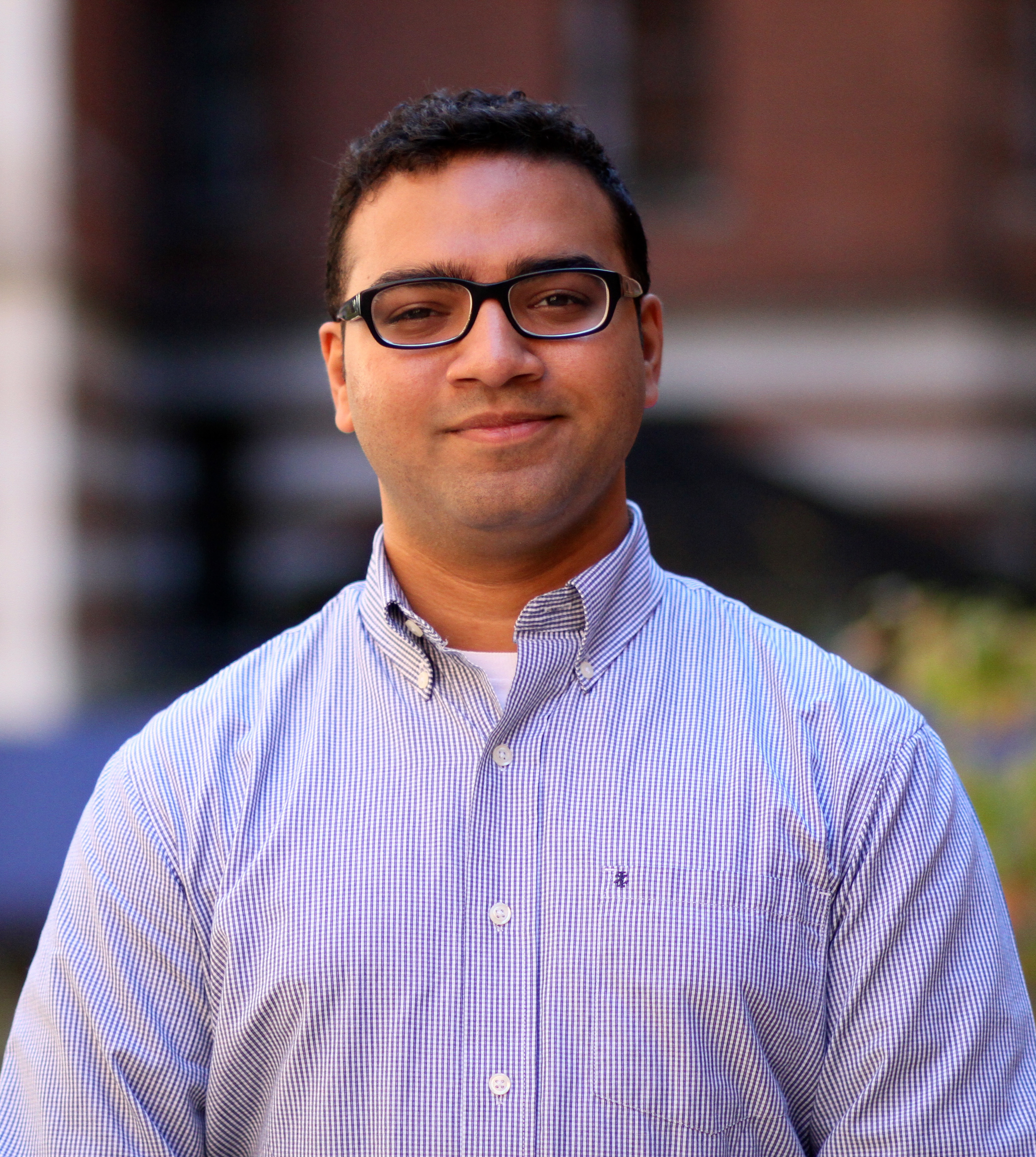
Amar Mandavia
Doctoral Student, Clinical Psychology, Columbia University
Amar Mandavia is currently a second-year doctoral student pursuing clinical psychology at Teachers College, Columbia University from where he also holds a master’s degree in clinical psychology. In his current involvement with ELSI, Amar is assisting in a systematic review to identify genetic markers and subsequent variations among different racial and ethnicity groups to inform PMI research efforts. His master’s thesis focused on analyzing longitudinal epidemiological data to identify prospective psychosocial factors that impact transition to and recovery from homelessness among adults in the US.
Amar Mandavia
Graduate Student, Teachers College, Columbia University

Amar Mandavia is currently a second-year doctoral student pursuing clinical psychology at Teachers College, Columbia University from where he also holds a master’s degree in clinical psychology. In his current involvement with ELSI, Amar is assisting in a systematic review to identify genetic markers and subsequent variations among different racial and ethnicity groups to inform PMI research efforts. His master’s thesis focused on analyzing longitudinal epidemiological data to identify prospective psychosocial factors that impact transition to and recovery from homelessness among adults in the US. His current research examines the impact of the social environment and community participation among couples who were previously homeless and its impact upon their risk recurrent homelessness.
Working Group Affiliation
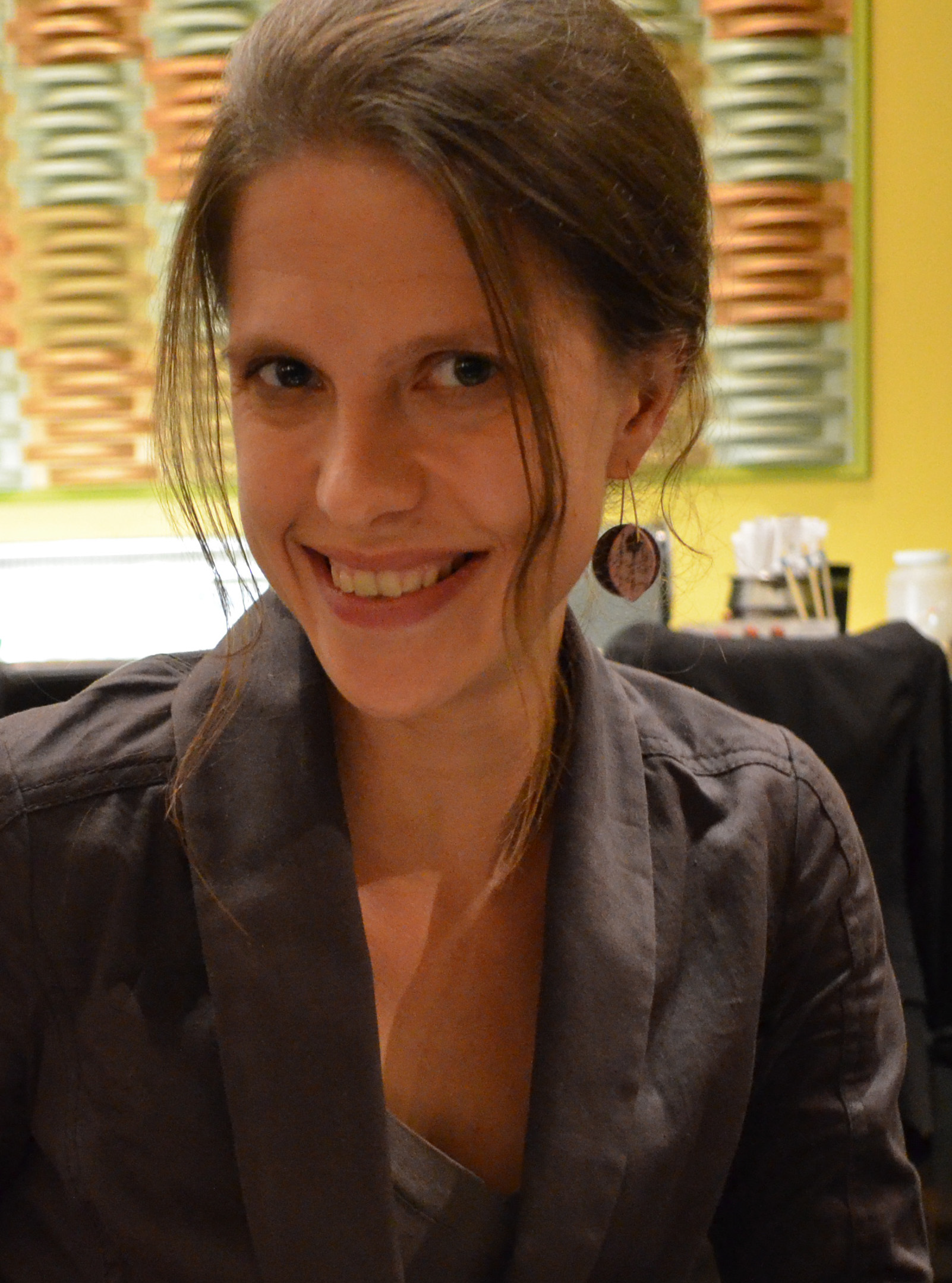
Lianna Marks
Doctoral Student, Global Health, Columbia University Medical Center
Lianna Marks is a Pediatric Hematology and Oncology Fellow at the Children's Hospital of New York and Columbia University Medical Center. She is a graduate of Columbia College and the Indiana University School of Medicine and completed her pediatric residency at the Children's Hospital of Philadelphia. Her interest in Global Health has lead her to clinical work in Kenya, Guatemala, Costa Rica, and the Dominican Republic. Her research investigates using natural killer cell immunotherapy in the treatment of cancer.
Lianna Marks
Fellow, Pediatric Hematology and Oncology, Children's Hospital of New York and Columbia University Medical Center

Lianna Marks is a Pediatric Hematology and Oncology Fellow at the Children's Hospital of New York and Columbia University Medical Center. She is a graduate of Columbia College and the Indiana University School of Medicine and completed her pediatric residency at the Children's Hospital of Philadelphia. Her interest in Global Health has lead her to clinical work in Kenya, Guatemala, Costa Rica, and the Dominican Republic. Her research investigates using natural killer cell immunotherapy in the treatment of cancer. She is also interested in how genetic sequencing can be used to identify targeted therapies and predict risk of relapse in patients with pediatric leukemia.
Working Group Affiliation
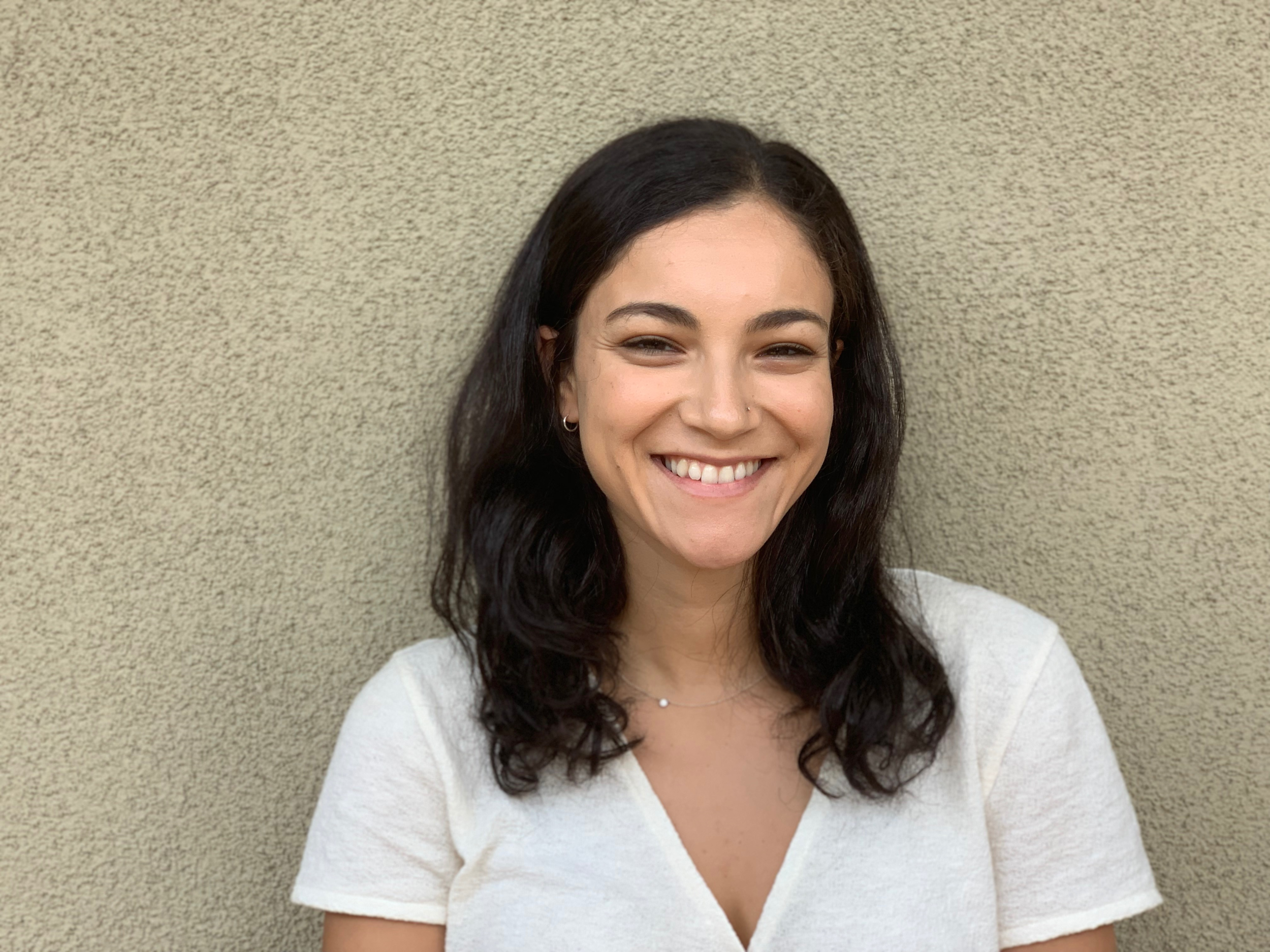
Bree Martin
Doctoral Student, Genetic Counseling, Columbia University
Bree Martin is from Los Angeles, CA, and received a bachelor’s degree in psychobiology with a minor in philosophy from UCLA. She is currently pursuing a master’s degree at Columbia University in Genetic Counseling. Bree has past research experience in genetic factors in schizophrenia, and was an active member of UCLA’s Bioethics Society. She hopes to be an advocate for equitable healthcare, specifically within genetic medicine.
Bree Martin
Graduate Student, Genetic Counseling, Columbia University

Bree Martin is from Los Angeles, CA, and received a bachelor’s degree in psychobiology with a minor in philosophy from UCLA. She is currently pursuing a master’s degree at Columbia University in Genetic Counseling. Bree has past research experience in genetic factors in schizophrenia, and was an active member of UCLA’s Bioethics Society. She hopes to be an advocate for equitable healthcare, specifically within genetic medicine.
Working Group Affiliation
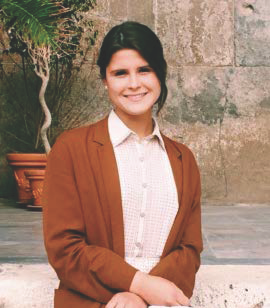
Liza McIntosh
PhD Student, English and Comparative Literature, Columbia University
Liza McIntosh is a PhD student in the department of English and Comparative Literature at Columbia. She is broadly interested in the culture and texts of the Early Modern period, with a focus on questions of gender, sexuality, and nature. She received her BA from Johns Hopkins University in English and Art History.
Liza McIntosh

Liza McIntosh is a PhD student in the department of English and Comparative Literature at Columbia. She is broadly interested in the culture and texts of the Early Modern period, with a focus on questions of gender, sexuality, and nature. She received her BA from Johns Hopkins University in English and Art History.
Working Group Affiliations
Sarah McLaughlin
Graduate Student, Narrative Medicine, Columbia University
Sarah McLaughlin is a first-year graduate student in the Narrative Medicine Program at Columbia University. She is interested in prioritizing stories of marginalization in the clinical encounter, employing storytelling to better care for individuals in underserved communities, and understanding patients’ stories in the context of identity, community and society.
Sarah McLaughlin
Graduate Student, Narrative Medicine, Columbia University
Sarah McLaughlin is a first-year graduate student in the Narrative Medicine Program at Columbia University. She received her B.A. from Williams College earlier this year, where she completed a dual major in English Literature and Chemistry, with a concentration in Biochemistry and Molecular Biology. She was also on the pre-health track at Williams, and looks forward to pursuing a career in the medical field. She is interested in prioritizing stories of marginalization in the clinical encounter, employing storytelling to better care for individuals in underserved communities, and understanding patients’ stories in the context of identity, community and society. In her free time, she enjoys field hockey and weightlifting, playing and writing music, and exploring new places with friends and family.
Working Group Affiliation
K. Melodi McSweeney
Graduate Student, Genetics and Development, Columbia University
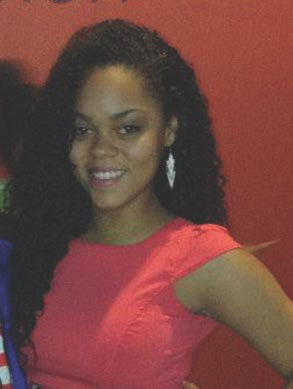
K. Melodi McSweeney is a fourth year PhD candidate in Genetics whose research focuses on modelling the effect of mutations that cause neurological disorders. Melodi is originally from Belize City, Belize and moved to Chicago, IL in 2008 to finish her Bachelor’s Degree in Molecular Biology at Loyola University Chicago. Melodi went on to complete a Post-Baccalaureate Research Education Program at the University of Michigan in the Human Genetics department where she studied atypical progeria and DNA damage due to hydroxyurea, a treatment for sickle cell anemia.
K. Melodi McSweeney
Graduate Student, Genetics and Development, Columbia University

K. Melodi McSweeney is a fourth year PhD candidate in Genetics whose research focuses on modelling the effect of mutations that cause neurological disorders. Melodi is originally from Belize City, Belize and moved to Chicago, IL in 2008 to finish her Bachelor’s Degree in Molecular Biology at Loyola University Chicago. Melodi went on to complete a Post-Baccalaureate Research Education Program at the University of Michigan in the Human Genetics department where she studied atypical progeria and DNA damage due to hydroxyurea, a treatment for sickle cell anemia. Melodi started her PhD in 2012 through the University Program in Genetics and Genomics at Duke University and then joined Dr. David Goldstein’s lab in 2013. Melodi relocated to Columbia University with Dr. Goldstein’s group in 2015 and is currently continuing her PhD research on the effect of microRNA manipulation on neuronal activity and the functional consequences of mutations in the ATP1A3 gene.
Working Group Affiliation
Laura McTighe
Graduate Student, Religion, Columbia University
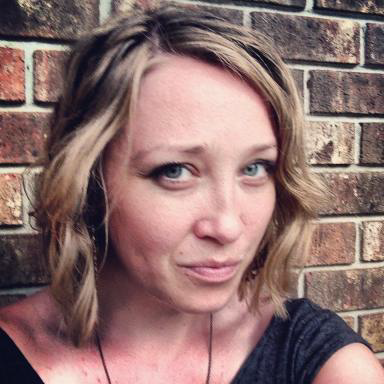
Laura McTighe is a Ph.D. candidate in the Department of Religion at Columbia University. She comes to her doctoral studies through nearly twenty years of grassroots activism to end state violence and advance community healing. Her research examines the co-constitution of race and religion, of gender and governance, in the American and Global South today by ethnographically centering women’s geographies and archives of struggle.
Laura McTighe
Graduate Student, Religion, Columbia University
Laura McTighe is a Ph.D. candidate in the Department of Religion at Columbia University. She comes to her doctoral studies through nearly twenty years of grassroots activism to end state violence and advance community healing. Her research examines the co-constitution of race and religion, of gender and governance, in the American and Global South today by ethnographically centering women’s geographies and archives of struggle. Her dissertation project, “This Day, We Use Our Energy for Revolution”– Black Feminist Ethics of Survival, Struggle, and Renewal in the new New Orleans, has been supported by the Woodrow Wilson National Fellowship Foundation, the Wenner-Gren Foundation for Anthropological Research, and the Institute for Religion, Culture, & Public Life. She is also completing a book-length project on HIV, gender, and Islam with South African scholar/activist Farid Esack. To date, her writings have been published in Beyond Walls and Cages: Bridging Immigrant Justice and Anti-Prison Organizing in the United States (2012), the International Journal for Law and Psychiatry (2011), Islam and AIDS: Between Scorn, Pity and Justice (2009), and a variety of community publications. McTighe is the Co-Founder of the Front Porch Research Strategy in New Orleans, and serves as a Board Member to Men & Women In Prison Ministries in Chicago and Reconstruction, Inc. in Philadelphia.
Working Group Affiliation
Sonia Mendoza-Grey
PhD Student, Sociomedical Sciences, Mailman School of Public Health, Columbia University
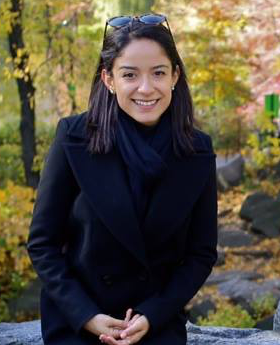
Sonia Mendoza-Grey is a PhD student in the Department of Sociomedical Sciences at Mailman School of Public Health. Mendoza-Grey employs her human biology, sociology, and qualitative research training to her dissertation research that examines precision medicine implications for the Latinx population. Specifically, her work investigates how recruitment and analysis of the Latinx population shapes and informs understandings of Latinidad, and how researchers’ work with Latinx populations illuminates the assembled connections among genetics, ethnicity, and race through contemporary bioscience.
Sonia Mendoza-Grey
PhD Student, Sociomedical Sciences, Mailman School of Public Health, Columbia University
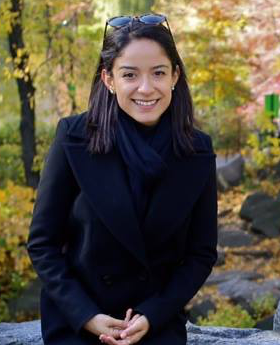
Sonia Mendoza-Grey is a PhD student in the Department of Sociomedical Sciences at Mailman School of Public Health. Mendoza-Grey employs her human biology, sociology, and qualitative research training to her dissertation research that examines precision medicine implications for the Latinx population. Specifically, her work investigates how recruitment and analysis of the Latinx population shapes and informs understandings of Latinidad, and how researchers’ work with Latinx populations illuminates the assembled connections among genetics, ethnicity, and race through contemporary bioscience. This project engages science and technology literature, critical ethnic and race theory, as well as with health disparities research among minorities.
Working Group Affiliation

Ariel Merkel
Sociology, The New School for Social Research
Ariel Merkel is a Sociology PhD candidate at the New School for Social Research, with a focus on disability studies. She earned her MA at NSSR in May 2011, and holds a BA (cum laude) in Cultural Anthropology from Wells College, a small women’s college in the Finger Lakes region of New York State. Upon graduation in 2005, she was awarded the Carter A. Woods Prize for her thesis, which analyzed the strategies of Kanaka Maoli (indigenous Hawaiian) activists involved in the Cultural Revitalization Movement.
Ariel Merkel
Sociology, The New School for Social Research

Ariel Merkel is a Sociology PhD candidate at the New School for Social Research, with a focus on disability studies. She earned her MA at NSSR in May 2011, and holds a BA (cum laude) in Cultural Anthropology from Wells College, a small women’s college in the Finger Lakes region of New York State. Upon graduation in 2005, she was awarded the Carter A. Woods Prize for her thesis, which analyzed the strategies of Kanaka Maoli (indigenous Hawaiian) activists involved in the Cultural Revitalization Movement. Ariel supplemented this research with a six-week ethnographic study in O’hau and the Big Island where she conducted interviews with “houseless” Kanaka Maoli, who reside in beach-tents as a result of the land-struggle throughout the islands. Prior to returning to graduate school, Ariel worked for People Inc., a non-profit agency that serves the developmentally disabled, where she spent four years administrating and managing residential facilities (IRA and SIRA) and served as a Medicaid Service Coordinator (MSC) for the northern region of Buffalo, NY. She was also involved in Deaf Adult Services during her time in Buffalo, and enrolled in several American Sign Language courses and is able to have basic conversations in ASL. Her current research stems from her previous nonprofit work with people with disabilities, specifically feminist disability theory. She is fascinated by how disability, a malleable identity which shifts spatially and temporarily and yet is so deeply rooted to the body and literally embedded in bone, intersects with other identities that are typically conceptualized as socially constructed performances.
Working Group Affiliation

John Michalczyk
Sociology, The New School for Social Research
John Michalczyk is a doctoral student in Sociology at the New School for Social Research, currently working on a project exploring disability in virtual worlds. His other interests include social interaction, ethnography, and identity formation. John combines his academic research in Sociology on disabilities, hidden and visible, with his interest in documentary filmmaking.
John Michalczyk
Sociology, The New School for Social Research
John Michalczyk is a doctoral student in Sociology at the New School for Social Research, currently working on a project exploring disability in virtual worlds. His other interests include social interaction, ethnography, and identity formation. John combines his academic research in Sociology on disabilities, hidden and visible, with his interest in documentary filmmaking. His work includes a short documentary on Keith Jones, a musician and disabilities advocate (Keith Jones: Un-Rapping Disability) and a nearly completed documentary on the artist, Edwina Sandys (Recreating Life in Art). His current film project focuses on music and disabilities.
Guilherme Estermann Meyer
Ph.D. candidate, Department of English, New York University and SSHRC
I’m a PhD candidate and teaching assistant in the Department of English at New York University. My dissertation project deals with prophetic utopianism, which is a mode of utopianism that engages in prophetic denunciation-annunciation as a means to sustain revolutionary praxis.
Ph.D. candidate, Department of English, New York University and SSHRC
I’m a PhD candidate and teaching assistant in the Department of English at New York University. My dissertation project deals with prophetic utopianism, which is a mode of utopianism that engages in prophetic denunciation-annunciation as a means to sustain revolutionary praxis. I turn to the work of Paulo Freire to theorize this mode of utopianism as one that took shape in the context of the development of liberation theology in Latin America and to explore the continued relevance of a prophetic-utopian impulse in practices of artists and social movements in Brazil from the 1970s to the present. I’m a co-chair of the Marxism working group in the Department of English and an organizer in the union for graduate workers at NYU, GSOC-UAW Local 2110.
Working Group Affiliations
Zip Code Memory Project: Practices of Justice and Repair, Social Engagement Project

Tori Miller
MA Candidate, Human Rights Studies, Columbia University
Tori Miller is a MA candidate in the Human Rights Studies program at Columbia University. Her research focuses on the medicalization and sanitization of menstruation within development organizations.
Tori Miller
MA Candidate, Human Rights Studies, Columbia University
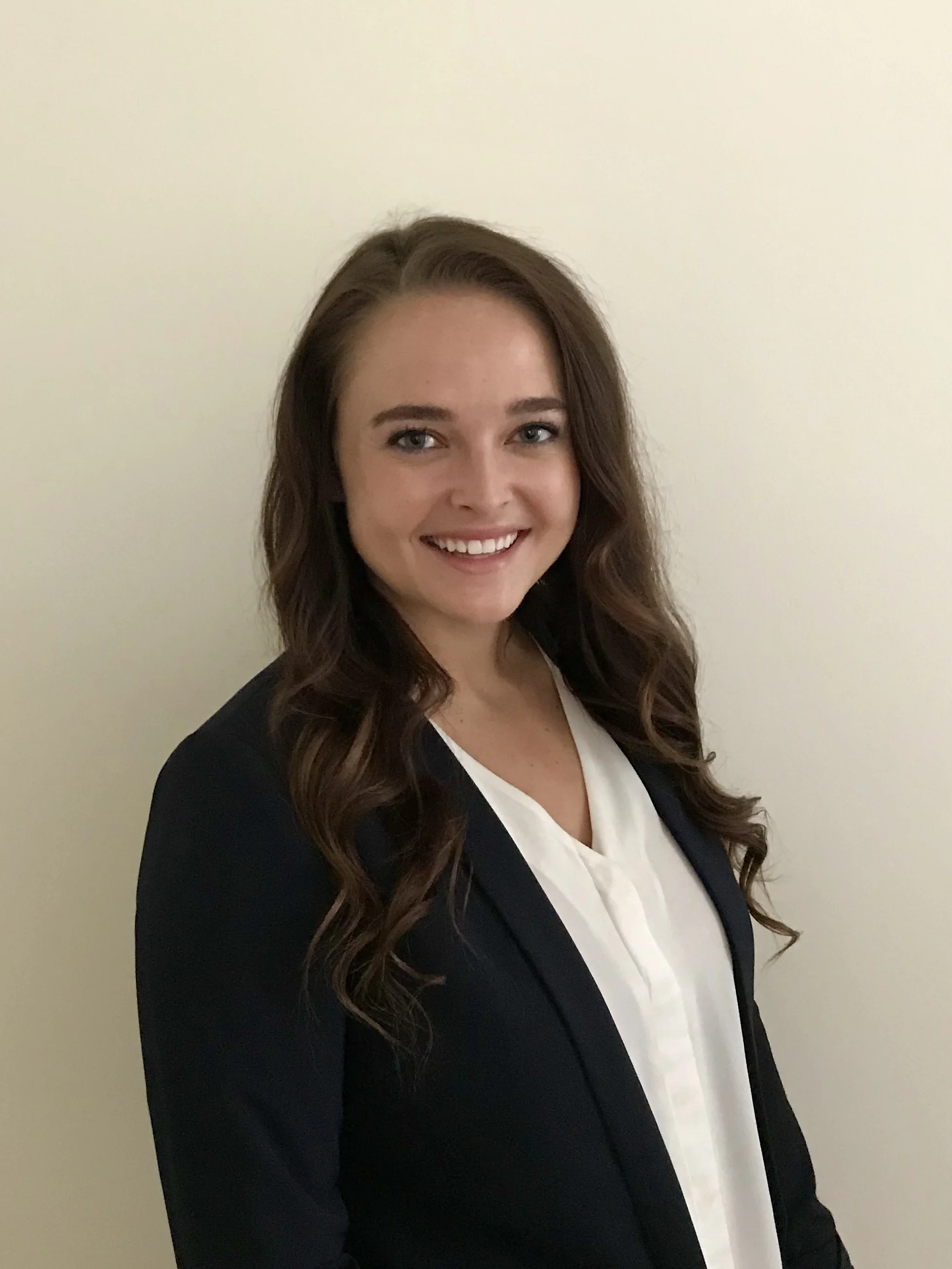
Tori Miller is a MA candidate in the Human Rights Studies program at Columbia University. Her research focuses on the medicalization and sanitization of menstruation within development organizations. She holds a B.A. from New York University where she double majored in English and American Literature and Journalism with a focus on documentary film making.
Working Group Affiliation
Shazia Mitha
PhD Student, Columbia University School of Nursing
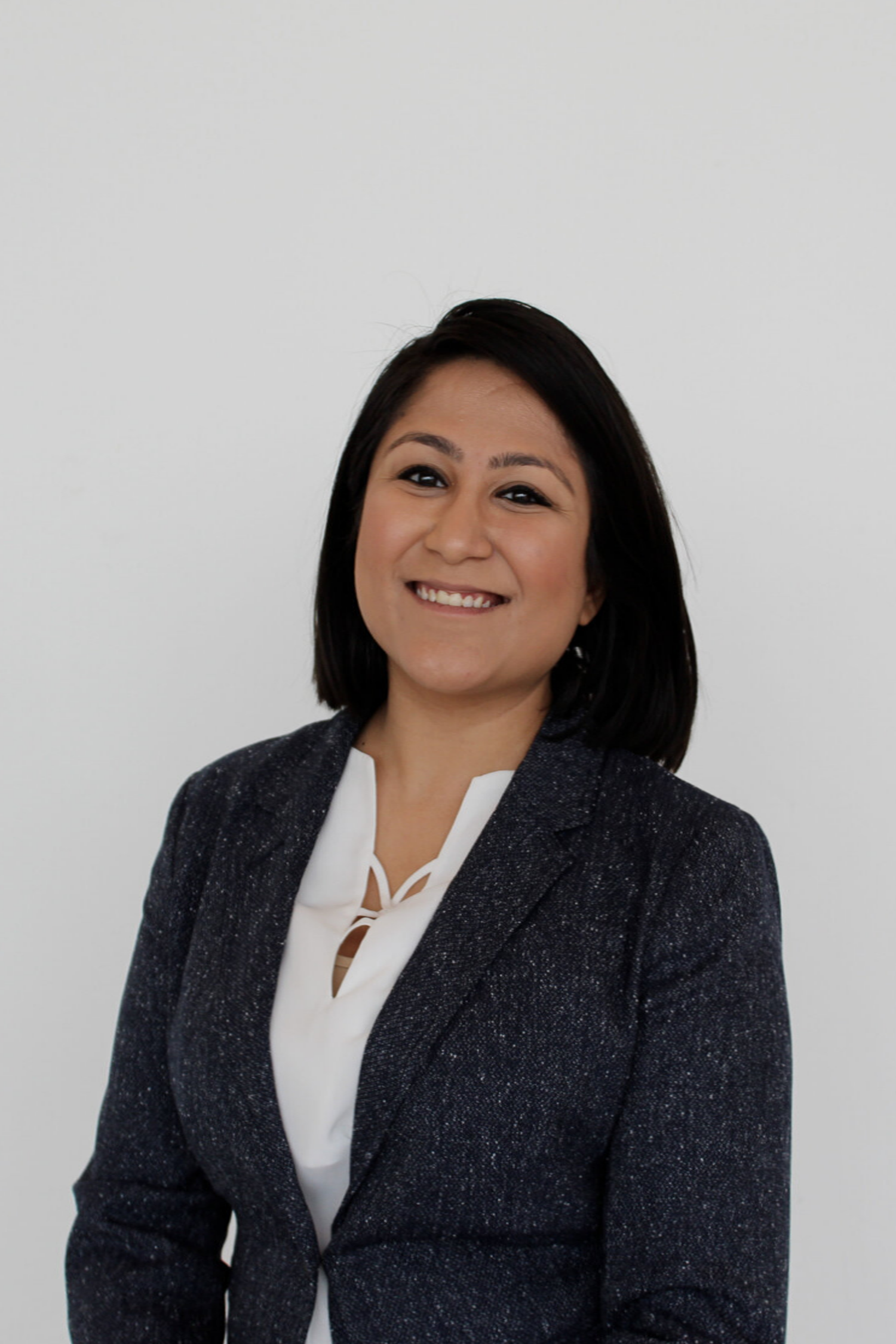
Shazia Mitha, MSN, AG-ACNP-BC, RN is a Robert Wood Johnson Future of Nursing Scholar, who is currently a second year PhD student in Nursing. She is an exceptional student, leader, clinician and scholar interested in engaging in ethical, cultural and political conversations about precision medicine to improve the next generation of health care delivery in the world. She believes that as technology and science advance towards precision in health, clinicians must engage in these conversations to ensure the ethical, cultural, and social domains of precision medicine.
Shazia Mitha
PhD Student, Columbia University School of Nursing
Shazia Mitha, MSN, AG-ACNP-BC, RN is a Robert Wood Johnson Future of Nursing Scholar, who is currently a second year PhD student in Nursing. She aims to develop phenotypic risk identification and predictions models of high-risk breast cancer patients experiencing treatment-related cardiotoxicity, using natural language processing and other informatics approaches at Columbia University. She is an exceptional student, leader, clinician and scholar interested in engaging in ethical, cultural and political conversations about precision medicine to improve the next generation of health care delivery in the world. She believes that as technology and science advance towards precision in health, clinicians must engage in these conversations to ensure the ethical, cultural, and social domains of precision medicine.
Working Group Affiliation