

Asma Sayeed
Fellow, Near Eastern Languages and Cultures, UCLA
Asma Sayeed is Assistant Professor of Islamic Studies at UCLA in the Department of Near Eastern Languages and Cultures. Her primary research interests are in early and classical Muslim social history, the intersections of law and social history, gender, and the history of Muslim education. Her book, Women and the Transmission of Religious Knowledge in Islam (Cambridge University Press) analyses Muslim women’s religious education, specifically their transmission of ḥadīth from the rise of Islam to the early Ottoman period.
Asma Sayeed
Assistant Professor of Islamic Studies, Department of Near Eastern Languages and Cultures, UCLA
Asma Sayeed is Assistant Professor of Islamic Studies at UCLA in the Department of Near Eastern Languages and Cultures. Her primary research interests are in early and classical Muslim social history, the intersections of law and social history, gender, and the history of Muslim education. Her book, Women and the Transmission of Religious Knowledge in Islam (Cambridge University Press) analyses Muslim women’s religious education, specifically their transmission of ḥadīth from the rise of Islam to the early Ottoman period. She received her PhD from the Department of Near Eastern Studies at Princeton University. She was previously Assistant Professor in the Department of Religious Studies at Lafayette College (Easton, PA), where she taught courses in Islam and World Religions. She has published on topics related to Muslim women and their religious participation in journals such as Studia Islamica and Islamic Law and Society and has contributed a number of encyclopedia articles on women’s history in early and classical Islam. She recently undertook archival research in Syria on Muslim women’s education in the Ayyubid and Mamluk periods under the auspices of a Fulbright fellowship.

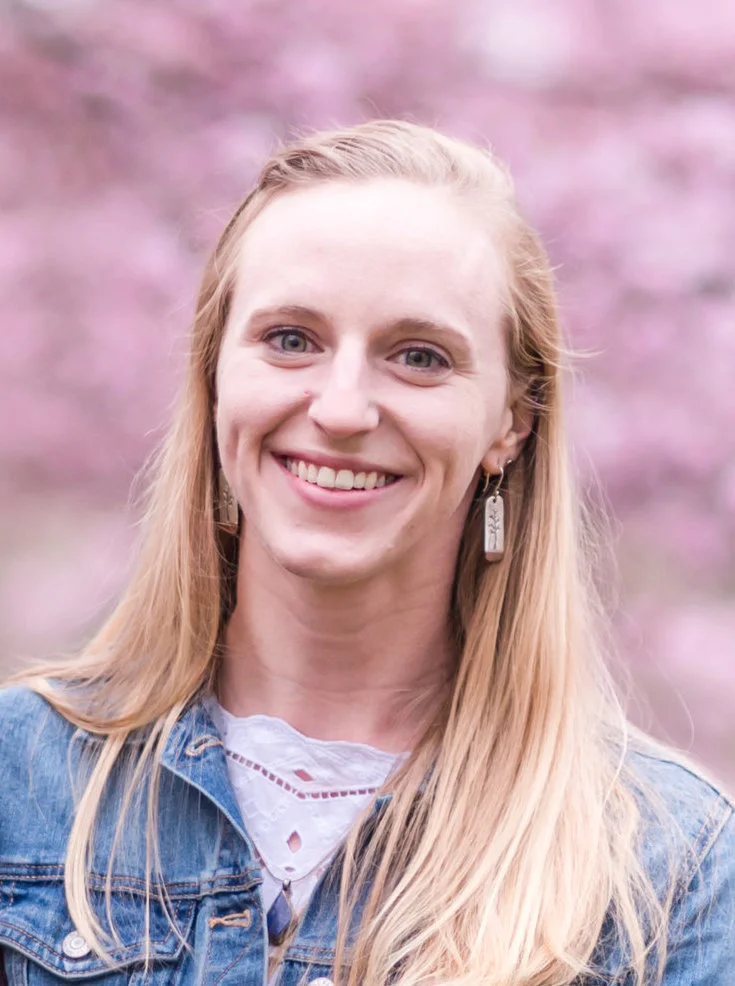
Maureen Saylor
Doctoral Student, Nursing, Columbia University
Maureen Saylor is currently a student in the Master's Direct Entry program at Columbia University School of Nursing. She also graduated in May 2019 from Mailman School of Public Health with her MPH in Population and Family Health. Previously, she served as a Peace Corps Volunteer in Botswana where she primarily worked on projects related to HIV/AIDS and issues surrounding gender-based violence. She is passionate about participatory qualitative research and hopes to pursue a career in community health upon graduating from the MDE program in summer 2020.
Maureen Saylor
Graduate Student, School of Nursing, Columbia University
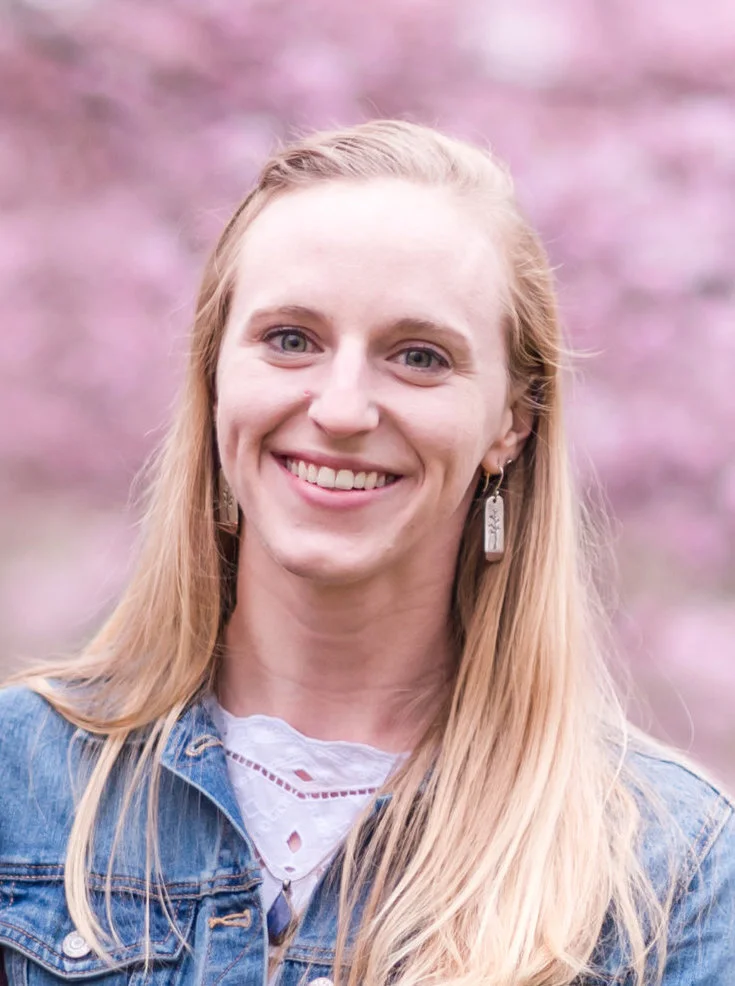
Maureen Saylor is currently a student in the Master's Direct Entry program at Columbia University School of Nursing. She also graduated in May 2019 from Mailman School of Public Health with her MPH in Population and Family Health. Previously, she served as a Peace Corps Volunteer in Botswana where she primarily worked on projects related to HIV/AIDS and issues surrounding gender-based violence. She is passionate about participatory qualitative research and hopes to pursue a career in community health upon graduating from the MDE program in summer 2020.
Working Group Affiliation

Katherine Schaap Williams
Doctoral Student, English, Rutgers University
Katherine Schaap Williams is a doctoral candidate in the department of English at Rutgers University. She has held fellowships from the graduate school and the Center for Cultural Analysis at Rutgers University, where she is a fellow in the 2011-2012 “Public Knowledge: Institutions, Networks, Collectives” seminar. Her research interests include sixteenth and seventeenth-century English literature and culture, disability studies, and performance theory, and she is writing a dissertation tentatively titled Irregular Bodies: Disability on the Early Modern Stage.
Katherine Schaap Williams
Department of English, Rutgers University
Katherine Schaap Williams is a doctoral candidate in the department of English at Rutgers University. She has held fellowships from the graduate school and the Center for Cultural Analysis at Rutgers University, where she is a fellow in the 2011-2012 “Public Knowledge: Institutions, Networks, Collectives” seminar. Her research interests include sixteenth and seventeenth-century English literature and culture, disability studies, and performance theory, and she is writing a dissertation tentatively titled Irregular Bodies: Disability on the Early Modern Stage. She is the author of "Enabling Richard: The Rhetoric of Disability in Richard III,” a contribution to a special section on Shakespeare in Disability Studies Quarterly in 2009.

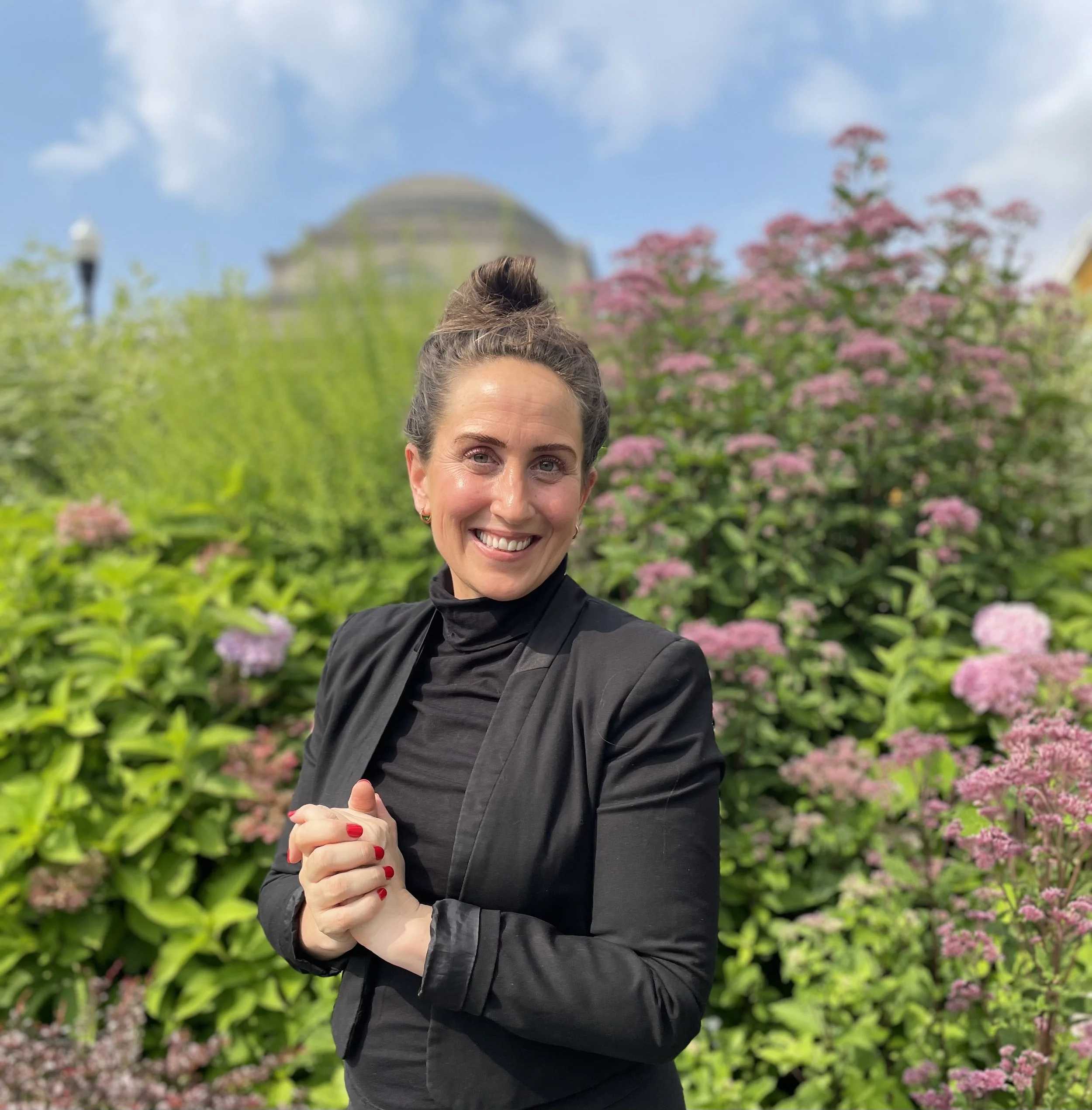
Anna Kirstine Schirrer
PhD Candidate, Department of Anthropology, Columbia University
CSSD Graduate Administrative Fellow (2022/23)
Technology and Communications
Anna Kirstine Schirrer is a Danish legal anthropologist, doctoral candidate and certificate fellow with the Institute for the Study of Human Rights at Columbia University.
Anna Kirstine Schirrer
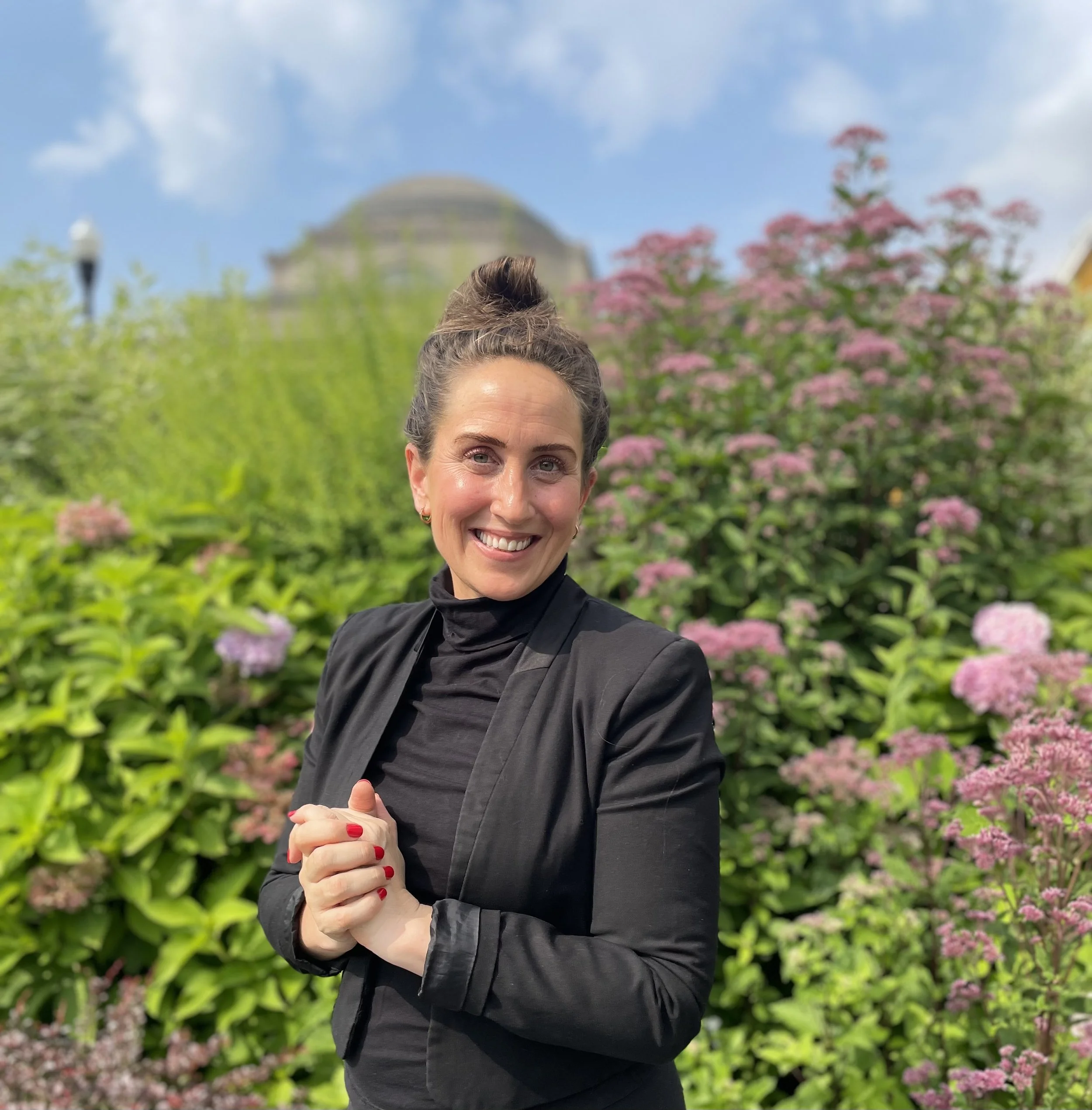
Anna Kirstine Schirrer is a Danish legal anthropologist, doctoral candidate and certificate fellow with the Institute for the Study of Human Rights at Columbia University. She is broadly interested in state responsibility for historical injustices and the governance of difference. Her dissertation project focuses on claims to redress for transatlantic slavery, white supremacy and racial exclusion in international law. She is currently developing her next project on affective diplomacy and the colonial origins of neutrality politics in Scandinavia.

Maggie Schmitt
Doctoral Student, Gender, Adolescent Transitions and Environment(GATE), Columbia University
Maggie Schmitt, MPH, is a Project Director for the Gender, Adolescent Transitions and Environment (GATE) Program, housed in the Department of Sociomedical Sciences at Columbia University’s Mailman School of Public Health. Ms. Schmitt has been at CU MSPH for over 8 years, working on a range of health systems, reproductive health and humanitarian response research initiatives.
Maggie Schmitt
Project Director, Gender, Adolescent Transitions and Environment (GATE)

Maggie Schmitt, MPH, is a Project Director for the Gender, Adolescent Transitions and Environment (GATE) Program, housed in the Department of Sociomedical Sciences at Columbia University’s Mailman School of Public Health. Ms. Schmitt has been at CU MSPH for over 8 years, working on a range of health systems, reproductive health and humanitarian response research initiatives. Most recently, her work has focused on the inclusion of menstrual hygiene within humanitarian emergencies, in collaboration with the International Rescue Committee. This includes supporting the development of both improved evidence and practical guidance for the integration of menstrual hygiene into ongoing emergency response operations.
Working Group Affiliation
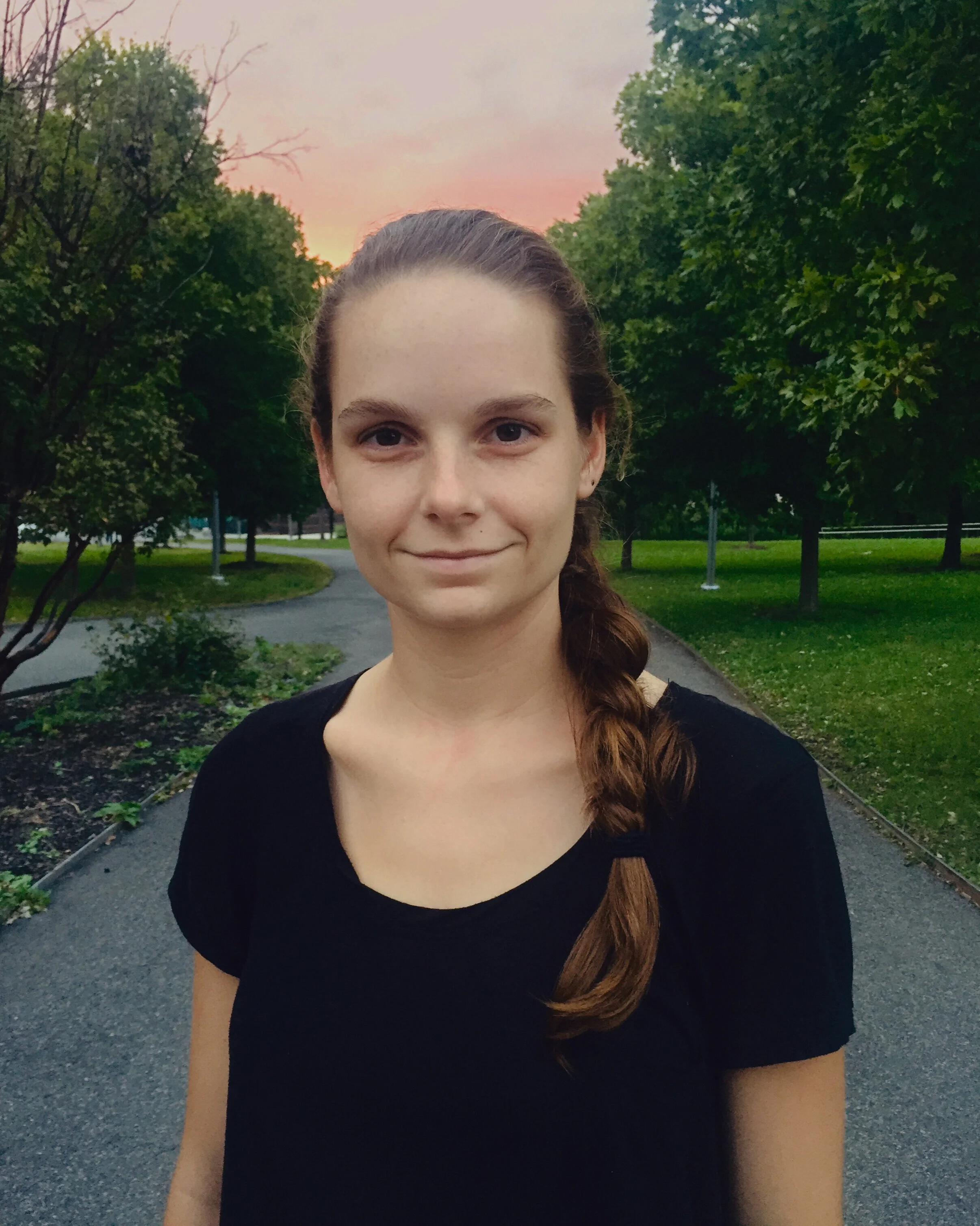
Abby Schroering
Graduate Assistant
Working Group Liaison
ans2198@columbia.edu
Abby Schroering
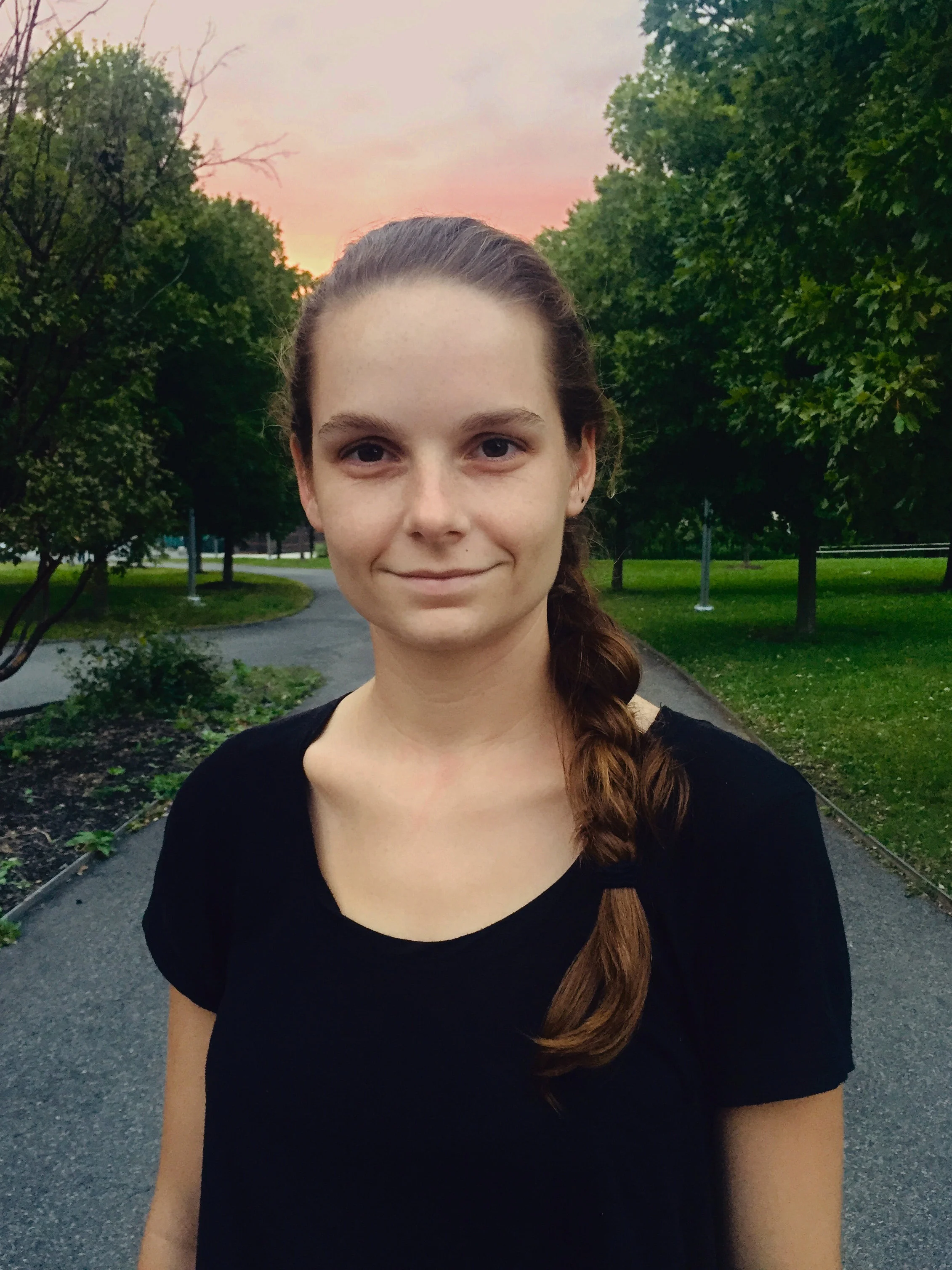
Graduate Assistant
ans2198@columbia.edu
Abby is a doctoral candidate in the PhD program in theater and performance at Columbia University and a senior teaching consultant at the Columbia Center for Teaching and Learning. Her research focuses on performance and ecology and asks, how can the power of performance be mobilized toward the creation of a more just, sustainable, and resilient future for all life on Earth? Her scholarship has been published in ISLE: Interdisciplinary Studies in Literature and Environment, The Journal of Contemporary Drama in English, and Transnational Cinemas.
Abby assists the CSSD with working group liaison.

Carina del Valle Schorske
Doctoral Candidate, English and Comparative Literature, Columbia University
Carina del Valle Schorske is a poet, translator, and PhD candidate in Comparative Literature. She is broadly interested in the history of psychoanalysis and other forms of psychic inquiry among artists and intellectuals of color in the Americas (Harlem, Mexico City, the Caribbean). She is currently at work on a project about Pamela Colman Smith, a turn-of-the-century Jamaican folklorist and the illustrator of the world's most widely used tarot deck.
Carina del Valle Schorske
Doctoral Candidate, English and Comparative Literature, Columbia University

photo credit: Mara Corsino, 2021
Carina del Valle Schorske is a writer and translator with roots in Washington Heights. Her personal essays and cultural criticism have appeared in many venues including The Believer, Bookforum, The Common, the New Yorker online, and the New York Times Magazine, where she is a Contributing Writer. She won Gulf Coast's 2016 Prize for her translations of the Puerto Rican poet Marigloria Palma, and co-edited the bilingual anthology Puerto Rico en mi corazón to raise funds for hurricane relief. Her forthcoming book, The Other Island, was recently honored with the Whiting Foundation's Creative Nonfiction Grant. As a doctoral candidate in the English & Comparative Literature department, her research focuses on women's performance in the Americas from Zora Neale Hurston through Ana Mendieta. Find out more at www.carinadelvalleschorske.com.
Working Group Affiliations
Zip Code Memory Project: Practices of Justice and Repair, Social Engagement Project

Sanford Schram
Fellow, Political Science, Hunter College, CUNY
Sanford Schram is a noted American political scientist and author. Schram is on the faculty in the Political Science Department at Hunter College, CUNY and in the Sociology Department at the CUNY Graduate Center where he teaches in the doctoral program in Political Science. He is also active as a Faculty Associate at the Roosevelt House Public Policy Institute (which is part of Hunter College).
Sanford Schram
Political Science, Hunter College, CUNY

Sanford Schram is a noted American political scientist and author. Schram is on the faculty in the Political Science Department at Hunter College, CUNY and in the Sociology Department at the CUNY Graduate Center where he teaches in the doctoral program in Political Science. He is also active as a Faculty Associate at the Roosevelt House Public Policy Institute (which is part of Hunter College).
Schram has written six books and has co-authored, co-edited or been editor of nine others. Two of his books, the solely authored Words of Welfare (Minnesota, 1995) and Disciplining the Poor (Chicago, 2011)--co-authored with Joe Soss and Richard Fording--both received the American Political Science Association’s Michael Harrington Award for books dedicated to promoting social change. Disciplining the Poor has also received multiple other awards including in 2012 the Oliver Cromwell Cox Award from the American Sociological Association for the best book for combating racism.
In 2012, Schram received the Charles McCoy Career Achievement Award from the American Political Science Association (New Political Science Section) which is given each year to "a progressive political scientist who has had a long successful career as a writer, teacher, and activist." His work has appeared in the American Political Science Review, the American Journal of Political Science, the American Sociological Review, the American Journal of Sociology, and other academic journals, as well as The Washington Post and other mass media publications.
Previously, he taught social theory and social policy in the Graduate School of Social Work and Social Research at Bryn Mawr College. Schram is currently completing a book with Richard Fording entitled Hard White: Trump and the Alt-Right.
Working Group Affiliation

Michael Schwartz
Fellow, Disability Rights Clinic, Syracuse University College of Law
Michael Schwartz, a deaf lawyer, is an associate professor of law and has been the director of the Disability Rights Clinic in the Office of Clinical Legal Education at the Syracuse University College of Law since August 2004. Schwartz received his Bachelor of Arts degree in English from Brandeis University and a Master of Arts degree in Theater Arts from Northwestern University. He then joined the National Theater of the Deaf and toured the United States as D’Artagnan in Dumas’s The Three Musketeers.
Michael Schwartz
Associate Professor of Law and Director, Disability Rights Clinic, Syracuse University College of Law
Michael Schwartz, a deaf lawyer, is an associate professor of law and has been the director of the Disability Rights Clinic in the Office of Clinical Legal Education at the Syracuse University College of Law since August 2004. Schwartz received his Bachelor of Arts degree in English from Brandeis University and a Master of Arts degree in Theater Arts from Northwestern University. He then joined the National Theater of the Deaf and toured the United States as D’Artagnan in Dumas’s The Three Musketeers. When his tour ended, Schwartz enrolled in New York University School of Law where he obtained his JD degree and joined the New York State Bar. His first legal position was a judicial clerkship in the chambers of Federal District Judge Vincent L. Broderick of the United States District Court for the Southern District of New York. After his clerkship, Schwartz joined the Manhattan District Attorney’s Office as an Assistant District Attorney in the Office’s Appeals Bureau and served seven and one-half years. He then became a Trial Attorney in the Employment Litigation Section of the Civil Rights Division of the United States Department of Justice in Washington, D.C. Shortly thereafter he got married and relocated to New York City to practice law on his own for three years. During this time he was admitted to the Bars of the States of New Jersey and Connecticut. Schwartz then joined the Civil Rights Bureau of the New York State Department of Law as an Assistant Attorney General and successfully litigated the Office’s first Americans with Disabilities Act case, which established the right of a State Attorney General to bring an action under the ADA on behalf of the state’s residents with disabilities. Schwartz then left the Department of Law, obtained his LL.M degree from Columbia University School of Law, and joined the faculty at the Rochester Institute of Technology in Rochester, New York for the next four years. Schwartz then joined the law faculty at Syracuse University in 2004 and received his Ph.D. degree in Education with a concentration in Disability Studies from Syracuse University in May 2006.

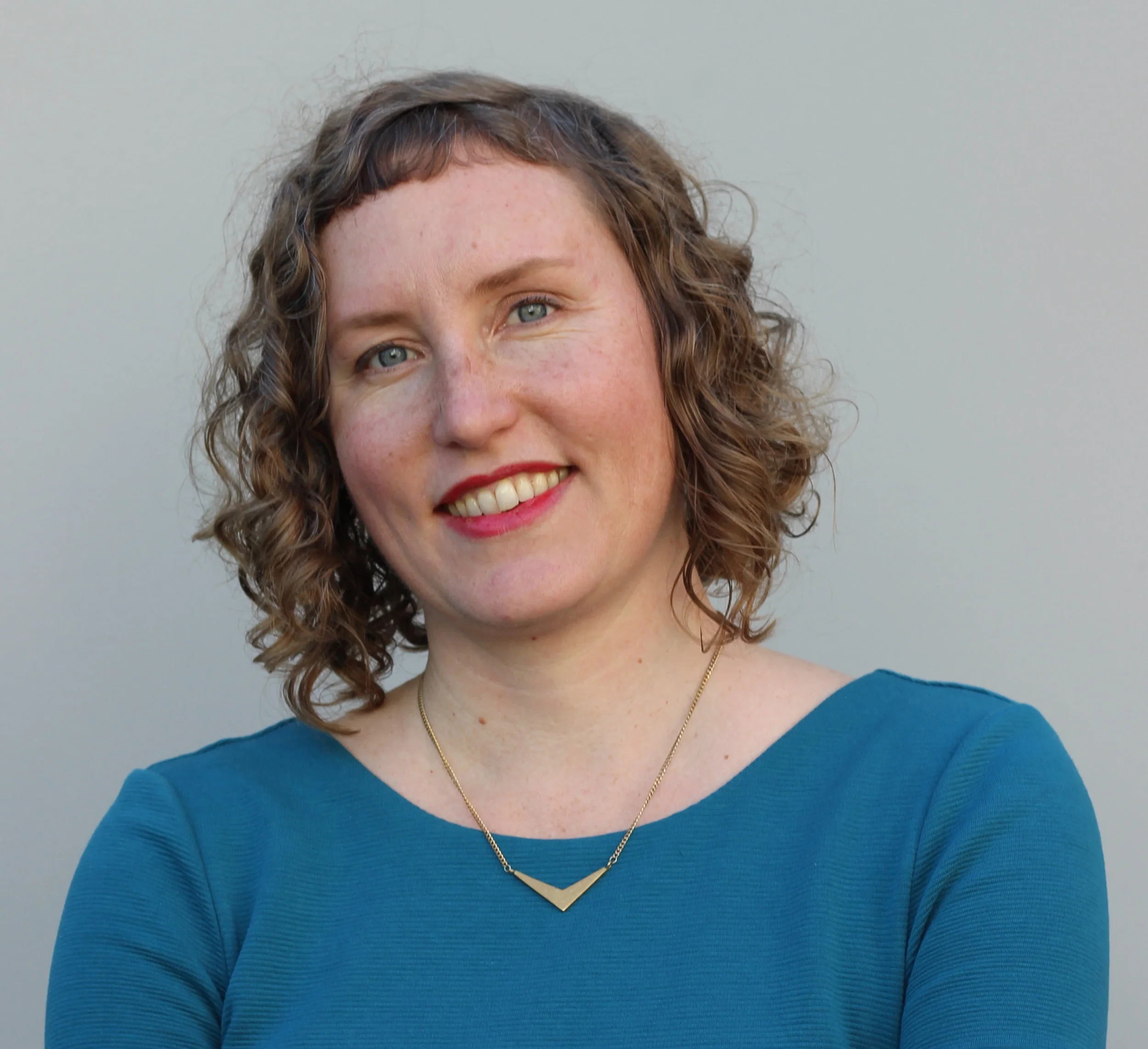
Kyla Schuller
Fellow, Women’s and Gender Studies, Rutgers University, New Brunswick
Kyla Schuller is Associate Professor of Women’s and Gender Studies at Rutgers University, New Brunswick and author of The Biopolitics of Feeling: Race, Sex, and Science in the Nineteenth Century (Durham, NC: Duke University Press, 2018).
Associate Professor, Women’s and Gender Studies, Rutgers University, New Brunswick

Kyla Schuller is Associate Professor of Women’s and Gender Studies at Rutgers University, New Brunswick and author of The Biopolitics of Feeling: Race, Sex, and Science in the Nineteenth Century (Durham, NC: Duke University Press, 2018). Her work at the intersections of feminist science studies and multiethnic cultural studies has been supported by the ACLS and Stanford Humanities Center and has appeared in American Quarterly, GLQ, Configurations, and other venues.
Working Group Affiliation
David Scott
Professor, Department of Anthropology, Columbia University
David Scott is a Fellow in the Institute for Research in African American Studies, Columbia University, New York. He is the author of a number of scholarly articles and three books, Formations of Ritual: Colonial and Anthropological Discourses on the Sinhala Yaktovil (University of Minnesota Press, 1994); Refashioning Futures: Criticism after Postcoloniality (Princeton University Press, 1999); and Conscripts of Modernity: The Tragedy of Colonial Enlightenment (Duke University Press, 2004), and co-editor with Charles Hirschkind of Powers of the Secular Modern: Talal Asad and his Interlocutors (Stanford University Press, 2006). He is also the editor of the journal Small Axe.
Professor of Anthropology, Columbia University
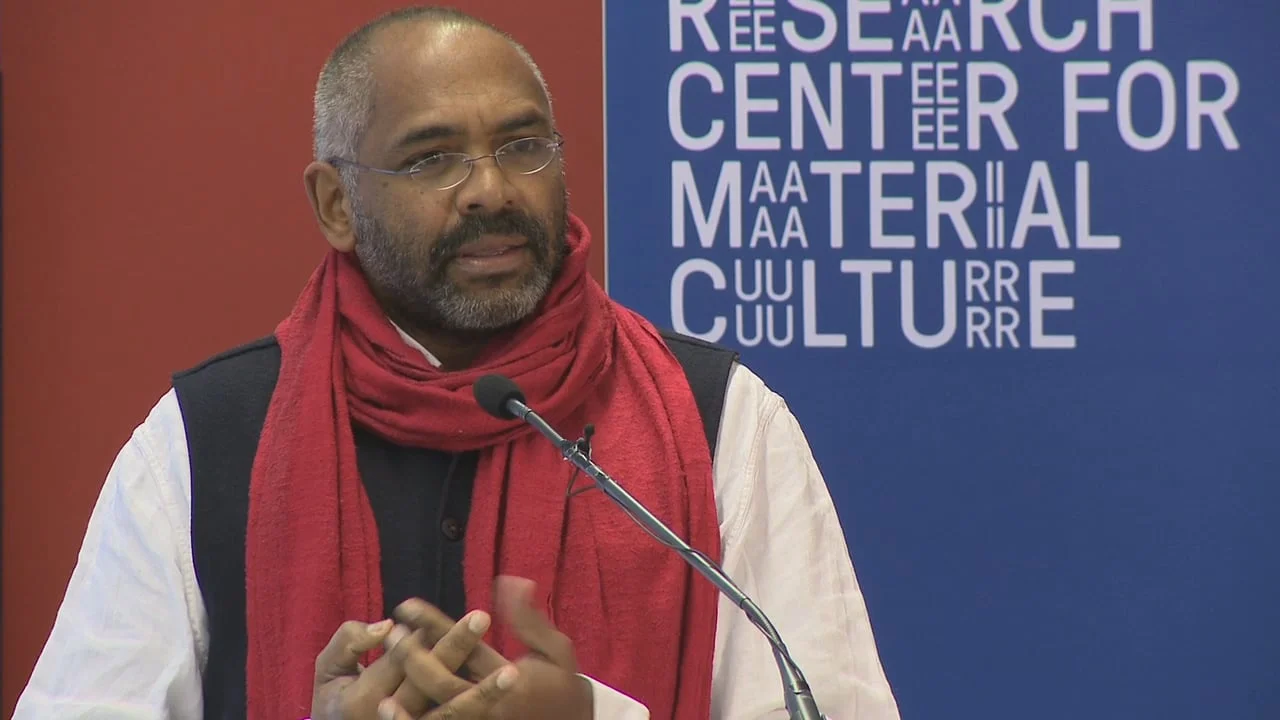
David Scott is a Fellow in the Institute for Research in African American Studies, Columbia University, New York. He is the author of a number of scholarly articles and three books, Formations of Ritual: Colonial and Anthropological Discourses on the Sinhala Yaktovil (University of Minnesota Press, 1994); Refashioning Futures: Criticism after Postcoloniality (Princeton University Press, 1999); and Conscripts of Modernity: The Tragedy of Colonial Enlightenment (Duke University Press, 2004), and co-editor with Charles Hirschkind of Powers of the Secular Modern: Talal Asad and his Interlocutors (Stanford University Press, 2006). He is also the editor of the journal Small Axe.
Working Group Affiliation
The Digital Black Atlantic, Project Director
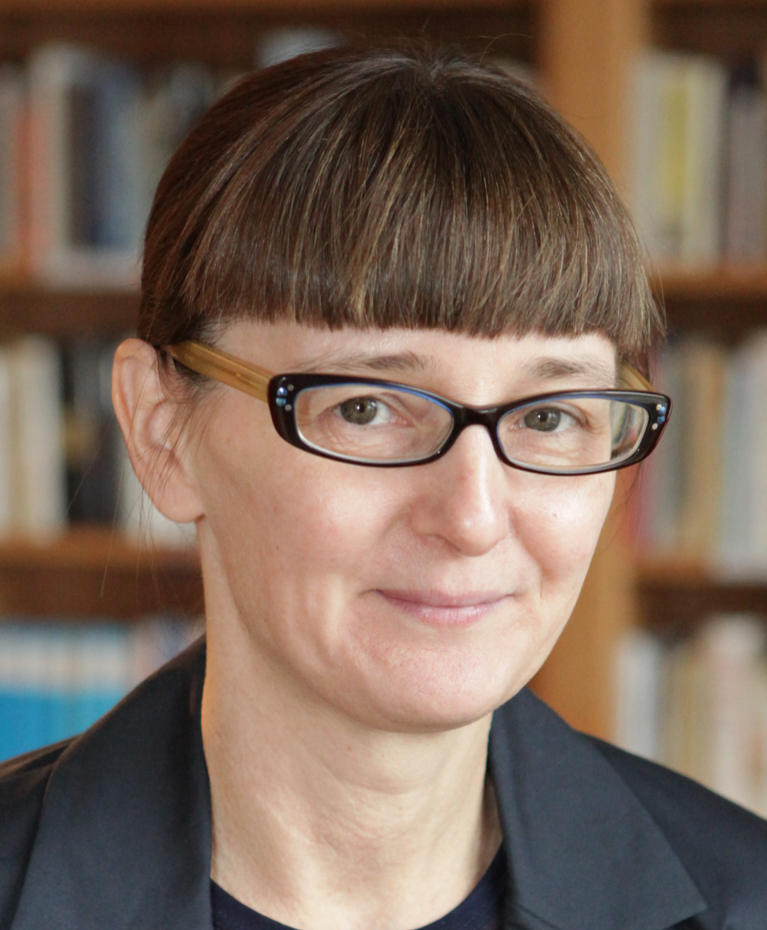
Felicity D. Scott
Professor, Department of Architecture, Planning, and Preservation, Columbia University
Felicity D. Scott is a Professor of Architecture in the Graduate School of Architecture, Planning, and Preservation at Columbia University. She is the author of Outlaw Territories: Environments of Insecurity/Architectures of Counter-Insurgency (2016), Disorientations: Bernard Rudofsky in the Empire of Signs (2016), and Architecture or Techno-Utopia (2007).
Professor, Architecture, Columbia University

Felicity D. Scott is a Professor of Architecture in the Graduate School of Architecture, Planning, and Preservation at Columbia University. She is the author of Outlaw Territories: Environments of Insecurity/Architectures of Counter-Insurgency (2016), Disorientations: Bernard Rudofsky in the Empire of Signs (2016), and Architecture or Techno-Utopia (2007). Her work as a historian and theorist focuses on articulating genealogies of political and theoretical engagement with questions of techno-scientific, environmental, and geopolitical transformation within modern and contemporary architecture, art, and media, as well as upon the discourses, institutions and social movements that have shaped and defined these disciplines, sometimes evidently, sometimes less so.
Working Group Affiliation
Samira Shackle
Fellow, Religion and the Global Framing of Gender Violence, Columbia University
Samira Shackle is a freelance British journalist, writing mainly on politics, terrorism, and gender. Samira writes for The New Statesman, The Guardian, The Times, Vice, and many others. She has won multiple awards for her reporting and often sits on panels, generally discussing issues relating to international development, Islam, feminism, and terrorism. Samira has a B.A. in English Language and Literature from the University of Oxford.
Media Fellow, Religion and the Global Framing of Gender Violence

Samira Shackle is a freelance British journalist, writing mainly on politics, terrorism, and gender. Samira writes for The New Statesman, The Guardian, The Times, Vice, and many others. She has won multiple awards for her reporting and often sits on panels, generally discussing issues relating to international development, Islam, feminism, and terrorism. Samira has a B.A. in English Language and Literature from the University of Oxford.
Working Group Affiliation
Religion and the Global Reframing of Gender Violence, Media Fellow

Mina Shah
Premedical Post Baccalaureate Student, General Studies, Columbia University
Mina Shah completed her undergraduate degree with honors in Comparative Literature and her Master’s in African Studies at Stanford University. During her time at Stanford, she was selected twice as an African Service Fellow to work at the West Africa AIDS Foundation in Accra and Takoradi, Ghana. In her studies, she focused on representational ethos of the African continent and communities across the continent, especially as representation relates to spaces of development.
Premedical Post Baccalaureate Student, General Studies, Columbia University

Mina Shah completed her undergraduate degree with honors in Comparative Literature and her Master’s in African Studies at Stanford University. During her time at Stanford, she was selected twice as an African Service Fellow to work at the West Africa AIDS Foundation in Accra and Takoradi, Ghana. In her studies, she focused on representational ethos of the African continent and communities across the continent, especially as representation relates to spaces of development. After leaving Stanford, Mina pursued a Princeton in Africa fellowship at Kucetekela Foundation in Lusaka, Zambia. In her time there, she supported the social and emotional development of the sponsored students with whom she works, in addition to running tertiary application and work experience programs. She also coordinated conversation between the fundraising and program arms of KF so that the organization could work on maximizing its ability to use funds in supporting its students. As one of the Project Coordinators for the On the Frontlines working group, Mina aims to continue to center conversations about power, equity, and who we listen to when learning lessons about outbreaks of disease. She is now pursuing her post-baccalaureate pre-health certificate at Columbia University and will apply to medical school in 2021, with the eventual aim of becoming a global health-focused medical doctor.
Working Group Affiliation
On the Frontlines: Nursing Leadership in Pandemics, Coordinator

Shagufta Shah
Fellow, Law, Sindh Muslim Law College
Shagufta Shah is an anti-violence violence advocate and counselor at the Arab-American Family Support Center (AAFSC) of New York. She joined AAFSC in 2013 as a Disaster Case Manager then promoted as Program Manager for the same project, when AAFSC operated a program to help families recover in the wake of Hurricane Sandy.
Shagufta Shah
Advocate and Counselor, Arab-American Family Support Center (AAFSC) of New York

Shagufta Shah is an anti-violence violence advocate and counselor at the Arab-American Family Support Center (AAFSC) of New York. She joined AAFSC in 2013 as a Disaster Case Manager then promoted as Program Manager for the same project, when AAFSC operated a program to help families recover in the wake of Hurricane Sandy. She then took on the role of Advocate and Cultural Counselor in August 2015, providing culturally and linguistically competent services for victims of domestic violence in the form of crisis intervention, counseling, leading empowerment support groups, and community outreach and education. Prior to this, she served as a Manager in charge of Community Mobilization component for the International Rescue Committee health program and Deputy Director for Administration and Coordination for ERRA (Earthquake Reconstruction & Rehabilitation Authority) where she contributed at different levels in addition to working directly with the community. Ms. Shah has a Master of Laws (LLM) degree with a concentration in Human Rights, Criminology, and Islamic Law and her Bachelor of Laws degree from Sindh Muslim Law College, and MA "Coexistence and Conflict Management" from Brandies University. She also holds a Master of Arts degree in Education and a BA degree in social work from Karachi University.
Working Group Affiliation
Javairia Shahid
Ph.D. student, Graduate School of Architecture, Planning and Preservation (GSAPP), Columbia University
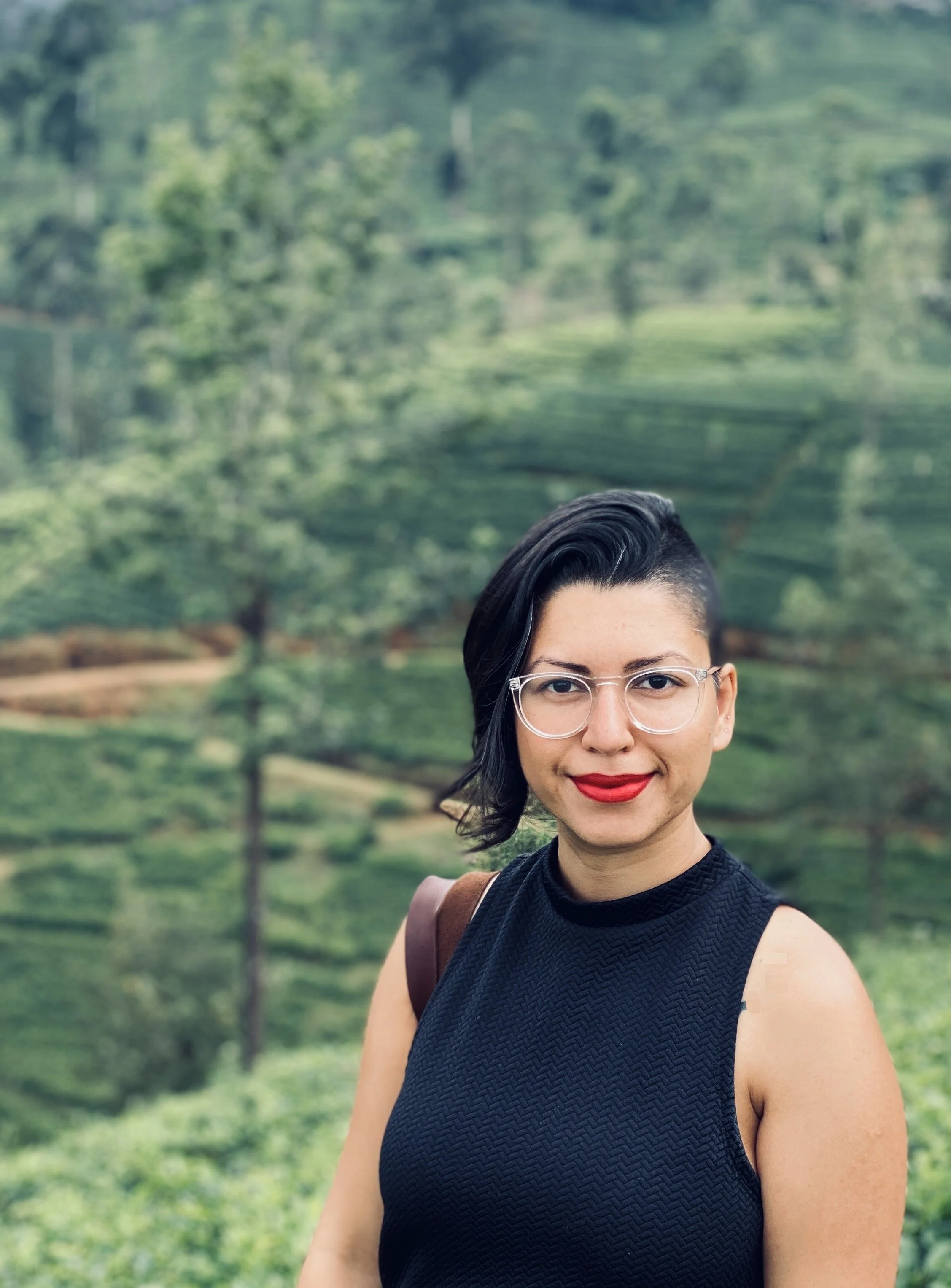
Javairia Shahid is a Ph.D. student in Columbia University's Graduate School of Architecture, Planning and Preservation (GSAPP), with a joint affiliation at the Institute of Comparative Literature and Society (ICLS). She holds a graduate degree in architectural history and theory from GSAPP.
Ph.D. student, Graduate School of Architecture, Planning and Preservation (GSAPP), Columbia University
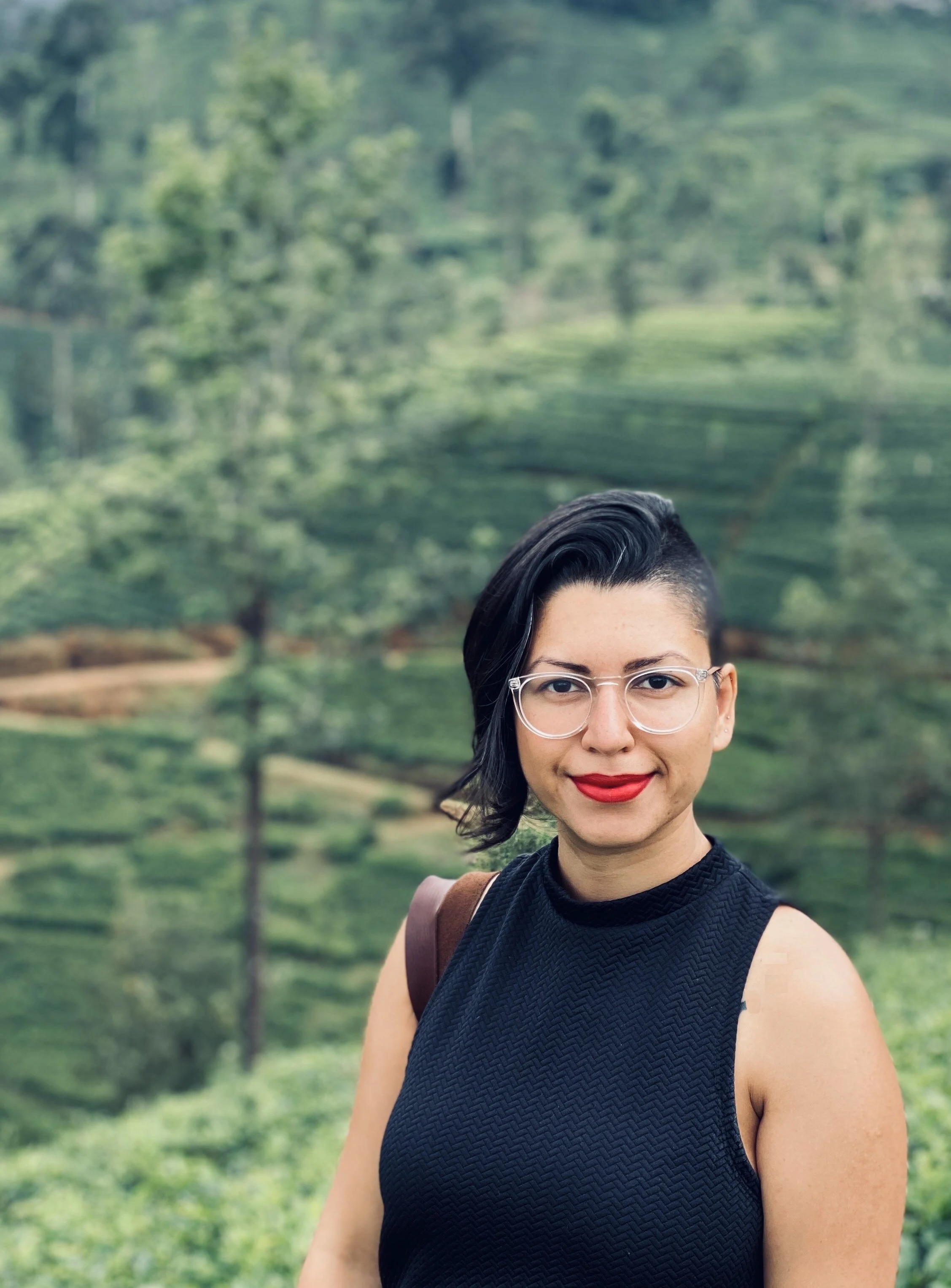
Javairia Shahid is a Ph.D. student in Columbia University's Graduate School of Architecture, Planning and Preservation (GSAPP), with a joint affiliation at the Institute of Comparative Literature and Society (ICLS). She holds a graduate degree in architectural history and theory from GSAPP. Her research focuses on the history of knowledge production and epistemic labor under colonialism in South Asia and the Indian Ocean world. This work highlights the disjunctions and entanglements between the aestheticization of landscapes, the pecuniary production of land as resource, and the formation of human and nonhuman subjectivities.
Working Group Affiliations
Sa'diyya Shaikh
Fellow, Islamic Studies and Gender Studies, University of Cape Town
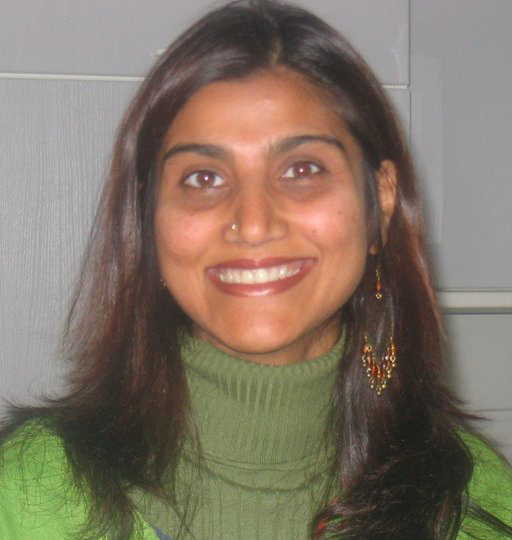
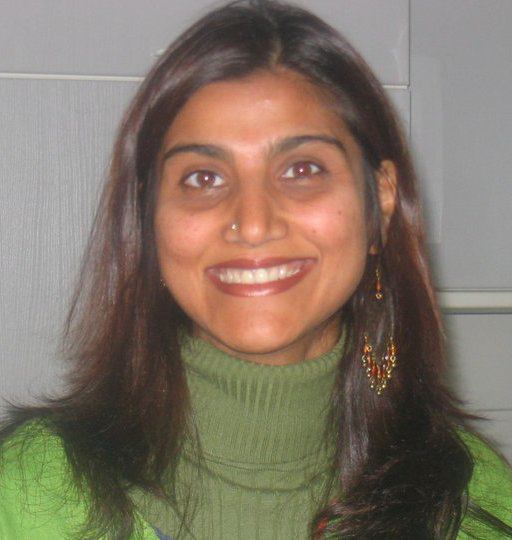
Working at the intersection of Islamic Studies and Gender Studies, Dr Shaikh has an interest in Sufism and its implications for Islamic feminism and feminist theory. Her book Sufi Narratives of Intimacy: Ibn ʿArabī, Gender and Sexuality is published by the University of North Carolina Press (2012). Her other areas of research cover issues of gender violence; feminist approaches to hadith and Quran; contraception and abortion; theoretical debates on Islam and feminism; Engaged Sufism and empirical research on South African Muslim women.
Senior Lecturer, University of Cape Town
Working at the intersection of Islamic Studies and Gender Studies, Dr Shaikh has an interest in Sufism and its implications for Islamic feminism and feminist theory. Her book Sufi Narratives of Intimacy: Ibn ʿArabī, Gender and Sexuality is published by the University of North Carolina Press (2012). Her other areas of research cover issues of gender violence; feminist approaches to hadith and Quran; contraception and abortion; theoretical debates on Islam and feminism; Engaged Sufism and empirical research on South African Muslim women.

Nadera Shalhoub-Kevorkian
Fellow, Public Welfare, Hebrew University of Jerusalem
Nadera Shalhoub-Kevorkian is a longtime anti-violence, native Palestinian feminist activist and scholar. She is the Lawrence D. Biele Chair in Law at the Faculty of Law-Institute of Criminology and the School of Social Work and Public Welfare at the Hebrew University of Jerusalem.
Lawrence D. Biele Chair in Law, Faculty of Law-Institute of Criminology and the School of Social Work and Public Welfare, Hebrew University of Jerusalem
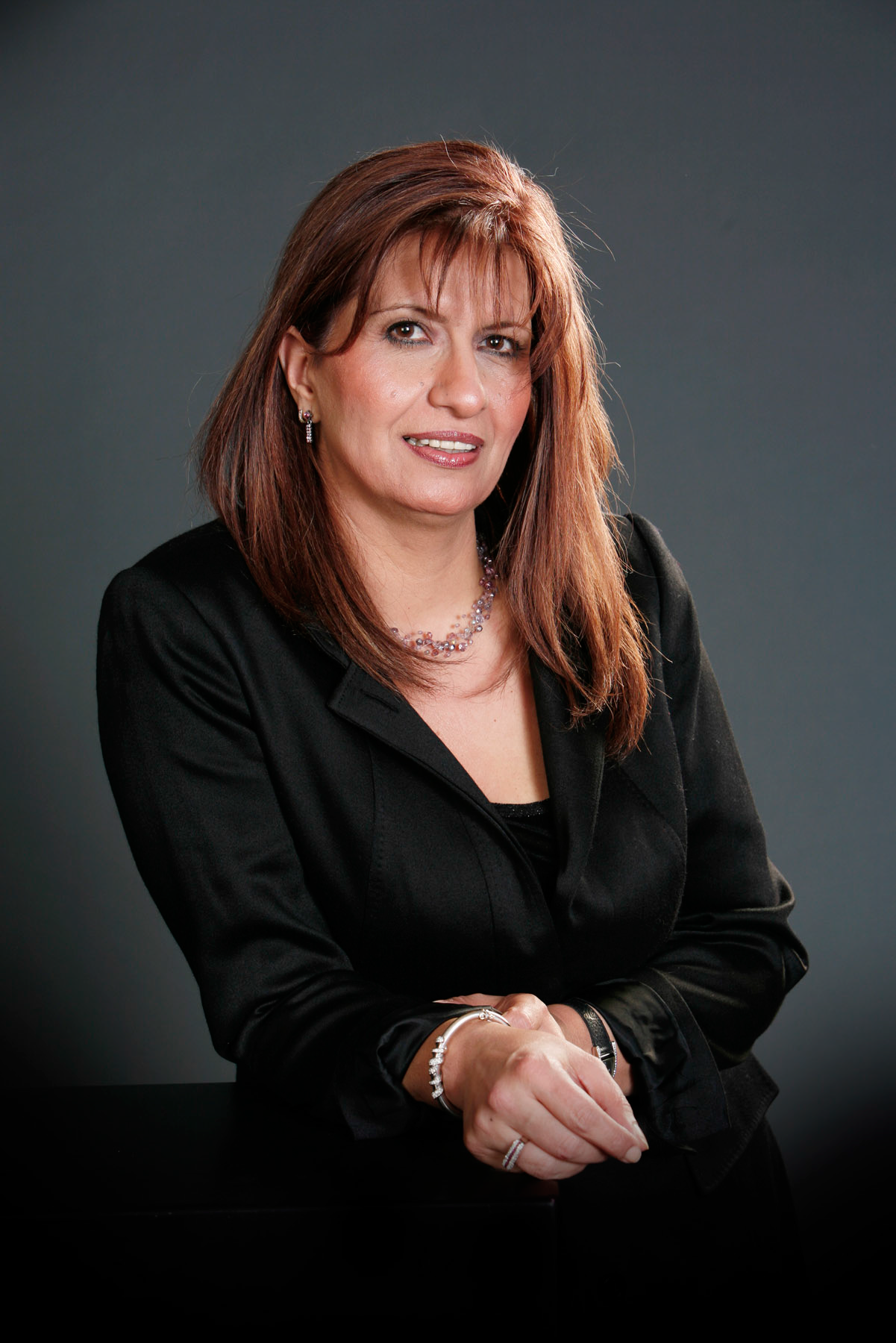
Nadera Shalhoub-Kevorkian is a longtime anti-violence, Palestinian feminist activist and scholar. She is the Lawrence D. Biele Chair in Law at the Faculty of Law-Institute of Criminology and the School of Social Work and Public Welfare at the Hebrew University of Jerusalem. Shalhoub-Kevorkian is also the director of the Gender Studies Program at Mada al-Carmel, the Arab Center for Applied Social Research in Haifa. Her research focuses on femicide and other forms of gendered violence, crimes of abuse of power in settler colonial contexts, surveillance, securitization, and trauma in militarized and colonized zones. Her most recent book, Security Theology, Surveillance and the Politics of Fear was published by Cambridge University Press in 2015. As a resident of the old city of Jerusalem, Shalhoub-Kevorkian engages in direct actions and critical dialogue to end the inscription of power over Palestinian children’s lives, spaces of death, and women’s birthing bodies and lives.
Working Group Affiliation
Religion and the Global Reframing of Gender Violence, Project Director
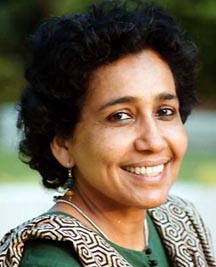
Kalpana Sharma
Fellow, English and Art and Design, University of Michigan
Kalpana Sharma is a Mumbai-based independent journalist, columnist and media consultant who writes for English language and Indian language publications in India. Until recently, she was Deputy Editor with The Hindu, one of India's leading English language dailies. Her special areas of interest are environmental and developmental issues and gender. She has written three books: Rediscovering Dharavi: Stories from Asia's Largest Slum (Penguin 2000), Whose News?
V. L. Parrington Collegiate Professor, Professor of English and Art and Design, University of Michigan
Kalpana Sharma is a Mumbai-based independent journalist, columnist and media consultant who writes for English language and Indian language publications in India. Until recently, she was Deputy Editor with The Hindu, one of India's leading English language dailies. Her special areas of interest are environmental and developmental issues and gender. She has written three books: Rediscovering Dharavi: Stories from Asia's Largest Slum (Penguin 2000), Whose News? The Media and Women's Issues (Sage 1994, 2006) and Terror Counter-Terror: Women Speak Out (Kali for Women, 2003), both co-edited with Ammu Joseph.
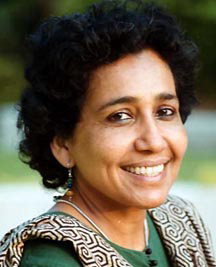
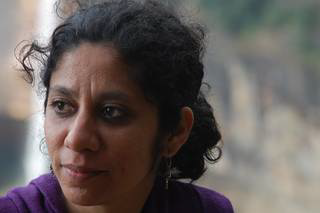
Surabhi Sharma
Fellow, Anthropology and Psychology, St. Xavier’s College, Mumbai University
Surabhi Sharma is a filmmaker. She studied film direction at the Film and Television Institute of India (FTII), Pune, and made her first film in 2001. She completed a BA in Anthropology and Psychology from St. Xavier’s College, Mumbai University. Her films have been screened and awarded at various international and national festivals. She has also directed and scripted fiction films and Science Programming for children. Beyond this Surabhi Sharma is a guest lecturer at the National Institute of Design and at the Centre for Media and Cultural Studies, Tata Institute of Social Science.
V. L. Parrington Collegiate Professor, Professor of English and Art and Design, University of Michigan
Surabhi Sharma is a filmmaker. She studied film direction at the Film and Television Institute of India (FTII), Pune, and made her first film in 2001. She completed a BA in Anthropology and Psychology from St. Xavier’s College, Mumbai University. Her films have been screened and awarded at various international and national festivals. She has also directed and scripted fiction films and Science Programming for children. Beyond this Surabhi Sharma is a guest lecturer at the National Institute of Design and at the Centre for Media and Cultural Studies, Tata Institute of Social Science.
Filmography: Jari Mari: Of Cloth and Other Stories is a feature length documentary film that seeks to understand the process of ‘informalisation’ of Mumbai’s work force, and focuses on the lives and work of women in the extensive but largely invisible garment industry. The film won awards at Film South Asia, Nepal; Karachi Film Festival, Pakistan; and The Festival of Three Continents, Argentina. It was screened at the New Asian Currents, Yamagata and was a part of the Travelling Film South Asia package.
Aamakaar (The Turtle people) (2003) is the story of a fishing village community’s struggle to retain control over its local natural resources. The film was awarded the first Ramsar- Medwet Award at Eco-Cinema, Greece and was awarded at the Indian Documentary Producer’s Association.
Above the Din of Sewing Machines (2004) portrays the lives of women in Bangalore’s garment industry. This film was funded by Oxfam-India and was used extensively by European and American campaigns against sweatshop production of branded garments.
Jahaji Music: India in the Caribbean (2007). This was the opening film at SIGNS, Kerala. It was also screened at the Singapore International Film Festival. This film has been screened extensively at American, Canadian and European Universities. Pregnancy, Prescriptions and Protocol. (2008) documents a remarkable community health programme run by a hospital in a tribal area in south Gujarat, India.
Notes from a Global City (2009) tracks the work of a precarious but significant trade union set up by garment workers in Bangalore city. The film is being used extensively by European and American campaigns against sweatshop production of branded garments.
Bidesia in Bambai (Work in progress).
