
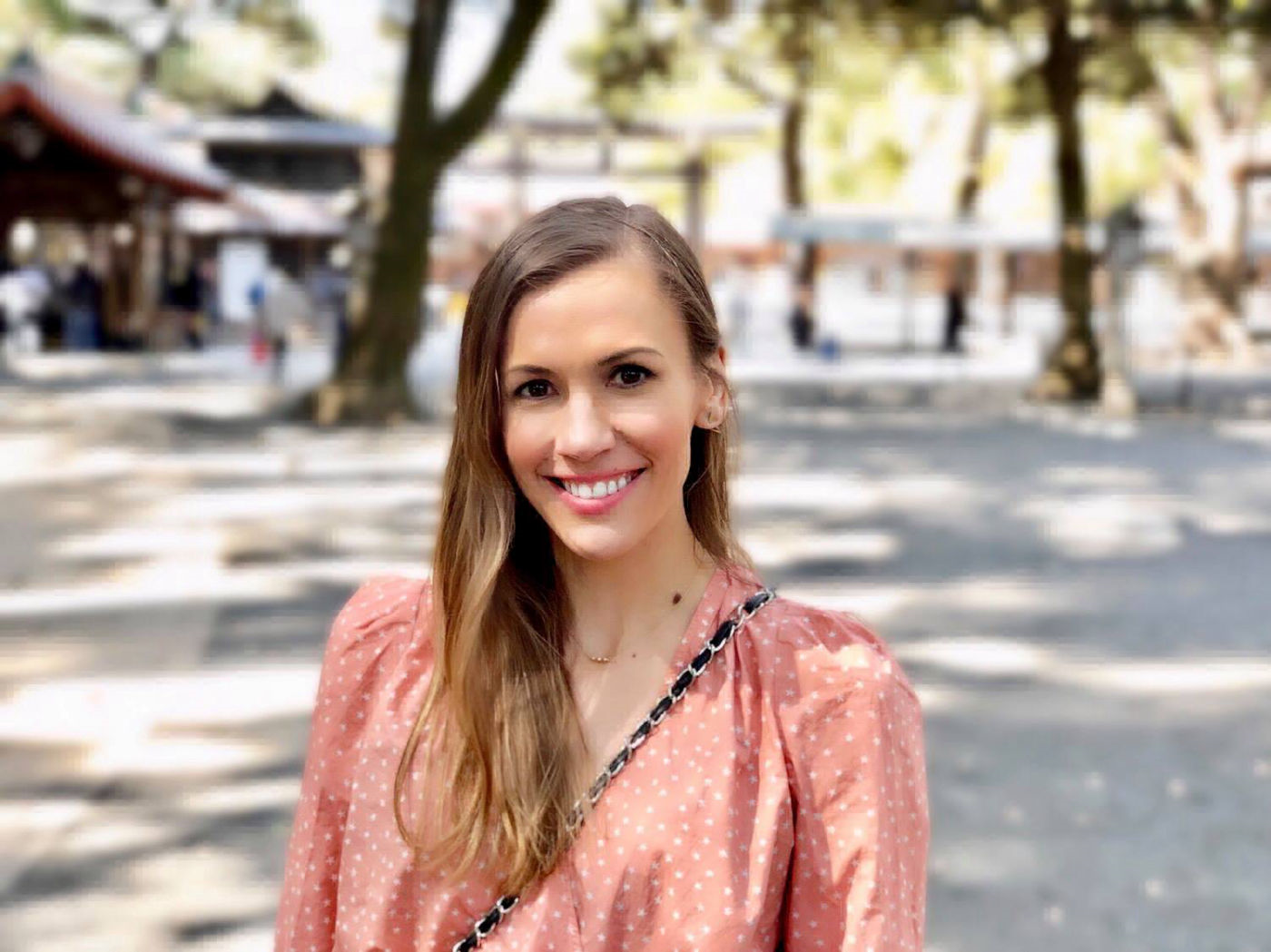
Julia Knox
Doctoral Student, Narrative Medicine, Columbia University
Julia Knox is a researcher at the Columbia Mailman School of Public Health, and an M.S. Candidate in Narrative Medicine in the Columbia Department of Medical Humanities and Ethics. She is interested in the methods by which data takes narrative form in our society. The focus of her research includes exposure to environmental mixtures, maternal/paternal-child health, and transgenerational epigenetics.
Julia Knox
Researcher, Mailman School of Public Health, Columbia University
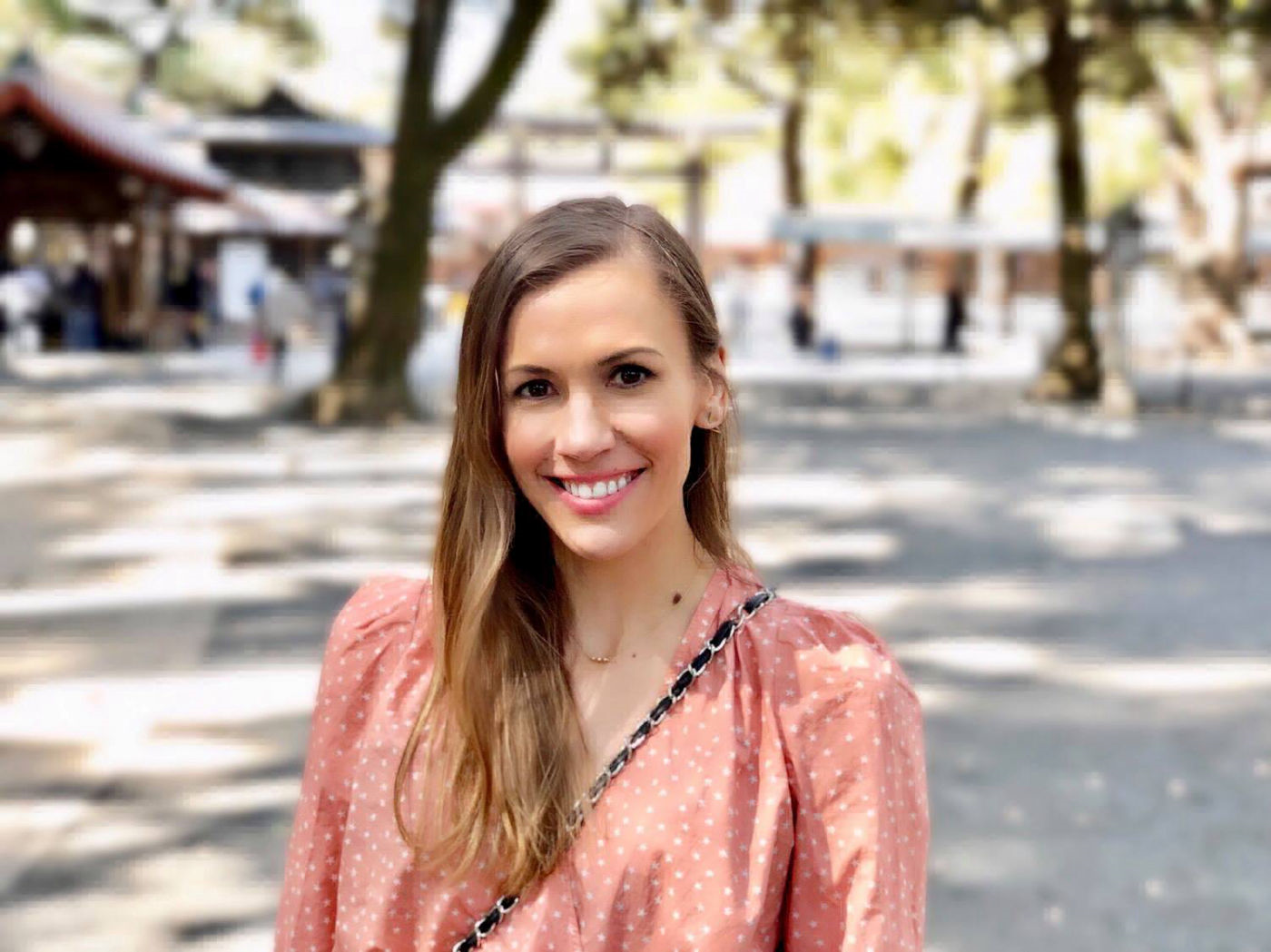
Julia Knox is a researcher at the Columbia Mailman School of Public Health, and an M.S. Candidate in Narrative Medicine in the Columbia Department of Medical Humanities and Ethics. She is interested in the methods by which data takes narrative form in our society. The focus of her research includes exposure to environmental mixtures, maternal/paternal-child health, and transgenerational epigenetics. An AmeriCorps alumna who earned her Master’s of Public Health in 2016, she is dedicated to mentorship and sustainable community investments. She is passionate about making space in academic science for people with disadvantaged backgrounds, and hopes that will reflect in a more comprehensive set of research interests in genomics, and eventually, in a better world. A former resident of the Harvard Innovation Lab, she also enjoys coding and robotics.
Working Group Affiliation
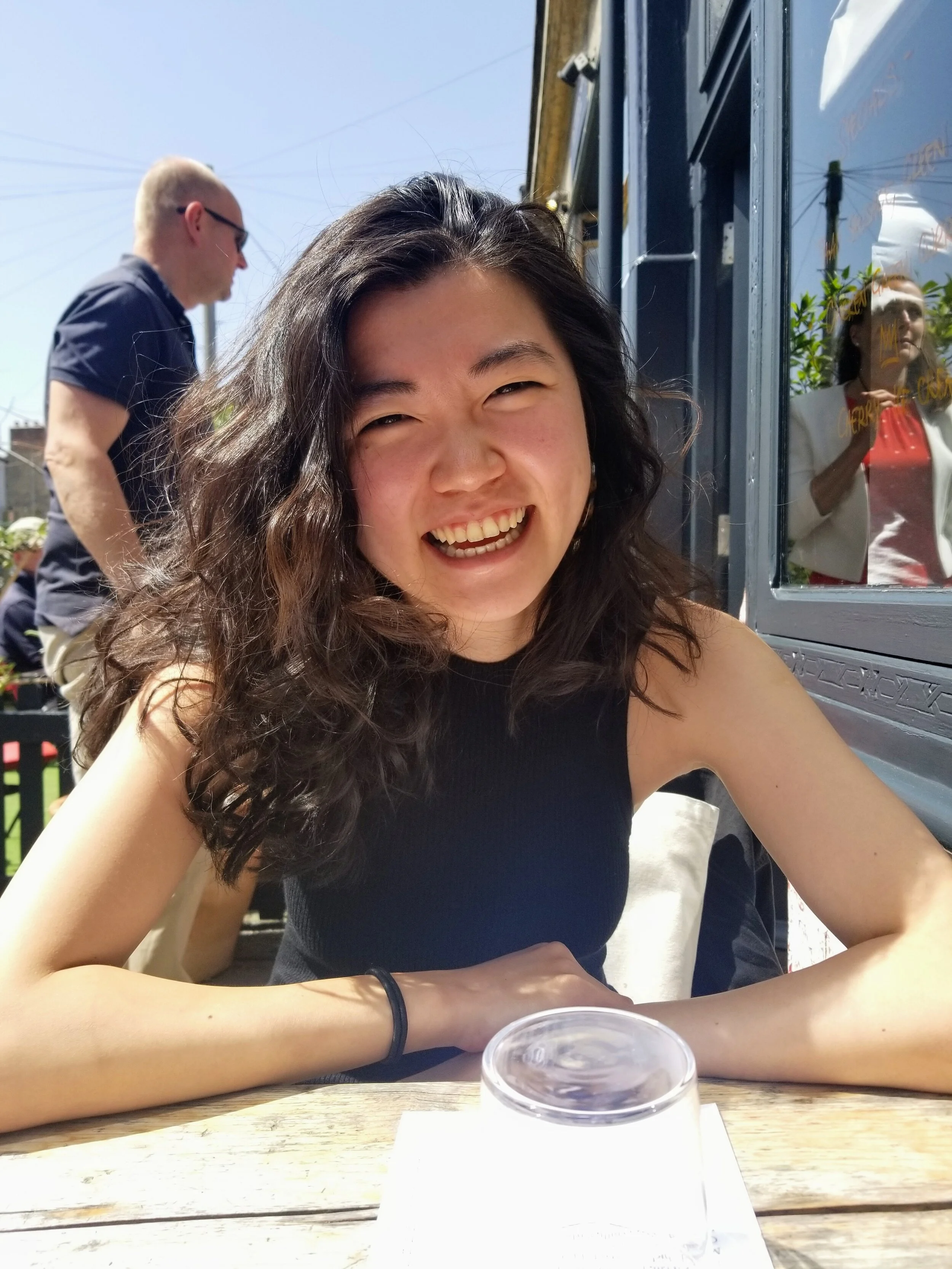
Nancy Ko
Ph.D. student, History, Columbia University
Nancy Ko is a scholar of race, capital, and migration working at the intersection of Jewish and Middle East Studies. A Ph.D. student in the Department of History at Columbia University, her present research traces the consequences of the emergence of Sephardic identity politics in the global Middle East. Nancy holds an MPhil at the University of Oxford, where she was a Rhodes Scholar, and a B.A. from Harvard University, where she was a founding organizer of the Open Hillel movement.
Nancy Ko
Ph.D. student, History, Columbia University
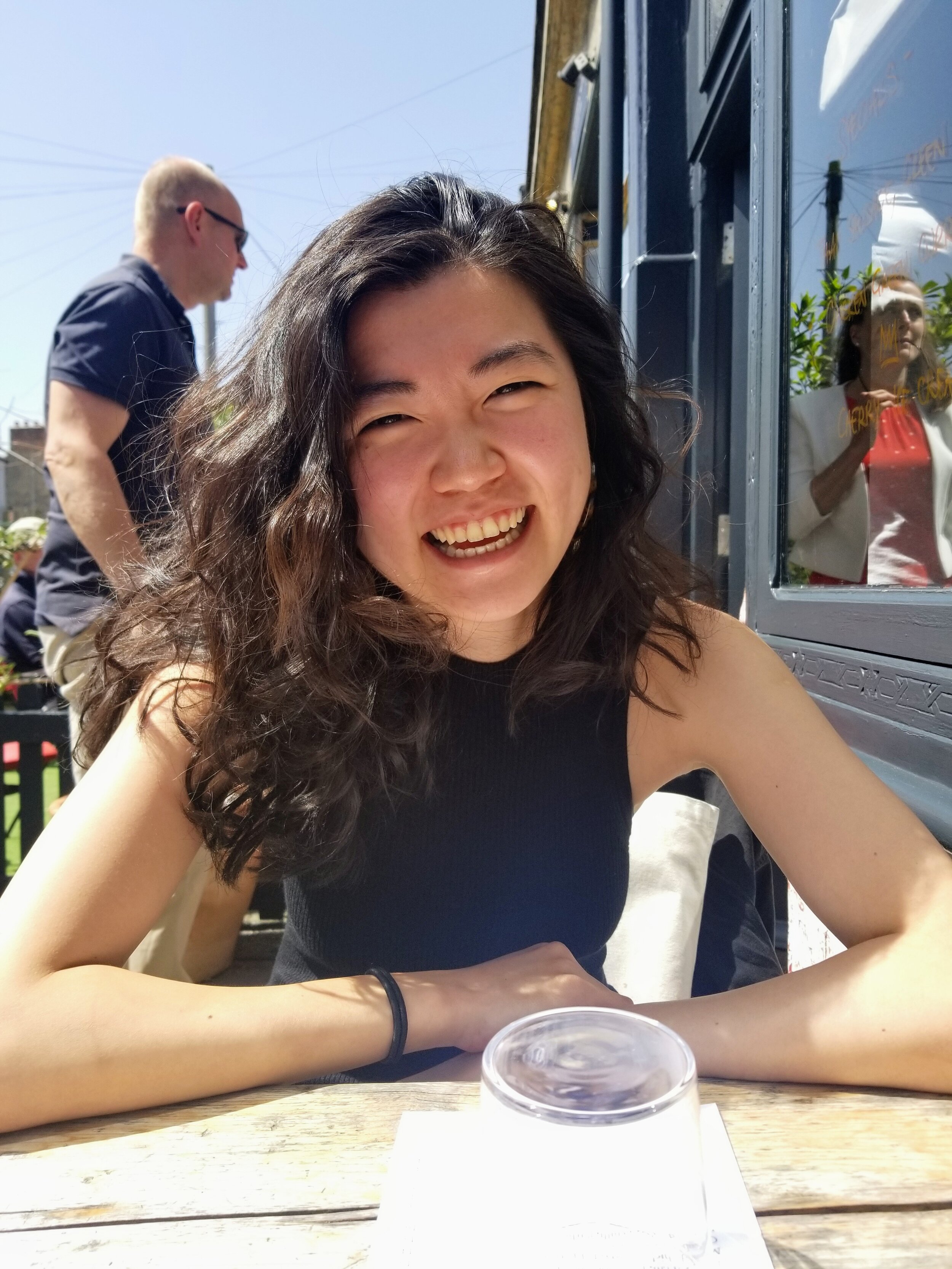
Nancy Ko is a scholar of race, capital, and migration working at the intersection of Jewish and Middle East Studies. A Ph.D. student in the Department of History at Columbia University, her present research traces the consequences of the emergence of Sephardic identity politics in the global Middle East. Nancy holds an MPhil at the University of Oxford, where she was a Rhodes Scholar, and a B.A. from Harvard University, where she was a founding organizer of the Open Hillel movement. She now teaches topics in history and philosophy at Columbia and Harvard, and proudly organizes with Student Workers of Columbia. Nancy is a recipient of the Paul & Daisy Soros Fellowship for New Americans. She can be heard in conversation with recent authors in History and Critical Theory over at the New Books Network.
Working Group Affiliations
Zip Code Memory Project: Practices of Justice and Repair, Social Engagement Project
Leah Kogen-Elimeliah
Doctoral Student, English, City College of New York
Leah Kogen-Elimeliah is a poet, essayist, short story and nonfiction writer from Moscow, currently living in New York City. She is an MFA candidate at City College of New York, is the Founder and Director of WordShedNYC Reading Series and an Editorial Associate for Fiction literary magazine.
Leah Kogen-Elimeliah
MFA candidate, City College of New York

Leah Kogen-Elimeliah is a poet, essayist, short story and nonfiction writer from Moscow, currently living in New York City. She is an MFA candidate at City College of New York, is the Founder and Director of WordShedNYC Reading Series and an Editorial Associate for Fiction literary magazine. Leah has collaborated on various art/poetry projects with Benjamin Briones Ballet Company, independent choreographers and dancers as well as videographers experimenting with multimedia and poetry. She's had her work featured on The Red Stage organized by Creative Time, The NYC Poetry Festival and The Higher Ground Arts Festival. Her writing focuses on immigration, identity, language, sexuality and culture. Leah lives in Manhattan with her husband and their children.
Working Group Affiliations
Zip Code Memory Project: Practices of Justice and Repair, Social Engagement Project

Kathleen Kraus
Doctoral Student, Sociomedical Sciences, Mailman School of Public Health, Columbia University
Kathleen Kraus is a second year Master of Public Health student at Columbia Mailman School of Public Health in the Department of Sociomedical Sciences. Her academic focus includes chronic disease prevention and health policy. Prior to attending Mailman, Kathleen worked as an Associate at Voz Advisors (formerly MK&A), a patient advocacy relations consultancy to the pharmaceutical industry.
Kathleen Kraus
Graduate Student, Department of Sociomedical Sciences, Mailman School of Public Health, Columbia University
Kathleen Kraus is a second year Master of Public Health student at Columbia Mailman School of Public Health in the Department of Sociomedical Sciences. Her academic focus includes chronic disease prevention and health policy. Prior to attending Mailman, Kathleen worked as an Associate at Voz Advisors (formerly MK&A), a patient advocacy relations consultancy to the pharmaceutical industry. In this role, she observed both the promise and limitations of precision medicine for oncology patients. From this work, she became interested in studying the ethical considerations of precision medicine from a population health perspective, with a special interest in oncology. Kathleen holds a BA in Organizational Studies from the University of Michigan.
Working Group Affiliation

Anna Krauthamer
Ph.D. Candidate, English & Comparative Literature, Columbia University
Anna Krauthamer is a Ph.D. candidate in Columbia's English & Comparative Literature department, where she studies and writes about contemporary novels, theories of literary character, and disability. She is currently beginning a dissertation project focused on character typologies in contemporary fiction.
Anna Krauthamer
Ph.D. Candidate, English & Comparative Literature, Columbia University

Anna Krauthamer is a Ph.D. candidate in Columbia's English & Comparative Literature department, where she studies and writes about contemporary novels, theories of literary character, and disability. She is currently beginning a dissertation project focused on character typologies in contemporary fiction. Prior to beginning her graduate studies, she worked in publishing at a literary agency and later as the assistant director of Columbia's Center for Critical Thought. Her writing has appeared in Avidly and The LA Review of Books, and is forthcoming at several other venues.
Working Group Affiliation
Motherhood and Technology, Graduate Assistant

Nancy Kricorian
Fellow, English Literature, Barnard College
Nancy Kricorian is the author of the novels Zabelle, Dreams of Bread and Fire, and All The Light There Was, which is set in the Armenian community of Paris during World War II. She is a widely published poet and essayist, whose work has appeared in The Antioch Review, Parnassus, In These Times, The Minnesota Review, Women’s Studies Quarterly, and other journals.
Nancy Kricorian
Nancy Kricorian is the author of the novels Zabelle, Dreams of Bread and Fire, and All The Light There Was, which is set in the Armenian community of Paris during World War II. She is a widely published poet and essayist, whose work has appeared in The Antioch Review, Parnassus, In These Times, The Minnesota Review, Women’s Studies Quarterly, and other journals. She has taught at Barnard, Rutgers, Queens and Yale, as well as for Teachers and Writers Collaborative in the New York City Public Schools. Kricorian is the Fall 2015 Writer-in-Residence at the Hagop Kevorkian Center for Near Eastern Studies at New York University.Kricorian serves on the Executive Committee of the Armenia Tree Project and is a member of the national staff of CODEPINK Women for Peace. She has been the recipient of a New York Foundation for the Arts Fellowship, The Anahid Literary Award, a Gold Medal of the Writers Union of Armenia, and the Daniel Varoujan Prize of the New England Poetry Club, among other honors.
Working Group Affiliation
Daniel Krizay
PhD Student, Genetics & Development, Columbia University
Daniel Krizay is a PhD student in the department of Genetics & Development, who is currently a researcher in the lab of Dr. David Goldstein in the Institute for Genomic Medicine. Daniel is originally from Centreville, Virginia and attended Northeastern University where he received his B.S. degree in Biochemistry. Before moving to New York City for graduate school, Daniel worked full-time for nearly two years in Boston as a researcher in fields ranging from antibiotic characterization to Spinal Muscular Atrophy research.
Daniel Krizay
PhD Student, Columbia University

Daniel Krizay is a PhD student in the department of Genetics & Development, who is currently a researcher in the lab of Dr. David Goldstein in the Institute for Genomic Medicine. Daniel is originally from Centreville, Virginia and attended Northeastern University where he received his B.S. degree in Biochemistry. Before moving to New York City for graduate school, Daniel worked full-time for nearly two years in Boston as a researcher in fields ranging from antibiotic characterization to Spinal Muscular Atrophy research. As a graduate student, Daniel’s research focuses on the modelling and characterization of genetic causes of neurological conditions. In particular, he is researching Dravet Syndrome, a rare genetic epileptic encephalopathy, with the long-term goal of identifying novel therapeutic options for those suffering from this disease.
Working Group Affiliation

Irina Kulichenkova
Doctoral Student, Narrative Medicine, Columbia University
Hippocrates said, “Wherever the art of medicine is loved – there is also a love of humanity.” This quote explains her own reflections and values in life. She loves humanity, and she chose to devote her life to science and medicine because she wants to make a difference in patients’ lives, alleviate patients’ suffering, and positively influence the healthcare system of the United States and worldwide. Presently, she is a graduate student in the Program of Narrative Medicine at Columbia University.
Irina Kulichenkova
Graduate Student, Narrative Medicine, Columbia University

Hippocrates said, “Wherever the art of medicine is loved – there is also a love of humanity.” This quote explains her own reflections and values in life. She loves humanity, and she chose to devote her life to science and medicine because she wants to make a difference in patients’ lives, alleviate patients’ suffering, and positively influence the healthcare system of the United States and worldwide. Her academic career equipped her with a variety of valuable skills that she will crossover and use while being a part of the Precision Medicine: Ethics, Politics, and Culture 2019-2020 project. She believes in the value of precision medicine and how ethics, politics, and culture play pivotal roles. Presently, she is a graduate student in the Program of Narrative Medicine at Columbia University. She curates and organizes the annual fine art exhibition at Columbia University Irving Medical Center. In May of 2018, she graduated with a Master of Arts in Biotechnology from GSAS, Columbia University. And she holds a Bachelor of Science in Biology from Long Island University. As a scientist, curiosity is part of her nature. Her art skills and interest in the humanities always help her reveal new horizons and expand her creative ideas. The masterpieces by great artists, such as Leonardo da Vinci, Pablo Picasso, Claude Monet, Cezanne and the philosophical literature by Plato, Descartes, Maurice Merleau-Ponty and Søren Kierkegaard, to name a few, are her inspiration to create new concepts that she blends with science and medicine. She is enamored with the way Leonardo da Vinci and the Nobel Prize winner Eric Kandel interweave art with diverse disciplines. Their use of form, style, method of writing and painting, color, placement, process, beauty, and imagination are pure genius.
Working Group Affiliation

Mirjam Künkler
Fellow, Near Eastern Studies, Princeton University
Mirjam Künkler (Ph.D., Columbia University) is Assistant Professor in the Department for Near Eastern Studies at Princeton University, USA. She has published on religion-state relations and Islamic thought in 20th century Iran and Indonesia, and edited with Alfred Stepan, Indonesia, Islam and Democracy, Columbia University Press (2013), and with John Madeley and Shylashri Shankar, A Secular Age: Beyond the West, (2014).
Mirjam Künkler
Assistant Professor in the Department for Near Eastern Studies, Princeton University
Mirjam Künkler (Ph.D., Columbia University) is Assistant Professor in the Department for Near Eastern Studies at Princeton University, USA. She has published on religion-state relations and Islamic thought in 20th century Iran and Indonesia, and edited with Alfred Stepan, Indonesia, Islam and Democracy, Columbia University Press (2013), and with John Madeley and Shylashri Shankar, A Secular Age: Beyond the West, (2014). Her articles have appeared or are forthcoming in the journals Comparative Studies of Society and History, Journal of the Royal Asiatic Society, Journal of Law and Religion, Democratization, Comparative Politics, Journal of International Affairs, and Party Politics, as well as edited volumes. In her next project, she turns to questions about the post-revolutionary transformation of the legal system in the Islamic Republic of Iran, and female religious authority in Shi'i Islam. Künkler is co-PI of a two-year Oxford-Princeton research cluster on “Traditional authority and transnational religious networks in contemporary Shi‘i Islam," of the two-year project “Religion and Constitutionalism” at the Institute of Advanced Study in Bielefeld, and of the “Iran Social Science Data Portal” funded by the Social Science Research Council (SSRC).
Laura Kurgan
Associate Professor of Architecture, Graduate School of Architecture Planning and Preservation, Columbia University
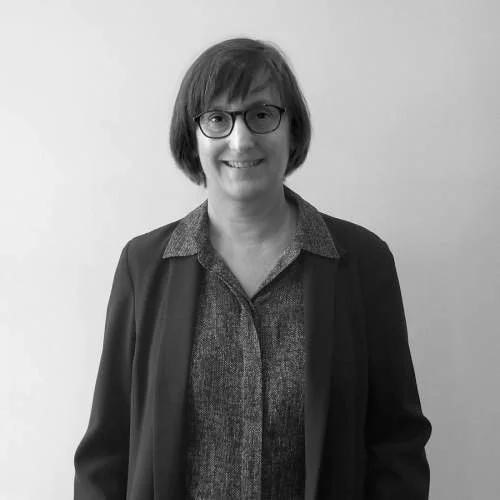
Laura Kurgan is an Associate Professor of Architecture at the Graduate School of Architecture Planning and Preservation at Columbia University, where she directs the Center for Spatial Research and the Visual Studies curriculum. She is the author of Close Up at a Distance: Mapping, Technology, and Politics (Zone Books, 2013).
Laura Kurgan
Associate Professor of Architecture, Graduate School of Architecture Planning and Preservation, Columbia University
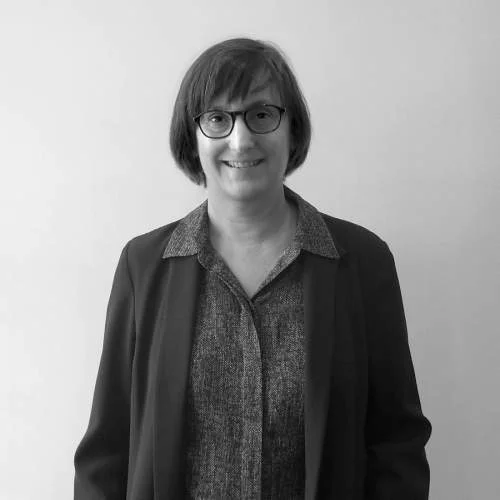
Laura Kurgan is an Associate Professor of Architecture at the Graduate School of Architecture Planning and Preservation at Columbia University, where she directs the Center for Spatial Research and the Visual Studies curriculum. She is the author of Close Up at a Distance: Mapping, Technology, and Politics (Zone Books, 2013).
Her work explores the ethics and politics of digital mapping and its technologies; the art, science and visualization of big and small data; and design environments for public engagement with maps and data. From 2004 - 2015, she founded and directed the Spatial Information Design Lab at GSAPP. The SIDL "Million Dollar Blocks" project is in the permanent collection of the Museum of Modern Art in New York City, and her work has also been shown at Palais De Tokyo and the Fondation Cartier in Paris, MACBa in Barcelona and the ZKM in Karlsruhe. In 2009, Kurgan was awarded a United States Artists Rockefeller Fellowship.
Working Group Affiliation
Data Algorithms and Social Justice, Project Director

Aya Labanieh
Ph.D. Candidate, English and Comparative Literature, Columbia University
Aya Labanieh is a Ph.D. candidate in the English and Comparative Literature Department, where she works on imperial conspiracies and their conspiracy-theory afterlives in 20th and 21st century Middle Eastern literature and politics. Her broader interests include conspiratorial thinking within a global digital context, and how conspiracy theories function as alternate histories, heretical discourses, popular critiques, epistemic injuries, and modern enchantments.
Aya Labanieh
Ph.D. candidate, English and Comparative Literature, Columbia University

Aya Labanieh is a Ph.D. candidate in the English and Comparative Literature Department, where she works on imperial conspiracies and their conspiracy-theory afterlives in 20th and 21st century Middle Eastern literature and politics. Her broader interests include conspiratorial thinking within a global digital context, and how conspiracy theories function as alternate histories, heretical discourses, popular critiques, epistemic injuries, and modern enchantments. Aya is an instructor of record for writing composition at Columbia University, a Public Humanities Fellow with the Heyman Center's ZIP Code Memory Project, a Lead Teaching Fellow with the Center for Teaching and Learning, and the Assistant Editor at the Journal of Arabic Literature. Her writing has appeared in the MOSF Journal of Science Fiction, Politics/Letters quarterly, and Aeon magazine. Before coming to Columbia, she received three B.A. degrees (with honors) in Comparative Literature, Philosophy, and French Literature from the University of California, Irvine.
Working Group Affiliations
Zip Code Memory Project: Practices of Justice and Repair, Social Engagement Project

Lena Burgos Lafuente
Fellow, Hispanic Languages and Literature, Stony Brook University
Lena Burgos Lafuente (PhD NYU, 2011) is Assistant Professor of Latin American Literature in the Department of Hispanic Languages and Literature, Stony Brook University. She specializes in poetry, Latin American essay writing, sound studies, and transatlantic literary crossings in the first half of the twentieth century.
Lena Burgos Lafuente
Assistant Professor, Latin American Literature, Department of Hispanic Languages and Literature, Stony Brook University

Lena Burgos Lafuente (PhD NYU, 2011) is Assistant Professor of Latin American Literature in the Department of Hispanic Languages and Literature, Stony Brook University. She specializes in poetry, Latin American essay writing, sound studies, and transatlantic literary crossings in the first half of the twentieth century. She has published articles on the Spanish Republican exile in the Caribbean, Caribbean literature, and the essays of Jorge Luis Borges, and edited special issues on poet Julia de Burgos (CENTRO Journal, 2014) and philosopher María Zambrano (Journal of Spanish Cultural Studies, 2015).
Burgos-Lafuente is working on two book manuscripts. In Poéticas del destiempo: literatura y política en el Caribe de mediados de siglo XX, (forthcoming 2017), she discusses the critical juncture at which prevailing ideological positions induced by the Second World War in the Caribbean met a new political poetics of postwar literature in the encounter between Caribbean writers and Spanish exiles in the late 1940s and 1950s. In Pedagogies of Progress: Listening to the Long 1950s in Puerto Rico, she examines the dissonances between sonic and visual cultures in the artistic production of 1940s-1960s Puerto Rico. Burgos-Lafuente was the recipient of a Ford Foundation Postdoctoral Fellowship in 2014-2015.
Working Group Affiliation
Unpayable Debt: Capital, Violence, and the New Global Economy
Brian Larkin
Professor, Department of Anthropology, Barnard College and Columbia University
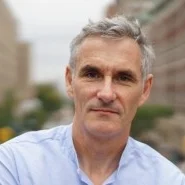
Brian Larkin is Professor of Anthropology at Barnard College and Columbia University and the author of Signal and Noise: Media Infrastructure and Urban Culture in Nigeria (Duke University Press, 2008). With Lila Abu-Lughod and Faye Ginsburg he co-edited Media Worlds: Anthropology on New Terrain (University of California Press, 2000). His research examines the introduction of media technologies in Nigeria – cinema, radio, digital media - and the religious, political, and cultural changes they bring about.
Brian Larkin
Professor of Anthropology, Barnard College and Columbia University
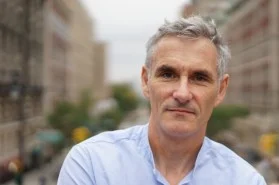
Brian Larkin is Professor of Anthropology at Barnard College and Columbia University and the author of Signal and Noise: Media Infrastructure and Urban Culture in Nigeria (Duke University Press, 2008). With Lila Abu-Lughod and Faye Ginsburg he co-edited Media Worlds: Anthropology on New Terrain (University of California Press, 2000). His research examines the introduction of media technologies in Nigeria – cinema, radio, digital media - and the religious, political, and cultural changes they bring about. He has published widely on issues of technology and breakdown, piracy and intellectual property, the global circulation of cultural forms, infrastructure and urban space, sound studies, and Nigerian film (Nollywood). Larkin is completing the manuscript "Secular Machines: Media and the Materiality of Islamic Revival," which analyzes the role media plays in the rise of new Islamic movements in Nigeria and explores theoretical questions about technology and religion. With Stefan Andriopoulos he co-directs the Center for Comparative Media at Columbia University. He is a board member of the Institute for African Studies and the Buell Center for American Architecture at Columbia University and a member of the Committee in Global Thought.
Working Group Affiliation
The Rural-Urban Interface: Gender and Poverty in Ghana and Kenya, Statistics and Stories
Els Lagrou
Fellow, Anthropology, Federal University of Rio de Janeiro
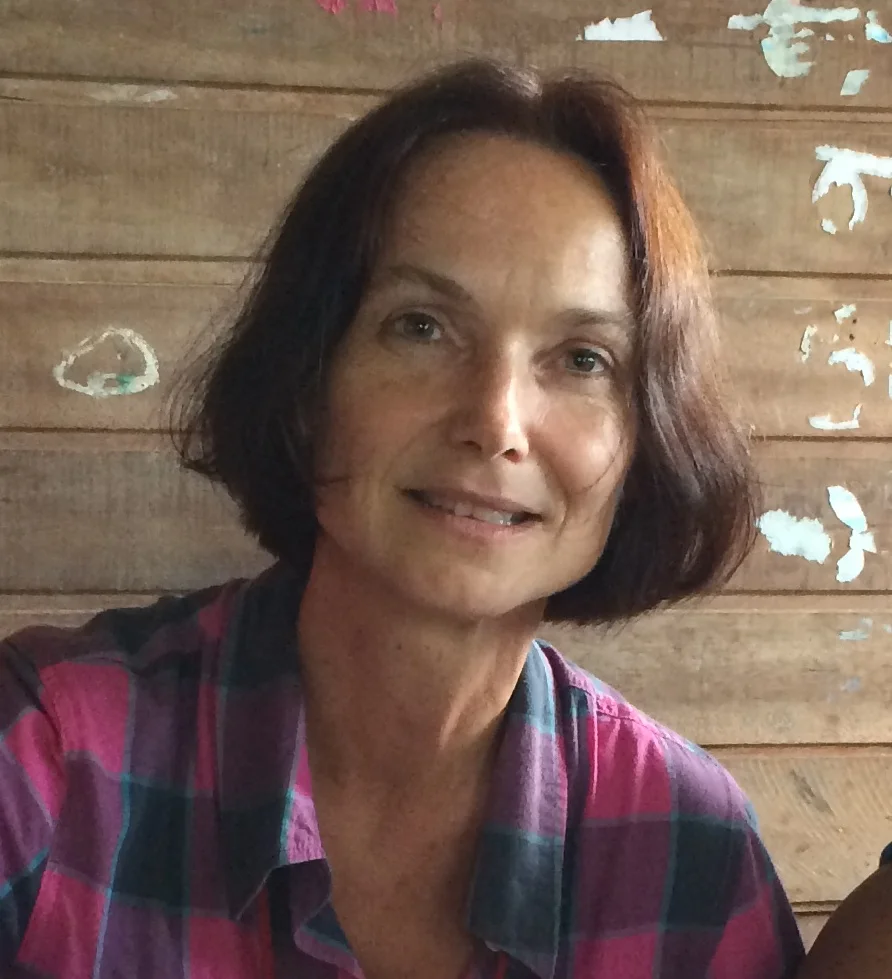
Els Lagrou is a Professor of social and cultural anthropology at the Federal University of Rio de Janeiro (Graduate Program of Sociology and Anthropology) and Researcher of the National Center of Research (CNPq). Her research interests include Amerindian Ethnology, its ontological, social and aesthetic regimes, as well as the Anthropology of expressive and agentive forms. She is the author of A fluidez da forma: arte, alteridade e agência em uma sociedade amazônica (The fluidity of form: art, alterity and agency in an Amazonian society) (Topbooks, 2007), Artes indígenas no Brasil (Indigenous arts in Brazil) (ComArte, 2009) and of the Catalogue, a show she curated at the National Museum of the Brazilian Indian No caminho da miçanga, um mundo que se faz de contas (On the bath of glass beads, o world made of beads (UNESCO/FUNAI, 2016).
Els Lagrou
Professor of Anthropology, Federal University of Rio de Janeiro; Researcher, the National Center of Research
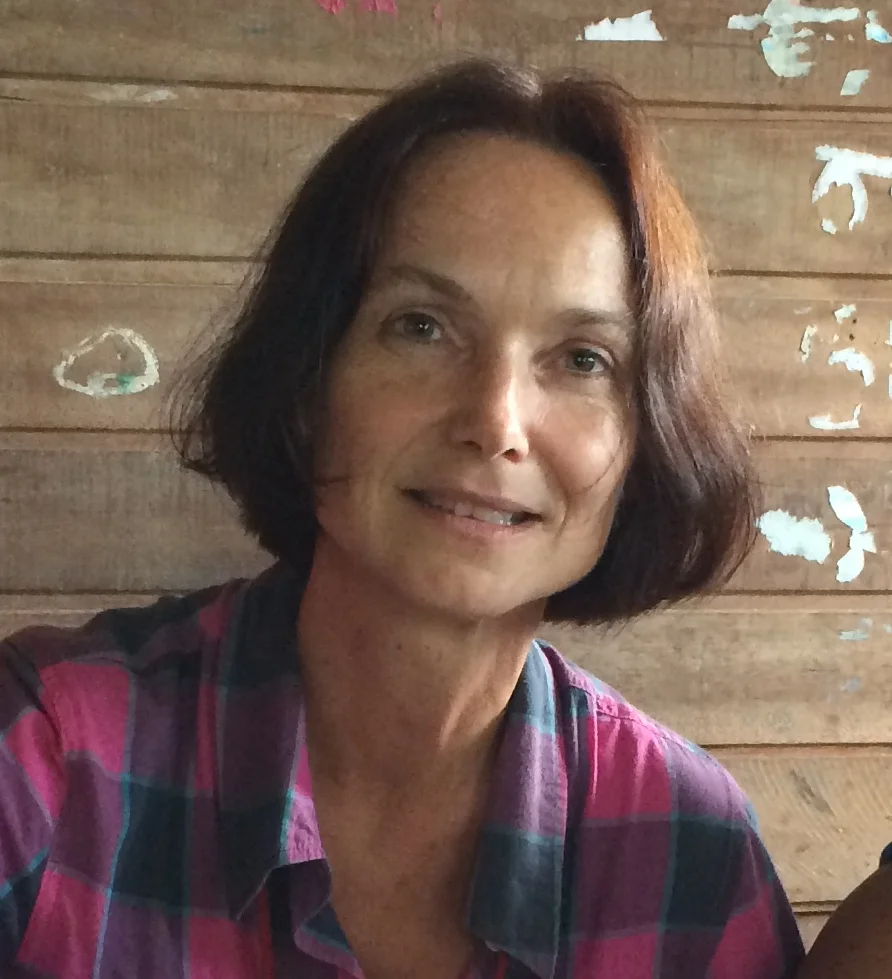
Els Lagrou is a Professor of social and cultural anthropology at the Federal University of Rio de Janeiro (Graduate Program of Sociology and Anthropology) and Researcher of the National Center of Research (CNPq). Her research interests include Amerindian Ethnology, its ontological, social and aesthetic regimes, as well as the Anthropology of expressive and agentive forms. She is the author of A fluidez da forma: arte, alteridade e agência em uma sociedade amazônica (The fluidity of form: art, alterity and agency in an Amazonian society) (Topbooks, 2007), Artes indígenas no Brasil (Indigenous arts in Brazil) (ComArte, 2009) and of the Catalogue of a show she curated at the National Museum of the Brazilian Indian No caminho da miçanga, um mundo que se faz de contas (On the bath of glass beads, o world made of beads (UNESCO/FUNAI, 2016); with Carlo Severi she edited Quimeras em diálogo, grafismo e figuração nas artes ameríndias (chimeras in dialogue: grafism and figuration in Amerindian arts) (7Letras, 2014). Lagrou obtained her BA and Master in History from the Catholic University of Leuven, her MA in Social Anthropology from the Federal University of Santa Catarina and her PhD from the University of St. Andrews and the University of São Paulo. Lagrou thought at the Federal University of Santa Catarina, and offered courses as invited professor at The Complutense of Madrid, University of Córdoba, University of México, École Pratique des Hautes Études. She was a Sutusoma Fund, CNPq, Capes and Faperj scholar, and a visiting fellow at the University of Leuven, École des Hautes Études, Musée du quai Branly and the University of Columbia.
She is member of the Editorial Board of the Journal Sociologia e Antropologia (PPGSA, UFRJ), international correspondent of Gradhiva, Revue d’Anthropologie et d’Histoire des arts (Musée du quai Branly). She was member of the ‘Comité de Gestion Scientifique du GDRI (Groupement de Recherche International), ‘Anthropologie et Histoire des arts’, du Musée Quai Branly/CNRS/Laboratoire d’Anthropologie Sociale – Collège de France (2006-2013); Has cooordinated the Project “Constructing Cultures, Documenting traditions”, (PRODOCULT) in collaboration with the National Museum of the (Brazilian) Indian (Museo do Índio, FUNAI/UNESCO, 2006-2015), as well as the Project “On the path of beads”, a documentation Project of uses and meanings of beads among Brazilian Indigenous people in collaboration with the National Museum of the (Brazilian) Indian (RJ)/UNESCO/UFRJ (2009-2015); Coordinates the “Research group on arts, images and ethnological research” (NAIPE, UFRJ, since 2002); Coordinates the “Amerindian Seminars” at the PPGSA, IFCS (2002-2017) and the SMARTIE seminar on expressive and agentive forms (PPGSA, UFRJ).
Working Group Affiliation
Environmental Justice, Belief Systems, and Aesthetic Experiences in Latin America and the Caribbean
Nadia Latif
Nadia Latif
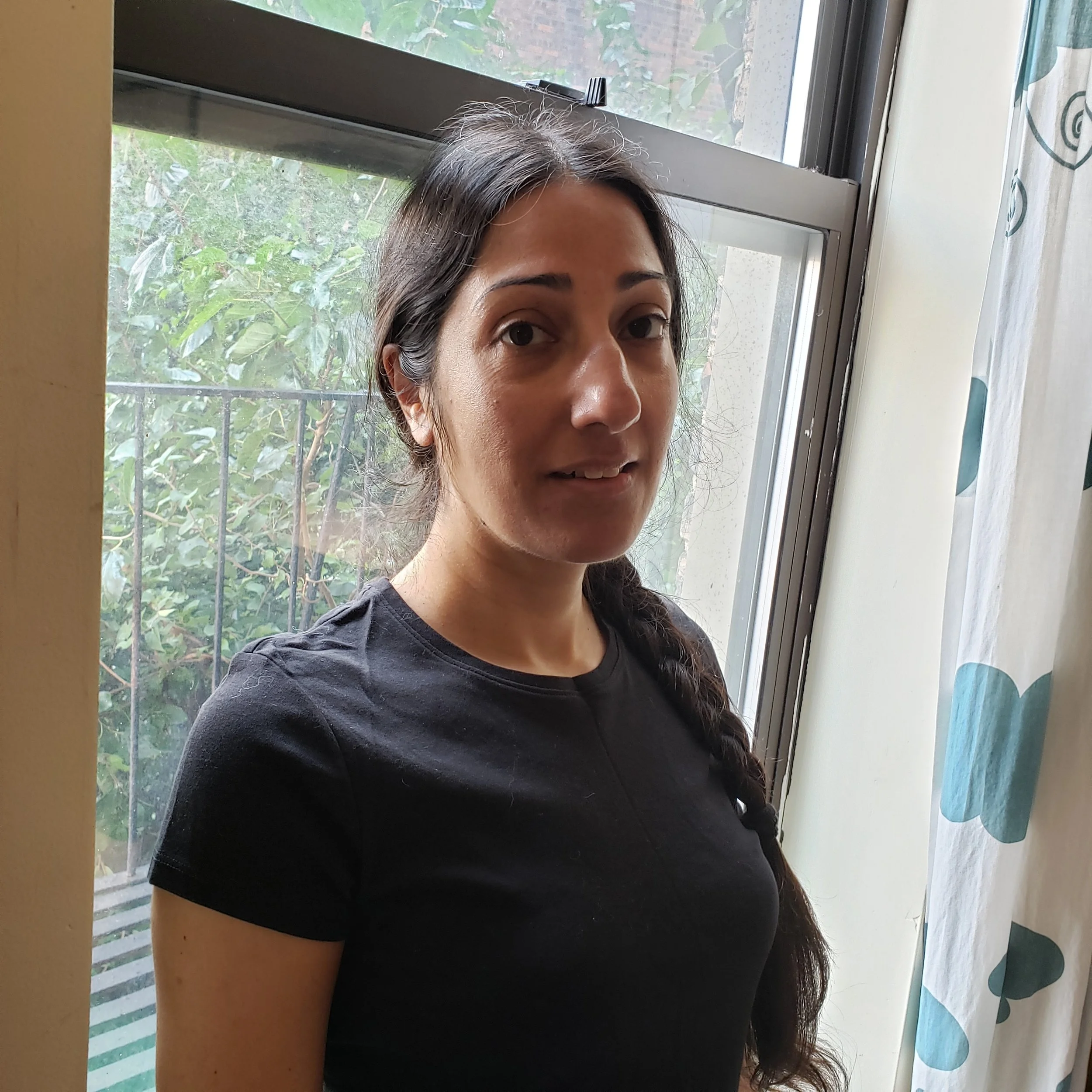
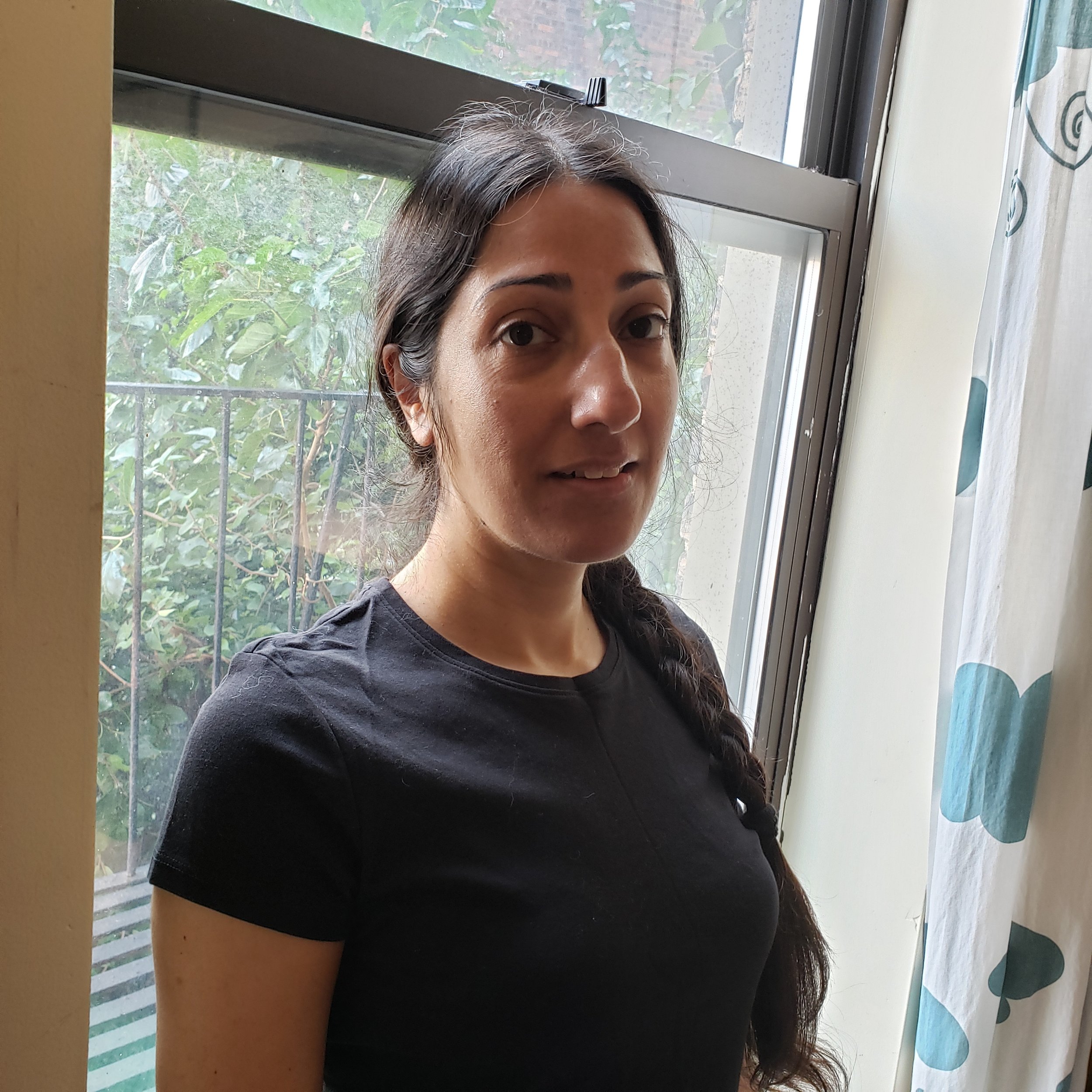
Nadia Latif is a Lecturer in Anthropology at Columbia University. Her research and teaching focuses on questions around forced migration and human rights. She has published in the fields of urban anthropology, forced migration, gender and conflict, law and development, and the history of anthropology. Her current research focuses on the emergence of local political economies in long-term refugee camps and the ways in which these are shaped by war and the provision of humanitarian aid, as well as by labour migration and migrant remittances. She conducts long-term fieldwork in Burj al-Barajneh camp in Lebanon.

Elizabeth Leake
Professor, Department of Italian, Columbia University
Elizabeth Leake's research interests include Twentieth Century narrative and theatre, psychoanalytic, ideological, and disability studies in Italian literature, fascist Italy, Italian cinema, and early Danish cinema. She is a recipient of the Modern Language Association Aldo and Jeanne Scaglione Publication Award for a Manuscript in Italian Literary Studies for her book The Reinvention of Ignazio Silone (2003). Her latest book, After Words: Suicide and Authorship in Twentieth Century Italy, was published in February 2011.
Elizabeth Leake
Professor, Acting Chair, and Director of Graduate Studies, Department of Italian, Columbia University
Elizabeth Leake's research interests include Twentieth Century narrative and theatre, psychoanalytic, ideological, and disability studies in Italian literature, fascist Italy, Italian cinema, and early Danish cinema. She is a recipient of the Modern Language Association Aldo and Jeanne Scaglione Publication Award for a Manuscript in Italian Literary Studies for her book The Reinvention of Ignazio Silone (2003) and The National Endowment for the Humanities Fellowship for College Teachers and Independent Scholars 2001. Her latest book, After Words: Suicide and Authorship in Twentieth Century Italy, was published in February 2011. Her current research project is a comparative study of representations of cognitive disability among American, Danish, and Italian poets; she is also co-authoring a book on Italian confino.

Marisol LeBrón
Fellow, Mexican American and Latina/o Studies, University of Texas at Austin
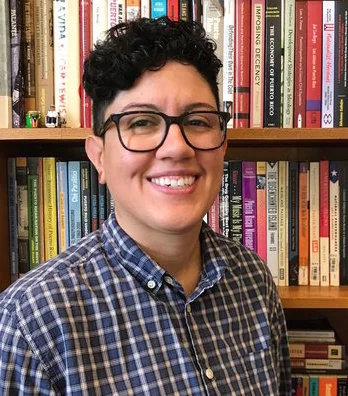
Marisol LeBrón is an Assistant Professor in the Department of Mexican American and Latina/o Studies at the University of Texas at Austin. An interdisciplinary scholar working across American Studies and Latinx Studies, her research focuses on social inequality, policing, violence, and protest movements in Puerto Rico and its diaspora.
Marisol LeBrón
Assistant Professor, Department of Mexican American and Latina/o Studies, University of Texas at Austin
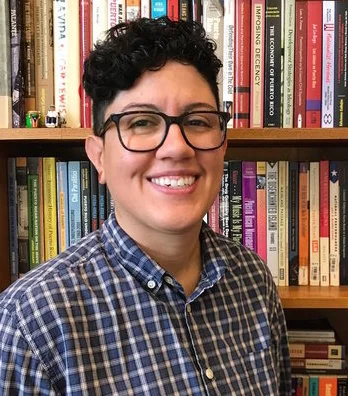
Marisol LeBrón is an Assistant Professor in the Department of Mexican American and Latina/o Studies at the University of Texas at Austin. An interdisciplinary scholar working across American Studies and Latinx Studies, her research focuses on social inequality, policing, violence, and protest movements in Puerto Rico and its diaspora. Her forthcoming book, Policing Life and Death: Race, Violence, and Resistance in Puerto Rico (University of California Press), examines the growth of punitive governance in contemporary Puerto Rico. She is also one of the creators of the Puerto Rico Syllabus, a digital project about the Puerto Rican debt crisis.
Working Group Affiliation
Unpayable Debt: Capital, Violence, and the New Global Economy
Ana Paulina Lee
Associate Professor, Department of Latin American and Iberian Cultures, Columbia University
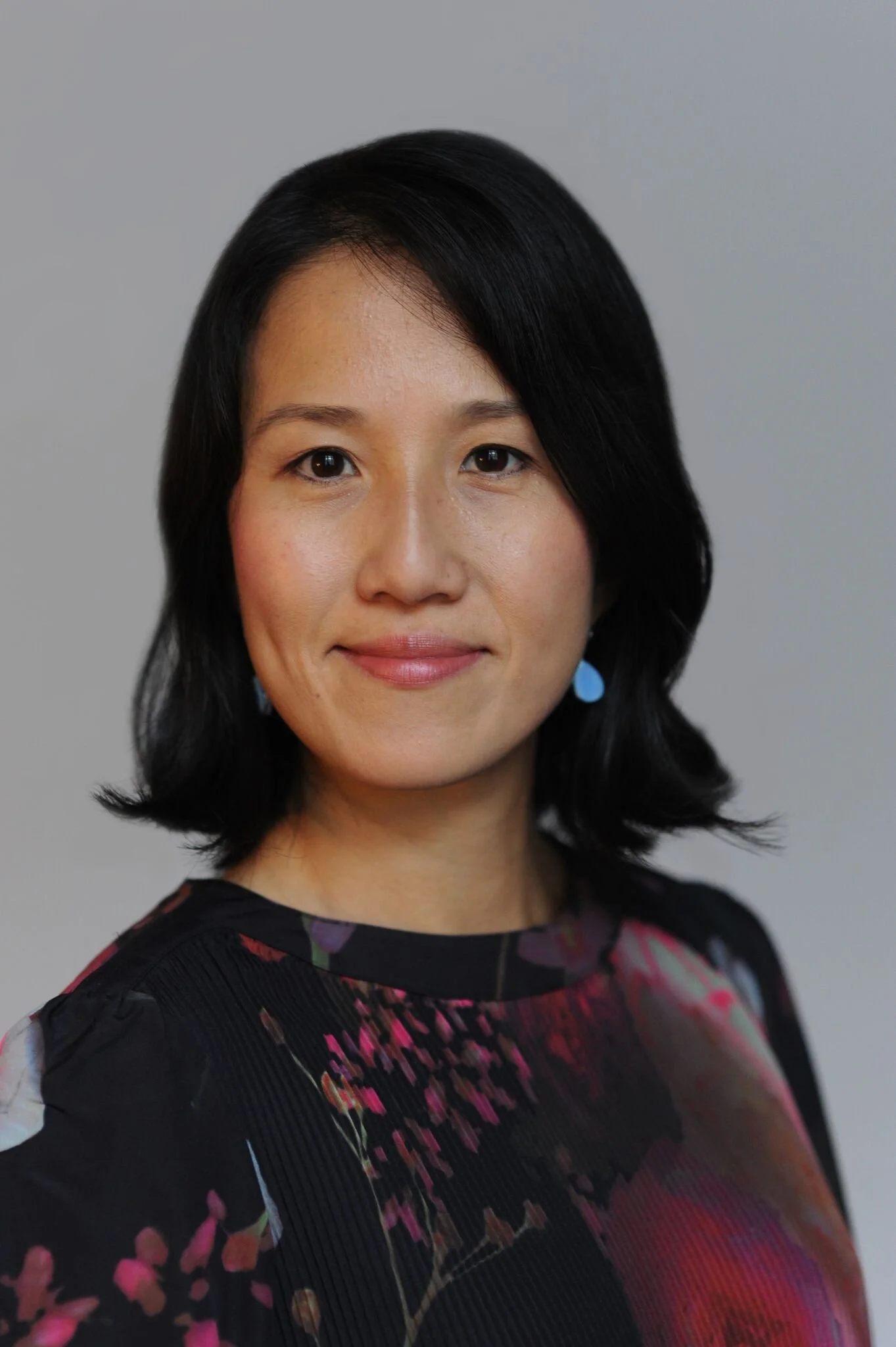
Ana Paulina Lee is Associate Professor of Latin American and Iberian Cultures at Columbia University. She is the author of Mandarin Brazil: Race, Representation, and Memory (Stanford University Press).
Ana Paulina Lee
Ana Paulina Lee is Associate Professor of Latin American and Iberian Cultures at Columbia University. She is the author of Mandarin Brazil: Race, Representation, and Memory (Stanford University Press).
Ana Paulina Lee's research and teaching focus on the intersection of cultural studies and political philosophy, race relations and hemispheric American histories of slavery and immigration, Asian and African diasporic cultures in the Americas, performance and memory studies. Prior to joining the department of Latin American and Iberian Cultures, Lee was a Mellon Postdoctoral Fellow at the Stone Center for Latin American Studies at Tulane University in New Orleans, Louisiana. She received a PhD in Comparative Literature from the University of Southern California, and holds an MA in Hispanic Literatures and Cultures from New York University in Madrid, Spain, a Pós-Graduação Lato Sensu em Cultura e Arte Barroca from the Federal University of Ouro Preto, Brazil, and a BA in English Literature and Global Studies from SUNY Binghamton. Professor Lee has been a Fulbright Researcher in Lisbon, Portugal, and the recipient of the Fundação Luso-Americana Fellowship and Cultural Ambassador Award from the Ministry of Education and Sport of Spain.
Working Group Affiliations
Geographies of Injustice: Gender and the City, Project Director
Books Edited:
Mandarin Brazil: Race, Representation, and Memory Stanford University Press, 2018
Clara Mattei
Fellow, Economics, The New School for Social Research
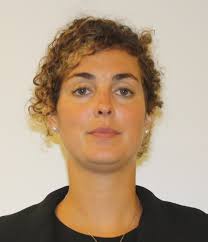
Clara Mattei is Assistant Professor of Economics at The New School for Social Research. She holds a PhD jointly from the Sant'Anna School of Advanced Studies (SSSUP) in Pisa, Italy, and Université de Strasbourg, Ecole Doctorale Augustine Cournot in Strasbourg, France, an MA in Philosophy from Pavia, and a BA in Philosophy from Cambridge University. Her research explores a comparative view of post-World War I monetary and fiscal policies and she brings broad interdisciplinary engagements to her work in the history of economic thought and methodology.
Clara Mattei
Economics, The New School for Social Research
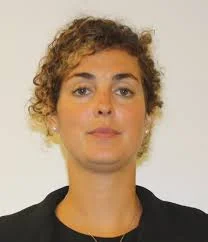
Clara Mattei is Assistant Professor of Economics at The New School for Social Research. She holds a PhD jointly from the Sant'Anna School of Advanced Studies (SSSUP) in Pisa, Italy, and Université de Strasbourg, Ecole Doctorale Augustine Cournot in Strasbourg, France, an MA in Philosophy from Pavia, and a BA in Philosophy from Cambridge University. Her research explores a comparative view of post-World War I monetary and fiscal policies and she brings broad interdisciplinary engagements to her work in the history of economic thought and methodology.
Working Group Affiliation

Carolee Lee
New York
Carolee Lee
New York

AccessCircles was founded in June of 2008 by Carolee Lee, the former CEO and founder of Carolee Designs, one of the world’s leading accessories brands. Carolee’s vision is to create a by invitation network to enrich the health, wellness and financial expertise of women through informative gatherings, transformative knowledge, unique experiences and access to leading authorities and alliance partners in the fields of health and wellness, financial expertise and life balance.
Carolee is founder and CEO of Women's Health Access Matters (WHAM), https://whamnow.org/