

Annelies Moors
Fellow, Anthropology and Sociology, University of Amsterdam
Annelies Moors studied Arabic at the University of Damascus and Arabic and anthropology at the University of Amsterdam. She holds the chair for contemporary Muslim societies at the department of sociology and anthropology at the University of Amsterdam. She is co-director of the research programme group ‘Globalizing Culture and the Quest for Belonging: Ethnographies of the Everyday’, and director of the research programme Muslim Cultural Politics at the AiSSR (Amsterdam Institute for Social Science Research).
Annelies Moors
Professor of Anthropology and Sociology, University of Amsterdam
Annelies Moors studied Arabic at the University of Damascus and Arabic and anthropology at the University of Amsterdam. She holds the chair for contemporary Muslim societies at the department of sociology and anthropology at the University of Amsterdam. She is co-director of the research programme group ‘Globalizing Culture and the Quest for Belonging: Ethnographies of the Everyday’, and director of the research programme Muslim Cultural Politics at the AiSSR (Amsterdam Institute for Social Science Research). She also is Honorable Visiting Professor at the London School of Fashion (London University of the Arts) and a core group member of the Arab Families Working Group (AFWG).
From 2001-2008 she has been the Amsterdam chair of the International Institute for the Study of Islam in the Modern World. She has held visiting positions at the University of San’a, Yemen. She also was the primary investigator of an international NORFACE research programme on ‘The emergence of Islamic fashion in Europe’, and is the primary investigator of a NWO Cultural Dynamics programme on ‘Islamic cultural practices and performances: New youth cultures in Europe’.
She has published widely on gender, nation and religion in such fields as Muslim family law and Islamic marriages, wearing gold, the visual media (postcards of Palestine), migrant domestic labor, Islamic fashion, and wearing face-veils. She is currently working on three publications, an edited volume with Emma Tarlo on ‘Islamic fashion in new spaces: Europe and beyond’, a single authored book on ‘Face-veiling in the Netherlands’ and a publication on ‘Informal Islamic marriages in the Netherlands and beyond’.

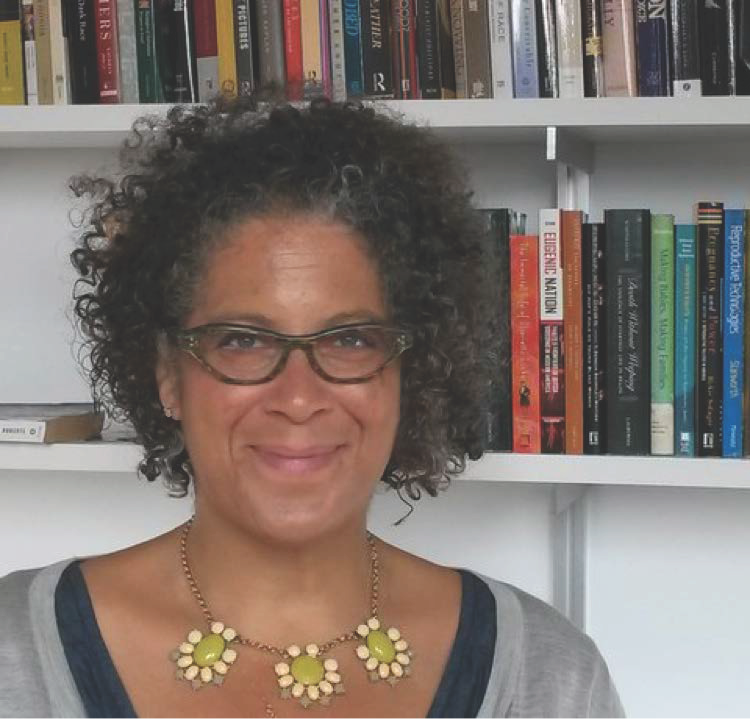
Jennifer L. Morgan
Fellow, Social and Cultural Analysis and History, NYU
Jennifer L. Morgan is professor of history and of social and cultural analysis at New York University. Her research examines the intersections of gender and race in colonial America, and she is author of Laboring Women: Gender and Reproduction in the Making of New World Slavery (2004). She is currently at work on a project that considers colonial numeracy, racism, and the rise of the transatlantic slave trade, tentatively entitled “Accounting for the Women in Slavery.”
Jennifer L. Morgan
Professor of Social and Cultural Analysis and History, NYU
Duke University, PhD 1996
Office Address: 20 Cooper Square, 4th Floor
Email:jennifer.morgan@nyu.edu
Phone:212.998.2135
Field of Study:
United States
Areas of Research/Interest:
Early African American History, Comparative Slavery, Histories of Racial Ideology, Women and Gender
External Affiliations:
American Historical Association, Berkshire Conference of Women's Historians, McNeil Center for Early American Studies.
Selected Works:Books:
Laboring Women: Gender and Reproduction in New World Slavery (Philadelphia: University of Pennsylvania Press, 2004).
Articles:
“Gender and Family Life,” in The Slavery Reader, ed. Trevour Bernard and Gad Heuman (New York: Routledge, forthcoming, 2010).
“Experiencing Black Feminism,” in Telling Histories: Black Women Historians in the Ivory Tower, ed. Deborah Gray White, (Chapel Hill: UNC Press, 2007).
The Sexual Body: The Women’s Studies Quarterly, 35 (Spring/ Summer 2007), edited with Shelley Eversley.
“Why I Write,” in Why We Write: The Politics and Practice of Writing for Social Change, Jim Downs ed. (New York: Routledge, 2006)
“Sex, Race, and the Colonial Project,” with Kirsten Fischer, in The William and Mary Quarterly, 60 (January 2003): 197-99.
“Slavery and the Slave Trade, 1600-1760,” in A Companion to American Women’s History, Nancy Hewitt ed. (Malden, Mass and London: Blackwell, 2002).
“‘Some Could Suckle Over Their Shoulder’: Male Travelers, Female Bodies, and the Gendering of Racial Ideology, 1500-1770,” The William and Mary Quarterly, 3rd Series, LIV (January 1997): 167-92.
Working Group Affiliation

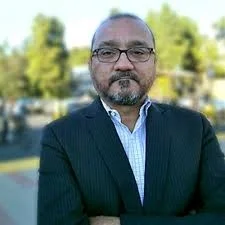
Aamir Mufti
Fellow, Comparative Literature, UCLA
Aamir Mufti is interested in understanding a range of forms of inequality in the contemporary world and how they impede the possibilities for historically autonomous action by social collectivities in the South. His work also explores the possibilities of critical knowledge of these societies within the dominant practices of the modern humanistic disciplines. Mufti has a Ph.D. in literature from Columbia University and was trained in Anthropology at Columbia, the London School of Economics, and Hamilton College.
Aamir Mufti
Professor of Comparative Literature, UCLA

Aamir Mufti is interested in understanding a range of forms of inequality in the contemporary world and how they impede the possibilities for historically autonomous action by social collectivities in the South. His work also explores the possibilities of critical knowledge of these societies within the dominant practices of the modern humanistic disciplines. Mufti has a Ph.D. in literature from Columbia University and was trained in Anthropology at Columbia, the London School of Economics, and Hamilton College. His publications include the books Forget English! Orientalisms and World Literatures (2016, Harvard University Press) and Enlightenment in the Colony: The Jewish Question and the Crisis of Postcolonial Culture (2007, Princeton University Press).
Working Group Affiliation

Corinna Mullin
Fellow, International Relations, University of Tunis
Corinna Mullin is a Part-Time Faculty member at the New School and John Jay College, and was a Visiting Assistant Professor at the University of Tunis for five years. Her book manuscript, Tunisia and imperial security architectures: Race, class, empire and the (re)making of a global south security state, illuminates intersections between security, imperialism, and racial capitalism through insights from international relations and political economy, American Studies, and critical race, law, and decolonial theory.
Corinna Mullin
Part-Time Faculty Member, The New School and John Jay College. Assistant Professor, University of Tunis
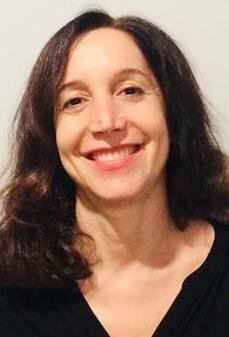
Corinna Mullin is a Part-Time Faculty member at the New School and John Jay College, and was a Visiting Assistant Professor at the University of Tunis for five years. Her book manuscript, Tunisia and imperial security architectures: Race, class, empire and the (re)making of a global south security state, illuminates intersections between security, imperialism, and racial capitalism through insights from international relations and political economy, American Studies, and critical race, law, and decolonial theory. Her research examines imperialism and militarization in Africa through analysis of securitization, labor economies, value extraction, and wealth drain, as well as decolonizing struggles of the Tunisian university, raising questions of power, knowledge production, and epistemic de-linking.
Working Group Affiliation
Sarah Muir
Fellow, Linguistic Anthropology, CUNY Graduate Center
Sarah Muir's research is situated at the intersection of linguistic, political-economic, and historical anthropology and grounded in ethnographic fieldwork and archival research in Argentina. Thematically, her work examines the practical logics of economic investment, ethical evaluation, and political critique, with a particular focus on financial crisis and social class.
Sarah Muir
Assistant Professor and Deputy Chair, Department of Anthropology, Gender Studies, and International Studies, City College, CUNY
Affiliated Faculty, Linguistic Anthropology, CUNY Graduate Center
Sarah Muir (Ph.D., University of Chicago 2011) is Assistant Professor at The City of University of New York. At The City College of New York, she teaches in the Department of Anthropology, Gender Studies, and International Studies and directs the International Studies Program. She also teaches linguistic anthropology in the Anthropology Program at The Graduate Center. Her research is situated at the intersection of linguistic, political-economic, and historical anthropology and examines the practical logics of economic investment, ethical evaluation, and political critique. Her first book, Routine Crisis: An Ethnography of Disillusion (University of Chicago Press, 2021), traces the lived consequences of Argentina's history of repeated financial crises. She is currently researching a new book project, Accounting for Kith and Kin: Financial Ethics and the Space-Time of Obligation, which interrogates the social life of economic numbers in Argentina. Her work has appeared in journals such as Annual Review of Anthropology, Cultural Anthropology, Comparative Studies in Society and History, Current Anthropology, Dialogues in Human Geography, City and Society, Journal of Cultural Economy, Journal of the Royal Anthropological Institute, and Review of the Italian Academic Association of Cultural Anthropologists. Formerly a Distinguished Scholar at the Advanced Research Collaborative (CUNY Graduate Center) and the Co-Director of the Unpayable Debt Working Group (Center for the Study of Social Difference, Columbia University), she has also helped curate and author works of public scholarship such as the "Global Debt Syllabus" and the "Caribbean Debt Syllabus."
Working Group Affiliation
Unpayable Debt: Capital, Violence, and the New Global Economy, Project Director

Donna Murch
Fellow, History, Rutgers University
Donna Murch is an associate professor of history at Rutgers University and a former codirector of the Rutgers Center for Historical Analysis, where she directed the Black Atlantic seminar. Her teaching and research focus on postwar U.S. history, modern African American history, twentieth-century urban studies, and the political economy of drugs. She is the author of Living for the City: Migration, Education, and the Rise of the Black Panther Party in Oakland, California (2010), which won the Phillis Wheatley Book Award.
Donna Murch
Associate Professor of History, Rutgers University
Donna Murch is an associate professor of history at Rutgers University and a former codirector of the Rutgers Center for Historical Analysis, where she directed the Black Atlantic seminar. Her teaching and research focus on postwar U.S. history, modern African American history, twentieth-century urban studies, and the political economy of drugs. She is the author of Living for the City: Migration, Education, and the Rise of the Black Panther Party in Oakland, California (2010), which won the Phillis Wheatley Book Award. The book highlights the importance of urbanization and southern migration to the rise of Bay Area black power, broadening the scholarship of the long civil rights movement by documenting the contributions of black students and youth. She is currently researching a new book on the rise of crack cocaine and the war on drugs in Los Angeles, which explores how economic marginalization contributed to the growth of a vibrant and destructive informal economy in illicit drugs.


Amber Jamila Musser
Fellow, American Studies, George Washington
Amber Jamila Musser is a Professor of American Studies at George Washington University and the author of Sensational Flesh: Race, Power, and Masochism (NYU, 2014) and Sensual Excess: Queer Femininity and Brown Jouissance (NYU Press, 2018). Musser has published widely on race, critical theory, queer femininities, sexuality, and queer of color critique.
Amber Jamila Musser
Professor, American Studies, George Washington University
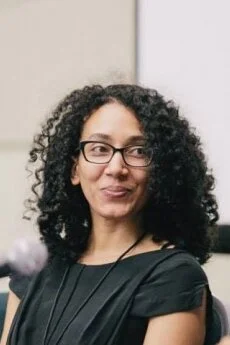
Amber Jamila Musser is a Professor of American Studies at George Washington University and the author of Sensational Flesh: Race, Power, and Masochism (NYU, 2014) and Sensual Excess: Queer Femininity and Brown Jouissance (NYU Press, 2018). Musser has published widely on race, critical theory, queer femininities, sexuality, and queer of color critique. A new project on sweat and the Black body explores its racialization, the workings of bodies exposed to ever-proliferating heat events, and narratives about bodies and their disciplining. This work moves between the eroticization of the sweat that glistens on black dancers’ bodies and the racist myth of malodorous black bodies. This swerves between the use of sweating as the product of exuberant and racialized embodiment and sweat as a sign of racial difference shows both sweat’s polyvalence and material components of desirability and disgust. Importantly, sweat brings us toward breath and the conditions of possibility.
Working Group Affiliation
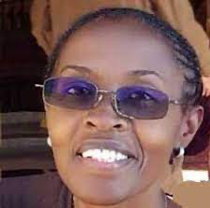
Lydia Waithira Muthuma
Fellow, Visual Arts, Technical University of Kenya
Lydia Waithira Muthuma is a Lecturer in Visual Arts at the Technical University of Kenya and the current chair of UNESCO’s national committee for memory of the world. Muthuma’s current research interests are the historiography of contemporary art in Eastern Africa and the conservation of public monuments as a tool for building collective identity in Nairobi. Through aesthetic critique, art history, and analysis of spatial politics and visual culture, her work examines the built environment in Kenya in order to ascertain who it belongs to and how this identity has been manifested.
Lydia Waithira Muthuma
Lecturer, Visual Arts, The Technical University of Kenya
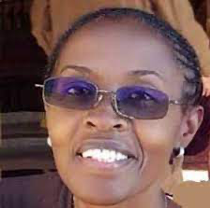
Lydia Waithira Muthuma is a Lecturer in Visual Arts at the Technical University of Kenya and the current chair of UNESCO’s national committee for memory of the world. She is the author of Changing Perspectives: Nairobi past and present, a photographic story and exhibition hosted by Bristol Archives and National Museums of Kenya in June-September 2019. Through aesthetic critique, art history, and analysis of spatial politics and visual culture, her work examines the built environment in Kenya in order to ascertain who it belongs to and how this identity has been manifested. Dr. Muthuma’s current research interests are the historiography of contemporary art in Eastern Africa and the conservation of public monuments as a tool for building collective identity in Nairobi.
Working Group Affiliation
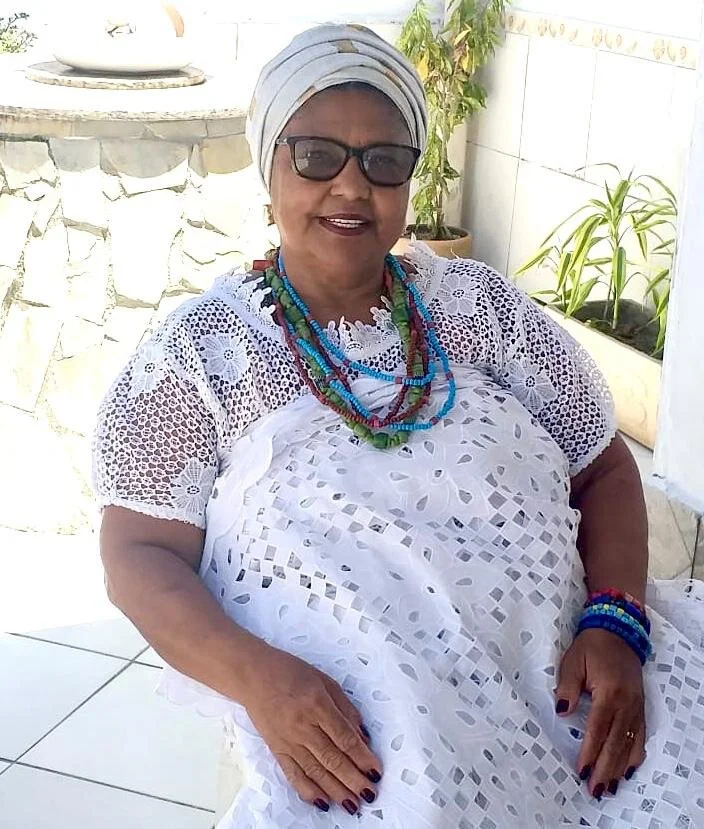
Nilce Naira Nascimento
Fellow, Afro-Brazilian Women and Health, 1st World Summit of Afro-descendants in Honduras
Mãe Nilce de Iansã; Project Coordinator at Ilê Omolú e Oxum- Rio de Janeiro; Coordinator of the National Network of Afro-Brazilian Women and Health; Member of the International Committee of the Organization of the 1st World Summit of Afro-descendants in Honduras, 2011; Member of the Technical Committee of Health of the Black Population.
Nilce Naira Nascimento
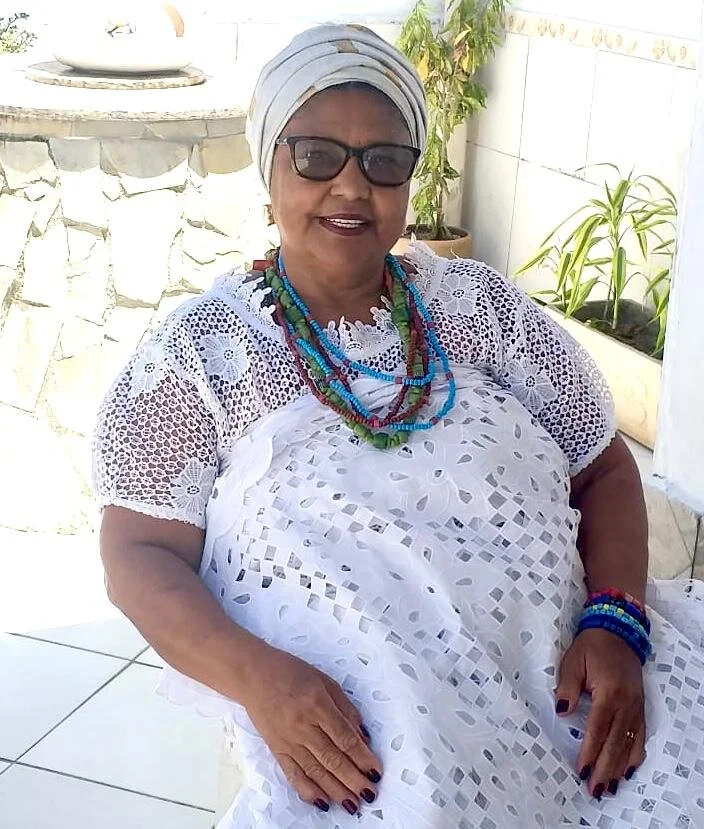
Mãe Nilce de Iansã; Project Coordinator at Ilê Omolú e Oxum- Rio de Janeiro; Coordinator of the National Network of Afro-Brazilian Women and Health; Member of the International Committee of the Organization of the 1st World Summit of Afro-descendants in Honduras, 2011; Member of the Technical Committee of Health of the Black Population; Member of Criola NGO in Defense and Promotion of Black Women in Rio de Janeiro; Coordinator of Cultural Obínrín Odara; Author of three books about the history and preservation of Afro-Brazilian cuisine, Omi Odara (1988); Ewá Jeun (2008); Éwé Lárá (2011); State Council Member for the Rights of Women (Cedim) Rio de Janeiro; Member of the project Environmental Preservation and Diversity; and partner with the Secretary of the Environment, Rio de Janeiro State.
Working Group Affiliation
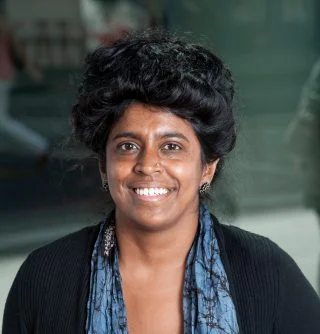
Vasuki Nesiah
Fellow, Legal Scholar, NYU Gallatin School of Law
Vasuki Nesiah is a legal scholar with a focus on public international law at NYU Gallatin School of Law. Her main areas of research include the law and politics of international human rights and humanitarianism, with a particular focus on transitional justice.
Vasuki Nesiah
Legal Scholar, NYU Gallatin School of Law
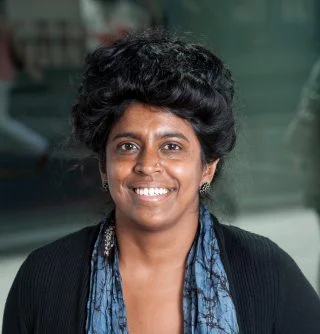
Vasuki Nesiah is a legal scholar with a focus on public international law at NYU Gallatin School of Law. Her main areas of research include the law and politics of international human rights and humanitarianism, with a particular focus on transitional justice. She has published widely on the history and politics of human rights, humanitarianism, international criminal law, international feminisms and colonial legal history. These continue to be areas of research and writing but the primary focus of her current research is reparations. A volume which she co-edited with Luis Eslava and Michael Fakhri, A Global History of Bandung and Critical Traditions in International Law will be published by Cambridge University Press later this year. This work reflects her continued interest in critical approaches to international law that find their intellectual and political home in the global south and in the grappling with decolonization. She is one of the founding members of the Third World Approaches to International Law (TWAIL) and has continued as an active participant in this global network of scholars for over two decades. Nesiah teaches human rights, law and social theory, and the politics of war and memory at NYU. She also continues as core faculty in Harvard Law School’s Institute for Global Law and Policy (IGLP); In this capacity, she has taught for six years in the IGLP summer and winter workshops in Cambridge, Doha, Capetown, Madrid and Bangkok. Currently, she is also a Senior Fellow at Melbourne Law School where she taught a course on human rights, gender and development in a visiting capacity. Prior to joining Gallatin, Professor Nesiah taught in the International Relations and Gender Studies concentrations at Brown University where she also served as Director of International Affairs. Formerly, she taught at the School of International and Public Affairs at Columbia University. She serves on the international editorial committees of the journals Feminist Legal Studies and the London Review of International Law and on the International Advisory Board of the Institute of International Law and the Humanities at the University of Melbourne; she is also an Associate Fellow with the Asia Society in New York. Before entering the academy full time, Professor Nesiah spent over seven years in practice at the International Center for Transitional Justice (ICTJ), where she worked on law and policy issues in the field of post-conflict human rights. Originally from Sri Lanka, she earned her BA in Philosophy and Government at Cornell University, was a visiting student in the Philosophy, Politics, and Economics Program at Oxford University, and earned her JD and SJD, an interdisciplinary doctorate in public international law, at Harvard Law School. She was awarded a fellowship for a post-doctoral program in human rights at Columbia Law School.
Working Group Affiliation
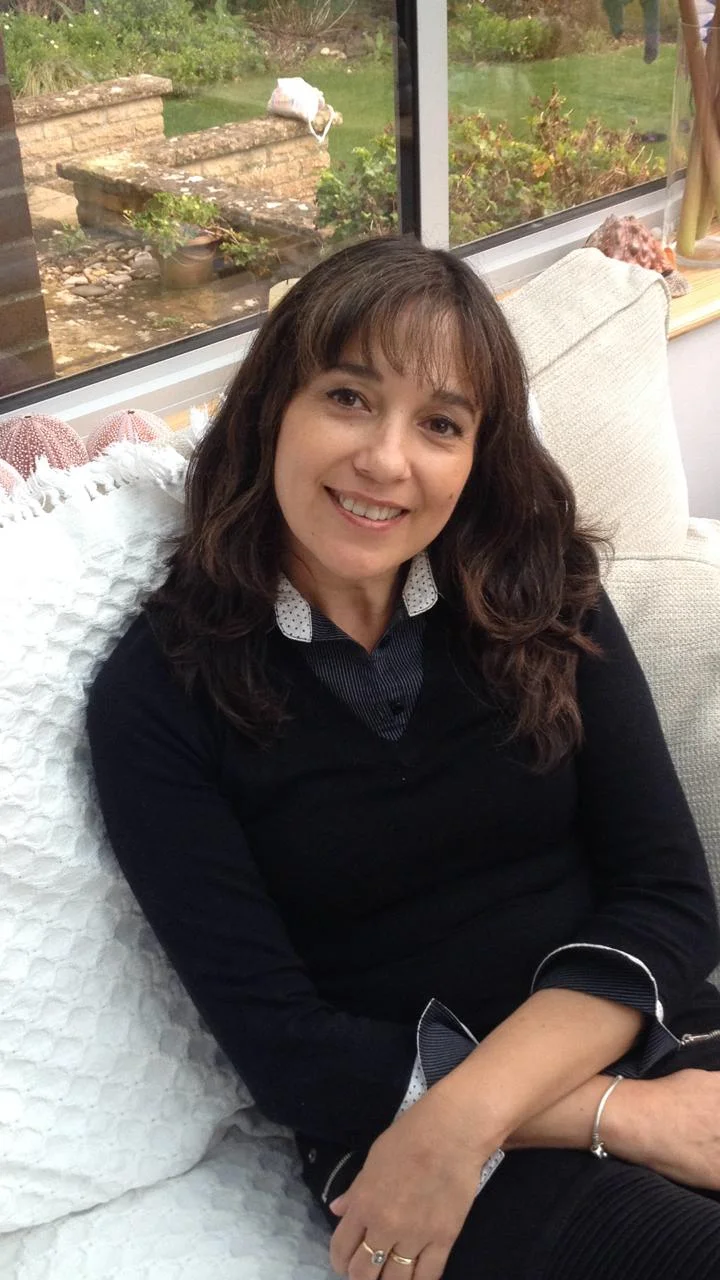
Nancy Nicholls
Fellow, History, Universidad Academia di Humanismo Cristiano
La profesora Nancy Nicholls se ha especializado en las temáticas de historia y memoria, e historia del tiempo presente, utilizando entre otras, la metodología de la historia oral. Actualmente participa como co-investigadora en el Proyecto Fondecyt Regular ‘Antropología e historia de la industria ballenera en Chile (1935-1983)’, dirigido por Daniel Quiroz. Participa, en calidad de asesora e investigadora, del proyecto de creación del ‘Archivo Testimonial de víctimas de la Represión, 1975-1990’, de la Fundación de Ayuda Social de las Iglesias Cristianas, FASIC.
Nancy Nicholls
History, Pontificia Universidad de Chile / History, Universidad Academia di Humanismo Cristiano
La profesora Nancy Nicholls se ha especializado en las temáticas de historia y memoria, e historia del tiempo presente, utilizando entre otras, la metodología de la historia oral. Actualmente participa como co-investigadora en el Proyecto Fondecyt Regular ‘Antropología e historia de la industria ballenera en Chile (1935-1983)’, dirigido por Daniel Quiroz. Participa, en calidad de asesora e investigadora, del proyecto de creación del ‘Archivo Testimonial de víctimas de la Represión, 1975-1990’, de la Fundación de Ayuda Social de las Iglesias Cristianas, FASIC.
El enfoque multidisciplinario ha guiado parte de las investigaciones que realiza, haciendo confluir en el análisis de las problemáticas históricas del tiempo presente, los enfoques y herramientas provenientes de la historiografía, pero también de la antropología, el teatro, el cine y la literatura. La utilización de fuentes orales, literarias y audiovisuales, ha posibilitado la exploración, en sus trabajos, del vasto campo de la subjetividad, la representación y el imaginario en relación a los fenómenos históricos.


Annette Mwansa Nkowane
Former Technical Officer of Nursing and Midwifery, World Health Organization (WHO) Headquarters, Geneva, Switzerland
Annette Mwansa Nkowane is a nurse and a midwife from Zambia. During the Ebola outbreak, Mwansa served as the Technical Officer of Nursing and Midwifery in the World Health Organization's Health Workforce Department in Geneva.
Annette Mwansa Nkowane
Former Technical Officer of Nursing and Midwifery, World Health Organization (WHO) Headquarters, Geneva, Switzerland

Annette Mwansa Nkowane is a nurse and a midwife from Zambia. During the Ebola outbreak, Mwansa served as the Technical Officer of Nursing and Midwifery in the World Health Organization's Health Workforce Department in Geneva. Previously, she worked with other WHO departments including Mental Health and Substance Use and Gender and Women's Health. Mwansa trained as a community health nurse before completing a masters in human resource development. Prior to her position at the WHO, Mwansa worked with International Federation of the Red Cross in the Health Department. As part of Columbia University's On the Frontlines project, Mwansa conducted interviews with Ebola nurses in Sierra Leone and Liberia in August 2019.
Working Group Affiliation
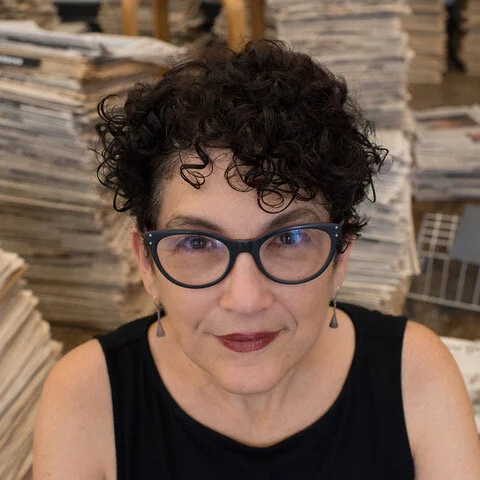
Lorie Novak
Artist & Professor of Photography & Imaging, NYU
Lorie Novak’s photographs, installations, and Internet projects explore issues of memory and transmission, the relationship between the intimate and the public, the shifting cultural meanings of photographs, and how we can use archives to reframe the past and suggest new narratives. Her work has been in numerous exhibitions both nationally and internationally.
Lorie Novak
Artist & Professor of Photography & Imaging, NYU
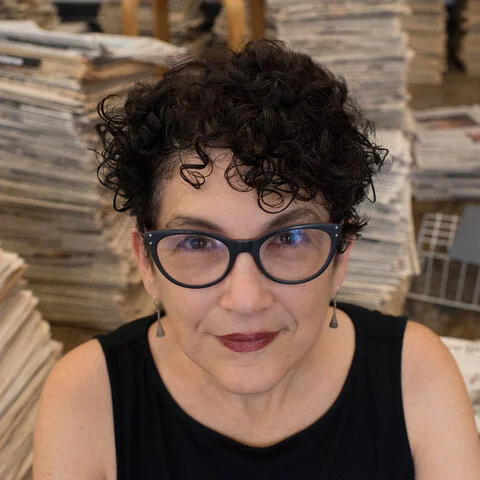
Lorie Novak’s photographs, installations, and Internet projects explore issues of memory and transmission, the relationship between the intimate and the public, the shifting cultural meanings of photographs, and how we can use archives to reframe the past and suggest new narratives. Her work has been in numerous exhibitions both nationally and internationally. Her collaborative collectedvisions.net, 1996-present, exploring how family photographs shape our memory, was one of the earliest interactive storytelling websites. Novak is the recipient of two New York Foundation for the Arts Fellowships, a NEA Fellowship, Louis Comfort Tiffany Foundation Grant, and residencies at the Rockefeller Foundation’s Bellagio Center (Italy), Bogliasco Foundation, (Italy); ArtSway (England), Mac Dowell Colony, Yaddo, and the Djerassi Foundation. Her photographs are in numerous permanent collections including the Art Institute of Chicago; Center for Creative Photography, Tucson, AZ; The Jewish Museum, NY; Museum of Fine Arts, Houston, TX; Museum of Modern Art, NY; and the Victoria and Albert Museum, London. Novak is a Professor of Photography & Imaging at NYU Tisch School of the Arts and the founder and director of Future Imagemakers, a social practice project at Tisch Photography & Imaging that offers a free digital photography workshop to NYC area high school students. See www.lorienovak.com.
Working Group Affiliations
Zip Code Memory Project: Practices of Justice and Repair, Social Engagement Project, Project Director
Ellen Nyman
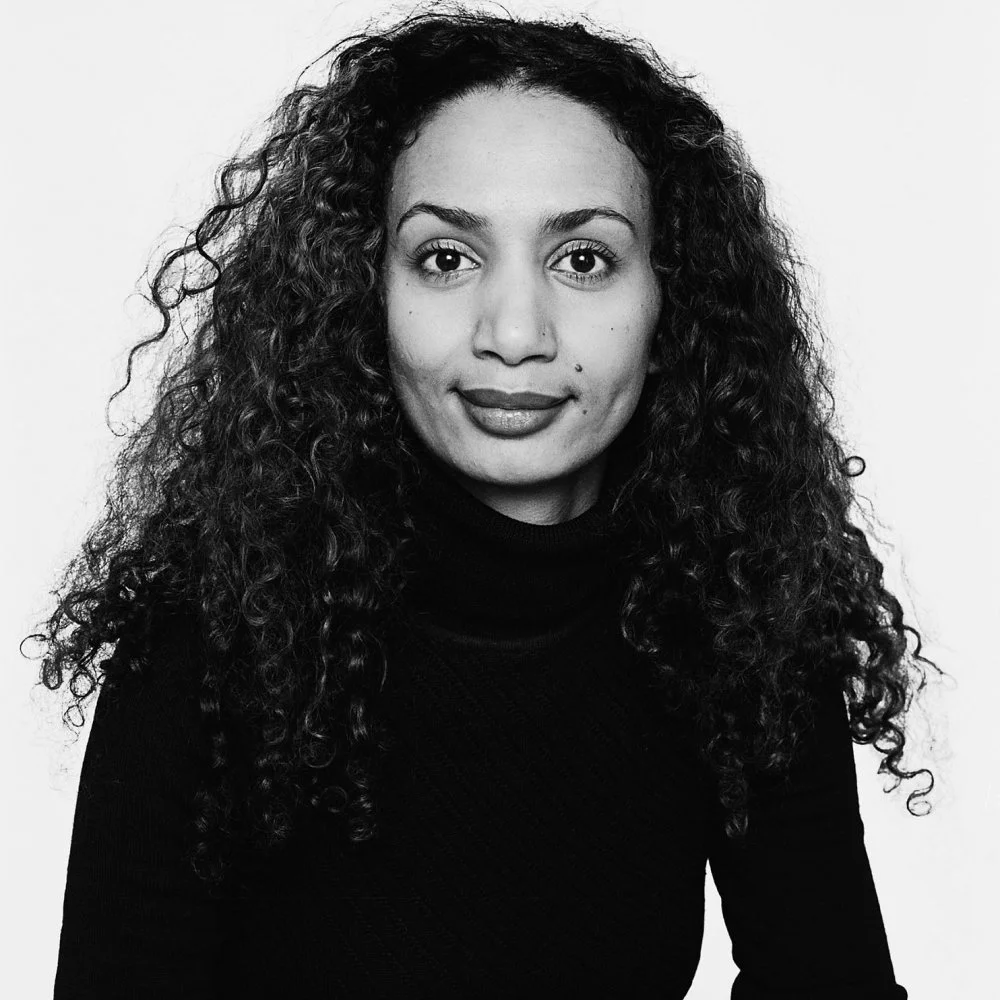
Ellen Nyman is a trained actress and has a practice in theater, film, and television, in both Denmark and Sweden. Ellen is a PhD candidate at Stockholm University of the Arts, in the Acting Department with a focus on how black actors in Sweden and Denmark create strategies to navigate within the white gaze, a perspective that surrounds cultural institutions, aesthetic norms and the audience in a historical and national context. The aim is to shed light on the interplay between the conscious work with the body as a symbolic tool and the site-specific influence on how race / ethnicity is constructed.
Nyman was a member of the Danish Arts Council 2007-2011 and returned to Stockholm in 2011. From 2016-18 she was an expert at the Nordic Culture Fund and at the moment, she is a member of the board of the Swedish Arts Council.
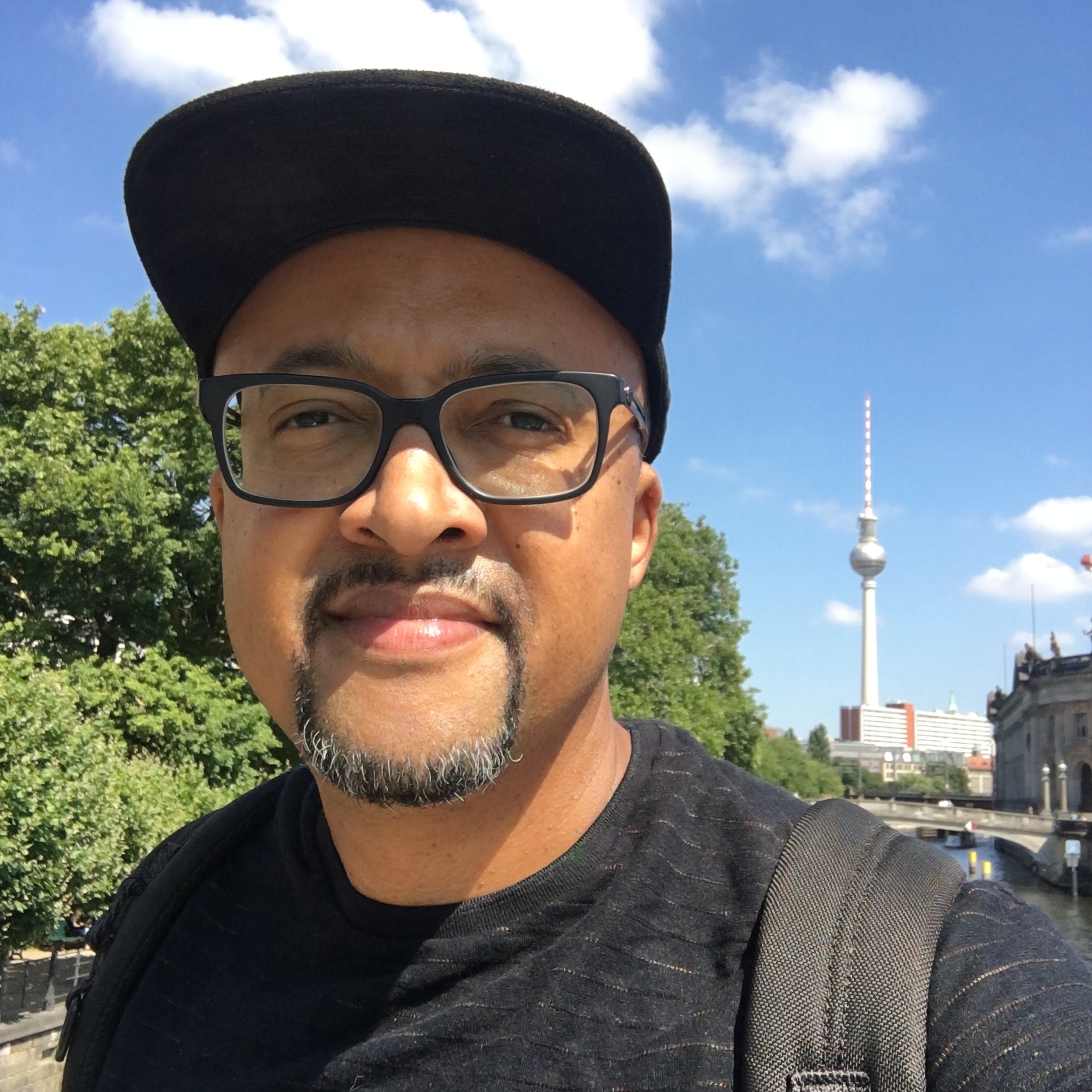
Tavia Nyong'o
Professor, Performance Studies, Yale University
Tavia Nyong'o is a professor of performance studies at Yale University, where he teaches in the American Studies, African American Studies, Women's, Gender, & Sexuality Studies and Theater Studies programs. His books include The Amalgamation Waltz: Race, Performance, and the Ruses of Memory (2009) and Afro-Fabulations: The Queer Drama of Black Life (2018).
Tavia Nyong’o
Professor, Performance Studies, Yale University

Tavia Nyong'o is a professor of performance studies at Yale University, where he teaches in the American Studies, African American Studies, Women's, Gender, & Sexuality Studies and Theater Studies programs. His books include The Amalgamation Waltz: Race, Performance, and the Ruses of Memory (2009) and Afro-Fabulations: The Queer Drama of Black Life (2018). He is working on two current research projects — a study of Samuel Delany and the emergence of queer of color speculation, and a set of essays considering cultural appropriation through the lens of queer East African aesthetic production. He is a longstanding member of the Social Text editorial collective and co-edits the Sexual Cultures book series with Ann Pellegrini and Joshua Chambers-Letson.
Working Group Affiliation