
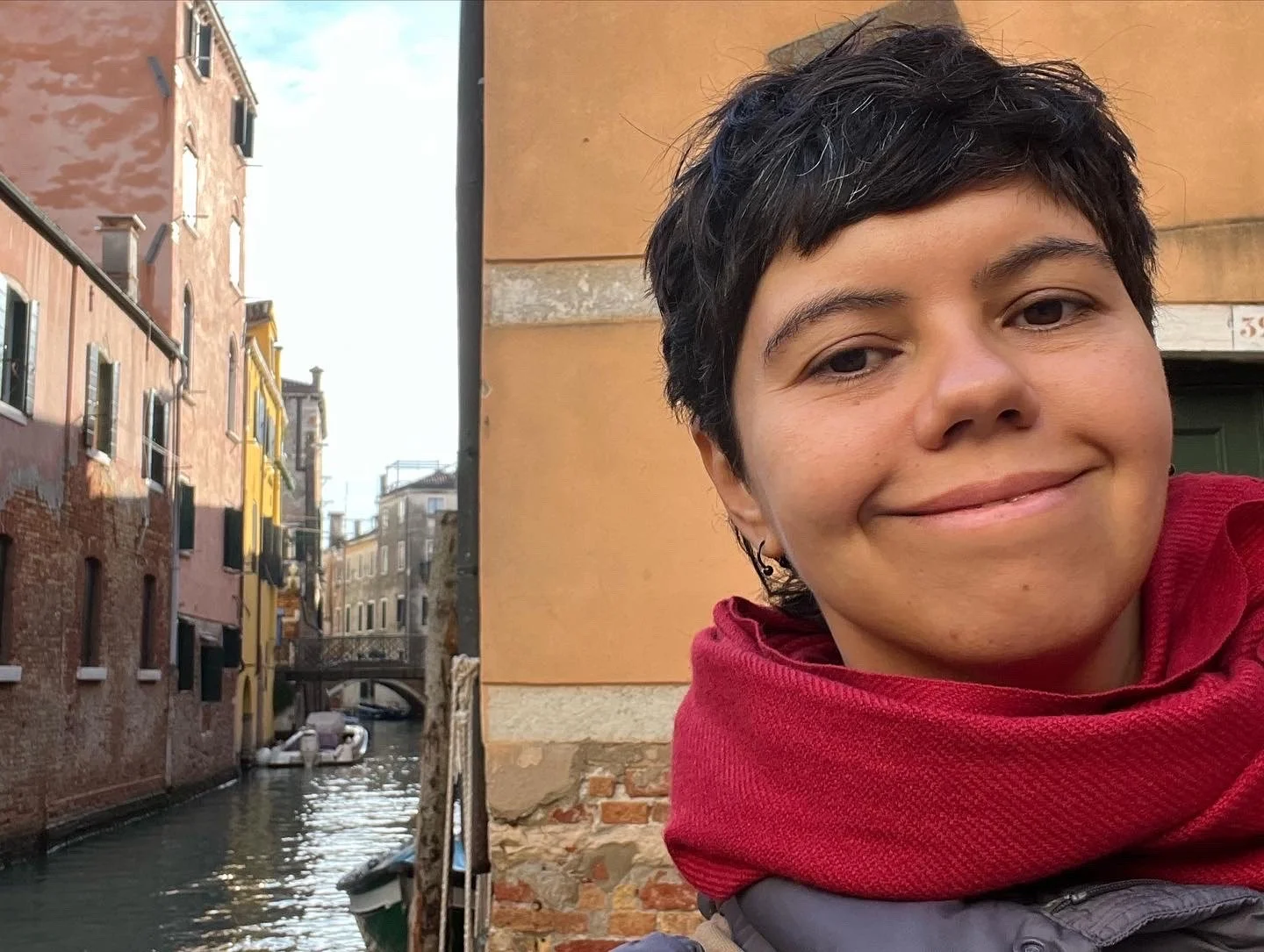
Isadora Lins França
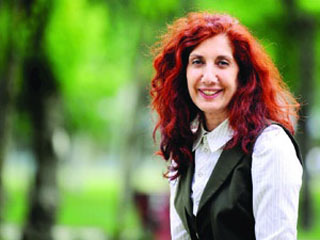
Isadora Lins França is Assistant Professor in the Department of Anthropology and researcher of the Pagu Center for Gender Studies, both at the University of Campinas, Unicamp (Brazil).
Isadora Lins França
Isadora Lins França is Assistant Professor in the Department of Anthropology and researcher of the Pagu Center for Gender Studies, both at the University of Campinas, Unicamp (Brazil). She is currently a fellow of the Summer Program in Social Sciences from the Institute for Advanced Studies (IAS), at Princeton, and visiting scholar in the Department of Latin American and Iberian Studies (LAIC) at Columbia University in the City of New York.
Isadora França has been working with gender and sexuality in the last decades, dedicating herself tothe articulation between differences and inequalities in the production of categories and subjects. In the last ten years, she has been working with mobilities, gender and sexuality, conducting fieldwork in Brazil, Spain and United States with queer migrants and refugees.
Working Group: Refugee Cities
Anette Freytag
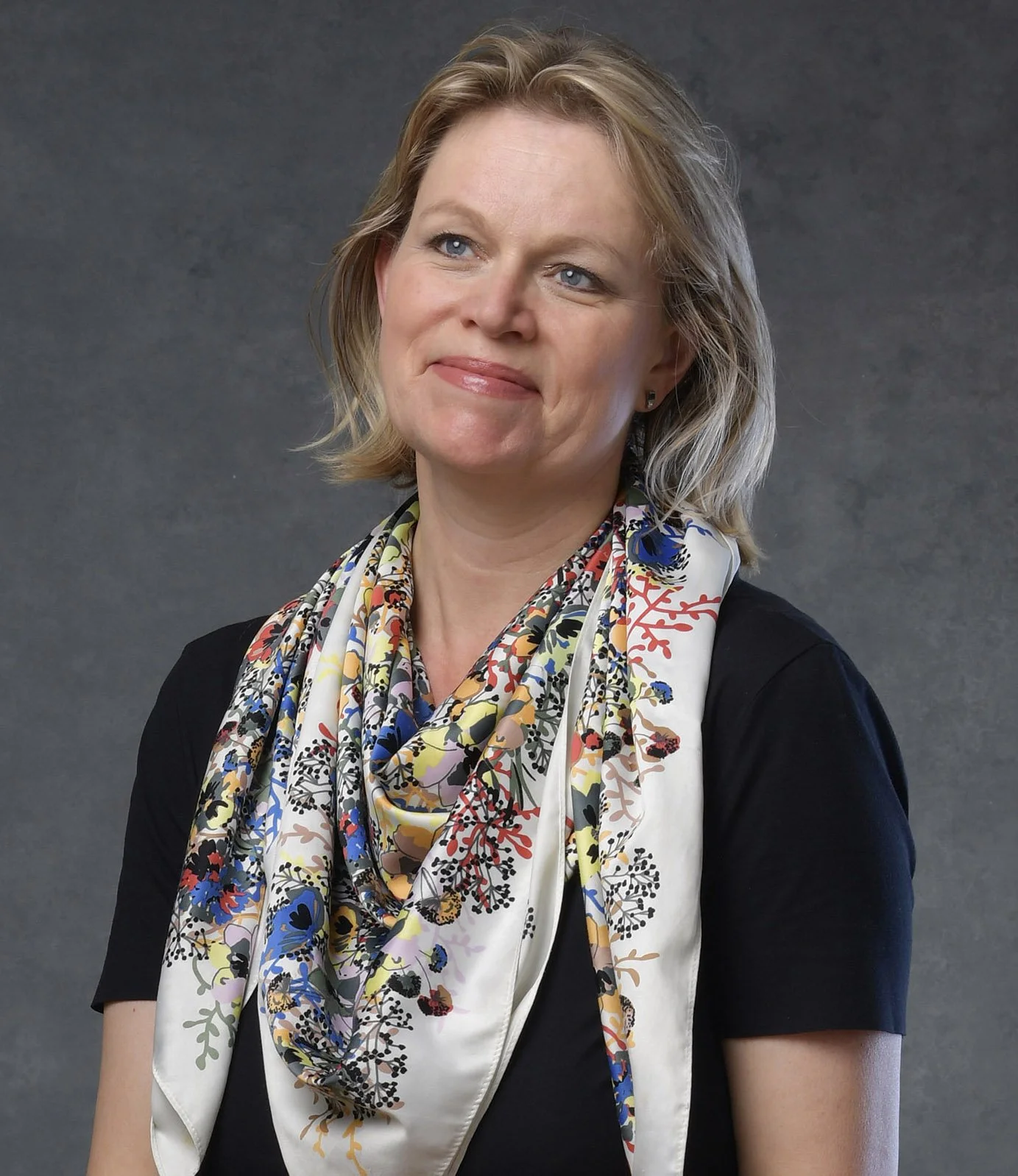
Anette Freytag is a Professor of Landscape Architecture (History, Theory and Design) at Rutgers University and an award-winning scholar, educator, and critic. Her research focuses on designed landscapes from the 19th century to the contemporary practice with a particular emphasis on topology, phenomenology and walking. In her latest book The Landscapes of Dieter Kienast (Zurich: gta Verlag 2021) she shows how this Swiss landscape architect renewed the aesthetics for designing with nature in the city through his love for spontaneous vegetation and his doctorate in phytosociology. After the environmental movement of the 1970s and 1980s, Kienast reoriented the profession of landscape architecture with form driven designs while reinforcing plant knowledge. Anette Freytag’s books have been honored with a J. B. Jackson Book Prize, a European Garden Book Award, a DAM Architectural Book Award and many more. Before joining Rutgers University, Anette has taught at ETH Zurich, the University of Basel and the University of Innsbruck. In 2019, co-founded the AIR Collaborative (Arts Integration Research Collaborative) which prioritizes creative placemaking to foster spatial justice through projects that seek safe access to nature for all.
Zeynep Gambetti
Fellow, Political Science & International Relations, Boğaziçi University
Zeynep Gambetti is Associate Professor of political theory at Boğazici University. She obtained her Ph. D. at the University of Paris VII in 1999. Her work focuses on collective agency, ethics, and public space. She has carried out extensive research on the transformation of the conflict between the Turkish state and the Kurdish movement, with particular emphasis on space as a vector of relationality.
Zeynep Gambetti
Associate Professor, Political Science & International Relations, Boğaziçi University

Zeynep Gambetti is Associate Professor of political theory at Boğazici University. She obtained her Ph. D. at the University of Paris VII in 1999. Her work focuses on collective agency, ethics, and public space. She has carried out extensive research on the transformation of the conflict between the Turkish state and the Kurdish movement, with particular emphasis on space as a vector of relationality. She collaborated with Joost Jongerden to edit the special issue of The Journal of Balkan and Near Eastern Studies on the spatial dimensions of the Kurdish question in Turkey. She has also published several theoretical articles and book chapters on Hannah Arendt’s political thought and subjectivity, in particular, “The Agent Is the Void! From the Subjected Subject to the Subject of Action,” Rethinking Marxism (2005) and “Conflict, ‘commun-ication’ and the role of collective action in the formation of public spheres” in Seteney Shami (ed), Publics, Politics and Participation: Locating the Public Sphere in the Middle East and North Africa (SSRC Publications, 2009). She is the co-editor of Rhetorics of Insecurity: Belonging and Violence in the Neoliberal Era (New York University Press, 2013), and of The Kurdish issue in Turkey: A Spatial Perspective, London/New York, Routledge, 2015. Among her forthcoming publications are Judith Butler, Zeynep Gambetti, and Leticia Sabsay (eds), Vulnerability in Resistance: Politics, Feminism, Theory, Durham, NC., Duke University Press, 2016.
Working Group Affiliation




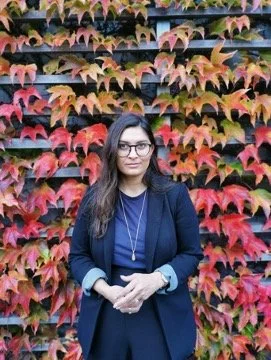
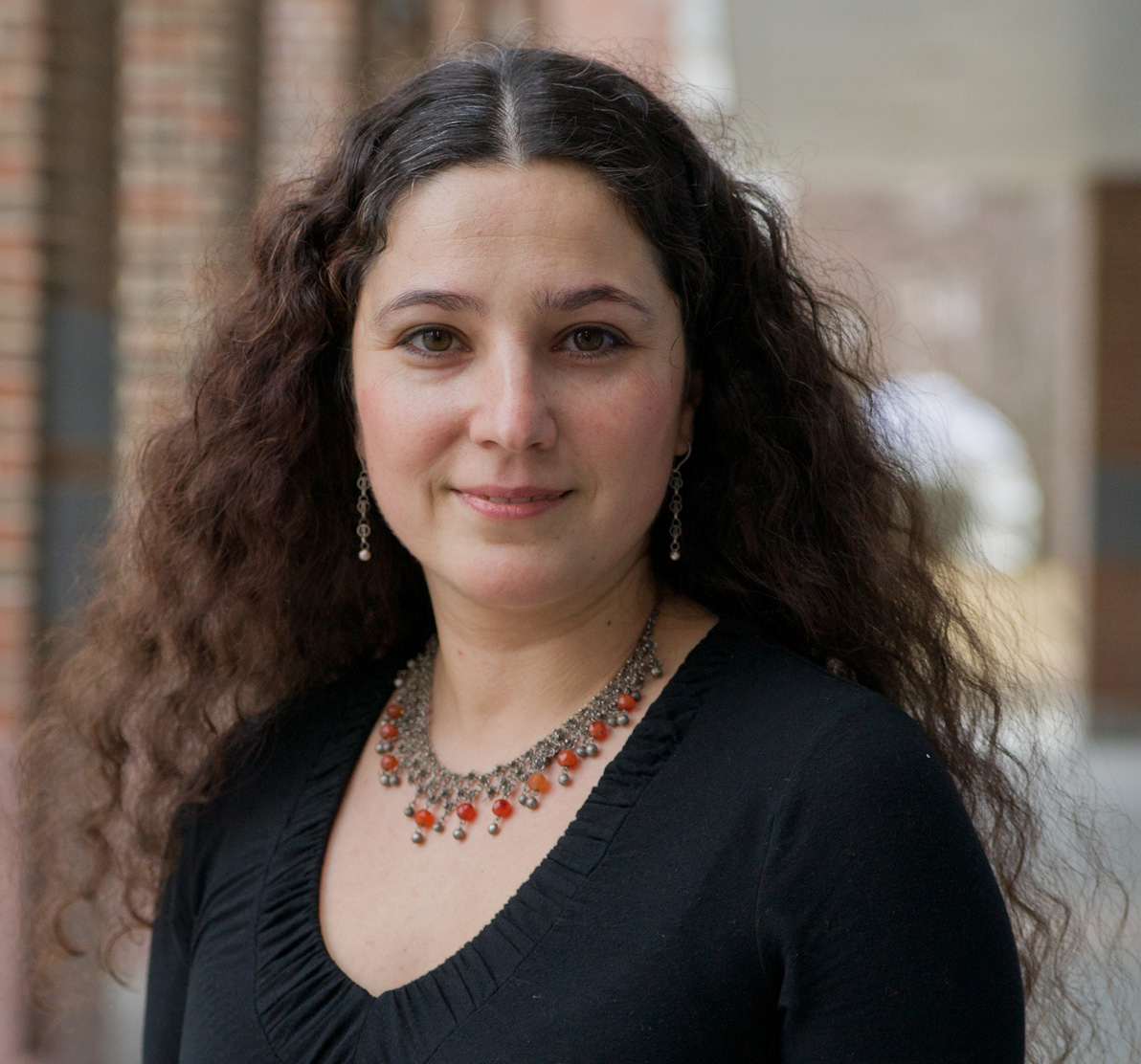


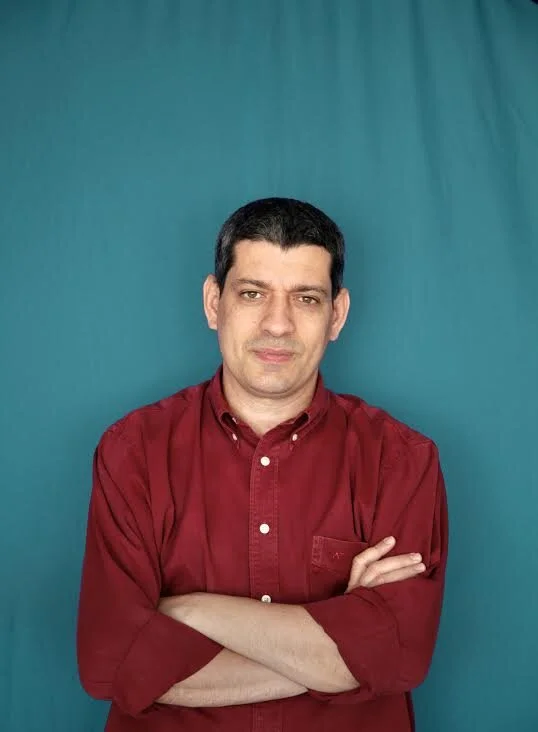











Rebecca Garden
Fellow, Bioethics and Humanities, Upstate Medical University
Rebecca Garden, PhD, is Associate Professor in the Center for Bioethics and Humanities at Upstate Medical University in Syracuse, NY. She received her doctorate from Columbia University’s Department of English and Comparative Literature. She has published on empathy, the humanities, and medicine in New Literary History and the Journal for General Internal Medicine and on narrative, Deafness, and disability in Perspectives in Biology and Medicine, the Journal of Medical Humanities, Medical Humanities, and the Journal of Clinical Ethics.
Rebecca Garden
Associate Professor, Center for Bioethics and Humanities, Upstate Medical University
Rebecca Garden, PhD, is Associate Professor in the Center for Bioethics and Humanities at Upstate Medical University in Syracuse, NY. She received her doctorate from Columbia University’s Department of English and Comparative Literature. She has published on empathy, the humanities, and medicine in New Literary History and the Journal for General Internal Medicine and on narrative, Deafness, and disability in Perspectives in Biology and Medicine, the Journal of Medical Humanities, Medical Humanities, and the Journal of Clinical Ethics. Garden teaches the health humanities, disability studies, and bioethics to nurses, public health students, medical students, residents, and hospital social workers, as well as liberal arts undergraduates. She also co-leads a graduate course in social research that investigates Deaf communication in the health care setting, which is part of the Campaign for Deaf Access: Expanding Communication in Health Care research project. She is Executive Director of the Consortium for Culture and Medicine, an inter-institutional and inter-disciplinary research and education collaborative, and serves on the editorial boards of the Journal of Medical Humanities and Ars Medica: A Journal of Medicine, the Arts, and Humanities.

Annapurna Garimella
Fellow, Art Historian, California State University
Dr. Annapurna Garimella is a designer and an art historian. Her research focuses on late medieval Indic architecture and the history and practices of vernacular visual and built cultures in India after Independence.
Annapurna Garimella
Independent Scholar, Art Historian, Designer
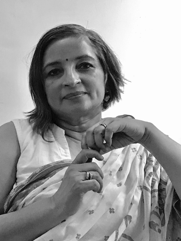
Dr. Annapurna Garimella is a designer and an art historian. Her research focuses on late medieval Indic architecture and the history and practices of vernacular visual and built cultures in India after Independence. She is co-editor of The Contemporary Hindu Temple: Fragments for a History (2019) and editor of The Long Arc of South Asian Art: A Reader in Honor of Vidya Dehejia (New Delhi: Women Unlimited, 2021). Digesting the Past: The Discourse of Sacralized Architectural Renovation in Southern India (14th-17th Centuries) is her book manuscript under preparation. Garimella is the Managing Trustee of Art, Resources and Teaching Trust. She also heads Jackfruit Research and Design, an organization with a specialized portfolio of design, research and curation. Jackfruit’s recent curatorial projects include Vernacular, in the Contemporary (Devi Art Foundation, New Delhi 2010-11), Mutable: Ceramic and Clay Art in India Since 1947 (Piramal Museum of Art, 2017), and Barefoot College of Craft in Goa (Serendipity Arts Festival, 2017-18).
Working Group Affiliation
Amal Ghandour
Fellow, International Policy, Stanford University
Amal Ghandour is Strategy Adviser to Ruwwad al Tanmeyah, a regional community development initiative, and Special Adviser to Columbia University Global Centers, Middle East. Ghandour’s career spans two decades in the fields of research and communication. An author (About This Man Called Ali) and a blogger (Thinking Fits), Ghandour holds an MS in International Policy from Stanford University and a BSFS from Georgetown University.
Amal Ghandour
Amal Ghandour is Strategy Adviser to Ruwwad al Tanmeyah, a regional community development initiative, and Special Adviser to Columbia University Global Centers, Middle East. Ghandour’s career spans two decades in the fields of research and communication. An author (About This Man Called Ali) and a blogger (Thinking Fits), Ghandour holds an MS in International Policy from Stanford University and a BSFS from Georgetown University.
Working Group Affiliation
Hala Ghosheh
Fellow, Gender Social Fund, Jordon
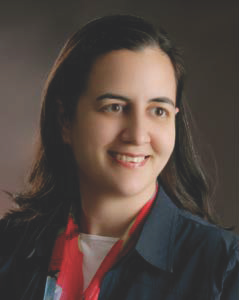
Hala Ghosheh is a gender expert and development consultant, who was the Director of the five year Gender Social Fund in Jordan. She specializes in sustainable development work with focus on women and youth. Her experience includes working on policy, institutional and local community levels in several countries in the region. She has worked on program management, design, development and monitoring and evaluation, organizational gender reviews and conducting qualitative research to assess the status of women and youth in different contexts.
Hala Ghosheh
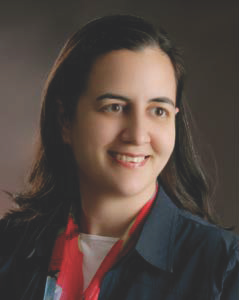
Hala Ghosheh is a gender expert and development consultant, who was the Director of the five year Gender Social Fund in Jordan. She specializes in sustainable development work with focus on women and youth. Her experience includes working on policy, institutional and local community levels in several countries in the region. She has worked on program management, design, development and monitoring and evaluation, organizational gender reviews and conducting qualitative research to assess the status of women and youth in different contexts. She has also provided policy consultation to national committees and international NGOs on issues of mainstreaming gender, women economic empowerment, youth employability, policy initiatives and program development. She was a founding and board member of the first microfinance institution for women in Jordan and currently, is a council member of the Information Research Center – King Hussein Foundation.
Working Group Affiliation

Wanjiru Gichuhi
Fellow, Population and Research Institute, University of Nairobi
Wanjiru Gichuhi is a Senior Lecturer at the Population Studies and Research Institute of the University of Nairobi. A social demographer, her research focuses on population, health, rural/community and gender issues that have development and social policy implications. Specific interests include family dynamics, maternal/child survival, reproductive health, FP/HIV/AIDS, livelihood and food security issues.
Wanjiru Gichuhi
Senior Lecturer, Population and Research Institute, University of Nairobi

Wanjiru Gichuhi is a Senior Lecturer at the Population Studies and Research Institute of the University of Nairobi. A social demographer, her research focuses on population, health, rural/community and gender issues that have development and social policy implications. Specific interests include family dynamics, maternal/child survival, reproductive health, FP/HIV/AIDS, livelihood and food security issues. She has served as a consultant, project coordinator,and research fellow on a variety of development project appointments within Kenya and beyond. She has keen interest in research and monitoring and evaluation. Gichuhi received her Ph.D. from Pennsylvania State University.
Working Group Affiliation
The Rural-Urban Interface: Gender and Poverty in Ghana and Kenya, Statistics and Stories
Faye Ginsburg
Fellow, Anthropology, New York University
Faye Ginsburg is David B. Kriser Professor of Anthropology at NYU where is is also Director of the Center for Media, Culture and History, Co-Director of the NYU Council for the Study of Disability, and Co-Director of the Center for Religion and Media. Prizewinning author/editor of four Her research focuses on movements for social transformation, from her early work on abortion activists, to her longstanding research on indigenous media, to her current work, with Rayna Rapp, on cultural innovation and learning disabilities.
Faye Ginsburg
David B. Kriser Professor of Anthropology, NYU

Faye Ginsburg is David B. Kriser Professor of Anthropology at NYU where is is also Director of the Center for Media, Culture and History, Co-Director of the NYU Council for the Study of Disability, and Co-Director of the Center for Religion and Media. Prizewinning author/editor of four Her research focuses on movements for social transformation, from her early work on abortion activists, to her longstanding research on indigenous media, to her current work, with Rayna Rapp, on cultural innovation and learning disabilities. She collaborated for several years with Lawrence Carter Long on the Dis This screening series at NYU, and is on the advisory board of the Reelabilities Film Festival. She is parent to a daughter with the rare degenerative genetic condition, Familial Dysautonomia and is Vice President of the Familial Dysautonomia Foundation.
Working Group Affiliation

Marcial Godoy-Anativia
Fellow, Performance and Politics, New York University
Marcial Godoy-Anativia is a sociocultural anthropologist and the Associate Director of the Hemispheric Institute of Performance and Politics at New York University. He is co-editor, with Zeynep Gambetti, of Rhetorics of Insecurity: Belonging and Violence in the Neoliberal Era (NYU Press, forthcoming 2013). He is also Editor, with Jill Lane, of e-misférica, the Institute's trilingual online journal. From 2000-2007, he worked in the Program on Latin America and the Caribbean and the Program on International Collaboration at the Social Science Research Council.
Marcial Godoy-Anativia
Associate Director, Hemispheric Institute of Performance and Politics, New York University

Marcial Godoy-Anativia is a sociocultural anthropologist and the Associate Director of the Hemispheric Institute of Performance and Politics at New York University. He is co-editor, with Zeynep Gambetti, of Rhetorics of Insecurity: Belonging and Violence in the Neoliberal Era (NYU Press, forthcoming 2013). He is also Editor, with Jill Lane, of e-misférica, the Institute's trilingual online journal. From 2000-2007, he worked in the Program on Latin America and the Caribbean and the Program on International Collaboration at the Social Science Research Council. His publications include “Between the Hammer and the Anvil: Middle East Studies in the Aftermath of 9/11,” (with Seteney Shami), “We Are Living in a Time of Pillage: A Conversation with Carlos Monsiváis” and Ciudades Translocales: Espacios, flujo, representación—Perspectivas desde las Américas, co-edited with Rossana Reguillo. He serves on the Board of Directors of the North American Congress on Latin America (NACLA) and on the Editorial Committee of NACLA: Report on the Americas.
Working Group Affiliation

Ximena Goecke
Fellow, History and English, Universidad de Las Américas (UDLA)
Ximena Vanessa Goecke S. is a chilean-jewish historian and a teacher of History and English, candidate to the degree of Magister in Gender and Culture in the Faculty of Humanities at Universidad de Chile. She teaches some courses in the Faculty of Education at Universidad de las Américas (UDLA) and in the English as Foreign Language area at Universidad Católica.
She participates in the research nucleus in “Body and Emotion” of the Faculty of Social Sciences at Universidad de Chile, as a member of the research section in “Body, memory and violence”.
Ximena Goecke
Universidad de Chile

Ximena Vanessa Goecke S. is a chilean-jewish historian and a teacher of History and English, candidate to the degree of Magister in Gender and Culture in the Faculty of Humanities at Universidad de Chile. She teaches some courses in the Faculty of Education at Universidad de las Américas (UDLA) and in the English as Foreign Language area at Universidad Católica.
She participates in the research nucleus in “Body and Emotion” of the Faculty of Social Sciences at Universidad de Chile, as a member of the research section in “Body, memory and violence”.
Ms Goecke is interested in the study of generational memories and diaspora as a result of political violence and intolerance. In previous works she has written about the Latin American experiences during the Dictatorships of the second half of the XXth century.
She has written some articles already regarding to the memory of the Shoah in the Chilean Jewish Community, the memoralization of the Shoah in Chile (through monuments) and on the autobiographies written by survivors who migrated to Chile.
Currently, she is writing her thesis based on the study of the testimonies of Shoah survivors that migrated to Chile between Kristallnacht and the end of the IIWW from a gendered point of view. This is the first consistant research ever made on this topic and with these sources in Chile, and she is interested in continue developing this research venue in her future PhD studies.
Since 2012, she is a volunteer for the educational projects of “Memoria Viva” Foundation, leading its educational projects.
Last year she attended as a Fellow to the Curt and Else Silberman Summer Seminar at USHMM (Washington) and presented Foundation’s projects and experiences in a Seminar in Shoah Education in Buenos Aires Argentina, organized by Anne Frank’s House and ITF. She was also a 2013 Fellow in the program “Bridges to History” study trip to New York and Poland organized by the Auschwitz Jewish Center.
Working Group Affiliation

Tao Goffe
Fellow, Social and Cultural Analysis, New York University
Tao Leigh Goffe is Assistant Professor and Faculty Fellow of Social and Cultural Analysis at New York University. Goffe joined the NYU faculty in 2016, prior to which she held a postdoctoral fellowship at Princeton University and was a lecturer at Hunter College, CUNY.
Born in London and raised between the UK and US, she is an interdisciplinary scholar and cultural critic specializing in the literatures and vernaculars that emerge from histories of imperialism, migration, and globalization. She works at the intersections of Black Atlantic, Asian American, and Caribbean culture.
Tao Goffe
Assistant Professor and Faculty Fellow of Social and Cultural Analysis, New York University
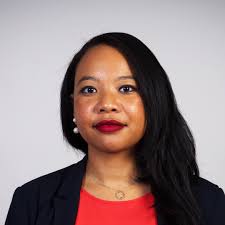
Tao Leigh Goffe is Assistant Professor and Faculty Fellow of Social and Cultural Analysis at New York University. Goffe joined the NYU faculty in 2016, prior to which she held a postdoctoral fellowship at Princeton University and was a lecturer at Hunter College, CUNY.
Born in London and raised between the UK and US, she is an interdisciplinary scholar and cultural critic specializing in the literatures and vernaculars that emerge from histories of imperialism, migration, and globalization. She works at the intersections of Black Atlantic, Asian American, and Caribbean culture. From the Afromodernism of reggae soundsystems to the orientalism of Hollywood’s yellowface cinema, Goffe tackles the scripting of race and sexuality in American media and performance. Her research is preoccupied with how the history of abolition, indenture, and decolonization frame the transpacific and transatlantic entanglements of African and Asian diasporas.
Her book manuscript “Enmeshed Intimacies: Sensing Afro-Asia in the Atlantic” assembles a sensate archive of recipes, playlists, and photo albums to trace the mysterious figure of the “coolie gal.” She is coediting a special issue on Caribbean runways and runaways that maps fashioning, fugitvity, beauty pageantry, and flight in the shaping of modern womanhood. Goffe’s writing is featured in Small Axe salon, Transforming Anthropology, and Anthurium among other journals. She is the recipient of fellowships through which she has undertaken archival research in London, Shanghai, and Kingston.
In addition to her academic work, she is a DJ.
Working Group Affiliation
Nilüfer Göle
Fellow, Sociology, L'École des Hautes études en Sciences Sociales, Paris
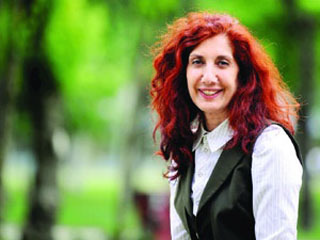
Nilüfer Göle is Professor of Sociology at the Ecole des Hautes Etudes en Sciences Sociales (EHESS) in Paris. She works on Islamic visibility in European public spaces and the debates it engenders on religious and cultural difference. Her sociological approach aims to open up a new reading of modernity from a non-western perspective and a broader critique of Eurocentrism in the definitions of secular modernity. She is the author of Islam in Europe: The Lure of Fundamentalism and the Allure of Cosmopolitanism (2010) and The Forbidden Modern: Civilization and Veiling (1997).
Nilüfer Göle
Professor of Sociology, L'École des Hautes études en Sciences Sociales, Paris
Nilüfer Göle is Professor of Sociology at the Ecole des Hautes Etudes en Sciences Sociales (EHESS) in Paris. She works on Islamic visibility in European public spaces and the debates it engenders on religious and cultural difference. Her sociological approach aims to open up a new reading of modernity from a non-western perspective and a broader critique of Eurocentrism in the definitions of secular modernity. She is the author of Islam in Europe: The Lure of Fundamentalism and the Allure of Cosmopolitanism (2010) and The Forbidden Modern: Civilization and Veiling (1997). She is member of the Executive Committee of the Istanbul Seminars. Director of EuropeanPublicIslam at the European Research Council Project 2008-2012.
Meena Gopal
Fellow, Women’s Studies, Tata Institute of Social Sciences
Meena Gopal works at the Centre for Women's Studies, Tata Institute of Social Sciences, in Mumbai, India and is also a member of the autonomous feminist collective, Forum Against Oppression of Women, Bombay.
Meena Gopal
Associate Professor, Tata Institute of Social Sciences
Research Interest: Feminist Theories, Feminist Research Methodologies, Violence against women, socialization, Sexuality and sexual violence
Affiliation: Advanced Centre for Women's Studies, School of Development Studies
Qualification: M.A. (University of Madras), M.Phil. (University of Madras), Ph.D. (JNU, New Delhi)
Gayatri Gopinath
Fellow, Gender and Sexuality, New York University
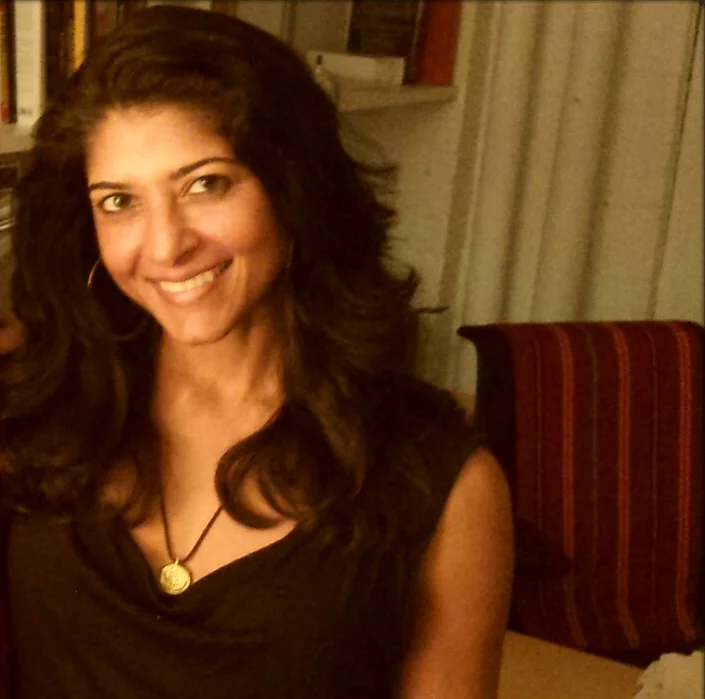
Gayatri Gopinath is Associate Professor in the Department of Social and Cultural Analysis, and the Director of the Center for the Study of Gender and Sexuality at New York University. She works at the intersection of transnational feminist and queer studies, postcolonial studies, and diaspora studies, and is the author of Impossible Desires: Queer Diasporas and South Asian Public Cultures (Duke UP, 2005), and Unruly Visions: The Aesthetic Practices of Queer Diaspora (forthcoming from Duke UP in November 2018).
Gayatri Gopinath
Associate Professor, Department of Social and Cultural Analysis, Director of the Center for the Study of Gender and Sexuality, New York University

Gayatri Gopinath is Associate Professor in the Department of Social and Cultural Analysis, and the Director of the Center for the Study of Gender and Sexuality at New York University. She works at the intersection of transnational feminist and queer studies, postcolonial studies, and diaspora studies, and is the author of Impossible Desires: Queer Diasporas and South Asian Public Cultures (Duke UP, 2005), and Unruly Visions: The Aesthetic Practices of Queer Diaspora (forthcoming from Duke UP in November 2018). She has published numerous essays on gender, sexuality, and queer diasporic cultural production in journals such as Journal of Middle East Women’s Studies, GLQ, Social Text, and positions.
Recent articles and book chapters include: “Queer Visual Excavations: Akram Zaatari, Hashem El Madani, and the Reframing of History in South Lebanon,” Journal of Middle East Women’s Studies 13:2 (July 2017); “Who’s Your Daddy? Queer Diasporic Reframings of the Region,” in The Sun Never Sets: South Asians in the Age of US Empire, eds. Vivek Bald et al (NYU Press, 2013); “Archive, Affect and the Everyday: Queer Diasporic Re-Visions” in Political Emotions, eds. Ann Cvetkovich et al (Routledge, 2010) and “Queer Regions: Locating Lesbians in Sancharram,” in The Blackwell Companion to LGBT Studies, edited by Molly McGarry and George Haggerty (Blackwell, 2007).
Working Group Affiliation
Linda Gordon
Fellow, History, New York University
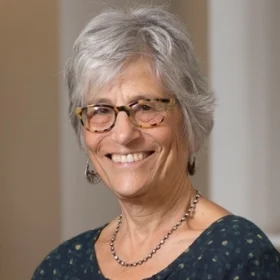
Linda Gordon is a professor of history and a University Professor of the Humanities at New York University. Her early books focused on the historical roots of social policy issues, particularly as they concern gender and family issues. More recently, she has explored other ways of presenting history to a broad audience, publishing the microhistory The Great Arizona Orphan Abduction(Harvard University Press, 1999) and the biography Dorothea Lange: A Life beyond Limits (W.W. Norton, 2009), both of which won the Bancroft Prize. She is one of only three historians to have won this award twice.
Linda Gordon
Department of History, New York University
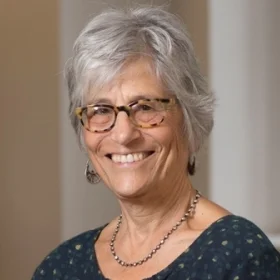
Linda Gordon is a professor of history and a University Professor of the Humanities at New York University. Her early books focused on the historical roots of social policy issues, particularly as they concern gender and family issues. More recently, she has explored other ways of presenting history to a broad audience, publishing the microhistory The Great Arizona Orphan Abduction(Harvard University Press, 1999) and the biography Dorothea Lange: A Life beyond Limits (W.W. Norton, 2009), both of which won the Bancroft Prize. She is one of only three historians to have won this award twice.
Gordon is writing about social movements in the 20th-century United States, including not only progressive movements such as the New Left and the women's liberation movement, but also right-wing movements such as the Ku Klux Klan. She is also examining New Deal (1930s) artists and photographers as part of an artistic social movement, considering the contributions and limitations of art that attempts to support social justice.
Gordon holds a BA from Swarthmore College and a PhD from Yale University. She has won many prizes and fellowships, including the Albert J. Beveridge Award for best history book on any part of the Americas, the Berkshire Conference of Women Historians Book Prize, and the Los Angeles Times Book Prize in biography; American Council of Learned Societies, Bunting Institute, and Guggenheim fellowships; and a grant from the National Institute of Mental Health for her work on family violence.
Working Group Affiliation

Alo Gorozpe
Fellow, Performance Arts, Brooklyn College
Alo Gorozpe is an artist, curator and community organizer. Born in Mexico City, Alo has a bachelor in Architecture from Universidad Iberoamericana (México City) and an MFA in Performance Arts from Brooklyn College. Alo´s most recent artistic and curatorial work presents itself as a series of communal performances in public spaces.
Alo Gorozpe
Artist, Curator, and Community Organizer

Alo Gorozpe is an artist, curator and community organizer. Born in Mexico City, Alo has a bachelor in Architecture from Universidad Iberoamericana (México City) and an MFA in Performance Arts from Brooklyn College. Alo´s most recent artistic and curatorial work presents itself as a series of communal performances in public spaces. As part of his community-driven process, Alo proposes the design and production of his performances as community building activities that lead up to shared transformative experiences. As a public performance designer and curator, Alo has collaborated with a diverse array of artists, institutions and communities both in Mexico and New York City. For more information on his work visit: www.alonsogorozpe.com
Working Group Affiliations
Zip Code Memory Project: Practices of Justice and Repair, Social Engagement Project

Milena Grass
Fellow. Theater Scholar, Pontificia Universidad Católica de Chile
Milena Grass Kleiner, translator and theater scholar, is a professor at Pontificia Universidad Católica de Chile. She holds a master's degree in Latin American Studies from Universidad de Chile and a PhD in Literature from Pontificia Universidad Católica de Chile. She has published Spanish translations of English, American, and French plays, as well as books on Chilean history and theater studies. Her main fields of research have been theater and ritual, history, and memory in post-conflict contexts.
Milena Grass
Milena Grass Kleiner, translator and theater scholar, is a professor at Pontificia Universidad Católica de Chile. She holds a master's degree in Latin American Studies from Universidad de Chile and a PhD in Literature from Pontificia Universidad Católica de Chile. She has published Spanish translations of English, American, and French plays, as well as books on Chilean history and theater studies. Her main fields of research have been theater and ritual, history, and memory in post-conflict contexts. Her longstanding work on practice and research methodologies can be found in the book La investigación de los procesos teatrales: Manuel de uso (Santiago: Frontera Sur/Ediciones Apuntes, 2011). From 1996 to 2004 she was the manager of Teatro UC, the professional theater of the Pontificia Universidad Católica de Chile, created in 1943. Since the year 2008, she has been the director of the drama school at the Pontificia Universidad Católica de Chile.
Working Group Affiliation
Urmila Bhirdikar
Professor, Delhi University
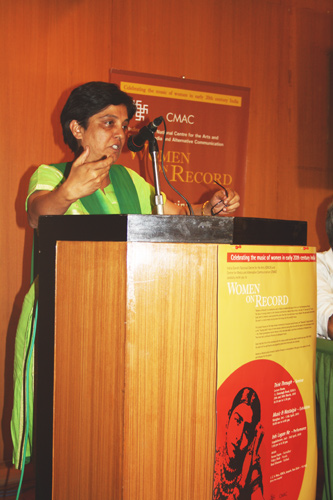
Urmila Bhirdikar has MA in English and Sociology, M Phil in English and has recently submitted her Ph D thesis entitled “ A Sociological Study of the Practice of Female Impersonation in Marathi Theatre in the 19th and Early 20th Century”, from the Department of Sociology, University of Delhi. She has taught English literature in H V Desai College Pune and in Mahindra United World College of India, Pune. She has trained in North Indian Classical vocal music and was invited to teach a course in Music and Modernity at JNU in 2006 and 2010.
Urmila Bhirdikar
Professor, Delhi University
Urmila Bhirdikar has MA in English and Sociology, M Phil in English and has recently submitted her Ph D thesis entitled “ A Sociological Study of the Practice of Female Impersonation in Marathi Theatre in the 19th and Early 20th Century”, from the Department of Sociology, University of Delhi. She has taught English literature in H V Desai College Pune and in Mahindra United World College of India, Pune. She has trained in North Indian Classical vocal music and was invited to teach a course in Music and Modernity at JNU in 2006 and 2010. Her research interests are in the fields of translation studies and practice, gender and sexuality, performance studies and narrative and literary theory.
