
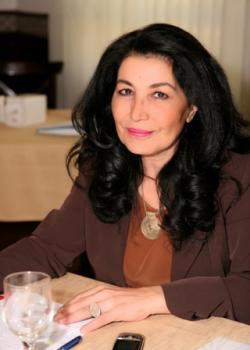
Nabila Hamza
President, Foundation for the Future
Mrs. Nabila Hamza is the President of the Foundation for the Future, (FFF) an independent, international nonprofit organizationsupporting the civil society initiatives in their efforts to promote democracy and human rights in the MENA region. Prior to her work at the Foundation for the Future, Mrs. Hamza served as the Executive Director of the Center of Arab Women for Training and Research (CAWTAR). She has worked as an Expert in the Arab League for 10 years, in addition to having fulfilled numerous consulting missions in the region.
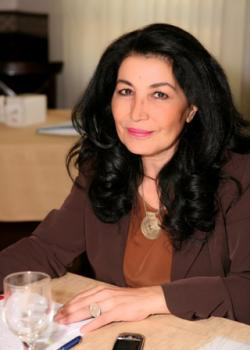
Nabila Hamza
President, Foundation for the Future
Mrs. Nabila Hamza is the President of the Foundation for the Future, (FFF) an independent, international nonprofit organizationsupporting the civil society initiatives in their efforts to promote democracy and human rights in the MENA region. Prior to her work at the Foundation for the Future, Mrs. Hamza served as the Executive Director of the Center of Arab Women for Training and Research (CAWTAR). She has worked as an Expert in the Arab League for 10 years, in addition to having fulfilled numerous consulting missions in the region. She also has a broad experience in project management and program coordination. She has contributed in the UNDP the Human Development Report (1994).She is a founding member in many Tunisian women NGOs and is member of various international boards and scientific committees in African and Arab countries. Mrs. Hamza has many publications on social development, poverty, globalization, civil societyand gender issues.
Kristin Hankins
Ph.D. candidate, American Studies, Yale University
Kristin Hankins is a Ph.D. candidate in American Studies at Yale University. She holds a B.A. in Urban Studies from the University of Pennsylvania and previously worked as a program, project, and exhibition coordinator at a non-profit public art organization.
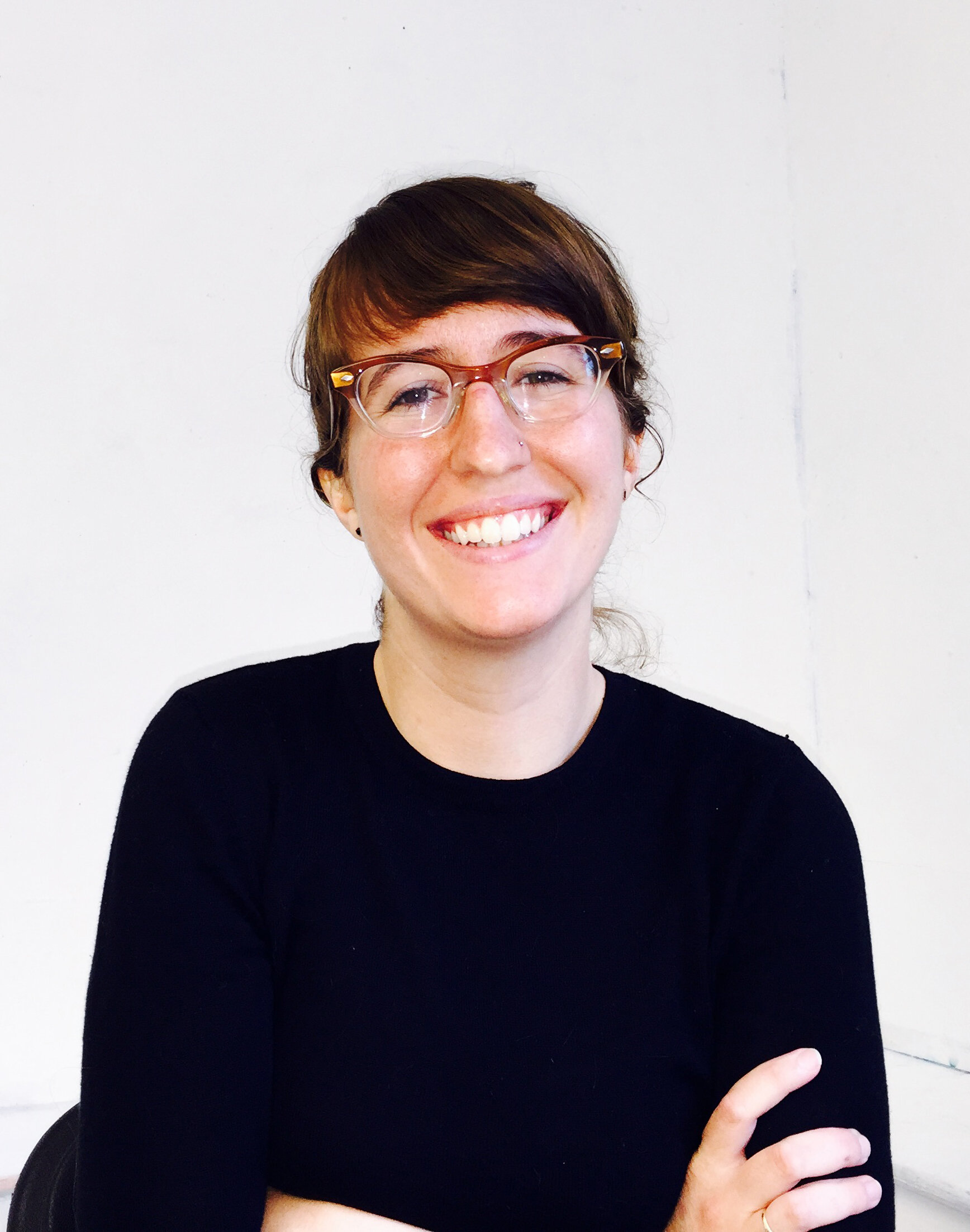
Kristin Hankins
Ph.D. candidate, American Studies, Yale University

Kristin Hankins is a Ph.D. candidate in American Studies at Yale University. She holds a B.A. in Urban Studies from the University of Pennsylvania and previously worked as a program, project, and exhibition coordinator at a non-profit public art organization. Her research and teaching interests include urban history and geography, ethnography, public humanities, and visual culture.
Working Group Affiliations
Zip Code Memory Project: Practices of Justice and Repair, Social Engagement Project
Bernard E. Harcourt
Professor, Department of Political Science, Columbia University
Bernard E. Harcourt joined the Columbia University faculty in July 2014. His scholarship intersects social and political theory, the sociology of punishment, and penal law and procedure. He is the author most recently of Exposed: Desire and Disobedience in the Digital Age (Harvard University Press, 2015), which has been recently reviewed in the New York Review of Books, the L.A. Review of Books, The Intercept, Book Forum, The New Republic, and the Times Literary Supplement.
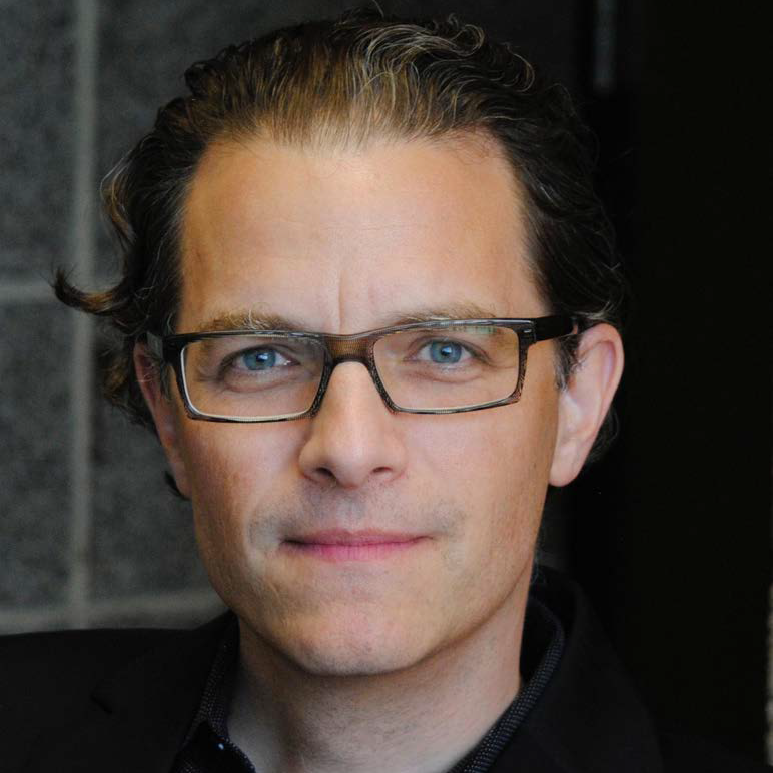
Bernard E. Harcourt
Isidor and Seville Sulzbacher Professor of Law, Professor of Political Science, and Director, Center for Contemporary Critical Thought, Columbia University
Bernard E. Harcourt joined the Columbia University faculty in July 2014. His scholarship intersects social and political theory, the sociology of punishment, and penal law and procedure. He is the author most recently of Exposed: Desire and Disobedience in the Digital Age (Harvard University Press, 2015), which has been recently reviewed in the New York Review of Books, the L.A. Review of Books, The Intercept, Book Forum, The New Republic, and the Times Literary Supplement.
He is also the author of The Illusion of Free Markets: Punishment and the Myth of Natural Order (Harvard University Press 2011) and of Occupy: Three Inquiries in Disobedience (with W. J. T. Mitchell and Michael Taussig, University of Chicago Press 2013). He is the editor of Michel Foucault’s 1973 Collège de France lectures, La société punitive (Gallimard 2014), 1972 lectures Théories et institutions pénales (Gallimard 2015), and Surveiller et punir in the new Pléiade edition of the complete works (Gallimard 2015), as well as the co-editor with Fabienne Brion of Michel Foucault's Mal faire, dire vrai (Louvain 2012; in English, University of Chicago Press 2014).
Harcourt earned his bachelor's degree in political theory at Princeton University, his law degree at Harvard Law School, and his Ph.D. in political science at Harvard University. After law school, he clerked for the Hon. Charles S. Haight Jr. of the U.S. District Court for the Southern District of New York and then worked as an attorney at the Equal Justice Initiative in Montgomery, Alabama, representing death row inmates. Harcourt continues to represent death row inmates pro bono and has also served on human rights missions in South Africa and Guatemala.
Harcourt served most recently as the Julius Kreeger Professor of Law and Political Science at The University of Chicago. He also has taught at Harvard Law School, New York University Law School, the École des Hautes Études en Sciences Sociales, Université Paris X–Nanterre, and Université Paul Cézanne Aix-Marseille III, and was previously on the faculty at the University of Arizona. Harcourt is the former chair of the political science department at The University of Chicago. For more information, visit his personal website.

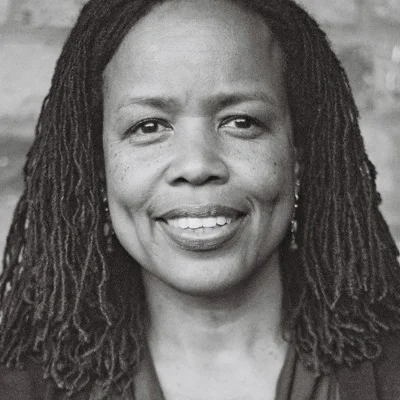
Saidiya Hartman
Professor, Department of English and Comparative Literature and Women's and Gender Studies, Columbia University
Professor Hartman's major fields of interest are African American and American literature and cultural history, slavery, law and literature, and performance studies. She is on the editorial board of Callaloo. She has been a Fulbright, Rockefeller, Whitney Oates, and University of California President's Fellow.
Saidiya Hartman
Professor of English and Comparative Literature and Women's and Gender Studies, Columbia University

Professor Hartman's major fields of interest are African American and American literature and cultural history, slavery, law and literature, and performance studies. She is on the editorial board of Callaloo. She has been a Fulbright, Rockefeller, Whitney Oates, and University of California President's Fellow. She is the author of Scenes of Subjection: Terror, Slavery, and Self-making in Nineteenth Century America (Oxford University Press,1997), Lose Your Mother: A Journey Along the Atlantic Slave Route (Farrar, Straus and Giroux, 2007), and Wayward Lives, Beautiful Experiments: Intimate Histories of Riotous Black Girls, Troublesome Women, and Queer Radicals (W. W. Norton & Company, 2019). She has published essays on photography, film and feminism. She has published several articles on slavery including “Venus in Two Acts” and “The Time of Slavery.”
Working Group Affiliations
Engendering the Archive, Project Director
Gender & The Global Slum, Project Director
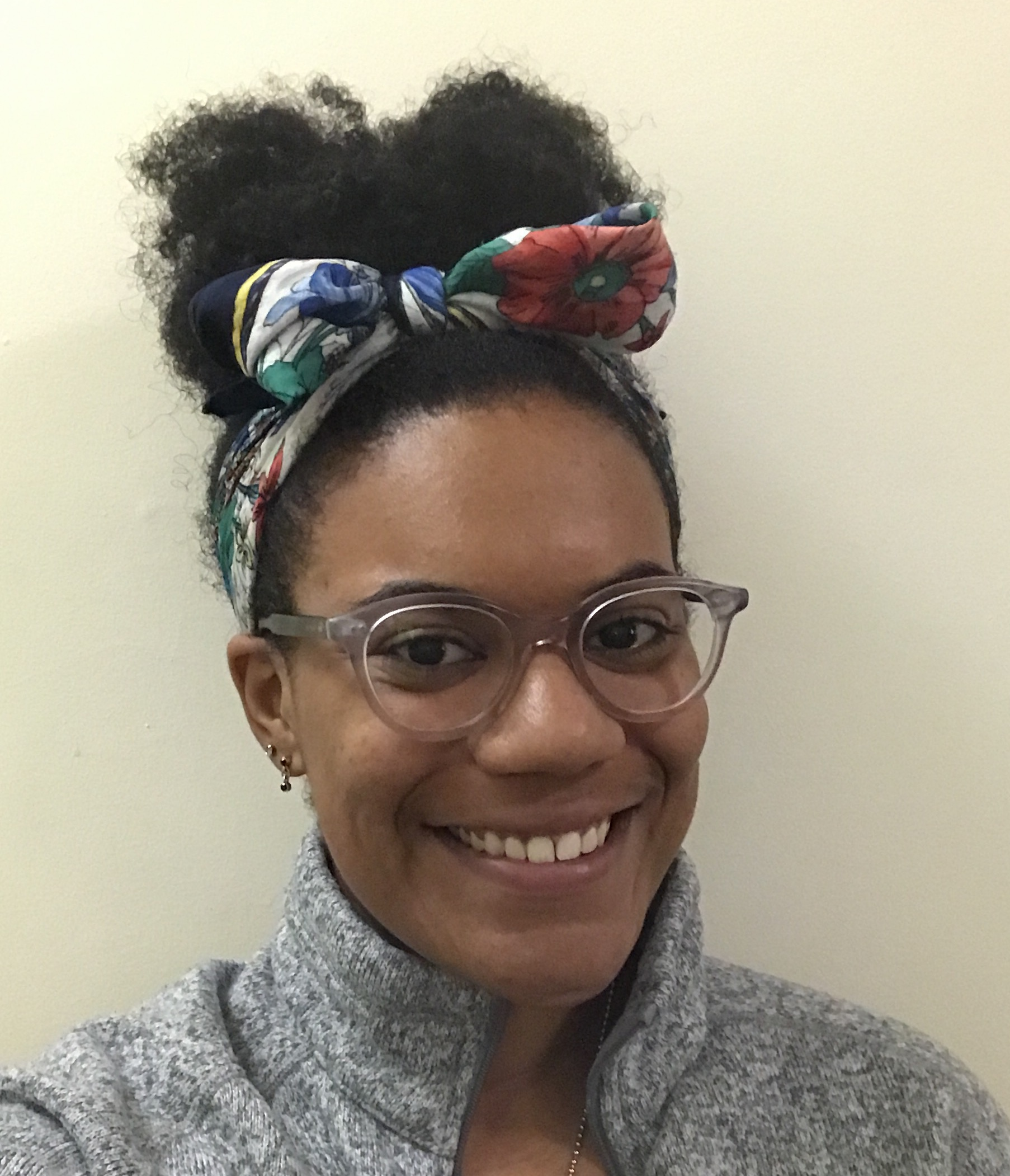
Sarah Harvin
Graduate Student, Narrative Medicine, Columbia University
Sarah Harvin hails from the state of Michigan, where she completed her bachelor's degree in psychology at Hope College. Sarah moved to NYC in the summer of 2018 to pursue a Master of Science in Narrative Medicine. She was attracted to the Narrative Medicine program because she recognized a unique opportunity to combine her interest in having difficult conversations surrounding racial inequalities in health care with her pursuit of a career in medicine.
Sarah Harvin
Graduate Student, Narrative Medicine, Columbia University
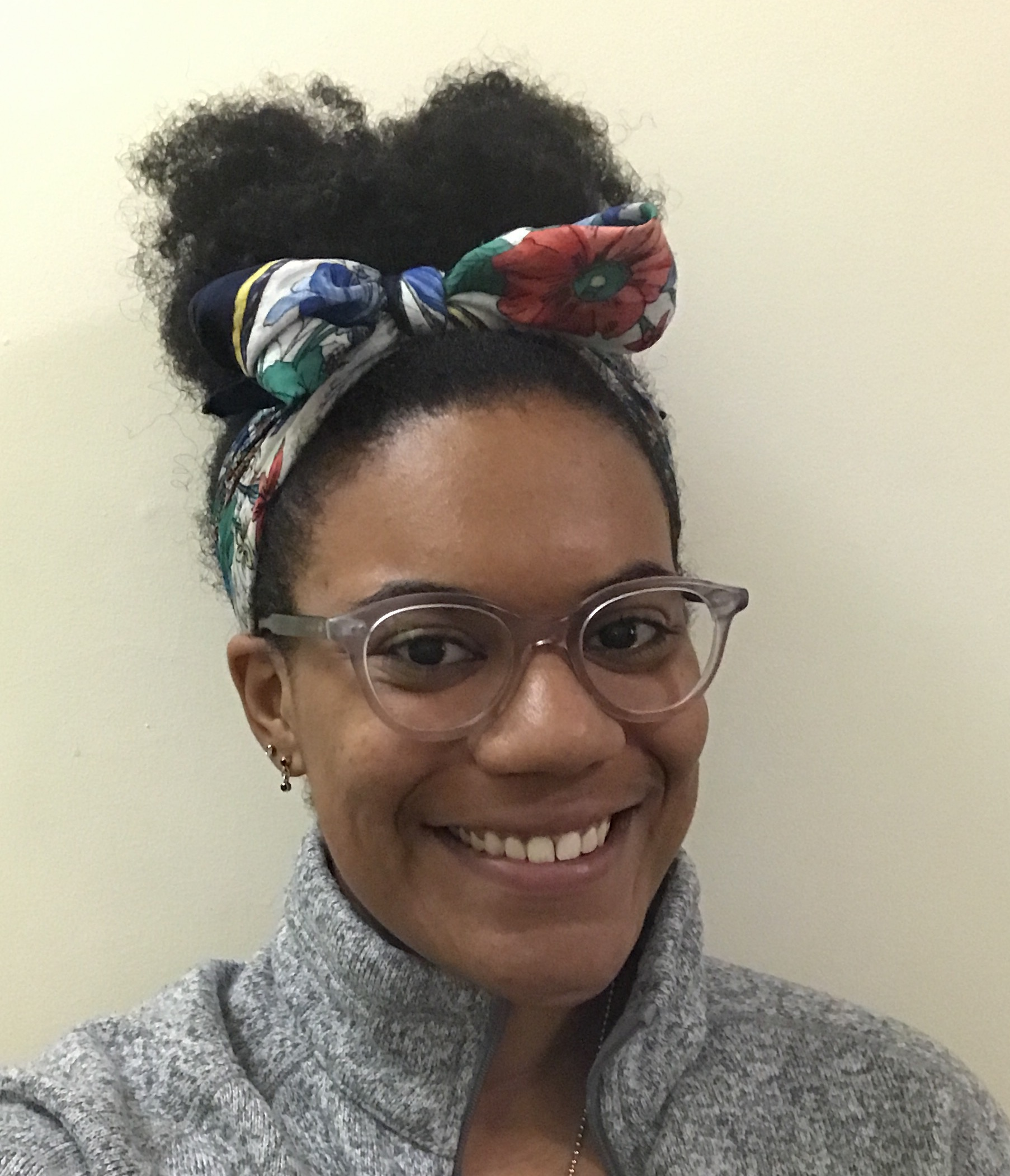
Sarah Harvin hails from the state of Michigan, where she completed her bachelor's degree in psychology at Hope College. Sarah moved to NYC in the summer of 2018 to pursue a Master of Science in Narrative Medicine. She was attracted to the Narrative Medicine program because she recognized a unique opportunity to combine her interest in having difficult conversations surrounding racial inequalities in health care with her pursuit of a career in medicine. When she isn't reading or sailing, Sarah loves to explore NYC in search of the best cup of coffee.
Working Group Affiliation
Mona Hassan
Assistant Professor of Islamic Studies and History, Duke University
Mona Hassan is Assistant Professor of Islamic Studies and History at Duke University and obtained her Ph.D. from Princeton University in 2009. She specializes in global and comparative Islamic history, focusing on the intersections of culture, religion, politics, and gender.
Mona Hassan
Assistant Professor of Islamic Studies and History, Duke University
Mona Hassan is Assistant Professor of Islamic Studies and History at Duke University and obtained her Ph.D. from Princeton University in 2009. She specializes in global and comparative Islamic history, focusing on the intersections of culture, religion, politics, and gender. One of her major projects investigates the shifting socio-political and cultural contexts in which Muslim female jurisprudential scholarship has been formed and articulated from the seventh century to the present across multiple regions. Her work on Female Muslim Jurists reconstructs the lives and networks of several significant female jurists, assesses what shaped their emergence in very different temporal and cultural contexts as legal scholars, and explores the contours of their scholarship. Her research in this vein on the modern Republic of Turkey reinterprets how the history of Turkish secularism continues to affect the spatial mapping and contestation of its gendered religious domains.
Mona Hassan also recently received fellowships from both the American Council of Learned Societies (ACLS) and the Social Science Research Council (SSRC) to complete her first book, Longing for the Lost Caliphate, which explores Muslim engagement and entanglement with the notion of an Islamic caliphate following two poignant moments of symbolic loss: the Mongol destruction of the Abbasid caliphate in 1258 and the Turkish nationalist abolition of the Ottoman caliphate in 1924. It examines what Muslims across Afro-Eurasia imagined to be lost with the disappearance of the Abbasid and Ottoman caliphates and how they attempted to recapture that perceived loss, and in doing so redefined the caliphate for their times, under shifting circumstances. Vivid cultural memories of the caliphate created a shared sense of community among disparate peoples at the same time as they gave rise to differing and competing visions of the community’s past, present, and future.
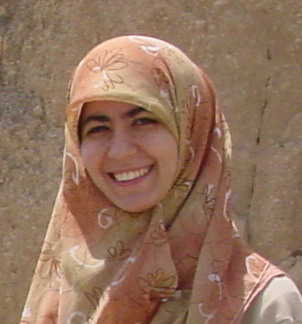
Frances S. Hasso
Director, International Comparative Studies Program and Associate Professor in Women's Studies and Sociology, Duke University
Frances S. Hasso is Director of International Comparative Studies and Associate Professor in Women's Studies at Duke. She holds a secondary appointment in the Department of Sociology. She joined the Duke faculty in 2010 after 10 years as a faculty member at Oberlin College. Her recent monograph is titled, Consuming Desires: Family Crisis and the State in the Middle East (Stanford University Press, 2011). She is co-editing with Zakia Salime (Rutgers) a book project titled, "Geographies of Gender in the Arab Revolutions."
Frances S. Hasso
Director, International Comparative Studies Program and Associate Professor in Women's Studies and Sociology, Duke University
Frances S. Hasso is Director of International Comparative Studies and Associate Professor in Women's Studies at Duke. She holds a secondary appointment in the Department of Sociology. She joined the Duke faculty in 2010 after 10 years as a faculty member at Oberlin College. Her recent monograph is titled, Consuming Desires: Family Crisis and the State in the Middle East (Stanford University Press, 2011). She is co-editing with Zakia Salime (Rutgers) a book project titled, "Geographies of Gender in the Arab Revolutions." She is using a sabbatical in 2013-14 to work on a second ongoing research project, “‘Civil’ and ‘Space’ as Fields of Meaning and Practice in Post-Revolutionary Egypt.” She is co-editing the Journal of Middle East Women's Studies beginning in mid-2014 with miriam cooke and Banu Gökarıksel. Her scholarship has focused on the intersections between transnational dynamics, states, social movements, and individual subjectivities and identities, especially in the Arab world.
Mariana Hausdorf
Actress, Historian, Teacher, Postgraduate Student PhD in Latin American Studies, Universidad de Chile
Mariana Hausdorf Andrade holds a Licenciate in Acting, Pontificia Universidad Católica de Chile 2011; Licenciate in History, Pontificia Universidad Católica de Chile, 2012; and a qualification in secondary education teaching specializing in History, Pontificia Universidad Católica de Chile, 2012.
Mariana Hausdorf
Actress, Historian, Teacher, Postgraduate Student PhD in Latin American Studies, Universidad de Chile

Mariana Hausdorf Andrade holds a Licenciate in Acting, Pontificia Universidad Católica de Chile 2011; Licenciate in History, Pontificia Universidad Católica de Chile, 2012; and a qualification in secondary education teaching specializing in History, Pontificia Universidad Católica de Chile, 2012. She is a researcher on the Project: “Dramturgization of Audiovisual Vestiges of the Chilean Theatre History;” coordinator of the Project: “Andrés Kalawski Isla,” funded by the Pontificia Universidad Católica Drama School, 2012; co-researcher on the Project: “The Archives and the Voices: Memory and Dramaturgy of the Chilean Dictatorship;” coordinator of the project: “Francisco Albornoz,” funded by the Pontificia Universidad Católica Drama School. Her lecture “An Itinerary Through Villa Grimaldi: The Presence of Material Remains in Memory” was given at the IFTR Annual Conference in Santiago, Chile, 2012. She is also assisting on the Project: “Intermediality and Aesthetics of Memory: Detained Disappeared in the Chilean Theater after the Military Dictatorship” (Head researcher: Milena Grass; funded by the Vice- Rectory for Academic Affairs at the Pontificia Universidad de Chile, 2011). Mariana’s performances include acting in Cuando reinaron los hermosos with the company La susodicha (2011-2012)
Working Group Affiliation

Tomi Haxhi
PhD Candidate, Department of Slavic Languages, Columbia University
Tomi Haxhi is a PhD student in the Department of Slavic Languages and Literatures specializing in Russian literature. Originally from Albania, Tomi completed his BA at McGill University and his MA at the University of Toronto. His dissertation focuses on Soviet and post-Soviet speculative fiction from the Revolution to the Putin era, and the discourse of posthumanism as a way of working through national trauma and reckoning with historical breaks.
Tomi Haxhi
PhD Candidate, Department of Slavic Languages, Columbia University

Tomi Haxhi is a PhD student in the Department of Slavic Languages and Literatures specializing in Russian literature. Originally from Albania, Tomi completed his BA at McGill University and his MA at the University of Toronto. His dissertation focuses on Soviet and post-Soviet speculative fiction from the Revolution to the Putin era, and the discourse of posthumanism as a way of working through national trauma and reckoning with historical breaks.
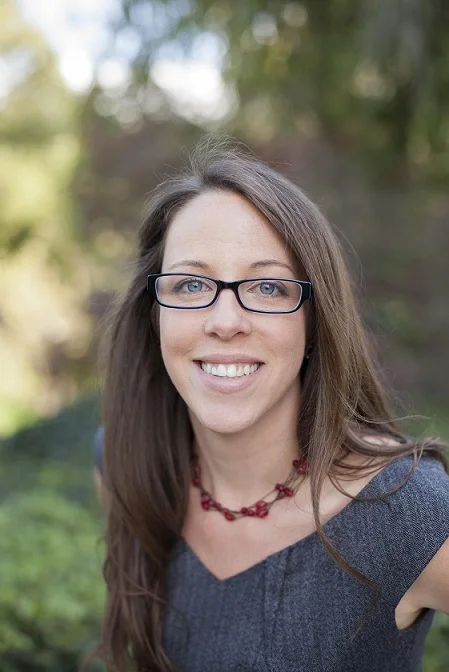
Heather Ashley Hayes
Chair and Assistant Professor, Rhetoric Studies, Whitman College
Heather Ashley Hayes is Chair and Assistant Professor of Rhetoric Studies at Whitman College. She works across the intersections of rhetorical materialism, race, violence, the global war on terror, and argument studies. Since 2013, she has delivered a number of talks and presentations including work on the revolutionary events in Egypt's Tahrir Square that ousted Hosni Mubarak in January of 2011.
Heather Ashley Hayes
Chair and Assistant Professor, Rhetoric Studies, Whitman College
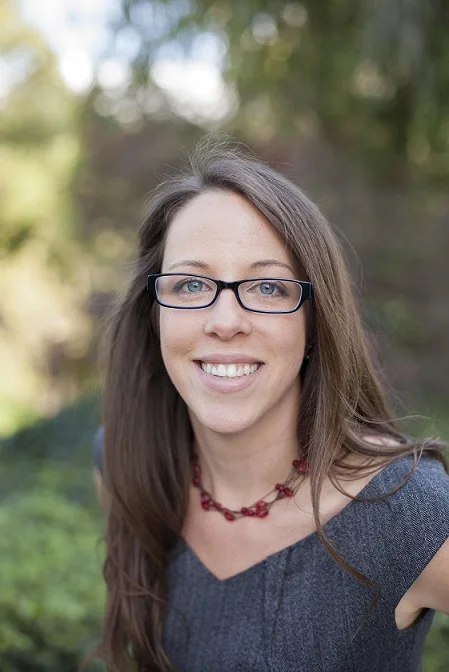
Heather Ashley Hayes is Chair and Assistant Professor of Rhetoric Studies at Whitman College. She works across the intersections of rhetorical materialism, race, violence, the global war on terror, and argument studies. Since 2013, she has delivered a number of talks and presentations including work on the revolutionary events in Egypt's Tahrir Square that ousted Hosni Mubarak in January of 2011 and work on the rise of unmanned aerial vehicles (also known as drones) as a new technology of the global war on terror. Her first book, Violent Subjects and Rhetorical Cartography in the Age of the Terror Wars, was published in 2016 by Palgrave Macmillan Press. She has additionally published work in Argumentation and Advocacy, Quarterly Journal of Speech, and a number of other spaces.
Working Group Affiliation

Christina Heatherton
Assistant Professor, Department of American Studies, Barnard College
Christina Heatherton is an American Studies scholar and historian of anti-racist social movements. She is an Assistant Professor of American Studies at Barnard College, Columbia University completing her first book, Making Internationalism: The Color Line, the Class Struggle, and the Mexican Revolution (University of California Press, forthcoming). With Jordan T. Camp she edited Policing the Planet: Why the Policing Crisis Led to Black Lives Matter (Verso Books, 2016).
Christina Heatherton
Assistant Professor of American Studies, Barnard College

Christina Heatherton is an American Studies scholar and historian of anti-racist social movements. She is an Assistant Professor of American Studies at Barnard College, Columbia University completing her first book, Making Internationalism: The Color Line, the Class Struggle, and the Mexican Revolution (University of California Press, forthcoming). With Jordan T. Camp she edited Policing the Planet: Why the Policing Crisis Led to Black Lives Matter (Verso Books, 2016). Her work will appear in the Cambridge History of America in the World, edited by Kristin Lee Hoganson and Jay Sexton (Cambridge: Cambridge University Press, 2020). It also appears in places such as American Quarterly, Interface, Feminists Rethink the Neoliberal State: Inequality, Exclusion and Change, edited by Leela Fernandes (New York University Press, 2018), Futures of Black Radicalism, edited by Gaye Theresa Johnson and Alex Lubin (Verso Books, 2017), and The Rising Tides of Color: Race, State Violence, and Radical Movements Across the Pacific, edited by Moon-Ho Jung (University of Washington Press, 2014). Her writing also appears in popular venues such as Funambulist Magazine, The Washington Spectator, and 032 Magazine. With Jordan T. Camp she previously co-edited Freedom Now! Struggles for the Human Right to Housing in LA and Beyond (Freedom Now Books, 2012). She is the editor of Downtown Blues: A Skid Row Reader (Freedom Now Books, 2011). She is the current co-director of several initiatives including: New Directions in American Studies (NDAS); the Oral History and Activism Project; the Working Group on Racial Capitalism, a project of the Center for the Study of Social Difference (CSSD), Columbia University.
Working Group Affiliation
Racial Capitalism, Project Director

Arden Hegele
Lecturer in the Discipline of English and Comparative Literature, Medical Humanities Fellow English and Comparative Literature, Columbia University
Arden Hegele, PhD, specializes in nineteenth-century British literature and the medical and health humanities. She is interested in the intersection of medical knowledge with formalist and historicist literary approaches.
Arden Hegele
Lecturer in the Discipline of English and Comparative Literature, Medical Humanities Fellow English and Comparative Literature, Columbia University

Arden Hegele, PhD, specializes in nineteenth-century British literature and the medical and health humanities. She is interested in the intersection of medical knowledge with formalist and historicist literary approaches. Her two forthcoming scholarly books are Romantic Autopsy: Literary Form and Medical Reading (Oxford University Press) and Culture and Medicine: Critical Readings in the Health and Medical Humanities, co-edited with Dr. Rishi Goyal (Bloomsbury). Her research in Romanticism has been published in core journals, such as European Romantic Review, Romanticism, The Byron Journal, and Keats-Shelley Journal, and she has also published in Partial Answers, Gender and Education, and Persuasions. Her book reviews are featured in Public Books, Review 19, Studies in Romanticism, Victorian Network, Partial Answers and Avidly. At Columbia, Hegele has taught in the Department of English and Comparative Literature, in the Medical Humanities major at the Institute for Comparative Literature and Society, and in the Department of Medical Humanities and Ethics at Columbia University Irving Medical Center. She is a co-founding editor (with Dr. Rishi Goyal) of Synapsis: A Health Humanities Journal. Other projects have included the direction of the Explorations in the Medical Humanities Series at the Society of Fellows and Heyman Center for the Humanities; co-direction of the Motherhood and Technology Working Group at the Center for the Study of Social Difference; coordination of the “Increasing Covid-19 Vaccine Confidence” project; and administration of the Consortium of Humanities Centers and Institutes Health and Medical Humanities Network, including hosting its Summer Institute at Columbia Global Centers | Paris.
Working Group Affiliation
Motherhood and Technology, Project Director
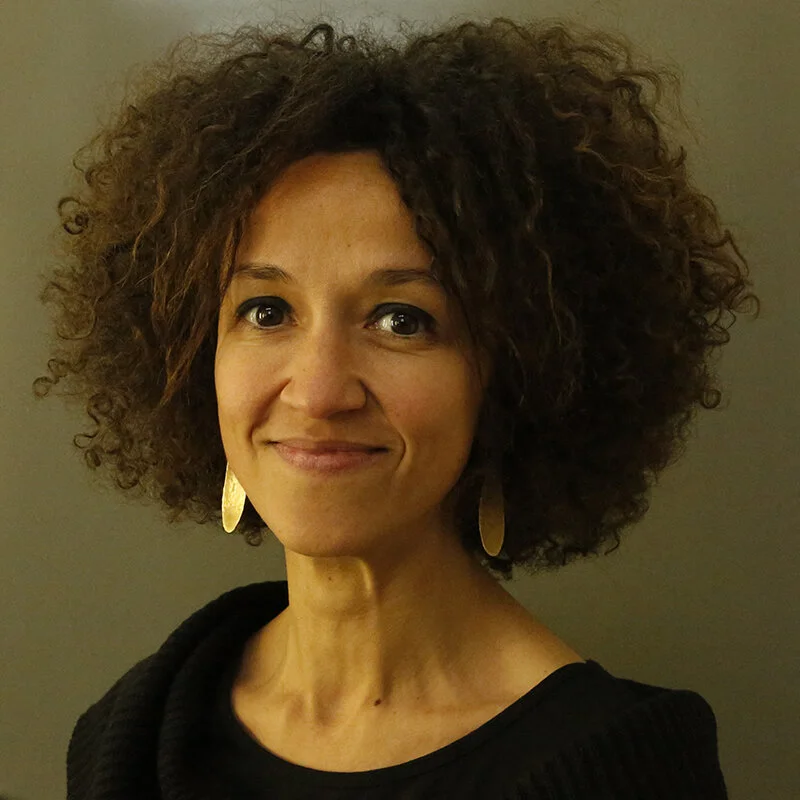
Samia Henni
Assistant Professor of History and Architecture, Cornell University
Samia Henni is an Assistant Professor at Cornell University. Her teaching and research examine the history and theory of the built environments in relation to colonialism, displacement, gender, Islam, and wars from the first European colonization to the present. She is the author of the award-winning Architecture of Counterrevolution: The French Army in Northern Algeria (2017), the editor of War Zones (2018), and the curator of Discreet Violence: Architecture and the French War in Algeria (2017-19).
Samia Henni
Assistant Professor of History and Architecture, Cornell University
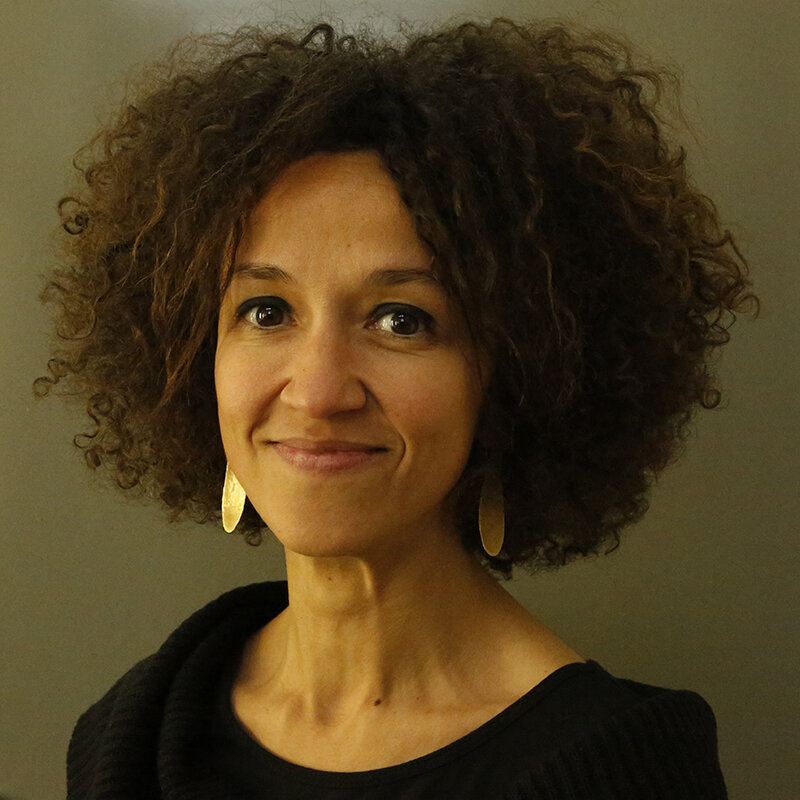
Samia Henni is an Assistant Professor at Cornell University. She is the author of the award-winning Architecture of Counterrevolution: The French Army in Northern Algeria (2017), the editor of War Zones (2018), and the curator of Discreet Violence: Architecture and the French War in Algeria (2017-19). She is working on a book provisionally titled Colonial Toxicity: The French Army in the Sahara. Her teaching and research examine the history and theory of the built environments in relation to colonialism, displacement, gender, Islam, and wars from the first European colonization to the present.
Working Group Affiliation

Anne Higonnet
Professor of Art History, Columbia University
Anne Higonnet teaches and writes about nineteenth century art, childhood, and collecting. A Harvard College B.A, she received her PhD from Yale University in 1988. She has published three books and dozens of articles on topics ranging from Impressionism to contemporary photography. Her many awards include Guggenheim, Getty, and Social Science Research Council fellowships, as well as grants from the Mellon, Howard, and Kress Foundations.
Anne Higonnet
Professor of Art History, Columbia University
Anne Higonnet teaches and writes about nineteenth century art, childhood, and collecting. A Harvard College B.A, she received her PhD from Yale University in 1988. She has published three books and dozens of articles on topics ranging from Impressionism to contemporary photography. Her many awards include Guggenheim, Getty, and Social Science Research Council fellowships, as well as grants from the Mellon, Howard, and Kress Foundations. She enjoys teaching at every level of the curriculum, and anchors the team-taught Introduction to the History of Art from the Renaissance to the Present.

Leila Hilal
Director of the Middle East Task Force, New America Foundation
Leila Hilal is Director of the Middle East Task Force at the New America Foundation. She focuses on Syria, the Israeli-Palestinian conflict and issues related to U.S. foreign policy, community-based change, constitution-making, and transitional justice in the broader Middle East and North Africa. Prior to joining New America Hilal served as Senior Policy Adviser to the Commissioner-General of the Palestinian refugee agency (UNRWA) and as a legal adviser to Palestinian negotiators from 2002-2008. She has led numerous research missions on human rights and post-conflict scenario building and transitional justice in the Middle East, including for Chatham House, the International Center for Transitional Justice and the Euro-Med Human Rights Network for Human Rights.
Leila Hilal
Director of the Middle East Task Force, New America Foundation
Leila Hilal is Director of the Middle East Task Force at the New America Foundation. She focuses on Syria, the Israeli-Palestinian conflict and issues related to U.S. foreign policy, community-based change, constitution-making, and transitional justice in the broader Middle East and North Africa. Prior to joining New America Hilal served as Senior Policy Adviser to the Commissioner-General of the Palestinian refugee agency (UNRWA) and as a legal adviser to Palestinian negotiators from 2002-2008. She has led numerous research missions on human rights and post-conflict scenario building and transitional justice in the Middle East, including for Chatham House, the International Center for Transitional Justice and the Euro-Med Human Rights Network for Human Rights. Hilal clerked for Justice Yvonne Mokgoro at the South African Constitutional Court in 2000. She received her J.D. from the State University of New York at Buffalo Law School and her LL.M. from Harvard Law School.
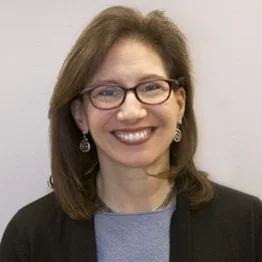
Jennifer Hirsch
Professor of Sociomedical Sciences, Mailman School of Public Health, Columbia University
Jennifer Hirsch's principal areas of expertise are gender, sexuality, and reproductive health, U.S.-Mexico migration and migrant health, the comparative anthropology of love, and the applications of anthropological theory and methods to public health research and programs. Her books include A Courtship After Marriage: Sexuality and Love in Mexican Transnational Families (University of California Press, 2003) and the coauthored The Secret: Love, Marriage and HIV (Vanderbilt University Press, 2009).
Jennifer Hirsch
Professor of Sociomedical Sciences, Mailman School of Public Health, Columbia University
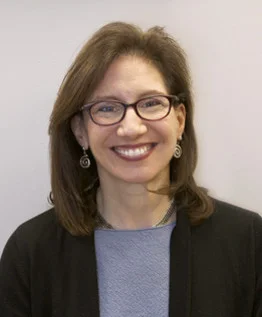
Jennifer Hirsch's principal areas of expertise are gender, sexuality, and reproductive health, U.S.-Mexico migration and migrant health, the comparative anthropology of love, and the applications of anthropological theory and methods to public health research and programs. Her books include A Courtship After Marriage: Sexuality and Love in Mexican Transnational Families (University of California Press, 2003), which explores changing ideas and practices of love, sexuality and marriage among Mexicans in the U.S. and in Mexico, and the coauthored The Secret: Love, Marriage and HIV (Vanderbilt University Press, 2009), which analyzes the social organization of extramarital sexual practices in Mexico, Nigeria, Uganda, Vietnam, and Papua-New Guinea and the implications of those practices for married women's HIV risk. She has also published articles in journals such as American Journal of Public Health, Studies in Family Planning, AIDS, and Culture Health and Sexuality. Along with Dr. Claude Ann Mellins, Hirsch currently co-directs the Sexual Health Initiative to Foster Transformation (SHIFT), which is a study supported by the Office of the President that examines sexual health and sexual assault among Columbia and Barnard undergraduates.
Working Group Affiliation
Reframing Gendered Violence, Project Director
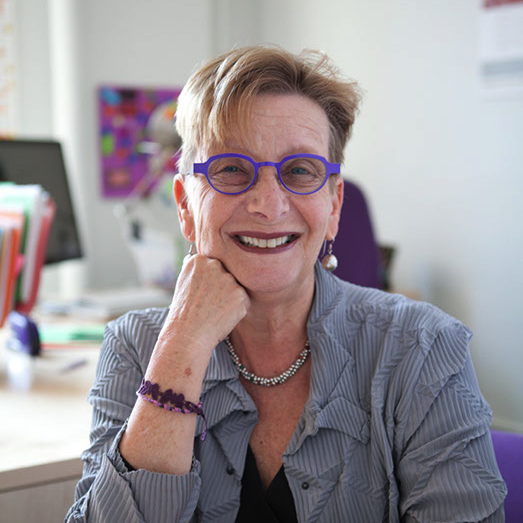
Marianne Hirsch
William Peterfield Trent Professor of English and Comparative Literature and Professor of Women's, Gender, and Sexuality Studies, Columbia University
Marianne Hirsch, former Director of Columbia University's Center for the study of Social Difference is a fellow of the American Academy of Arts and Sciences and a former President of the Modern Language Association of America. She was born in Romania, and educated at Brown University where she received her BA/MA and Ph.D. degrees. Hirsch’s work combines feminist theory with memory studies, particularly the transmission of memories of violence across generations.
Marianne Hirsch
Professor of English and Comparative Literature and Professor of Women's, Gender, and Sexuality Studies
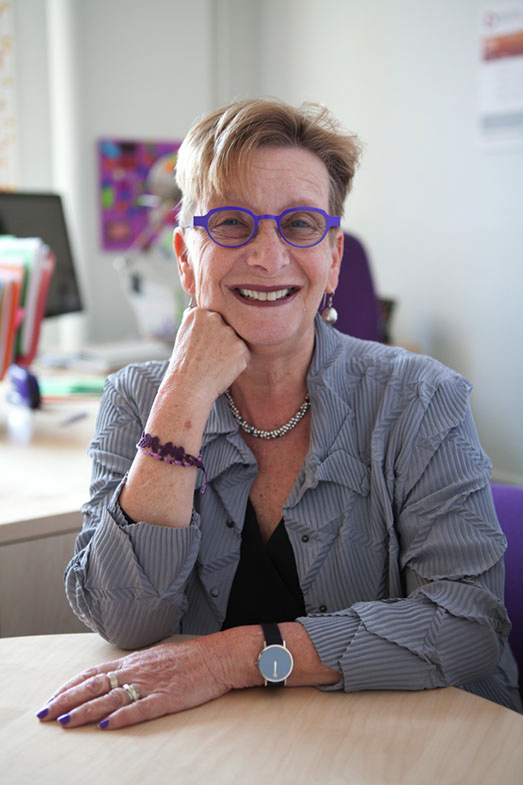
Marianne Hirsch is William Peterfield Trent Professor of English and Comparative Literature at Columbia University and Professor in the Center for the Study of Sexuality. She is a member of the American Academy of Arts and Sciences and a former President of the Modern Language Association of America. She was born in Romania, and educated at Brown University where she received her BA/MA and Ph.D. degrees.
Hirsch’s work combines feminist theory with memory studies, particularly the transmission of memories of violence across generations. Her recent books include School Photos in Liquid Time: Reframing Difference, co-authored with Leo Spitzer (University of Washington Press, 2020), and the co-edited volumes Imagining Everyday Life: Engagements with Vernacular Photography (Steidl, 2020) and Women Mobilizing Memory (Columbia University Press, 2019). Earlier publications include The Generation of Postmemory: Writing and Visual Culture After the Holocaust (Columbia University Press, 2012), Ghosts of Home: The Afterlife of Czernowitz in Jewish Memory, co-authored with Leo Spitzer (University of California Press, 2010), Family Frames: Photography, Narrative, and Postmemory (1997), and The Familial Gaze (ed.1999). With Leo Spitzer, Hirsch recently curated "School Photos and Their Afterlives,” an exhibit at the Hood Museum of Art, Dartmouth College.
Hirsch is the former editor of PMLA and the recipient of fellowships from the Guggenheim Foundation, the ACLS, the Mary Ingraham Bunting Institute, the National Humanities Center, and the Bellagio and Bogliasco Foundations. She is one of the founders of Columbia’s Center for the Study of Social Difference, and its global initiative “Women Creating Change.”
Along with a group of local scholars, artists and activists, Hirsch is currently co-directing the Zip Code Memory Project, an initiative that seeks to find art and community-based ways to repair the devastating losses resulting from the Coronavirus pandemic while also acknowledging its radically differential effects on Upper New York City neighborhoods.
Working Group Affiliations
Engendering the Archive, Project Director
Reframing Gendered Violence, Project Director
Women Mobilizing Memory, Project Director
Zip Code Memory Project: Practices of Justice and Repair, Social Engagement Project, Project Director
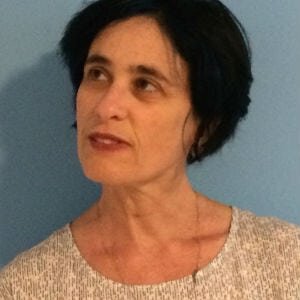
Gil Hochberg
Ransford Professor of Hebrew and Visual Studies, Comparative Literature, and Middle East Studies, Chair MESAAS, Columbia University
Gil Hochberg is Ransford Professor of Hebrew and Comparative Literature, and Middle East Studies at Columbia University. She is the author of In Spite of Partition: Jews, Arabs, and the Limits of Separatist Imagination (2007), on the complex relationship between the signifiers “Arab” and “Jew” in contemporary Jewish and Arab literatures, and Visual Occupations: Vision and Visibility in a Conflict Zone (2015), on the visual politics of the Israeli-Palestinian conflict.
Gil Hochberg
Ransford Professor of Hebrew and Visual Studies, Comparative Literature, and Middle East Studies, Chair MESAAS, Columbia University

Gil Hochberg is Ransford Professor of Hebrew and Comparative Literature, and Middle East Studies at Columbia University. She is the author of In Spite of Partition: Jews, Arabs, and the Limits of Separatist Imagination (2007), on the complex relationship between the signifiers “Arab” and “Jew” in contemporary Jewish and Arab literatures, and Visual Occupations: Vision and Visibility in a Conflict Zone (2015), on the visual politics of the Israeli-Palestinian conflict. Her research focuses on the intersections among psychoanalysis, postcolonial theory, nationalism, gender and sexuality, with articles on Francophone North African, Palestinian, and Hebrew literature, the modern Levant, gender and nationalism, cultural memory and immigration, memory and gender, Israeli and Palestinian cinema, Mediterraneanism, and trauma and narrative. She is currently writing a book on art, archives and the production of historical knowledge.
Working Group Affiliation

Maggie Hoffman
Director, Project DOCC
Maggie Hoffman is co-founder and the director of Project DOCC - Delivery of Chronic Care. In this unique medical education program, parents of children with special health care needs (CSHCN) and family caregivers of adults with chronic conditions teach doctors and other health professionals about living with illness and disability in their communities. Project DOCC’s pediatric program is in 28 academic medical centers across the United States and in Australia. Maggie is a founder and member of the New York Self-Determination Coalition (nyselfd).
Maggie Hoffman
Director, Project DOCC
Maggie Hoffman is co-founder and the director of Project DOCC - Delivery of Chronic Care. In this unique medical education program, parents of children with special health care needs (CSHCN) and family caregivers of adults with chronic conditions teach doctors and other health professionals about living with illness and disability in their communities. Project DOCC’s pediatric program is in 28 academic medical centers across the United States and in Australia. Maggie is a founder and member of the New York Self-Determination Coalition (nyselfd). NYSELFD promotes self-determined lives for individuals with developmental disabilities. Maggie co-founded the Long Island Network for Families of Children with Special Health Care Needs, a coalition of medical and education professionals, parents, and representatives from government agencies addressing gaps in services for families on Long Island. She founded New Survivors, a peer support group for parents of children with special needs. Maggie coordinated special projects for the Developmental Disabilities Institute, Huntington, New York, such as resource fairs and parent-to-parent connections. In Minnesota at the ARC of Olmsted County, Maggie led parent support groups and facilitated transitions home from neonatal intensive care units (NICUs). She spent 6 years as the family-centered care specialist (for Pediatrics and Geriatrics) at the North Shore-Long Island Jewish Health System.


Emma Horan
Biomedical Informatics Research Coordinator, Columbia University
Attended Lafayette College, majoring in Neuroscience and minoring in Bioengineering. Research coordinator at Columbia Medical Center Department of Biomedical Informatics. Team member of Citizen Endo, a research project that is aimed to better understand endometriosis.
Emma Horan
Biomedical Informatics Research Coordinator, Columbia University

Attended Lafayette College, majoring in Neuroscience and minoring in Bioengineering. Research coordinator at Columbia Medical Center Department of Biomedical Informatics. Team member of Citizen Endo, a research project that is aimed to better understand endometriosis.
Working Group Affiliation