

Sandra Greene
Fellow, History, Cornell University
My research interests focus on West Africa and more specifically the social and cultural history of Ghana from the height of the Atlantic slave trade (in the 18th century) through the early colonial period (up to World War Two). Of particular interest to me are changes in gender and ethnic relations, African belief systems and the history of slavery.
The courses I teach reflect these research interests as well as my fascination with Africa's encounter with other worlds (the Americas, Europe, the Islamic world, the Indian Ocean world).
Sandra Greene
Professor of History, Cornell University
My research interests focus on West Africa and more specifically the social and cultural history of Ghana from the height of the Atlantic slave trade (in the 18th century) through the early colonial period (up to World War Two). Of particular interest to me are changes in gender and ethnic relations, African belief systems and the history of slavery.
The courses I teach reflect these research interests as well as my fascination with Africa's encounter with other worlds (the Americas, Europe, the Islamic world, the Indian Ocean world).


Ellen Greenebaum
Associate Professor, Department of Clinical Pathology and Cell Biology, Columbia University College of Physicians and Surgeons
Ellen Greenebaum is a Clinical team member studying people who were children (in utero to 18 years old) at time of Chernobyl nuclear power plant accident April 26, 1986 to determine effect on thyroid and reviewing fine needle aspirates (FNA) of thyroid nodules and their subsequent surgical pathology. She is an Editorial Board Member of Diagnostic Cytopathology and a participant in a mission with CerviCusco & International Cervical Cancer Foundation, non-profit organization dedicated to the early detection, diagnosis, & treatment of pre-cancers of the female genital tract.
Ellen Greenebaum
Associate Professor of Clinical Pathology and Cell Biology, Columbia University College of Physicians and Surgeons
Ellen Greenebaum is a Clinical team member studying people who were children (in utero to 18 years old) at time of Chernobyl nuclear power plant accident April 26, 1986 to determine effect on thyroid and reviewing fine needle aspirates (FNA) of thyroid nodules and their subsequent surgical pathology. She is an Editorial Board Member of Diagnostic Cytopathology and a participant in a mission with CerviCusco & International Cervical Cancer Foundation, non-profit organization dedicated to the early detection, diagnosis, & treatment of pre-cancers of the female genital tract.

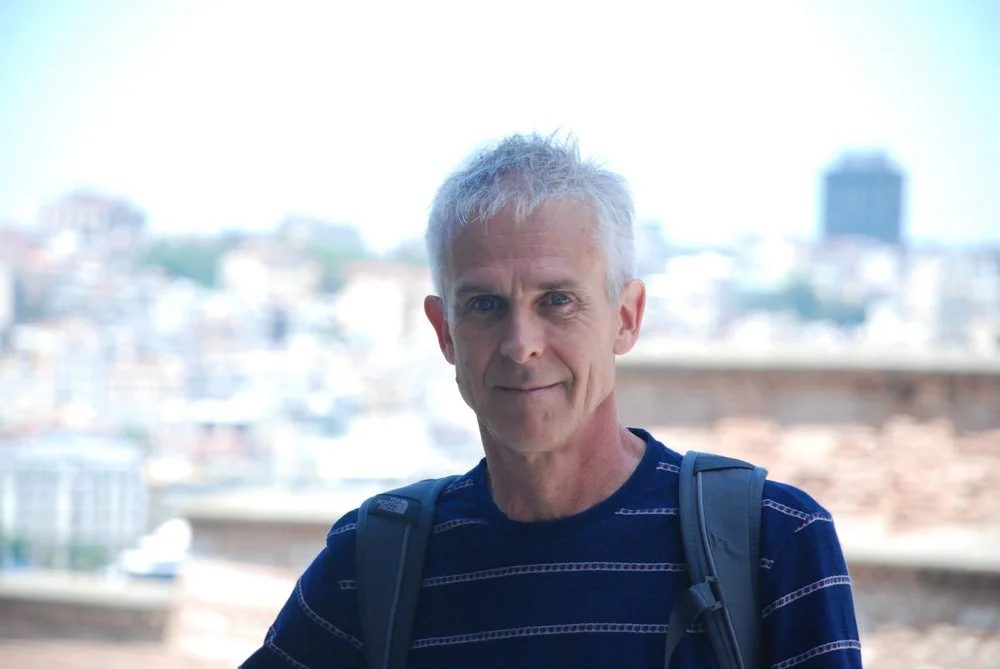
Ron Gregg
Professor, Film and Media Studies, Columbia University
Ron Gregg is Senior Lecturer in the Discipline in Film and Media Studies at the School of the Arts at Columbia University. He writes and teaches courses on queer, experimental, Hollywood, and global cinema. He co-chaired the Yale conferences on “Postwar Queer Underground Cinema, 1950-1968” and “Secrets of the Orient: Costume, Movement, and Duration in the Cinematic Experience of the East” and organized the film series “Six Lesbian Filmmakers/Six Queer Films” bringing six leading filmmakers to Yale University. His most recent writings include “Fashion, Thrift Stores, and the Space of Pleasure in 1960s Queer Underground Film” and “Sanitizing the Beatles for Revolution: Music, Film, and Fashion in 1960s A Hard Day’s Night.”
Ron Gregg
Senior Lecturer, Film and Media Studies, Columbia University
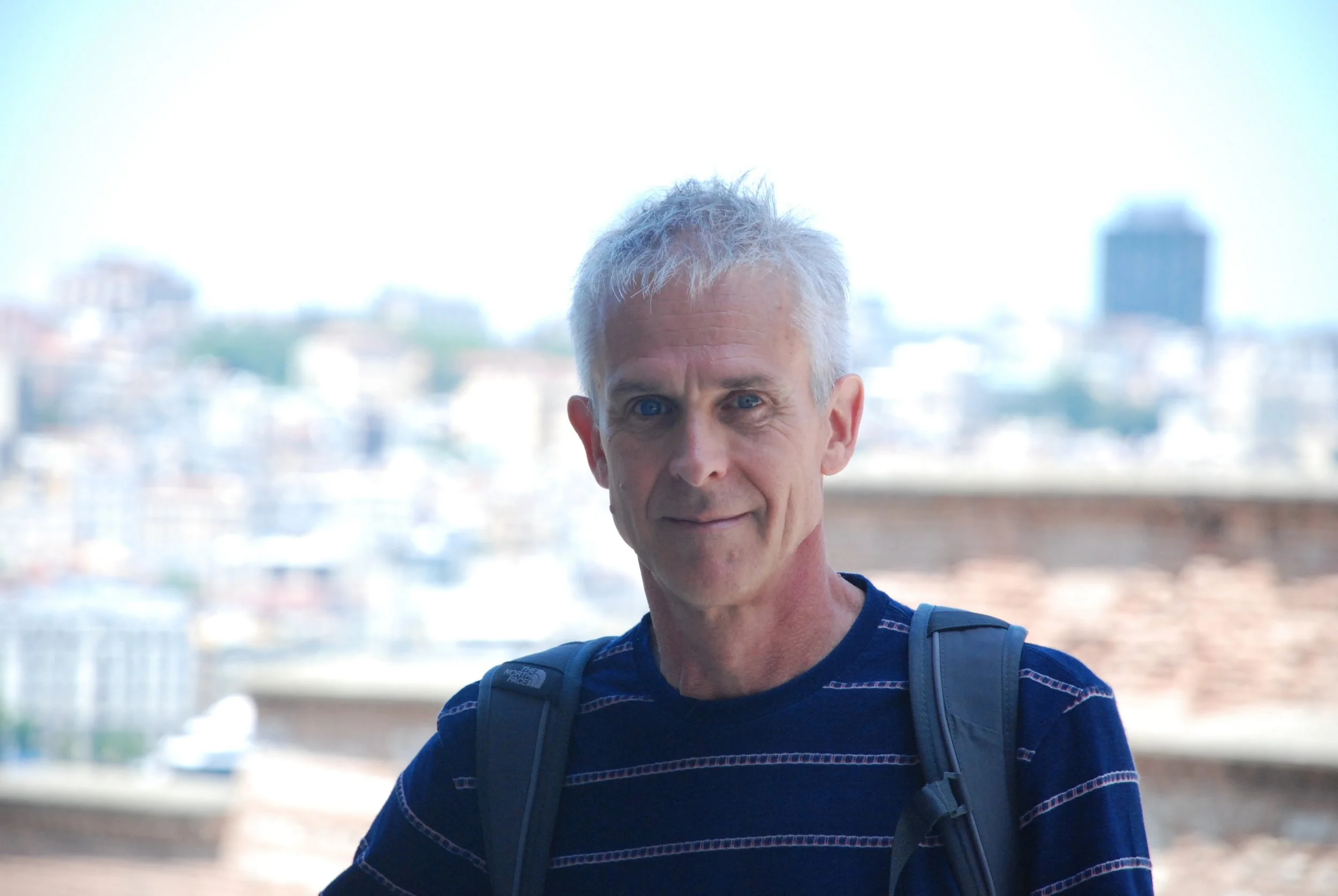
Ron Gregg is Senior Lecturer in the Discipline in Film and Media Studies at the School of the Arts at Columbia University. He writes and teaches courses on queer, experimental, Hollywood, and global cinema. He co-chaired the Yale conferences on “Postwar Queer Underground Cinema, 1950-1968” and “Secrets of the Orient: Costume, Movement, and Duration in the Cinematic Experience of the East” and organized the film series “Six Lesbian Filmmakers/Six Queer Films” bringing six leading filmmakers to Yale University. His most recent writings include “Fashion, Thrift Stores, and the Space of Pleasure in 1960s Queer Underground Film” and “Sanitizing the Beatles for Revolution: Music, Film, and Fashion in 1960s A Hard Day’s Night.” He is presently co-editing a book on “Queer Cinema” for Oxford University Press. Gregg previously served as Director of Film Programming at Yale’s Whitney Humanities Center from 2009-2017 and has curated film and video programming for the Chicago Gay and Lesbian Film Festival, the San Francisco International LGBT Film Festival, the South African Gay and Lesbian Film Festival, the University of Chicago Lesbian and Gay Studies Project and Lenfest Center for the Arts in New York City.
Working Group Affiliation
Environmental Justice, Belief Systems, and Aesthetic Experiences in Latin America and the Caribbean, Project Director
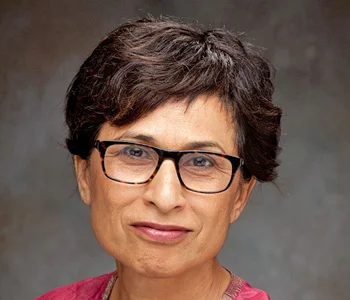
Inderpal Grewal
Fellow, Women's, Gender, and Sexuality Studies and American Studies, Yale University
Inderpal Grewal is Professor and Chair in the Program in Women’s, Gender, and Sexuality Studies at Yale University. She is also Professor in the Ethnicity, Race and Migration Studies Program, the South Asian Studies Council, and affiliate faculty in the American Studies Program. She is the author of Home and Harem: Nation, Gender, Empire and the Cultures of Travel(Duke University Press, 1996), Transnational America: Feminisms, Diasporas, Neoliberalisms (Duke University Press, 2005), and Saving the Security State: Exceptional Citizens in Twenty-First century America (Duke University Press, 2017).
Inderpal Grewal
Department of Women's, Gender, and Sexuality Studies and American Studies, Yale University
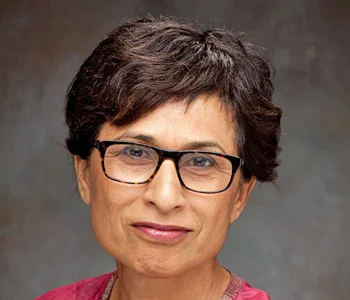
Inderpal Grewal is Professor and Chair in the Program in Women’s, Gender, and Sexuality Studies at Yale University. She is also Professor in the Ethnicity, Race and Migration Studies Program, the South Asian Studies Council, and affiliate faculty in the American Studies Program. She is the author of Home and Harem: Nation, Gender, Empire and the Cultures of Travel (Duke University Press, 1996), Transnational America: Feminisms, Diasporas, Neoliberalisms (Duke University Press, 2005), and Saving the Security State: Exceptional Citizens and Twenty-first century America (Duke University Press in 2017). With Caren Kaplan, she has written and edited Gender in a Transnational World: Introduction to Women’s Studies (Mc-Graw Hill 2001, 2005) and Scattered Hegemonies: Postmodernity and Transnational: Feminist Practices (University of Minnesota Press, 1994). With Victoria Bernal, she has edited Theorizing NGO’s: States, Feminism and Neoliberalism (Duke University Press, 2014).
Her ongoing projects include essays on violence and counterinsurgency in India, and a book project on masculinity and bureaucracy in postcolonial India.
Working Group Affiliations
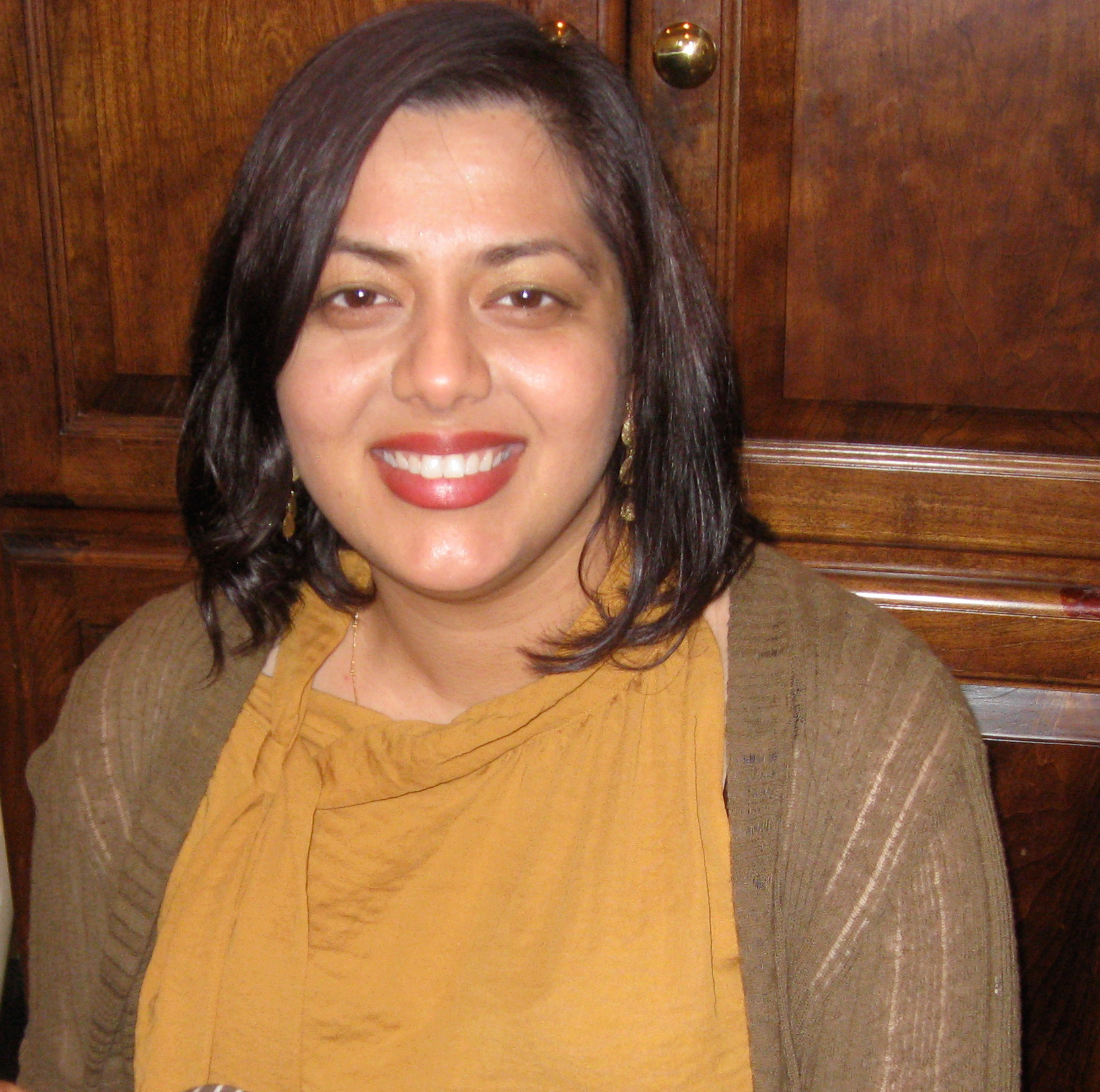
Zareena Grewal
Fellow, American Studies and Religious Studies, Yale University
Zareena Grewal is a historical anthropologist and a documentary filmmaker whose research focuses on race, gender, religion, nationalism, and transnationalism across a wide spectrum of American Muslim communities. Her first book, Islam is a Foreign Country: American Muslims and the Global Crisis of Authority (NYU 2013), is an ethnography of transnational Muslim networks that link US mosques to Islamic movements in Syria, Jordan, and Egypt through debates about the reform of Islam.
Zareena Grewal
Assistant Professor of American Studies and Religious Studies, Yale University
Zareena Grewal is a historical anthropologist and a documentary filmmaker whose research focuses on race, gender, religion, nationalism, and transnationalism across a wide spectrum of American Muslim communities. Her first book, Islam is a Foreign Country: American Muslims and the Global Crisis of Authority (NYU 2013), is an ethnography of transnational Muslim networks that link US mosques to Islamic movements in Syria, Jordan, and Egypt through debates about the reform of Islam. Her first film, By the Dawn’s Early Light: Chris Jackson’s Journey to Islam (Cinema Guild 2004), examines the racialization of Islam and the scrutiny of American Muslims’ patriotism long before September 11,, 2001. Her new project combines ethnographic and cultural studies analyses with historical research on the range of meanings the Quran has had for Americans in relation to national debates about religious tolerance. She was a Fulbright Fellow in Egypt (2002-3) and she received the Fulbright's prestigious Islamic Civilization Grant.

Farah Griffin
Professor, Department of English & Comparative Literature and African-American Studies, Columbia University
Professor Griffin's major fields of interest are American and African American literature, music, history and politics. The recipient of numerous honors and awards for her teaching and scholarship, in 2006-2007 Professor Griffin was a fellow at the New York Public Library Cullman Center for Scholars and Writers. She is the author of Who Set You Flowin’: The African American Migration Narrative (Oxford, 1995), If You Can’t Be Free, Be a Mystery: In Search of Billie Holiday (Free Press, 2001), Clawing At the Limits of Cool: Miles Davis, John Coltrane, and the Greatest Jazz Collaboration Ever (Thomas Dunne, 2008), among others.
Farah Griffin
William B. Ransford Professor of English & Comparative Literature and African-American Studies, Columbia University

Professor Griffin's major fields of interest are American and African American literature, music, history and politics. The recipient of numerous honors and awards for her teaching and scholarship, in 2006-2007 Professor Griffin was a fellow at the New York Public Library Cullman Center for Scholars and Writers. She is the author of Who Set You Flowin’: The African American Migration Narrative (Oxford, 1995), If You Can’t Be Free, Be a Mystery: In Search of Billie Holiday (Free Press, 2001), Clawing At the Limits of Cool: Miles Davis, John Coltrane, and the Greatest Jazz Collaboration Ever (Thomas Dunne, 2008), and Harlem Nocturne: Women Artists and Progressive Politics During World War II (Perseus Books, 2013). She is also the editor of Beloved Sisters and Loving Friends: Letters from Addie Brown and Rebecca Primus (Knopf, 1999) co-editor, with Cheryl Fish, of Stranger in the Village: Two Centuries of African American Travel Writing (Beacon, 1998) and co-editor with Brent Edwards and Robert O'Meally of Uptown Conversations: The New Jazz Studies (Columbia University Press, 2004).
Working Group Affiliation
Toward an Intellectual History of Black Women, Project Director

Emily Groopman
Doctoral Student, Human Evolutionary Biology, Columbia University College of Physicians and Surgeons
Emily Groopman is a third year MD/PhD student at Columbia University College of Physicians and Surgeons. She was born and raised in Brookline, MA, and graduated magna cum laude with Highest Honors in Human Evolutionary Biology from Harvard College. Her PhD research, in the lab of Dr. Ali Gharavi, applies genomic methods to discover variants predisposing individuals to different forms of chronic kidney disease, in order to deliver personalized diagnoses and treatment. Her interests include bioethics, medical humanism, and integrating cultural differences into the delivery of care.
Emily Groopman
Graduate Student, Columbia University College of Physicians and Surgeons

Emily Groopman is a fourth year MD/PhD student at Columbia University College of Physicians and Surgeons. She was born and raised in Brookline, MA, and graduated magna cum laude with Highest Honors in Human Evolutionary Biology from Harvard College. Her PhD research, in the lab of Dr. Ali Gharavi, applies genomic sequencing technologies for genetic diagnosis and discovery for individuals with chronic kidney disease. Her interests include personalized medicine, bioethics, medical humanism, and integrating cultural differences into the delivery of care.
Working Group Affiliation
Atina Grossman
Fellow, History, Cooper Union
Atina Grossmann teaches Modern German and European History, and Gender Studies. A graduate of the City College of New York (BA) and Rutgers University (Ph.D), she has held fellowships from the National Endowment for the Humanities, German Marshall Fund, American Council of Learned Societies, the Institute for Advanced Study in Princeton, and the American Academy in Berlin.
Atina Grossman
Professor of History, Cooper Union
Atina Grossmann teaches Modern German and European History, and Gender Studies. A graduate of the City College of New York (BA) and Rutgers University (Ph.D), she has held fellowships from the National Endowment for the Humanities, German Marshall Fund, American Council of Learned Societies, the Institute for Advanced Study in Princeton, and the American Academy in Berlin. Her publications include Reforming Sex: The German Movement for Birth Control and Abortion Reform, 1920-1950 (1995,97), Crimes of War: Guilt and Denial in the Twentieth Century (co-editor with Bartov and Nolan, 2001), and When Biology Became Destiny: Women in Weimar and Nazi Germany (co-editor with Renate Bridenthal and Marion Kaplan, 1984). Her most recent book is Jews, Germans, and Allies: Close Encounters in Occupied Germany, 1945-1949 (Princeton University Press, 2007)
Caitlin Gruer
Doctoral Student, Adolescent Transitions and Environment, Columbia University
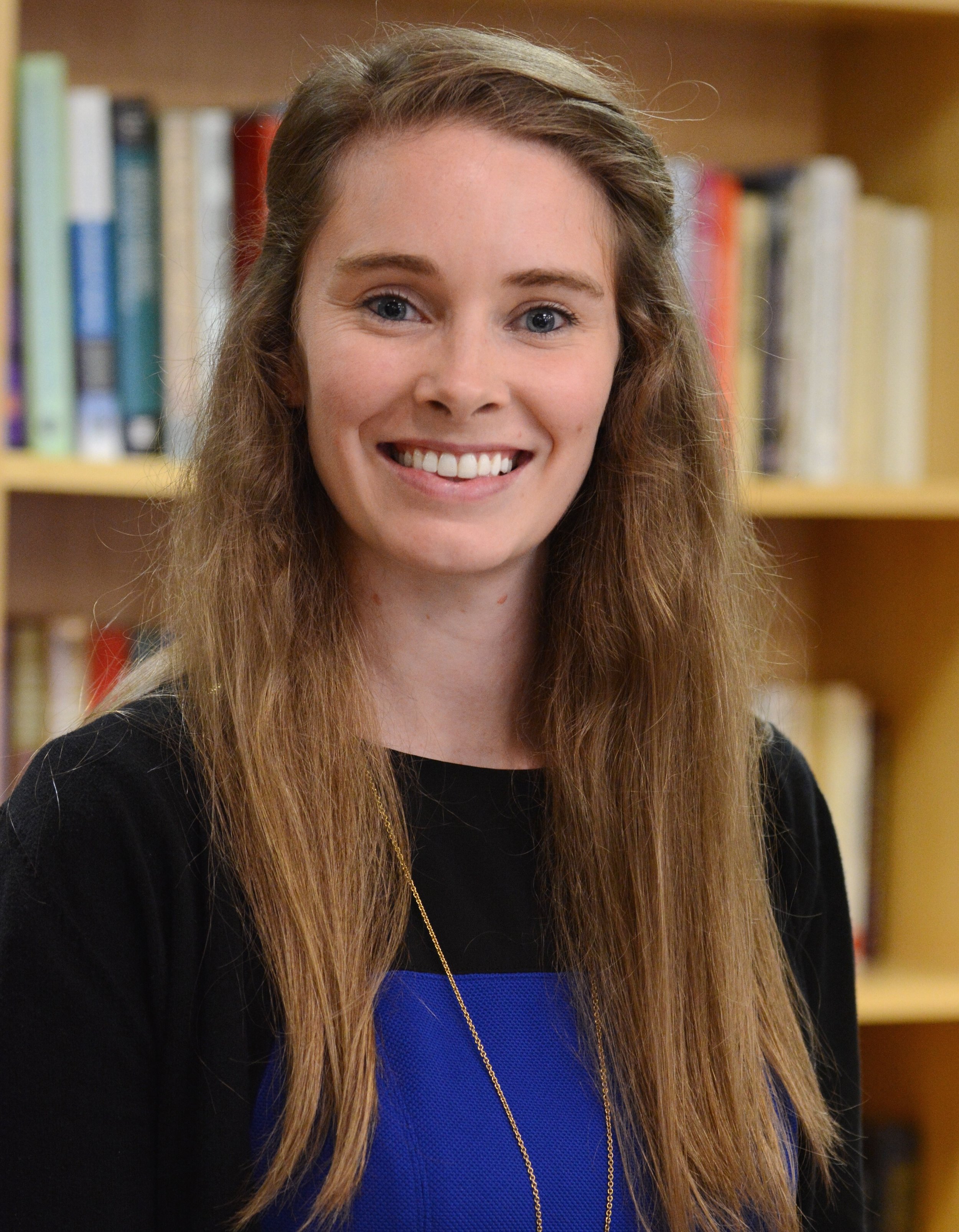
Caitlin Gruer, MPH, is a Senior Project Coordinator at Columbia University’s Mailman School of Public Health, where she supports the Gender, Adolescent Transitions and Environment (GATE) Program, based in the Department of Sociomedical Sciences. Prior to joining Columbia, she worked at Plan International USA leading initiatives related to menstrual hygiene management (MHM), water, sanitation and hygiene (WASH), and integrated WASH and nutrition.
Caitlin Gruer
Gender, Adolescent Transitions and Environment (GATE) Program Senior Project Coordinator, Mailman School of Public Health, Columbia University
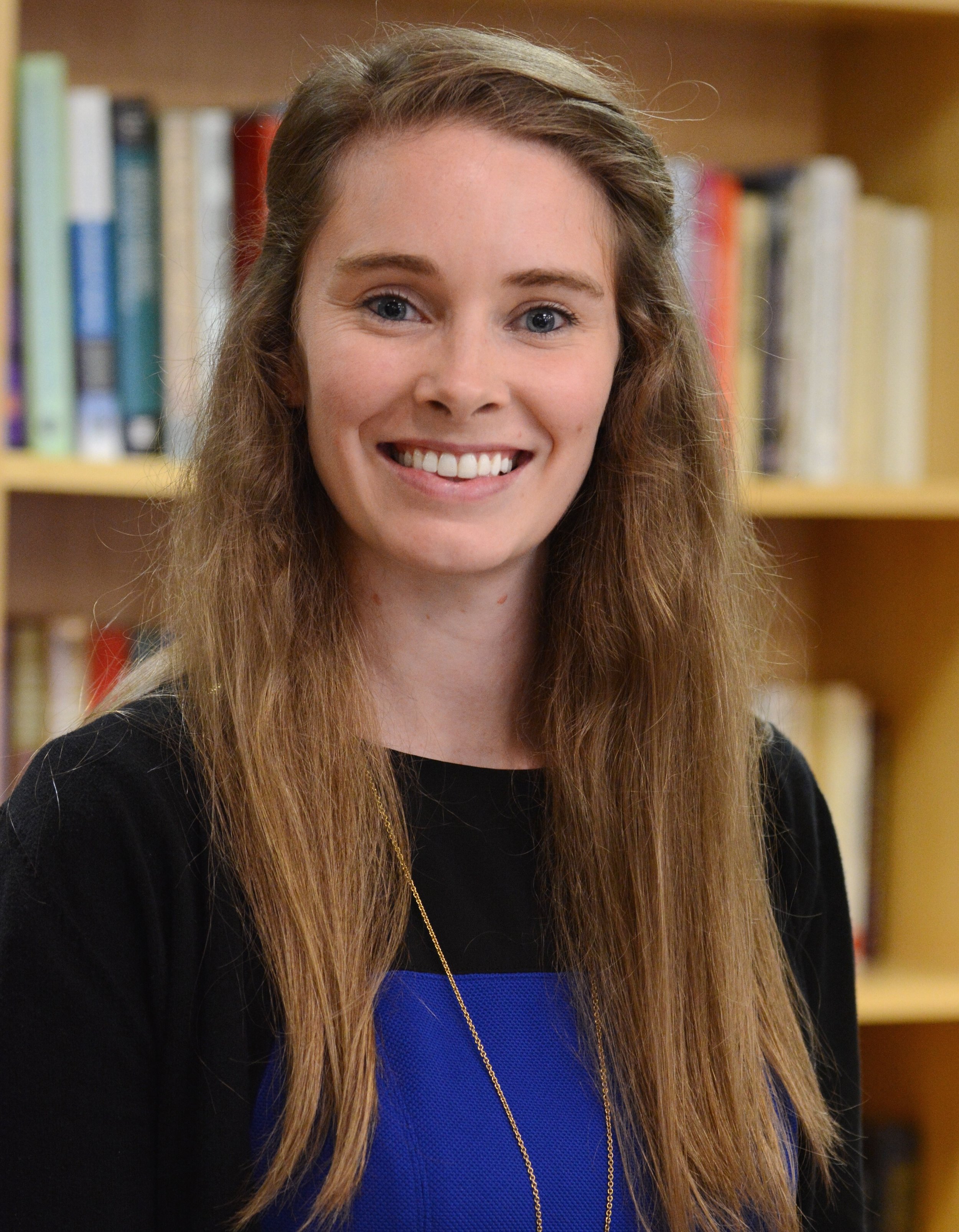
Caitlin Gruer, MPH, is a Senior Project Coordinator at Columbia University’s Mailman School of Public Health, where she supports the Gender, Adolescent Transitions and Environment (GATE) Program, based in the Department of Sociomedical Sciences. Prior to joining Columbia, she worked at Plan International USA leading initiatives related to menstrual hygiene management (MHM), water, sanitation and hygiene (WASH), and integrated WASH and nutrition. Her particular areas of focus are MHM, sustainable WASH programming, and equitable access to sanitation, particularly for women and girls.
Working Group Affiliation
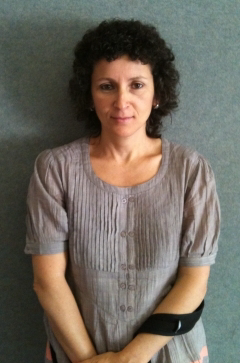
Nacira Guénif-Souilamas
Fellow, Sociology, University of Paris 8 Vincennes-Saint-Denis
Nacira Guénif-Souilamas is Professor, University of Paris 8 Vincennes-Saint-Denis, Education Sciences Department.
She was formerly Associate Professor at the University of Paris Nord/13 and Co-Director of EXPERICE Research Center.
Guénif-Souilamas holds a Phd in Sociology from l’École des Hautes Études en Sciences Sociales in Paris and a HDR of Sciences Po Paris.
Nacira Guénif-Souilamas
Professor, University of Paris 8 Vincennes-Saint-Denis, Education Sciences Department

Nacira Guénif-Souilamas is Professor, University of Paris 8 Vincennes-Saint-Denis, Education Sciences Department.
She was formerly Associate Professor at the University of Paris Nord/13 and Co-Director of EXPERICE Research Center.
Guénif-Souilamas holds a Phd in Sociology from l’École des Hautes Études en Sciences Sociales in Paris and a HDR of Sciences Po Paris.
In 2009, she was a Fulbright fellow at Wellesley College (Sociology) and Columbia University (ICLS, Department of Middle East and Asian Languages and Cultures & Department of Religion) and a Visiting Professor at the Institute of French Studies in NYU.
Her Phd dissertation was awarded « Le prix le Monde de la recherche universitaire » published as Des beurettes aux descendantes d’immigrants nord-africains (2000), paperback edition Des beurettes in 2003), translated in Arabic in 2004. She has co-authored with Éric Macé Les féministes et le garçon arabe, L’Aube (2004, paperback edition in 2006) and edited La république mise à nu par son immigration, La Fabrique (2006). Since 2004, her contributions appeared in : Le foulard islamique en questions; La fracture coloniale; Qui a peur de la télévision en couleurs ?; Les féminismes en questions, éléments pour une cartographie ; La situation postcoloniale; La reconnaissance à l’épreuve; Histoire politique des luttes de l’immigration (post)coloniale; La fracture postcoloniale; Israeli-Paslestinian Conflict in the Francophone World; Ruptures postcoloniales ; L’individu aujourd’hui ; Frenchness and the African Diaspora : Identity and Uprising in Contemporary France ; Migration und Menschenrechte in Europa ; Dictionnaire du racisme et des discriminations ; Dictionnaire de la jeunesse et de l’adolescence ; Minorités visibles en politique ; Penser à gauche ; La France une et multiculturelle. Her articles appeared in: La Revue Européenne des Migration Internationales ; French Politics, Culture and Society ; Contemporary French Civilization (ed) ; Cosmopolitiques (ed) ; Yale French Studies; Mouvements ; European Early Childhood Education Research Journal; The Salon. Chapters will appear in : Gendering the Divide : Religion, the Secular, and the Politics of Sexual Difference; What’s Queer about Europe ?
She contributes to public debates on migrations, minorities and discriminations, ethnic and racial visibility, gender, sexism and racism. She is a member of the TERRA network and the vice-president of the Islamic Cultural Center in Barbès, a longstanding Arab and Black quarter of Paris.
Working Group Affiliation

Jenny Gumer
Doctoral Student, Bioethics, Columbia University
Jenny Gumer is an attorney practicing in the litigation department of Gibson Dunn and Crutcher, Los Angeles. As a member of the firm's FDA, Healthcare and Life Sciences practices groups, she advises pharmaceutical and medical device companies on regulatory compliance as well as represents them in large scale litigations. Jenny is also a student in Columbia University's Masters in Bioethics program which she will complete in Spring 2017.
Jenny Gumer
Graduate Student, Bioethics, Columbia University

Jenny Gumer is an attorney practicing in the litigation department of Gibson Dunn and Crutcher, Los Angeles. As a member of the firm's FDA, Healthcare and Life Sciences practices groups, she advises pharmaceutical and medical device companies on regulatory compliance as well as represents them in large scale litigations. Jenny is also a student in Columbia University's Masters in Bioethics program which she will complete in Spring 2017. Prior to joining Gibson Dunn, Jenny received her Juris Doctorate from New York University, School of Law and her Bachelors in Science in Biology/Genetics from the University of California, San Diego where she was elected to Phi Beta Kappa.
Working Group Affiliation
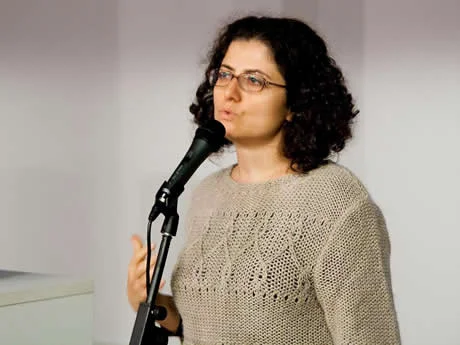
ASENA GÜNAL
Fellow, Sociology, Middle East Technical University
Asena Günal is an expert on history, feminism and culture and the program coordinator of Depo, a culture and arts center in Tophane, Istanbul. Depo is a space for critical debate and cultural exchange in the city center of Istanbul and the first initiative in Turkey to focus on regional collaborations among Turkey and countries in the Caucasus, the Middle East and the Balkans
Günal obtained her undergraduate degree in International Relations and her M.A. in Sociology from the Middle East Technical University, and her PhD in the History of Modern Turkey program in the Atatürk Institute, Boğaziçi University. She previously worked as an editor in İletişim Publishing House between 1998 and 2005. She is editorial secretary of the journal Toplum ve Bilim.
Asena Gunal
Program Coordinator, Depo Istanbul
Asena Günal is an expert on history, feminism and culture and the program coordinator of Depo, a culture and arts center in Tophane, Istanbul. Depo is a space for critical debate and cultural exchange in the city center of Istanbul and the first initiative in Turkey to focus on regional collaborations among Turkey and countries in the Caucasus, the Middle East and the Balkans
Günal obtained her undergraduate degree in International Relations and her M.A. in Sociology from the Middle East Technical University, and her PhD in the History of Modern Turkey program in the Atatürk Institute, Boğaziçi University. She previously worked as an editor in İletişim Publishing House between 1998 and 2005. She is editorial secretary of the journal Toplum ve Bilim.
Working Group Affiliation

Ayten Gündoğdu
Associate Professor, Department of Political Science, Barnard College and Columbia University
Ayten Gündoğdu's research draws on the resources of modern and contemporary political theory for the purposes of addressing problems related to human rights, migration, citizenship, and sovereignty. She has recently published Rightlessness in an Age of Rights: Hannah Arendt and the Contemporary Struggles of Migrants (Oxford University Press, 2015; ISA Theory Honorable Mention).
Ayten Gündoğdu
Associate Professor of Political Science, Barnard College

Ayten Gündoğdu's research draws on the resources of modern and contemporary political theory for the purposes of addressing problems related to human rights, migration, citizenship, and sovereignty. She has recently published Rightlessness in an Age of Rights: Hannah Arendt and the Contemporary Struggles of Migrants (Oxford University Press, 2015; ISA Theory Honorable Mention). The book offers a critical inquiry of human rights by rethinking Arendt’s key concepts and arguments in light of contemporary phenomena such as immigration detention, deportation, refugee encampment, and struggles for regularization. She is currently working on a new project that examines how the concept of “the human person” figures in the human rights discourse, attending to its violent exclusions as well as inventive reappropriations.
Working Group Affiliation
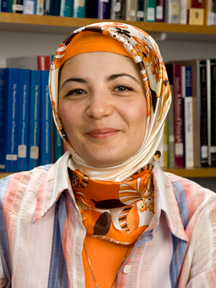
Havva Guney-Ruebenacker
Fellow, Comparative Family Law and Islamic Law, Boston University School of Law
Dr. Havva G. Guney-Ruebenacker is a visiting post-doc researcher at Harvard Law School. Her dissertation is titled “An Islamic Legal Realist Critique of the Traditional Theory of Slavery, Marriage and Divorce in Islamic Law” and it focuses on traditional Islamic law and modern Islamic legal reforms in the area of slavery and family law with a comparative examination of modernization of American family law in the area of no-fault divorce and its economic consequences.
Havva Guney-Ruebenacker
Dr. Havva G. Guney-Ruebenacker is a visiting post-doc researcher at Harvard Law School. Her dissertation is titled “An Islamic Legal Realist Critique of the Traditional Theory of Slavery, Marriage and Divorce in Islamic Law” and it focuses on traditional Islamic law and modern Islamic legal reforms in the area of slavery and family law with a comparative examination of modernization of American family law in the area of no-fault divorce and its economic consequences. In particular, her work examines the ways in which the institution of slavery influenced the structure and content of traditional Islamic legal theory of marriage and divorce, develops a new theory of Islamic Legal Realism that challenges the historical legitimacy of both slavery and women's inequality in traditional Islamic law, and advances a concrete reform proposal for divorce and post-divorce economic rights of women in Islamic law. She studied both major schools of Islamic law (Sunni and Shiite) at a Qur'anic studies school in Mecca, Saudi Arabia, and received a BA in Law from the University of Tehran. As a Visiting Assistant Professor, she taught Comparative Family Law and Islamic law at Boston University School of Law and was a teaching fellow at Harvard for classes in American constitutional history and Comparative Family Law. Dr. Guney-Ruebenacker holds S.J.D and LL.M degrees from Harvard and also an LL.M in European Union law and European legal history from University of Cambridge. She was a researcher at the European Court of Human Rights and the International Commission of Jurists in Geneva, and was a graduate fellow at the Oxford Center for Islamic Studies, Islamic Legal Studies Program at Harvard Law School and Edmond J. Safra Center for Ethics at Harvard. She is fluent in Turkish, Arabic and Farsi.

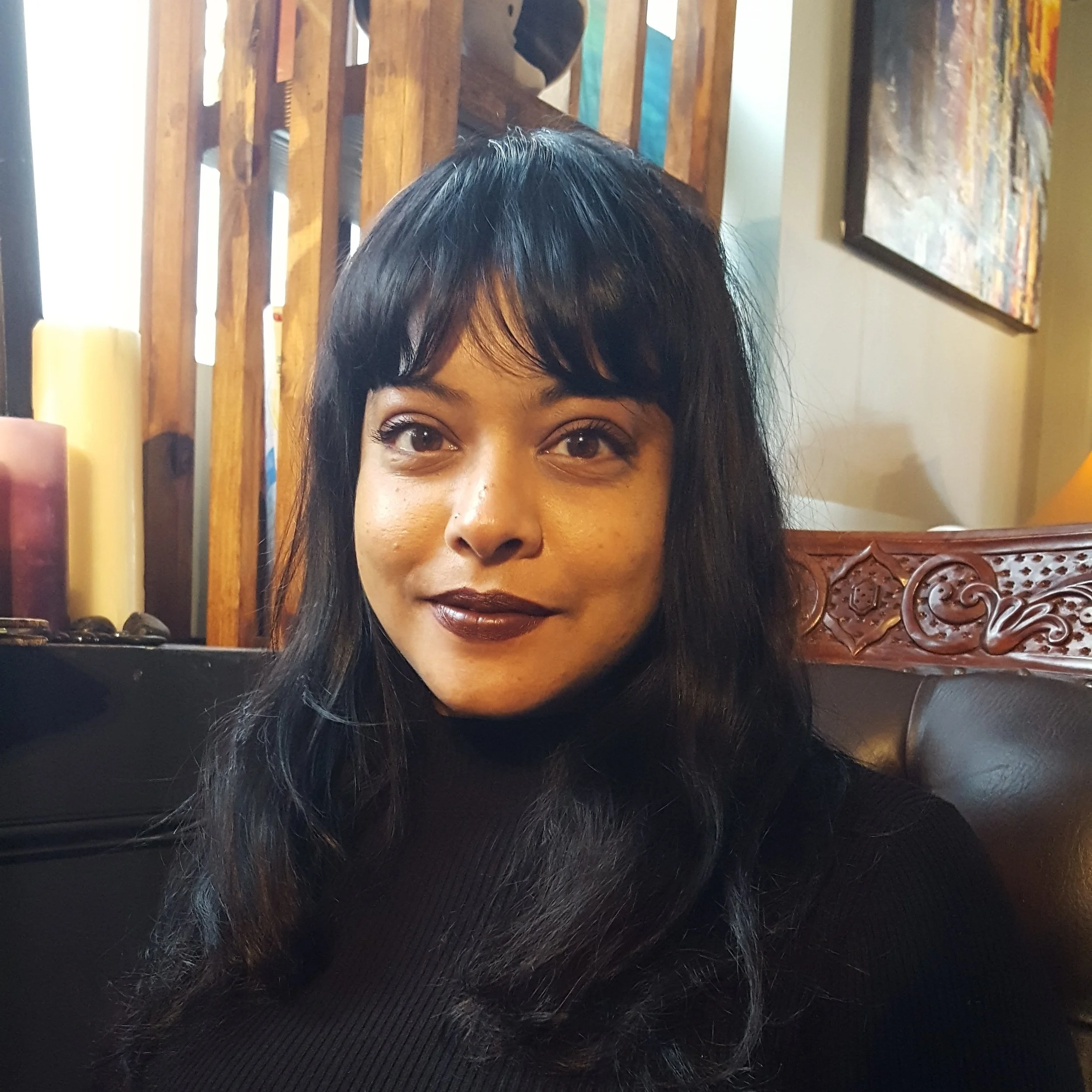
Joymala Hajra
Fellow, South Asian Studies, Columbia University
Joymala Hajra divides her time between the Religion and the Global Framing of Gender Violence Project, where she is the Program Coordinator and The Institute for Religion, Culture, and Public Life, where she is the Manager of Design and Communication.
Joymala Hajra
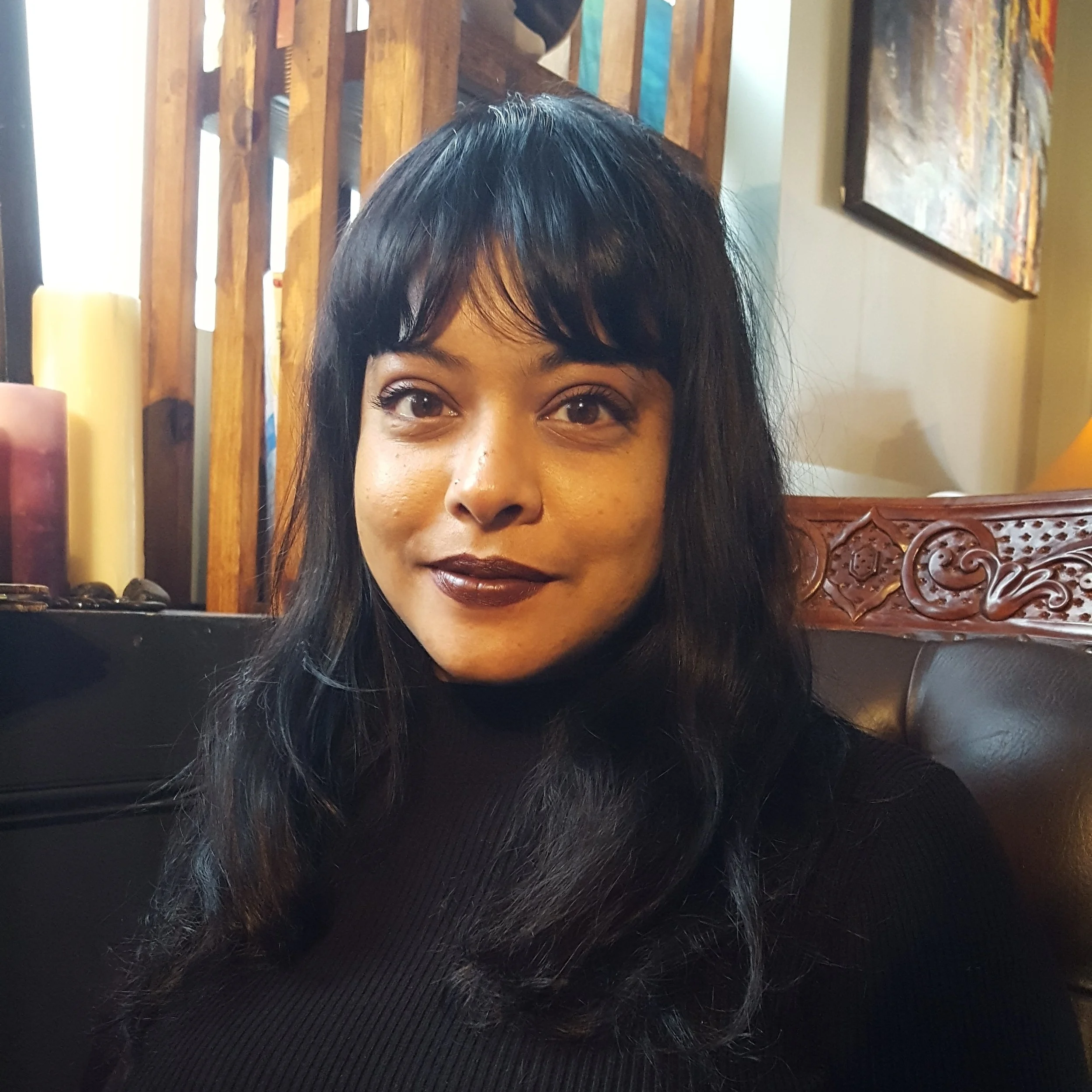
Joymala Hajra divides her time between the Religion and the Global Framing of Gender Violence Project, where she is the Program Coordinator and The Institute for Religion, Culture, and Public Life, where she is the Manager of Design and Communication. Joymala is an experienced researcher with a focus in critical gender and human rights studies. Alongside her career as a professional designer, she has been devoted to social justice through work with various arts and development organizations in the US and Bangladesh. Joymala holds a B.F.A. from The Fashion Institute of Technology and an M.A in South Asian Studies from Columbia University.
Working Group Affiliation
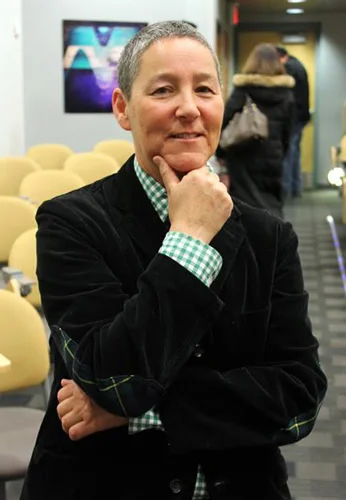
Jack Halberstam
Halberstam works in the areas of popular, visual and queer culture with an emphasis on subcultures. Halberstam’s first book, Skin Shows: Gothic Horror and the Technology of Monsters (1995), was a study of popular gothic cultures of the 19th and 20th centuries and it stretched from Frankenstein to contemporary horror film. Her 1998 book, Female Masculinity (1998), made a ground breaking argument about non-male masculinity and tracked the impact of female masculinity upon hegemonic genders.
Jack Halberstam
Professor of Women, Gender, and Sexuality Studies and English
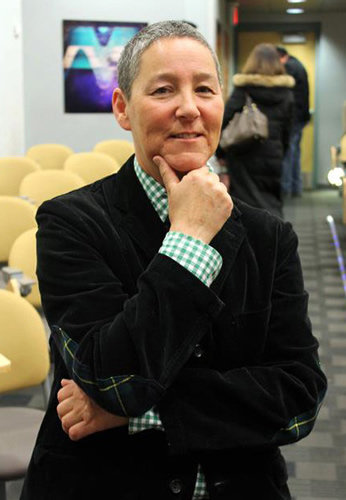
Jack Halberstam is the author of five books including: Skin Shows: Gothic Horror and the Technology of Monsters (Duke UP, 1995), Female Masculinity (Duke UP, 1998), In A Queer Time and Place (NYU Press, 2005), The Queer Art of Failure (Duke UP, 2011) and Gaga Feminism: Sex, Gender, and the End of Normal (Beacon Press, 2012) and has written articles that have appeared in numerous journals, magazines and collections. Halberstam has co-edited a number of anthologies including Posthuman Bodies with Ira Livingston (Indiana University Press, 1995) and a special issue of Social Text with Jose Munoz and David Eng titled “What’s Queer About Queer Studies Now?” Jack is a popular speaker and gives lectures around the country and internationally every year. Lecture topics include: queer failure, sex and media, subcultures, visual culture, gender variance, popular film, and animation. Halberstam is currently working on several projects including a book titled WILD THING on queer anarchy, performance and protest culture, the visual representation of anarchy and the intersections between animality, the human and the environment. Halberstam is also finishing up a short book titled Trans* for UC Press, forthcoming in 2018.
Working Group Affiliations
Queer Aqui, Project Director
Books Edited:
Skin Shows: Gothic Horror and the Technology of Monsters Duke UP, 1995
Female Masculinity Duke UP, 1998
In A Queer Time and Place NYU Press, 2005
The Queer Art of Failure Duke UP, 2011
Gaga Feminism: Sex, Gender, and the End of Normal Beacon Press, 2012
Kim Hall
Kim F. Hall joined the Barnard faculty in 2006. Previously, she held the Thomas F.X. Mullarkey Chair of Literature at Fordham University. She has also taught at the University of Pennsylvania, Swarthmore College, and Georgetown University. Professor Hall's research and scholarship have been supported by the Folger Institute, the ACLS, and the Ford Foundation. She has also received an NEH/Newberry Fellowship, and is listed in Who's Who of American Women as well as Who's Who Among African Americans. Professor Hall's first book, Things of Darkness, was named an outstanding academic book by Choice magazine. She is currently working on a book, tentatively entitled Sweet Taste of Empire, which examines women, labor, and race in the Anglo-Caribbean sugar trade during the seventeenth century.
Kim Hall
Lucyle Hook Chair, Professor of English and Africana Studies, Barnard College

Kim F. Hall joined the Barnard faculty in 2006. Previously, she held the Thomas F.X. Mullarkey Chair of Literature at Fordham University. She has also taught at the University of Pennsylvania, Swarthmore College, and Georgetown University. Professor Hall's research and scholarship have been supported by the Folger Institute, the ACLS, and the Ford Foundation. She has also received an NEH/Newberry Fellowship, and is listed in Who's Who of American Women as well as Who's Who Among African Americans. Professor Hall's first book, Things of Darkness, was named an outstanding academic book by Choice magazine. She is currently working on a book, tentatively entitled Sweet Taste of Empire, which examines women, labor, and race in the Anglo-Caribbean sugar trade during the seventeenth century.
Kim Hall is also an avid quilter whose work has been exhibited in Maryland, Massachusetts, and New York.
Working Group Affiliation
Janet Halley
Fellow, Royall Professor of Law, Harvard Law School
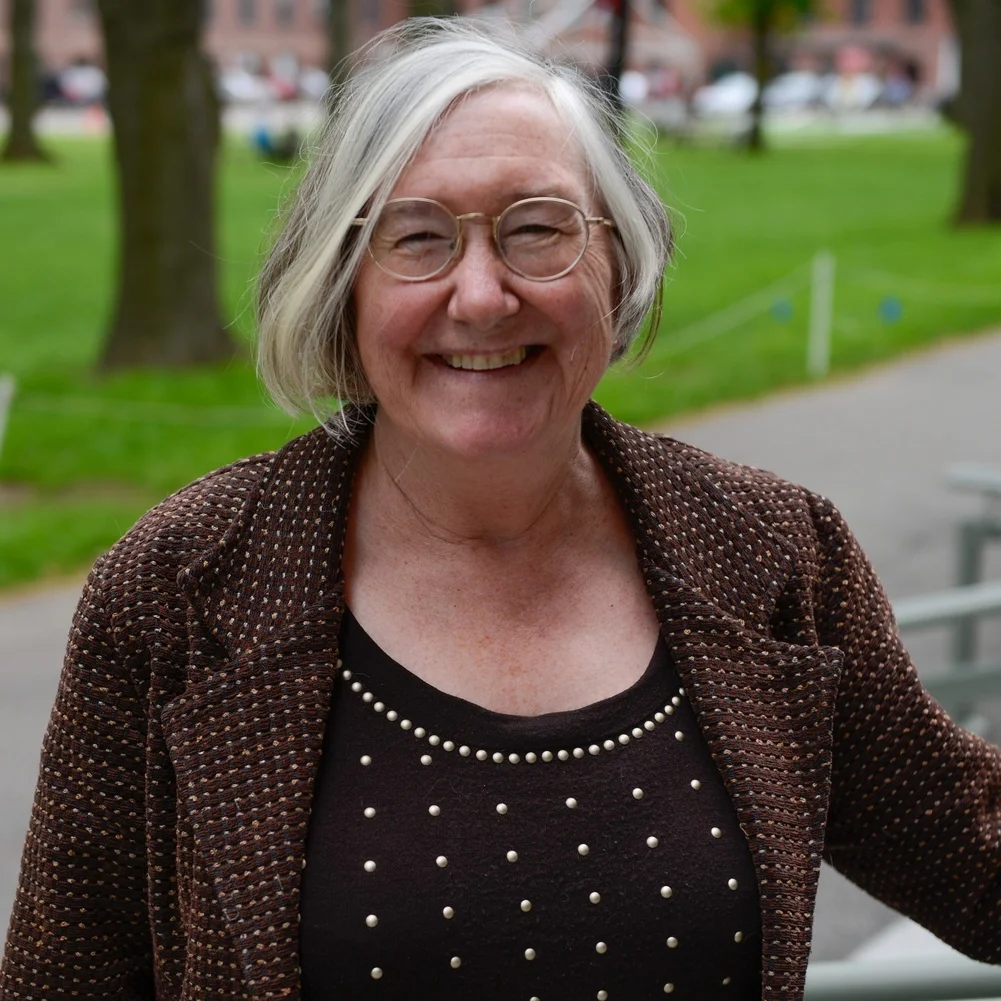
Janet Halley is the Royall Professor of Law at Harvard Law School. She has a Ph.D. in English Literature from UCLA and a J.D. from Yale Law School. She has taught at Tel Aviv Buckmann School of Law and in the Law Department of the American University in Cairo. She is the author of Split Decisions: How and Why to Take a Break from Feminism (Princeton 2006), and Don’t: A Reader’s Guide to the Military’s Anti-Gay Policy (Duke 1999). With Wendy Brown, she coedited Left Legalism/Left Critique (Duke 2002), and with Andrew Parker she coedited After Sex?
Janet Halley
Royall Professor of Law, Harvard Law School
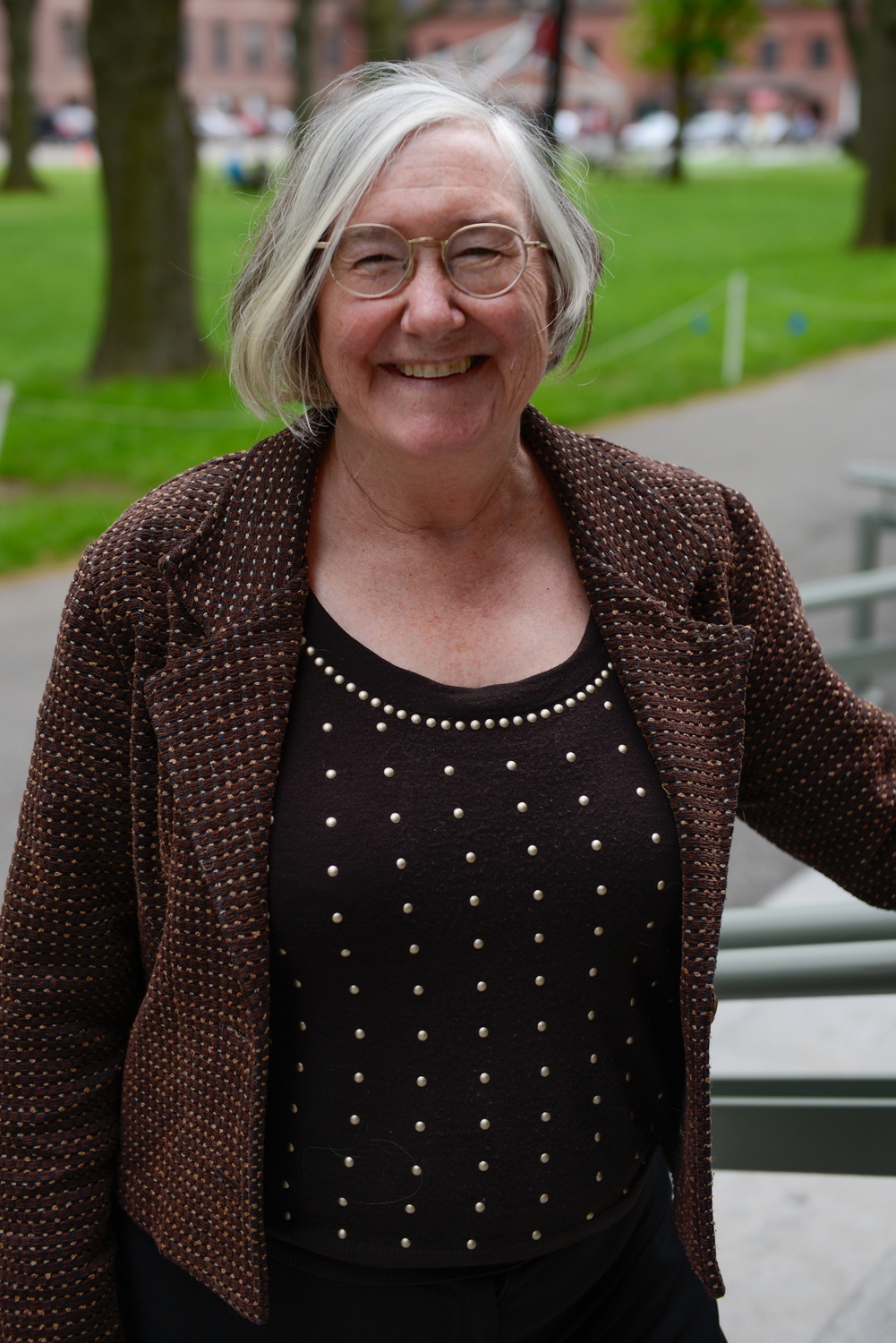
Janet Halley is the Royall Professor of Law at Harvard Law School. She has a Ph.D. in English Literature from UCLA and a J.D. from Yale Law School. She has taught at Tel Aviv Buckmann School of Law and in the Law Department of the American University in Cairo. She is the author of Split Decisions: How and Why to Take a Break from Feminism (Princeton 2006), and Don’t: A Reader’s Guide to the Military’s Anti-Gay Policy (Duke 1999). With Wendy Brown, she coedited Left Legalism/Left Critique (Duke 2002), and with Andrew Parker she coedited After Sex? New Writing Since Queer Theory (Duke 2011). She is the editor of a collection of essays entitled “Critical Directions in Comparative Family Law” in the American Journal of Comparative Law, and the author of “What is Family Law?: A Genealogy,” published last year in the Yale Journal of Law and the Humanities. Her current book projects are The Family/Market Distinction: A Genealogy and Critique and Rape in Armed Conflict: Assessing the Feminist Vision and its Law. She is co-director of the Trafficking Roundtable and of the Up Against Family Law Exceptionalism Conference, an international collaboration dedicated to studying the role of the family and family law in colonization, decolonization and contemporary globalization. She was recently awarded the Career Achievement Award for Law and the Humanities by the Association for the Study of Law, Culture and the Humanities. She teaches Family Law, Gender and the Family in Transnational Legal Orders, Gender in Postcolonial Legal Orders, Trafficking and Labor Migration, and courses on the intersections of legal theory with social theory.
Working Group Affiliation

Anna Danziger Halperin
PhD Student, History, Columbia University
Anna Danziger Halperin studies twentieth century American and British social policy and its effects on women and children, with a particular interest in child care. She graduated from Barnard College in 2006 with a degree in History and Human Rights. Before returning to Columbia in 2010, Anna conducted research and coauthored several reports on U.S. child care policies and other related issues affecting low-wage working families during her employment with the Urban Institute and the Institute for Women's Policy Research.
Anna Danziger Halperin
PhD Student, History

Anna Danziger Halperin studies twentieth century American and British social policy and its effects on women and children, with a particular interest in child care. She graduated from Barnard College in 2006 with a degree in History and Human Rights. Before returning to Columbia in 2010, Anna conducted research and coauthored several reports on U.S. child care policies and other related issues affecting low-wage working families during her employment with the Urban Institute and the Institute for Women's Policy Research.
Working Group Affiliation
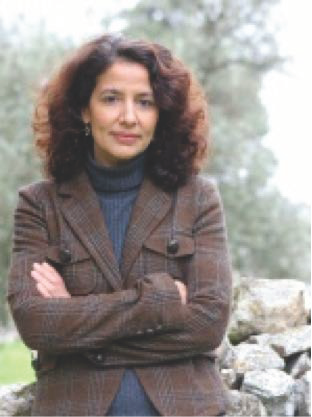
Rema Hammami
Fellow, Anthropology, Birzeit University
Rema Hammami is Associate Professor of Anthropology at the Institute of Women’s Studies, Birzeit University where she founded the graduate program in Gender and Development in 1998, the first graduate program in gender studies in the region.
Rema Hammami
Associate Professor of Anthropology, Birzeit University
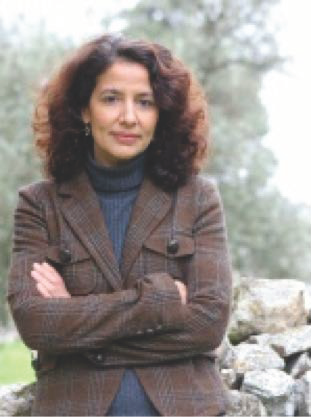
Rema Hammami is Associate Professor of Anthropology at the Institute of Women’s Studies, Birzeit University where she founded the graduate program in Gender and Development in 1998, the first graduate program in gender studies in the region. Her publications cover issues of development, politics, spatialities and gender in the context of Palestine. She serves on the editorial boards of the Arab Studies Journal, Jerusalem Quarterly File, Middle East Reports, Development and Change, and American Ethnologist. Founder and former chair of the Birzeit University Right to Education Campaign and founder and former director of the Women’s Affairs Centre in Gaza, she is active on issues of academic freedom and gender justice in and for Palestine. Recent publications include: “On (not) Suffering at the Checkpoint; Palestinian Narrative Strategies of Surviving Israel’s Carceral Geography”Borderlands Journal (14:1, 2015) and: “Precarious Politics: The Activism of ‘Bodies that Count’ (aligning with those that don’t) in Palestine’s Colonial Frontier” in. Judith Butler, Zeynep Gambetti, and Leticia Sabsay (eds), Rethinking Vulnerability: Towards a Feminist Theory of Resistance and Agency, Durham, NC. Duke University Press, (forthcoming 2016). Her current research focuses on the interface between liberal peace building/ neo-humanitarian intervention and the logics of Israeli military occupation and colonization of the West Bank and Gaza with a particular emphasis on how the aid industry deploys gender in its techniques across Palestine’s fragmented geo-political projects and spaces. Selected as a Carnegie Centennial Scholar at Columbia University in 2014, she was also previously awarded the Prince Claus Chair in Equity and Development at the ISS (the Hague) for 2005 and currently serves on the jury of their awards for culture and development.
Working Group Affiliation
Religion and the Global Reframing of Gender Violence, Project Director