

Benjamin Mier-Cruz
Benjamin Mier-Cruz

Benjamin Mier-Cruz is an assistant professor of Scandinavian Studies and Gender and Women’s Studies at the University of Wisconsin-Madison. Their research examines Nordic writers and filmmakers of color and intersectional representations of gender, sexuality, and race. Their research also explores transgender cinema and the figure of the vampire in literature and film. Their current book project studies constructions of subjecthood and self-representation by filmmakers of color in Swedish documentary cinema and visual culture.
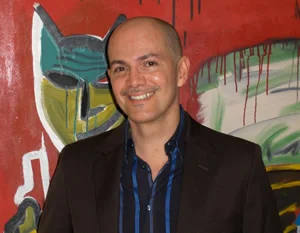
Arnaldo Cruz-Malavé
Fellow, Modern Languages and Literatures, Fordham University
Arnaldo Cruz-Malavé
Professor, Department of Modern Languages and Literatures, Fordham University


Jordan Corine Cruz
Fellow, Photography, School of Visual Arts
Jordan Corine Cruz (b. 1993) is a Puerto Rican interdisciplinary artist working in sculpture, installation, photography, video, and sound. Using traditional materials, imagery, and layered sound as cultural signifiers, Cruz creates interactive spaces and objects that focus on the intersections between self-identification, labor, gender, and displacement.
Jordan Corine Cruz
Interdisciplinary Artist, Bronx, New York
Jordan Corine Cruz (b. 1993) is a Puerto Rican interdisciplinary artist working in sculpture, installation, photography, video, and sound. Using traditional materials, imagery, and layered sound as cultural signifiers, Cruz creates interactive spaces and objects that focus on the intersections between self-identification, labor, gender, and displacement. Her work considers how communities of color utilize nostalgia to create strategies for survival. Cruz’s practice centers on cultural archives ranging from family lore, Puerto Rican traditional practices, and block culture.
Cruz received a BFA in Photography and an MFA in Photography, Video, and Related Media from the School of Visual Arts. Her work has been shown in Haul Gallery, SoMad Studio, La Mama Galleria, and SVA Chelsea Gallery. Cruz was granted the BRIO award by the Bronx Council on the Arts in 2020. Additionally, she has organized and hosted a panel talk focusing on Latinx Women Photographers in collaboration with El Museo del Barrio in New York City. Cruz lives and works in The Bronx, New York.
Working Group Affiliations
Zip Code Memory Project: Practices of Justice and Repair, Social Engagement Project

Rubén Cruz-Malavé
Fellow, Spanish and Portuguese, New York University
Director, Creative Writing Program, Professor, Department of Spanish and Portuguese, New York University
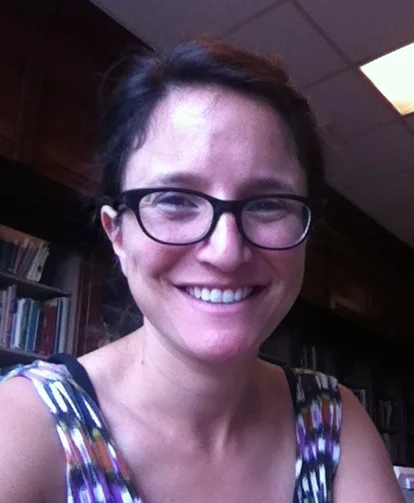
Georgina Cullman
New York
Georgina Cullman
New York

Georgina Cullman is an Ecologist for New York City's Department of Parks & Recreation. As part of the Natural Resources Group, Dr. Cullman conducts research and provides advisement on the city's natural areas and biodiversity. Prior to working at Parks, Dr. Cullman was a biodiversity scientist at the American Museum of Natural History's Center for Biodiversity and Conservation and implemented applied conservation research in such diverse locations as Madagascar, Solomon Islands, Bolivia, Panama, and New Jersey.
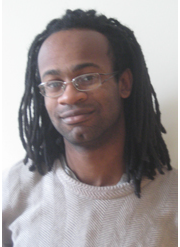
Nijah Cunningham
Doctoral candidate, Department of English and Comparative Literature
Nijah Cunningham is a doctoral candidate in the Department of English and Comparative Literature at Columbia University and the editorial assistant for Small Axe. He is currently working on a dissertation that focuses on the interplay between literature, performance, and the question of a black aesthetic that emerges out of the 1960s moment and across three African diasporic nodes in Senegal, Jamaica, and the United States.
Nijah Cunningham
Doctoral candidate, Department of English and Comparative Literature
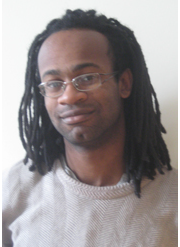
Nijah Cunningham is a doctoral candidate in the Department of English and Comparative Literature at Columbia University and the editorial assistant for Small Axe. He is currently working on a dissertation that focuses on the interplay between literature, performance, and the question of a black aesthetic that emerges out of the 1960s moment and across three African diasporic nodes in Senegal, Jamaica, and the United States.
Working Group Affiliation
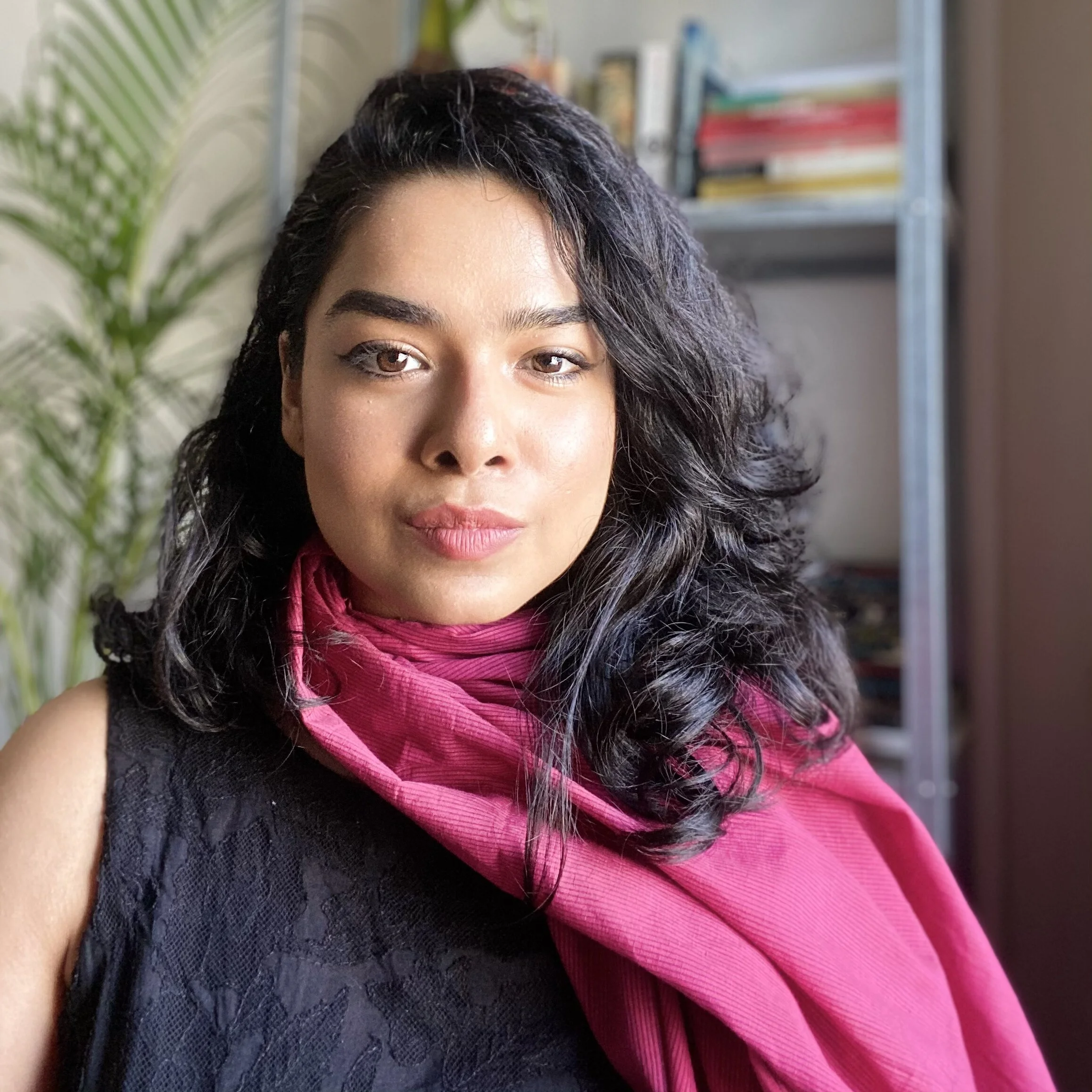
Aastha D
Aastha D.
Working Group: Insurgent Domesticities
Managing Editor
Working Group: Insurgent Domesticities
Aastha D (she/they) is an independent scholar, essayist, designer and educator. She has a background in architecture, with a masters from Columbia University, New York. As the Founding Editor of Proseterity, a literary publication, they work with thinkers and writers (especially those kept in the margins) who pose new ‘what if?’s to disrupt the status quo, forging an alternative present and future.
Aastha’s writings on design and culture are informed by their anti-caste, anti-racism, feminist politics, and appear in Tribune Magazine, Metropolis New York, STIRworld, Disegno etc. In the recent past, she has held editorial positions at publications in New York and Mumbai, edited books, curated exhibitions and events.
As an educator Aastha teaches critical thinking, creative writing, research methodology with a focus on ‘disrupting the episteme’ as it is known.
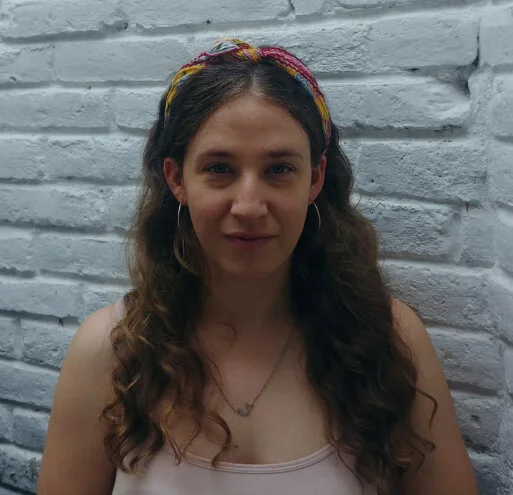
Bárbara Pérez Curiel
Ph.D. student, Department of Spanish and Portuguese, New York University
Bárbara Pérez Curiel is a Ph.D. student at New York University's Department of Spanish and Portuguese. She holds a Master's degree in Modern Languages (Spanish) from the University of Oxford and a Bachelor's degree in Modern Languages (German) from the National Autonomous University of Mexico (UNAM).
Bárbara Pérez Curiel
Ph.D. student, Department of Spanish and Portuguese, New York University

Bárbara Pérez Curiel is a Ph.D. student at New York University's Department of Spanish and Portuguese. She holds a Master's degree in Modern Languages (Spanish) from the University of Oxford and a Bachelor's degree in Modern Languages (German) from the National Autonomous University of Mexico (UNAM). Her current research interests revolve around contemporary Mexican and Central American literature, cinema, and journalism. In the last five years, she has worked as an editor, journalist, and translator for Mexican and international media outlets and publishing houses.
Working Group Affiliations
Zip Code Memory Project: Practices of Justice and Repair, Social Engagement Project

Neha Dagaonkar
Research Operations Manager, Institute for Genomic Medicine, Columbia University College of Physicians and Surgeons
After completing her MS in Biotechnology from the Indian Institute of Technology, Neha Dagaonkar worked as Scientist in pharmaceutical sector for several years before transitioning to Molecular Diagnostics. She has a penchant for global health policy with respect to Economics and Race and Ethnicity. She works as Volunteer for several organizations with focus on Health Policy and Genomics. She is an active blogger and policy advocate for Global health, International relations and Health Economics.
Neha Dagaonkar
Research Operations Manager, Genomics Analysis Facility, Institute for Genomic Medicine, Columbia University
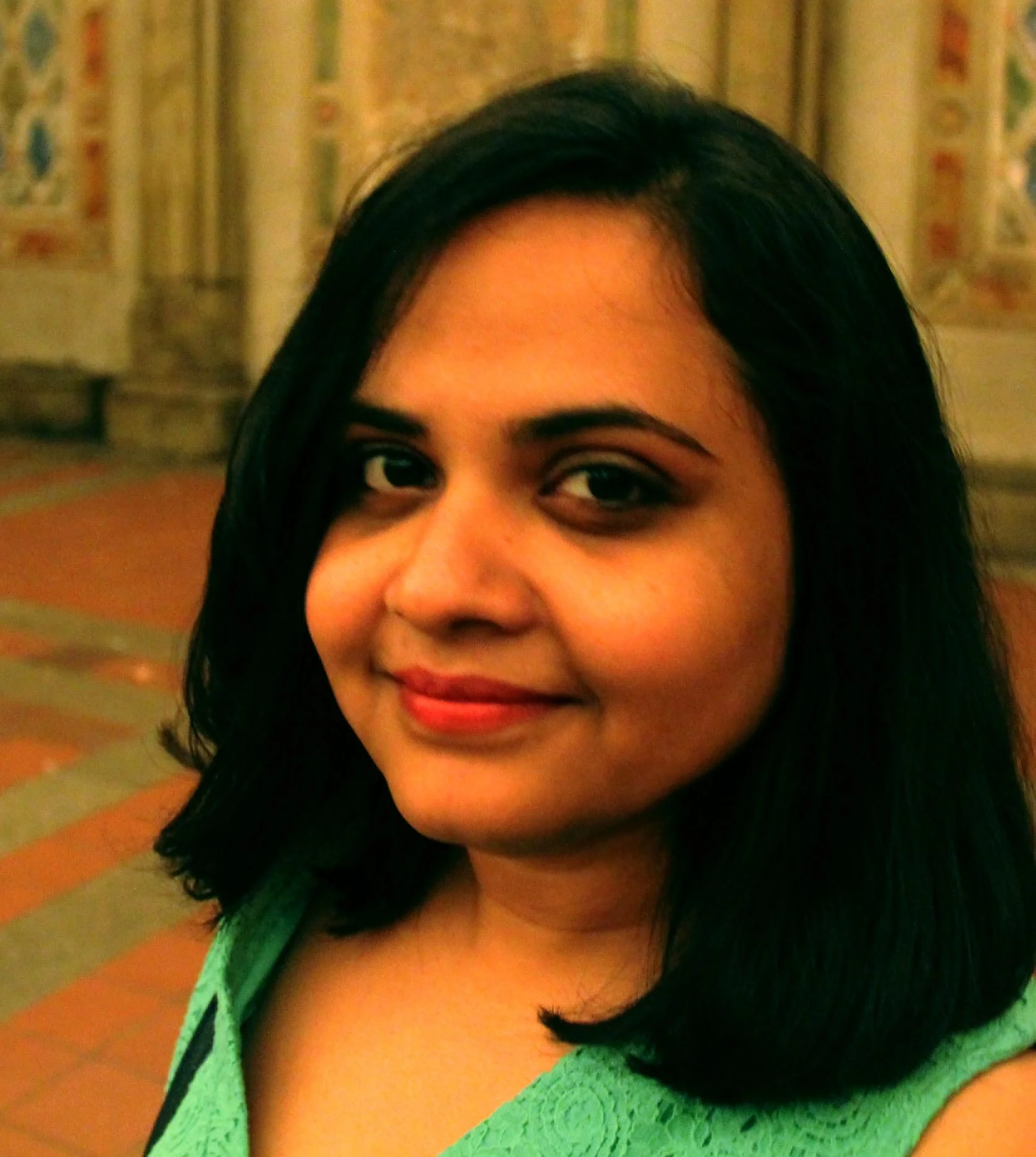
After completing her MS in Biotechnology from the Indian Institute of Technology, Neha Dagaonkar worked as Scientist in pharmaceutical sector for several years before transitioning to Molecular Diagnostics. She has a penchant for global health policy with respect to Economics and Race and Ethnicity. She works as Volunteer for several organizations with focus on Health Policy and Genomics. She is an active blogger and policy advocate for Global health, International relations and Health Economics.
Working Group Affiliation
Patricia Dailey
Associate Professor of English and Comparative Literature, Columbia University
Former Director of the Institute for Research on Women, Gender, and Sexuality (IRWGS), Patricia Dailey is a co-founder of the Junior Faculty Advisory Board, the ASSC, and the University Seminar on Affect Studies.
Patricia Dailey
Associate Professor of English and Comparative Literature, Columbia University
Former Director of the Institute for Research on Women, Gender, and Sexuality (IRWGS), Patricia Dailey is a co-founder of the Junior Faculty Advisory Board, the ASSC, and the University Seminar on Affect Studies. Her book, Promised Bodies (Columbia University Press, 2013) focuses on embodiment in thirteenth-century women’s mysticism. She is currently writing a book, Responsive Subjects: Affect and Anglo-Saxon Literature.

Camila Daniel
Fellow, Social Sciences, Rural University of Rio de Janeiro
Professor at the Três Rios Institute at the Federal Rural University of Rio de Janeiro. PhD in Social Sciences (PUC / Rio). Master in Social Sciences (PPCIS / UERJ). Post-doctorate by the Department of World Language and International Studies (Morgan State University / USA).
Camila Daniel
Professor at the Três Rios Institute at the Federal Rural University of Rio de Janeiro. PhD in Social Sciences (PUC / Rio). Master in Social Sciences (PPCIS / UERJ). Post-doctorate by the Department of World Language and International Studies (Morgan State University / USA). Visiting Researcher at the Fulbright Foundation at New York University in 2019. Professor Daniel works as an activist researcher in the field of migratory studies and ethnic-racial relations in Latin America and the United States.
Working Group Affiliation
Daniel Da Silva
Fellow, Portuguese, Rutgers University
Daniel da Silva’s research specializes in gender, sexuality, race, performance and popular music in the Portuguese-speaking world. His forthcoming book, Trans Tessituras: Transatlantic and Transgender Luso-Afro-Brazilian Popular Music analyzes popular music iterations of transgender voices in Brazil, Portugal and Angola to show how they amplify and refigure the gendered conventions of Portuguese-language popular music genres by pulling at national and transatlantic histories of race, gender and sexuality.
Daniel Da Silva
Assistant Professor, Portuguese, Rutgers University – New Brunswick
Daniel da Silva’s research specializes in gender, sexuality, race, performance and popular music in the Portuguese-speaking world. His forthcoming book, Trans Tessituras: Transatlantic and Transgender Luso-Afro-Brazilian Popular Music analyzes popular music iterations of transgender voices in Brazil, Portugal and Angola to show how they amplify and refigure the gendered conventions of Portuguese-language popular music genres by pulling at national and transatlantic histories of race, gender and sexuality. A second manuscript, Favela Feminism, will show how feminism in Brazil is connected to the histories, work and desires of black, Afro-Brazilian cis, trans, and gender-nonconforming women through favela cultural practices. He received his Ph.D. in Latin American and Iberian Cultures from Columbia University in 2019, as well as a Certificate in Feminist Scholarship from the Institute of Research on Women, Gender and Sexuality in 2016. Coming to Rutgers University – New Brunswick is a homecoming of sorts, after receiving a B.A. in History with a minor in Lusophone World Cultures at Rutgers University – Newark in 2012. Da Silva’s interests in music, Lusophone cultures, and queer performance were cultivated through his youth growing up in Newark, NJ’s Ironbound neighborhood, as a performer of music, and during a decade working in New York’s music industry scenes. These experiences continue to inform his interest in popular gay, trans, queer and feminist performance.
SELECT PUBLICATIONS
2018
“Unbearable Fadistas: António Variações and Fado as Queer Praxis.” Journal of Lusophone Studies 3.1(2018): pp. 124-147.
2019
“Black Mothers and Black Boats: Queer, Indigenous and Afro-Brazilian Intersections in Ney Matogrosso’s ‘Mãe Preta (Barco Negro).’” Journal of Lusophone Studies 4.1(2019): pp. 208-229.
“Transgender Voices: Anhoni’s Vanishing Woods, Bodies and Breath,” Out & About Blog, Institute for Research on Women, Gender, and Sexuality, May 8.http://irwgs.columbia.edu/out-and-about-transgender-voices-of-vanishing-woods-bodies-and-breath/
Working Group Affiliation
Queer Aqui, Project Director
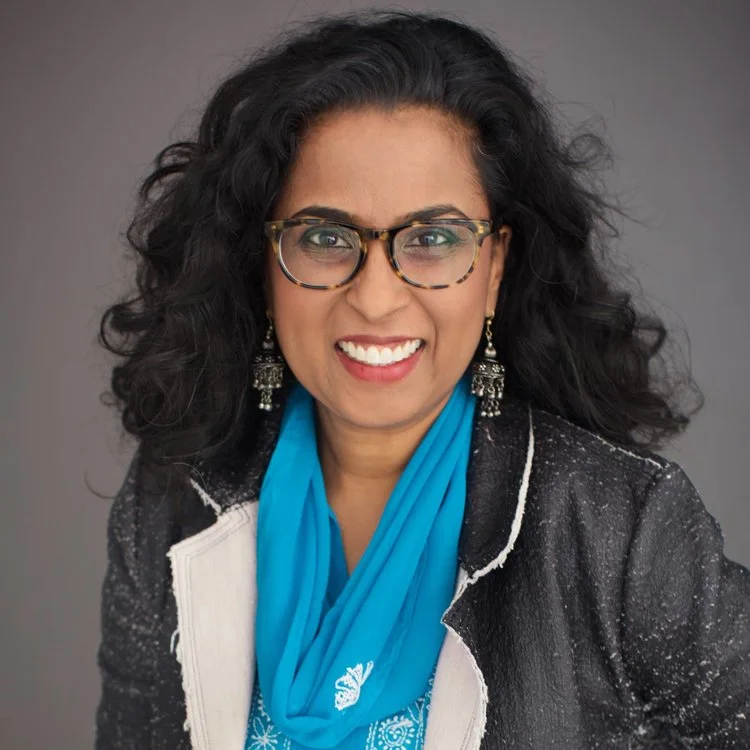
Sayantani Dasgupta
Assistant Professor of Clinical Pediatrics and Faculty, Program in Narrative Medicine, Columbia University; Faculty, Health Advocacy Graduate Program and Fiction Writing Program, Sarah Lawrence College
Sayantani DasGupta, MD MPH is the Co-Author of "The Demon Slayers and Other Stories: Bengali Folktales," author of "Her Own Medicine: A Woman's Journey from Student to Doctor," and co-editor of an award winning collection of women's illness narratives, "Stories of Illness and Healing: Women Write their Bodies." She teaches courses on illness and disability narratives and narrative, health and social justice and is co-chair of the Columbia University Seminar on Narrative, Health and Social Justice.
Sayantani Dasgupta
Assistant Professor of Clinical Pediatrics and Faculty, Program in Narrative Medicine, Columbia University; Faculty, Health Advocacy Graduate Program and Fiction Writing Program, Sarah Lawrence College

Sayantani DasGupta, MD MPH is the Co-Author of "The Demon Slayers and Other Stories: Bengali Folktales," author of "Her Own Medicine: A Woman's Journey from Student to Doctor," and co-editor of an award winning collection of women's illness narratives, "Stories of Illness and Healing: Women Write their Bodies." She teaches courses on illness and disability narratives and narrative, health and social justice and is co-chair of the Columbia University Seminar on Narrative, Health and Social Justice.
Working Group Affiliations
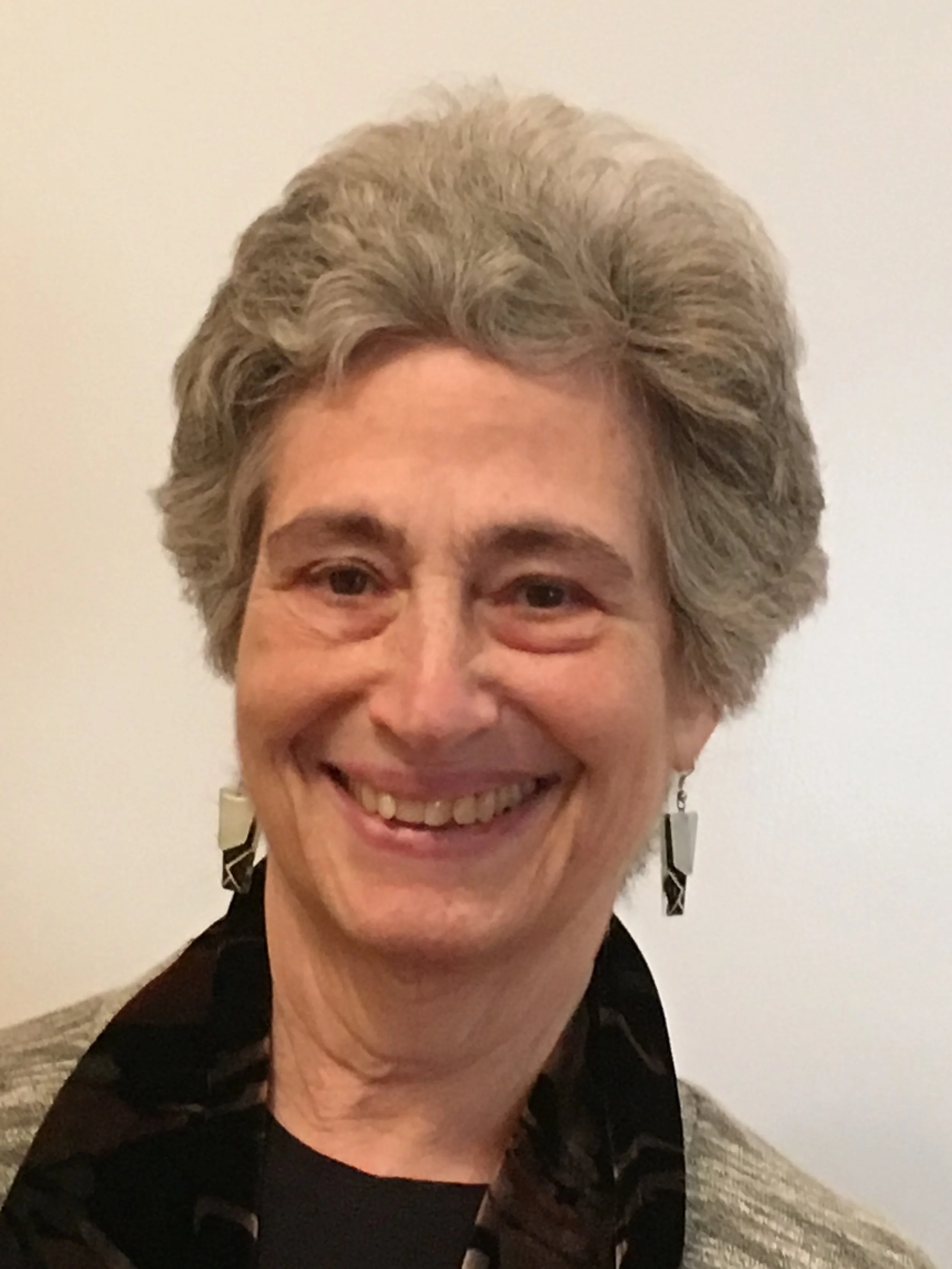
Sheila Dauer
Adjunct Assistant Professor of Political Science, Columbia University
Sheila Dauer, former Director of AIUSA’s Women’s Human Rights Program during the program’s existence from October 1997 to end December, 2008. Since 1988, as a charter member of an AIUSA Taskforce on Women’s Human Rights, she worked with both AI international research office and other national sections to develop AI’s policy, action and publications on women’s human rights.
Sheila Dauer
Adjunct Assistant Professor of Political Science, Columbia University
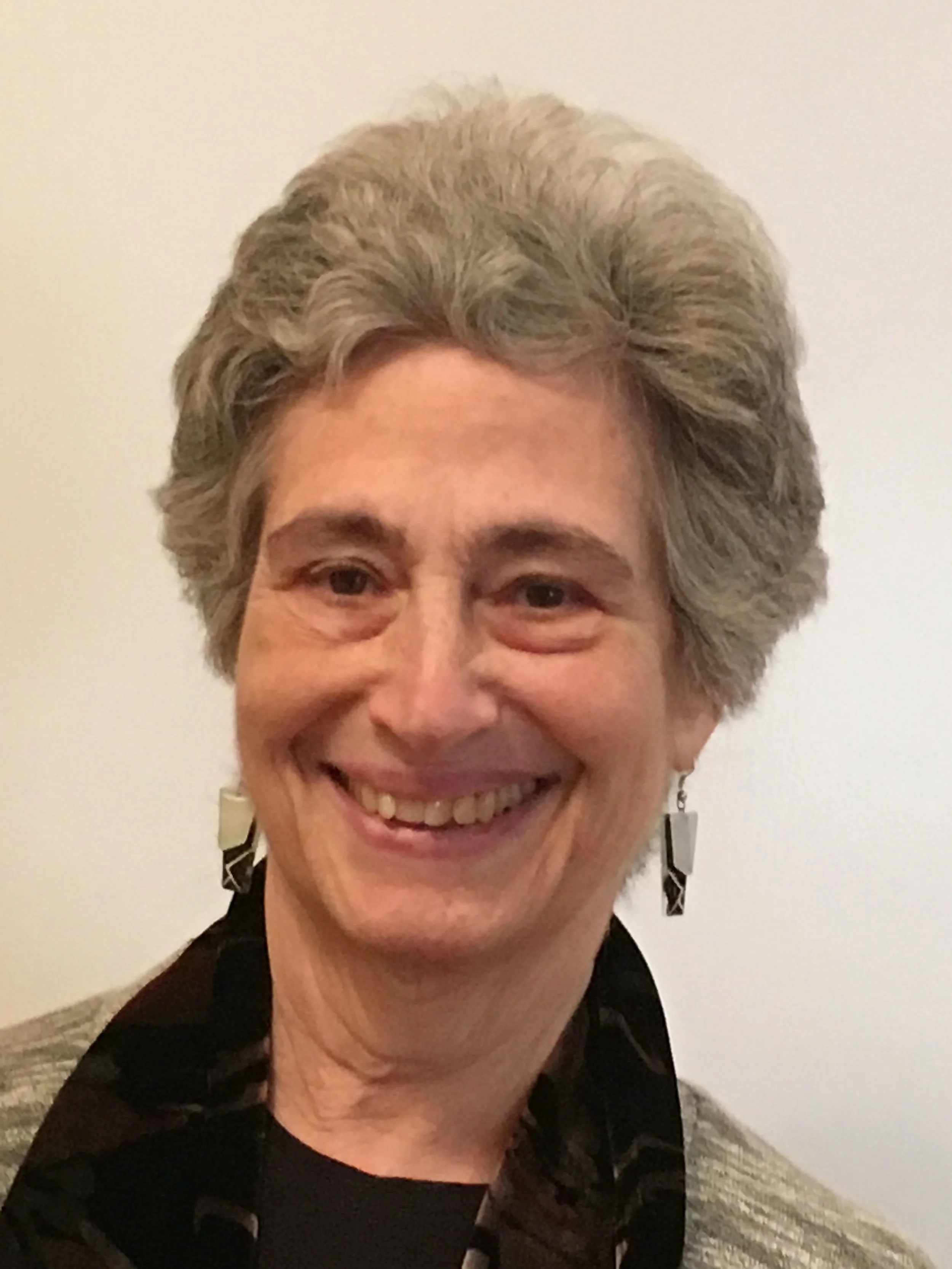
Sheila Dauer, former Director of AIUSA’s Women’s Human Rights Program during the program’s existence from October 1997 to end December, 2008. Since 1988, as a charter member of an AIUSA Taskforce on Women’s Human Rights, she worked with both AI international research office and other national sections to develop AI’s policy, action and publications on women’s human rights. In 1991, she prepared AI's first international report on women's human rights, Women in the Front Line. She served as Theme Advisor to AIUSA’s Stop Violence Against Women Campaign (2004-2008), developing strategies and actions on multiple countries and issues around violence against women. Dr. Dauer, who holds a Ph.D. in Anthropology, carried out fieldwork for two years in Tanzania. She is a Fellow of the American Anthropological Association and served on the Committee for Human Rights and a Fellow of the Society for Applied Anthropology. She has taught at The New School for Public Engagement’s Graduate Program in International Affairs. She is on the Board of Directors of Action for Health in the Americas, a support NGO for EPES, Educacion Popular en Salud, Chile.
Working Group Affiliation
Lennard Davis
Fellow, English, University of Illinois at Chicago
Lennard J. Davis is Professor in the English Department in the School of Arts and Sciences at the University of Illinois at Chicago, where he had also served as Head. In addition, he is Professor of Disability and Human Development in the School of Applied Health Sciences of the University of Illinois at Chicago, as well as Professor of Medical Education in the College of Medicine. He is also director of Project Biocultures a think-tank devoted to issues around the intersection of culture, medicine, disability, biotechnology, and the biosphere.
Lennard Davis
Distinguished Professor of English; Professor of Disability and Human Development, School of Applied Health Sciences, University of Illinois at Chicago; Professor of Medical Education, University of Illinois College of Medicine
Lennard J. Davis is Professor in the English Department in the School of Arts and Sciences at the University of Illinois at Chicago, where he had also served as Head. In addition, he is Professor of Disability and Human Development in the School of Applied Health Sciences of the University of Illinois at Chicago, as well as Professor of Medical Education in the College of Medicine. He is also director of Project Biocultures a think-tank devoted to issues around the intersection of culture, medicine, disability, biotechnology, and the biosphere. Davis is the author of two works on the novel–Factual Fictions: The Origins of the English Novel (Columbia U. Press, 1983, rpt. University of Pennsylvania Press, 1996) and Resisting Novels: Fiction and Ideology (Routledge, 1987, rpt. University of Pennsylvania Press, 2001) and co-editor of Left Politics and the Literary Profession. His works on disability include Enforcing Normalcy: Disability, Deafness, and the Body (Verso, 1995), which won the 1996 Gustavus Myers Center for the Study of Human Rights’ annual award for the best scholarship on the subject of intolerance in North America, and The Disability Studies Reader (Routledge, 1996). His memoir My Sense of Silence (University of Illinois Press, 2000), was chosen Editor’s Choice Book for the Chicago Tribune, selected for the National Book Award for 2000, and nominated for the Book Critics Circle Award for 2000. He has appeared on National Public Radio’s Fresh Air to discuss the memoir, which describes his childhood in a Deaf family. Davis has also edited his parents’ correspondence Shall I Say a Kiss: The Courtship Letters of a Deaf Couple, 1936-38 (Gallaudet University Press, 1999). Davis is a co-founder of the Modern Language Association’s Committee on Disability Issues in the Profession, and he is on the board of several academic journals.
Having written widely for newspapers and magazines, Davis is also the author of a novel entitled The Sonnets (State University of New York Press, March 2001). A collection of his essays entitled Bending Over Backwards: Disability, Dismodernism, and Other Difficult Positions was published by New York University Press in August 2002. He was awarded a Guggenheim Fellowship in 2002-2003 for Obsession: A History (University of Chicago Press, 2008). His book Go Ask Your Father: One Man's Obsession to Find Himself, His Origins, and the Meaning of Life Through Genetic Testing will be published in 2009 by Random House. He has written numerous articles in The Nation, The New York Times, The Chicago Tribune, The Chronicle of Higher Education and other print media. Davis has also been a commentator on National Public Radio’s All Things Considered, and appeared on Morning Edition, This American Life, Odyssey, The Leonard Lopate Show and other NPR affiliates. His current interests include disability-related issues; literary and cultural theory; genetics, race, identity; and biocultural issues.
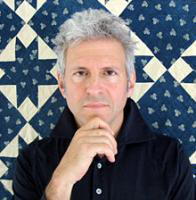

Lindsey Dayton
PhD Student, History, Lawrence College
Lindsey Dayton is a second-year PhD student in the field of U.S. History, focusing on African American, gender, and labor history in the 20th century. She received a BA in liberal arts and an MA in women’s history from Sarah Lawrence College in Bronxville, NY. Her MA thesis, “From Heavy Iron Blues to I Pay my Union Dues,” explored black women laundry workers’ successful efforts to organize a union in New York City during the Great Depression.
Lindsey Dayton
PhD Student, History

Lindsey Dayton is a second-year PhD student in the field of U.S. History, focusing on African American, gender, and labor history in the 20th century. She received a BA in liberal arts and an MA in women’s history from Sarah Lawrence College in Bronxville, NY. Her MA thesis, “From Heavy Iron Blues to I Pay my Union Dues,” explored black women laundry workers’ successful efforts to organize a union in New York City during the Great Depression. After completing her master’s degree she worked in the hospitality industry in Chicago and was active in organizing hotel, restaurant, and food service workers there and in New York. Research interests include the dynamics of race, gender, and sexuality in the organizing of black women in the urban north; the history of the radical left and leftist coalitions; and the impact of migration and immigration on black protest politics around issues of labor. She is currently researching domestic worker organizing in Manhattan and Brooklyn during the Great Depression.
Working Group Affiliation

Ana Luiza de Abreu Claudio
Fellow, Sustainability, Columbia University
Over 16 years of experience as project coordinator in Information and Communication Technologies (ICTs), Sustainability, Social Responsibility, Sociocultural and Socioenvironmental Education and research. Coordination of +50 long, medium and short term projects in the areas of human rights, social memory, community media, environment, preservation of material and immaterial cultural heritage, with wide experience in complex environments such as conflict zones, isolated communities and extreme poverty.
Ana Luiza de Abreu Claudio
Project Coordinator: Geographies of Injustice: Gender and the City

Ana Luiza de Abreu Claudio holds a BA in Journalism from the Federal University of Viçosa (UFV), and an MA in Social Sciences from the Federal Rural University of Rio de Janeiro (UFRRJ). Her research focuses on visual arts and social memory from under-represented territories, especially favelas and indigenous communities, with an emphasis on photography. From a broader perspective, she aims to work with the Latin American feminist visual arts scene and their connections with activism and the geopolitical imagination.
Before Columbia, Ana Luiza worked for 16 years as an art curator, researcher in visual arts and as a project coordinator and teacher in photography. Ana Luiza has wide experience in complex environments such as conflict zones, isolated communities, and extreme poverty territories. Throughout her career she developed a variety of projects across Brazil and abroad, including several initiatives in the Amazon rainforest, the Cerrado region, Rio’s favelas, the US, Europe, and the Middle East.
Ana Luiza has undertaken efforts in the visual arts, digital humanities, preservation of material and immaterial cultural heritage, community and popular media, socio-environmental programs, and communications projects with indigenous groups. Ana Luiza has accomplished such work in the domain of public institutions and non-governmental organizations but has also developed partnerships in the private sector.
Before joining Columbia University in the Fall of 2022, Ana Luiza worked for 8 years as the coordinator of the Social Action department of the Moreira Salles Institute (IMS), Brazil’s most influential cultural institution. Ana is a PhD student in Latin American and Iberian Cultures at Columbia University.
Working Group Affiliation
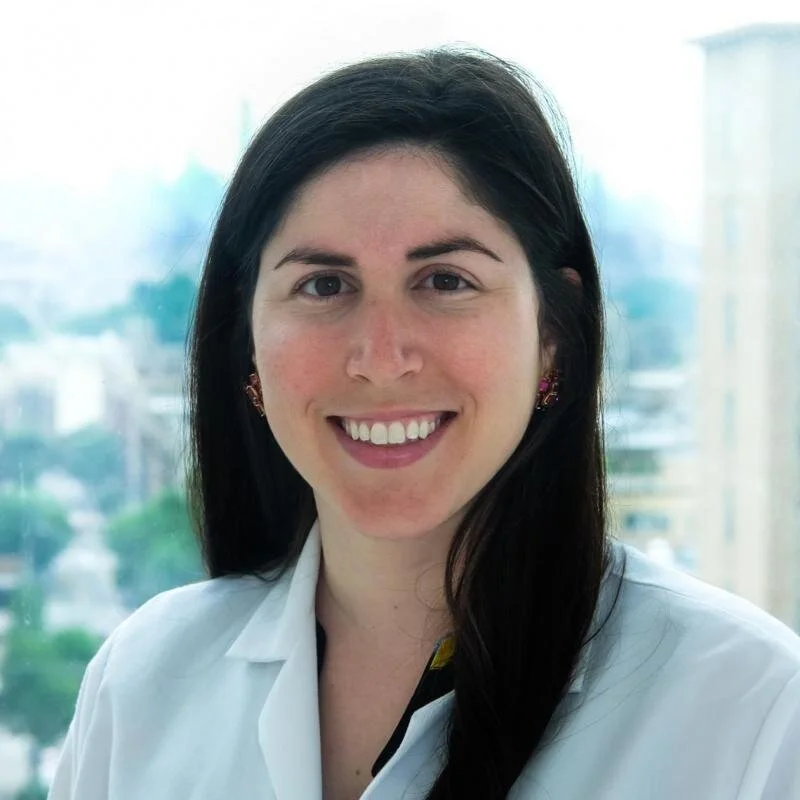
Ersilia DeFilippis
Doctoral Student, Medicine & Cardiology, Columbia University
Ersilia DeFilippis is a second year Postdoctoral Clinical Fellow in the Seymour, Paul and Gloria Milstein Division of Cardiology in the Columbia University Department of Medicine. She completed her undergraduate degree at Yale University and attended Weill Cornell Medicine for medical school. Ersilia’s residency was done at Brigham and Women’s Hospital.
Ersilia DeFilippis
Postdoctoral Clinical Fellow, Columbia University Department of Medicine, Cardiology

Ersilia DeFilippis is a second year Postdoctoral Clinical Fellow in the Seymour, Paul and Gloria Milstein Division of Cardiology in the Columbia University Department of Medicine. She completed her undergraduate degree at Yale University and attended Weill Cornell Medicine for medical school. Ersilia’s residency was done at Brigham and Women’s Hospital.
Working Group Affiliation
Women’s Heart Disease Awareness: Digital Intervention, Creating Change, Coordinator
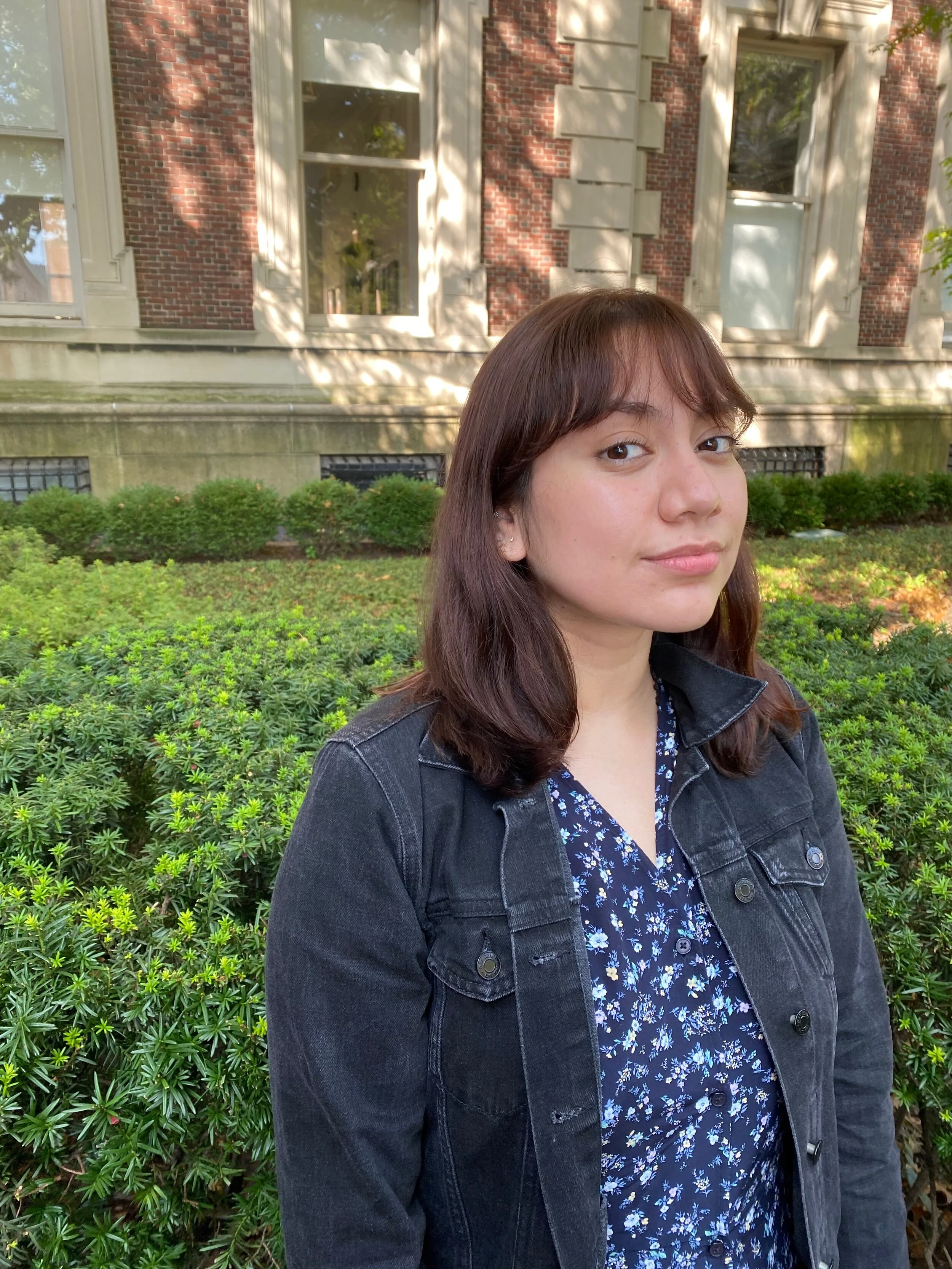
Julia Delgadillo
Doctoral Student, Film Studies, Columbia University
Julia Delgadillo is a second-year Film Studies MA student at Columbia University, focusing her thesis on Mexican horror films of the 1950s to 1970s, and their relationship to Mexican folklore and culture. This work is expanded upon from her undergraduate studies at the University of California, Berkeley, where her focus was manifestations of mental illnesses in horror films.
Julia Delgadillo
Film Studies MA Student, Columbia University
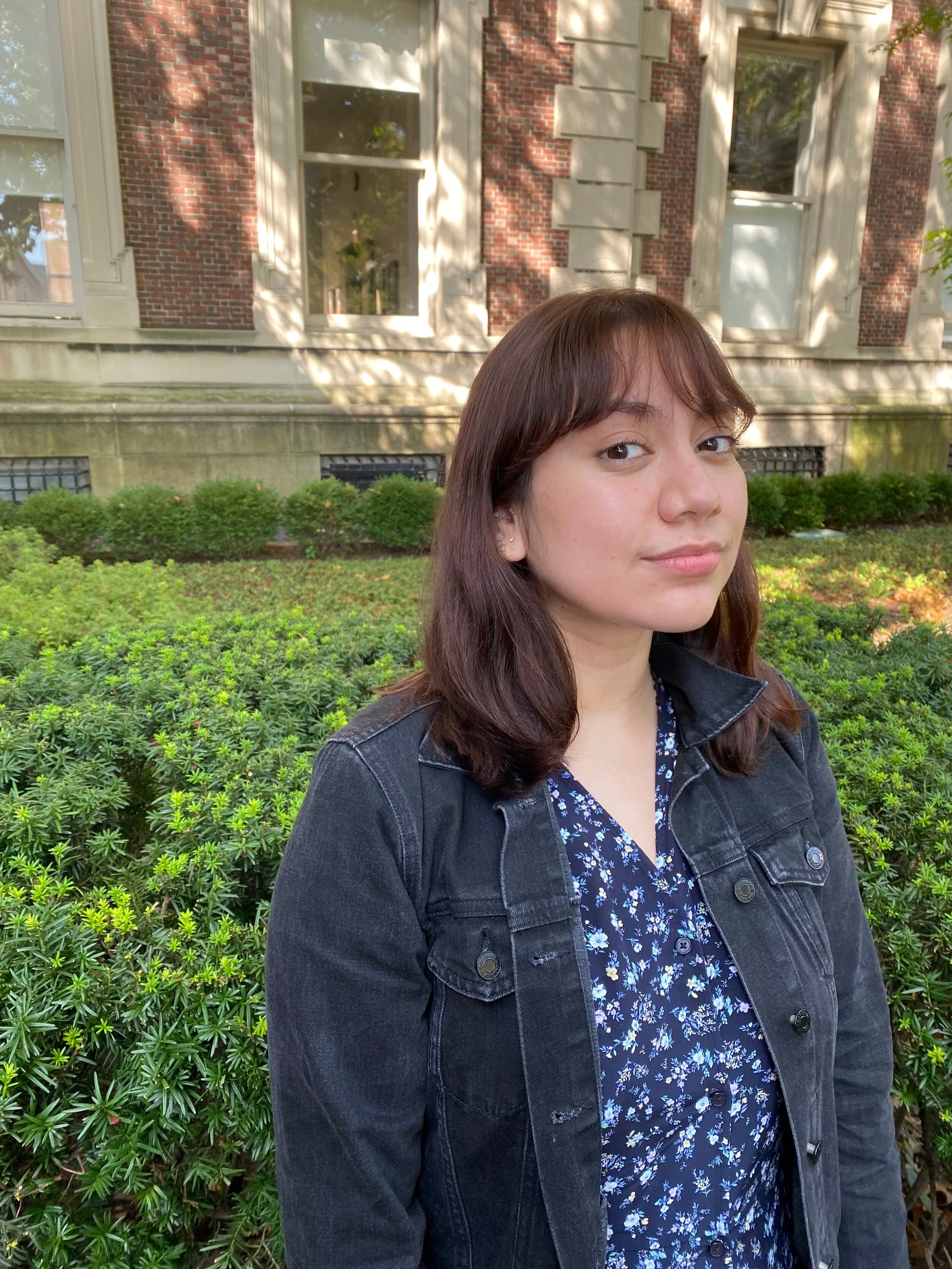
Julia Delgadillo is a second-year Film Studies MA student at Columbia University, focusing her thesis on Mexican horror films of the 1950s to 1970s, and their relationship to Mexican folklore and culture. This work is expanded upon from her undergraduate studies at the University of California, Berkeley, where her focus was manifestations of mental illnesses in horror films.
Working Group Affiliation
Environmental Justice, Belief Systems, and Aesthetic Experiences in Latin America and the Caribbean, Graduate Assistant

Matthew DeMaio
Graduate Administrative Fellow
Media Production and Marketing
Matthew DeMaio

Matthew DeMaio is a PhD candidate in Anthropology at the George Washington University in Washington, DC. His work mixes ethnographic, digital and archival methods to explore experiences of urban displacement and encampment across the Palestinian refugee diaspora. His ongoing dissertation project focuses specifically on the lives and experiences of the former residents of the Yarmouk Palestinian Refugee Camp in southern Damascus who have faced multiple rounds of movement as a result of the Syrian Civil War. In doing so, the project analyzes how attachments to, and conceptions of, place are fashioned and carried across iterations of displacement and how these accumulated attachments shape encounters with new places of refuge and manifestations of belonging.