

Shayoni Mitra
Assistant Professor, Department of Theater, Barnard College
Shayoni Mitra is an Assistant Professor of Theater at Barnard College. Professor Mitra works at the intersection of performance and politics. Her interest in political theatre stems from her years as an actor with Delhi based street theatre group Jana Natya Manch. She is currently revising toward publication her manuscript, “Contesting Capital: A History of Political Theatre in Postcolonial Delhi,” which interrogates the ever shifting, adapting expressions of political theatre under different configurations of power. It is a historical look at both proscenium and street theatre from the decade of Independence in the 1940s to the twenty first century. The manuscript covers a range of styles including folk and revolutionary singing troupes, large open-air performances, topical agit-prop plays, intimate and improvized activist pieces and feminist performances.
Shayoni Mitra
Assistant Professor, Theater, Barnard College

Shayoni Mitra is an Assistant Professor of Theater at Barnard College. Professor Mitra works at the intersection of performance and politics. Her interest in political theatre stems from her years as an actor with Delhi based street theatre group Jana Natya Manch. She is currently revising toward publication her manuscript, “Contesting Capital: A History of Political Theatre in Postcolonial Delhi,” which interrogates the ever shifting, adapting expressions of political theatre under different configurations of power. It is a historical look at both proscenium and street theatre from the decade of Independence in the 1940s to the twenty first century. The manuscript covers a range of styles including folk and revolutionary singing troupes, large open-air performances, topical agit-prop plays, intimate and improvized activist pieces and feminist performances. This understanding of what it means to be political in changing times, is linked fundamentally with the life and profile of a city. New Delhi, the new capital of postcolonial India offers a unique nexus of local, regional and national power from which to understand and interrogate the ways in which cultural policy functions in creating identity for a new nation and its multiple peoples. Read this way, the history of political theatre in Delhi becomes metonymic for the oppressed and marginalized populations of this ever expanding global city.
Prof. Mitra has taught courses on Indian, Asian and non-Western performances as well as modern Theatre History and Performance Studies. Her teaching bridges the gap between the global North and South, putting into dialogue the histories of Western Realism with classical, folk, stylized, avant garde and improvized forms from around the world. She actively embraces the scholar-practitioner-activist role encouraging the connections between pedagogy and praxis. Before coming to Barnard, she taught at Brown and New York University in the United States and conducted lectures and theatre workshops in Jawaharlal Nehru University, Jamia Milia University and Delhi University in India. Among her current projects is her collaboration with a group of sex workers in Sangli, Maharashtra, India examining the ways in which they use theatre for their political mobilization.
Working Group Affiliation
Naeem Mohaiemen
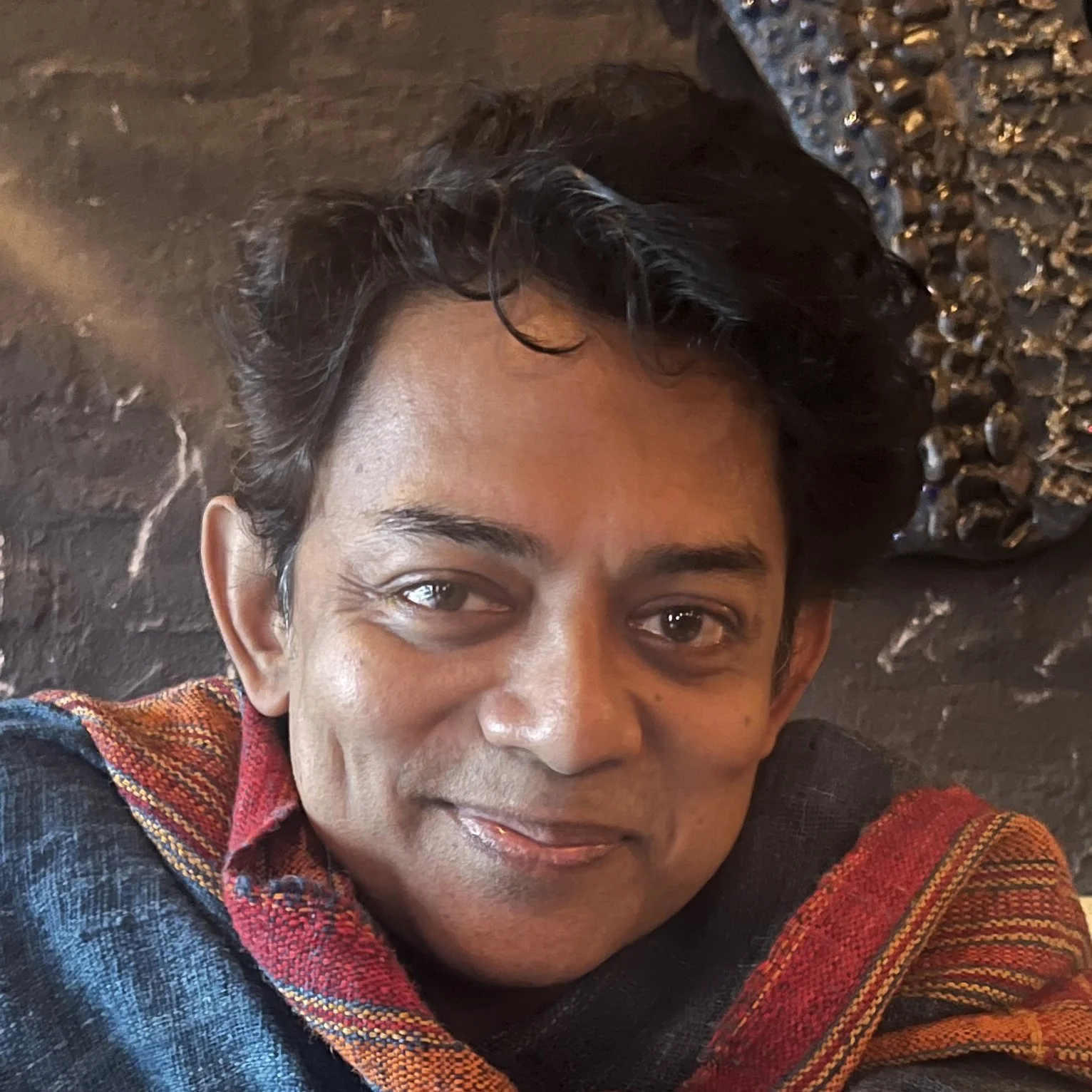
Credit: Rola Khayyat
Naeem Mohaiemen (Associate Professor of Visual Arts and Head of Photography Concentration at Columbia University) is a visual artist and academic who combines photography, films, and essays to research the many forms of utopia-dystopia (families, borders, architecture, and uprisings) in the Muslim World after 1945. Several conversations in contemporary art museums around the historic Non Aligned Movement pivoted around the premiere of his three-channel film, Two Meetings and a Funeral (2017), at documenta 14, which featured Vijay Prashad (The Darker Nations, 2007), Samia Zennadi (L’Afrique parle livres), and Zonayed Saki (Gana Samhati Party). He is author of Midnight’s Third Child (Dhaka: Nokta / University of Liberal Arts, 2023) and Prisoners of Shothik Itihash (Basel: Kunsthalle Basel, 2014); editor of Chittagong Hill Tracts in the Blind Spot of Bangladesh Nationalism (Dhaka: Drishtipat,2010); and co-editor with Eszter Szakacs of Solidarity Must be Defended (Budapest: Tranzit / University of Budapest, 2023) and with Lorenzo Fusi of System Error: War is a Force that Gives us Meaning (Sienna: Sylvana, 2007). Monographs on his art practice include What We Found After You Left (Toronto: Power Plant, 2021). Mohaiemen has a Ph.D. in Anthropology and was a Senior Research Fellow at Lunder Institute of American Art at Colby College prior to joining the Columbia faculty. He is a Guggenheim Fellow (film-video 2014) and was a finalist for Britain’s Turner Prize (2018).
Working Group: Seeds of Diaspora

Ed Morales
Professor, Center for the Study of Ethnicity and Race, Columbia University
Ed Morales is an author and journalist who has written for The Nation, The New York Times, The Los Angeles Times, Rolling Stone, the Guardian, and City Limits, among many others. He is a former Village Voice staff writer and Newsday columnist and the author of Living in Spanglish (St. Martins) and The Latin Beat (Da Capo Press), as well as the upcoming Raza Matters (Verso Press). He is currently a lecturer at Columbia University’s Center for the Study of Ethnicity and Race, and hosts a show on WBAI-FM, 99.5 Pacifica Radio.
Ed Morales
Lecturer, Center for the Study of Ethnicity and Race, Columbia University

Ed Morales is an author and journalist who has written for The Nation, The New York Times, The Los Angeles Times, Rolling Stone, the Guardian, and City Limits, among many others. He is a former Village Voice staff writer and Newsday columnist and the author of Living in Spanglish (St. Martins) and The Latin Beat (Da Capo Press), as well as the upcoming Raza Matters (Verso Press). He is currently a lecturer at Columbia University’s Center for the Study of Ethnicity and Race, and hosts a show on WBAI-FM, 99.5 Pacifica Radio.
Morales was a touring member of Nuyorican Poets Café Live in the 1990s, appearing in several cities in the US and Europe and his poetry and short fiction has been published in anthologies on WW Norton and Harper Collins. He produced and co-directed Whose Barrio? (2009) a documentary about the gentrification of East Harlem, which showed at several film festivals. The film was inspired by “Spanish Harlem on His Mind,” an essay published in 2003 in The New York Times and in the anthology New York Stories: The Best of the City Section of the New York Times (NYU Press).
Working Group Affiliation
Unpayable Debt: Capital, Violence, and the New Global Economy
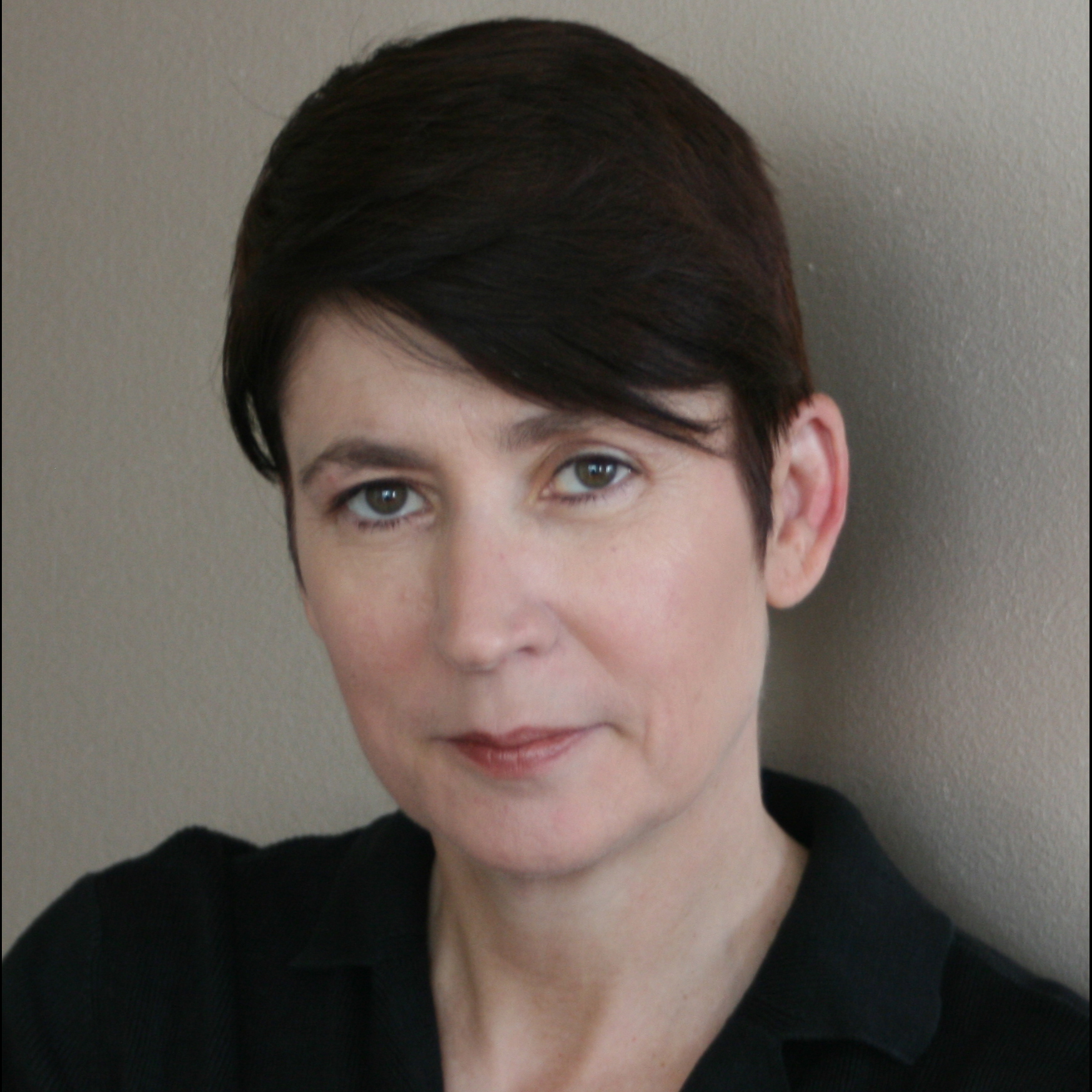
Rosalind C. Morris
Professor, Department of Anthropology, Columbia University
Rosalind Morris focuses her fieldwork in two main areas: Thailand and South Africa. Over the past decade, she has devoted her attention to thinking about a number of inter-related issues and questions concerning: the history of modernity in Southeast Asia and the place of the mass media in its development; the relationships between value and violence; the sexualization of power and desire; the theorization of gender; and the history of anthropological thought and social theory. In her writings on all of these issues, she attends to questions of representation.
Rosalind C. Morris
Professor of Anthropology, Columbia University
Rosalind Morris focuses her fieldwork in two main areas: Thailand and South Africa. Over the past decade, she has devoted her attention to thinking about a number of inter-related issues and questions concerning: the history of modernity in Southeast Asia and the place of the mass media in its development; the relationships between value and violence; the sexualization of power and desire; the theorization of gender; and the history of anthropological thought and social theory. In her writings on all of these issues, she attends to questions of representation. Her writings include monographs on spirit mediumship and the mass media in Northern Thailand, the archive of visual anthropology, and the afterlife of apartheid in South Africa’s mining towns. Other essays have addressed the history of fetishism, the violence of culture in anthropological theory, translation and radicalism, mediatic war, photography and its discontents, sex, gender and sexuality, and art in South Africa. She is a former Director of the Institute for Research on Women and Gender, the Associate Director of the Center for Comparative Literature and Society, and the former co-editor of CONNECT: art, politics, theory, culture.
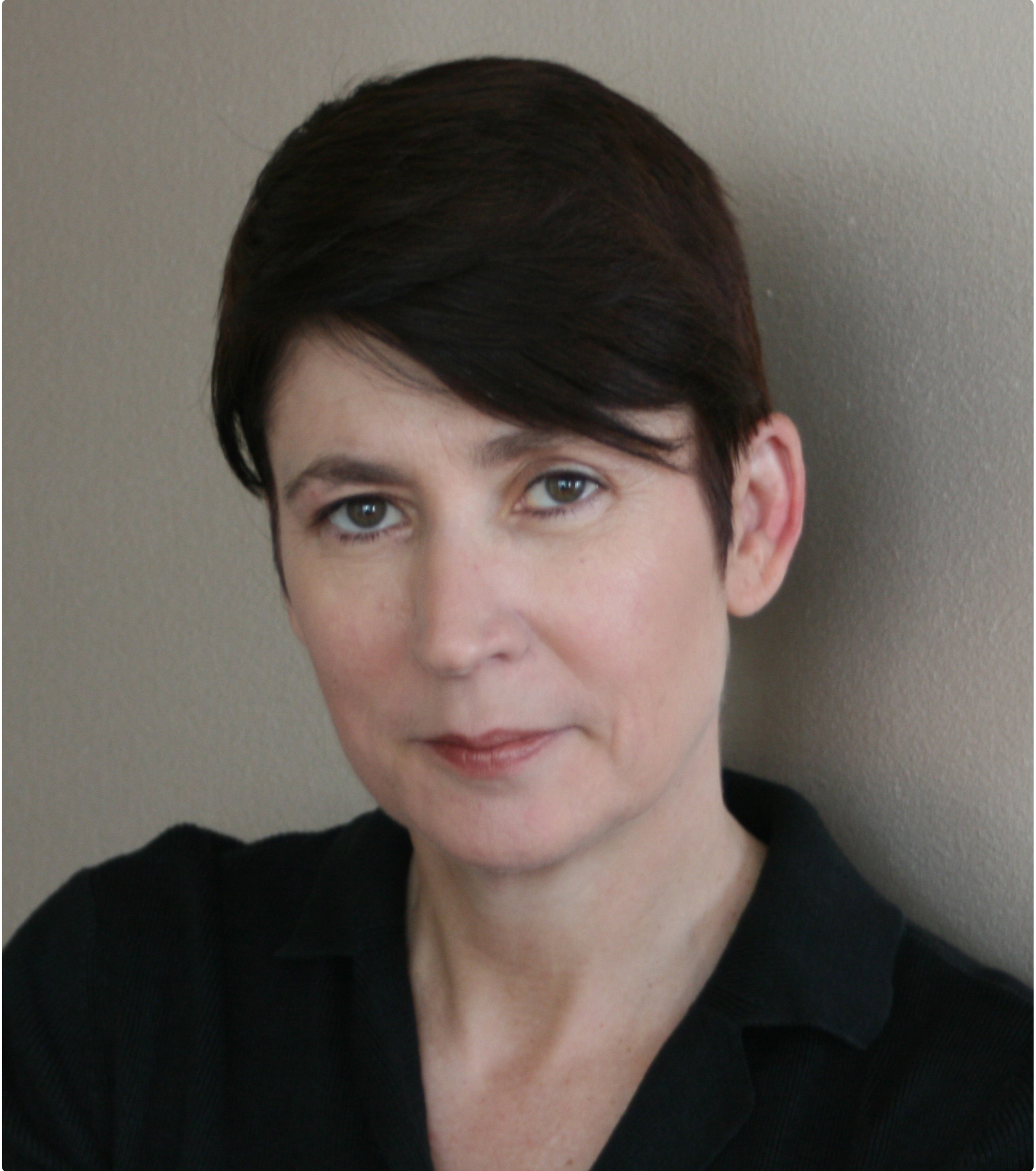
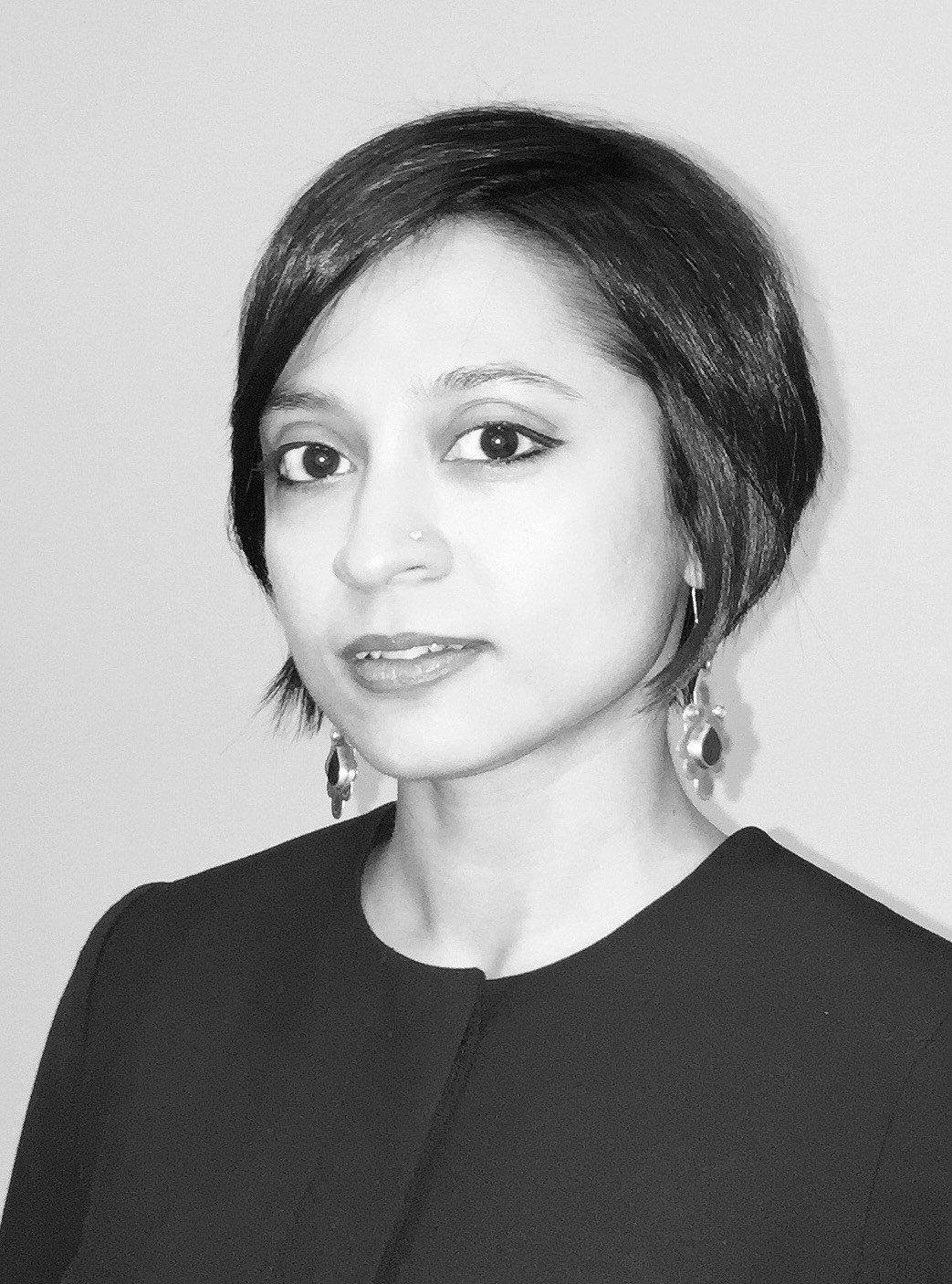
Debashree Mukherjee
Debashree Mukherjee is Associate Professor in the Department of Middle Eastern, South Asian, and African Studies (MESAAS) at Columbia University. Her first book, Bombay Hustle: Making Movies in a Colonial City (2020), approaches film history as an ecology of material practices and practitioners, and her next book develops a media history of indentured migration and plantation capitalism in the Indian Ocean region. Debashree has published on feminist film historiography, labor, cities, and increasingly on energy and exhaustion in various film journals and anthologies.
Debashree Mukherjee
Debashree Mukherjee is Associate Professor in the Department of Middle Eastern, South Asian, and African Studies (MESAAS) at Columbia University. Her first book, Bombay Hustle: Making Movies in a Colonial City (2020), approaches film history as an ecology of material practices and practitioners, and her next book develops a media history of indentured migration and plantation capitalism in the Indian Ocean region. Debashree has published on feminist film historiography, labor, cities, and increasingly on energy and exhaustion in various film journals and anthologies. Her Feminist Media Histories article “Somewhere Between Human, Nonhuman, and Woman: Shanta Apte’s Theory of Exhaustion,” received the 2021 Katherine Singer Kovacs award from the Society of Cinema and Media Studies. Debashree edits the peer-reviewed journal BioScope: South Asian Screen Studies and has just published a photo-anthology titled Bombay Talkies: An Unseen History of Indian Cinema (Mapin, 2023).
In a previous life Debashree worked in Mumbai’s film and TV industries as an assistant director, writer, and cameraperson. She remains committed to industry-academy-public interfaces through exhibitions, curation, and digital humanities open-access projects.
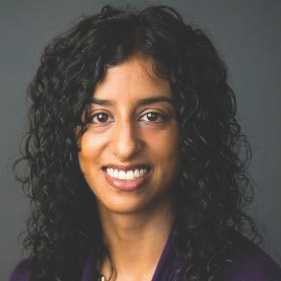
Dipali Mukhopadhyay
Assistant Professor, Department of International Politics, School of International and Public Affairs
Dipali Mukhopadhyay is a faculty affiliate of the Saltzman Institute of War and Peace Studies. She recently published the book Warlords, Strongman Governors and State Building in Afghanistan (Cambridge, 2014). Prior to joining SIPA and Saltzman, Mukhopadhyay spent 2011 as a post-doctoral fellow at Princeton University. She has been conducting research in Afghanistan since 2007 and made her first trip to the country for a project with the Aga Khan Development Network in 2004. She also conducted research along the Turkey-Syria border in 2013 and 2014.
Dipali Mukhopadhyay
Assistant Professor, School of International and Public Affairs, Columbia University
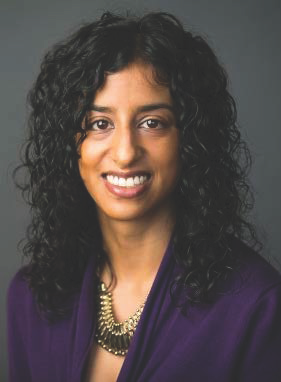
Dipali Mukhopadhyay is a faculty affiliate of the Saltzman Institute of War and Peace Studies. She recently published the book Warlords, Strongman Governors and State Building in Afghanistan (Cambridge, 2014). Prior to joining SIPA and Saltzman, Mukhopadhyay spent 2011 as a post-doctoral fellow at Princeton University. She has been conducting research in Afghanistan since 2007 and made her first trip to the country for a project with the Aga Khan Development Network in 2004. She also conducted research along the Turkey-Syria border in 2013 and 2014. Mukhopadhyay’s research has been funded by the Carnegie Corporation, the Eisenhower Institute, the Smith Richardson Foundation, the U.S. Institute of Peace, Harvard Law School, and the U.S. Department of Education. Her writings have been published in academic books and journals as well as by the Carnegie Endowment for International Peace, Foreign Policy, U.S. News & World Report, and the Washington Post's Monkey Cage Blog. She is a term member at the Council on Foreign Relations.
Working Group Affiliation
Bahia M. Munem
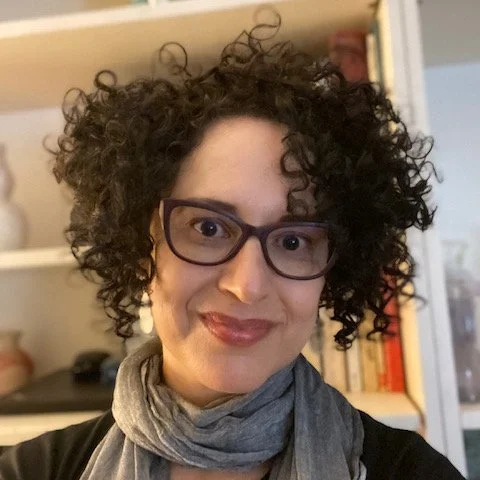
Dr. Bahia Munem holds a PhD in Women’s and Gender Studies from Rutgers University. Her work has appeared in Genero: Journal of Feminist Theory and Cultural Studies, Território & Fronteiras, Liquid Borders (Routledge), and in Critical Diálogos in Latina & Latino Studies (NYU Press). She has held fellowships at Rutgers University and Washington University in St. Louis.
Bahia M. Munem
Bahia M. Munem’s teaching and research interests examine race and ethnicity as they intersect with gender, sexuality, class, nation, religion, and diasporas. Her scholarship bridges the fields of Latinx, Latin American, and Middle East Studies by examining forced transnational migration and gendered and racialized modes of belonging in the Americas. Munem’s current book manuscript, (Un)Settling Muslim Refugees: Gender, Class, and the Racialization of War Migrants in Brazil, is an ethnography of Muslim, Palestinian, Iraq War refugees resettled in Latin America’s largest democracy.
Dr. Munem holds a PhD in Women’s and Gender Studies from Rutgers University. Her work has appeared in Genero: Journal of Feminist Theory and Cultural Studies, Território & Fronteiras, Liquid Borders (Routledge), and in Critical Diálogos in Latina & Latino Studies (NYU Press). She has held fellowships at Rutgers University and Washington University in St. Louis.
Premilla Nadasen
Professor, Department of History, Barnard College
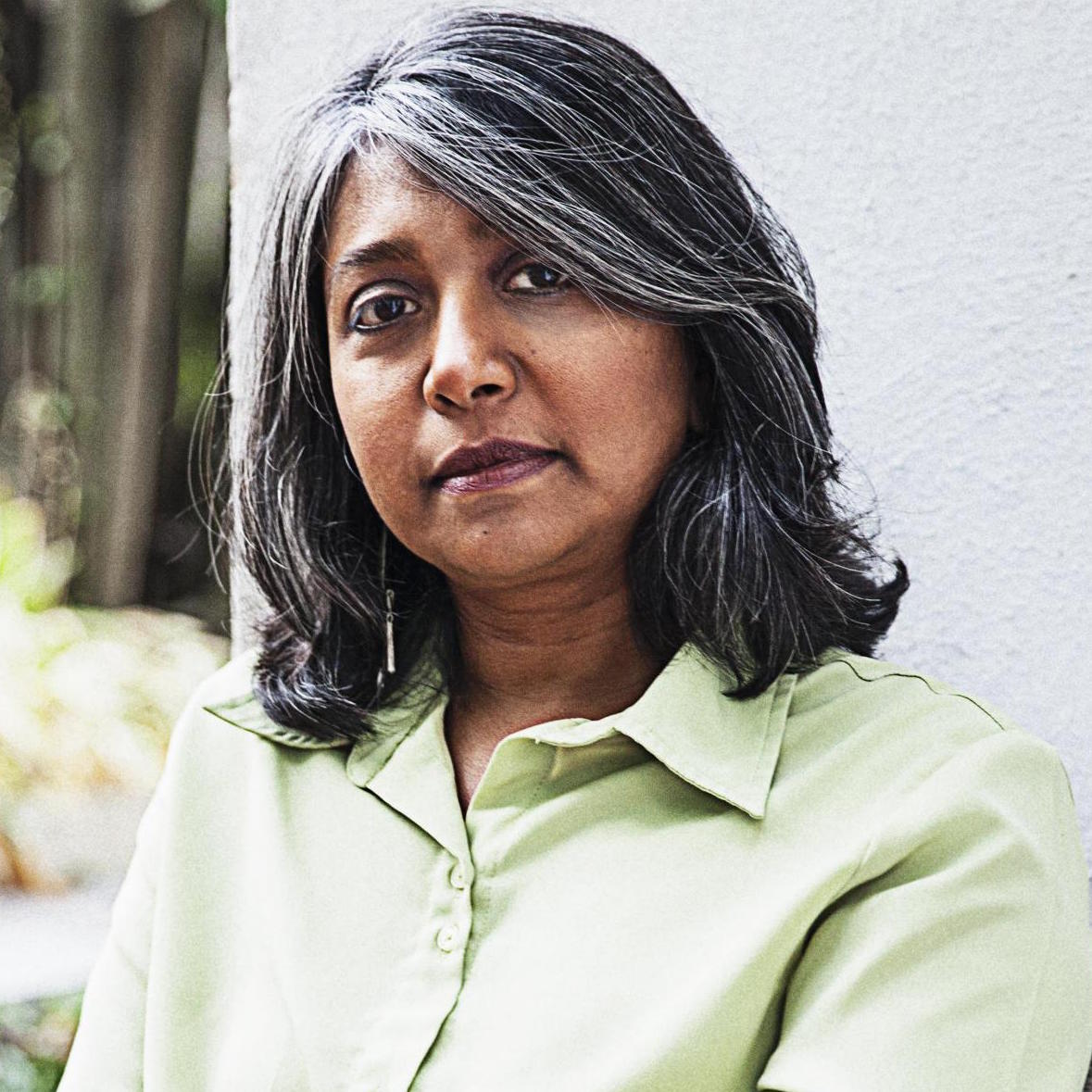
Premilla Nadasen is professor of history at Barnard College, a 2018-2019 Fulbright Scholar, and president of the National Women’s Studies Association. She has published extensively on the multiple meanings of feminism, alternative labor movements, and grassroots community organizing and is most interested in visions of social change, and the ways in which poor and working-class women of color have fought for social justice.
Premilla Nadasen
Professor of History, Barnard Collge

Premilla Nadasen is professor of history at Barnard College, a 2018-2019 Fulbright Scholar, and president of the National Women’s Studies Association. She has published extensively on the multiple meanings of feminism, alternative labor movements, and grassroots community organizing and is most interested in visions of social change, and the ways in which poor and working-class women of color have fought for social justice. She is the author of two award-winning books Welfare Warriors: The Welfare Rights Movement in the United States (Routledge 2005) and Household Workers Unite: The Untold Story of African American Women Who Built a Movement (Beacon 2015) and is currently writing a biography of South African singer and anti-apartheid activist Miriam Makeba. Nadasen has been engaged with community and campus activism for many years, bridging academic and activist work by making her scholarly work accessible to people outside of the university. She has worked with the National Domestic Workers Alliance, Damayan Migrant Workers Association, Scholars for Social Justice, and the Mississippi Low-Income Child Care Initiative. She writes for both academic and non-academic outlets and speaks widely on issues of social justice, feminism, public policy and anti-racist organizing.
Working Group Affiliations
Social Justice After the Welfare State, Project Director
Transnational Black Feminisms, Project Director
Shahid Naeem
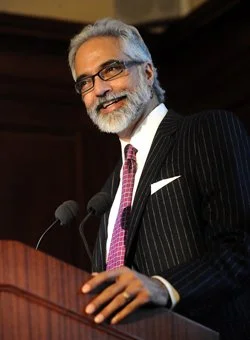
Shahid Naeem (Professor and Department Chair, Ecology, Evolution and Environmental Biology) studies the ecological and environmental consequences of biodiversity loss. He is interested in how changes in the distribution and abundance of plants, animals, and microbes, affect how ecosystems function and, by extension, how ecosystems services are affected. His work combines theoretical, observational, and experimental studies under field and laboratory conditions, to uncover the mechanistic bases for the impacts of biodiversity loss on ecosystems. His work has demonstrated how the loss of species from ecosystems affect their ability to resist invasion by other species, affect production and nutrient cycling, and affect the reliability and stability of ecosystems. He is actively involved in bringing the science of biodiversity and ecosystem functioning to conservation, restoration, and policy development.

Tami Navarro
Associate Director, Barnard Center for Research on Women
Tami Navarro is a cultural anthropologist who holds a Ph.D. from Duke University. She is the Associate Director of the Barnard Center for Research on Women and Executive Editor of the Center’s online journal, Scholar and Feminist Online. Her work has been funded by the Mellon Foundation, the Wenner-Gren Foundation, the Social Science Research Council, the American Anthropological Association, and the Ford Foundation. Her work has been published in the journals Cultural Anthropology, Transforming Anthropology, and The Caribbean Writer. She is currently at work on a manuscript entitled Virgin Capital: Financial Services as Development in the US Virgin Islands.
Tami Navarro
Associate Director, Barnard Center for Research on Women
Tami Navarro is a cultural anthropologist who holds a Ph.D. from Duke University. She is the Associate Director of the Barnard Center for Research on Women and Executive Editor of the Center’s online journal, Scholar and Feminist Online. Her work has been funded by the Mellon Foundation, the Wenner-Gren Foundation, the Social Science Research Council, the American Anthropological Association, and the Ford Foundation. Dr. Navarro has held positions at Rutgers University, Wesleyan University, and Columbia University. Her work has been published in the journals Cultural Anthropology, Transforming Anthropology, and The Caribbean Writer. She is currently at work on a manuscript entitled Virgin Capital: Financial Services as Development in the US Virgin Islands.

Celia E. Naylor
Associate Professor, Department of Africana Studies and History, Barnard College
Celia E. Naylor explores the multifaceted connections between African-Americans, Black Indians and Native Americans in the U.S. Her book, African Cherokees in Indian Territory: From Chattel to Citizens, was published by the University of North Carolina Press in May 2008 (John Hope Franklin Series in African American History and Culture). This work charts the experiences of enslaved and free Blacks in the Cherokee Nation from the Trail of Tears to Oklahoma’s entry into the Union in 1907. Her interests include African-American and Caribbean history; Native American history; women's history and literature in the African Diaspora; and colonialism and neocolonialism in the Americas.
Celia E. Naylor
Associate Professor, Africana Studies and History, Barnard College
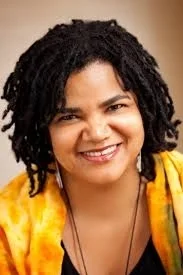
Celia E. Naylor is an Associate Professor in the Departments of Africana Studies and History at Barnard College. She has taught at various institutions, and she was the Director of the Margaret Sloss Women’s Center at Iowa State University from 1993-1997. Her interests include African-American and Caribbean history; Indigenous history; women's history and literature in the African Diaspora; and colonialism and neocolonialism in the Caribbean. Most of her published work explores the multifaceted connections between people of African descent and Indigenous descent in the U.S. She was one of the coordinators of the historic conference, “‘Eating Out of the Same Pot’: Relating Black and Native (Hi)stories,” held at Dartmouth College in April 2000. Her book, African Cherokees in Indian Territory: From Chattel to Citizens, was published by the University of North Carolina Press in May 2008 (John Hope Franklin Series in African American History and Culture). Her current book project is a microhistory of enslaved people’s experiences (with a particular focus on enslaved women’s lives) at Rose Hall Plantation in Jamaica. It will include an interdisciplinary critique of the legend of the “White Witch of Rose Hall” and a digital component to present a counternarrative to this mythology. She also works with a non-profit organization, the Institute for Strategic and Equitable Development, that centers on philanthropy-focused initiatives grounded in racial equity and promotes impactful grantmaking, investments, and economic development in communities of color.
Working Group Affiliations
Transnational Black Feminisms, Project Director
Frances Negrón-Muntaner
Professor, Department of English and Comparative Literature, Columbia University
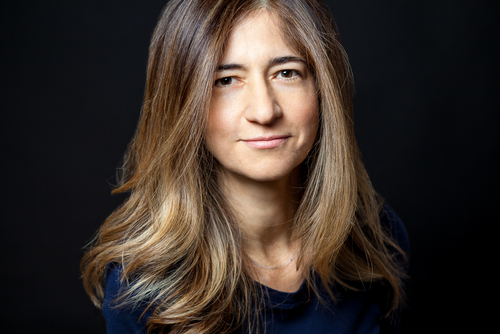
Frances Negrón-Muntaner is a filmmaker, writer, curator, scholar and professor at Columbia University, where she is also the founding curator of the Latino Arts and Activism Archive. Among her books and publications are: Boricua Pop: Puerto Ricans and the Latinization of American Culture (CHOICE Award, 2004), The Latino Media Gap (2014), and Sovereign Acts: Contesting Colonialism in Native Nations and Latinx America (2017). Her most recent films include Small City, Big Change (2013), War for Guam (2015) and Life Outside (2016).
Frances Negrón-Muntaner
Professor of English and Comparative Literature, Former Director of the Center for the Study of Ethnicity and Race

Frances Negrón-Muntaner is a filmmaker, writer, scholar and professor at Columbia University, where she is also the founding curator of the Latino Arts and Activism Archive. Among her books and publications are: Boricua Pop: Puerto Ricans and the Latinization of American Culture (CHOICE Award, 2004), The Latino Media Gap (2014), and Sovereign Acts: Contesting Colonialism in Native Nations and Latinx America (2017). She has received various recognitions, including the United Nations' Rapid Response Media Mechanism designation as a global expert in the areas of mass media and Latin/o American studies (2008); the Lenfest Award, one of Columbia University's most prestigious recognitions for excellence in teaching and scholarship (2012), and the Latin American Studies Association’s Frank Bonilla Public Intellectual Award (2019). Negrón-Muntaner served as director of Columbia’s Center for the Study of Ethnicity and Race from 2009-2016 and co-director of Unpayable Debt, a working group that studied debt regimes in the world. Her most recent project is the award-winning Valor y Cambio (Value and Change), an art, digital storytelling and just economy project in Puerto Rico and New York (valorymcambio.org).
Social media: @imfrancesnegron, FB - Frances Negron Muntaner.
Working Group Affiliation
Unpayable Debt: Capital, Violence, and the New Global Economy, Project Director
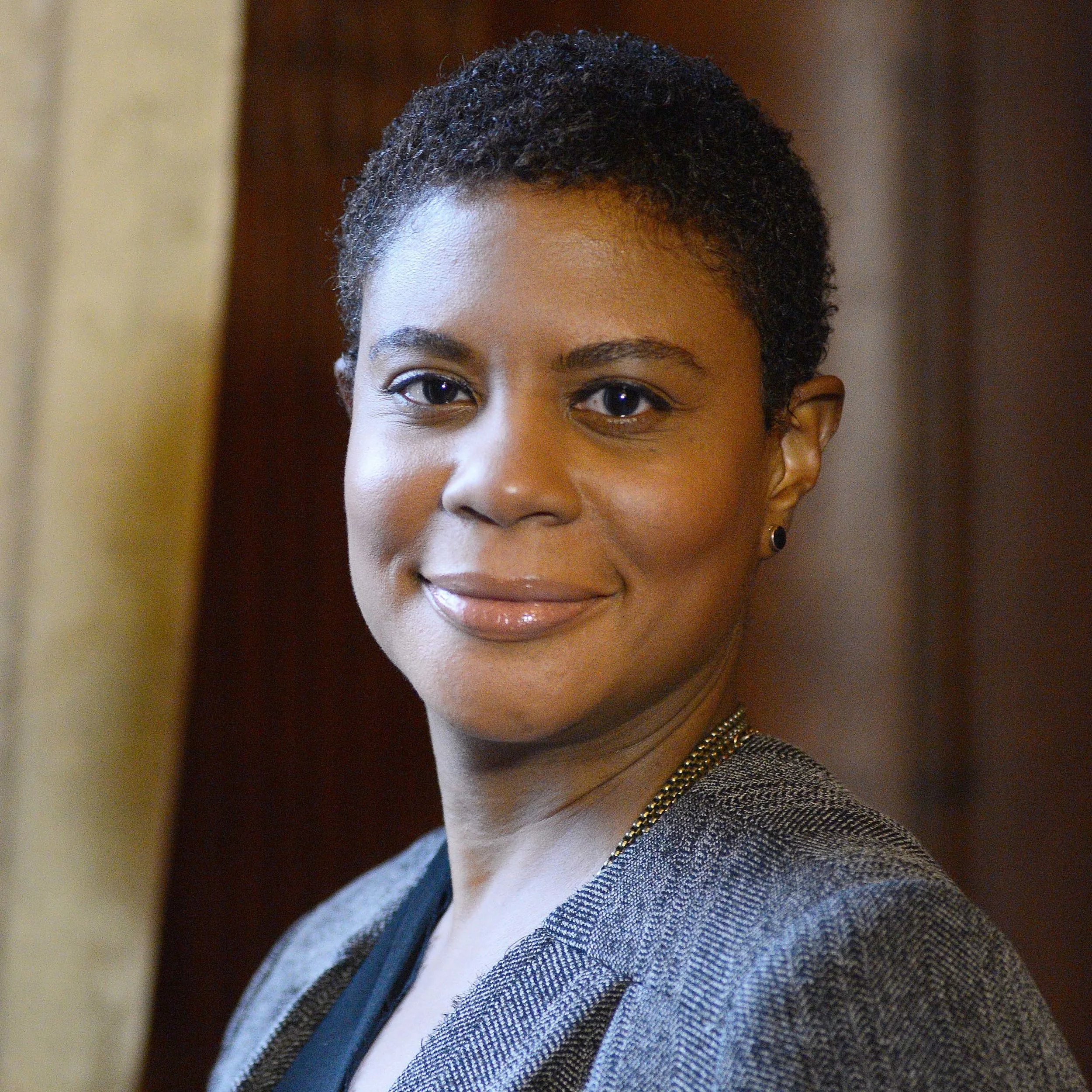
Alondra Nelson
Professor, Department of Sociology and Women and Gender Studies, Columbia University
Alondra Nelson is the author of Body and Soul: The Black Panther Party and the Fight Against Medical Discrimination (University of Minnesota Press, 2011), which was recognized with four scholarly awards, including the Mirra Komarovsky Book Award from the Eastern Sociological Society and the Distinguished Contribution to Scholarship Book Award from the American Sociological Association (Section on Race, Gender and Class). A finalist for the C. Wright Mills Award, Body and Soul is the first book-length exploration of the radical organization’s health-focused activities.
Alondra Nelson
Professor of Sociology and Women and Gender Studies, Columbia University
Alondra Nelson is the author of Body and Soul: The Black Panther Party and the Fight Against Medical Discrimination (University of Minnesota Press, 2011), which was recognized with four scholarly awards, including the Mirra Komarovsky Book Award from the Eastern Sociological Society and the Distinguished Contribution to Scholarship Book Award from the American Sociological Association (Section on Race, Gender and Class). A finalist for the C. Wright Mills Award, Body and Soul is the first book-length exploration of the radical organization’s health-focused activities. Through its activism, Nelson argues, the Black Panther Party advanced a “social health” frame—a distinctive, expansive conceptualization of well-being that articulated biological wellness with both economic justice and racial equality and that would anticipate contemporary debates about racial health disparities.
Her next book, The Social Life of DNA: Race and Reconciliation after the Genome (forthcoming from Beacon Press), traces how claims about ancestry are marshaled together with genetic analysis in a range of social ventures. She takes up these themes in several recent publications that are among the earliest empirical scholarly investigations of direct-to-consumer genetic testing: “Bio Science: Genetic Ancestry Testing and the Pursuit of African Ancestry” (Social Studies of Science 38, 2008), "The Factness of Diaspora: The Social Sources of Genetic Genealogy" (inRevisiting Race in a Genomics Age, Rutgers University Press, 2008), and "DNA Ethnicity as Black Social Action?"(Cultural Anthropology 28, 2013).
Nelson has also edited three anthologies: Genetics and the Unsettled Past: The Collision of DNA, Race, and History (with Keith Wailoo and Catherine Lee; Rutgers University Press, 2012); Technicolor: Race, Technology, and Everyday Life (with Thuy Linh N. Tu; New York University Press, 2001) and "Afrofuturism," a special issue of Social Text.
Nelson's research explores the production of knowledge about human difference in biomedicine and technoscience and the circulation of these ideas in the public sphere: Her research focuses on how science and its applications may shape the social world, including aspects of personal identification, racial formation, and collective action. In turn, she also explores the ways in which social groups reject, challenge, engage and, in some instances, adopt and mobilize conceptualizations of race, ethnicity, and gender derived from scientific and technical domains.
Her research has been supported by the Ford Foundation, the Woodrow Wilson Foundation, and the Andrew W. Mellon Foundation. From 2006-2007, she was an external fellow at the W.E.B Du Bois Institute for African and African American Research at Harvard University. She has also been a visiting fellow at the International Center for Advanced Study at New York University, the BIOS Centre at the London School of Economics, the Bavarian-American Academy in Munich, the Max Planck Institute for the History of Science in Berlin, and the Academy of Advanced African Studies at the University of Bayreuth. Prior to joining Columbia University, Nelson was on the faculty of Yale University, where she received the Poorvu Award for Interdisciplinary Teaching Excellence.
Professor Nelson received her B.A. (magna cum laude), from the University of California at San Diego, where she was elected to Phi Beta Kappa. She earned her Ph.D. from New York University in 2003.
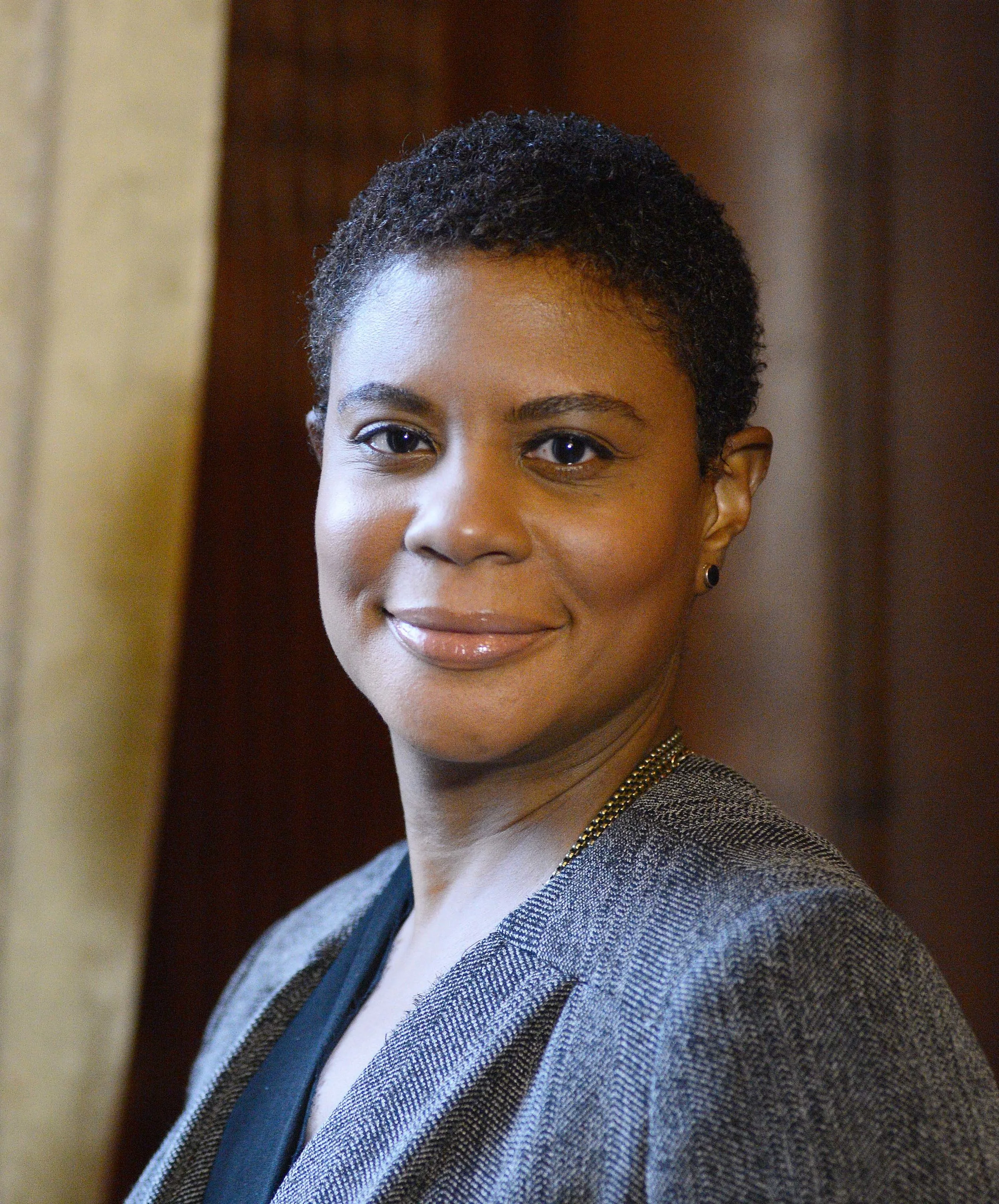

Mae Ngai
Professor, Department of Asian American Studies and History, Columbia University
Mae M. Ngai is Lung Family Professor of Asian American Studies and Professor of History, and Co-Director of the Center for the Study of Ethnicity and Race.
Mae M. Ngai
Lung Family Professor of Asian American Studies and Professor of History, Columbia University
Mae M. Ngai is Lung Family Professor of Asian American Studies and Professor of History, and Co-Director of the Center for the Study of Ethnicity and Race. She is a U.S. legal and political historian interested in the histories of immigration, citizenship, nationalism, and the Chinese diaspora. She is author of the award-winning Impossible Subjects: Illegal Aliens and the Making of Modern America (2004); The Lucky Ones: One Family and the Extraordinary Invention of Chinese America (2010); and The Chinese Question: The Gold Rushes and Global Politics (2021). Ngai has written on immigration history and policy for the Washington Post, New York Times, Los Angeles Times, the Atlantic, the Nation, and Dissent. Before becoming a historian she was a labor-union organizer and educator in New York City, working for District 65-UAW and the Consortium for Worker Education. She is now writing Nation of Immigrants: A Short History of an Idea (under contract with Princeton University Press).

Stephen Nicholas
Professor, Department of Population and Family Health and Pediatrics, Columbia University Medical Center
Dr. Nicholas, an academic general pediatrician, is a pioneer in the care of HIV-infected children and an advocate for the medically underserved in Harlem, Washington Heights, and the Dominican Republic, where his work has primarily taken place over the past 25 years. He has created innovative community-based educational experiences for medical and public health students and resident physicians.
Stephen Nicholas
Professor, Population and Family Health and Pediatrics, Columbia University Medical Center

Dr. Nicholas, an academic general pediatrician, is a pioneer in the care of HIV-infected children and an advocate for the medically underserved in Harlem, Washington Heights, and the Dominican Republic, where his work has primarily taken place over the past 25 years. He has created innovative community-based educational experiences for medical and public health students and resident physicians. He was director of pediatrics at Harlem Hospital Center from 2000-2006, during which time he started the Harlem Children's Zone Asthma Initiative, funded by the Robin Hood Foundation. In 1999, Dr. Nicholas founded the Columbia University International Family AIDS Program, which introduced the first AIDS treatment for pregnant women (1999) and long-term AIDS care and treatment for families (2004) in the Dominican Republic. Today, its program in the province of La Romana has lowered the rate of mother-to-child HIV transmission to a rate comparable with New York's, and its clinic is one of the largest providers of care and treatment for children and adults in the Dominican Republic. Dr. Nicholas teaches "The Elimination of Pediatrics AIDS: A Global Approach" for graduate students at Mailman. He also participates in the organization of the summer practicum program for public health students in La Romana, Dominican Republic, and serves as a faculty mentor for the Heilbrunn Department of Population and Family Health.
Working Group Affiliation

Margaret Loma Phiri
Nursing and Midwifery Advisor, Seed Global Health/ Malawi
Margaret Loma Phiri is a nurse and midwife with a Masters in Nursing Education and Leadership from Teachers College, Columbia Universityx. She also holds a post – graduate diploma in Community Health from Medical University of Southern Africa (MEDUNSA) South Africa. She has held a number of leadership positions including: Regional Advisor for Nursing &Midwifery for WHO- African Region; HRH Advisor, WHO- Swaziland Country Office; Regional Capacity Building Coordinator for East- Central & Southern Africa Health Community (ECSA- Health Community) & ECSACON for SADC Region; Quality Assurance Director and Senior Lecturer in Education and Leadership for University of Malawi, Kamuzu College of Nursing – Malawi; and Maternal and Child Health Advisor WHO/ Sierra Leone during the Ebola Recovery and Transition period;
Margaret Loma Phiri
Nursing and Midwifery Advisor, Seed Global Health/ Malawi

Margaret Loma Phiri is a nurse and midwife with a Masters in Nursing Education and Leadership from Teachers College, Columbia Universityx. She also holds a post – graduate diploma in Community Health from Medical University of Southern Africa (MEDUNSA) South Africa. She has held a number of leadership positions including: Regional Advisor for Nursing &Midwifery for WHO- African Region; HRH Advisor, WHO- Swaziland Country Office; Regional Capacity Building Coordinator for East- Central & Southern Africa Health Community (ECSA- Health Community) & ECSACON for SADC Region; Quality Assurance Director and Senior Lecturer in Education and Leadership for University of Malawi, Kamuzu College of Nursing – Malawi; and Maternal and Child Health Advisor WHO/ Sierra Leone during the Ebola Recovery and Transition period.
Ms. Phiri has worked directly and collaboratively with key stakeholders to strengthen and improve the quality of nursing and midwifery education, practice, regulation, leadership and research for improved health care outcomes. Examples of her work include the development and facilitation of regional Professional Regulatory Frameworks; Competency – Based Nursing and Midwifery Regional Prototype Curriculum models; AFRO Nursing and Midwifery Strategic Direction; ICN/ECSA Health Community Leadership for Change Program; Interprofessional Education & Collaborative Practice WHO Collaborating Centre at Kamuzu College of Nursing; and nursing and midwifery policies and plans and promoting priority interventions in improving maternal health including EmONC interventions.
Currently Ms Phiri is working for Seed Global Health/Malawi as Nursing and Midwifery Advisor. In her work, she has provided key leadership for the development of effective, responsive and contextually relevant activities in close collaboration with Seed and academic and clinical partners in Malawi. With her deep ties to Malawi stakeholders, and breadth of experience as a leader, has helped advise and support the integration of US educators (nurses, midwives and physicians) into the academic and clinical environments in her native country to ensure success.
Ms. Phiri has taken a leadership role in supporting the 2020 Year of the Nurse and Midwife activities. As a member of the QUAD, (collaboration between regulatory, policy, education, and clinical leaders), she has been leading the development of the Nightingale Challenge to ensure young nurses and midwives mentorship in Leadership Development in these four areas.
She is also currently collaborating with a team for Africa and Center for the Study of Social Difference of Columbia University, New York, NY Nurse Leaders for an initiative “On the Frontlines: Nursing Leadership in Pandemics: The Ebola experience.
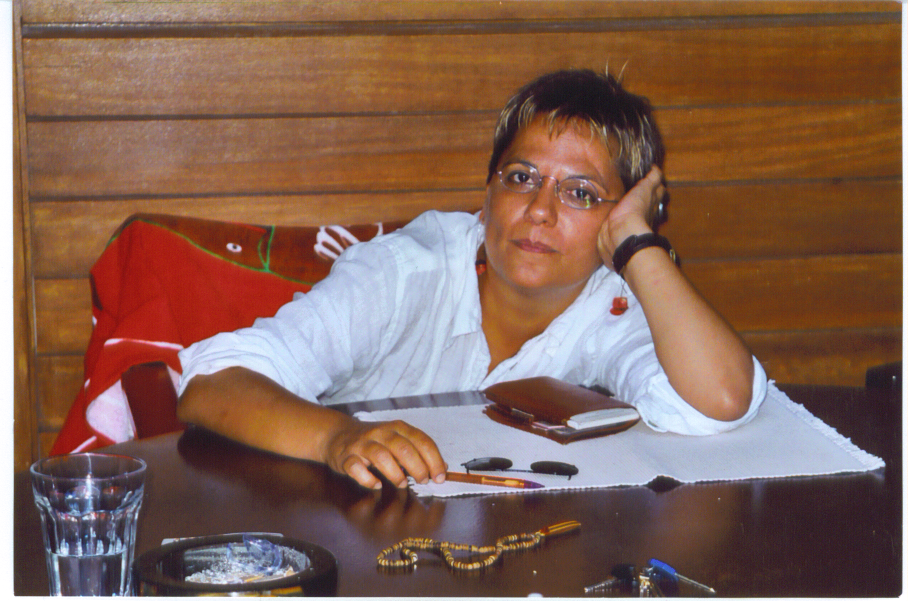
Neni Panourgiá
Neni Panourgiá
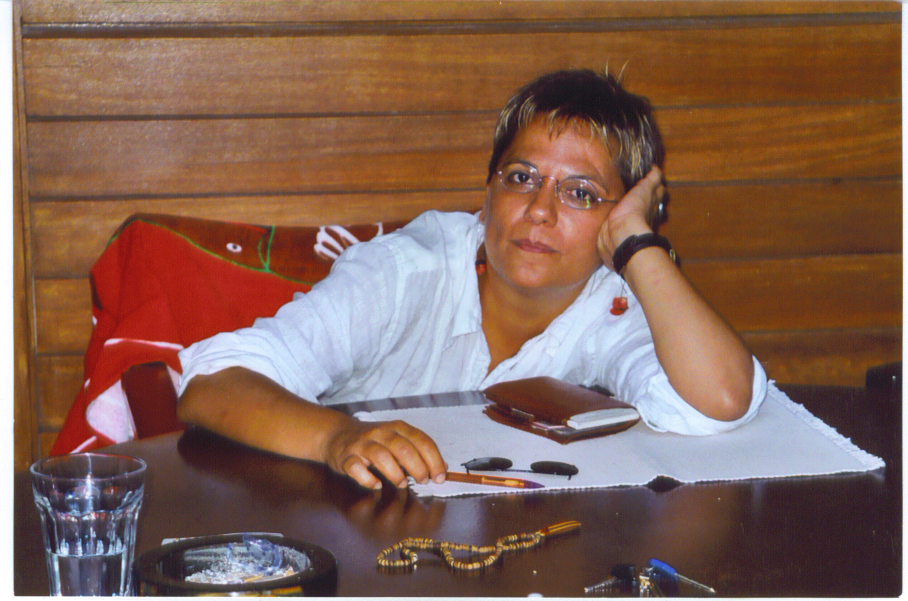
Neni Panourgiá is an anthropologist, the Academic Adviser at the Justice-in-Education Initiative, and Adjunct Associate Professor at the Prison Education Program at Columbia University through which she teaches in the New York State and the Federal prison system. She has previously held positions at Princeton, Rutgers, NYU, Bard College, The New School for Social Research, and Université de Paris VIII, St Denis. She was co-editor of Anthropology and Humanism (2020-2021), and the Journal of Modern Greek Studies (2013-2016), and co-Chair of the Anthropology Section of the New York Academy of Sciences (2009-2011). Her ethnographic work is located at the nexus of history, politics, and the apparatus of discipline with specific focus on the multi-valence of confinement. Her monographs Fragments of Death, Fables of Identity. An Athenian Anthropography (1995) and Dangerous Citizens: The Greek Left and the Terror of the State (2009) have received many awards among which The Victor Turner Prize for Ethnographic Writing, the Edmund Keeley Book Prize in Modern Greek Studies, the PROSE Award, The Chicago Folklore Prize, the International Society for Ethnohistory. She has co-edited, with George Marcus, the volume Ethnographica Moralia. Experiments in Interpretive Anthropology (2008), and has edited the photographic volume East of Attica, 1930-1997, and the Special Issue “COVID-19: Auto-ethnographies of Incarceration” in Synapsis: A Journal of Medical Humanities (2020). Her essays can be found in Mousse, Documenta, American Ethnologist, angelaki, Public Culture, Anthropology and Humanism, and elsewhere. Her book Λέρος: Η γραμματική του εγκλεισμού, published in July 2020 in Greek (Nefeli Publishers), is in its second edition and it is forthcoming shortly in English under the title Foucault’s Node: Leros and the Grammar of Confinement.
https://justiceineducation.columbia.edu/people/profiles/neni-panourgia/. Since 2022 she has been running the Leros Humanism Seminars, https://leros-humanism-seminars.com, co-organized with Stathis Gourgouris and in collaboration with Columbia Global Centers Athens, thee Johns Hopkins Initiative in Global South Humanities, and the Wright-Ingraham Institute.
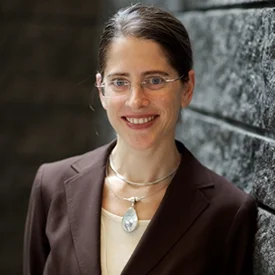
Christina Duffy Ponsa
Professor, Department of Legal History, Columbia Law School
Christina Duffy Ponsa is the George Welwood Murray Professor of Legal History at Columbia Law School, where she teaches constitutional law and American legal history. Professor Ponsa is the author of several articles on the constitutional law and history of American territorial expansion and empire, and co-editor of Foreign in a Domestic Sense: Puerto Rico, American Expansion, and the Constitution (Duke U. Press, 2001). Before joining the Columbia faculty in 2007, she served as a law clerk to Judge José A. Cabranes on the Second Circuit Court of Appeals and to Justice Stephen G. Breyer on the United States Supreme Court.
Christina Duffy Ponsa
George Welwood Murray Professor of Legal History, Columbia Law School
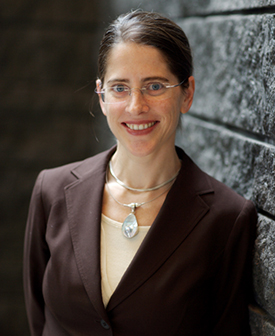
Christina Duffy Ponsa is the George Welwood Murray Professor of Legal History at Columbia Law School, where she teaches constitutional law and American legal history. Professor Ponsa is the author of several articles on the constitutional law and history of American territorial expansion and empire, and co-editor of Foreign in a Domestic Sense: Puerto Rico, American Expansion, and the Constitution (Duke U. Press, 2001). She holds degrees from Princeton (A.B. 1990, Ph.D. 2010), Cambridge (M.Phil. 1995), and Yale (J.D. 1998). Before joining the Columbia faculty in 2007, she served as a law clerk to Judge José A. Cabranes on the Second Circuit Court of Appeals and to Justice Stephen G. Breyer on the United States Supreme Court.
Working Group Affiliation
Unpayable Debt: Capital, Violence, and the New Global Economy
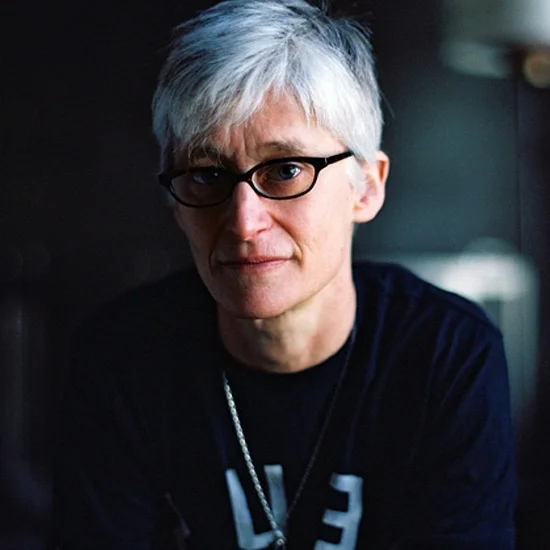
Elizabeth Povinelli
Professor, Department of Anthropology and Women’s and Gender Studies, Columbia University
Elizabeth Povinelli's writing has focused on developing a critical theory of late liberalism. This critical task is grounded in theories of the translation, transfiguration and the circulation of values, materialities, and socialities within settler liberalisms. Her first two books focused on impasses within liberal systems of law and value as they meet local Australian indigenous worlds, and the effect of these impasses on the development of legal and public culture in Australia. Her most recent book examines how a set of ethical and normative claims about the governace of lowve, sociality, and the body circulate in liberal settler colonies in such a way that life and death, rights and recognition, goods and resources are unevenly distributed there.
Elizabeth Povinelli
Professor of Anthropology and Women's and Gender Studies, Columbia University
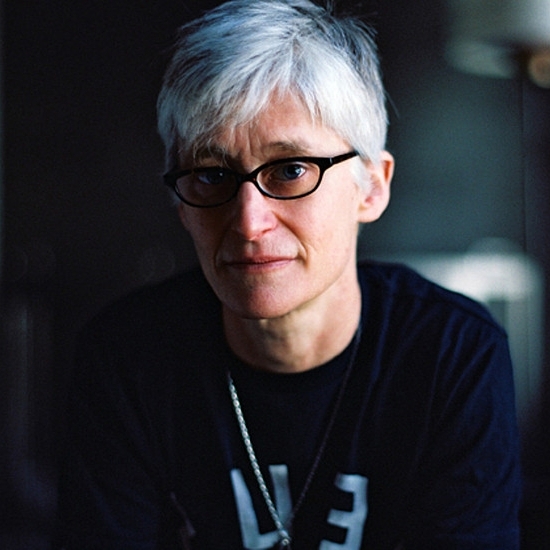
Elizabeth Povinelli's writing has focused on developing a critical theory of late liberalism. This critical task is grounded in theories of the translation, transfiguration and the circulation of values, materialities, and socialities within settler liberalisms. Her first two books focused on impasses within liberal systems of law and value as they meet local Australian indigenous worlds, and the effect of these impasses on the development of legal and public culture in Australia. Her most recent book examines how a set of ethical and normative claims about the governace of lowve, sociality, and the body circulate in liberal settler colonies in such a way that life and death, rights and recognition, goods and resources are unevenly distributed there.
Professor Povinelli diverges from most contemporary approaches to sexuality, gender and the legacy of European colonialism in so far as she brackets sexuality in the first moment and, instead, looks at how the distinction between individual freedom and social bondage subtends and animates most theories and practices of sexuality in postcolonial liberalisms.
Working Group Affiliations
Borders and Boundaries, Project Director
Liberalism’s Others, Project Director
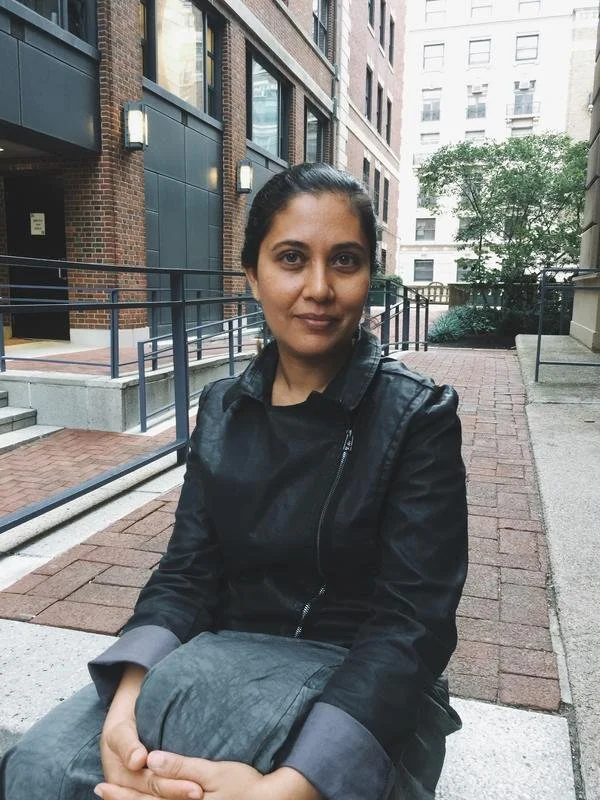
Anupama Rao
Associate Professor, Department of History, Columbia University
Anupama Rao has research and teaching interests in the history of anti-colonialism; caste and race; historical anthropology, social theory and intellectual history, and comparative urbanism. She is Senior Editor, Comparative Studies in South Asia, Africa and the Middle East. She has served as President, Society for the Advancement of South Asian History (American Historical Association), and on the South Asia Council of the Association for Asian Studies. Her work has been supported by fellowships at the Center for Advanced Study in the Behavioral Sciences (Stanford) and the National Humanities Center (North Carolina), and by grants for the American Institute for Indian Studies, and the National Endowment for the Humanities.
Anupama Rao
Associate Professor, History and Associate Director, Institute for Comparative Literature and Society
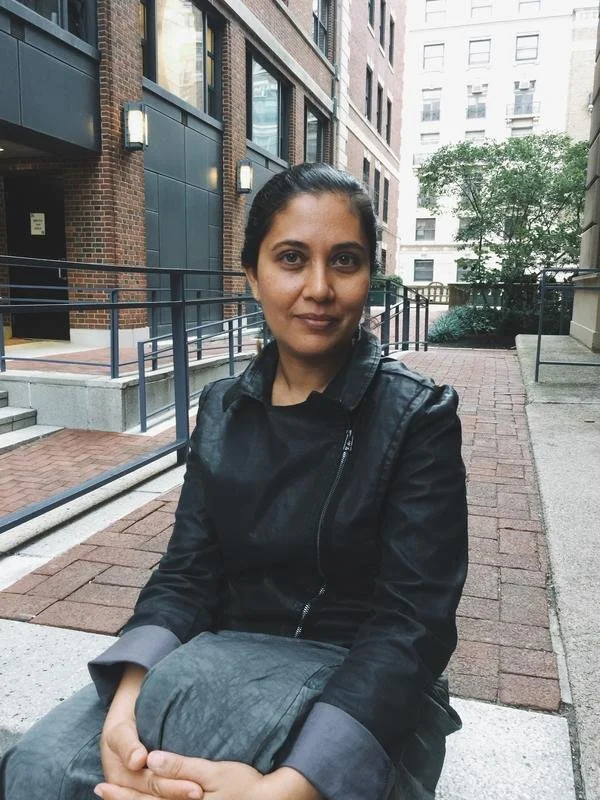
Anupama Rao, Associate Professor, History, Barnard College, is the author of The Caste Question: Dalits and the Politics of Modern India (U California Press, 2009), and numerous essays on colonialism and humanitarianism, and on non-Western histories of gender and sexuality. She has been a Fellow-in-Residence at the National Humanities Center; at the Center for Advanced Study in the Behavioral Sciences (Stanford); and at REWORK (Humboldt University, Berlin). Rao is co-convenor of “Subaltern Urbanism,” which is supported by Columbia’s Center for the Study of Social Difference, and was supported by a faculty grant from the Heyman Center for the Humanities. From 2014 to 2015, she was co-convenor of the project Asian Spatialities, supported by the Mellon Foundation and the International Institute of Asian Studies (Leiden). Rao is currently working on a book on the political thought of B. R. Ambedkar; and on a project titled Dalit Bombay, which explores the relationship between caste, political culture, and everyday life in colonial and postcolonial Bombay. Rao is currently Senior Editor, Comparative Studies in South Asia, Africa, and the Middle East, and Associate Director, Institute for Comparative Literature and Society.
Working Group Affiliations
Gender and the Global Slum, Project Director
Geographies of Injustice: Gender and the City, Project Director
Liberalism’s Others, Project Director
Reframing Gendered Violence, Project Director