
Marisa Solomon
Assistant Professor, Department of Women’s, Gender and Sexuality Studies, Barnard College
Marisa Solomon is an Assistant Professor of Women’s, Gender and Sexuality Studies at Barnard College, where she is affiliated with The Earth Institute. Her work draws upon Black feminist Marxism, queer of color critique, feminist intersectional science studies, and standpoint epistemologies to explore how scales of racial and ecological injury are linked from the body, to the neighborhood, to the region, to the Black Atlantic.
Marisa Solomon
Assistant Professor of Women’s, Gender and Sexuality Studies, Barnard College
Marisa Solomon is an Assistant Professor of Women’s, Gender and Sexuality Studies at Barnard College, where she is affiliated with The Earth Institute. Her work draws upon Black feminist Marxism, queer of color critique, feminist intersectional science studies, and standpoint epistemologies to explore how scales of racial and ecological injury are linked from the body, to the neighborhood, to the region, to the Black Atlantic. Broadly, Solomon’s work tracks how embodiment in an anti-Black world contours how, when, and for whom constitutions of matter matter. Her book project, tentatively titled, Mapping Trash Talk: Black Environments and Feminist Cartographies of Black Thought ethnographically situates what it means to “know” waste in the daily refusals of those overburdened by its emplacement and signification. Exploring the Black grammars, aesthetics, and gendered politics that challenge easy definitions of waste and degradation, Mapping Trash Talk locates Black ecopolitical praxis in the fugitivity of disposability. She has published on the materiality of waste and anti-Black histories of urban planning and gentrification in the Journal of International Labor and Working-Class History.
Working Group Affiliation
Black Atlantic Ecologies, Project Director
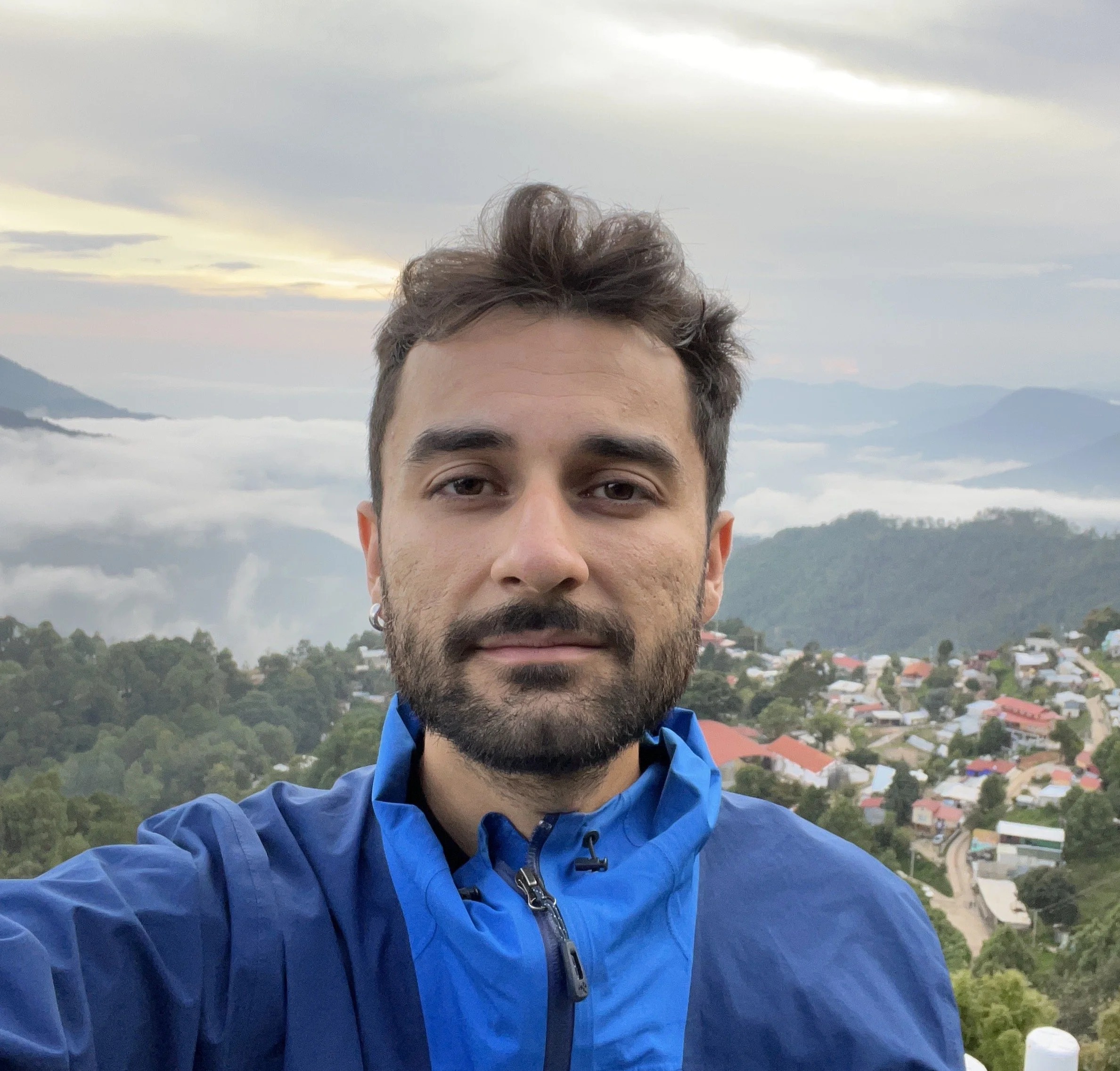
Jorge A. Rodríguez Solórzano
Doctoral Student, Sociocultural Anthropology, Columbia University
Jorge Rodríguez Solórzano is a writer, translator, and doctoral candidate in Sociocultural Anthropology at Columbia University. His current research examines how Indigenous Mixtec and Tlapanec communities in the state of Guerrero, Mexico, create alternative practices of jurisdiction to mitigate resource extraction and insecurity in their territories. His research has been supported by the Institute of Latin American Studies (ILAS) and the Department of Anthropology at Columbia University. He is the Graduate Coordinator for the “Refugee Cities: Urban Dimensions of Forced Displacement” Working Group, sponsored by the Columbia Center for the Study of Social Difference.
Jorge A. Rodríguez Solórzano
Jorge Rodríguez Solórzano is a writer, translator, and doctoral candidate in Sociocultural Anthropology at Columbia University. His current research examines how Indigenous Mixtec and Tlapanec communities in the state of Guerrero, Mexico, create alternative practices of jurisdiction to mitigate resource extraction and insecurity in their territories. His research has been supported by the Institute of Latin American Studies (ILAS) and the Department of Anthropology at Columbia University. He is the Graduate Coordinator for the “Refugee Cities: Urban Dimensions of Forced Displacement” Working Group, sponsored by the Columbia Center for the Study of Social Difference.
Jorge’s published translations have appeared on Angelaki: Journal of the Theoretical Humanities, LIFTA Volumes: Futures of Palestine, and Khabar Keslan. Jorge’s creative work has been published in oral.pub and rivulet.net. His work has shown at the London-in-Motion Film Festival and appeared in curated web volumes with artist Jumairy.
He received an MA with Distinction in Migration and Diaspora Studies from SOAS, University of London, and holds a BA in French Literature from Reed College. In 2020, Jorge was named a Columbia University Provost Diversity Fellow.
Working Group: Refugee Cities
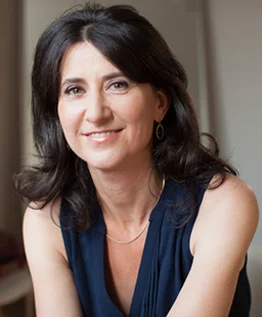
Marni Sommer
Associate Professor, Department of Sociomedical Sciences, Mailman School of Public Health, Columbia University
Marni Sommer, DrPH, MSN, RN, has worked in global health and development on issues ranging from improving access to essential medicines to humanitarian relief in conflict settings. Dr. Sommer's particular areas of expertise include conducting participatory research with adolescents, understanding and promoting healthy transitions to adulthood, the intersection of public health and education, gender and sexual health, and the implementation and evaluation of adolescent-focused interventions.
Marni Sommer
Associate Professor of Sociomedical Sciences, Mailman School of Public Health, Columbia University
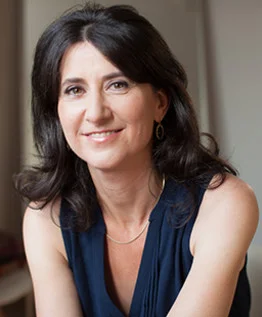
Marni Sommer, DrPH, MSN, RN, has worked in global health and development on issues ranging from improving access to essential medicines to humanitarian relief in conflict settings. Dr. Sommer's particular areas of expertise include conducting participatory research with adolescents, understanding and promoting healthy transitions to adulthood, the intersection of public health and education, gender and sexual health, and the implementation and evaluation of adolescent-focused interventions. Her doctoral research explored girls' experiences of menstruation, puberty and schooling in Tanzania, and the ways in which the onset of puberty might be disrupting girls' academic performance and healthy transition to adulthood. Dr. Sommer's current research focuses on the intersections of gender, health and education for girls and boys transitioning into adulthood in Sub-Saharan Africa and Southeast Asia.
Working Group Affiliation
Wandana Sonalkar
Fellow, Economics, Dr. Babasaheb Ambedkar Marathwada University
She is Professor in Advanced Centre for Women's Studies, School of Development Studies at the Tata Institute of Social Sciences and Director of Tarabai Shinde Women's Studies Center. She was a graduate in Mathematics, Economics at the University of Cambridge and recieved a Ph.D. in the Department of Economics at Dr. Babasaheb Ambedkar Marathwada University.
Wandana Sonalkar
Professor, Dr. B. Ambedkar Marathwada University
She is Professor in Advanced Centre for Women's Studies, School of Development Studies at the Tata Institute of Social Sciences and Director of Tarabai Shinde Women's Studies Center. She was a graduate in Mathematics, Economics at the University of Cambridge and recieved a Ph.D. in the Department of Economics at Dr. Babasaheb Ambedkar Marathwada University.
Oluwatomisin Sontan
Graduate Student, Narrative Medicine, Columbia University
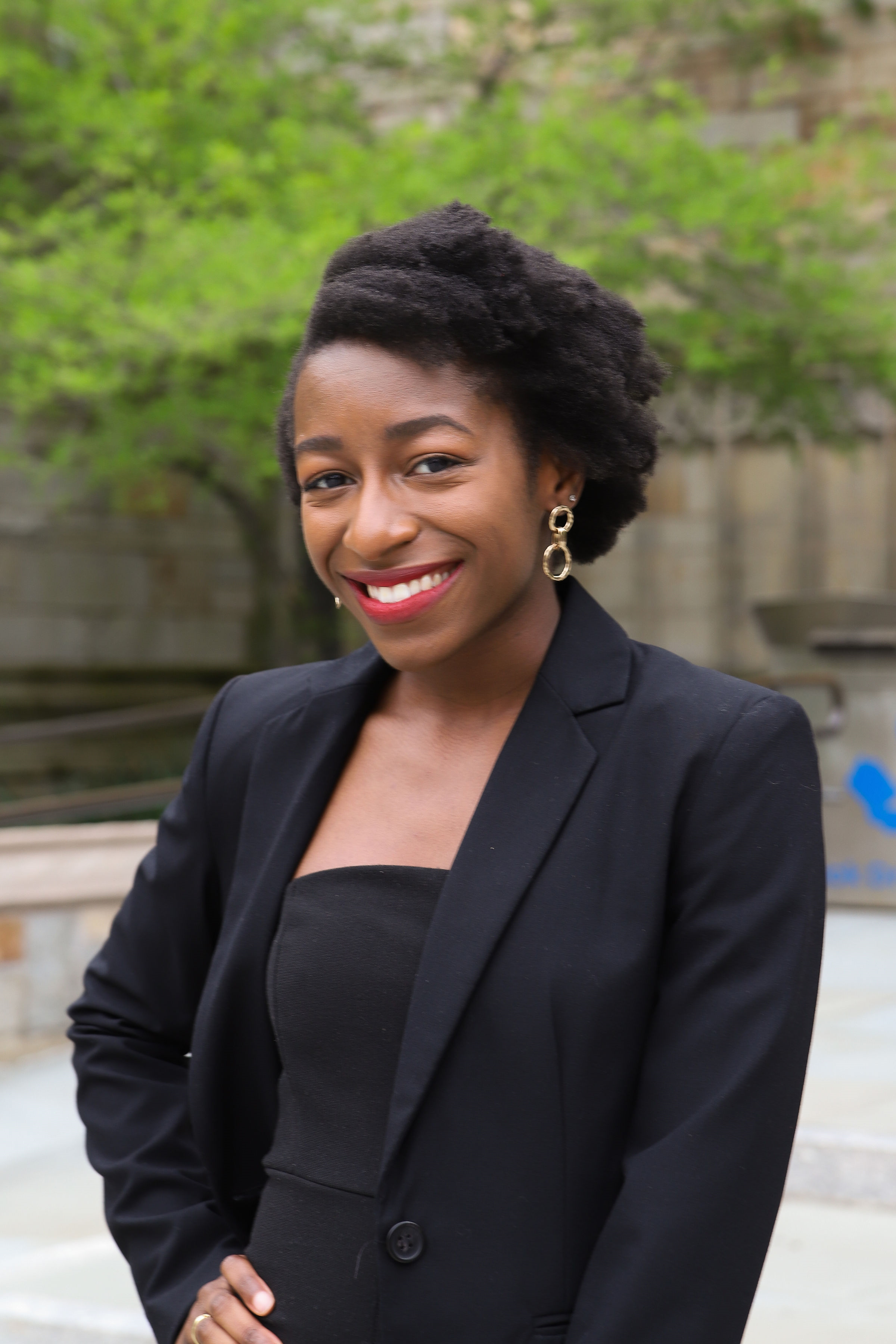
Oluwatomisin Sontan is a first-year student in the Narrative Medicine Program at Columbia University. She graduated with a bachelor's degree from Yale in Literature & Comparative Cultures and concentrated her studies in bioethics and medical humanities. She hopes to use storytelling to bridge the gap between legal, medical, and philosophical understandings to promote health justice, health equity, and ethics in the biomedical space.
Oluwatomisin Sontan
Graduate Student, Narrative Medicine, Columbia University
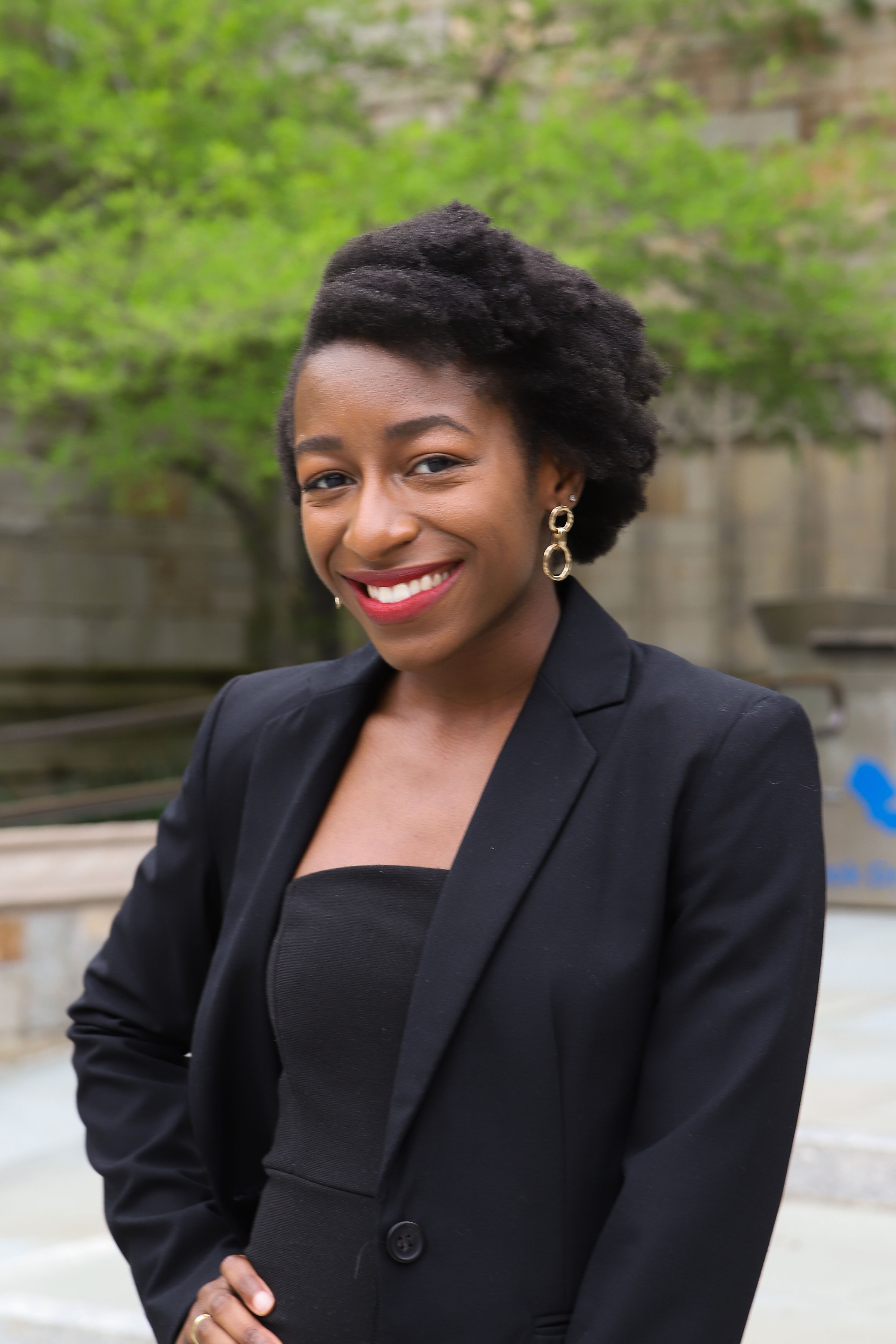
Oluwatomisin Sontan is a first-year student in the Narrative Medicine Program at Columbia University. She graduated with a bachelor's degree from Yale in Literature & Comparative Cultures and concentrated her studies in bioethics and medical humanities. She hopes to use storytelling to bridge the gap between legal, medical, and philosophical understandings to promote health justice, health equity, and ethics in the biomedical space.
Working Group Affiliation

Maboula Soumahoro
Associate Professor, English Department, Université François-Rabelais-Tours, France
Dr. Soumahoro is an Associate Professor in the English Department at the Université François-Rabelais-Tours, France. She has been a visiting lecturer in Africana Studies at Barnard College and at the Institute for Research in African American Studies (IRAAS) at Columbia University (New York). She received her PhD magna cum laude from the English Department of the Université de Tours Francois-Rabelais (France). She has also been a Visiting Scholar in the History Department and the Institute for Research in African American Studies (IRAAS) at Columbia University.
Maboula Soumahoro
Visiting Professor of Oral History, Columbia
Dr. Soumahoro is an Associate Professor in the English Department at the Université François-Rabelais-Tours, France. She has been a visiting lecturer in Africana Studies at Barnard College and at the Institute for Research in African American Studies (IRAAS) at Columbia University (New York). She received her PhD magna cum laude from the English Department of the Université de Tours Francois-Rabelais (France). She has also been a Visiting Scholar in the History Department and the Institute for Research in African American Studies (IRAAS) at Columbia University. She has lectured and delivered papers in the United States, the Caribbean, and Europe.
Her current forthcoming projects include Black Peoples, Black Gods, a comparative historical analysis of the emergence of Rastafari and the Nation of Islam; Constructing Black France: A Transatlantic Dialogue, a collection of essays from the conference of the same title that she organized at Columbia University in April 2009; and an essay on “Maryse Condé’s Segu in Black Women’s Intellectual History,” edited by Farah Griffin, Barbara Savage, Mia Bay, and Martha Jones.


Isabela Souza
Isabela Souza is a PhD student in Geography at the Fluminense Federal University (UFF), and holds a Masters in Urban and Regional Planning from the Federal University of Rio de Janeiro (UFRJ), a MBA in Project Management from Brazilian Institute of Capital Market (IBMEC - RJ) and a bachelor degree in Tourism from the Federal University of Rio de Janeiro (UNIRIO).
Isabela Souza
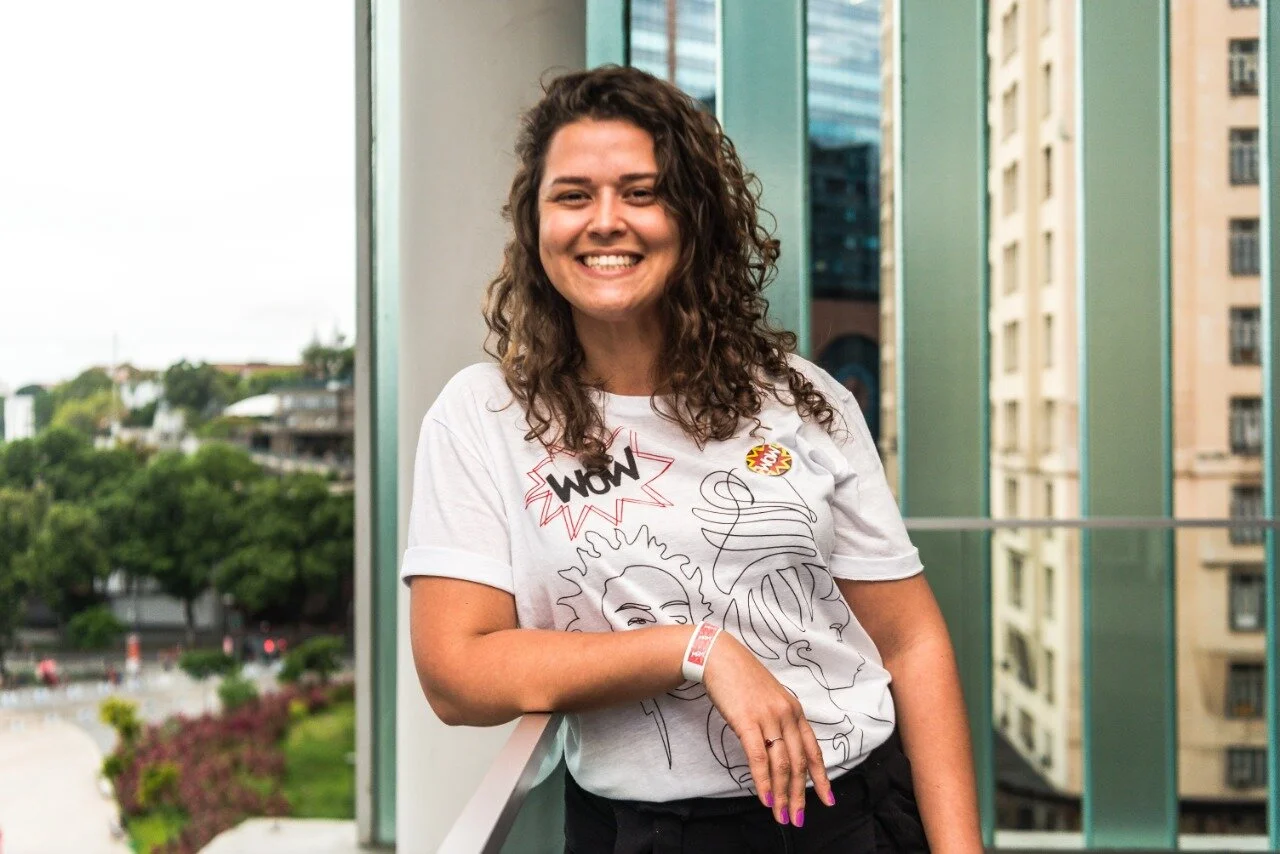
Isabela Souza is a PhD student in Geography at the Fluminense Federal University (UFF), and holds a Masters in Urban and Regional Planning from the Federal University of Rio de Janeiro (UFRJ), a MBA in Project Management from Brazilian Institute of Capital Market (IBMEC - RJ) and a bachelor degree in Tourism from the Federal University of Rio de Janeiro (UNIRIO). Isabela was born and raised in Maré, and since 2011 has been part of OSCIP Observatório de Favelas do Rio de Janeiro. Her interests span debates about the city, the people in it, and art and culture as means to construct more egalitarian society.
Working Group Affiliation

Natalia Romano Spica
Graduate Student, Columbia University
Natalia Romano Spica is a graduate student in the Narrative Medicine Program at Columbia University, where she also earned her B.A., double majoring in Biology and Medicine, Literature and Society. Born in the US and raised between Europe and the US, she has had the opportunity to explore life sciences and clinical research alongside her studies in the Classics, the Arts and the Humanities. She plans to continue her lifelong journey of bridging the sciences and the humanities as a physician.
Natalia Romano Spica
Graduate Student, Columbia University

Natalia Romano Spica is a graduate student in the Narrative Medicine Program at Columbia University, where she also earned her B.A., double majoring in Biology and Medicine, Literature and Society. Born in the US and raised between Europe and the US, she has had the opportunity to explore life sciences and clinical research alongside her studies in the Classics, the Arts and the Humanities. She plans to continue her lifelong journey of bridging the sciences and the humanities as a physician.
Working Group Affiliation
Maura Spiegel
Associate Professor, Department of English, Columbia University and Barnard College
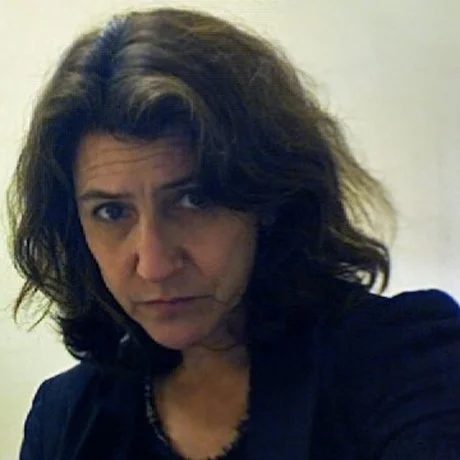
Maura Spiegel has a joint appointment at Columbia University and Barnard College, where she teaches literature, film and American Studies, and she is Associate director of the Program for Narrative Medicine at Columbia College of Physicians and Surgeons, she teaches film to second-year medical students, as well as graduate students in the Master of Science Program in Narrative Medicine at Columbia. She recently ran a writing workshop for the staff of the NYU/Bellevue Program for Survivor’s of Torture. She is the co-author of The Grim Reader: Writings on Death, Dying and Living on (Anchor/Doubleday).
Maura Spiegel
Associate Professor of English, Columbia University and Barnard College
Maura Spiegel has a joint appointment at Columbia University and Barnard College, where she teaches literature, film and American Studies, and she is Associate director of the Program for Narrative Medicine at Columbia College of Physicians and Surgeons, she teaches film to second-year medical students, as well as graduate students in the Master of Science Program in Narrative Medicine at Columbia. She recently ran a writing workshop for the staff of the NYU/Bellevue Program for Survivor’s of Torture. She is the co-author of The Grim Reader: Writings on Death, Dying and Living on (Anchor/Doubleday); she has recently edited new editions of Upton Sinclair’s The Jungle and Edgar Rice Burroughs’ Tarzan of the Apes for the Barnes & Noble Classics Series. She co-edited the journal Literature and Medicine for seven years, has written for The New York Times, and has published essays on many topics. She is currently writing a book about the films of Sidney Lumet.
Leo Spitzer
Visiting Professor of Oral History, Columbia
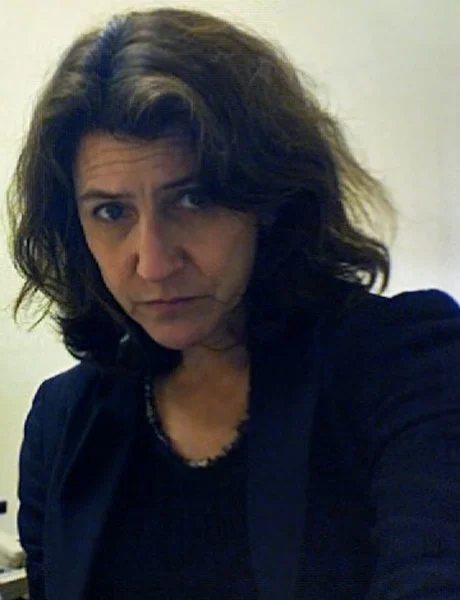
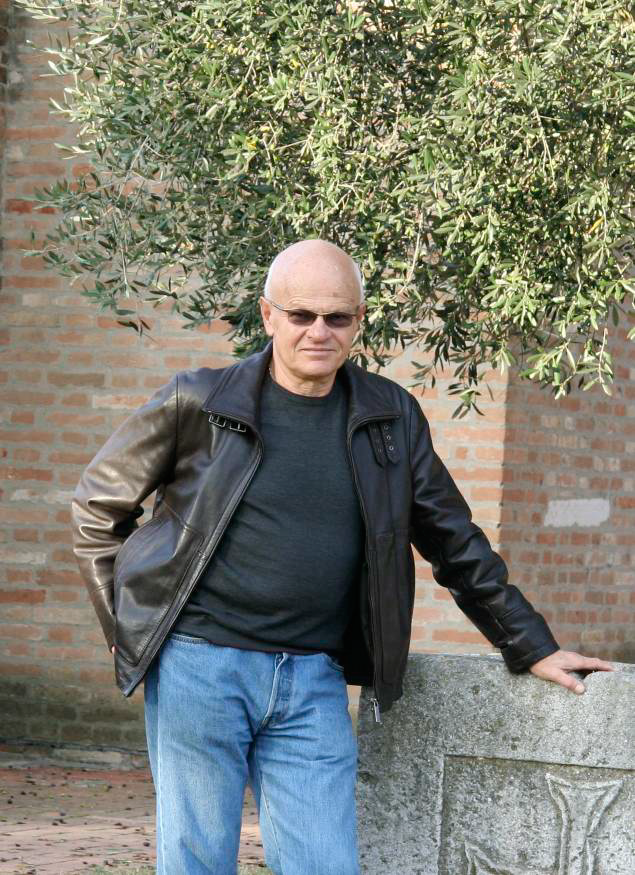
Leo Spitzer is the Vernon Professor of History Emeritus at Dartmouth College.
Leo Spitzer
Visiting Professor of Oral History, Columbia

Leo Spitzer is the Vernon Professor of History Emeritus at Dartmouth College. The recipient of numerous fellowships, including a John Simon Guggenheim Foundation and a National Humanities Center award, he writes on photography, testimony, and Jewish refugee memory and its transmission. His most recent book, co-authored with Marianne Hirsch, is Ghosts of Home: The Afterlife of Czernowitz in Jewish Memory. He is also the author of Hotel Bolivia: The Culture of Memory in a Refuge from Nazism; Lives in Between: Assimilation and Marginality in Austria, Brazil and West Africa; The Creoles of Sierra Leone: Responses to Colonialism; and co-editor, with Mieke Bal and Jonathan Crewe, of Acts of Memory: Cultural Recall in the Present. He is currently working on The Americanization of Poldi, a memoir about Jewish refugee immigration in New York in the decade of the 1950s and, with Marianne Hirsch, on a book of essays on school photos.
Working Group Affiliations

Gayatri Chakravorty Spivak
Professor, Department of Comparative Literature, Columbia University
Gayatri Chakravorty Spivak is University Professor and Founder of the Institute for Comparative Literature and Society at Columbia University. She was educated at the University of Calcutta, and came to Cornell University in 1961 to finish doctoral work.
Gayatri Chakravorty Spivak
University Professor, Columbia Unversity
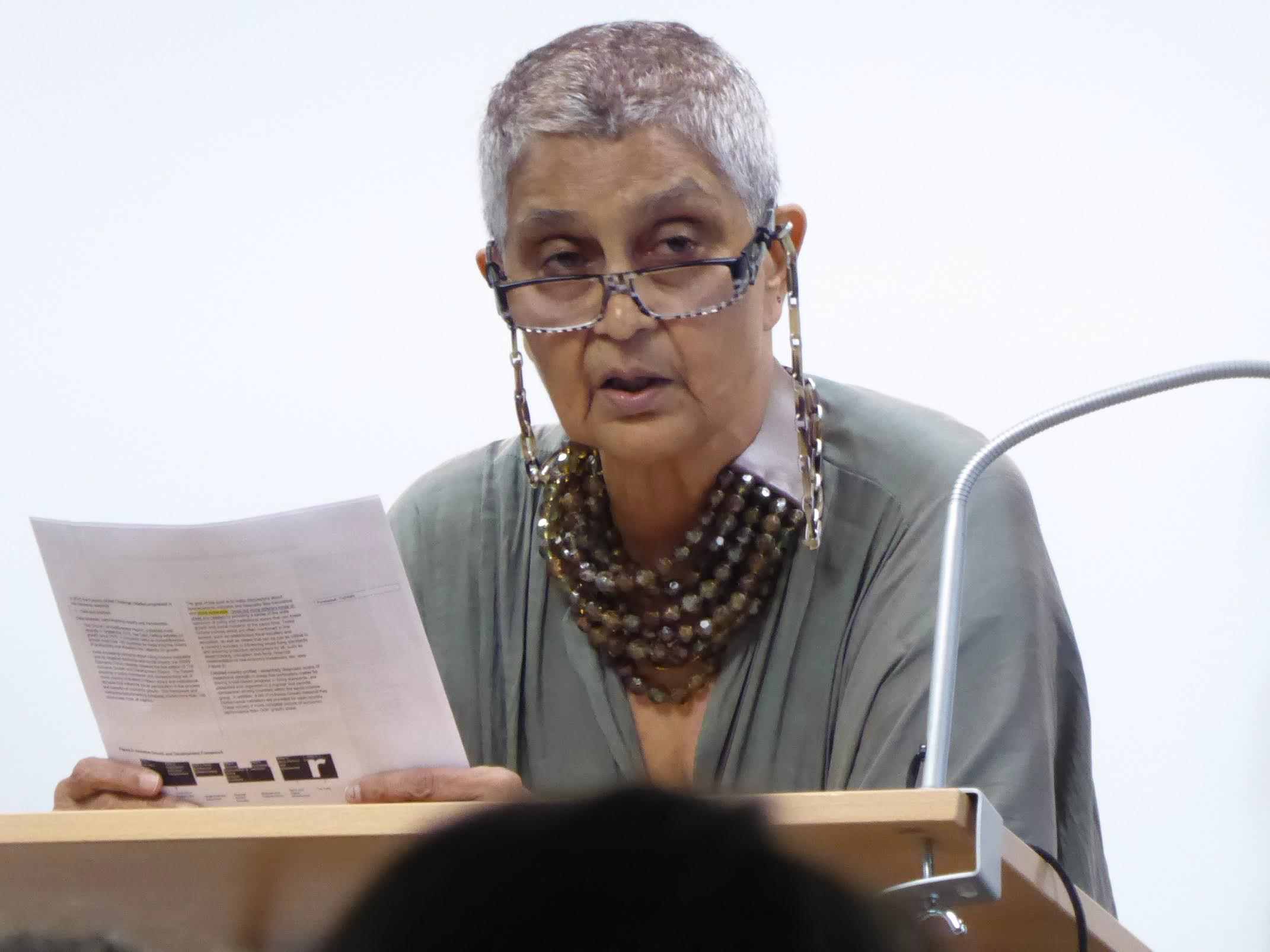
Gayatri Chakravorty Spivak is University Professor and Founder of the Institute for Comparative Literature and Society at Columbia University. She was educated at the University of Calcutta, and came to Cornell University in 1961 to finish doctoral work. Her books are Myself Must I Remake (1974), In Other Worlds (1987), The Post-Colonial Critic (1988), Outside in the Teaching Machine (1993), A Critique of Postcolonial Reason (1999), Death of a Discipline (2003), Other Asias (2008), An Aesthetic Education in the Era of Globalization (2012), and Readings (2014). She has translated Jacques Derrida's Of Grammatology (1976) and Mahasweta Devi's Imaginary Maps (1994), Breast Stories (1997), Old Women (1999), and Chotti Munda and his Arrow (2002). She has received honorary doctorates from the Universities of Toronto, London, Rovira I Virgili, Rabindra Bharati, San Martín, St. Andrews, Vincennes à Saint-Denis, Yale, Ghana-Legon, Presidency University, and Oberlin College. She won the Kyoto Prize (2012), and the Padma Bhushan (2013). She is active in the International Women's Movement, the struggle for ecological justice, and rural education. Her influence has been felt in art and architecture, law and political science, in curatorial practices. She works for humanities education as the best lasting weapon to combat contemporary disaster.
Working Group Affiliation
The Rural-Urban Interface: Gender and Poverty in Ghana and Kenya, Statistics and Stories, Project Director

Destiny Spruill
Graduate Research Assistant, Saltzman Institute of War and Peace Studies, Columbia University
Destiny Spruill
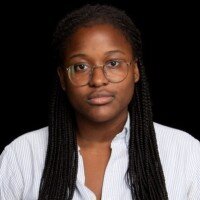
Graduate Research Assistant, Saltzman Institute of War and Peace Studies, Columbia University
Working Group Affiliation
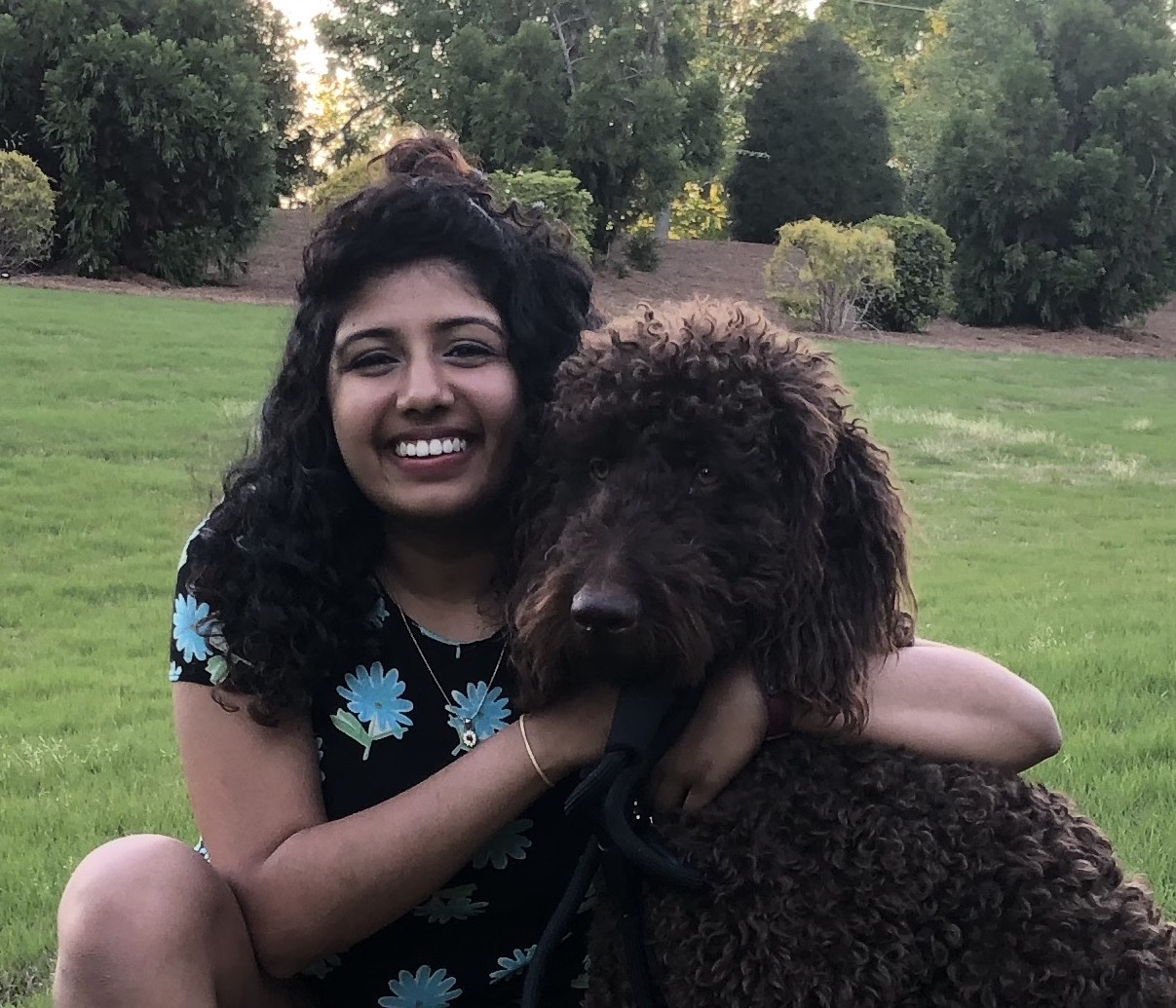
Harini Sridhar
Graduate Student, Narrative Medicine, Columbia University
Harini Sridhar is a graduate student of Narrative Medicine at Columbia University. She previously earned her Bachelor's in Biology, focused in Genomics, at Duke University. Harini is classically trained in Bharathanatyam, an age-old dance of India. Through movement, she has shared stories on stage exploring themes of community, environmental health, gender identity, and disability. The parallels she has drawn between the art of dance and the art of medicine has enlightened and reinforced her academic interests in the intersection of dance, mental health, and women's health.
Harini Sridhar
Graduate Student, Narrative Medicine, Columbia University
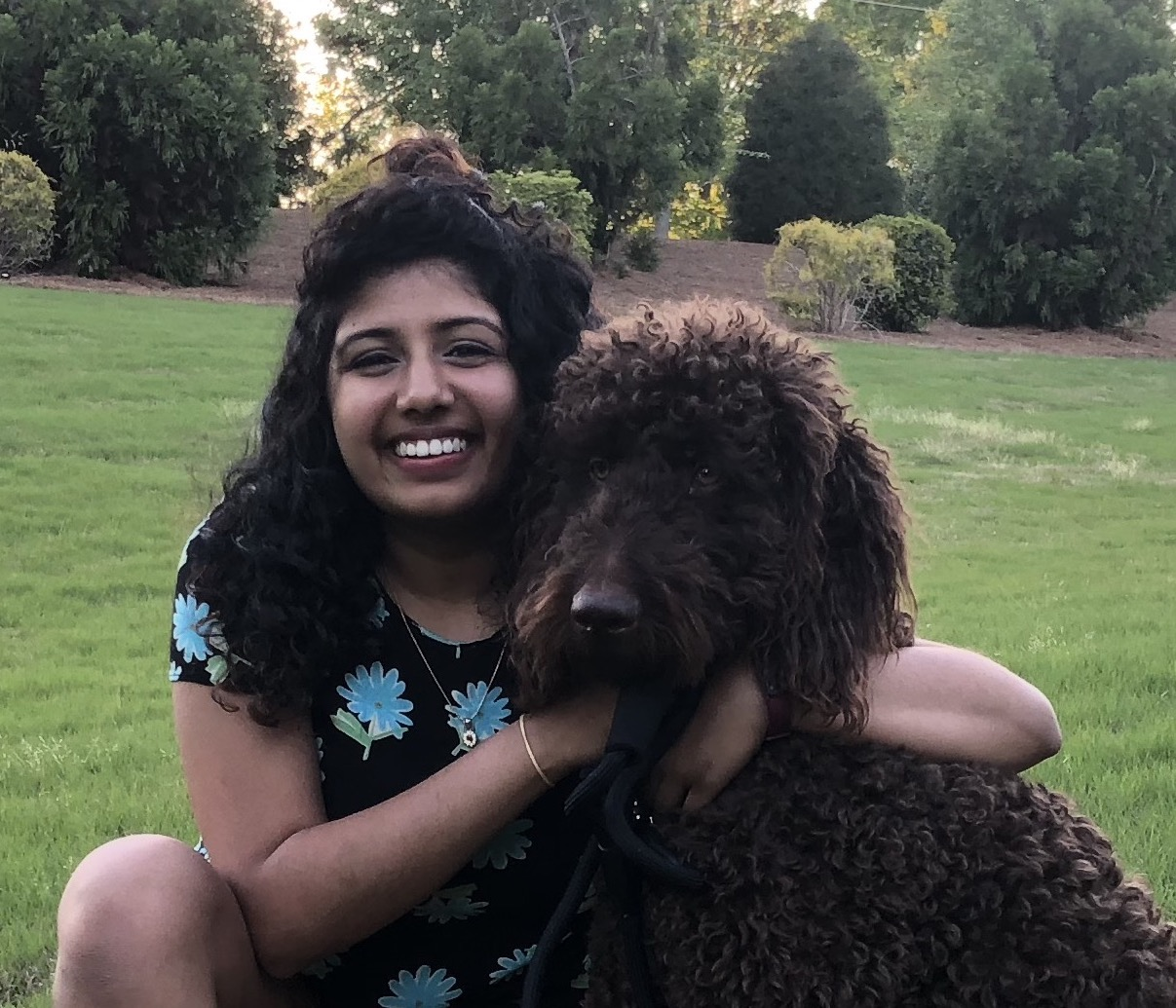
Harini Sridhar is a graduate student of Narrative Medicine at Columbia University. She previously earned her Bachelor's in Biology, focused in Genomics, at Duke University. Harini is classically trained in Bharathanatyam, an age-old dance of India. Through movement, she has shared stories on stage exploring themes of community, environmental health, gender identity, and disability. The parallels she has drawn between the art of dance and the art of medicine has enlightened and reinforced her academic interests in the intersection of dance, mental health, and women's health.
Working Group Affiliation
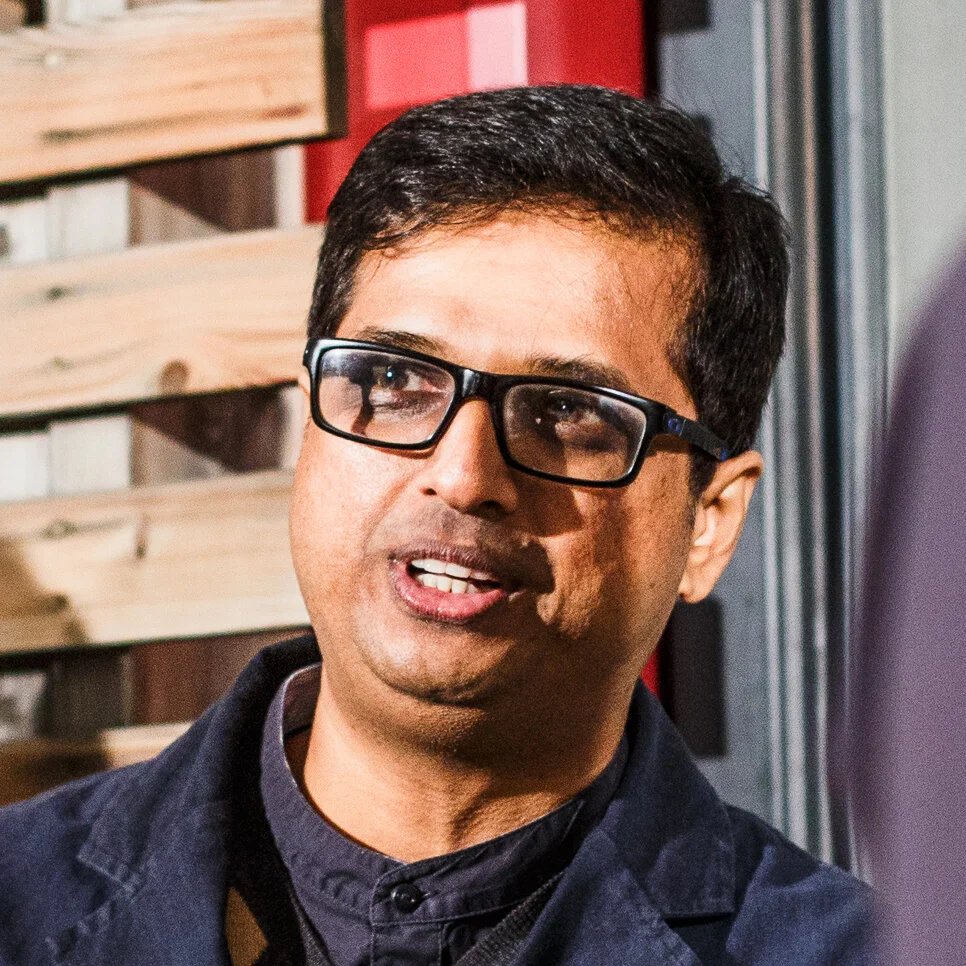
Rahul Srivastava
Rahul Srivastava is co-founder of the urbz collective along with Matias Echanove and Geeta Mehta, which has offices in Mumbai, Geneva and Bogota. He has studied Sociology and Social Anthropology at St. Xavier's College - Mumbai, Jawaharlal Nehru University - New Delhi, and Cambridge University - U.K.
Rahul Srivastava
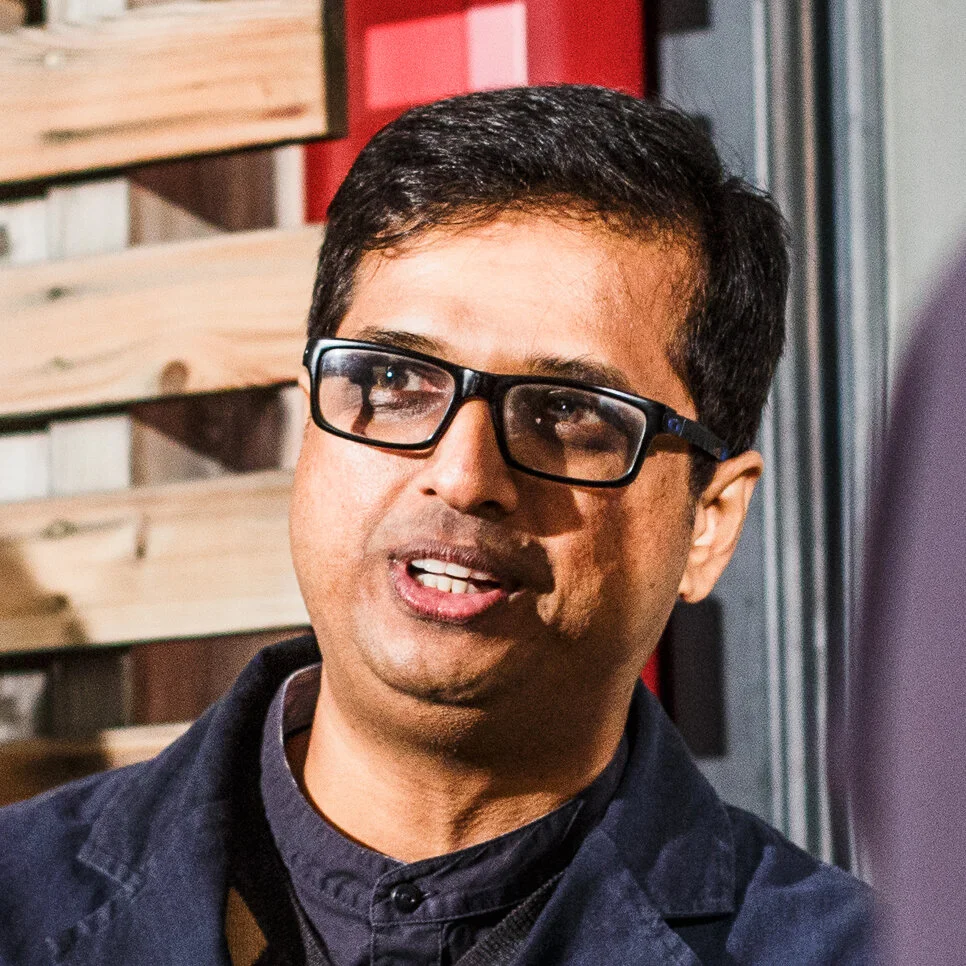
Rahul Srivastava is co-founder of the urbz collective along with Matias Echanove and Geeta Mehta, which has offices in Mumbai, Geneva and Bogota. He has studied Sociology and Social Anthropology at St. Xavier's College - Mumbai, Jawaharlal Nehru University - New Delhi, and Cambridge University - U.K.
Rahul taught at Wilson College in Mumbai for seven years and was the first Director of PUKAR, Partners for Urban Knowledge, Action and Research, Mumbai. He has written extensively in academic and mainstream publications.
urbz is an experimental action and research collective specialized in participatory planning and design. It works with citizens, organizations and municipalities. urbz’s work has been exhibited at MoMA in New York, MAXXI in Rome, MAK in Vienna, Sao Paulo Cultural Center and Bhau Daji Lad City Museum in Mumbai.
Working Group Affiliation
Elsa Stamatopoulou
Adjunct Professor, Department of Ethnicity and Race and Anthropology, Columbia University
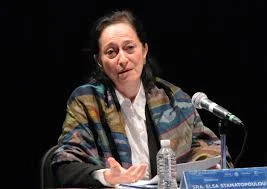
Elsa Stamatopoulou is the Director of the Indigenous Peoples' Rights Program at the Institute for the Study of Human Rights at Columbia University. Born in Athens, Greece, Stamatopoulou has devoted 21 years of her UN work to human rights, in addition to several years exclusively focusing on Indigenous Peoples rights. Most recently, she directed the work program of the Secretariat of the UN Permanent Forum on Indigenous Issues (UNPFII) as its first Chief from its inception in 2003 to 2010. She supervised the production of the first ever State of the World’s Indigenous Peoples publication of the United Nations (2010).
Elsa Stamatopoulou
Adjunct Professor, Center for the Study of Ethnicity and Race & Department of Anthropology
Elsa Stamatopoulou is the Director of the Indigenous Peoples' Rights Program at the Institute for the Study of Human Rights at Columbia University. Born in Athens, Greece, Stamatopoulou has devoted 21 years of her UN work to human rights, in addition to several years exclusively focusing on Indigenous Peoples rights. Most recently, she directed the work program of the Secretariat of the UN Permanent Forum on Indigenous Issues (UNPFII) as its first Chief from its inception in 2003 to 2010. She also promoted the integration, at international and national levels, of UN policies on indigenous peoples’ issues in the areas of economic and social development, environment, health, human rights, education and culture. She supervised the production of the first ever State of the World’s Indigenous Peoples publication of the United Nations (2010).
She has written extensively on a variety of human rights themes. Her book Cultural Rights in International Law (2007) is a classic on the topic. She has also co-edited The Universal Declaration of Human Rights: 50 Years and Beyond (1998) and Indigenous Peoples’ Access to Justice, Including Truth and Reconciliation Processes (2014). She has been teaching at Columbia University since 2011 and she obtained her J.D. from the University of Athens Law School and entered the Athens Bar Association. She has a Masters in the Administration of Criminal Justice from Northeastern University and a PhD. in Political Science and International Law from the Graduate Institute of International Studies, University of Geneva.
Iulia Statica
Lecturer in Urban Design at the School of Architecture, University of Sheffield, UK
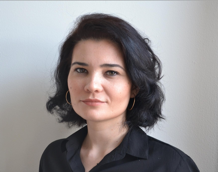
Iulia Statica is a Lecturer in Urban Design at the School of Architecture at the University of Sheffield, UK. Between 2019-21 she was the Marie Curie Research Fellow at The Bartlett School of Architecture, University College London.
Iulia Statica
Lecturer in Urban Design at the School of Architecture, University of Sheffield, UK

Iulia Statica is a Lecturer in Urban Design at the School of Architecture at the University of Sheffield, UK. Between 2019-21 she was the Marie Curie Research Fellow at The Bartlett School of Architecture, University College London. Her research interests focus on the relationship between gender and domesticity in the development and transformation of housing infrastructures and urban landscapes in Eastern Europe and Latin America. She employs documentary film as an integral aspect of both research and practice; her documentary — My Socialist Home — will be premiered in her forthcoming exhibition Archiving the Home: Gender and Domesticity in Postsocialist Bucharest in London. Statica completed her PhD at the Department of Architecture at the University of Rome La Sapienza in 2016, and was awarded the Fellowship in Architecture at the Romanian Academy in Rome (2012-14). Between 2018 and 2019 she was a Visiting Scholar at the Mario Einaudi Center for International Studies, Latin American Studies Program, at Cornell University. She is the author of Urban Phantasmagorias: Domesticity, Production and the Politics of Modernity in Communist Bucharest (Routledge, forthcoming 2022).
Working Group Affiliation
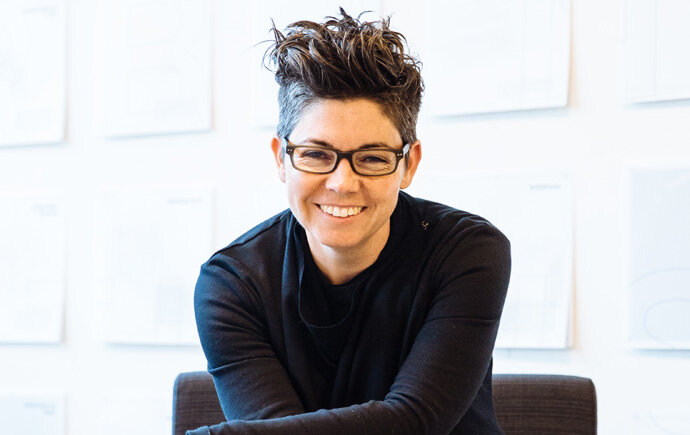
Naomi Stead
Professor, Art, Design and Architecture, Monash University
Naomi Stead is a Professor at Monash University. She was a co-founder of Parlour, an activist group advocating for greater gender equity in architecture, co-author of Parlour Guides to Equitable Practice, and co-curator of the exhibition Portraits of Practice: At Work in Architecture.
Naomi Stead
Professor, Art, Design and Architecture, Monash University

Naomi Stead is a Professor at Monash University. She was a co-founder of Parlour, an activist group advocating for greater gender equity in architecture, co-author of Parlour Guides to Equitable Practice, and co-curator of the exhibition Portraits of Practice: At Work in Architecture. She is co-editor of Speaking of Buildings: Oral History in Architectural Research (2019) and editor of Semi-Detached: Writing, Representation and Criticism in Architecture (2012). She has served as editor of Architectural Theory Review and Culture Unbound: Journal of Current Cultural Research. She writes in architectural humanities and cultural studies of architecture, considering its production, reproduction, mediation and reception, gender equity in architecture, and oral history as a disruptive method in its research.
Working Group Affiliation
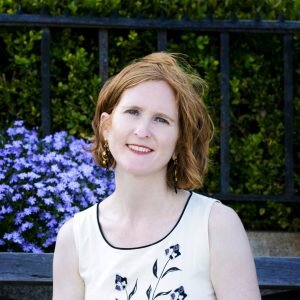
Rhiannon Stephens
Associate Professor, Department of History, Columbia University
Rhiannon Stephens is an Associate Professor of History at Columbia University. She is the author of A History of African Motherhood: The Case of Uganda, 700-1900 (2013), which traces the social institution and ideology of motherhood across over a millennium of Ugandan political, economic and social change, and co-editor of Doing Conceptual History in Africa (2018), which critically examines what it means to write conceptual history on the continent.
Rhiannon Stephens
Associate Professor, History, Columbia University
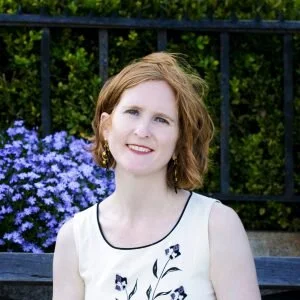
Rhiannon Stephens is an Associate Professor of History at Columbia University. She is the author of A History of African Motherhood: The Case of Uganda, 700-1900 (2013), which traces the social institution and ideology of motherhood across over a millennium of Ugandan political, economic and social change, and co-editor of Doing Conceptual History in Africa (2018), which critically examines what it means to write conceptual history on the continent. She specializes in the history of precolonial and early colonial East Africa from the late first millennium CE through the twentieth century. She is currently working a history of poverty and wealth as economic and social concepts in eastern Uganda over the past two thousand years.
Working Group Affiliation

Sarah Stillman
Professor, Department of Journalism, Columbia University
Sarah Stillman is a staff writer at The New Yorker magazine and has written on topics ranging from asset forfeiture abuse to the return of debtors prisons, and from Mexico's drug cartels to Bangladesh's garment factories. Her coverage of human trafficking on U.S. military bases in Iraq and Afghanistan won the National Magazine Award, the Michael Kelly Award for the “fearless pursuit and expression of truth,” and the Hillman Prize for Magazine Journalism, among other prizes. Her current work focuses on the toll of Trump-era immigration enforcement: the human face of ICE raids, family detention, and asylum-seekers' expedited removals, including the gendered impacts of these policies. She is a 2016 MacArthur Fellow.
Sarah Stillman
Project Director, Global Migration Project, Columbia Journalism School
Sarah Stillman is a staff writer at The New Yorker magazine and has written on topics ranging from asset forfeiture abuse to the return of debtors prisons, and from Mexico's drug cartels to Bangladesh's garment factories. Her coverage of human trafficking on U.S. military bases in Iraq and Afghanistan won the National Magazine Award, the Michael Kelly Award for the “fearless pursuit and expression of truth,” and the Hillman Prize for Magazine Journalism, among other prizes. Her current work focuses on the toll of Trump-era immigration enforcement: the human face of ICE raids, family detention, and asylum-seekers' expedited removals, including the gendered impacts of these policies. She is a 2016 MacArthur Fellow.

Joseph Straus
Distinguished Professor of Music, CUNY Graduate Center
Joseph Straus is Distinguished Professor of Music at the Graduate Center of the City University of New York. He is the author of numerous books and articles on topics in twentieth-century music, including Twelve-Tone Music in America (2009), Introduction to Post-Tonal Theory (3rd ed., 2004), Stravinsky's Late Music (2001), The Music of Ruth Crawford Seeger (1995), and Remaking the Past: Musical Modernism and the Influence of the Tonal Tradition (1990).
Joseph Straus
Distinguished Professor of Music, CUNY Graduate Center
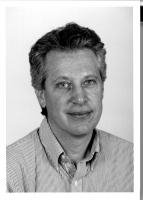
Joseph Straus is Distinguished Professor of Music at the Graduate Center of the City University of New York. He is the author of numerous books and articles on topics in twentieth-century music, including Twelve-Tone Music in America (2009), Introduction to Post-Tonal Theory (3rd ed., 2004), Stravinsky's Late Music (2001), The Music of Ruth Crawford Seeger (1995), and Remaking the Past: Musical Modernism and the Influence of the Tonal Tradition (1990). His most recent publications, including Extraordinary Measures: Disability in Music (Oxford University Press, 2011), are among the first to bring to music the insights of Disability Studies. He is a former President of the Society for Music Theory.
Working Group Affiliation