
Neni Panourgiá
Neni Panourgiá
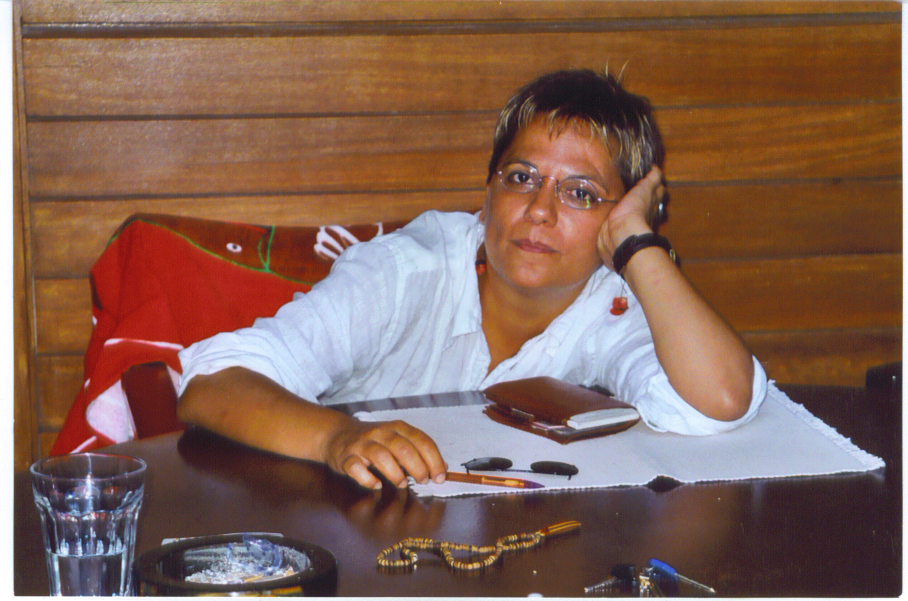
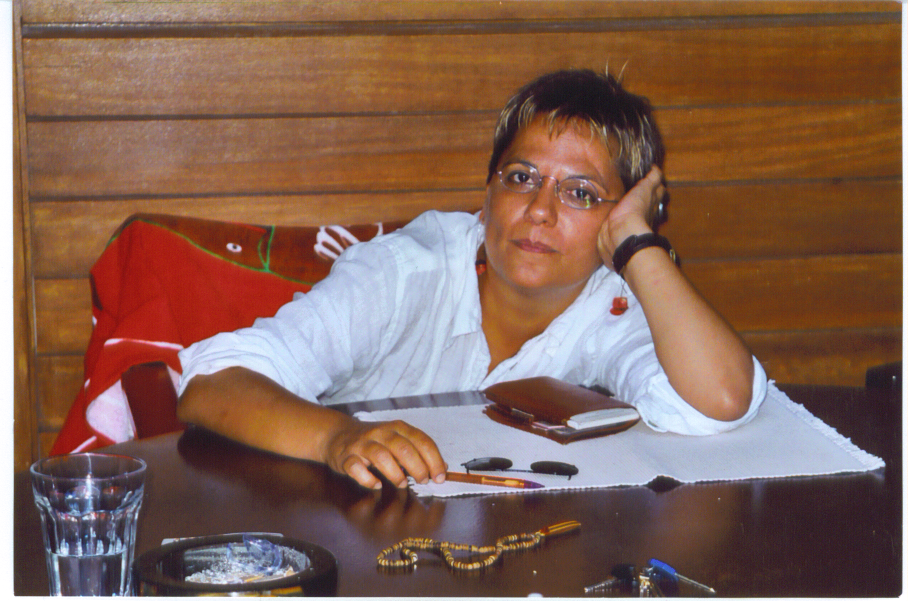
Neni Panourgiá is an anthropologist, the Academic Adviser at the Justice-in-Education Initiative, and Adjunct Associate Professor at the Prison Education Program at Columbia University through which she teaches in the New York State and the Federal prison system. She has previously held positions at Princeton, Rutgers, NYU, Bard College, The New School for Social Research, and Université de Paris VIII, St Denis. She was co-editor of Anthropology and Humanism (2020-2021), and the Journal of Modern Greek Studies (2013-2016), and co-Chair of the Anthropology Section of the New York Academy of Sciences (2009-2011). Her ethnographic work is located at the nexus of history, politics, and the apparatus of discipline with specific focus on the multi-valence of confinement. Her monographs Fragments of Death, Fables of Identity. An Athenian Anthropography (1995) and Dangerous Citizens: The Greek Left and the Terror of the State (2009) have received many awards among which The Victor Turner Prize for Ethnographic Writing, the Edmund Keeley Book Prize in Modern Greek Studies, the PROSE Award, The Chicago Folklore Prize, the International Society for Ethnohistory. She has co-edited, with George Marcus, the volume Ethnographica Moralia. Experiments in Interpretive Anthropology (2008), and has edited the photographic volume East of Attica, 1930-1997, and the Special Issue “COVID-19: Auto-ethnographies of Incarceration” in Synapsis: A Journal of Medical Humanities (2020). Her essays can be found in Mousse, Documenta, American Ethnologist, angelaki, Public Culture, Anthropology and Humanism, and elsewhere. Her book Λέρος: Η γραμματική του εγκλεισμού, published in July 2020 in Greek (Nefeli Publishers), is in its second edition and it is forthcoming shortly in English under the title Foucault’s Node: Leros and the Grammar of Confinement.
https://justiceineducation.columbia.edu/people/profiles/neni-panourgia/. Since 2022 she has been running the Leros Humanism Seminars, https://leros-humanism-seminars.com, co-organized with Stathis Gourgouris and in collaboration with Columbia Global Centers Athens, thee Johns Hopkins Initiative in Global South Humanities, and the Wright-Ingraham Institute.

Hannah Pivo
Hannah Pivo is a Ph.D. candidate specializing in 19th- and 20th-century design and architecture, with a focus on the history of graphic design and information visualization. Her work has appeared in the journals Design Issues and Public Art Dialogue and she has contributed to exhibition catalogs on various topics in modern and contemporary art and design.
Hannah Pivo
Hannah Pivo is a Ph.D. candidate specializing in 19th- and 20th-century design and architecture, with a focus on the history of graphic design and information visualization. Her work has appeared in the journals Design Issues and Public Art Dialogue and she has contributed to exhibition catalogs on various topics in modern and contemporary art and design. Her research has been supported by the Temple Hoyne Buell Center for the Study of American Architecture at Columbia University, the Center for the History of Business, Technology and Society at the Hagley Museum and Library in Wilmington, Delaware, and the Rochester Institute of Technology’s Cary Graphic Arts Collection, where she was the Summer Research Fellow for 2021. Before entering the doctoral program in 2019, Hannah was Curatorial Assistant for 20th- and 21st-Century Design at the Milwaukee Art Museum.
Working Group: Extractive Media
Christina Duffy Ponsa
Professor, Department of Legal History, Columbia Law School
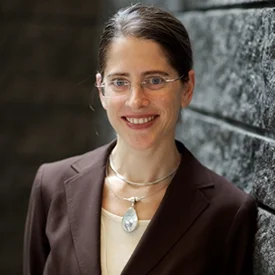
Christina Duffy Ponsa is the George Welwood Murray Professor of Legal History at Columbia Law School, where she teaches constitutional law and American legal history. Professor Ponsa is the author of several articles on the constitutional law and history of American territorial expansion and empire, and co-editor of Foreign in a Domestic Sense: Puerto Rico, American Expansion, and the Constitution (Duke U. Press, 2001). Before joining the Columbia faculty in 2007, she served as a law clerk to Judge José A. Cabranes on the Second Circuit Court of Appeals and to Justice Stephen G. Breyer on the United States Supreme Court.
Christina Duffy Ponsa
George Welwood Murray Professor of Legal History, Columbia Law School

Christina Duffy Ponsa is the George Welwood Murray Professor of Legal History at Columbia Law School, where she teaches constitutional law and American legal history. Professor Ponsa is the author of several articles on the constitutional law and history of American territorial expansion and empire, and co-editor of Foreign in a Domestic Sense: Puerto Rico, American Expansion, and the Constitution (Duke U. Press, 2001). She holds degrees from Princeton (A.B. 1990, Ph.D. 2010), Cambridge (M.Phil. 1995), and Yale (J.D. 1998). Before joining the Columbia faculty in 2007, she served as a law clerk to Judge José A. Cabranes on the Second Circuit Court of Appeals and to Justice Stephen G. Breyer on the United States Supreme Court.
Working Group Affiliation
Unpayable Debt: Capital, Violence, and the New Global Economy
Kathryn Spellman Poots
Associate Professor, Department of Islamic Studies, Columbia University
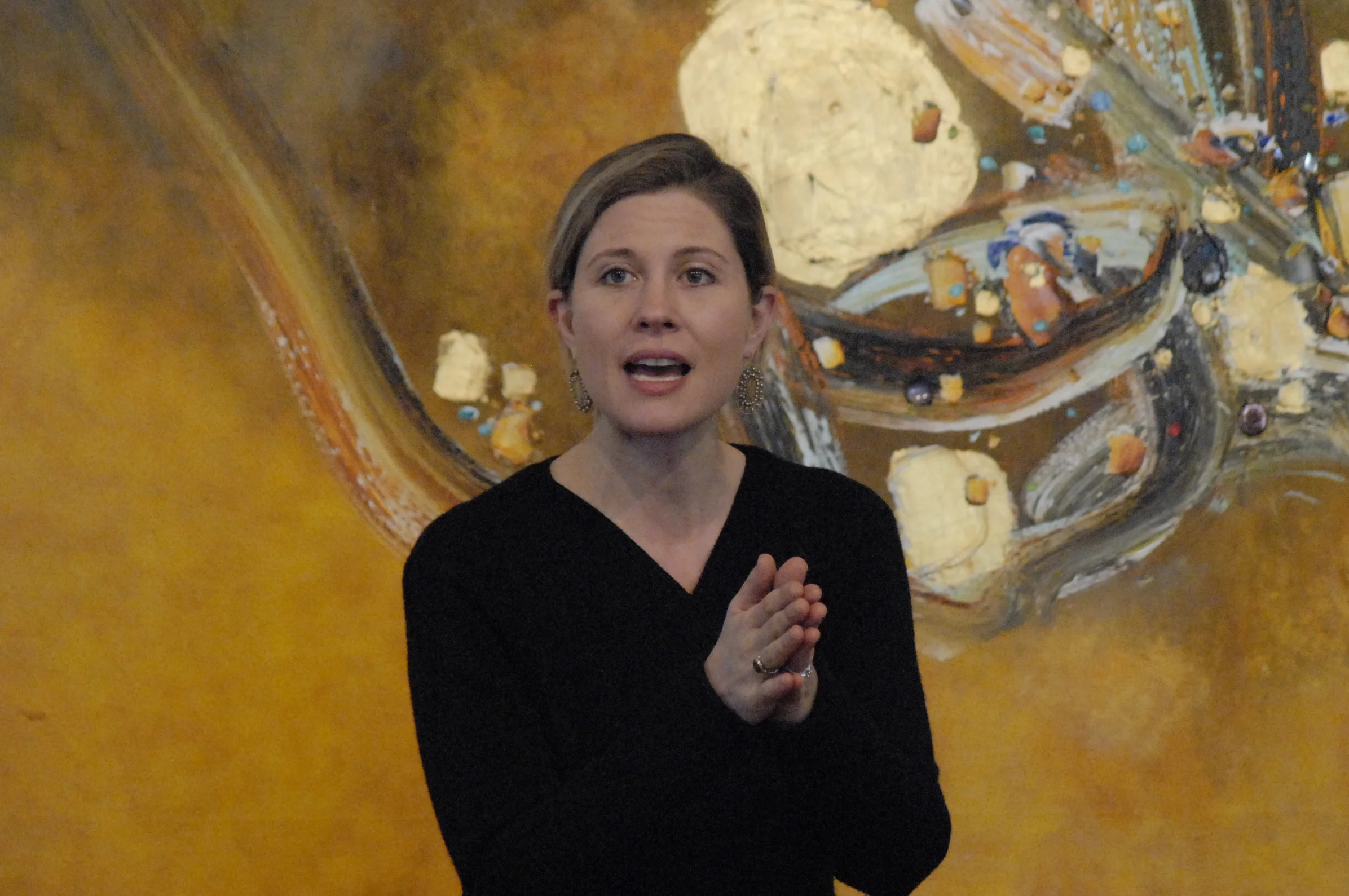
Kathryn Spellman Poots is a Visiting Associate Professor at Columbia University and Academic Program Director for the MA in Islamic Studies. She is also Associate Professor at the Aga Khan
Kathryn Spellman Poots
Visiting Research Scholar, Middle East Institute, Columbia University

Kathryn Spellman Poots is a Visiting Associate Professor at Columbia University and Academic Program Director for the MA in Islamic Studies. She is also Associate Professor at the Aga Khan
University’s Institute for the Study of Muslim Civilizations in the United Kingdom. She earned her MSc and PhD in Politics and Sociology from Birkbeck College, University of London. Her research interests include Muslims in Europe and North America; the Iranian diaspora; transnational migration networks; and gender and religion in the Middle East and North Africa. Her publications include The monograph: Religion and Nation: Iranian Local and Transnational Networks in Britain (Berghahn, Oxford and New York) as well as the edited volumes: The Political Aesthetics of Global Protest: The Arab Spring and Beyond(Edinburgh University Press); and Ethnographies of Islam: Ritual Performances and Everyday Practices (Edinburgh University Press). She consults for organizations focusing on the rights and experiences of refugees and minority groupings, including the UNHRC (Geneva), UNESCO (Paris), UK Foreign Office, US State Department, German Foreign Office, and the London Detainee Support Group.
Working Group Affiliation

Ronna Popkin
PhD Student, Sociomedical Sciences, Columbia University
Ronna A. Popkin is a Ph.D. Candidate in Sociomedical Sciences (SMS) with a concentration in Sociology at Columbia University. She was a Fellow in SMS's NICHD predoctoral training program in Gender, Sexuality, and Health. Her multi-disciplinary research interests span the fields of sociology, public health, science and technology studies, and gender studies, and include adolescent and young adult sexual and reproductive health, genetic risk, and women’s health in the United States. Prior to attending Columbia, Ms. Popkin worked as a community sexuality educator for Planned Parenthood of Wisconsin and lectured courses at the University of Wisconsin-Madison on sexuality education, women’s health, and the politics of fertility control. Ms. Popkin earned her M.S. in Health Education and B.S. with Honors in Women’s Studies from the University of Wisconsin-Madison.
Ronna Popkin
PhD Student, Mailman School of Public Health, Columbia University

Ronna A. Popkin is a Ph.D. Candidate in Sociomedical Sciences (SMS) with a concentration in Sociology at Columbia University. She was a Fellow in SMS's NICHD predoctoral training program in Gender, Sexuality, and Health. Her multi-disciplinary research interests span the fields of sociology, public health, science and technology studies, and gender studies, and include adolescent and young adult sexual and reproductive health, genetic risk, and women’s health in the United States. Prior to attending Columbia, Ms. Popkin worked as a community sexuality educator for Planned Parenthood of Wisconsin and lectured courses at the University of Wisconsin-Madison on sexuality education, women’s health, and the politics of fertility control. Ms. Popkin earned her M.S. in Health Education and B.S. with Honors in Women’s Studies from the University of Wisconsin-Madison.
Working Group Affiliation

Philippa Portnoy
New York
Philippa Portnoy
New York

Philippa has a BA from Barnard College and an MBA from Columbia Business School. She is a founding member of Barnard’s Athena Center for Leadership Studies and a co-founder of Columbia’s Women’s Leadership Council for Athletics. Other leadership roles at the University have included: Columbia Alumni Association (CAA) Board, Columbia University Club of NY Board and co-chair of CAA Arts Access. She has also been an active supporter of the Storefront Academy in Harlem. Philippa ran the Latin American Aviation Finance Group at Citigroup before leaving in 2000 to raise her triplet sons.
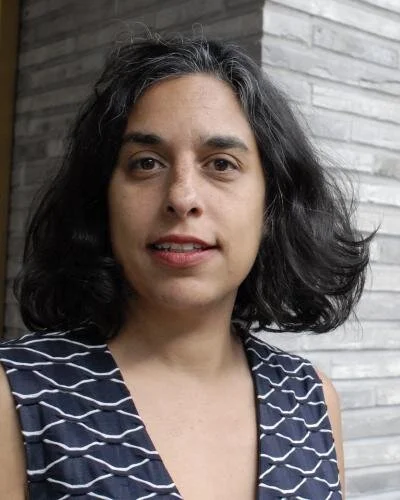
Sonya Posmentier
Fellow, English, New York University
Sonya Posmentier is an Associate Professor in the Department of English at New York University, where she teaches African American and Black Diasporic literature and culture, poetry and poetics, and environmental literature. Her first book Cultivation and Catastrophe: The Lyric Ecology of Modern Black Literature was published in 2017 by Johns Hopkins University Press, and is a recipient of the William Sanders Scarborough award from the Modern Language Association.
Sonya Posmentier
Associate Professor of English, New York University
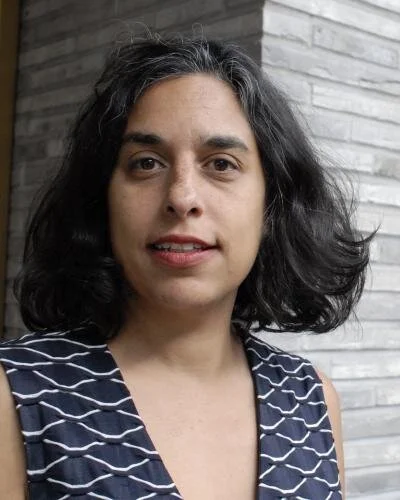
Sonya Posmentier is an Associate Professor in the Department of English at New York University, where she teaches African American and Black Diasporic literature and culture, poetry and poetics, and environmental literature. Her first book Cultivation and Catastrophe: The Lyric Ecology of Modern Black Literature was published in 2017 by Johns Hopkins University Press, and is a recipient of the William Sanders Scarborough award from the Modern Language Association. Her essays and articles have appeared in The New York Times Book Review, American Literature, American Literary History, Public Books, and elsewhere, and she has published poems in Grey, Seneca Review, and Perihelion.
Working Group Affiliation
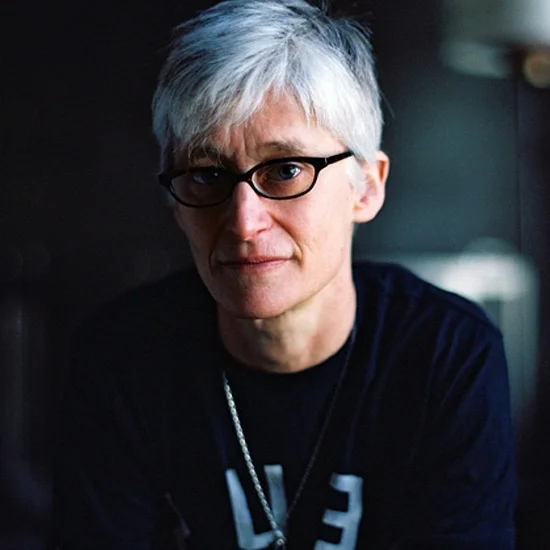
Elizabeth Povinelli
Professor, Department of Anthropology and Women’s and Gender Studies, Columbia University
Elizabeth Povinelli's writing has focused on developing a critical theory of late liberalism. This critical task is grounded in theories of the translation, transfiguration and the circulation of values, materialities, and socialities within settler liberalisms. Her first two books focused on impasses within liberal systems of law and value as they meet local Australian indigenous worlds, and the effect of these impasses on the development of legal and public culture in Australia. Her most recent book examines how a set of ethical and normative claims about the governace of lowve, sociality, and the body circulate in liberal settler colonies in such a way that life and death, rights and recognition, goods and resources are unevenly distributed there.
Elizabeth Povinelli
Professor of Anthropology and Women's and Gender Studies, Columbia University
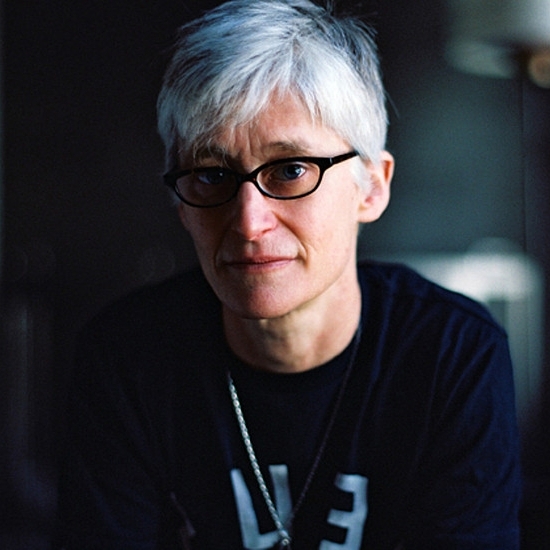
Elizabeth Povinelli's writing has focused on developing a critical theory of late liberalism. This critical task is grounded in theories of the translation, transfiguration and the circulation of values, materialities, and socialities within settler liberalisms. Her first two books focused on impasses within liberal systems of law and value as they meet local Australian indigenous worlds, and the effect of these impasses on the development of legal and public culture in Australia. Her most recent book examines how a set of ethical and normative claims about the governace of lowve, sociality, and the body circulate in liberal settler colonies in such a way that life and death, rights and recognition, goods and resources are unevenly distributed there.
Professor Povinelli diverges from most contemporary approaches to sexuality, gender and the legacy of European colonialism in so far as she brackets sexuality in the first moment and, instead, looks at how the distinction between individual freedom and social bondage subtends and animates most theories and practices of sexuality in postcolonial liberalisms.
Working Group Affiliations
Borders and Boundaries, Project Director
Liberalism’s Others, Project Director
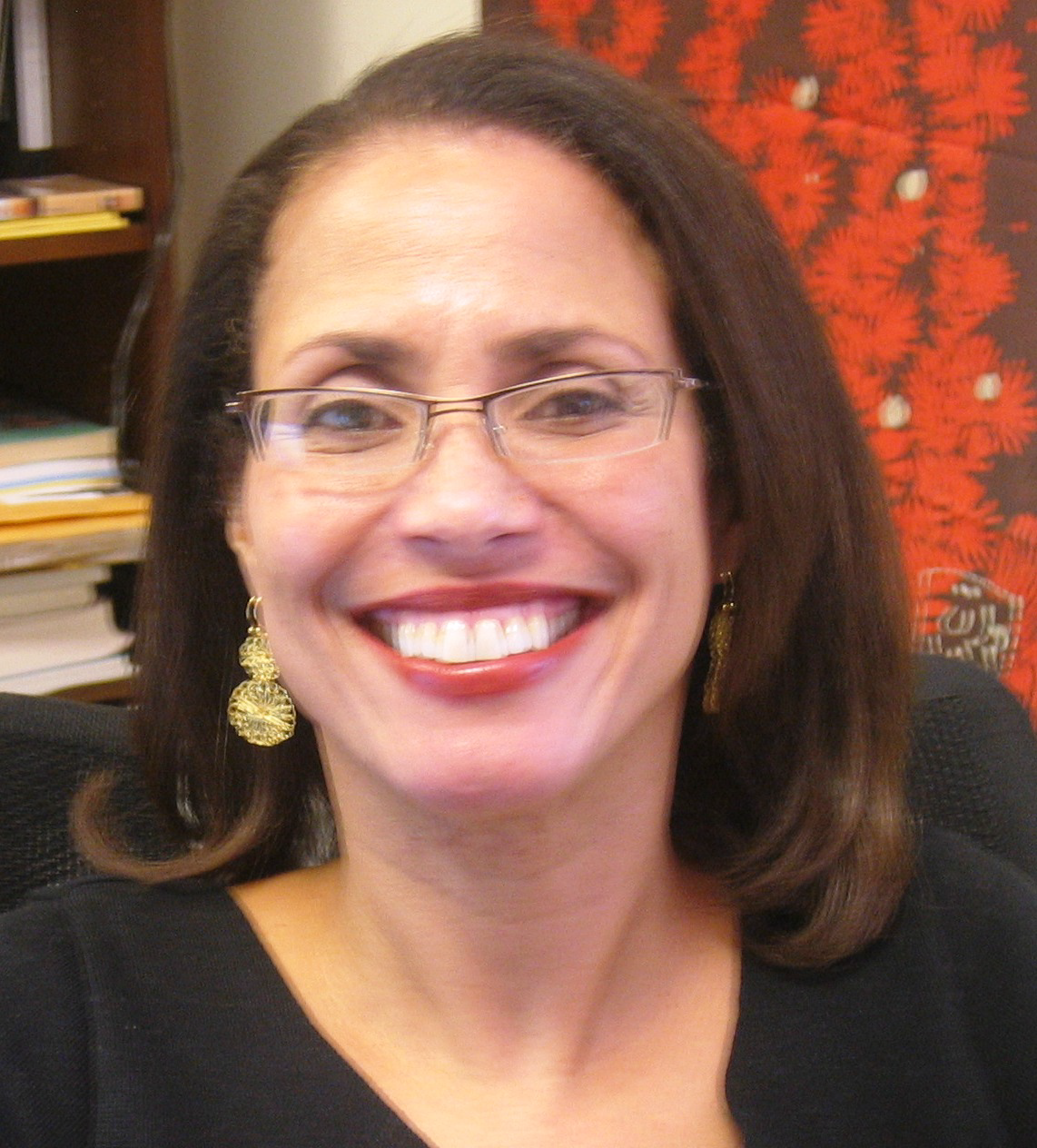
Eve Powell
Fellow, History, University of Pennsylvania
Eve M. Troutt Powell teaches the history of the modern Middle East. As a cultural historian, she emphasizes the exploration of literature and film in her courses. She is the author of A Different Shade of Colonialism: Egypt, Great Britain and the Mastery of the Sudan (University of California, 2003) and the co-editor, with John Hunwick, of The African Diaspora in the Mediterranean Lands of Islam (Princeton Series on the Middle East, Markus Wiener Press, 2002).
Eve Powell
Professor of History, University of Pennsylvania
Eve M. Troutt Powell teaches the history of the modern Middle East. As a cultural historian, she emphasizes the exploration of literature and film in her courses. She is the author of A Different Shade of Colonialism: Egypt, Great Britain and the Mastery of the Sudan (University of California, 2003) and the co-editor, with John Hunwick, of The African Diaspora in the Mediterranean Lands of Islam (Princeton Series on the Middle East, Markus Wiener Press, 2002). She has also written a number of articles on the history of African slavery in the Nile valley, and on Saint Josephine Bakhita, a former Sudanese slave canonized in 2000.
Troutt Powell received her B.A, M.A., and Ph.D. from Harvard University. Prior to coming to Penn, she taught for ten years at The University of Georgia. She has received fellowships from the American Research Center in Egypt and the Social Science Research Council, and has been a fellow at the Institute for Advanced Study in Princeton and at the Radcliffe Institute for Advanced Study. In 2003 she was named a MacArthur Foundation Fellow.
Troutt Powell is now working on a book about the memory of slavery in the Nile valley, which examines how slaves and slaveholders wrote, sang or talked about the experience of servitude and its meaning in their societies. Both her research and her teaching explore the relationship between Africa and the Middle East, and thus connect her closely to Africana Studies and African Studies at Penn.


Nicola Pratt
Fellow, International Politics of the Middle East, University of Warwick, UK.
Nicola Pratt is Reader of the International Politics of the Middle East at the University of Warwick, UK. She has written on human rights, civil society and democratization in the Arab world, including Democracy and Authoritarianism in the Arab World (Lynne Rienner, 2007). More recently, she has written on issues of gender, war and security in the Middle East. She is co-author, with Nadje Al-Ali, of What Kind of Liberation? Women and the Occupation of Iraq (University of California Press, 2009), co-editor, also with Nadje Al-Ali, of Women and War in the Middle East (Zed Press, 2009) and co-editor with Sophie Richter-Devroe of a special issue of International Feminist Journal of Politics on ‘Critically Examining UNSCR 1325 on Women, Peace and Security’ (December 2011) as well as articles in International Studies Quarterly and Third World Quarterly, amongst others.
Nicola Pratt
Reader of the International Politics of the Middle East, University of Warwick, UK.
Nicola Pratt is Reader of the International Politics of the Middle East at the University of Warwick, UK. She has written on human rights, civil society and democratization in the Arab world, including Democracy and Authoritarianism in the Arab World (Lynne Rienner, 2007). More recently, she has written on issues of gender, war and security in the Middle East. She is co-author, with Nadje Al-Ali, of What Kind of Liberation? Women and the Occupation of Iraq (University of California Press, 2009), co-editor, also with Nadje Al-Ali, of Women and War in the Middle East (Zed Press, 2009) and co-editor with Sophie Richter-Devroe of a special issue of International Feminist Journal of Politics on ‘Critically Examining UNSCR 1325 on Women, Peace and Security’ (December 2011) as well as articles in International Studies Quarterly and Third World Quarterly, amongst others. She is joint leader of the ‘Reconceptualising Gender’ research network between Warwick and Birzeit University (Palestine). She currently holds a British Academy mid-career fellowship for a project entitled, ‘Middle East Women: The Personal and the Geopolitical’.


Kenia Pujols
Doctoral Student, Public Health, Columbia University
Kenia has a clinical background and is an MHA '22 graduate of the Mailman School of Public Health, Columbia University.
Kenia Pujols
Mailman School of Public Health, '22 graduate

Kenia has a clinical background and is an MHA '22 graduate of the Mailman School of Public Health, Columbia University.
Kenia applies her knowledge and skills to identify solutions to the most pressing challenges in the health care system. More specifically, this fellowship analyses the limitations of precision medicine, implementation processes and possible solutions to help improve the scientific literature and applied knowledge on personalized medicine.
Working Group Affiliation
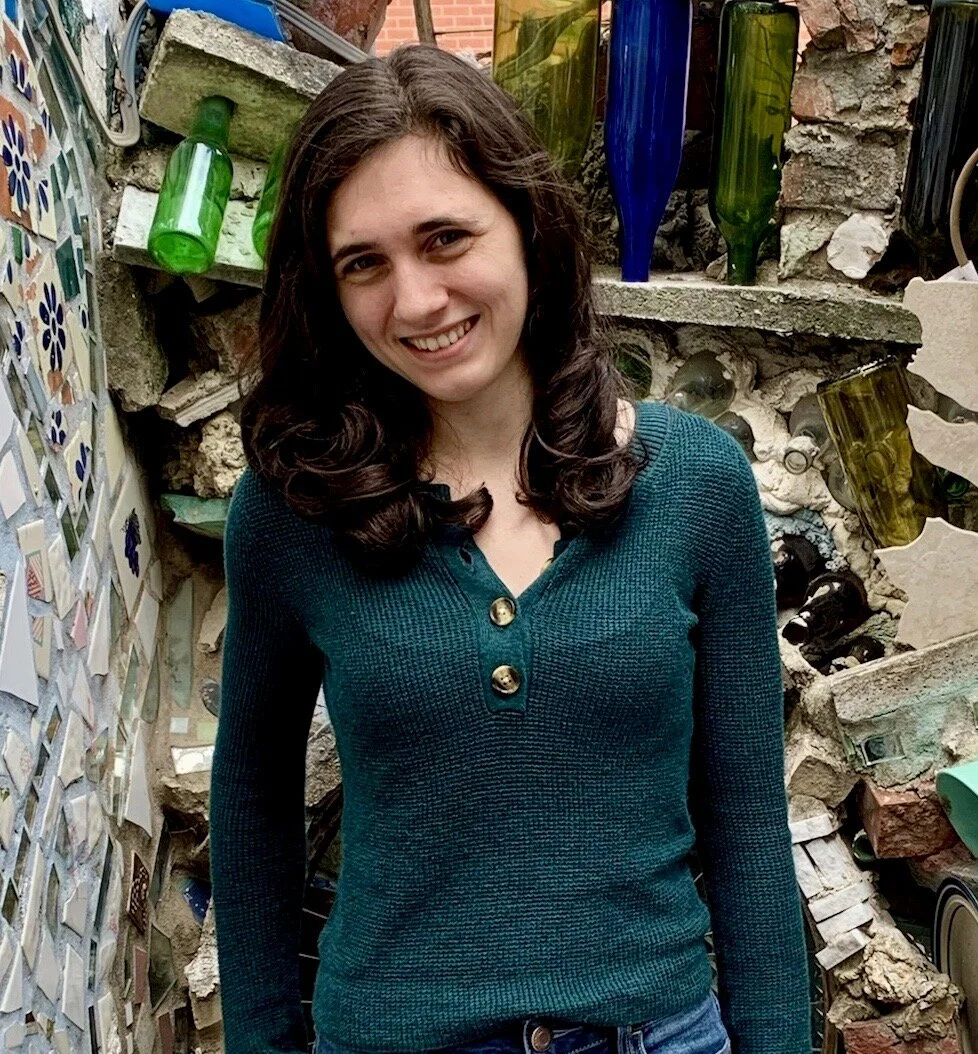
Hannah Pullen-Blasnik
Ph.D. Candidate, Sociology, Columbia University
Hannah Pullen-Blasnik is a Ph.D. student and Paul F. Lazarsfeld Fellow in the Department of Sociology at Columbia University. She is also a Graduate Research Fellow at the Columbia Justice Lab on the Pennsylvania Solitary Study and the Rikers Island Longitudinal Study. Her primary research interests include social movements, political economy, and algorithms and technology.
Hannah Pullen-Blasnik
Ph.D. candidate and Paul F. Lazarsfeld Fellow in the Department of Sociology, Columbia University
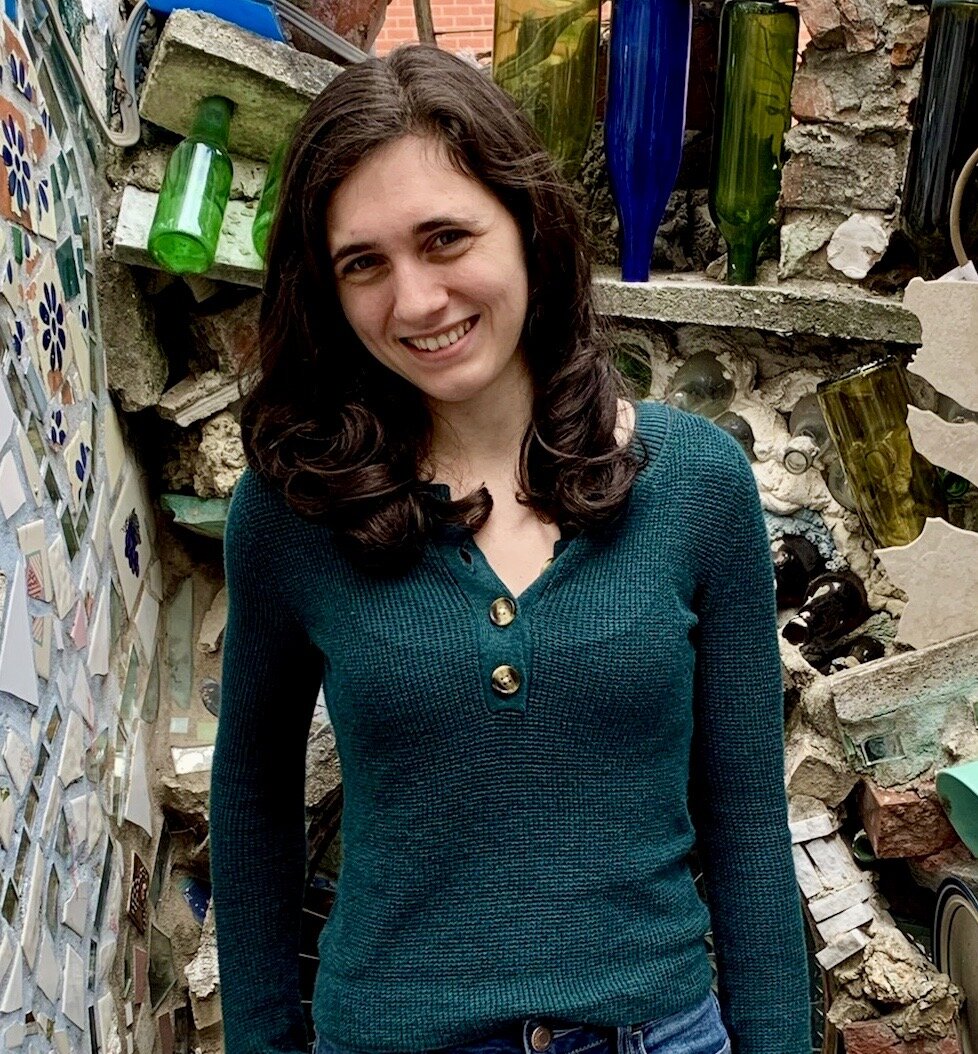
Hannah Pullen-Blasnik is a Ph.D. student and Paul F. Lazarsfeld Fellow in the Department of Sociology at Columbia University. She is also a Graduate Research Fellow at the Columbia Justice Lab on the Pennsylvania Solitary Study and the Rikers Island Longitudinal Study. Her primary research interests include social movements, political economy, and algorithms and technology.
Hannah is the coordinator for the Racial Capitalism Working Group at the Center for the Study of Social Difference, in charge of organizing workshops, roundtables, and events for interdisciplinary collaboration rooted in a commitment to Black radicalism, historical materialism, feminism, and anti-imperialism. She is also co-coordinator for the Sociology of Algorithms Workshop at the Institute for Social and Economic Research and Policy and volunteers with Data for Black Lives as project manager for a research team on algorithmic and technological surveillance.
Hannah is currently developing projects on the appropriation of Black Lives Matter by nonprofits and corporations during Covid-19, and transformations in the ideological state space of Black liberation organizing over the past 50 years. She is also working on research projects that aim to make algorithmic tools more transparent and build community control over their consequences. One such project investigates the biases and impact of prison intake risk assessment scores on incarceration, solitary confinement, and parole decisions. Another examines human decision-making and interpretation of algorithmic results in probabilistic DNA profiling.
Working Group Affiliation
Racial Capitalism, Graduate Assistant

Gonzalo Rabanal
Fellow, Visual Audio, Instituto Arcos
Gonzalo Rabanal estudió Comunicación Audio Visual en el Instituto Arcos, periodo donde emprende la elaboración de un trabajo de obra que se proyecta de lo particular a lo colectivo, abriendo lugar a una multiplicidad expresiva. Ha sido reconocido el año 1989 con la beca Fundación Andes y el año 2010 con la beca Fundación Ford. Actualmente cursa como alumno de postgrado el Magíster en Artes Visuales en la pontificia universidad católica de chile.
Gonzalo Rabanal
Performer
Gonzalo Rabanal estudió Comunicación Audio Visual en el Instituto Arcos, periodo donde emprende la elaboración de un trabajo de obra que se proyecta de lo particular a lo colectivo, abriendo lugar a una multiplicidad expresiva. Ha sido reconocido el año 1989 con la beca Fundación Andes y el año 2010 con la beca Fundación Ford. Actualmente cursa como alumno de postgrado el Magíster en Artes Visuales en la pontificia universidad católica de chile.

Sikder Rabbi
Doctoral Student, Precision Medicine, State University of Bangladesh
Sikder Nahidul Islam Rabbi completed his Bachelor and Master’s in clinical pharmacy and pharmacogenetics from State University of Bangladesh. In the arena of research, he has worked with clinical pharmacokinetics, drug protein binding study, pharmacogenetics, SNP genotyping, HLA research and cancer genetics, better understanding about drug activation and pharmacodynamics variation based on patient’s genetics. His research interest includes, epigenetics, proto-oncogene mutation, cancer genetics and neuroscience.
Sikder Rabbi
Associate Fellow, Precision Medicine

Sikder Nahidul Islam Rabbi completed his Bachelor and Master’s in clinical pharmacy and pharmacogenetics from State University of Bangladesh. In the arena of research, he has worked with clinical pharmacokinetics, drug protein binding study, pharmacogenetics, SNP genotyping, HLA research and cancer genetics, better understanding about drug activation and pharmacodynamics variation based on patient’s genetics. He worked as a scientific officer in a pharmcogenetics lab and worked with FDA genetic biomarkers with several research groups of Bangladesh and Germany. He has several research articles on precision medicine, cancer genetics and HLA research. His research interest includes, epigenetics, proto-oncogene mutation, cancer genetics and neuroscience.
Working Group Affiliation

Michael Ralph
Fellow, Gender and Sexuality Studies, Metropolitan Studies, NYU
Assistant Professor, Gender and Sexuality Studies, Metropolitan Studies; Assistant Professor of Social and Cultural Analysis , Africana Studies , American Studies ; Director, Metropolitan Studies Ph.D. 2007 (Anthropology), University of Chicago; M.A. 2002 (Anthropology), University of Chicago; B.A. 2000 (Africana Studies) Morris Brown College.
Areas of Research/Interest: Citizenship, Sovereignty, Risk, Liability, Urban Youth Culture, Diaspora, Postcolonialism
Michael Ralph
Assistant Professor, Gender and Sexuality Studies, Metropolitan Studies, NYU
Assistant Professor, Gender and Sexuality Studies, Metropolitan Studies; Assistant Professor of Social and Cultural Analysis , Africana Studies , American Studies ; Director, Metropolitan Studies Ph.D. 2007 (Anthropology), University of Chicago; M.A. 2002 (Anthropology), University of Chicago; B.A. 2000 (Africana Studies) Morris Brown College.
Areas of Research/Interest: Citizenship, Sovereignty, Risk, Liability, Urban Youth Culture, Diaspora, Postcolonialism
Select Publications: Manuscripts Forensics of Capital: Risk and Liability, Citizenship and Sovereignty, in Senegal (Forthcoming).
Benjamin Eastman, Michael Ralph, and Sean Brown, eds. 2008. America’s Game(s): A Critical Anthropology of Sport. London: Routledge.
Articles: Michael Ralph, ed. 2011. 'The Security of Justice.' Introduction to "Law & Order, Crime & Capital in the 19th-21st century U.S." Special issue of Souls.
Michael Ralph. 2009. 'Barack Obama is (not) who you think he is.' The Sixties: A Journal of History, Politics, and Culture. 2(2): 76-77.
Michael Ralph. 2009. ‘Commodity.’ Social Text 100 27(3): 78-84.
Michael Ralph. 2009. ‘Diaspora.’ Social Text 100 27(3): 94-101.
Michael Ralph. 2009. ‘Hip hop.’ Social Text 100 27(3): 141-146.
Michael Ralph. 2009. 'Barack Obama is (not) who you think he is.' The Sixties: A Journal of History, Politics, and Culture. 2(2): 76-77.
Michael Ralph. 2009. “Thief’s Theme.” South Atlantic Quarterly 108(8): 541-562.
Michael Ralph. 2009. “‘It’s hard out here for a pimp…with…a whole lot of bitches jumpin’ ship’: Navigating black politics in the wake of Katrina.” Public Culture 21(2): 341-374.
Michael Ralph. 2008. “Killing time.” Social Text 26(4): 1-29.
Michael Ralph. 2007. ‘“Crimes of History”: Senegalese Soccer and the Forensics of Slavery.’ Souls 9(3): 193-222.
Michael Ralph. 2007. ‘Prototype: In Search of the Perfect Senegalese Basketball Physique.’ The International Journal of the History of Sport 24(2): 311-316.
Michael Ralph. 2007. ‘Epilogue: It was all a dream.’ The International Journal of the History of Sport 24(2): 238-263.
Michael Ralph. 2006. ‘“Flirt[ing] with death but “still alive”: The sexual dimensions of surplus time in hip hop fantasy.’ Cultural Dynamics 18(1): 61-88.
Michael Ralph. 2006. ‘“Le Sénégal qui Gagne”: Soccer and the Stakes of Neoliberalism in a Postcolonial Port.’ Soccer and Society 7(2-3): 300-317.
Michael Ralph. 2005. ‘Oppressive Impressions, Architectural Expressions: The poetics of French colonial (ad)vantage, regarding Africa.’ In African Urban Spaces in Historical Perspective. Steve Salm and Toyin Falola, eds. Univ. of Rochester Press, pp. 22-48.
Michael Ralph. 2005. Review of Wilson J. Moses’ Afrotopia, Transforming Anthropology 13(2): 166-68.

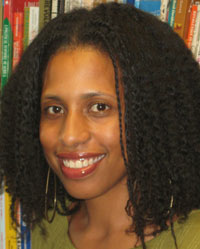
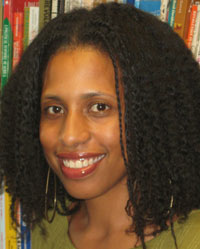
Sherie Randolph
Fellow, History and Afro American and African Studies, University of Michigan
Sherie Randolph is assistant professor of History and Afro American and African Studies at the University of Michigan, Ann Arbor. The former Associate Director of the Women’s Research & Resource Center at Spelman College, Randolph received her Ph.D. from New York University in 19th- and 20th-century American history with concentrations in African Diaspora and women and gender history.
Sherie Randolph
Assistant Professor of History and Afro American and African Studies, University of Michigan
Sherie Randolph is assistant professor of History and Afro American and African Studies at the University of Michigan, Ann Arbor. The former Associate Director of the Women’s Research & Resource Center at Spelman College, Randolph received her Ph.D. from New York University in 19th- and 20th-century American history with concentrations in African Diaspora and women and gender history. She has received several grants and fellowships for her work, most recently being awarded fellowships from the Schomburg Center for Research in Black Culture and Rutgers University’s Institute for Research on Women and the Center for Race and Ethnicity. Randolph’s principal teaching and research interests focus on the historical intersections of race, gender, class and empire in the United States. She is currently revising a book manuscript titledBlack Feminist Radical: Florynce “Flo” Kennedy.
Anupama Rao
Associate Professor, Department of History, Columbia University
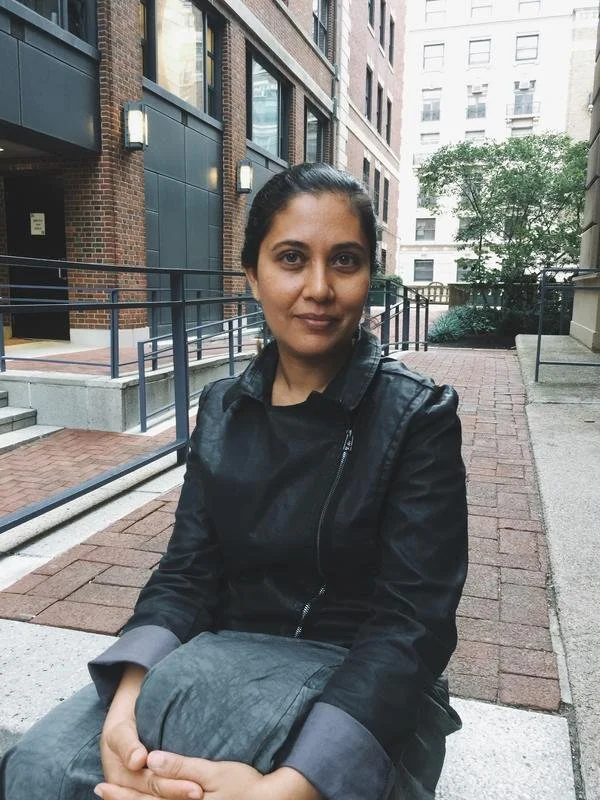
Anupama Rao has research and teaching interests in the history of anti-colonialism; caste and race; historical anthropology, social theory and intellectual history, and comparative urbanism. She is Senior Editor, Comparative Studies in South Asia, Africa and the Middle East. She has served as President, Society for the Advancement of South Asian History (American Historical Association), and on the South Asia Council of the Association for Asian Studies. Her work has been supported by fellowships at the Center for Advanced Study in the Behavioral Sciences (Stanford) and the National Humanities Center (North Carolina), and by grants for the American Institute for Indian Studies, and the National Endowment for the Humanities.
Anupama Rao
Associate Professor, History and Associate Director, Institute for Comparative Literature and Society
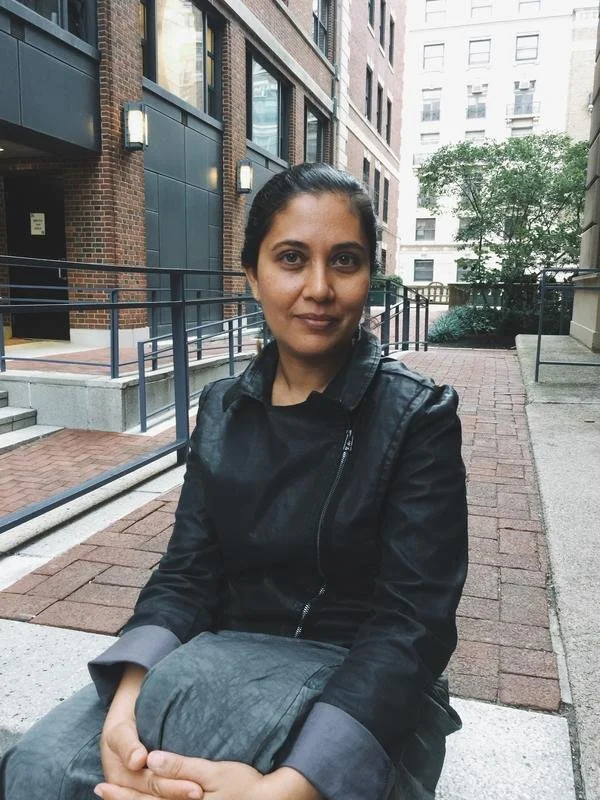
Anupama Rao, Associate Professor, History, Barnard College, is the author of The Caste Question: Dalits and the Politics of Modern India (U California Press, 2009), and numerous essays on colonialism and humanitarianism, and on non-Western histories of gender and sexuality. She has been a Fellow-in-Residence at the National Humanities Center; at the Center for Advanced Study in the Behavioral Sciences (Stanford); and at REWORK (Humboldt University, Berlin). Rao is co-convenor of “Subaltern Urbanism,” which is supported by Columbia’s Center for the Study of Social Difference, and was supported by a faculty grant from the Heyman Center for the Humanities. From 2014 to 2015, she was co-convenor of the project Asian Spatialities, supported by the Mellon Foundation and the International Institute of Asian Studies (Leiden). Rao is currently working on a book on the political thought of B. R. Ambedkar; and on a project titled Dalit Bombay, which explores the relationship between caste, political culture, and everyday life in colonial and postcolonial Bombay. Rao is currently Senior Editor, Comparative Studies in South Asia, Africa, and the Middle East, and Associate Director, Institute for Comparative Literature and Society.
Working Group Affiliations
Gender and the Global Slum, Project Director
Geographies of Injustice: Gender and the City, Project Director
Liberalism’s Others, Project Director
Reframing Gendered Violence, Project Director

Rayna Rapp
Fellow, Anthropology, New York University
Rayna Rapp (former Rayna R. Reiter) is a professor and associate chair of anthropology at New York University, specializing in gender and health; the politics of reproduction; science, technology, and genetics; and disability in the United States and Europe. She has contributed over 80 published works to the field of anthropology, independently, as a co-author, editor, and forward-writing, including Robbie Davis-Floyd and Carolyn Sargent's Childbirth and Authoritative Knowledge. Her 1999 book, Testing Women, Testing the Fetus: the Social Impact of Amniocentesis in America, received multiple awards upon release and has been praised for providing "invaluable insights into the first generation of women who had to decide whether or not to terminate their pregnancies on the basis of amniocentesis result".
Rayna Rapp

Anthropology, New York University
Rayna Rapp (former Rayna R. Reiter) is a professor and associate chair of anthropology at New York University, specializing in gender and health; the politics of reproduction; science, technology, and genetics; and disability in the United States and Europe. She has contributed over 80 published works to the field of anthropology, independently, as a co-author, editor, and forward-writing, including Robbie Davis-Floyd and Carolyn Sargent's Childbirth and Authoritative Knowledge. Her 1999 book, Testing Women, Testing the Fetus: the Social Impact of Amniocentesis in America, received multiple awards upon release and has been praised for providing "invaluable insights into the first generation of women who had to decide whether or not to terminate their pregnancies on the basis of amniocentesis result". She co-authored many articles with Faye Ginsburg, including Enabling Disability: Rewriting Kinship, Reimagining Citizenship, a topic the pair has continued to research.
Working Group Affiliation

Syed Raza
Doctoral Student, Public Health, Columbia University
Syed Raza is a master of public health candidate in the department of Sociomedical Sciences at Columbia University where he is also completing a certificate in the Social Determinants of Health. His work focuses on the political economy, sociocultural aspects, and research methodologies of public health. His research interests include historical sociology, geopolitics, science and technology studies, social epidemiology, world-ecology analysis, and critical animal studies.
Syed Raza
Graduate Student, Sociomedical Sciences, Mailman School of Public Health, Columbia University

Syed Raza is a master of public health candidate in the department of Sociomedical Sciences at Columbia University where he is also completing a certificate in the Social Determinants of Health. His work focuses on the political economy, sociocultural aspects, and research methodologies of public health. His research interests include historical sociology, geopolitics, science and technology studies, social epidemiology, world-ecology analysis, and critical animal studies. For his master's thesis, he will examine the links between population health, precision medicine, health paradigms, health disparities, and political economy.
Working Group Affiliation