
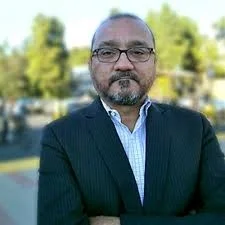
Aamir Mufti
Fellow, Comparative Literature, UCLA
Aamir Mufti is interested in understanding a range of forms of inequality in the contemporary world and how they impede the possibilities for historically autonomous action by social collectivities in the South. His work also explores the possibilities of critical knowledge of these societies within the dominant practices of the modern humanistic disciplines. Mufti has a Ph.D. in literature from Columbia University and was trained in Anthropology at Columbia, the London School of Economics, and Hamilton College.
Aamir Mufti
Professor of Comparative Literature, UCLA

Aamir Mufti is interested in understanding a range of forms of inequality in the contemporary world and how they impede the possibilities for historically autonomous action by social collectivities in the South. His work also explores the possibilities of critical knowledge of these societies within the dominant practices of the modern humanistic disciplines. Mufti has a Ph.D. in literature from Columbia University and was trained in Anthropology at Columbia, the London School of Economics, and Hamilton College. His publications include the books Forget English! Orientalisms and World Literatures (2016, Harvard University Press) and Enlightenment in the Colony: The Jewish Question and the Crisis of Postcolonial Culture (2007, Princeton University Press).
Working Group Affiliation

Corinna Mullin
Fellow, International Relations, University of Tunis
Corinna Mullin is a Part-Time Faculty member at the New School and John Jay College, and was a Visiting Assistant Professor at the University of Tunis for five years. Her book manuscript, Tunisia and imperial security architectures: Race, class, empire and the (re)making of a global south security state, illuminates intersections between security, imperialism, and racial capitalism through insights from international relations and political economy, American Studies, and critical race, law, and decolonial theory.
Corinna Mullin
Part-Time Faculty Member, The New School and John Jay College. Assistant Professor, University of Tunis
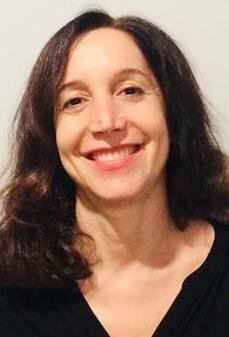
Corinna Mullin is a Part-Time Faculty member at the New School and John Jay College, and was a Visiting Assistant Professor at the University of Tunis for five years. Her book manuscript, Tunisia and imperial security architectures: Race, class, empire and the (re)making of a global south security state, illuminates intersections between security, imperialism, and racial capitalism through insights from international relations and political economy, American Studies, and critical race, law, and decolonial theory. Her research examines imperialism and militarization in Africa through analysis of securitization, labor economies, value extraction, and wealth drain, as well as decolonizing struggles of the Tunisian university, raising questions of power, knowledge production, and epistemic de-linking.
Working Group Affiliation
Sarah Muir
Fellow, Linguistic Anthropology, CUNY Graduate Center
Sarah Muir's research is situated at the intersection of linguistic, political-economic, and historical anthropology and grounded in ethnographic fieldwork and archival research in Argentina. Thematically, her work examines the practical logics of economic investment, ethical evaluation, and political critique, with a particular focus on financial crisis and social class.
Sarah Muir
Assistant Professor and Deputy Chair, Department of Anthropology, Gender Studies, and International Studies, City College, CUNY
Affiliated Faculty, Linguistic Anthropology, CUNY Graduate Center
Sarah Muir (Ph.D., University of Chicago 2011) is Assistant Professor at The City of University of New York. At The City College of New York, she teaches in the Department of Anthropology, Gender Studies, and International Studies and directs the International Studies Program. She also teaches linguistic anthropology in the Anthropology Program at The Graduate Center. Her research is situated at the intersection of linguistic, political-economic, and historical anthropology and examines the practical logics of economic investment, ethical evaluation, and political critique. Her first book, Routine Crisis: An Ethnography of Disillusion (University of Chicago Press, 2021), traces the lived consequences of Argentina's history of repeated financial crises. She is currently researching a new book project, Accounting for Kith and Kin: Financial Ethics and the Space-Time of Obligation, which interrogates the social life of economic numbers in Argentina. Her work has appeared in journals such as Annual Review of Anthropology, Cultural Anthropology, Comparative Studies in Society and History, Current Anthropology, Dialogues in Human Geography, City and Society, Journal of Cultural Economy, Journal of the Royal Anthropological Institute, and Review of the Italian Academic Association of Cultural Anthropologists. Formerly a Distinguished Scholar at the Advanced Research Collaborative (CUNY Graduate Center) and the Co-Director of the Unpayable Debt Working Group (Center for the Study of Social Difference, Columbia University), she has also helped curate and author works of public scholarship such as the "Global Debt Syllabus" and the "Caribbean Debt Syllabus."
Working Group Affiliation
Unpayable Debt: Capital, Violence, and the New Global Economy, Project Director
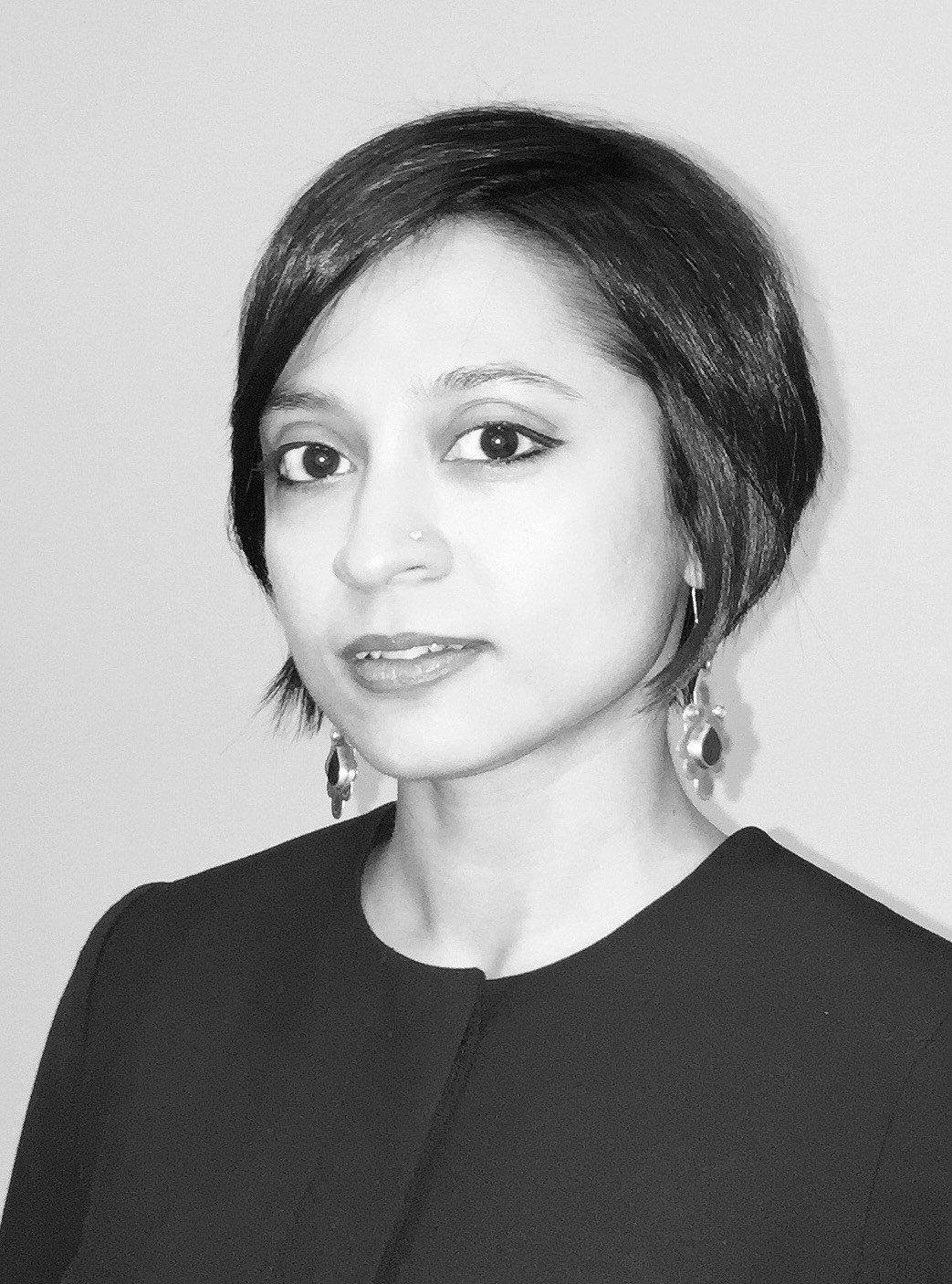
Debashree Mukherjee
Debashree Mukherjee is Associate Professor in the Department of Middle Eastern, South Asian, and African Studies (MESAAS) at Columbia University. Her first book, Bombay Hustle: Making Movies in a Colonial City (2020), approaches film history as an ecology of material practices and practitioners, and her next book develops a media history of indentured migration and plantation capitalism in the Indian Ocean region. Debashree has published on feminist film historiography, labor, cities, and increasingly on energy and exhaustion in various film journals and anthologies.
Debashree Mukherjee
Debashree Mukherjee is Associate Professor in the Department of Middle Eastern, South Asian, and African Studies (MESAAS) at Columbia University. Her first book, Bombay Hustle: Making Movies in a Colonial City (2020), approaches film history as an ecology of material practices and practitioners, and her next book develops a media history of indentured migration and plantation capitalism in the Indian Ocean region. Debashree has published on feminist film historiography, labor, cities, and increasingly on energy and exhaustion in various film journals and anthologies. Her Feminist Media Histories article “Somewhere Between Human, Nonhuman, and Woman: Shanta Apte’s Theory of Exhaustion,” received the 2021 Katherine Singer Kovacs award from the Society of Cinema and Media Studies. Debashree edits the peer-reviewed journal BioScope: South Asian Screen Studies and has just published a photo-anthology titled Bombay Talkies: An Unseen History of Indian Cinema (Mapin, 2023).
In a previous life Debashree worked in Mumbai’s film and TV industries as an assistant director, writer, and cameraperson. She remains committed to industry-academy-public interfaces through exhibitions, curation, and digital humanities open-access projects.
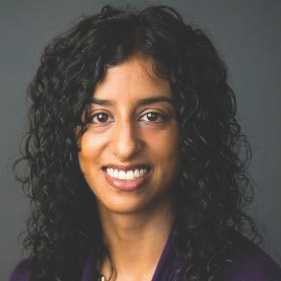
Dipali Mukhopadhyay
Assistant Professor, Department of International Politics, School of International and Public Affairs
Dipali Mukhopadhyay is a faculty affiliate of the Saltzman Institute of War and Peace Studies. She recently published the book Warlords, Strongman Governors and State Building in Afghanistan (Cambridge, 2014). Prior to joining SIPA and Saltzman, Mukhopadhyay spent 2011 as a post-doctoral fellow at Princeton University. She has been conducting research in Afghanistan since 2007 and made her first trip to the country for a project with the Aga Khan Development Network in 2004. She also conducted research along the Turkey-Syria border in 2013 and 2014.
Dipali Mukhopadhyay
Assistant Professor, School of International and Public Affairs, Columbia University
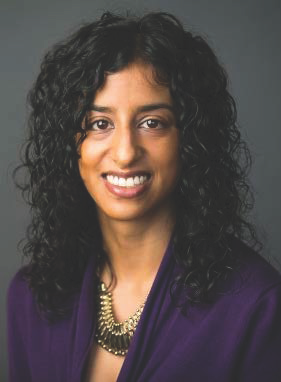
Dipali Mukhopadhyay is a faculty affiliate of the Saltzman Institute of War and Peace Studies. She recently published the book Warlords, Strongman Governors and State Building in Afghanistan (Cambridge, 2014). Prior to joining SIPA and Saltzman, Mukhopadhyay spent 2011 as a post-doctoral fellow at Princeton University. She has been conducting research in Afghanistan since 2007 and made her first trip to the country for a project with the Aga Khan Development Network in 2004. She also conducted research along the Turkey-Syria border in 2013 and 2014. Mukhopadhyay’s research has been funded by the Carnegie Corporation, the Eisenhower Institute, the Smith Richardson Foundation, the U.S. Institute of Peace, Harvard Law School, and the U.S. Department of Education. Her writings have been published in academic books and journals as well as by the Carnegie Endowment for International Peace, Foreign Policy, U.S. News & World Report, and the Washington Post's Monkey Cage Blog. She is a term member at the Council on Foreign Relations.
Working Group Affiliation

Molly Mathews Multedo
Rio de Janiero and New York
Molly Mathews Multedo
Rio de Janiero and New York

Molly Multedo has over 30 years of experience in pre-college science education and Spanish language media as well as environmental communication and science outreach. She has lived in Brazil, where she and her husband, Fernando, raised their three children, both part and full time since 1998. Molly holds graduate degrees in international affairs and journalism from Columbia University. She is a President and Founder of Acquazul, a 501 c 3 nonprofit focused on multilingual environmental media, education and impact and a regular contributor to the Yale Climate Connections, at the Center for Environmental Communication (YCEC), an initiative of the Yale
Bahia M. Munem
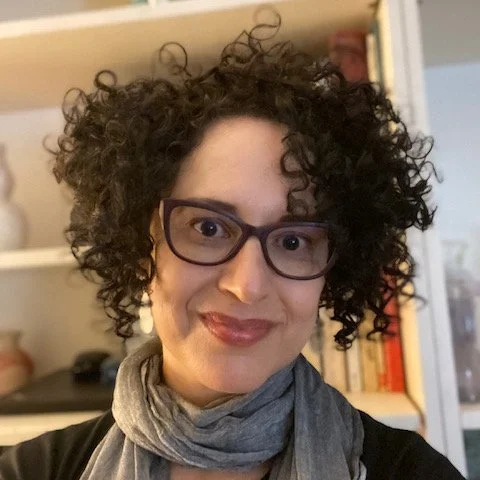
Dr. Bahia Munem holds a PhD in Women’s and Gender Studies from Rutgers University. Her work has appeared in Genero: Journal of Feminist Theory and Cultural Studies, Território & Fronteiras, Liquid Borders (Routledge), and in Critical Diálogos in Latina & Latino Studies (NYU Press). She has held fellowships at Rutgers University and Washington University in St. Louis.
Bahia M. Munem
Bahia M. Munem’s teaching and research interests examine race and ethnicity as they intersect with gender, sexuality, class, nation, religion, and diasporas. Her scholarship bridges the fields of Latinx, Latin American, and Middle East Studies by examining forced transnational migration and gendered and racialized modes of belonging in the Americas. Munem’s current book manuscript, (Un)Settling Muslim Refugees: Gender, Class, and the Racialization of War Migrants in Brazil, is an ethnography of Muslim, Palestinian, Iraq War refugees resettled in Latin America’s largest democracy.
Dr. Munem holds a PhD in Women’s and Gender Studies from Rutgers University. Her work has appeared in Genero: Journal of Feminist Theory and Cultural Studies, Território & Fronteiras, Liquid Borders (Routledge), and in Critical Diálogos in Latina & Latino Studies (NYU Press). She has held fellowships at Rutgers University and Washington University in St. Louis.

Donna Murch
Fellow, History, Rutgers University
Donna Murch is an associate professor of history at Rutgers University and a former codirector of the Rutgers Center for Historical Analysis, where she directed the Black Atlantic seminar. Her teaching and research focus on postwar U.S. history, modern African American history, twentieth-century urban studies, and the political economy of drugs. She is the author of Living for the City: Migration, Education, and the Rise of the Black Panther Party in Oakland, California (2010), which won the Phillis Wheatley Book Award.
Donna Murch
Associate Professor of History, Rutgers University
Donna Murch is an associate professor of history at Rutgers University and a former codirector of the Rutgers Center for Historical Analysis, where she directed the Black Atlantic seminar. Her teaching and research focus on postwar U.S. history, modern African American history, twentieth-century urban studies, and the political economy of drugs. She is the author of Living for the City: Migration, Education, and the Rise of the Black Panther Party in Oakland, California (2010), which won the Phillis Wheatley Book Award. The book highlights the importance of urbanization and southern migration to the rise of Bay Area black power, broadening the scholarship of the long civil rights movement by documenting the contributions of black students and youth. She is currently researching a new book on the rise of crack cocaine and the war on drugs in Los Angeles, which explores how economic marginalization contributed to the growth of a vibrant and destructive informal economy in illicit drugs.

María Victoria Murillo
Professor, Department of Political Science and International Affairs, Columbia University
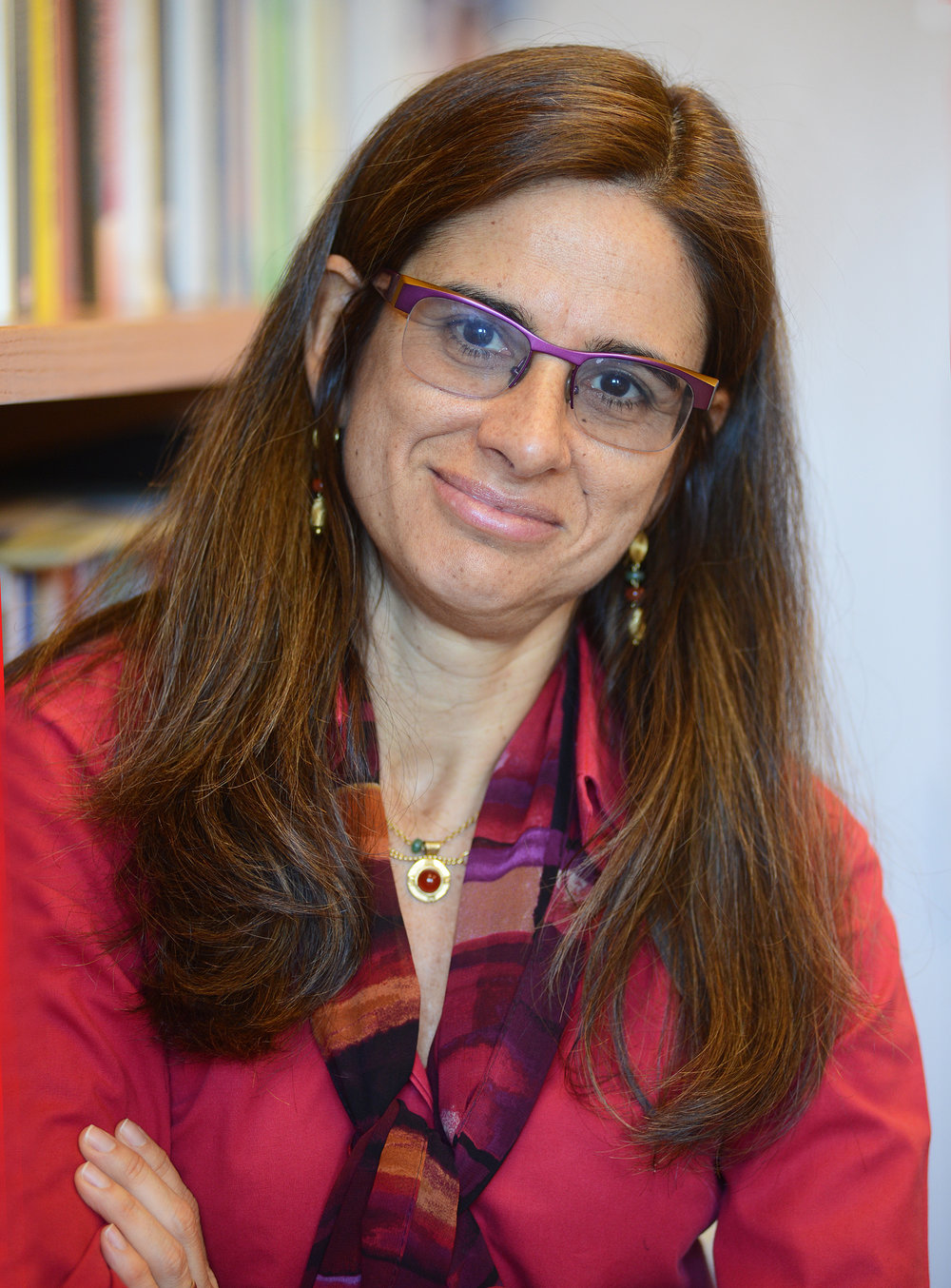
María Victoria Murillo is Professor of Political Science and International Affairs at Columbia University. Her work focuses on distributive politics, electoral behavior, institutional weakness, Latin American politics, agricultural and conservation policies. She is the author of Labor Unions, Partisan Coalitions, and Market Reforms in Latin America (Cambridge University Press 2001), Political Competition, Partisanship, and Policymaking in the Reform of Latin American Public Utilities (Cambridge University Press, 2009), and with Ernesto Calvo of Non-Policy Politics: Richer Voter, Poorer Voter and the Diversification of Parties Electoral Strategies (Cambridge University Press, 2019).
María Victoria Murillo
Professor of Political Science and International Affairs, Columbia University

María Victoria Murillo is Professor of Political Science and International Affairs at Columbia University. Her work focuses on distributive politics, electoral behavior, institutional weakness, Latin American politics, agricultural and conservation policies. She is the author of Labor Unions, Partisan Coalitions, and Market Reforms in Latin America (Cambridge University Press 2001), Political Competition, Partisanship, and Policymaking in the Reform of Latin American Public Utilities (Cambridge University Press, 2009), and with Ernesto Calvo of Non-Policy Politics: Richer Voter, Poorer Voter and the Diversification of Parties Electoral Strategies (Cambridge University Press, 2019), and with Daniel Brinks and Steven Levitsky of Understanding Institutional Weakness: Power and Design in Latin American Institutions (Cambridge University Press, Elements in Latin American Politics and Society, 2019). Murillo received her BA from the Universidad de Buenos Aires and her MA and PhD from Harvard University. Murillo has taught at Yale University, was a postdoctoral fellow at Harvard University, a Fulbright scholar and a Russell Sage Visiting Fellow.
Working Group Affiliation
Environmental Justice, Belief Systems, and Aesthetic Experiences in Latin America and the Caribbean

Sean Murray
Musicology, CUNY Graduate Center
Sean Murray is a doctoral student in musicology at the CUNY Graduate Center. He has presented numerous conference papers on race and gender in American music, and published on the relationship between the nineteenth century piano industry and the African ivory and slave trades. His dissertation examines the intersection of race and disability in American music. Sean was the recipient of a graduate student fellowship at the National Museum of American History at the Smithsonian Institution.
Sean Murray
Musicology, CUNY Graduate Center
Sean Murray is a doctoral student in musicology at the CUNY Graduate Center. He has presented numerous conference papers on race and gender in American music, and published on the relationship between the nineteenth century piano industry and the African ivory and slave trades. His dissertation examines the intersection of race and disability in American music. Sean was the recipient of a graduate student fellowship at the National Museum of American History at the Smithsonian Institution.


Amber Jamila Musser
Fellow, American Studies, George Washington
Amber Jamila Musser is a Professor of American Studies at George Washington University and the author of Sensational Flesh: Race, Power, and Masochism (NYU, 2014) and Sensual Excess: Queer Femininity and Brown Jouissance (NYU Press, 2018). Musser has published widely on race, critical theory, queer femininities, sexuality, and queer of color critique.
Amber Jamila Musser
Professor, American Studies, George Washington University
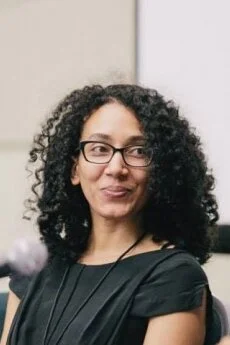
Amber Jamila Musser is a Professor of American Studies at George Washington University and the author of Sensational Flesh: Race, Power, and Masochism (NYU, 2014) and Sensual Excess: Queer Femininity and Brown Jouissance (NYU Press, 2018). Musser has published widely on race, critical theory, queer femininities, sexuality, and queer of color critique. A new project on sweat and the Black body explores its racialization, the workings of bodies exposed to ever-proliferating heat events, and narratives about bodies and their disciplining. This work moves between the eroticization of the sweat that glistens on black dancers’ bodies and the racist myth of malodorous black bodies. This swerves between the use of sweating as the product of exuberant and racialized embodiment and sweat as a sign of racial difference shows both sweat’s polyvalence and material components of desirability and disgust. Importantly, sweat brings us toward breath and the conditions of possibility.
Working Group Affiliation
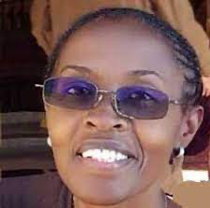
Lydia Waithira Muthuma
Fellow, Visual Arts, Technical University of Kenya
Lydia Waithira Muthuma is a Lecturer in Visual Arts at the Technical University of Kenya and the current chair of UNESCO’s national committee for memory of the world. Muthuma’s current research interests are the historiography of contemporary art in Eastern Africa and the conservation of public monuments as a tool for building collective identity in Nairobi. Through aesthetic critique, art history, and analysis of spatial politics and visual culture, her work examines the built environment in Kenya in order to ascertain who it belongs to and how this identity has been manifested.
Lydia Waithira Muthuma
Lecturer, Visual Arts, The Technical University of Kenya
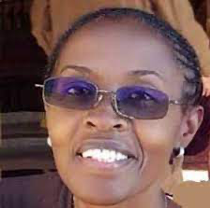
Lydia Waithira Muthuma is a Lecturer in Visual Arts at the Technical University of Kenya and the current chair of UNESCO’s national committee for memory of the world. She is the author of Changing Perspectives: Nairobi past and present, a photographic story and exhibition hosted by Bristol Archives and National Museums of Kenya in June-September 2019. Through aesthetic critique, art history, and analysis of spatial politics and visual culture, her work examines the built environment in Kenya in order to ascertain who it belongs to and how this identity has been manifested. Dr. Muthuma’s current research interests are the historiography of contemporary art in Eastern Africa and the conservation of public monuments as a tool for building collective identity in Nairobi.
Working Group Affiliation
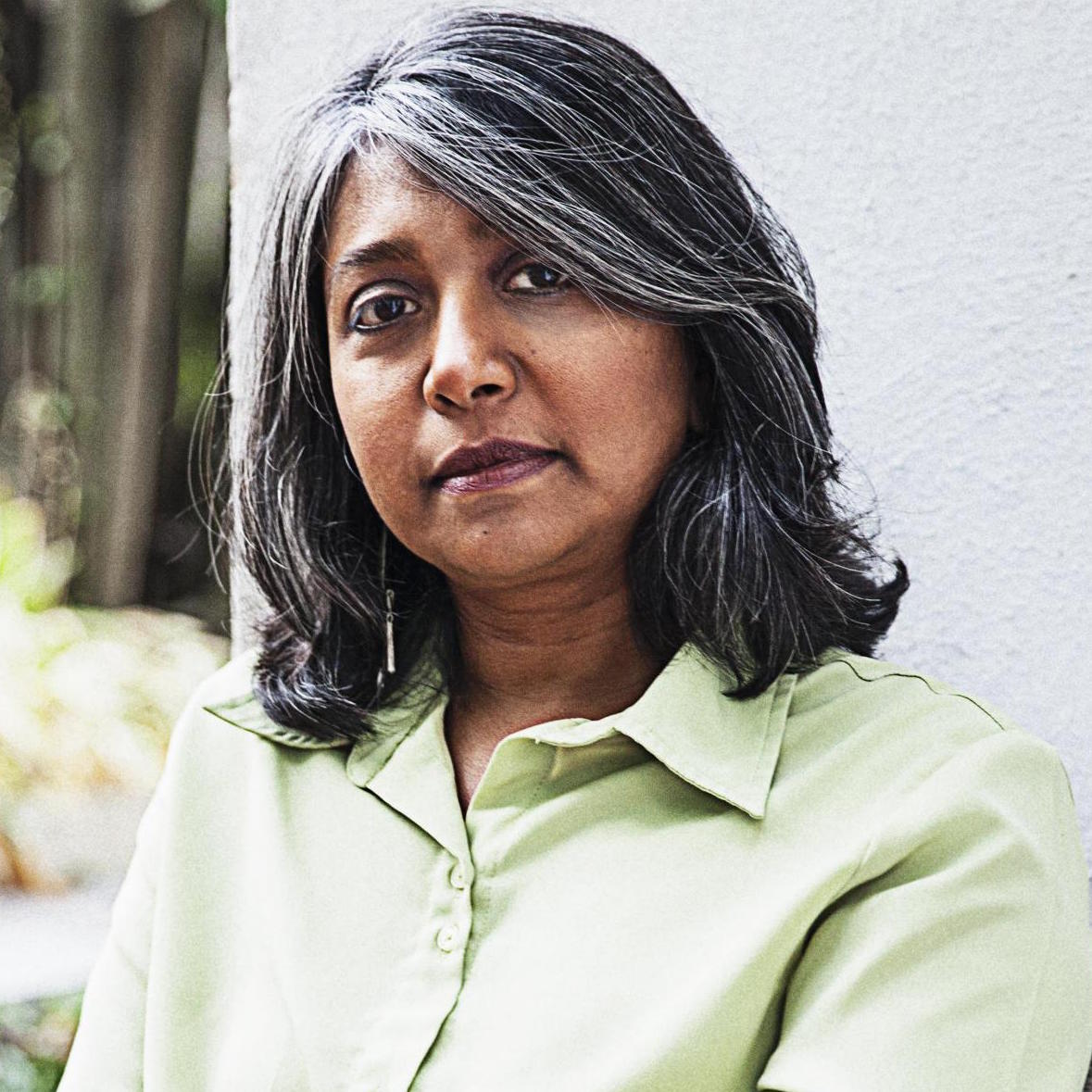
Premilla Nadasen
Professor, Department of History, Barnard College
Premilla Nadasen is professor of history at Barnard College, a 2018-2019 Fulbright Scholar, and president of the National Women’s Studies Association. She has published extensively on the multiple meanings of feminism, alternative labor movements, and grassroots community organizing and is most interested in visions of social change, and the ways in which poor and working-class women of color have fought for social justice.
Premilla Nadasen
Professor of History, Barnard Collge

Premilla Nadasen is professor of history at Barnard College, a 2018-2019 Fulbright Scholar, and president of the National Women’s Studies Association. She has published extensively on the multiple meanings of feminism, alternative labor movements, and grassroots community organizing and is most interested in visions of social change, and the ways in which poor and working-class women of color have fought for social justice. She is the author of two award-winning books Welfare Warriors: The Welfare Rights Movement in the United States (Routledge 2005) and Household Workers Unite: The Untold Story of African American Women Who Built a Movement (Beacon 2015) and is currently writing a biography of South African singer and anti-apartheid activist Miriam Makeba. Nadasen has been engaged with community and campus activism for many years, bridging academic and activist work by making her scholarly work accessible to people outside of the university. She has worked with the National Domestic Workers Alliance, Damayan Migrant Workers Association, Scholars for Social Justice, and the Mississippi Low-Income Child Care Initiative. She writes for both academic and non-academic outlets and speaks widely on issues of social justice, feminism, public policy and anti-racist organizing.
Working Group Affiliations
Social Justice After the Welfare State, Project Director
Transnational Black Feminisms, Project Director
Shahid Naeem
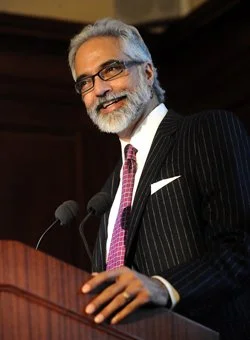
Shahid Naeem (Professor and Department Chair, Ecology, Evolution and Environmental Biology) studies the ecological and environmental consequences of biodiversity loss. He is interested in how changes in the distribution and abundance of plants, animals, and microbes, affect how ecosystems function and, by extension, how ecosystems services are affected. His work combines theoretical, observational, and experimental studies under field and laboratory conditions, to uncover the mechanistic bases for the impacts of biodiversity loss on ecosystems. His work has demonstrated how the loss of species from ecosystems affect their ability to resist invasion by other species, affect production and nutrient cycling, and affect the reliability and stability of ecosystems. He is actively involved in bringing the science of biodiversity and ecosystem functioning to conservation, restoration, and policy development.
Nilce Naira Nascimento
Fellow, Afro-Brazilian Women and Health, 1st World Summit of Afro-descendants in Honduras
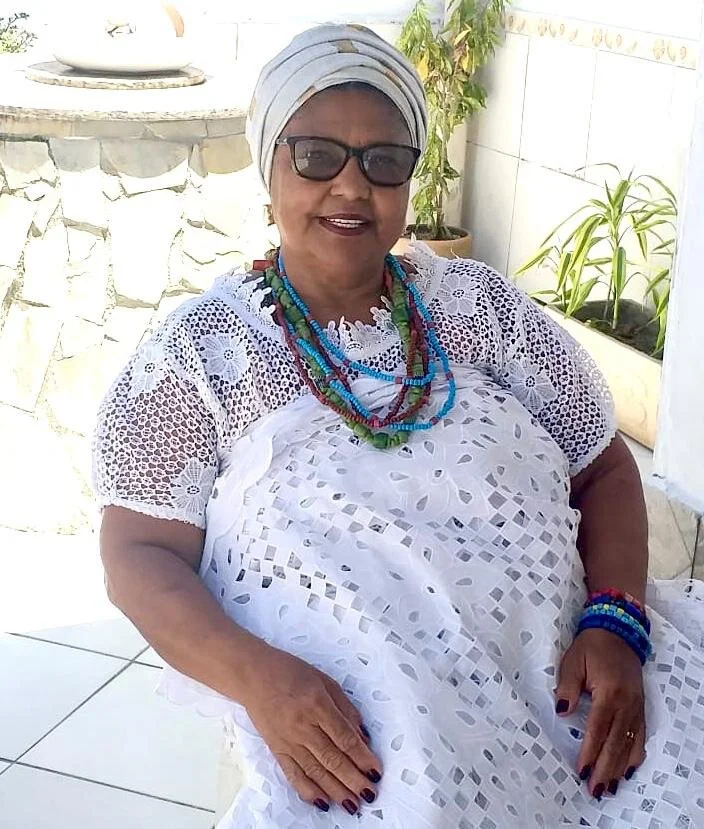
Mãe Nilce de Iansã; Project Coordinator at Ilê Omolú e Oxum- Rio de Janeiro; Coordinator of the National Network of Afro-Brazilian Women and Health; Member of the International Committee of the Organization of the 1st World Summit of Afro-descendants in Honduras, 2011; Member of the Technical Committee of Health of the Black Population.
Nilce Naira Nascimento
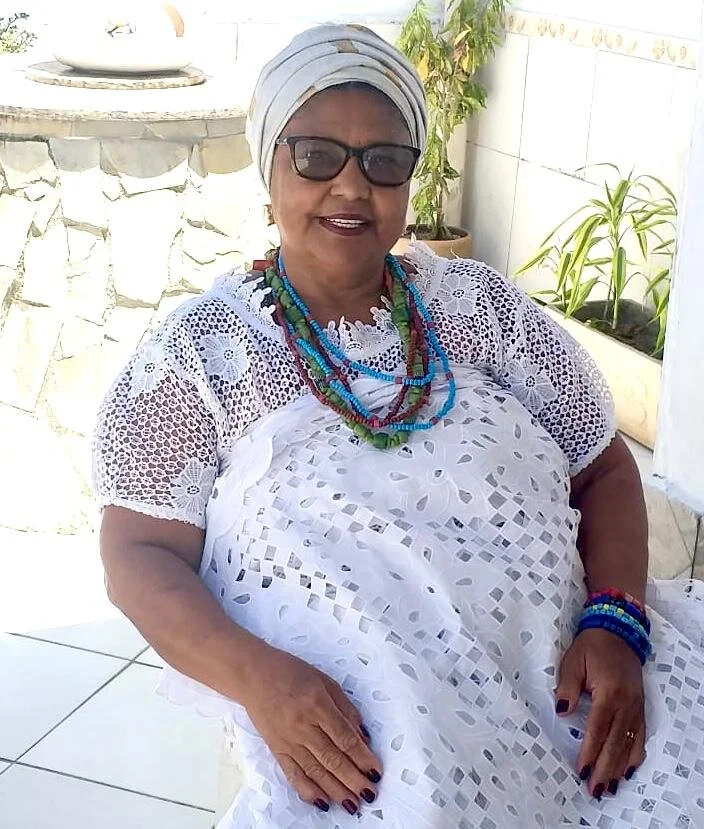
Mãe Nilce de Iansã; Project Coordinator at Ilê Omolú e Oxum- Rio de Janeiro; Coordinator of the National Network of Afro-Brazilian Women and Health; Member of the International Committee of the Organization of the 1st World Summit of Afro-descendants in Honduras, 2011; Member of the Technical Committee of Health of the Black Population; Member of Criola NGO in Defense and Promotion of Black Women in Rio de Janeiro; Coordinator of Cultural Obínrín Odara; Author of three books about the history and preservation of Afro-Brazilian cuisine, Omi Odara (1988); Ewá Jeun (2008); Éwé Lárá (2011); State Council Member for the Rights of Women (Cedim) Rio de Janeiro; Member of the project Environmental Preservation and Diversity; and partner with the Secretary of the Environment, Rio de Janeiro State.
Working Group Affiliation

Diana Moreinis Nasser
São Paulo, Brazil
Diana Moreinis Nasser
São Paulo, Brazil
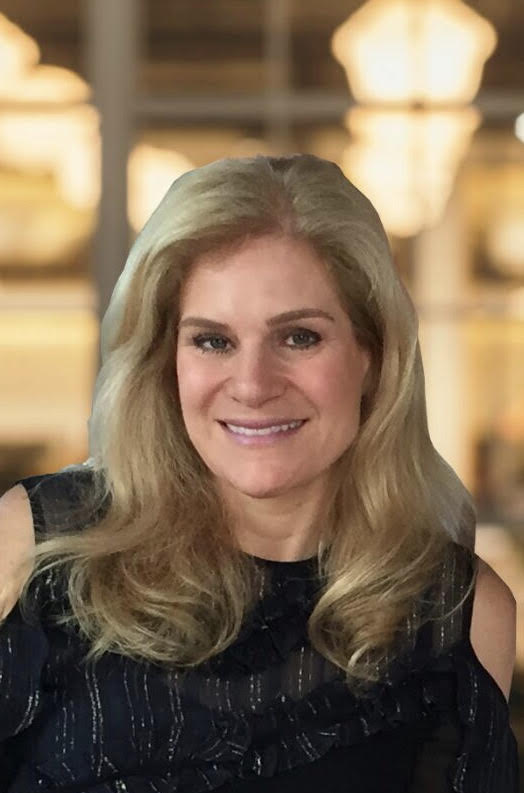
Diana Moreinis Nasser is a Co-Founder and Director at Macro Fund, a factoring firm in São Paulo, Brazil. She holds a Bachelor of Arts degree in Political Science from Columbia College, is the founder and Chair for ARC Brazil (Columbia's Alumni Representative Committee), President of the Columbia University Alumni Club of São Paulo, and serves on the Board of Directors for the CCAA (Columbia College Alumni Association). She also serves on the Board of the Women's Division of Keren Hayesod and is active in organizations such as Mulheres do Brasil. She was born in Bogota, Colombia, has lived in the United States and Switzerland, and currently lives in São Paulo.

Tami Navarro
Associate Director, Barnard Center for Research on Women
Tami Navarro is a cultural anthropologist who holds a Ph.D. from Duke University. She is the Associate Director of the Barnard Center for Research on Women and Executive Editor of the Center’s online journal, Scholar and Feminist Online. Her work has been funded by the Mellon Foundation, the Wenner-Gren Foundation, the Social Science Research Council, the American Anthropological Association, and the Ford Foundation. Her work has been published in the journals Cultural Anthropology, Transforming Anthropology, and The Caribbean Writer. She is currently at work on a manuscript entitled Virgin Capital: Financial Services as Development in the US Virgin Islands.
Tami Navarro
Associate Director, Barnard Center for Research on Women
Tami Navarro is a cultural anthropologist who holds a Ph.D. from Duke University. She is the Associate Director of the Barnard Center for Research on Women and Executive Editor of the Center’s online journal, Scholar and Feminist Online. Her work has been funded by the Mellon Foundation, the Wenner-Gren Foundation, the Social Science Research Council, the American Anthropological Association, and the Ford Foundation. Dr. Navarro has held positions at Rutgers University, Wesleyan University, and Columbia University. Her work has been published in the journals Cultural Anthropology, Transforming Anthropology, and The Caribbean Writer. She is currently at work on a manuscript entitled Virgin Capital: Financial Services as Development in the US Virgin Islands.
Celia E. Naylor
Associate Professor, Department of Africana Studies and History, Barnard College
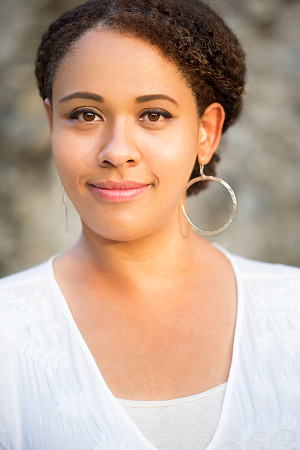
Celia E. Naylor explores the multifaceted connections between African-Americans, Black Indians and Native Americans in the U.S. Her book, African Cherokees in Indian Territory: From Chattel to Citizens, was published by the University of North Carolina Press in May 2008 (John Hope Franklin Series in African American History and Culture). This work charts the experiences of enslaved and free Blacks in the Cherokee Nation from the Trail of Tears to Oklahoma’s entry into the Union in 1907. Her interests include African-American and Caribbean history; Native American history; women's history and literature in the African Diaspora; and colonialism and neocolonialism in the Americas.
Celia E. Naylor
Associate Professor, Africana Studies and History, Barnard College
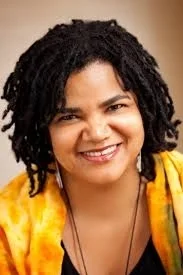
Celia E. Naylor is an Associate Professor in the Departments of Africana Studies and History at Barnard College. She has taught at various institutions, and she was the Director of the Margaret Sloss Women’s Center at Iowa State University from 1993-1997. Her interests include African-American and Caribbean history; Indigenous history; women's history and literature in the African Diaspora; and colonialism and neocolonialism in the Caribbean. Most of her published work explores the multifaceted connections between people of African descent and Indigenous descent in the U.S. She was one of the coordinators of the historic conference, “‘Eating Out of the Same Pot’: Relating Black and Native (Hi)stories,” held at Dartmouth College in April 2000. Her book, African Cherokees in Indian Territory: From Chattel to Citizens, was published by the University of North Carolina Press in May 2008 (John Hope Franklin Series in African American History and Culture). Her current book project is a microhistory of enslaved people’s experiences (with a particular focus on enslaved women’s lives) at Rose Hall Plantation in Jamaica. It will include an interdisciplinary critique of the legend of the “White Witch of Rose Hall” and a digital component to present a counternarrative to this mythology. She also works with a non-profit organization, the Institute for Strategic and Equitable Development, that centers on philanthropy-focused initiatives grounded in racial equity and promotes impactful grantmaking, investments, and economic development in communities of color.
Working Group Affiliations
Transnational Black Feminisms, Project Director

Alyson Neel
New York
Alyson Neel
Baton Rouge
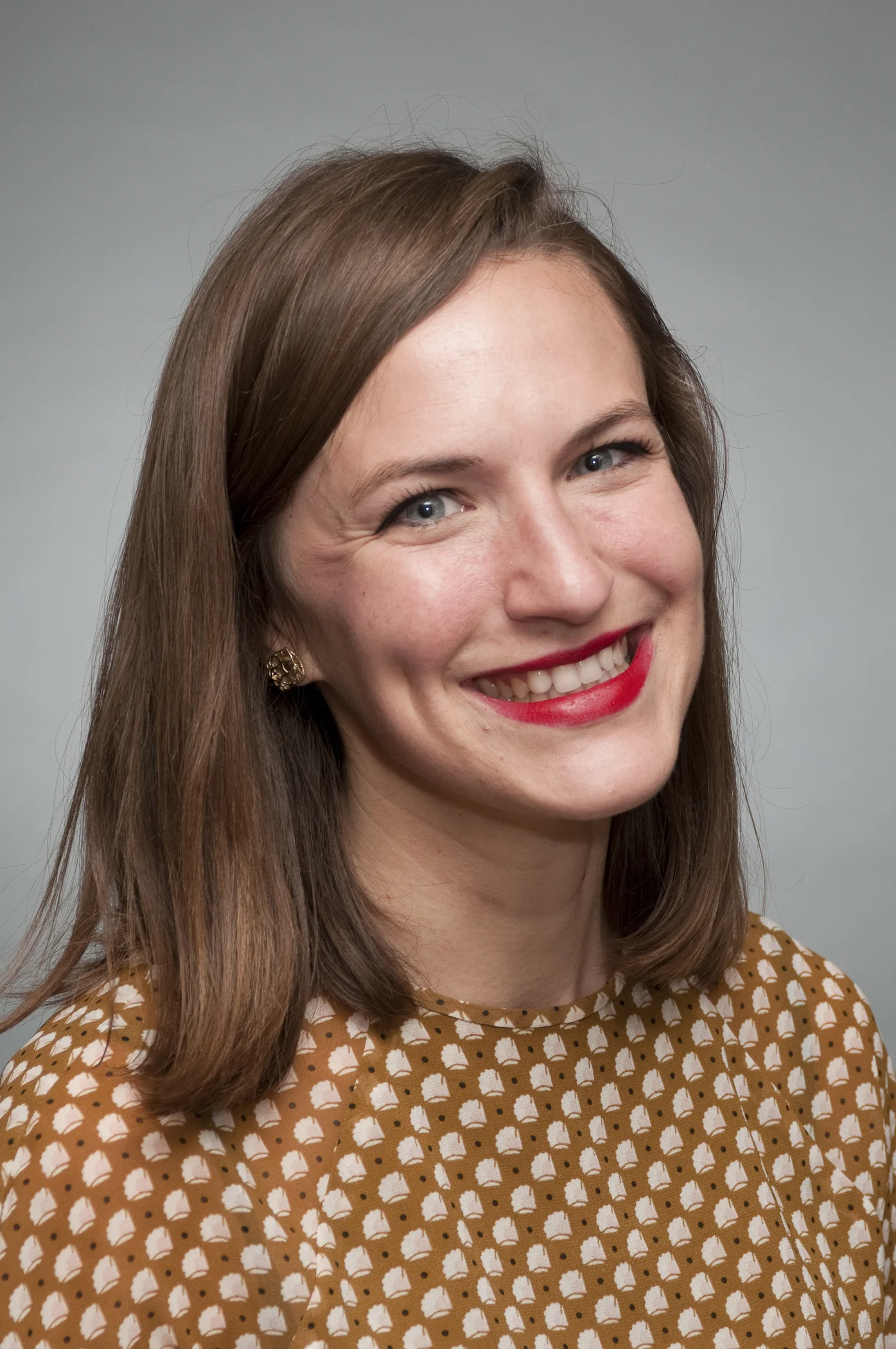
Alyson Neel is the Director of Communications for the Louisiana Department of Health. She is a gender policy specialist with journalism, research, and advocacy experience in Turkey, the United States, and most recently Myanmar. In Istanbul, Turkey, Neel spent 2.5 years reporting on a range of gender inequities for Today’s Zaman, the then-largest English language daily; The Washington Post; and other international publications. She then worked on global and domestic health policy for U.S. Senator Tammy Baldwin (D-WI), and supported U.S. and global civil society leaders in their advocacy for the adoption of the Sustainable Development Goals (SDGs) for the UN Foundation. After being selected as a 2016-17 Luce Scholar, Neel spent 15 months in Yangon, Myanmar, where she supported a local women's organization while authoring a bilingual children's book, entitled Girl Power in Myanmar, about pioneering women throughout Myanmar history. Neel received her BA in Political Communication at Louisiana State University, and her MPA in International Development at Princeton University's Woodrow Wilson School of Public and International Affairs.
Frances Negrón-Muntaner
Professor, Department of English and Comparative Literature, Columbia University
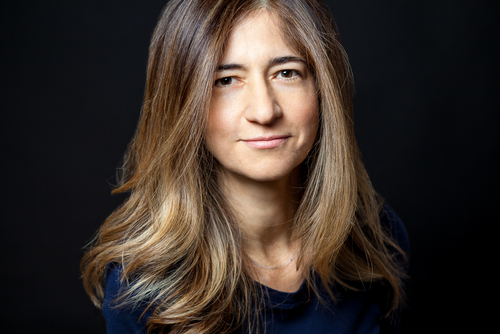
Frances Negrón-Muntaner is a filmmaker, writer, curator, scholar and professor at Columbia University, where she is also the founding curator of the Latino Arts and Activism Archive. Among her books and publications are: Boricua Pop: Puerto Ricans and the Latinization of American Culture (CHOICE Award, 2004), The Latino Media Gap (2014), and Sovereign Acts: Contesting Colonialism in Native Nations and Latinx America (2017). Her most recent films include Small City, Big Change (2013), War for Guam (2015) and Life Outside (2016).
Frances Negrón-Muntaner
Professor of English and Comparative Literature, Former Director of the Center for the Study of Ethnicity and Race

Frances Negrón-Muntaner is a filmmaker, writer, scholar and professor at Columbia University, where she is also the founding curator of the Latino Arts and Activism Archive. Among her books and publications are: Boricua Pop: Puerto Ricans and the Latinization of American Culture (CHOICE Award, 2004), The Latino Media Gap (2014), and Sovereign Acts: Contesting Colonialism in Native Nations and Latinx America (2017). She has received various recognitions, including the United Nations' Rapid Response Media Mechanism designation as a global expert in the areas of mass media and Latin/o American studies (2008); the Lenfest Award, one of Columbia University's most prestigious recognitions for excellence in teaching and scholarship (2012), and the Latin American Studies Association’s Frank Bonilla Public Intellectual Award (2019). Negrón-Muntaner served as director of Columbia’s Center for the Study of Ethnicity and Race from 2009-2016 and co-director of Unpayable Debt, a working group that studied debt regimes in the world. Her most recent project is the award-winning Valor y Cambio (Value and Change), an art, digital storytelling and just economy project in Puerto Rico and New York (valorymcambio.org).
Social media: @imfrancesnegron, FB - Frances Negron Muntaner.
Working Group Affiliation
Unpayable Debt: Capital, Violence, and the New Global Economy, Project Director