

Nadia Abu El-Haj
Professor, Department of Anthropology, Barnard College
Nadia Abu El-Haj is professor in the Departments of Anthropology at Barnard College and Columbia University, and Co-Director of the Center for Palestine Studies. She is the author of Facts on the Ground: Archaeological Practice and Territorial Self-Fashioning in Israeli Society (2001), and The Genealogical Science: The Search for Jewish Origins and the Politics of Epistemology (2012), both published by the University of Chicago Press.
Nadia Abu El-Haj
Professor, Department of Anthropology, Barnard College

Nadia Abu El-Haj is professor in the Departments of Anthropology at Barnard College and Columbia University, and Co-Director of the Center for Palestine Studies. She is the author of Facts on the Ground: Archaeological Practice and Territorial Self-Fashioning in Israeli Society (2001), and The Genealogical Science: The Search for Jewish Origins and the Politics of Epistemology (2012), both published by the University of Chicago Press.
Abu El-Haj's work straddles the disciplines of anthropology and history of science. Concerned most generally with the relationships among scientific practices, social imaginaries and political regimes, she has examined the work of specific historical sciences within the context of their own historical and disciplinary conditions of possibility. In turn, Abu El-Haj has sought to understand how the epistemological commitments and empirical facts (and “things”) presupposed and generated by those disciplines have shaped the historical and political “common-sense” of a settler-nation, the racial imaginary of a national-/diasporic politics, and particular understandings and practices of the self. Her two books to date have focused on historical sciences (Israeli archaeology, and genetic history), and she is currently working on the field of military psychiatry, exploring the complex ethical and political implications of shifting psychiatric and public understandings of the trauma of soldiers. Provisionally titled, The Ethics of Trauma: Moral Injury, Combat, and U.S. Empire, this book examines the myriad forms and legacies of violence that the wars in Iraq and Afghanistan have unleashed, and how it is that so many of their attendant horrors remain hidden in plain sight.
Working Group Affiliation

Thea Abu El-Haj
Professor, Department of Education, Barnard College
Thea Renda Abu El-Haj, Professor in Education, is an anthropologist of education. Prior to joining Barnard College, she was an associate professor at the Graduate School of Education at Rutgers University. She currently serves as the President of the Council on Anthropology and Education of the American Anthropological Association. Abu El-Haj’s research explores questions about belonging, rights, citizenship, and education raised by globalization, transnational migration, and conflict.
Thea Abu El-Haj
Professor in Education and Education Program Director/Chair, Barnard College
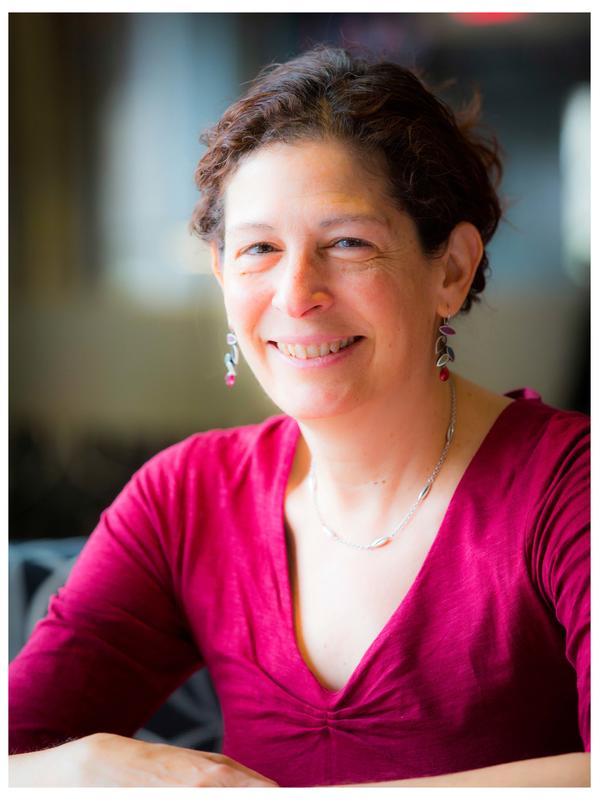
Thea Renda Abu El-Haj, Professor in Education, is an anthropologist of education. Prior to joining Barnard College, she was an associate professor at the Graduate School of Education at Rutgers University. There, she co-founded and co-directed the GSE’s Urban Teaching Fellows Program, and directed the Ph.D. program in Theory, Organization, and Policy.
She currently serves as the President of the Council on Anthropology and Education of the American Anthropological Association. Abu El-Haj’s research explores questions about belonging, rights, citizenship, and education raised by globalization, transnational migration, and conflict. She is currently working on two research projects. She is conducting a collaborative ethnographic study of public kindergartens in Beirut, Lebanon, that focuses on questions of conflict and refugee policy. With the support of a Spencer Foundation grant, she is the principal investigator of a U.S. national interview study exploring the civic identities and civic practices of youth from Muslim immigrant communities.
Her second book, an ethnographic account of young Palestinian Americans grappling with questions of belonging and citizenship in the wake of September 11, 2001, won the 2016 American Educational Studies Association Critics Choice Award (Unsettled Belonging: Educating Palestinian American Youth after 9/11, University of Chicago Press, 2015). Other publications about this research have appeared in Anthropology and Education Quarterly; Harvard Educational Review; Educational Policy; and Theory into Practice. Her first book, Elusive Justice: Wrestling with Difference and Educational Equity in Everyday Practice (Routledge, 2006), offers a critical account of the range of justice claims at play inside real schools, exploring several different, important dimensions of educational equity that are often ignored in contemporary educational policy debates.
Working Group Affiliation
Migrant Personhood and Rights: Crises of Recognition, Project Director

Lila Abu-Lughod
Interim Director
Lila Abu-Lughod
Joseph L. Buttenwieser Professor of Social Science
Lila Abu-Lughod teaches anthropology and gender studies at Columbia University. She is a former director of the Institute for Research on Women and Gender, the Center for the Study of Social Difference, and the Middle East Institute, all at Columbia. A leading voice in the debates about gender, Islam, and global feminist politics, her books and articles have been translated into 15 languages. Her scholarship, strongly ethnographic, has focused on the relationship between cultural forms and power; the politics of knowledge and representation of the Arab and Muslim worlds; and the dynamics of gender and the question of human and women’s rights in the Middle East. Her award-winning books include Veiled Sentiments: Honor and Poetry in a Bedouin Society; Writing Women’s Worlds: Bedouin Stories; Remaking Women: Feminism and Modernity in the Middle East; and Dramas of Nationhood: The Politics of Television in Egypt. Her most recent book, Do Muslim Women Need Saving?, was published by Harvard University Press in 2013. Her most recent publication is The Cunning of Gender Violence: Geopolitics and Feminism (2023). Lila Abu-Lughod was elected to the American Academy of Arts and Sciences in 2023.
Lila Abu-Lughod's Academic Website
Working Group Affiliations
Religion and the Global Reframing of Gender Violence, Project Director
Gender, Religion & Law in Muslim Societies, Project Director
Liberalism’s Others, Project Director
Book publications
Do Muslim Women Need Saving?
Harvard University Press, 2013.
Dramas of Nationhood: The Politics of Television in Egypt
Lewis Henry Morgan Lectures. Chicago: University of Chicago Press, 2005.(American Ethnological Society Senior Book Prize, 2007)
Other English Editions: American University in Cairo Press, 2005.
Writing Women’s Worlds: Bedouin Stories
University of California Press, 1993 (Victor Turner Prize, 1994). Fifteenth Anniversary Edition with new preface, 2008.
Veiled Sentiments: Honor and Poetry in a Bedouin Society
University of California Press, 1986 (IUAES Silver Medal; Chicago Folklore Prize, honorable mention). Second edition, updated with a new preface, 2000. 30th Anniversary Edition, with a new Afterword, September 2016.
Other English Editions: American University in Cairo Press, 1987.
Local Contexts of Islamism in Popular Media.
Amsterdam University Press, Institute for the Study of Islam in the Modern World Papers. 2006.
Edited Books
The Cunning of Gender Violence: Geopolitics and Feminism
Co-edited with Rema Hammai and Nadera Shalhoub-Kevorkian.
Duke University Press, 2023.
On the Move: Reframing Nomadic Pastoralism
Edited Exhibition Catalogue. Skira, National Museum of Qatar, and Qatar Museums. 2022.
Nakba: Palestine, 1948 and the Claims of Memory
Co-edited with Ahmad H. Sa`di.
Columbia University Press, The Cultures of History Series, 2007.
Media Worlds: Anthropology on New Terrain
Co-edited with Faye Ginsburg and Brian Larkin.
University of California Press, 2002.
Remaking Women: Feminism and Modernity in the Middle East
Edited. Princeton University Press, Series in Culture/Power/History, 1998.
Other English Editions: American University in Cairo Press, 1998.
Language and the Politics of Emotion
Co‑edited with C. Lutz.
New York: Cambridge University Press, 1990.
Anthony Acciavatti
Anthony Acciavatti (Yale University) is the Diana Balmori Assistant Professor at Yale School of Architecture. He works at the intersection of architecture, landscape, and the history of science and technology. He is interested in experimental forms of scholarship, pedagogy, and design afforded by humanistic inquiry. His most recent book, Ganges Water Machine: Designing New India’s Ancient River (Applied Research); Design, 2015), is the first comprehensive mapping and environmental history of the Ganges River Basin in over half a century. He spent a decade hiking, driving, and boating across the Ganges to map it and to understand the historical conflicts over water for drinking, agriculture, and industry. Combining fieldwork with archival research, the book is an atlas of the enterprise to transform the Ganges into the most hyper-engineered landscape in the world. In 2016, the book was awarded the John Brinckerhoff Jackson Book Prize by the Foundation for Landscape Studies.

Hülya Adak
Fellow, Comparative Literature, Sabanci University
Hülya Adak is an Assistant Professor of Comparative Literature at Sabancı University. She has published essays on Ottoman-Turkish memoirs and biographies, national myths, gender and sexuality, and the Armenian deportations during World War I.
Hülya Adak
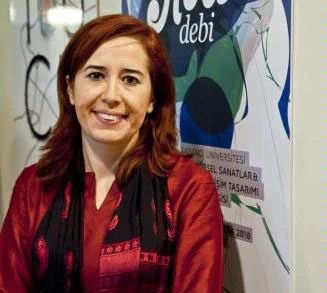
Hülya Adak is an Assistant Professor of Comparative Literature at Sabancı University. She has published essays on Ottoman-Turkish memoirs and biographies, national myths, gender and sexuality, and the Armenian deportations during World War I in leading journals such as the South Atlantic Quarterly, PMLA, Biography, and New Perspectives on Turkey. Her most notable publications include “National Myths and Self-Na(rra)tions: Mustafa Kemal’s Nutuk and Halide Edib’s Memoirs and The Turkish Ordeal” and “Exiles at Home: Questions for Turkish and Global Literary Studies.” She is the co-author of so ist das, meine schöne… (Orlanda Verlag), a feminist book with monologues based on interviews exploring women’s sexuality, and the co-editor of the forthcoming anthology Modern Turkish Cultural History through Auto/biographies (Unions Verlag). She is currently writing a book on archival memory of World War I and collective mourning in Ottoman-Turkish autobiographical narratives and literature.
Working Group Affiliation
Rebecca Adami
Fellow, International Studies and Diplomacy, SOAS University of London
Dr. Rebecca Adami, PhD is currently Research Associate at the Centre for International Studies and Diplomacy, SOAS University of London (School of Oriental and African Studies). Former Fulbright Scholar at the Department of Arts and Humanities, Teachers College as well as at the Institute for the Study of Human Rights, Columbia University.
Her post doc project titled “Women of the De
Rebecca Adami

Research Associate, Centre for International Studies and Diplomacy, SOAS University of London
Dr. Rebecca Adami, PhD is currently Research Associate at the Centre for International Studies and Diplomacy, SOAS University of London (School of Oriental and African Studies). Former Fulbright Scholar at the Department of Arts and Humanities, Teachers College as well as at the Institute for the Study of Human Rights, Columbia University.
Her post doc project titled “Women of the Declaration: Exploring Counternarratives on Human Rights from 1946-48” centers on the UN female delegates who where part of drafting the Universal Declaration on Human Rights (UDHR) in 1948. Her research interest is on the broad study of human rights in the field of philosophy of education. In her PhD thesis, titled “Human Rights Learning: the Significance of Narratives, Relationality and Uniqueness”, Dr Adami explored human rights learning through a narrative turn that focus on learners and teachers life stories, drawing on the work of Hanna Arendt and Adriana Cavarero. Her published work includes articles such as “Re-Thinking Relations in Human Rights Education: The Politics of Narratives.” in Journal of Philosophy of Education and “Towards Cosmopolitan Ethics in Teacher Education: An Ontological Dimension of Learning Human Rights”, in Ethics and Education. Dr Adami has taught university courses for teacher students on multiculturalism and diversity at the Department of Education, Stockholm University.
Working Group Affiliation

Rachel Adams
Professor, Department of English and Comparative Literature, Columbia University
Rachel Adams is the director of the “Precision Medicine: Ethics, Politics and Culture.” She is Professor of English and American Studies at Columbia University, where she specializes in 19th- and 20th-century literatures of the United States and the Americas, media studies, theories of race, gender, and sexuality, medical humanities and disability studies.
Rachel Adams
Professor of English and Comparative Literature, Columbia University
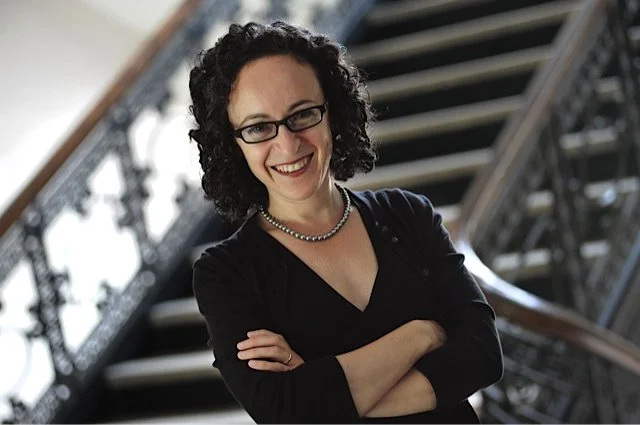
Rachel Adams is the director of the “Precision Medicine: Ethics, Politics and Culture.” She is Professor of English and American Studies at Columbia University, where she specializes in 19th- and 20th-century literatures of the United States and the Americas, media studies, theories of race, gender, and sexuality, medical humanities and disability studies. Her most recent book is Raising Henry: A Memoir of Motherhood, Disability, and Discovery, published by Yale University Press in 2013. She is the author of Continental Divides: Remapping the Cultures of North America (University of Chicago Press, 2009) and Sideshow U.S.A.: Freaks and the American Cultural Imagination (University of Chicago Press, 2001). She is co-editor (with David Savran) of The Masculinity Studies Reader (Blackwell Press, 2001) and (with Sarah Casteel) a special issue of Comparative American Literature on "Canada and the Americas." She is editor of a critical edition of Kate Chopin's The Awakening (Fine Publications, 2002). Her articles have appeared in journals such as American Literature, American Literary History, American Quarterly, Minnesota Review, Camera Obscura, GLQ, Signs, Yale Journal of Criticism and Twentieth-Century Literature. She has also written for the The New York Times, Salon, Chronicle of Higher Education, Gastronomica, and the Times of London and blogs for The Huffington Post. In 2010, she won the Lenfest Distinguished Faculty Award.
Working Group Affiliations
Precision Medicine: Ethics, Politics and Culture, Project Director
The Future of Disability Studies, Project Director

Neera Adarkar
Fellow, Architecture, Academy of Architecture
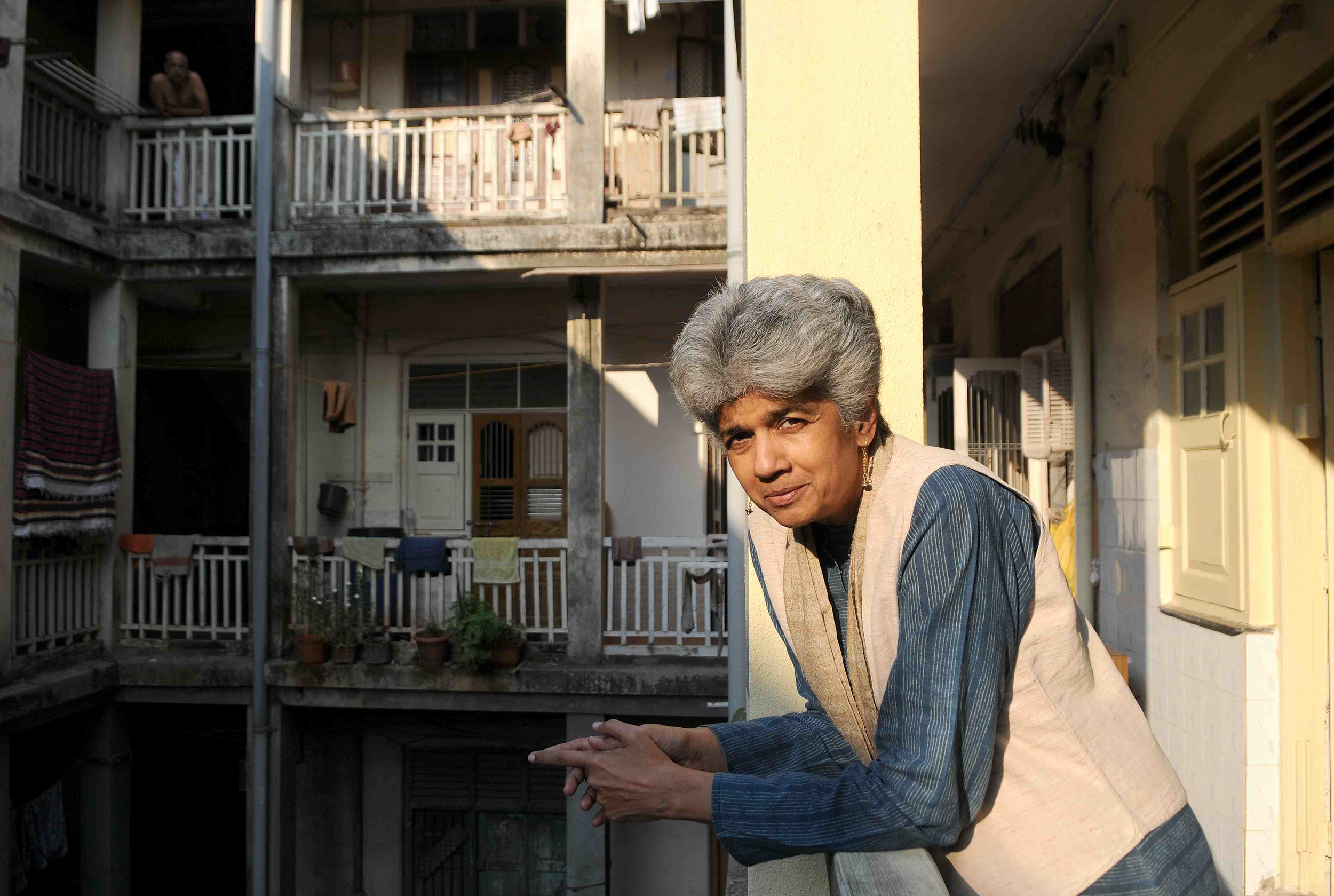
Neera Adarkar is a practicing architect and a visiting faculty member in the Academy of Architecture, Rachana Sansad in Mumbai.Neera's concern in social, urban and gender issues has resulted in her associations with various civil society organizations in Mumbai.
Neera Adarkar is a practicing architect and an urban researcher. After her graduation in architecture from Sir J. J. College of Architecture, Mumbai University, Neera completed her post-graduation in Industrial Design from I.I.T. Powai, Mumbai. Currently she is a visiting faculty member in the Academy of Architecture, Rachana Sansad in Mumbai.
Neera's concern in social, urban and gender issues has resulted in her associations with various civil society organizations in Mumbai. She is a founder member and trustee of Majlis, a NGO engaged in cultural and urban projects. She is closely linked with the Textile Workers' Union in the city of Mumbai. Her involvement in the urban struggles as an activist led her to participate in the process of formation of Mumbai Peoples' Action Committee, a coalition of citizens' groups active on various urban issues.
She is one of the founder members of Women Architects Forum which in the early nineties initiated the women architects to revisit their own profession and the built environment at large with a gender perspective. As part of the team of Adarkar Associates, Neera has designed private and public projects in and out of Mumbai.
She has co authored with Meena Menon One Hundred Years One Hundred Voices, Oral History of Millworkers of Girangaon (2004) and edited a volume: The Chawls of Mumbai; Galleries of Life (2011).
She has many published articles to her credit and has presented papers in conferences and delivered talks on urban, cultural, architectural, heritage and gender issues in India and outside India in the Universities and Conferences in New York, Chicago, Berkeley, Cornell, Leuven.
Olamide Adejumo
Doctoral Student, Narrative Medicine, Columbia University
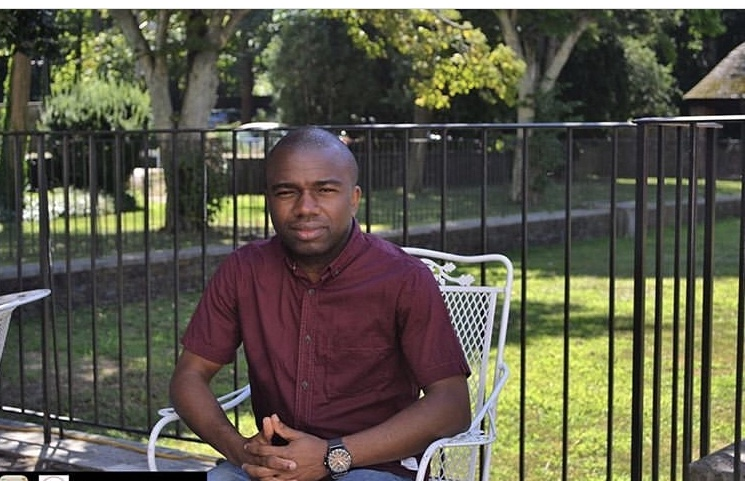
Olamide Adejumo is a student of narrative medicine at Columbia University. He is a graduate of medicine and surgery from Obafemi Awolowo College of Health Sciences in Nigeria passionate about narrative care practices in medicine. His interests includes clinical care and research in Narrative Medicine, Personalized Medicine, Medical Humanities and Genetic Technologies in Disability Care.
Graduate Student, Narrative Medicine, Columbia University

Olamide Adejumo is a student of narrative medicine at Columbia University. He is a graduate of medicine and surgery from Obafemi Awolowo College of Health Sciences in Nigeria passionate about narrative care practices in medicine. His passion for Medical Humanities dates back into medical school when he conducted a research with peers on the impact of religion and culture on diabetes prevention and care in Nigeria which ultimately lead to starting a non profit: The Nigeria Diabetes Online Community - a social peer support platform for people living with diabetes in Nigeria. He believes in culturally appropriation and all inclusive healthcare practice as a bridge to achieving universal medical care. His interests includes clinical care and research in Narrative Medicine, Personalized Medicine, Medical Humanities and Genetic Technologies in Disability Care.
Working Group Affiliation
Fariba Adelkhah
Fellow, Anthropology, Ecole des Hautes Etudes en Sciences Sociales
Fariba Adelkhah is Senior Research Fellow at Sciences Po in Paris. She received her Ph.D. in anthropology from Ecole des Hautes Etudes en Sciences Sociales (EHESS, 1989). An anthropologist, her main research interests focus on the relationships and interplay between social changes and political transformations throughout the second half of the 20th century in Iran.
Senior Research Fellow, Institut d'Études Politiques (Sciences Po), Paris
Fariba Adelkhah is Senior Research Fellow at Sciences Po in Paris. She received her Ph.D. in anthropology from Ecole des Hautes Etudes en Sciences Sociales (EHESS, 1989). An anthropologist, her main research interests focus on the relationships and interplay between social changes and political transformations throughout the second half of the 20th century in Iran. She has written a number of books on Islam and Iran, and her current research deals with the Iranian Diaspora. She is member of the editorial boards of Iranian Studies and Revue des mondes musulmans et de la Méditerranée. Her research focuses on political anthropology of Iranian society. See her publications.


Faith Adiele

Professor Adiele teaches in the creative writing programs at California College of the Arts (San Francisco, Calif., USA) and Stonecoast Low-Residency MFA Program (Portland, Maine, USA). Her writing classes focus on decolonial travel writing and hybrid (multiracial/multigenre) memoir; her literature courses specialize in contemporary African literature, the literature of intersectional passing, and international Young Adult (YA) literature and film.
Her memoir Meeting Faith, an account of becoming Thailand’s first Black Buddhist Nun (Norton 2004), received the PEN Open Book Award and is widely taught in American universities. She is also writer of My Journey Home, a PBS documentary about finding her family in Nigeria, author of The Nigerian-Nordic Girl’s Guide to Lady Problems, a tri-cultural digital chapbook about black women and fibroids, and co-editor of Coming of Age Around the World: A Multicultural Anthology.
Professor Adiele founded the USA’s first writing workshop for travelers of color through the Voices of Our Nations Arts Foundation, writes a weekly travel column for Detour: Best Stories in Black Travel, which appears in the Miami Herald, and is senior editor of Decolonising Travel in UK-based journal Panorama: The Journal of Travel, Place, and Nature. She also hosts an African Book Club at San Francisco’s Museum of the African Diaspora and produces Africana content for the Calm meditation app.
She is currently at work on the USA’s first decolonial travel craft book (forthcoming from Columbia University Press) and several hybrid chapbooks about her Nigerian-Nordic-American heritage (forthcoming from Texas Review Press).

Fatemeh Adlparvar
Doctoral Student, Mailman School of Public Health, Columbia University
Fatemeh Adlparvar is a recent graduate of the Narrative Medicine program. She will begin her graduate studies at the Mailman School of Public Health where she hopes to study the intersections of narrative medicine, social work, and public health. She received her B.A. from the University of California, Berkeley with a major in Environmental Science with an Education minor. She went on to complete her MSW at Columbia School of Social Work, with a minor in Law and a concentration in health, mental health, & disability.
Fatemeh Adlparvar
Graduate Student, Mailman School of Public Health, Columbia University

Fatemeh Adlparvar is a recent graduate of the Narrative Medicine program. She will begin her graduate studies at the Mailman School of Public Health where she hopes to study the intersections of narrative medicine, social work, and public health. She received her B.A. from the University of California, Berkeley with a major in Environmental Science with an Education minor. She went on to complete her MSW at Columbia School of Social Work, with a minor in Law and a concentration in health, mental health, & disability. She hopes to become a physician and work in a community health clinic in service of people who are homeless, living with serious mental health conditions, and substance abuse. Her work examines the impact of narrative medicine workshops on young adults in developing self-reflection, empathy, and attentive listening skills. She aspires to impact health care policy on a federal level with the goal of providing increased health and mental health care services to underserved communities. Fatemeh currently interns with the Bellevue Literary Review and serves as the School of Professional Studies Student Association (SPSSA) Secretary and Disability Chair.
Working Group Affiliation

Dina Afrianty
Fellow, Social and Political Sciences, State Islamic University (UIN) Jakarta
Dina is an Endeavor Post-doctoral fellow at Melbourne Law School University of Melbourne. Dina earned her PhD also from the University of Melbourne writing a thesis on the work of Local Women’s NGOs in Reforming Islamic Law introduced in 1999 in the Province of Aceh. Dina’s research interests include women’s rights, women’s movement, Islamic education, international development, and legal reform in Muslim societies.
Dina Afrianty
Research and Lecturer, Social and Political Sciences, State Islamic University (UIN) Jakarta
Dina is an Endeavor Post-doctoral fellow at Melbourne Law School University of Melbourne. Dina earned her PhD also from the University of Melbourne writing a thesis on the work of Local Women’s NGOs in Reforming Islamic Law introduced in 1999 in the Province of Aceh. Dina’s research interests include women’s rights, women’s movement, Islamic education, international development, and legal reform in Muslim societies. Dina has done research in Islamic Education in Indonesia and was the team leader for a research on Islamic education in Indonesia project supported by the Institute on Culture, Religion and World Affairs, Boston University in 2004-2006. Dina has published articles and book chapters on the issue of education and on women’s movement in Aceh. Dina was a research assistant for the Encyclopedia for Women and Islamic Studies (EWIC), published by E.J. Brills from 2003 to 2006. She was responsible for assisting the routing editor for East Asia, South East Asia, Australia and the Pacific region. Dina recently joins the Asia Foundation working for NGO capacity strengthening to provide poor women and children better access to legal rights under the Australia-Indonesia Partnership for Justice Project.

Vanessa Agard-Jones
Assistant Professor, Department of Anthropology, Columbia University
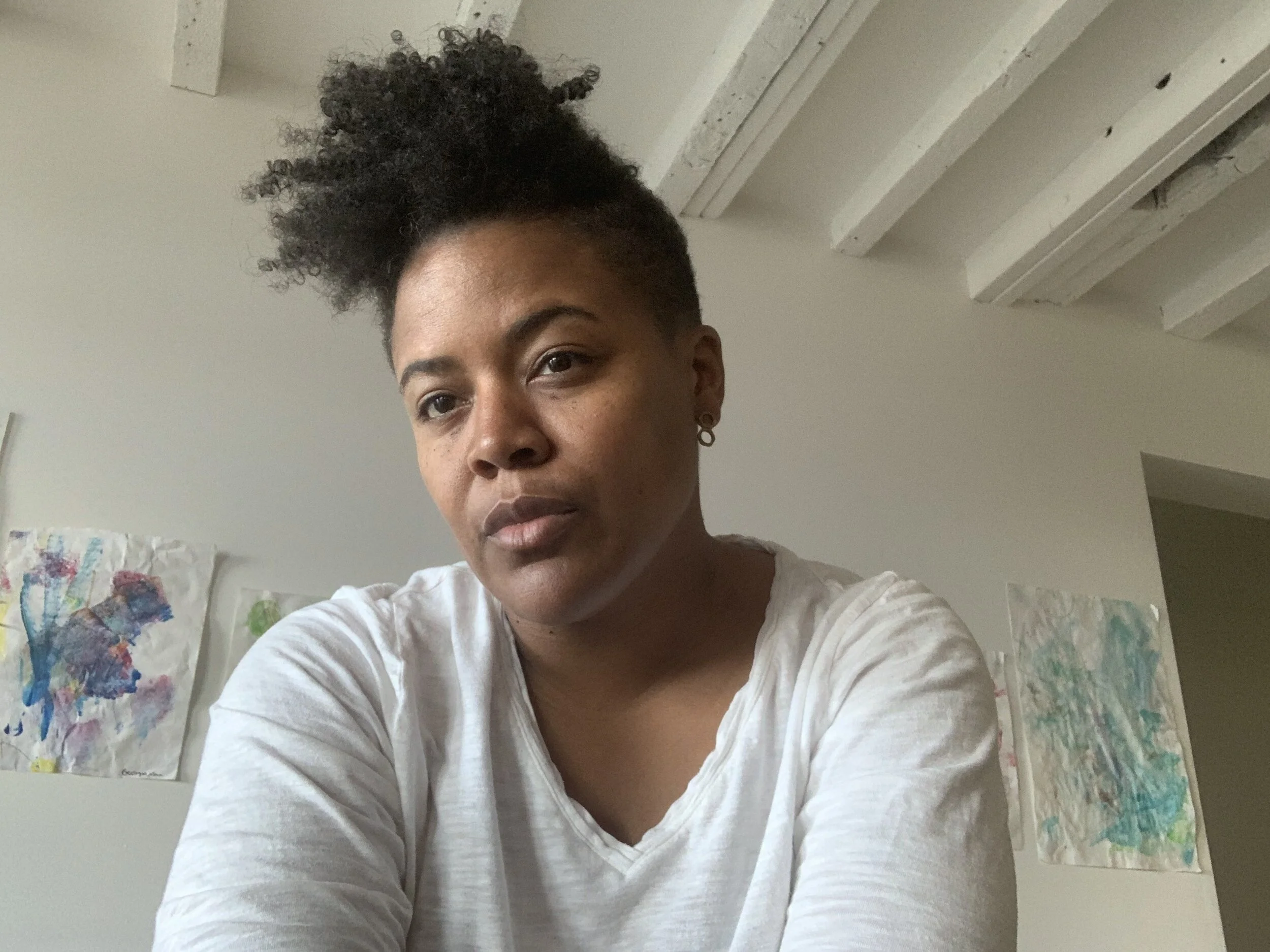
Vanessa Agard-Jones is Assistant Professor of Anthropology at Columbia University, where she maintains affiliations with the Institute for Research on Women, Gender and Sexuality, the Center for Science and Society, the Earth Institute, and the Department of African American and African Diaspora Studies. At its most expansive, Agard-Jones’ work asks how coloniality is made material: in social forms, in human and nonhuman bodies, and in the landscapes in which we live.
Vanessa Agard-Jones
Assistant Professor of Anthropology, Columbia University
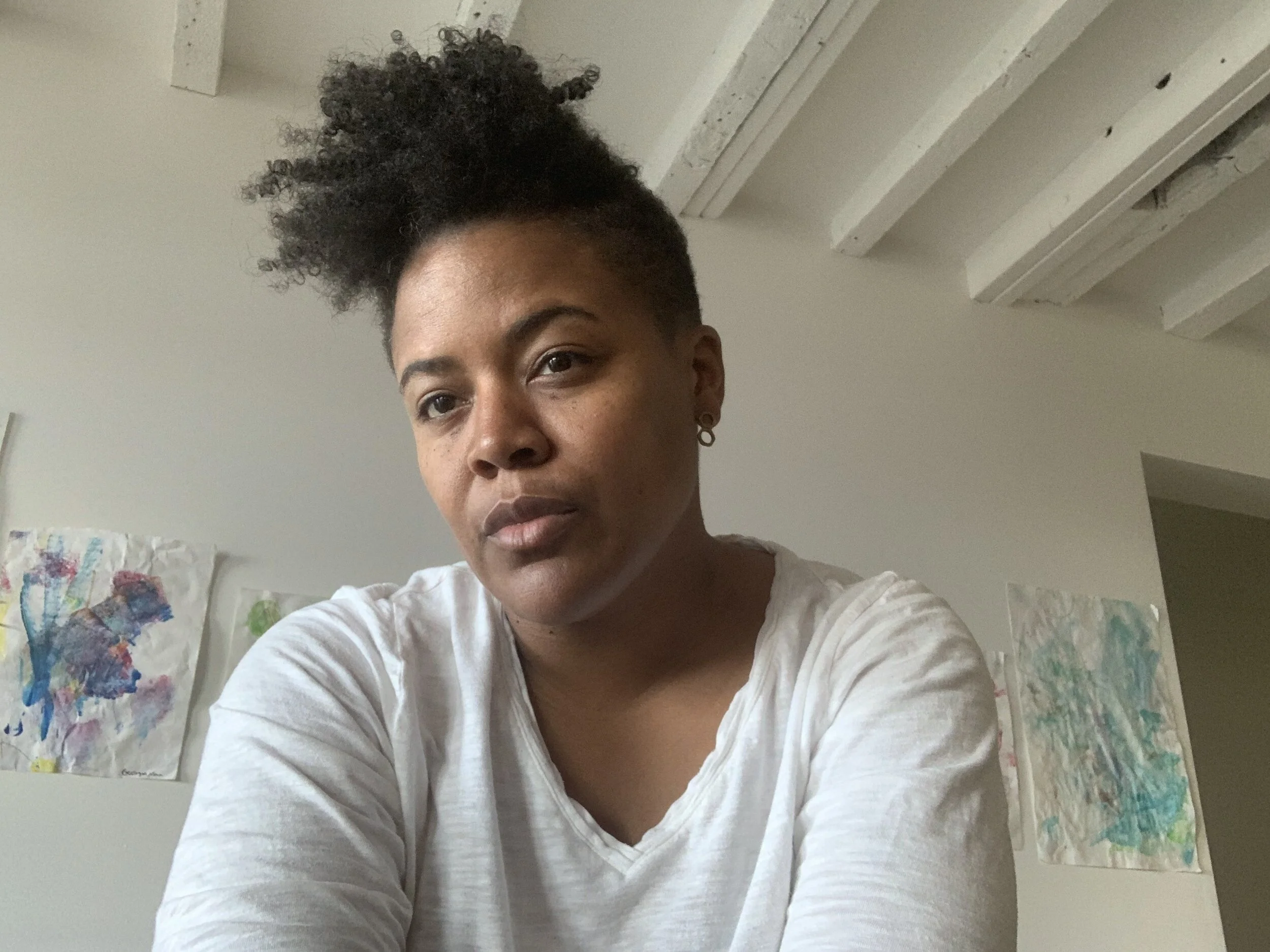
Vanessa Agard-Jones is Assistant Professor of Anthropology at Columbia University, where she maintains affiliations with the Institute for Research on Women, Gender and Sexuality, the Center for Science and Society, the Earth Institute, and the Department of African American and African Diaspora Studies. At its most expansive, Agard-Jones’ work asks how coloniality is made material: in social forms, in human and nonhuman bodies, and in the landscapes in which we live. With a focus on Black life in the Atlantic world, she conducts historical and ethnographic research on racialization, environmental degradation and the politics of gender and sexuality. In Body Burdens: Toxic Endurance and Decolonial Desire in the French Atlantic (in preparation), Agard-Jones reframes the concept of body burden to account for the accretion of toxicities in Martinique, a French territory in the Caribbean. Focused on material exposures to a pesticide called kepone/chlordécone and on immaterial exposures to racism, sexism, and homophobia, Body Burdens asks how contemporary debates about sovereignty on the island are articulated through the prism of ideas about porosity and contamination. Agard-Jones is a member of the Social Text Collective, Scholars for Social Justice and serves on the editorial boards of PoLAR: the Political and Legal Anthropology Review and Environment and Society: Advances in Research.
Working Group Affiliations
Black Atlantic Ecologies, Project Director
Flavia Agnes
Fellow, Lawyer, MAJLIS
Flavia Agnes is a women's rights lawyer and writer and has been actively involved in the women's movement for the last two decades. She has written extensively on issues of domestic violence, feminist jurisprudence and minority rights. Her books are widely acclaimed and are popular among advocates, paralegal workers, law students and women who have been victims of domestic violence. Currently she co-ordinates the legal centre of MAJLIS and is also engaged in her doctoral research on Property Rights of Married Women with the National Law School of India.
Flavia Agnes
Lawyer
Flavia Agnes is a women's rights lawyer and writer and has been actively involved in the women's movement for the last two decades. She has written extensively on issues of domestic violence, feminist jurisprudence and minority rights. Her books are widely acclaimed and are popular among advocates, paralegal workers, law students and women who have been victims of domestic violence. Currently she co-ordinates the legal centre of MAJLIS and is also engaged in her doctoral research on Property Rights of Married Women with the National Law School of India.
Marcel Agüeros
Professor, Department of Astronomy, Columbia University
Marcel Agüeros is an associate professor of astronomy at Columbia University. A native New Yorker and a Columbia College alumnus, Marcel received his Ph.D. from the University of Washington in 2006, returned to
Columbia as a National Science Foundation Astronomy & Astrophysics Post-doctoral Fellow that year, and joined the faculty in 2010. Marcel is an observational astrophysicist who uses new approaches to address classic questions in stellar evolution.

Marcel Agüeros is an associate professor of astronomy at Columbia University. A native New Yorker and a Columbia College alumnus, Marcel received his Ph.D. from the University of Washington in 2006, returned to
Columbia as a National Science Foundation Astronomy & Astrophysics Post-doctoral Fellow that year, and joined the faculty in 2010. Marcel is an observational astrophysicist who uses new approaches to address classic questions in stellar evolution. He is the author of more than 70 peer-reviewed publications and has received more than $4 million in grants for his work. He is also committed to increasing the numbers of women and underrepresented minorities in the sciences. In 2016, Marcel received the Presidential Early Career Award for Scientists and Engineers from President Obama for "his groundbreaking research in stellar astrophysics, and for his restless desire to ensure that minority students in sciences become tomorrow's leaders."
Meltem Ahıska
Fellow, Sociology, Boğaziçi University
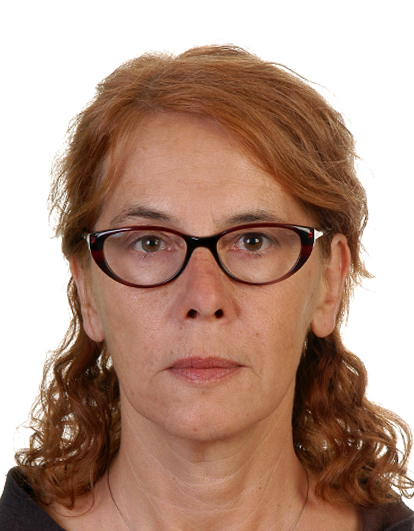
Meltem Ahiska is Associate Professor in Sociology at Bogazici University, Istanbul. She has a PhD from the University of London.
Meltem Ahıska
Professor of Sociology, Boğaziçi University
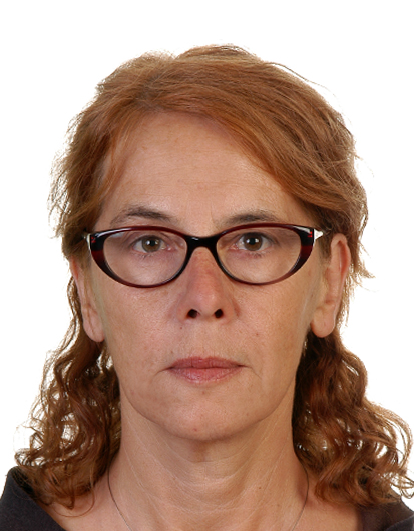
Areas of Interest: Orientalism, social memory, gender
Education:
Ph.D., Goldsmiths College (2000)
B.A., Boğaziçi University (1980)
Selected Publications:
“Occidentalism and Registers of Truth: Politics of Archives in Turkey”, New Perspectives on Turkey, 34, 2006, Special Issue on Social Memory, eds. M.Ahıska, B.Kırlı.
"Aradığınız Kişiye Şu An Ulaşılamıyor": Türkiye'de Hayat Tarzı Temsilleri, 1980-2005 (with Zafer Yenal ), Osmanlı Bankası Arşiv ve Araştırma Merkezi, Istanbul, 2006.
“Hayal Edilemeyen Toplum: Türkiye’de “Çevresiz Merkez” ve Garbiyatçılık", Toplum ve Bilim, 105, 2006.
Hikayemi Dinler Misin? Tanıklıklarla Türkiye’de İnsan Hakları ve Sivil Toplum (edited with Zafer Yenal), Tarih Vakfı Yayınları, Istanbul, 2004
Biography:
Meltem Ahıska is Professor of Sociology at Boğaziçi University. She has written and edited a number of books among which Occidentalism in Turkey: Questions of Modernity and National Identity in Turkish Radio Broadcasting (2010) is the most recent. Her articles and essays on Occidentalism, social memory, national identity, and gender have appeared in various journals and edited volumes. She has been in the editorial collectives of Akıntıya Karşı, Zemin, Defter, Pazartesi journals. She is a member of the editorial board of the e-journal Red Thread.
Working Group Affiliation

Attiya Ahmad
Fellow, Anthropology, George Washington University
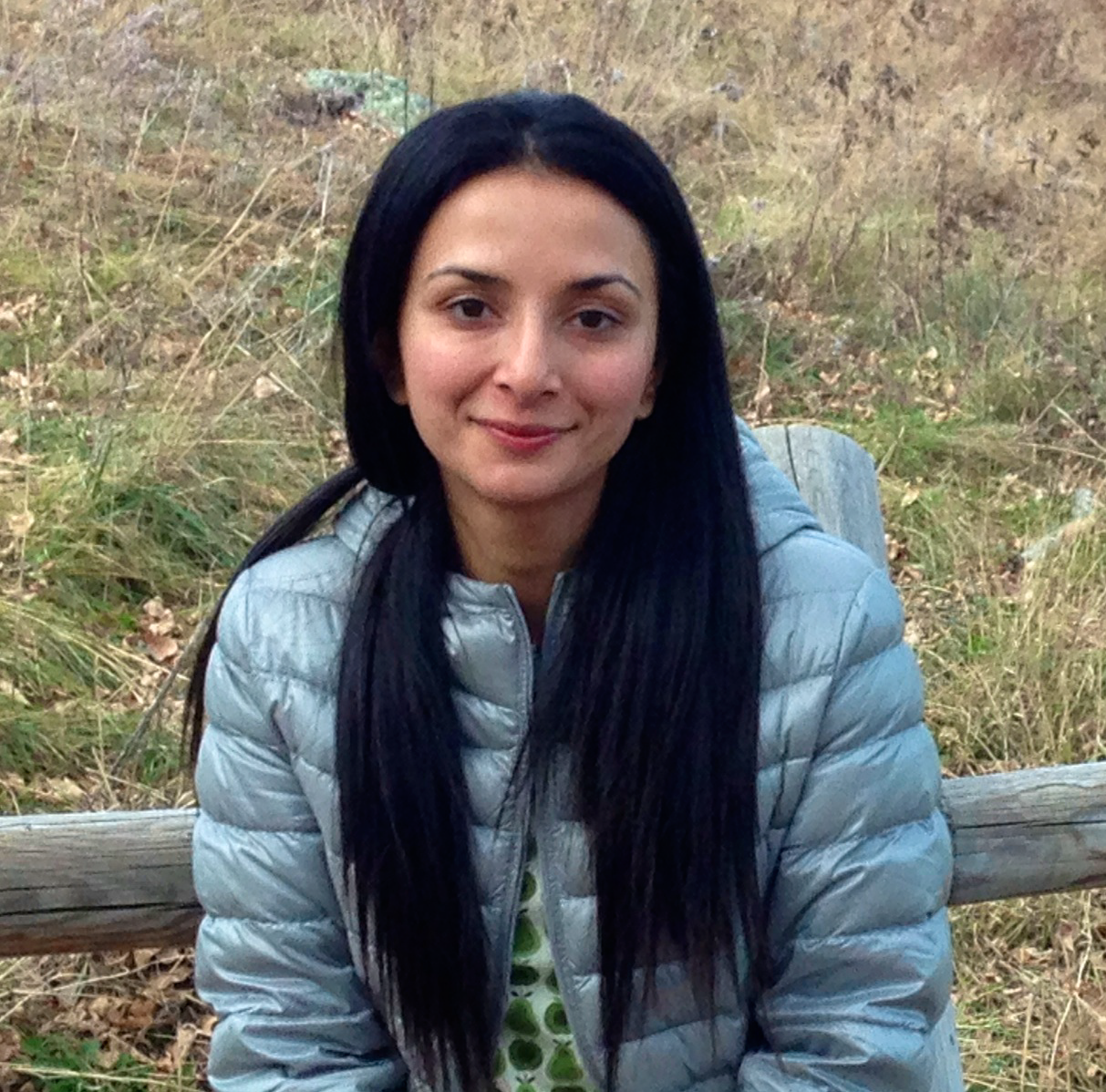
Dr. Attiya Ahmad is an Assistant Professor of Anthropology at the George Washington University (Washington DC, USA). Broadly conceived, her research focuses on the interrelation between gender, labour migration, diasporic formations, cosmopolitanism, and Islamic movements crosscutting the Arab Gulf States and South Asia. Dr.
Attiya Ahmad
Assistant Professor of Anthropology, George Washington University
Dr. Attiya Ahmad is an Assistant Professor of Anthropology at the George Washington University (Washington DC, USA). Broadly conceived, her research focuses on the interrelation between gender, labour migration, diasporic formations, cosmopolitanism, and Islamic movements crosscutting the Arab Gulf States and South Asia. Dr. Ahmad is also developing a project focusing on halal tourism networks spanning the Arab Gulf States, the United Kingdom and Turkey. Her work has appeared in The Asia Pacific Journal of Anthropology, Cultural Anthropology, and edited volumes focusing on labour migration, diaspora, and religion in South Asia and the Gulf Arab States. She is currently revising her book manuscript, which focuses on the Islamic conversions of South Asian migrant domestic workers in Kuwait. She obtained her PhD in Cultural Anthropology at Duke University, and was a postdoctoral fellow at the Center for International and Regional Studies at Georgetown University.
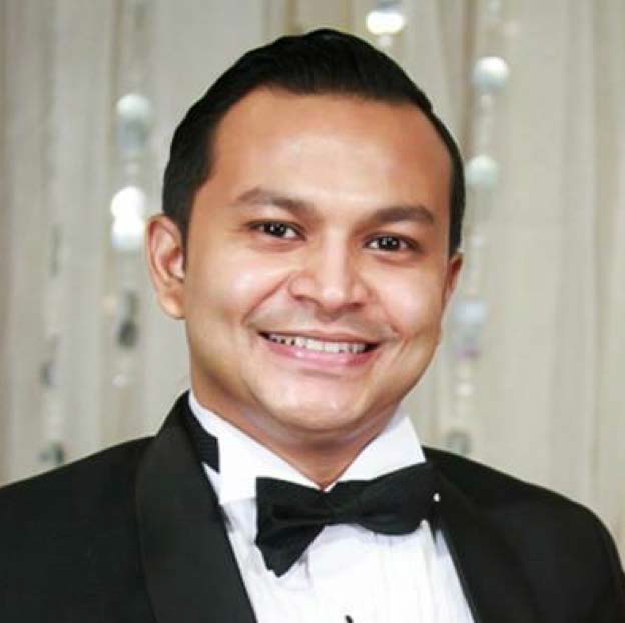
Gazi Nafis Ahmed
Fellow, Media and Journalism, Danish School of Media and Journalism in Denmark
Gazi Nafis Ahmed is an artist working with photography and video. Born in Dhaka, Bangladesh, he studied art and design at London Guildhall University, United Kingdom. He received his B.A. from Danish School of Media and Journalism in Denmark and his M.A. in fine arts photography from Istituto Europeo di Design Madrid in Spain, both on full scholarship. Ahmed was awarded at the international Pride Photo Award 2015 in Amsterdam for his series “Inner Face.”
Gazi Nafis Ahmed

Gazi Nafis Ahmed is an artist working with photography and video. Born in Dhaka, Bangladesh, he studied art and design at London Guildhall University, United Kingdom. He received his B.A. from Danish School of Media and Journalism in Denmark and his M.A. in fine arts photography from Istituto Europeo di Design Madrid in Spain, both on full scholarship. Ahmed was awarded at the international Pride Photo Award 2015 in Amsterdam for his series “Inner Face.” In 2013, he received the Blub Award from Format International Photography Festival in the United Kingdom. He attended a yearlong artist residency program from 2018 to 2019 that was supported by The Andrew W Mellon Foundation. In 2019, he represented the Bangladesh Pavilion at La Biennale di Venezia 58 th . His work has been exhibited in worldwide, including solo exhibitions at Bengal Gallery of Fine Arts and EMK Centre in Dhaka. In 2016 Ahmed had solo exhibition at BRAC University, which was organized by BLAST and James P. Grant School of Public health. His photos have graced the pages of Guardian, The New York Times and The New Yorker, among others. His critically acclaimed series “Inner Face” and “Innate Identities” explores gender performativity.
Working Group Affiliation

Nadje Al-Ali
Fellow, Gender Studies, SOAS University of London
Nadje Al-Ali is Professor of Gender Studies at the Centre for Gender Studies (CGS), SOAS University of London. She is currently chair of CGS and head of the Doctoral School at SOAS. Her main research interests revolve around feminist activism; transnational migration and diaspora moblization; war, conflict and peace; as well as art & cultural studies; mainly with reference to Iraq, Egypt, Turkey and the Kurdish political movement.
Nadje Al-Ali
Professor, Gender Studies, SOAS University of London

Nadje Al-Ali is Professor of Gender Studies at the Centre for Gender Studies (CGS), SOAS University of London. She is currently chair of CGS and head of the Doctoral School at SOAS. Her main research interests revolve around feminist activism; transnational migration and diaspora moblization; war, conflict and peace; as well as art & cultural studies; mainly with reference to Iraq, Egypt, Turkey and the Kurdish political movement. Her publications include What kind of Liberation? Women and the Occupation of Iraq (2009, University of California Press, co-authored with Nicola Pratt); Women and War in the Middle East: Transnational Perspectives (Zed Books, 2009, co-edited with Nicola Pratt); Iraqi Women: Untold Stories from 1948 to the Present (2007, Zed Books); New Approaches to Migration (ed., Routledge, 2002, with Khalid Koser); Secularism, Gender and the State in the Middle East (Cambridge University Press 2000) as well as numerous book chapters and journal articles. Her co-edited book with Deborah al-Najjar entitled We are Iraqis: Aesthetics & Politics in a Time of War (Syracuse University Press) won the 2014 Arab-American book prize for non-fiction. Her most recent research and publications focus on the Turkish-Kurdish conflict and the Kurdish women’s movement.
Professor Al-Ali was President of the Association of Middle East Women’s Studies (AMEWS) from 2009-2011. She is also a member of the Feminist Review Collective, and is on the editorial board of Kohl: a Journal of Body and Gender Research. She was involved in several projects with Iraqi academics and women’s rights activists which facilitated the introduction of women and gender studies and increased evidence-based research capacity in Iraq.
Working Group Affiliation
Religion and the Global Reframing of Gender Violence