

Nancy King Reame
Professor, Department of Emerita of Disease Prevention and Health Promotion, School of Nursing, Columbia University
Nancy King Reame, MSN, PhD, FAAN authored the chapter "Toxic Shock Syndrome and Tampons: The Birth of a Movement and a Research Vagenda" in The Palgrave Handbook of Critical Menstruation Studies (Bobel et al) 2020. The handbook, which is free and down-loadable can be found here: https://link-springer-com.ezproxy.cul.columbia.edu/book/10.1007%2F978-981-15-0614-7.
Nancy King Reame
Mary Dickey Lindsay Professor (Emerita) of Health Promotion and Risk Reduction, School of Nursing

Nancy King Reame, MSN, PhD, FAAN authored the chapter "Toxic Shock Syndrome and Tampons: The Birth of a Movement and a Research Vagenda" in The Palgrave Handbook of Critical Menstruation Studies (Bobel et al) 2020. The handbook, which is free and down-loadable can be found here: https://link-springer-com.ezproxy.cul.columbia.edu/book/10.1007%2F978-981-15-0614-7. In 2020, she was a member of the National Academy of Medicine committee that published the consensus study report on The Clinical Utility of Compounded Bioidentical Hormone Therapy in response to a request by the Food and Drug Administration. Nancy Reame provides ongoing commentaries for the journal Menopause, on such issues as the safety and efficacy of new breakthrough drugs for the treatment of menopausal hot flashes: KNDY neuron antagonists (Reame, April 2020), estetrol (August, 2020), and the effects of COVID on the management of menopausal symptoms (July, 2021). She continues to serve as a regular member of the screening panel for the prestigious Kavli Prize in Science Journalism, the annual international award program begun in 1945 by the American Association for the Advancement of Science (AAAS) for excellence in science journalism for the public.
Working Group Affiliations
Samuel Kelton Roberts, Jr.
Dr. Samuel Kelton Roberts, Jr., PhD, PhD, is Associate Professor of History (Columbia University School of the Arts and Sciences) and Sociomedical Sciences (Columbia University’s Mailman School of Public Health), and is also a former Director of Columbia University’s Institute for Research in African American Studies (IRAAS).

Dr. Samuel Kelton Roberts, Jr., PhD, is Associate Professor of History (Columbia University School of the Arts and Sciences) and Sociomedical Sciences (Columbia University’s Mailman School of Public Health), and is also a former Director of Columbia University’s Institute for Research in African American Studies (IRAAS). Dr. Roberts writes, teaches, and lectures widely on African-American urban history, especially medicine, public health, and science and technology. His widely acclaimed book, Infectious Fear: Politics, Disease, and the Health Effects of Segregation (University of North Carolina Press, 2009), is an exploration of the political economy of race and the modern American public health state between the late nineteenth century and the mid-twentieth century, a period which encompasses the overlapping and mutually-informed eras of Jim Crow segregation and modern American public health practice.
Roberts currently is researching and writing a book-length project on the United States’s troubled history of race and recovery, examining the social and political history of heroin addiction treatment from the 1950s to the early 1990s. This project traces urban policy at the beginning of the postwar heroin epidemic, the emergence of therapeutic communities, the politics of state-run addiction rehabilitation facilities, the adoption of methadone maintenance treatment in the 1960s and 1970s, the emergence of “radical recovery” movements and harm reduction and syringe exchange in the 1980s and 1990s.
Working Group:
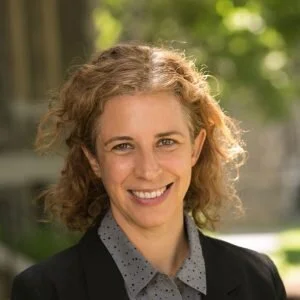
Camille Robcis
Associate Professor, Department of History and French, Columbia University
Camille Robcis specializes in modern European intellectual history, with a focus on nineteenth- and twentieth-century France. Her interests have circled around three issues: the historical construction of norms, the intellectual production of knowledge, and the articulation of universalism and difference in modern French history. Prior to coming to Columbia, she taught at Cornell for ten years.
Camille Robcis
Associate Professor of History and French
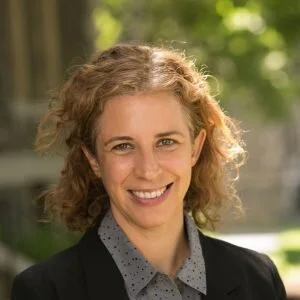
Camille Robcis specializes in modern European intellectual history, with a focus on nineteenth- and twentieth-century France. Her interests have circled around three issues: the historical construction of norms, the intellectual production of knowledge, and the articulation of universalism and difference in modern French history. Prior to coming to Columbia, she taught at Cornell for ten years.
Robcis is the author of The Law of Kinship: Anthropology, Psychoanalysis, and the Family in France which was published by Cornell University Press and which won the 2013 Berkshire Conference of Women Historians Book Prize. It examines how and why French judges and legislators turned to structuralism – and more specifically, to some of the most difficult and abstract concepts of Claude Lévi-Strauss and Jacques Lacan – to reassert the centrality of the heterosexual family in political debates around bioethics, same-sex unions, single-parent households, family names, surrogacy, and adoption.
Her second book, Disalienation: Politics, Philosophy, and Radical Psychiatry in France, is forthcoming with the University of Chicago Press. It traces the history of institutional psychotherapy, a movement born in France during the Second World War that called for the profound transformation of the theory and practice of psychiatric care, through the lens of Marxism and Lacanian psychoanalysis. According to institutional psychotherapy, the asylum could function as a microcosm for society at large, as a space to promote non-hierarchal and non-authoritarian political and social structures, as a template to better understand alienation and offer perspectives for “disalienation.” My book explores the intersections of psychiatry, philosophy, and politics in the works of several figures for whom institutional psychotherapy was important, including François Tosquelles, Jean Oury, Félix Guattari, Frantz Fanon, Georges Canguilhem, Michel Foucault, Paul Éluard, and Jean Dubuffet.
Robcis is currently working on a new project, tentatively titled The Gender Question:
Populism, National Reproduction, and the Crisis of Representation in which she tries to make sense of the protests against the so-called “theory of gender” that have raged in various parts of the world since the 1990s, especially in their conceptual links to populism.
Working Group Affiliation

Jesús Rodríguez-Velasco
Professor, Department of Latin America and Iberian Cultures, Columbia University
Jesús Rodríguez-Velasco teaches Medieval and Early Modern Studies at Columbia. He has taught at the University of California, Berkeley, Universidad de Salamanca, Université de Paris III (Sorbonne Nouvelle), and the École Normale Supérieure (Lettres et Sciences Humaines). Among his publications are books and articles on Medieval and Early Modern knighthood, history of the book and reading, medieval political theory, law and culture, Occitan poetry, etc. He is one of the executive directors of the Journal of Medieval Iberian Studies and a member of the MLA Committee on Scholarly Editions.
Jesús Rodríguez-Velasco
Professor of Latin American and Iberian Cultures, Columbia University
Jesús Rodríguez-Velasco teaches Medieval and Early Modern Studies at Columbia. He has taught at the University of California, Berkeley, Universidad de Salamanca, Université de Paris III (Sorbonne Nouvelle), and the École Normale Supérieure (Lettres et Sciences Humaines). Among his publications are books and articles on Medieval and Early Modern knighthood, history of the book and reading, medieval political theory, law and culture, Occitan poetry, etc. He is one of the executive directors of the Journal of Medieval Iberian Studies and a member of the MLA Committee on Scholarly Editions. He was the recipient of the 2010 John K. Walsh award for his article "La urgente presencia de las Siete Partidas". His most recent publication is Order and Chivalry. Knighthood and Citizenship in Late Medieval Castile (Philadelphia: University of Pennsylvania Press, 2010).


Victoria Rosner
Professor, Department of English and Comparative Literature, Columbia University
Victoria Rosner specializes in modernist literature and culture, with particular interests in architecture and design, gender and sexuality studies, and life writing. She is the author of Modernism and the Architecture of Private Life (Columbia UP, 2005), winner of the Modernist Studies Association Book Prize. She is also the editor ofThe Cambridge Companion to the Bloomsbury Group (Cambridge UP, 2014) andThe Global and the Intimate: Feminism in Our Time (Columbia UP, 2012; with Geraldine Pratt).
Victoria Rosner
Dean of Academic Affairs for the School of General Studies; Adjunct Associate Professor of English and Comparative Literature, Columbia University
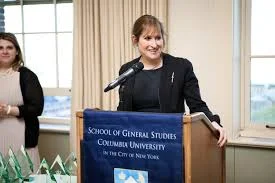
Victoria Rosner specializes in modernist literature and culture, with particular interests in architecture and design, gender and sexuality studies, and life writing. She is the author of Modernism and the Architecture of Private Life (Columbia UP, 2005), winner of the Modernist Studies Association Book Prize. She is also the editor ofThe Cambridge Companion to the Bloomsbury Group (Cambridge UP, 2014) andThe Global and the Intimate: Feminism in Our Time (Columbia UP, 2012; with Geraldine Pratt). With Nancy K. Miller, she edits the Gender and Culture book series for Columbia University Press. She is currently completing a book on interarts modernist aesthetics, forthcoming from Oxford University Press.
Rosner completed her bachelor of arts at Columbia College and her Ph.D. in English and Comparative Literature at Columbia University Graduate School of Arts and Sciences. Rosner previously held a tenured position in the Department of English at Texas A & M University, where she worked closely with undergraduates and spearheaded a revision of the English department’s undergraduate curriculum. She has played a number of key administrative roles in her efforts to promote the quality of education and enhance the student educational experience.
Working Group Affiliation
On the Frontlines: Nursing Leadership in Pandemics, Project Director

Garnett Russell
Garnet Russell’s research explores how countries rely on the education system to promote peacebuilding and transitional justice and how they use global models around human rights and citizenship. She draws on a sociological disciplinary perspective and mixed quantitative and qualitative methods to investigate questions related to education in post-conflict contexts, particularly in Sub-Saharan Africa, including Rwanda and South Africa.
Garnett Russell
Assistant Professor of International and Comparative Education, Teacher’s College, Columbia University

Garnet Russell’s research explores how countries rely on the education system to promote peacebuilding and transitional justice and how they use global models around human rights and citizenship. She draws on a sociological disciplinary perspective and mixed quantitative and qualitative methods to investigate questions related to education in post-conflict contexts, particularly in Sub-Saharan Africa, including Rwanda and South Africa. Russell has also conducted research on human rights and diversity in New York high schools and the right to education for urban refugees in Ecuador, Lebanon, Kenya and other countries in the global south.
She is a co-founder and former co-chair of the Education, Conflict, and Emergencies Special Interest Group (SIG) of the Comparative and International Education Society (CIES). Russell also serves on the editorial board of the Journal on Education in Emergencies (JEiE) and the International Journal of Human Rights Education.
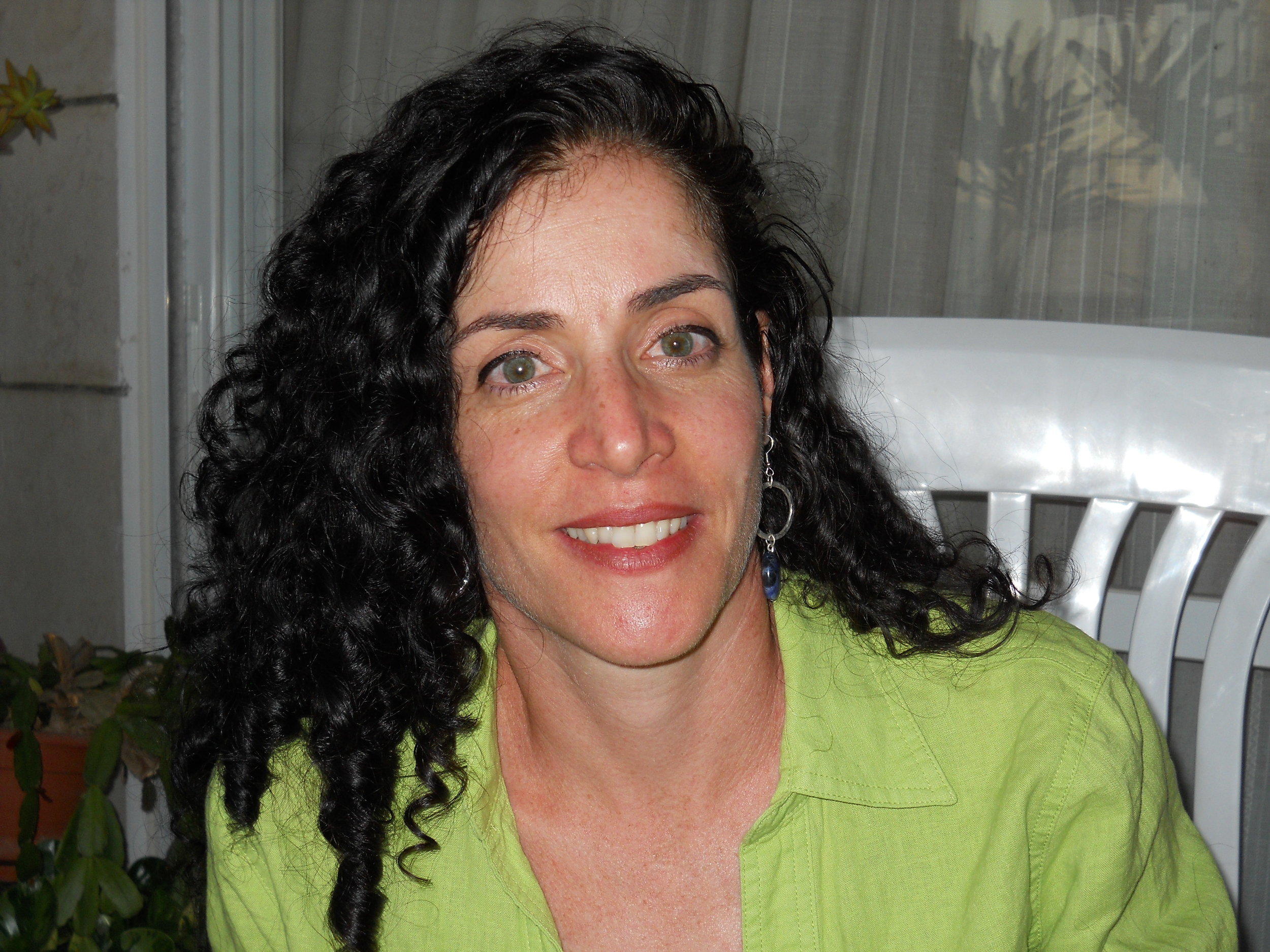
Maya Sabatello
Assistant Professor, Department of Psychiatry, Columbia University, College of Physicians and Surgeons
Maya Sabatello is an Assistant Professor of Clinical Bioethics, at the Department of Psychiatry, and a Lecturer, at the Institute for the Study of Human Rights, Columbia University. A lawyer with a PhD in political science, and post-doctoral training from Harvard Medical School and Columbia University Medical Center, she specializes in bioethics, medical ethics, disability studies, international law and comparative human rights. Her research focuses on law, society, and disability; a child-centered approach to assisted reproductive technologies; and the ethical, legal, and social implications of genetics, especially in pediatrics and judicial settings.
Maya Sabatello
Assistant Professor of Clinical Bioethics, Department of Psychiatry, Columbia University College of Physicians and Surgeons
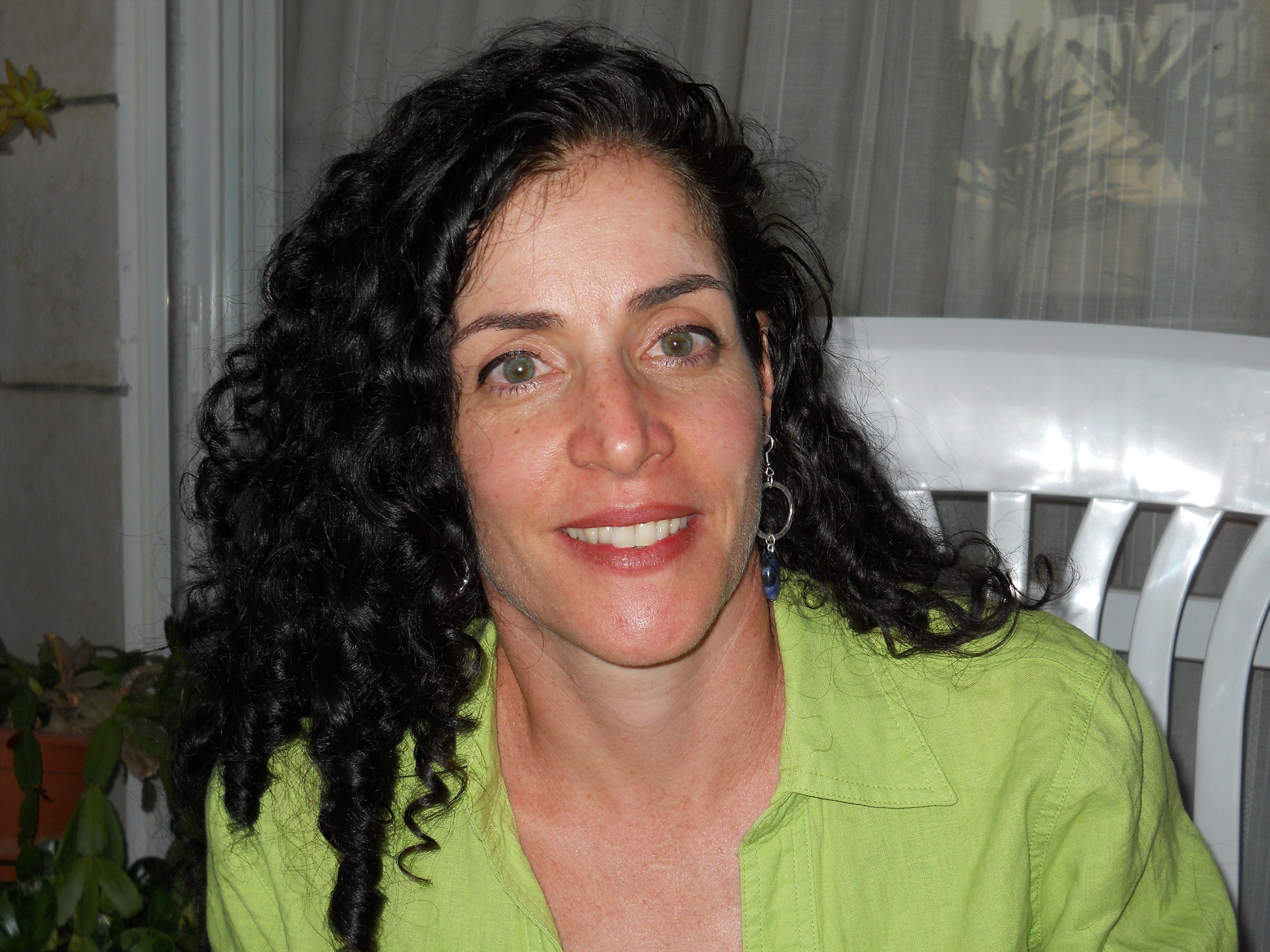
Maya Sabatello is an Assistant Professor of Clinical Bioethics, at the Department of Psychiatry, and a Lecturer, at the Institute for the Study of Human Rights, Columbia University. A lawyer with a PhD in political science, and post-doctoral training from Harvard Medical School and Columbia University Medical Center, she specializes in bioethics, medical ethics, disability studies, international law and comparative human rights. Her research focuses on law, society, and disability; a child-centered approach to assisted reproductive technologies; and the ethical, legal, and social implications of genetics, especially in pediatrics and judicial settings. She authored Children's Bioethics (Martinus Nijhoff/ Brill Publishing, 2009) and co-edited (with Marianne Schulze) Human Rights and Disability Advocacy (Penn University Press, 2014). Previously, Sabatello litigated cases of medical malpractice and has worked as a legal adviser to national and international nongovernmental organizations to promote health-related and disability rights.
Working Group Affiliation
Precision Medicine: Ethics, Politics and Culture, Project Director

J.C. Salyer
Assistant Professor of Practice in Human Rights and Anthropology, Barnard College
J.C. Salyer is an anthropologist and a lawyer whose work focuses on law and society, immigration law, and social justice. He is also the staff attorney for the Arab-American Family Support Center, a community-based organization in Brooklyn, and runs the organization’s immigration clinic. His current research focuses on migration, disruption, and displacement related to climate change in the southwestern Pacific.
J.C. Salyer
Associate Professor of Practice in Human Rights and Anthropology, Barnard College

J.C. Salyer is an anthropologist and a lawyer whose work focuses on law and society, immigration law, and social justice. He is also the staff attorney for the Arab-American Family Support Center, a community-based organization in Brooklyn, and runs the organization’s immigration clinic. His current research focuses on migration, disruption, and displacement related to climate change in the southwestern Pacific.
Working Group Affiliation
Migrant Personhood and Rights: Crises of Recognition, Project Director
Pacific Climate Circuits: Moving Beyond Science, Technology, Engineering, and Economics, Project Director

Catherine Sameh
Professor, Department of Women’s and Gender Studies, Columbia University
Catherine Sameh is managing editor of The Scholar & Feminist Online. She is also in charge of transnational collaborations with peer centers globally. Catherine’s work at the Center draws on her expertise on transnational feminism developed in her dissertation, “Signatures, Networks, Rights: Iranian Feminism in the Transnational Sphere.” Her dissertation explores the role of transnational networks, cyberspace, and print technologies in coalescing new political cultures, and considers how Iranian feminists reframe the putative opposition between religious (Islam) and secular (rights) discourses.
Catherine Sameh
Associate Director, Barnard Center for Research on Women
Catherine Sameh is managing editor of The Scholar & Feminist Online. She is also in charge of transnational collaborations with peer centers globally. Catherine’s work at the Center draws on her expertise on transnational feminism developed in her dissertation, “Signatures, Networks, Rights: Iranian Feminism in the Transnational Sphere.” Her dissertation explores the role of transnational networks, cyberspace, and print technologies in coalescing new political cultures, and considers how Iranian feminists reframe the putative opposition between religious (Islam) and secular (rights) discourses.


Maggie Schmitt
Doctoral Student, Gender, Adolescent Transitions and Environment(GATE), Columbia University
Maggie Schmitt, MPH, is a Project Director for the Gender, Adolescent Transitions and Environment (GATE) Program, housed in the Department of Sociomedical Sciences at Columbia University’s Mailman School of Public Health. Ms. Schmitt has been at CU MSPH for over 8 years, working on a range of health systems, reproductive health and humanitarian response research initiatives.
Maggie Schmitt
Project Director, Gender, Adolescent Transitions and Environment (GATE)

Maggie Schmitt, MPH, is a Project Director for the Gender, Adolescent Transitions and Environment (GATE) Program, housed in the Department of Sociomedical Sciences at Columbia University’s Mailman School of Public Health. Ms. Schmitt has been at CU MSPH for over 8 years, working on a range of health systems, reproductive health and humanitarian response research initiatives. Most recently, her work has focused on the inclusion of menstrual hygiene within humanitarian emergencies, in collaboration with the International Rescue Committee. This includes supporting the development of both improved evidence and practical guidance for the integration of menstrual hygiene into ongoing emergency response operations.
Working Group Affiliation
David Scott
Professor, Department of Anthropology, Columbia University
David Scott is a Fellow in the Institute for Research in African American Studies, Columbia University, New York. He is the author of a number of scholarly articles and three books, Formations of Ritual: Colonial and Anthropological Discourses on the Sinhala Yaktovil (University of Minnesota Press, 1994); Refashioning Futures: Criticism after Postcoloniality (Princeton University Press, 1999); and Conscripts of Modernity: The Tragedy of Colonial Enlightenment (Duke University Press, 2004), and co-editor with Charles Hirschkind of Powers of the Secular Modern: Talal Asad and his Interlocutors (Stanford University Press, 2006). He is also the editor of the journal Small Axe.
Professor of Anthropology, Columbia University
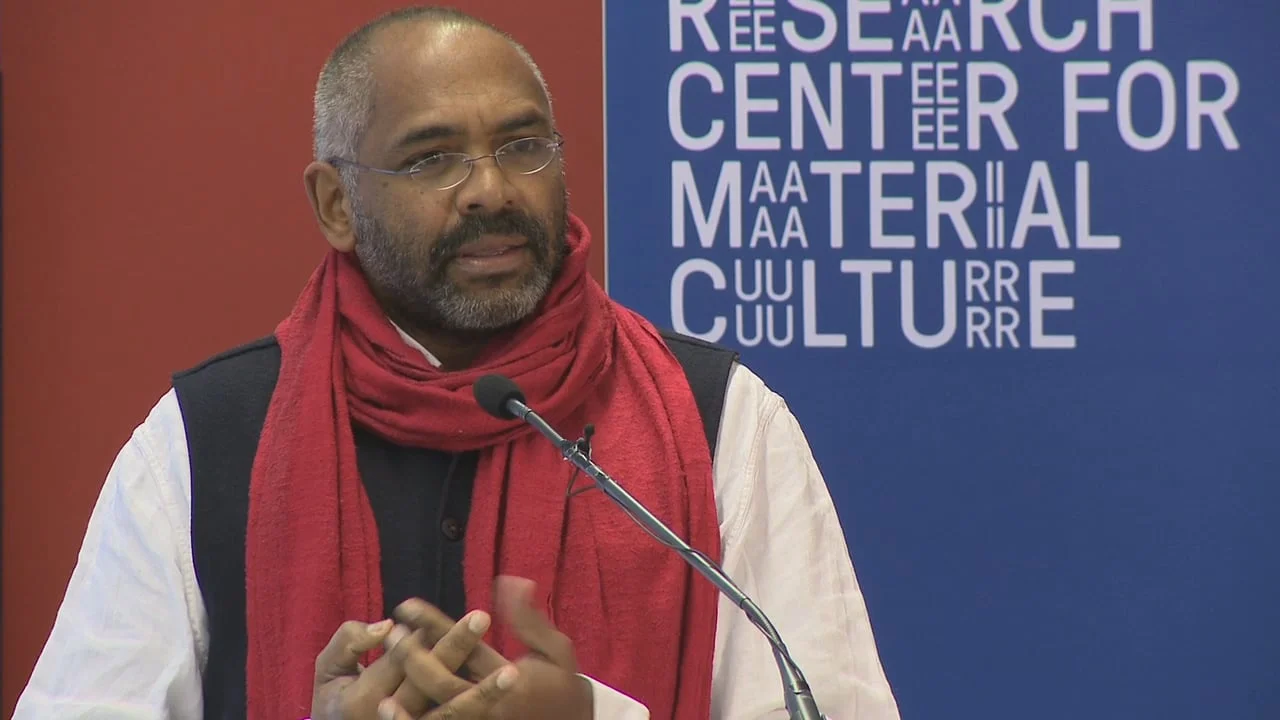
David Scott is a Fellow in the Institute for Research in African American Studies, Columbia University, New York. He is the author of a number of scholarly articles and three books, Formations of Ritual: Colonial and Anthropological Discourses on the Sinhala Yaktovil (University of Minnesota Press, 1994); Refashioning Futures: Criticism after Postcoloniality (Princeton University Press, 1999); and Conscripts of Modernity: The Tragedy of Colonial Enlightenment (Duke University Press, 2004), and co-editor with Charles Hirschkind of Powers of the Secular Modern: Talal Asad and his Interlocutors (Stanford University Press, 2006). He is also the editor of the journal Small Axe.
Working Group Affiliation
The Digital Black Atlantic, Project Director

Rae Silver
Professor, Department of Neuroscience and Psychology , Barnard College
Rae Silver is the Helene L. and Mark N. Kaplan Professor of Natural & Physical Sciences and the head of the Silver Neurobiology Laboratory. Since 1976, Professor Silver has been a member of Barnard’s faculty and has taught courses in Quantitative Reasoning, Neuroscience and Psychology. The National Science Foundation, the National Institutes of Mental Health, and National Institute of Neurological Disorders and Stroke, Air Force Office of Scientific Research, and the Office of Naval Research, are among the organizations that have supported her research.
Natural & Physical Sciences and head of the Silver Neurobiology Laboratory, Barnard College

Rae Silver is the Helene L. and Mark N. Kaplan Professor of Natural & Physical Sciences and the head of the Silver Neurobiology Laboratory. Since 1976, Professor Silver has been a member of Barnard’s faculty and has taught courses in Quantitative Reasoning, Neuroscience and Psychology. The National Science Foundation, the National Institutes of Mental Health, and National Institute of Neurological Disorders and Stroke, Air Force Office of Scientific Research, and the Office of Naval Research, are among the organizations that have supported her research.
Over the course of her career, Professor Silver has held many positions on committees in services to the educational community, the scientific and research community, and the Barnard and Columbia communities. Currently, she is a US Representative and serves as Vice-chair on the Council of Scientists for the Human Frontiers Science Program and a member of the National Academy of Sciences Institute of Medicine Forum on Neuroscience. Her work as Senior Advisor at the National Science Foundation helped to create a series of workshops to examine opportunities for the next decade in making advances in Neuroscience through the joint efforts of biologists, chemists, educators, mathematicians, physicists, psychologists and statisticians. She served as co-chair of the NASA committee that prioritized biological research for the International Space Station. She is a fellow to the American Academy of Arts and Sciences.
Her two research areas focus on sleep-wake cycles and their neural bases, and on immune – nervous system interactions in the brain.
Working Group Affiliation

Audra Simpson
Associate Professor, Department of Anthropology, Columbia University
Audra Simpson is Associate Professor of Anthropology at Columbia University. She is the author of Mohawk Interruptus: Political Life Across the Borders of Settler States (Duke University Press, 2014), winner of the Native American and Indigenous Studies Association’s Best First Book in Native American and Indigenous Studies Prize, the Laura Romero Prize from the American Studies Association as well as the Sharon Stephens Prize from the American Ethnological Society (2015). She is co-editor of Theorizing Native Studies (Duke University Press, 2014). She has articles in Cultural Anthropology, American Quarterly, Junctures, Law and Contemporary Problems and Wicazo Sa Review. In 2010 she won Columbia University’s School for General Studies “Excellence in Teaching Award.” She is a Kahnawake Mohawk.
Associate Professor, Anthropology, Columbia University

Audra Simpson is Associate Professor of Anthropology at Columbia University. She is the author of Mohawk Interruptus: Political Life Across the Borders of Settler States (Duke University Press, 2014), winner of the Native American and Indigenous Studies Association’s Best First Book in Native American and Indigenous Studies Prize, the Laura Romero Prize from the American Studies Association as well as the Sharon Stephens Prize from the American Ethnological Society (2015). She is co-editor of Theorizing Native Studies (Duke University Press, 2014). She has articles in Cultural Anthropology, American Quarterly, Junctures, Law and Contemporary Problems and Wicazo Sa Review. In 2010 she won Columbia University’s School for General Studies “Excellence in Teaching Award.” She is a Kahnawake Mohawk.
Working Group Affiliations
Pacific Climate Circuits: Moving Beyond Science, Technology, Engineering, and Economics

Joseph Slaughter
Associate Professor, Department of English and Comparative Literature, Columbia University
Joseph Slaughter teaches and publishes in the fields of postcolonial literature and theory, African, Caribbean, and Latin American literatures, postcolonialism, narrative theory, human rights, and 20th-century ethnic and third world literatures. His many publications include articles in Human Rights Quarterly, Research in African Literatures, The Journal of Human Rights, Politics and Culture, and Tulsa Studies in Women's Literature. His essay, “Enabling Fictions and Novel Subjects: The Bildungsroman and International Human Rights Law," appeared in a special issue on human rights of PMLA (October 2006) and was honored as one of the two best articles published in the journal in 2006-7.
Associate Professor, English and Comparative Literature, Columbia University
Joseph Slaughter teaches and publishes in the fields of postcolonial literature and theory, African, Caribbean, and Latin American literatures, postcolonialism, narrative theory, human rights, and 20th-century ethnic and third world literatures. His many publications include articles in Human Rights Quarterly, Research in African Literatures, The Journal of Human Rights, Politics and Culture, and Tulsa Studies in Women's Literature. His essay, “Enabling Fictions and Novel Subjects: The Bildungsroman and International Human Rights Law," appeared in a special issue on human rights of PMLA (October 2006) and was honored as one of the two best articles published in the journal in 2006-7.
Selected book chapters appear in Humanitarianism and Suffering, African Writers and Their Readers, Emerging Perspectives on Chinua Achebe, Modernism and Copyright, and Women, Gender, and Human Rights. Slaughter is a founding co-editor of Humanity: An International Journal of Human Rights, Humanitarianism, and Development; he has co-edited a special issue on "Human Rights and Literary Form" of Comparative Literature Studies. His book, Human Rights, Inc.: The World Novel, Narrative Form, and International Law (Fordham UP, 2007), which explores the cooperative narrative logics of international human rights law and the Bildungsroman, was awarded the 2008 René Wellek prize for comparative literature and cultural theory.
He is currently working on two book manuscripts, “Pathetic Fallacies: Essays on Human Rights, Humanitarianism, and the Humanities” and "New Word Orders: Plagiarism, Postcolonialism, and the Globalization of the Novel," which considers the role of plagiarism (and other piratical textual practices) in the circulation and development of the novel form.

Darby Minow Smith

Darby Minow Smith (Adjunct Assistant Professor in Undergraduate Studies in Creative Writing) teaches nonfiction writing, writes for science magazines, and mentors young journalists on climate stories. Together with Lynnette Widder, she tested a 6-week seminar and workshop on Writing Cultural Landscapes. Prior to Columbia, she was the long-time senior editor of the environmental magazine Grist, where she managed a National Magazine Award-nominated project on civic engagement.
Working Group: Seeds of Diaspora
Alisa Solomon
Associate Professor, Department of Journalism, Columbia Journalism School
Alisa Solomon directs the Arts & Culture concentration in the M.A. program at the Journalism School. She came to Columbia in 2005 after nearly 20 years as a professor of English/Journalism at Baruch College-CUNY and as a professor in the Ph.D. programs in Theater and in English at the CUNY Graduate Center. In addition to contributing occasionally to The Nation, The Forward, The New York Times, and other publications, she was on staff at The Village Voice for 21 years, where she was a regular theater critic and cultural and political reporter, winning awards for stories on reproductive rights, electoral politics, women's sports, and immigration policy. Solomon's book, Re-Dressing the Canon: Essays on Theater and Gender, won the George Jean Nathan Award for Dramatic Criticism.
Associate Professor of Journalism, Columbia Journalism School
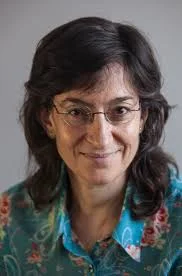
Alisa Solomon directs the Arts & Culture concentration in the M.A. program at the Journalism School. She came to Columbia in 2005 after nearly 20 years as a professor of English/Journalism at Baruch College-CUNY and as a professor in the Ph.D. programs in Theater and in English at the CUNY Graduate Center. In addition to contributing occasionally to The Nation, The Forward, The New York Times, and other publications, she was on staff at The Village Voice for 21 years, where she was a regular theater critic and cultural and political reporter, winning awards for stories on reproductive rights, electoral politics, women's sports, and immigration policy. For radio, she has contributed theater commentaries to WNYC and has served for more than a decade as a contributor to the weekly program "Beyond the Pale: Radical Jewish Culture and Politics" (WBAI). Solomon's book, Re-Dressing the Canon: Essays on Theater and Gender, won the George Jean Nathan Award for Dramatic Criticism. She is the editor of three anthologies: Wrestling with Zion: Progressive Jewish-American Responses to the Israeli-Palestinian Conflict (with Tony Kushner); "Theater and Social Change" (Theater, 31:3); and The Queerest Art: Essays on Lesbian and Gay Theater (with Framji Minwalla). Most recently, she edited and wrote the Introduction to The Reverend Billy Project: From Rehearsal Hall to Super Mall with the Church of Life After Shopping, by Bill Talen and Savitri D. Solomon holds a doctorate in Dramaturgy and Dramatic Criticism from Yale. Her book, Wonder of Wonders: A Cultural History of Fiddler on the Roof, was published by Metropolitan Books/Holt in 2013.
Working Group Affiliations
Marisa Solomon
Assistant Professor, Department of Women’s, Gender and Sexuality Studies, Barnard College
Marisa Solomon is an Assistant Professor of Women’s, Gender and Sexuality Studies at Barnard College, where she is affiliated with The Earth Institute. Her work draws upon Black feminist Marxism, queer of color critique, feminist intersectional science studies, and standpoint epistemologies to explore how scales of racial and ecological injury are linked from the body, to the neighborhood, to the region, to the Black Atlantic.
Marisa Solomon
Assistant Professor of Women’s, Gender and Sexuality Studies, Barnard College
Marisa Solomon is an Assistant Professor of Women’s, Gender and Sexuality Studies at Barnard College, where she is affiliated with The Earth Institute. Her work draws upon Black feminist Marxism, queer of color critique, feminist intersectional science studies, and standpoint epistemologies to explore how scales of racial and ecological injury are linked from the body, to the neighborhood, to the region, to the Black Atlantic. Broadly, Solomon’s work tracks how embodiment in an anti-Black world contours how, when, and for whom constitutions of matter matter. Her book project, tentatively titled, Mapping Trash Talk: Black Environments and Feminist Cartographies of Black Thought ethnographically situates what it means to “know” waste in the daily refusals of those overburdened by its emplacement and signification. Exploring the Black grammars, aesthetics, and gendered politics that challenge easy definitions of waste and degradation, Mapping Trash Talk locates Black ecopolitical praxis in the fugitivity of disposability. She has published on the materiality of waste and anti-Black histories of urban planning and gentrification in the Journal of International Labor and Working-Class History.
Working Group Affiliation
Black Atlantic Ecologies, Project Director

Marni Sommer
Associate Professor, Department of Sociomedical Sciences, Mailman School of Public Health, Columbia University
Marni Sommer, DrPH, MSN, RN, has worked in global health and development on issues ranging from improving access to essential medicines to humanitarian relief in conflict settings. Dr. Sommer's particular areas of expertise include conducting participatory research with adolescents, understanding and promoting healthy transitions to adulthood, the intersection of public health and education, gender and sexual health, and the implementation and evaluation of adolescent-focused interventions.
Marni Sommer
Associate Professor of Sociomedical Sciences, Mailman School of Public Health, Columbia University

Marni Sommer, DrPH, MSN, RN, has worked in global health and development on issues ranging from improving access to essential medicines to humanitarian relief in conflict settings. Dr. Sommer's particular areas of expertise include conducting participatory research with adolescents, understanding and promoting healthy transitions to adulthood, the intersection of public health and education, gender and sexual health, and the implementation and evaluation of adolescent-focused interventions. Her doctoral research explored girls' experiences of menstruation, puberty and schooling in Tanzania, and the ways in which the onset of puberty might be disrupting girls' academic performance and healthy transition to adulthood. Dr. Sommer's current research focuses on the intersections of gender, health and education for girls and boys transitioning into adulthood in Sub-Saharan Africa and Southeast Asia.
Working Group Affiliation

Maura Spiegel
Associate Professor, Department of English, Columbia University and Barnard College
Maura Spiegel has a joint appointment at Columbia University and Barnard College, where she teaches literature, film and American Studies, and she is Associate director of the Program for Narrative Medicine at Columbia College of Physicians and Surgeons, she teaches film to second-year medical students, as well as graduate students in the Master of Science Program in Narrative Medicine at Columbia. She recently ran a writing workshop for the staff of the NYU/Bellevue Program for Survivor’s of Torture. She is the co-author of The Grim Reader: Writings on Death, Dying and Living on (Anchor/Doubleday).
Maura Spiegel
Associate Professor of English, Columbia University and Barnard College
Maura Spiegel has a joint appointment at Columbia University and Barnard College, where she teaches literature, film and American Studies, and she is Associate director of the Program for Narrative Medicine at Columbia College of Physicians and Surgeons, she teaches film to second-year medical students, as well as graduate students in the Master of Science Program in Narrative Medicine at Columbia. She recently ran a writing workshop for the staff of the NYU/Bellevue Program for Survivor’s of Torture. She is the co-author of The Grim Reader: Writings on Death, Dying and Living on (Anchor/Doubleday); she has recently edited new editions of Upton Sinclair’s The Jungle and Edgar Rice Burroughs’ Tarzan of the Apes for the Barnes & Noble Classics Series. She co-edited the journal Literature and Medicine for seven years, has written for The New York Times, and has published essays on many topics. She is currently writing a book about the films of Sidney Lumet.


Gayatri Chakravorty Spivak
Professor, Department of Comparative Literature, Columbia University
Gayatri Chakravorty Spivak is University Professor and Founder of the Institute for Comparative Literature and Society at Columbia University. She was educated at the University of Calcutta, and came to Cornell University in 1961 to finish doctoral work.
Gayatri Chakravorty Spivak
University Professor, Columbia Unversity
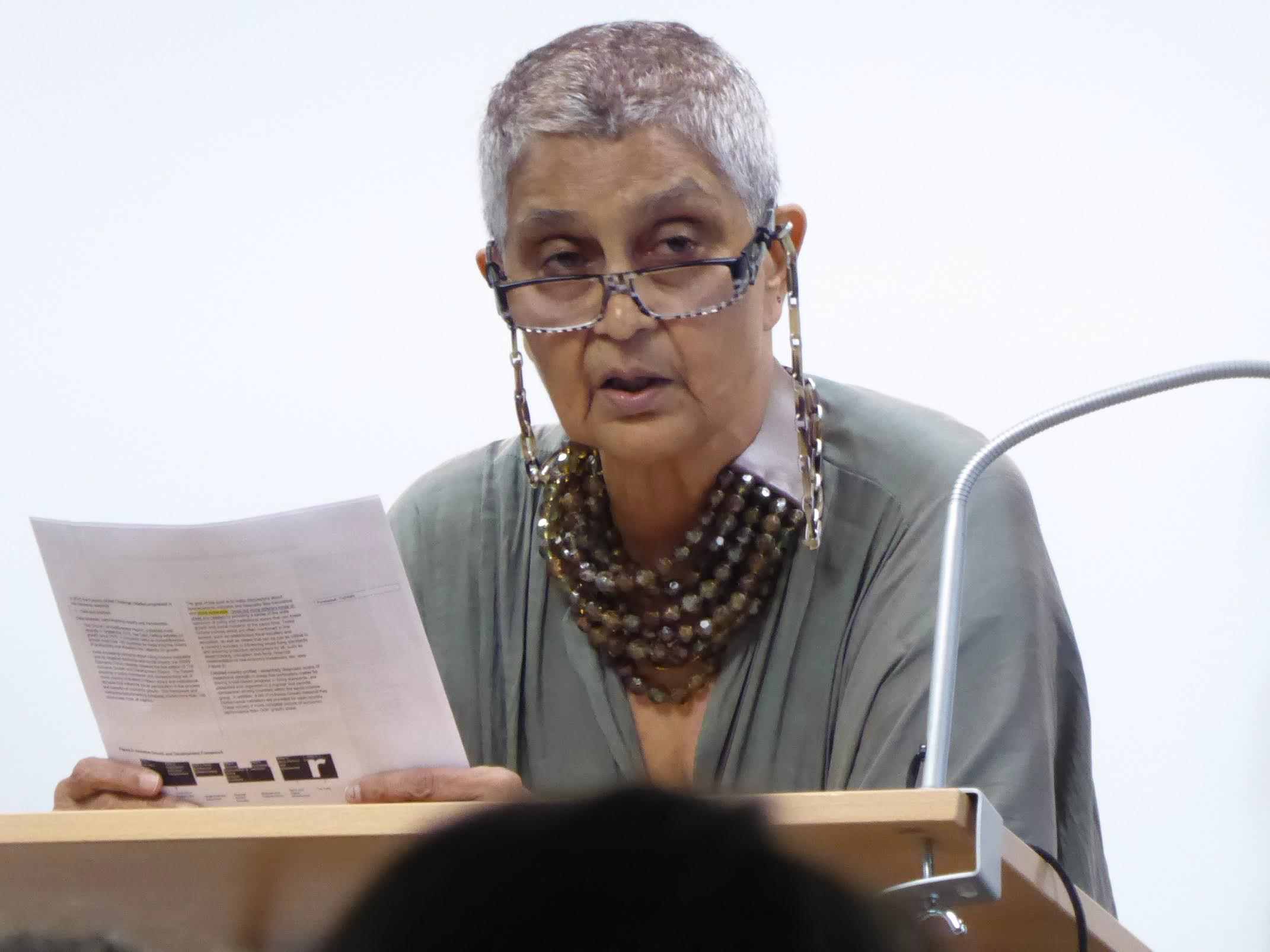
Gayatri Chakravorty Spivak is University Professor and Founder of the Institute for Comparative Literature and Society at Columbia University. She was educated at the University of Calcutta, and came to Cornell University in 1961 to finish doctoral work. Her books are Myself Must I Remake (1974), In Other Worlds (1987), The Post-Colonial Critic (1988), Outside in the Teaching Machine (1993), A Critique of Postcolonial Reason (1999), Death of a Discipline (2003), Other Asias (2008), An Aesthetic Education in the Era of Globalization (2012), and Readings (2014). She has translated Jacques Derrida's Of Grammatology (1976) and Mahasweta Devi's Imaginary Maps (1994), Breast Stories (1997), Old Women (1999), and Chotti Munda and his Arrow (2002). She has received honorary doctorates from the Universities of Toronto, London, Rovira I Virgili, Rabindra Bharati, San Martín, St. Andrews, Vincennes à Saint-Denis, Yale, Ghana-Legon, Presidency University, and Oberlin College. She won the Kyoto Prize (2012), and the Padma Bhushan (2013). She is active in the International Women's Movement, the struggle for ecological justice, and rural education. Her influence has been felt in art and architecture, law and political science, in curatorial practices. She works for humanities education as the best lasting weapon to combat contemporary disaster.
Working Group Affiliation
The Rural-Urban Interface: Gender and Poverty in Ghana and Kenya, Statistics and Stories, Project Director