
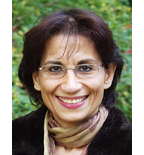
Ziba Mir-Hosseini
Fellow, Anthropology, SOAS, University of London (the School of Oriental and African Studies)
Ziba Mir-Hosseini is a legal anthropologist, specializing in Islamic law, gender and development. She has a BA in Sociology from Tehran University (1974) and a PhD in Social Anthropology from University of Cambridge (1980).
Ziba Mir-Hosseini
SOAS, University of London (the School of Oriental and African Studies)
Ziba Mir-Hosseini is a legal anthropologist, specializing in Islamic law, gender and development. She has a BA in Sociology from Tehran University (1974) and a PhD in Social Anthropology from University of Cambridge (1980). A Professorial Research Associate at the Centre for Middle Eastern and Islamic Law, University of London, she has held numerous research fellowships and visiting professorships, including Fellow of the Wissenschaftskolleg zu Berlin (2004-5), and Hauser Global Law Visiting Professor at New York University (2002-8). She is a founding member of the Musawah Global Movement for Equality and Justice in the Muslim Family.
Her publications include Marriage on Trial: A Study of Islamic Family Law in Iran and Morocco (I. B. Tauris, 1993, 2002), Islam and Gender: The Religious Debate in Contemporary Iran (Princeton University Press, 1999), Islam and Democracy in Iran: Eshkevari and the Quest for Reform (with Richard Tapper; I. B. Tauris, 2006), Control and Sexuality: the Revival of Zina Laws in Muslim Contexts (with Vanja Hamzic; Women Living Under Muslim Laws, 2010), and Gender and Equality in Muslim Family Law: Justice and Ethics in the Islamic Legal Tradition, edited with Lena Larsen, Christian Moe and Kari Vogt (London: I. B. Tauris forthcoming April 2013). She has also directed (with Kim Longinotto) two award-winning feature-length documentary films on contemporary issues in Iran: Divorce Iranian Style (1998) and Runaway (2001).
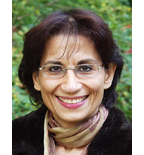

Giorgia Mirto
Giorgia Mirto is a researcher and anti-racist militant from Sicily, Italy.
Giorgia Mirto
Giorgia Mirto is a researcher and anti-racist militant from Sicily, Italy. She has spent the past 11 years researching Italian procedures related to the management of the bodies of migrants who died in the Mediterranean. She pursued this political and intellectual endeavor contributing to the creation of the official-based Border Death Database at VU University in Amsterdam. With the Mediterranean Missing Project at the University of York, Giorgia investigated both the impact on families of having a relative missing, and the law, policy and practice around the identification of bodies of dead migrants in Italy. Accompanying the ICRC as a consultant, Giorgia participated in a pilot study to identify the victims of the largest shipwreck known, April 18, 2015. Giorgia then supported family members of the missing and their collectives in the process of seeking truth by accompanying them in the search and standing by their side in the struggles. This led her to question what it means to memorialize the death of migrants. In 2018, she won a research grant at the University of Bologna to study Italians' beliefs, attitudes and behaviors regarding death and dying. To analyze how Italian funerary practices are translated toward the subsumption of those who die in the Mediterranean and the political role of the dead migrants’ bodies., Giorgia is currently a Ph.D. student at the Department of Anthropology at Columbia University in New York.

Nicholas Mirzoeff
Fellow, Art and Art Education, New York University
Nicholas Mirzoeff is a visual culture theorist and professor in the Department of Media, Culture and Communication at New York University. He is best known for his work developing the field of visual culture and for his many books and his widely used textbook on the subject.
Nicholas Mirzoeff
Professor of Art and Art Education, NYU
My research is in the general field of visual culture. In the past few years, I have concentrated in four areas
a decolonial genealogy of "visuality," a key term of art for the field, which owes its existence to the practice of Naopleonic-era generals in visualizing a battlefield that they could not see. Visuality imagined the social as war and was opposed to all emancipations and liberations. Visual culture is, therefore, against visuality. My book The Right to Look: A Counterhistory of Visuality is forthcoming with Duke University Press in 2011.
I work on texts for general academic use in the field, such as An Introduction to Visual Culture (2nd ed. 2009) and The Visual Culture Reader (3rd ed. forthcoming 2012).
I work extensively with contemporary artists, most recently with Carl Pope and Jeremy Deller.
I am a contributing editor for the online project Media Commons and a co PI with the Melllon-funded Alliance for Networking Visual Culture, which is developing "Scalar," a multi-media born-digital authoring software,
I am currently working on a project on the visual culture of climate change in conjunction with the not-for-profit Islands First
Selected Presentations
Enfin, on se regarde: for the right to look
Keynote for Visual Studies Colloque, Paris, Jan. 6, 2011.
Links
Degrees Held
BA Honours Oxford University 1980
Modern HistoryPhD University of Warwick 1990
Art History and History
Awards
2011 : Shpilman Grant in Photography and Philosophy
2010 : NEH Summer Fellow "Broadening the Digital Humanities" University of California Humanities Research Institute/University of Southern California IML
2009 : Co P.I. for Mellon grant "Networking Visual Culture"
2006 : Steinhardt Challenge Grant
2005 : Visiting Canterbury Fellow, University of Canterbury, New Zealand
2002 : Visiting Fellow, Sterling and Francine Clark Art Institute, Williamstown MA
2002 : Leverhulme Visiting Professor, University of Nottingham, UK
2001 : Visiting Fellow, Humanities Research Center, Australian National University, Canberra, Australia
2001 : William Andrews Clark Memorial Library, UCLA, Visting Fellow
1996 : Postdoctoral Fellow, Humanities Institute, Stony Brook University
1994 : Huntington Library, Pasadena, CA, Visiting Fellow
1993 : Yale Center for British Art, Visiting Fellow
1992 : J. Paul Getty Center, Postdoctoral Fellow in the History of Art and the Humanities
1991 : NEH Postdoctoral Fellow, UCLA Center for 17th and 18th Century Studies
Selected Publications
The Right to Look: A Counter-History of Visuality (forthcoming, Duke University Press)
An Introduction to Visual Culture (London and New York: Routledge, 1999) translations into Italian, Spanish, Korean and Chinese Second fully revised edition, 2009
Seinfeld: A Critical Study of the Series (British Film Institute, 2007)
Watching Babylon: the War in Iraq and Global Visual Culture (Routledge, 2005) translated into Italian as Guardare la Guerra (Rome: Meltemi, 2005)
(as editor) Diaspora and Visual Culture: Representing Africans and Jews (London and New York: Routledge, 2001)
(as editor) The Visual Culture Reader (London and New York: Routledge, 1998) Second fully revised edition, 2002.
Bodyscape: Art, Modernity and the Ideal Figure (London and New York: 1995) translated into Korean
Silent Poetry: deafness, sign and visual culture in modern France (Princeton and London: Princeton University Press, 1995)
Courses
MCC-UE 1410 - Global Visual Cultures
MCC-UE 1352 - Empire, Revolution and Media
MCC-GE 2405 - Communism and the Cold War: Legacies for Visual and Cultural Studies
MCC-GE 2420 - Visual Culture Methods
MCC-GE 2404 - Modernity and Climate Change
Editorial Boards
2007-- Journal of Photography and Culture Editorial Board Member
2001-Present: The Journal of Visual Culture, Editorial Board Member
2002-Present: Situation Analysis, Editorial Board Member
2004-2007: British Film Institute Television Classics Editorial Board Member
Research Interests
Visual Culture
Cultural Studies
Climate Chnage
Contemporary Art and New Media
Disability Studies

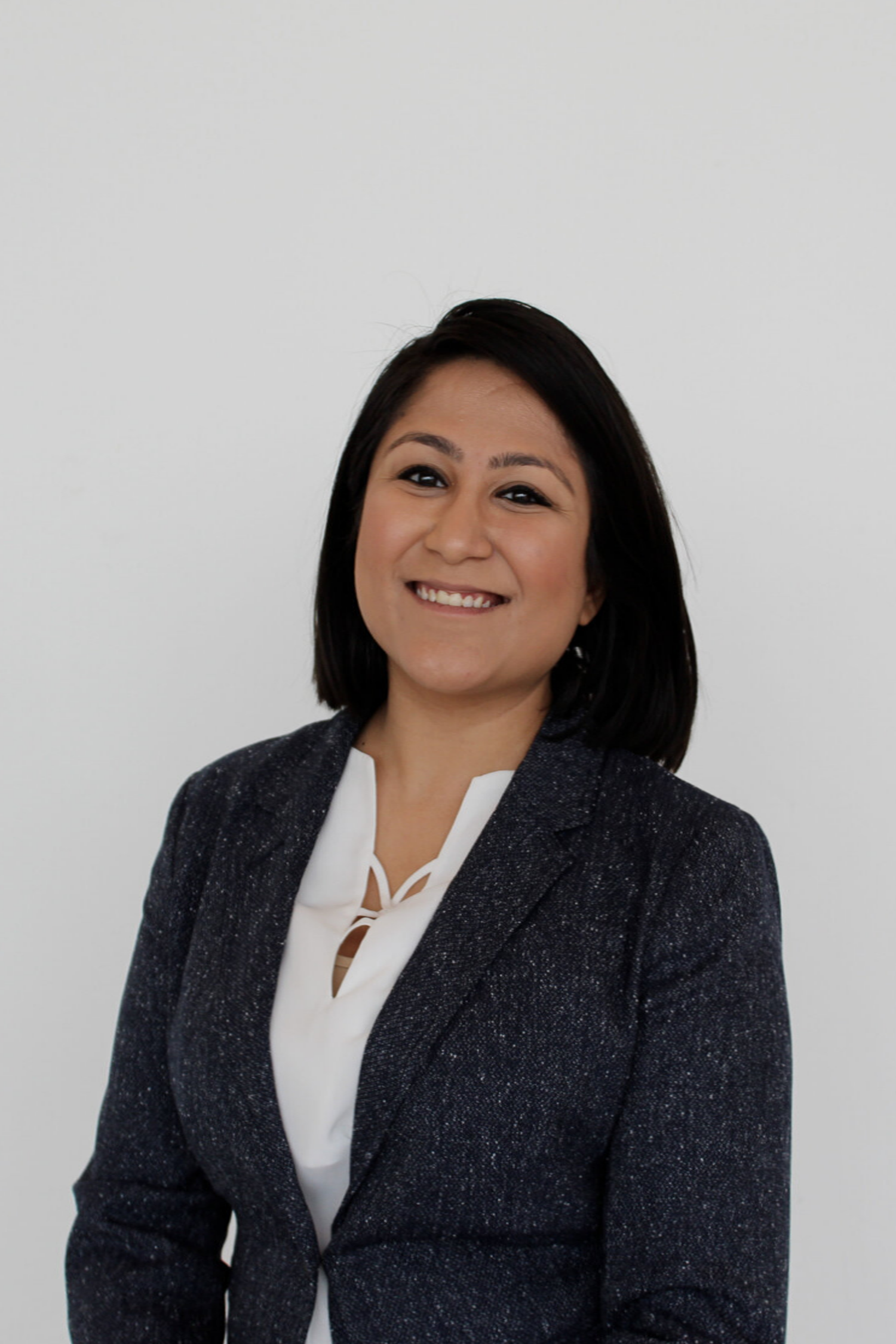
Shazia Mitha
PhD Student, Columbia University School of Nursing
Shazia Mitha, MSN, AG-ACNP-BC, RN is a Robert Wood Johnson Future of Nursing Scholar, who is currently a second year PhD student in Nursing. She is an exceptional student, leader, clinician and scholar interested in engaging in ethical, cultural and political conversations about precision medicine to improve the next generation of health care delivery in the world. She believes that as technology and science advance towards precision in health, clinicians must engage in these conversations to ensure the ethical, cultural, and social domains of precision medicine.
Shazia Mitha
PhD Student, Columbia University School of Nursing
Shazia Mitha, MSN, AG-ACNP-BC, RN is a Robert Wood Johnson Future of Nursing Scholar, who is currently a second year PhD student in Nursing. She aims to develop phenotypic risk identification and predictions models of high-risk breast cancer patients experiencing treatment-related cardiotoxicity, using natural language processing and other informatics approaches at Columbia University. She is an exceptional student, leader, clinician and scholar interested in engaging in ethical, cultural and political conversations about precision medicine to improve the next generation of health care delivery in the world. She believes that as technology and science advance towards precision in health, clinicians must engage in these conversations to ensure the ethical, cultural, and social domains of precision medicine.
Working Group Affiliation

Shayoni Mitra
Assistant Professor, Department of Theater, Barnard College
Shayoni Mitra is an Assistant Professor of Theater at Barnard College. Professor Mitra works at the intersection of performance and politics. Her interest in political theatre stems from her years as an actor with Delhi based street theatre group Jana Natya Manch. She is currently revising toward publication her manuscript, “Contesting Capital: A History of Political Theatre in Postcolonial Delhi,” which interrogates the ever shifting, adapting expressions of political theatre under different configurations of power. It is a historical look at both proscenium and street theatre from the decade of Independence in the 1940s to the twenty first century. The manuscript covers a range of styles including folk and revolutionary singing troupes, large open-air performances, topical agit-prop plays, intimate and improvized activist pieces and feminist performances.
Shayoni Mitra
Assistant Professor, Theater, Barnard College

Shayoni Mitra is an Assistant Professor of Theater at Barnard College. Professor Mitra works at the intersection of performance and politics. Her interest in political theatre stems from her years as an actor with Delhi based street theatre group Jana Natya Manch. She is currently revising toward publication her manuscript, “Contesting Capital: A History of Political Theatre in Postcolonial Delhi,” which interrogates the ever shifting, adapting expressions of political theatre under different configurations of power. It is a historical look at both proscenium and street theatre from the decade of Independence in the 1940s to the twenty first century. The manuscript covers a range of styles including folk and revolutionary singing troupes, large open-air performances, topical agit-prop plays, intimate and improvized activist pieces and feminist performances. This understanding of what it means to be political in changing times, is linked fundamentally with the life and profile of a city. New Delhi, the new capital of postcolonial India offers a unique nexus of local, regional and national power from which to understand and interrogate the ways in which cultural policy functions in creating identity for a new nation and its multiple peoples. Read this way, the history of political theatre in Delhi becomes metonymic for the oppressed and marginalized populations of this ever expanding global city.
Prof. Mitra has taught courses on Indian, Asian and non-Western performances as well as modern Theatre History and Performance Studies. Her teaching bridges the gap between the global North and South, putting into dialogue the histories of Western Realism with classical, folk, stylized, avant garde and improvized forms from around the world. She actively embraces the scholar-practitioner-activist role encouraging the connections between pedagogy and praxis. Before coming to Barnard, she taught at Brown and New York University in the United States and conducted lectures and theatre workshops in Jawaharlal Nehru University, Jamia Milia University and Delhi University in India. Among her current projects is her collaboration with a group of sex workers in Sangli, Maharashtra, India examining the ways in which they use theatre for their political mobilization.
Working Group Affiliation
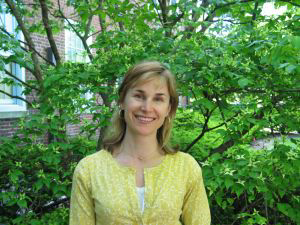
Jennifer Mittelstadt
Fellow, History, Rutgers University
I am a political historian of the United States writing about women and gender, race, and the state.
Jennifer Mittelstadt
Associate Professor

I am a political historian of the United States writing about women and gender, race, and the state. I specialize in the twentieth century, especially post-World War II, and my interests in politics are quite broad. They include social policy and social politics; liberalism; second-wave feminism; and most recently, the military and militarization. I have published articles and opinion pieces in the Journal of Policy History, International Labor and Working Class History, the Journal of Women’s History, Social Politics, the New York Times, and the Los Angeles Times, among others. I am currently writing a book on the United States Army, social welfare, and politics in the late twentieth century.
Working Group Affiliation
Naeem Mohaiemen
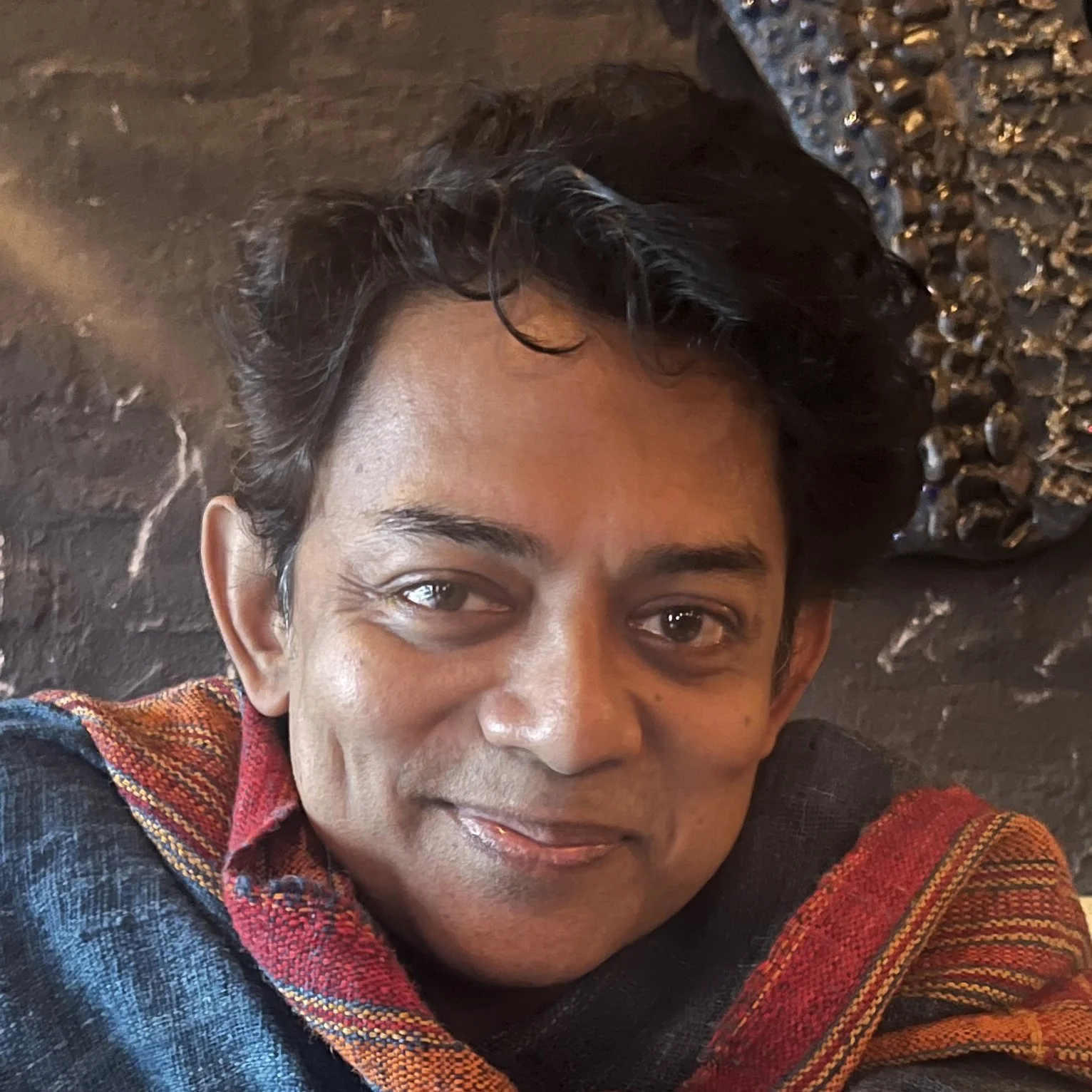
Credit: Rola Khayyat
Naeem Mohaiemen (Associate Professor of Visual Arts and Head of Photography Concentration at Columbia University) is a visual artist and academic who combines photography, films, and essays to research the many forms of utopia-dystopia (families, borders, architecture, and uprisings) in the Muslim World after 1945. Several conversations in contemporary art museums around the historic Non Aligned Movement pivoted around the premiere of his three-channel film, Two Meetings and a Funeral (2017), at documenta 14, which featured Vijay Prashad (The Darker Nations, 2007), Samia Zennadi (L’Afrique parle livres), and Zonayed Saki (Gana Samhati Party). He is author of Midnight’s Third Child (Dhaka: Nokta / University of Liberal Arts, 2023) and Prisoners of Shothik Itihash (Basel: Kunsthalle Basel, 2014); editor of Chittagong Hill Tracts in the Blind Spot of Bangladesh Nationalism (Dhaka: Drishtipat,2010); and co-editor with Eszter Szakacs of Solidarity Must be Defended (Budapest: Tranzit / University of Budapest, 2023) and with Lorenzo Fusi of System Error: War is a Force that Gives us Meaning (Sienna: Sylvana, 2007). Monographs on his art practice include What We Found After You Left (Toronto: Power Plant, 2021). Mohaiemen has a Ph.D. in Anthropology and was a Senior Research Fellow at Lunder Institute of American Art at Colby College prior to joining the Columbia faculty. He is a Guggenheim Fellow (film-video 2014) and was a finalist for Britain’s Turner Prize (2018).
Working Group: Seeds of Diaspora
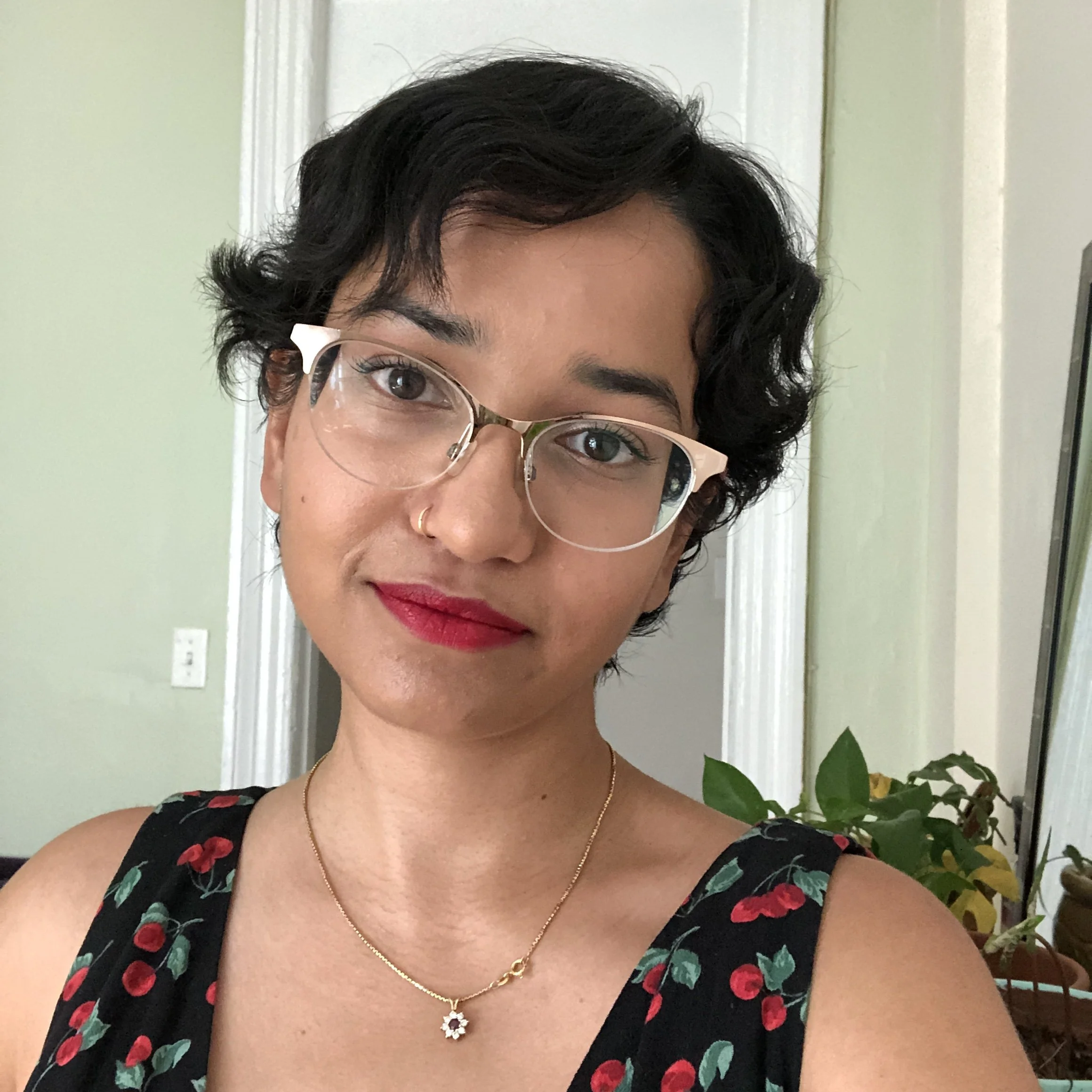
Nadrah Mohammed
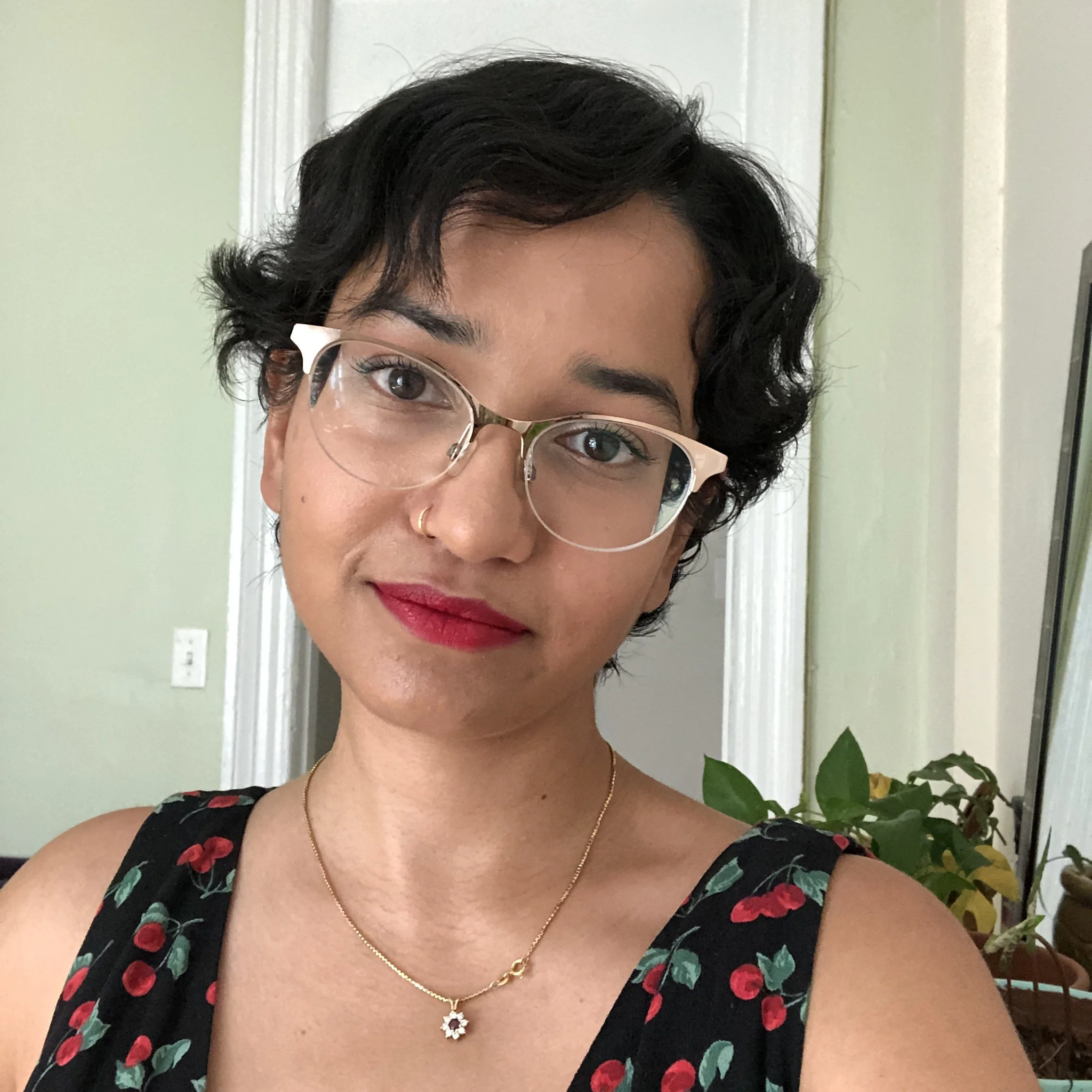
Nadrah Mohammed
As a feminist literary scholar, her research explores mid-20th century Francophone representations of friendship between women. Her dissertation considers how the dynamics of race, class and sexual orientation intersect with gendered expectations of virtue to shape narrative approaches to women’s friendship. She is the coordinator of the Insurgent Domesticities working group and the rapporteur to the Beyond France University Seminar. Her work on postcolonial gardens in women’s Francophone writing has appeared in L’esprit créateur.
Hlonipha Mokoena
Fellow, Anthropology, Wits Institute for Social and Economic Research, University of the Witwatersrand, Johannesburg
Hlonipha Mokoena's main area of interest is South African intellectual history. One of the defining characteristics of South Africa is that it is a society that ostensibly lacks a collective history or shared philosophical and political traditions. The main objective of Professor Mokoena's teaching is to introduce students to the contested histories of South African political ideas and traditions. Some of the themes and topics examined in her courses include: othering discourses and the emergence of a Cape discourse; slavery, free labour and the history of paternalism; frontier violence and resistance to conquest; and the emergence of African and Afrikaner nationalisms. Professor Mokoena's current research is on Magema M. Fuze, author of the Abantu Abamnyama Lapa Bavela Ngakona (1922) / The Black People and Whence They Came (1979).
Hlonipha Mokoena
Assistant Professor of Anthropology, Wits Institute for Social and Economic Research, University of the Witwatersrand, Johannesburg
Hlonipha Mokoena's main area of interest is South African intellectual history. One of the defining characteristics of South Africa is that it is a society that ostensibly lacks a collective history or shared philosophical and political traditions. The main objective of Professor Mokoena's teaching is to introduce students to the contested histories of South African political ideas and traditions. Some of the themes and topics examined in her courses include: othering discourses and the emergence of a Cape discourse; slavery, free labour and the history of paternalism; frontier violence and resistance to conquest; and the emergence of African and Afrikaner nationalisms.
Professor Mokoena's current research is on Magema M. Fuze, author of the Abantu Abamnyama Lapa Bavela Ngakona (1922) / The Black People and Whence They Came (1979). As an author and an aspirant historian, Magema Fuze represents a set of questions about the emergence and arrested development of a black intelligentsia and literati in nineteenth- and early twentieth-century South Africa. His life and writings reveal both his singular attempt to create, under adverse cultural, political and social conditions, a literary career and a body of knowledge while also participating in the constitution of a discourse community or a public sphere of Zulu-speaking intellectuals.
Andrés García Molina
PhD Candidate in Ethnomusicology, Columbia University
Andrés García Molina is a PhD candidate in Ethnomusicology at Columbia University, researching street-vendor songs in Cuba and their relationship to labor, precarity, and food justice. He obtained an MA in Latin American Studies from UC Berkeley, researching shamanic rituals in the Colombian Amazon. He is part of the editorial board of Current Musicology and a contributing editor for Cultural Anthropology. His research has been funded by the Social Science Research Council and the Mellon Foundation.
Andrés García Molina
PhD Candidate in Ethnomusicology, Columbia University
Andrés García Molina is a PhD candidate in Ethnomusicology at Columbia University, researching street-vendor songs in Cuba and their relationship to labor, precarity, and food justice. He obtained an MA in Latin American Studies from UC Berkeley, researching shamanic rituals in the Colombian Amazon. He is part of the editorial board of Current Musicology and a contributing editor for Cultural Anthropology. His research has been funded by the Social Science Research Council and the Mellon Foundation.
Working Group Affiliation
Environmental Justice, Belief Systems, and Aesthetic Experiences in Latin America and the Caribbean
Graciela Montaldo
Professor, Department of Latin America and Iberian Cultures, Columbia University
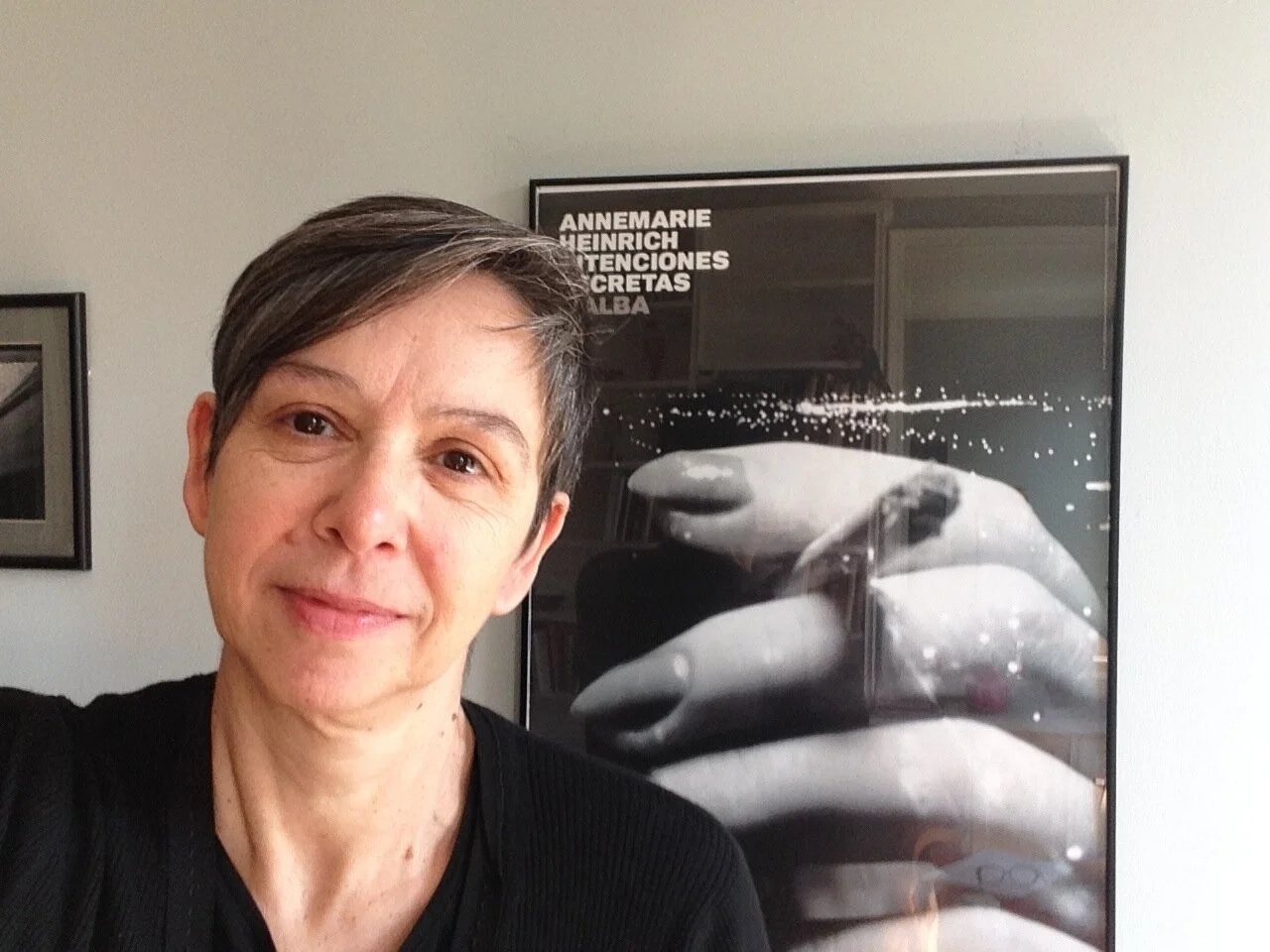
Professor at the Department of Latin America and Iberian Cultures, Columbia University. She specializes in modern Latin American Culture with a focus on contemporary cultural practices. She is co-editor of The Argentina Reader: History, Culture, and Politics (2002).
Graciela Montaldo
Professor at the Department of Latin American and Iberian Cultures, Columbia University. She specializes in modern Latin American Culture with a focus on contemporary cultural practices. She is co-editor of The Argentina Reader: History, Culture, and Politics (2002).
She has published Museo del Consumo (2016, Museum of Consumerism, 2020), Rubén Darío. Viajes de un cosmopolita extremo (2013), Zonas Ciegas. Populismos y experimentos culturales en Argentina (2010), A propriedade da Cultura (2004), Teoría crítica, Teoría cultural (2001), Ficciones culturales y fábulas de identidad en América Latina (1999), La sensibilidad amenazada (1995), De pronto el campo (1993). She is also co-editor of Esplendores y miserias del siglo XIX (1996) and Yrigoyen entre Borges y Arlt (1989, 2006). She regularly publishes articles on modern culture, contemporary literature, culture industry and institutions. Her current research explores the culture of “the clandestine/underground” as a political tool in modern Latin America.
Working Group Affiliation
Anjali Monteiro
Fellow, Media and Cultural Studies, Tata Institute of Social Sciences
Dr. Anjali Monteiro is Professor and Dean, School of Media and Cultural Studies, Tata Institute of Social Sciences, Mumbai. She has a Masters degree in Economics and a Ph.D. in Sociology. She is involved in documentary production, media teaching and research. Jointly with K.P. Jayasankar, she has made over 35 documentary films. Their work has been screened extensively at film festivals all over the world and they have won twenty-two national and international awards.
Anjali Monteiro
Professor and Dean, School of Media and Cultural Studies, Tata Institute of Social Sciences
Dr. Anjali Monteiro is Professor and Dean, School of Media and Cultural Studies, Tata Institute of Social Sciences, Mumbai. She has a Masters degree in Economics and a Ph.D. in Sociology. She is involved in documentary production, media teaching and research. Jointly with K.P. Jayasankar, she has made over 35 documentary films. Their work has been screened extensively at film festivals all over the world and they have won twenty-two national and international awards.
Awards: From the Diary of a Genetic Counsellor, Best Programme Award, Open/General category, Fifth UGC Country-wide Classroom Video Festival, 1992, Hyderabad
The Plot Thickens…, First Prize and the award for Individual Technical Excellence in Editing, Sixth UGC Country-wide Classroom Video Festival, 1993, Calcutta
Identity- The Construction of Selfhood, Prix Futura Berlin 1995, Asia Prize Prix Futura Berlin 1995- International Radio and Television Festival; Second Prize, Education and Literacy category, International Video Festival on Science, Society and Development , September, 1995, Thiruvanathapuram
Odhni- A Collective Exploration of Our Selves, Our Bodies, Second Prize, Health and Population category, International Video Festival on Science, Society and Development, September, 1995, Thiruvanathapuram.
Kahankar: Ahankar, Jury's Special Mention at the Mumbai International Film Festival (MIFF), 1996
YCP 1997, Certificate of Merit, Mumbai International Film Festival (MIFF) 1998 and the Jury’s Award for Best Innovation, Astra Festival of Anthropological Documentary Film, Sibiu, Romania, 1998
Saacha, Second Prize, New Delhi Video Forum, 2001
SheWrite, Best documentary Prize, IV Three Continents International Documentary Festival, Venezuela 2005 and Indian Documentary Producers Association Awards 2005: The First Technical Award for Sound Design
Our Family, Special Jury Award, Signs Film Festival, Thiruvananthapuram, 2007, Certificate of Merit, Mumbai International Film Festival 2008, Indian Documentary Producers Association (IDPA) Gold for Best Sound Design, Gold for Best Script, Silver for Editing and Certificate of Merit for the best documentary.
Do Din Ka Mela, Indian Documentary Producers Association (IDPA) Gold for Best Script, Silver for Editing and Certificate of Merit for the best documentary.
Fellowships: Dr. Monteiro was a Howard Thomas Memorial Fellow in Media Studies, attached to University of Western Sydney in 2000 and a Fulbright International Lecturer at the University of California, Berkeley, 2007.
Teaching: She teaches in the MA (Media and Cultural Studies Programme at TISS. She is visiting faculty at several media and design institutions in India.
Publications: Areas of research interest include Television: Texts and Audience Reception, Media Education, Critical Perspectives on Development Communication, Documentary Film, Censorship, Media and Cultural Studies

Erin V. Moore
Post Doctoral Research Scientist, Heilbrunn Department of Population & Family Health at Columbia’s Mailman School of Public Health
Erin V. Moore is a postdoctoral research scientist in the Heilbrunn Department of Population & Family Health at Columbia’s Mailman School of Public Health. A, sociocultural and medical anthropologist, Moore’s research focuses on the role of gender and sexuality in international development and global health at multiple scales – from global intervention campaigns to national policy and program implementation to the lives of girls and women.
Erin V. Moore
Post Doctoral Research Scientist, Heilbrunn Department of Population & Family Health at Columbia’s Mailman School of Public Health

Erin V. Moore is a postdoctoral research scientist in the Heilbrunn Department of Population & Family Health at Columbia’s Mailman School of Public Health. A, sociocultural and medical anthropologist, Moore’s research focuses on the role of gender and sexuality in international development and global health at multiple scales – from global intervention campaigns to national policy and program implementation to the lives of girls and women. Her multi-sited research has taken her from United Nations to NGO offices around the world to the slums of Kampala, Uganda’s capital city, where she has been working intensively with a cohort of young women and their families since 2012. At Mailman, Moore joins an interdisciplinary team of researchers investigating how social transitions to adulthood shape HIV/AIDS risk in Rakai, a rural district in Uganda. Moore’s research has been supported by the National Science Foundation, the Wenner-Gren Foundation for Anthropological Research, the Society for Psychological Anthropology, the Society for Research on Adolescence, the Buffett Institute for Global Studies at Northwestern, and the American Association for University Women, among others. She received her PhD from the University of Chicago in 2016.
Working Group Affiliation
Mignon Moore
Professor, Department of Sociology, Barnard College
Mignon Moore is Chair and Professor of Sociology at Barnard College, Columbia University. She is the author of Invisible Families: Gay Identities, Relationships and Motherhood among Black Women (2011), which examines the intersection of race with sexual orientation for family-building and lesbian identity among African-American women.
Mignon Moore
Professor, Sociology, Barnard College
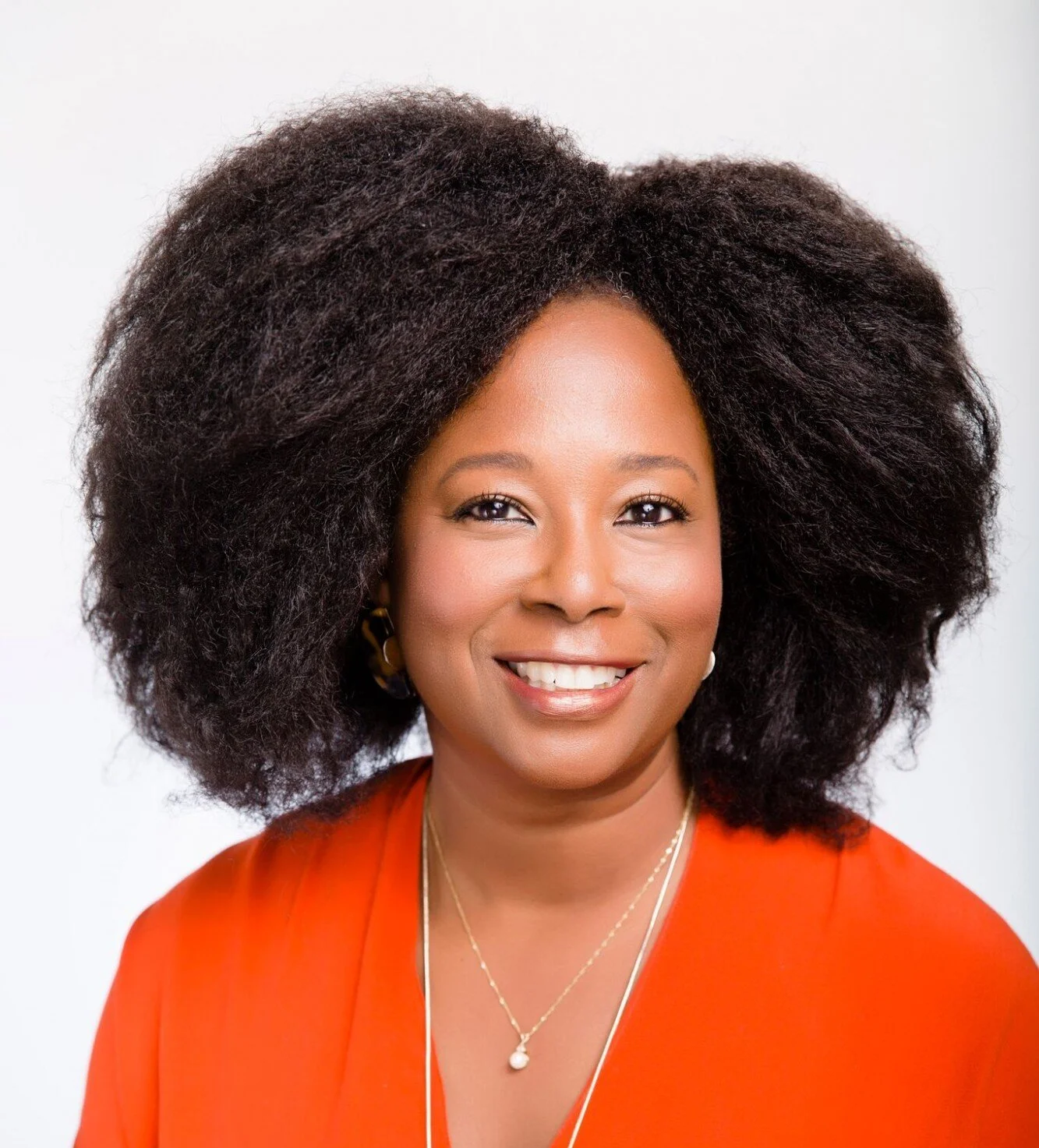
Mignon Moore is Chair and Professor of Sociology at Barnard College, Columbia University. She is the author of Invisible Families: Gay Identities, Relationships and Motherhood among Black Women (2011), which examines the intersection of race with sexual orientation for family-building and lesbian identity among African-American women. She has research and teaching interests in the sociology of family, race, gender, sexuality, qualitative methods, aging, and adolescence. She is conducting research for a book project on the social histories of LGBT seniors in New York and Los Angeles, the negotiation of religious and community life for lesbians and gay men of faith, and the promotion of healthy aging for racial and ethnic minority elders.
Working Group Affiliation

Annelies Moors
Fellow, Anthropology and Sociology, University of Amsterdam
Annelies Moors studied Arabic at the University of Damascus and Arabic and anthropology at the University of Amsterdam. She holds the chair for contemporary Muslim societies at the department of sociology and anthropology at the University of Amsterdam. She is co-director of the research programme group ‘Globalizing Culture and the Quest for Belonging: Ethnographies of the Everyday’, and director of the research programme Muslim Cultural Politics at the AiSSR (Amsterdam Institute for Social Science Research).
Annelies Moors
Professor of Anthropology and Sociology, University of Amsterdam
Annelies Moors studied Arabic at the University of Damascus and Arabic and anthropology at the University of Amsterdam. She holds the chair for contemporary Muslim societies at the department of sociology and anthropology at the University of Amsterdam. She is co-director of the research programme group ‘Globalizing Culture and the Quest for Belonging: Ethnographies of the Everyday’, and director of the research programme Muslim Cultural Politics at the AiSSR (Amsterdam Institute for Social Science Research). She also is Honorable Visiting Professor at the London School of Fashion (London University of the Arts) and a core group member of the Arab Families Working Group (AFWG).
From 2001-2008 she has been the Amsterdam chair of the International Institute for the Study of Islam in the Modern World. She has held visiting positions at the University of San’a, Yemen. She also was the primary investigator of an international NORFACE research programme on ‘The emergence of Islamic fashion in Europe’, and is the primary investigator of a NWO Cultural Dynamics programme on ‘Islamic cultural practices and performances: New youth cultures in Europe’.
She has published widely on gender, nation and religion in such fields as Muslim family law and Islamic marriages, wearing gold, the visual media (postcards of Palestine), migrant domestic labor, Islamic fashion, and wearing face-veils. She is currently working on three publications, an edited volume with Emma Tarlo on ‘Islamic fashion in new spaces: Europe and beyond’, a single authored book on ‘Face-veiling in the Netherlands’ and a publication on ‘Informal Islamic marriages in the Netherlands and beyond’.


Ed Morales
Professor, Center for the Study of Ethnicity and Race, Columbia University
Ed Morales is an author and journalist who has written for The Nation, The New York Times, The Los Angeles Times, Rolling Stone, the Guardian, and City Limits, among many others. He is a former Village Voice staff writer and Newsday columnist and the author of Living in Spanglish (St. Martins) and The Latin Beat (Da Capo Press), as well as the upcoming Raza Matters (Verso Press). He is currently a lecturer at Columbia University’s Center for the Study of Ethnicity and Race, and hosts a show on WBAI-FM, 99.5 Pacifica Radio.
Ed Morales
Lecturer, Center for the Study of Ethnicity and Race, Columbia University

Ed Morales is an author and journalist who has written for The Nation, The New York Times, The Los Angeles Times, Rolling Stone, the Guardian, and City Limits, among many others. He is a former Village Voice staff writer and Newsday columnist and the author of Living in Spanglish (St. Martins) and The Latin Beat (Da Capo Press), as well as the upcoming Raza Matters (Verso Press). He is currently a lecturer at Columbia University’s Center for the Study of Ethnicity and Race, and hosts a show on WBAI-FM, 99.5 Pacifica Radio.
Morales was a touring member of Nuyorican Poets Café Live in the 1990s, appearing in several cities in the US and Europe and his poetry and short fiction has been published in anthologies on WW Norton and Harper Collins. He produced and co-directed Whose Barrio? (2009) a documentary about the gentrification of East Harlem, which showed at several film festivals. The film was inspired by “Spanish Harlem on His Mind,” an essay published in 2003 in The New York Times and in the anthology New York Stories: The Best of the City Section of the New York Times (NYU Press).
Working Group Affiliation
Unpayable Debt: Capital, Violence, and the New Global Economy
Jennifer L. Morgan
Fellow, Social and Cultural Analysis and History, NYU
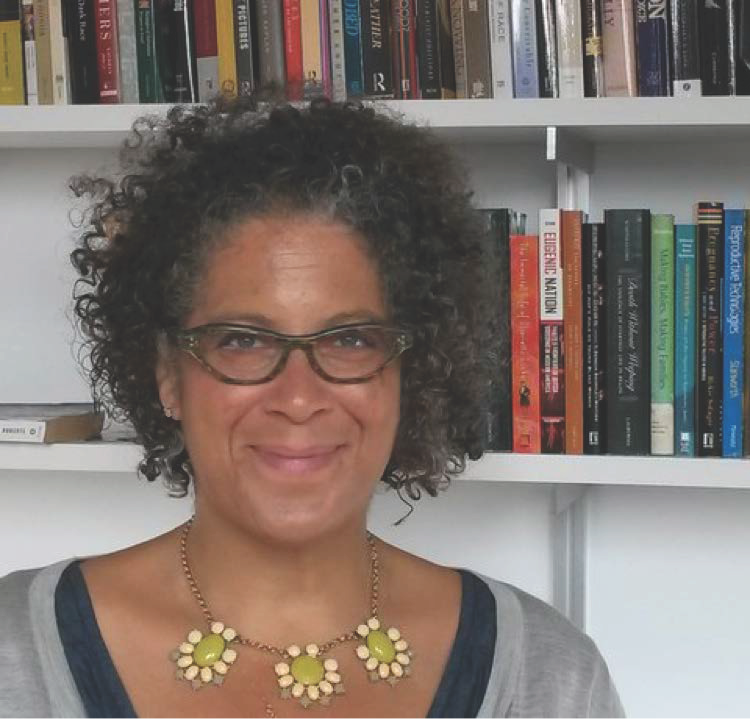
Jennifer L. Morgan is professor of history and of social and cultural analysis at New York University. Her research examines the intersections of gender and race in colonial America, and she is author of Laboring Women: Gender and Reproduction in the Making of New World Slavery (2004). She is currently at work on a project that considers colonial numeracy, racism, and the rise of the transatlantic slave trade, tentatively entitled “Accounting for the Women in Slavery.”
Jennifer L. Morgan
Professor of Social and Cultural Analysis and History, NYU
Duke University, PhD 1996
Office Address: 20 Cooper Square, 4th Floor
Email:jennifer.morgan@nyu.edu
Phone:212.998.2135
Field of Study:
United States
Areas of Research/Interest:
Early African American History, Comparative Slavery, Histories of Racial Ideology, Women and Gender
External Affiliations:
American Historical Association, Berkshire Conference of Women's Historians, McNeil Center for Early American Studies.
Selected Works:Books:
Laboring Women: Gender and Reproduction in New World Slavery (Philadelphia: University of Pennsylvania Press, 2004).
Articles:
“Gender and Family Life,” in The Slavery Reader, ed. Trevour Bernard and Gad Heuman (New York: Routledge, forthcoming, 2010).
“Experiencing Black Feminism,” in Telling Histories: Black Women Historians in the Ivory Tower, ed. Deborah Gray White, (Chapel Hill: UNC Press, 2007).
The Sexual Body: The Women’s Studies Quarterly, 35 (Spring/ Summer 2007), edited with Shelley Eversley.
“Why I Write,” in Why We Write: The Politics and Practice of Writing for Social Change, Jim Downs ed. (New York: Routledge, 2006)
“Sex, Race, and the Colonial Project,” with Kirsten Fischer, in The William and Mary Quarterly, 60 (January 2003): 197-99.
“Slavery and the Slave Trade, 1600-1760,” in A Companion to American Women’s History, Nancy Hewitt ed. (Malden, Mass and London: Blackwell, 2002).
“‘Some Could Suckle Over Their Shoulder’: Male Travelers, Female Bodies, and the Gendering of Racial Ideology, 1500-1770,” The William and Mary Quarterly, 3rd Series, LIV (January 1997): 167-92.
Working Group Affiliation

Rosalind C. Morris
Professor, Department of Anthropology, Columbia University
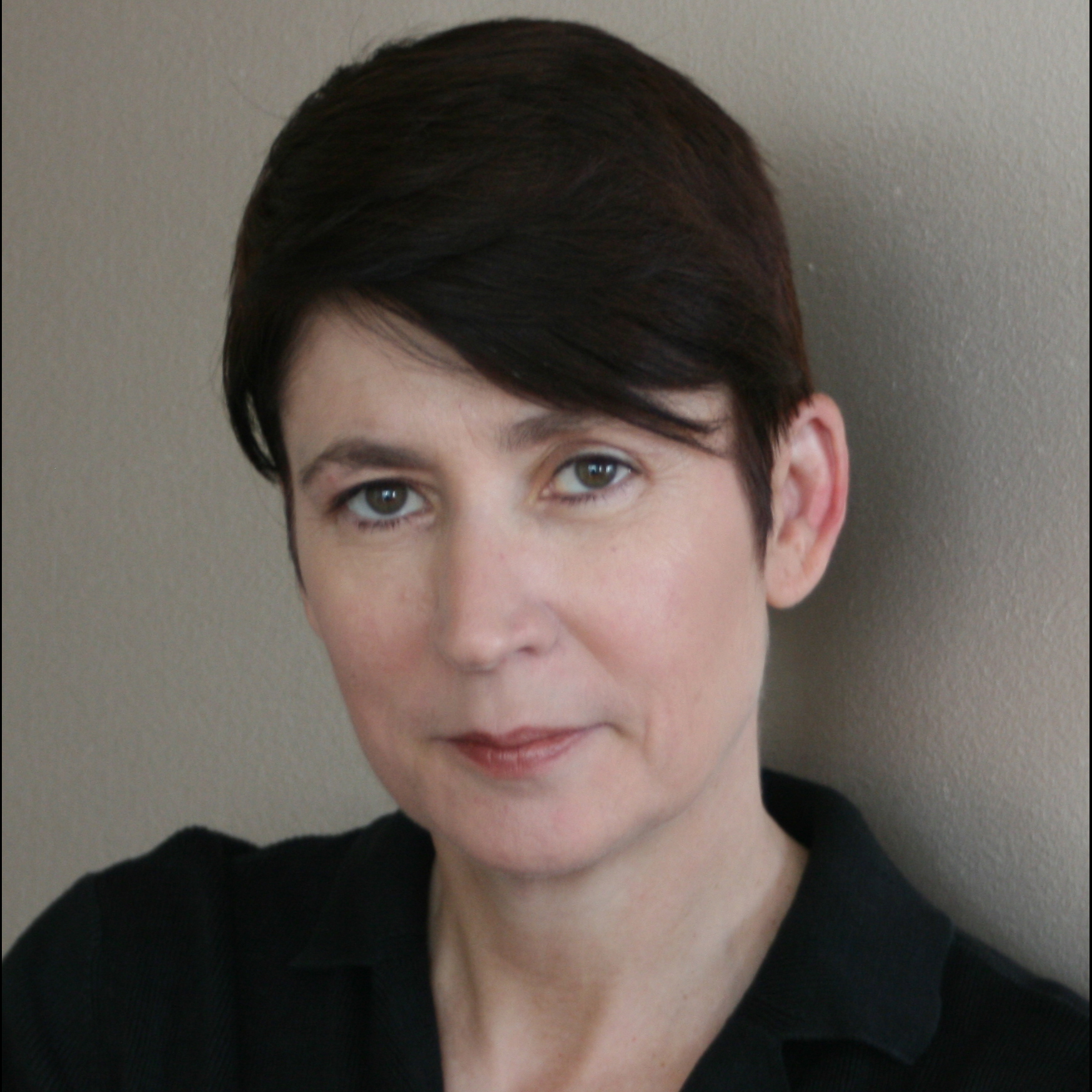
Rosalind Morris focuses her fieldwork in two main areas: Thailand and South Africa. Over the past decade, she has devoted her attention to thinking about a number of inter-related issues and questions concerning: the history of modernity in Southeast Asia and the place of the mass media in its development; the relationships between value and violence; the sexualization of power and desire; the theorization of gender; and the history of anthropological thought and social theory. In her writings on all of these issues, she attends to questions of representation.
Rosalind C. Morris
Professor of Anthropology, Columbia University
Rosalind Morris focuses her fieldwork in two main areas: Thailand and South Africa. Over the past decade, she has devoted her attention to thinking about a number of inter-related issues and questions concerning: the history of modernity in Southeast Asia and the place of the mass media in its development; the relationships between value and violence; the sexualization of power and desire; the theorization of gender; and the history of anthropological thought and social theory. In her writings on all of these issues, she attends to questions of representation. Her writings include monographs on spirit mediumship and the mass media in Northern Thailand, the archive of visual anthropology, and the afterlife of apartheid in South Africa’s mining towns. Other essays have addressed the history of fetishism, the violence of culture in anthropological theory, translation and radicalism, mediatic war, photography and its discontents, sex, gender and sexuality, and art in South Africa. She is a former Director of the Institute for Research on Women and Gender, the Associate Director of the Center for Comparative Literature and Society, and the former co-editor of CONNECT: art, politics, theory, culture.

Cynthia Moses-Mano cherian
New York
Cynthia Moses-Manocherian
New York
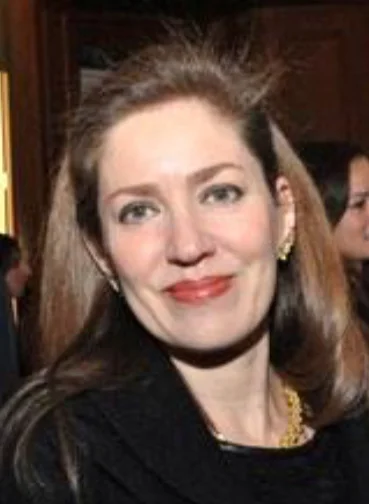
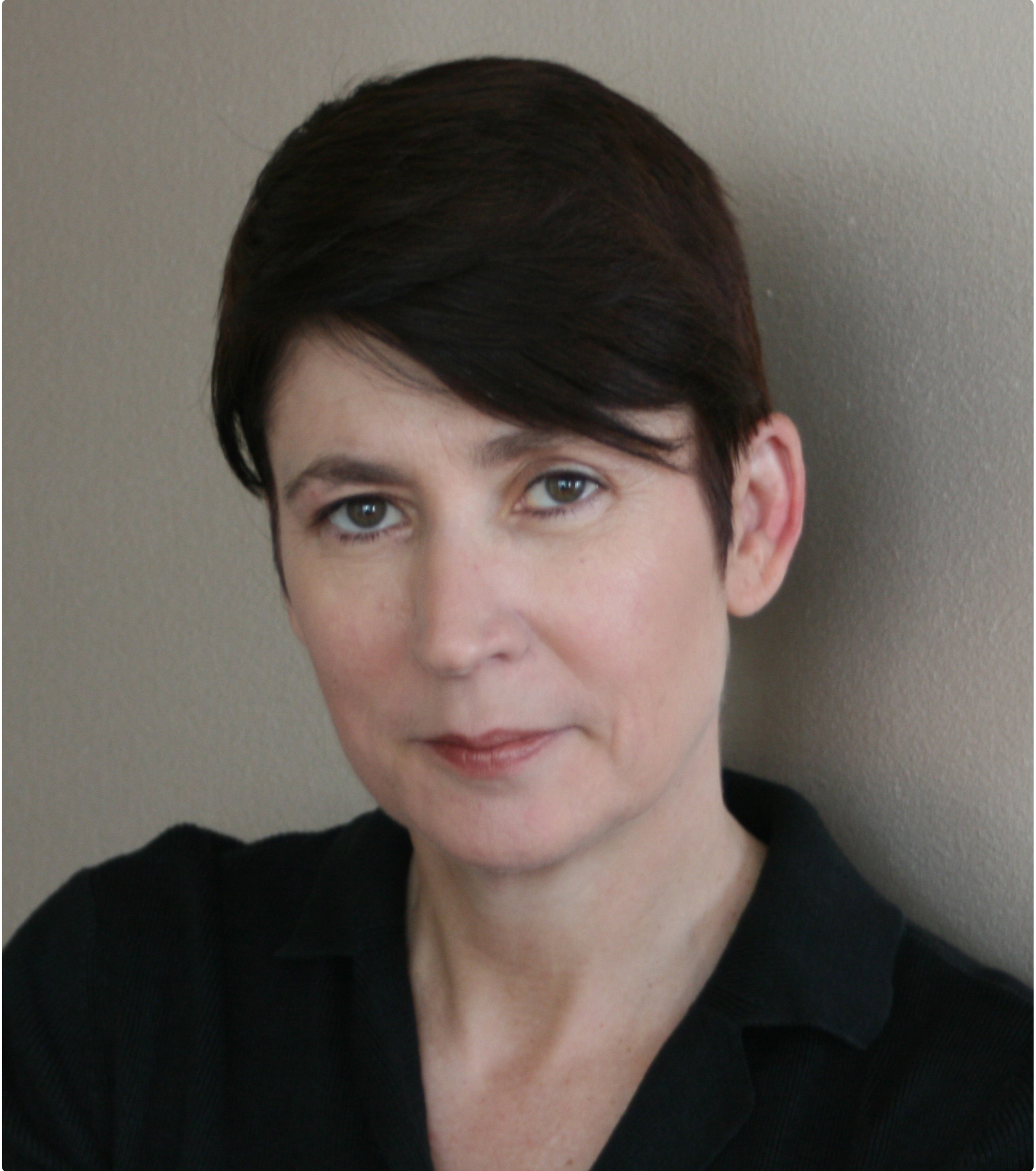
Cynthia Moses-Manocherian is a partner at WAM Equity Partners, a New York real-estate company specializing in residential properties. A native New Yorker, she received her BA from Smith College. She was a member of the Smith College President’s Council and is currently a member of the President's Library Roundtable. At Columbia, Cynthia received an MS in Real Estate Development and has chaired the Columbia MSRED Alumni Council. She also serves on the Columbia Alumni Trustee Nominating Committee (ATNC). She is as a longtime Trustee of UrbanGlass, a Brooklyn based non-profit arts organization dedicated to the use of glass in contemporary art. More recently, she has become involved in environmental protection and land use issues in Westchester County. Ms. Moses-Manocherian and her husband Jeffrey reside in New York City and have three daughters.