
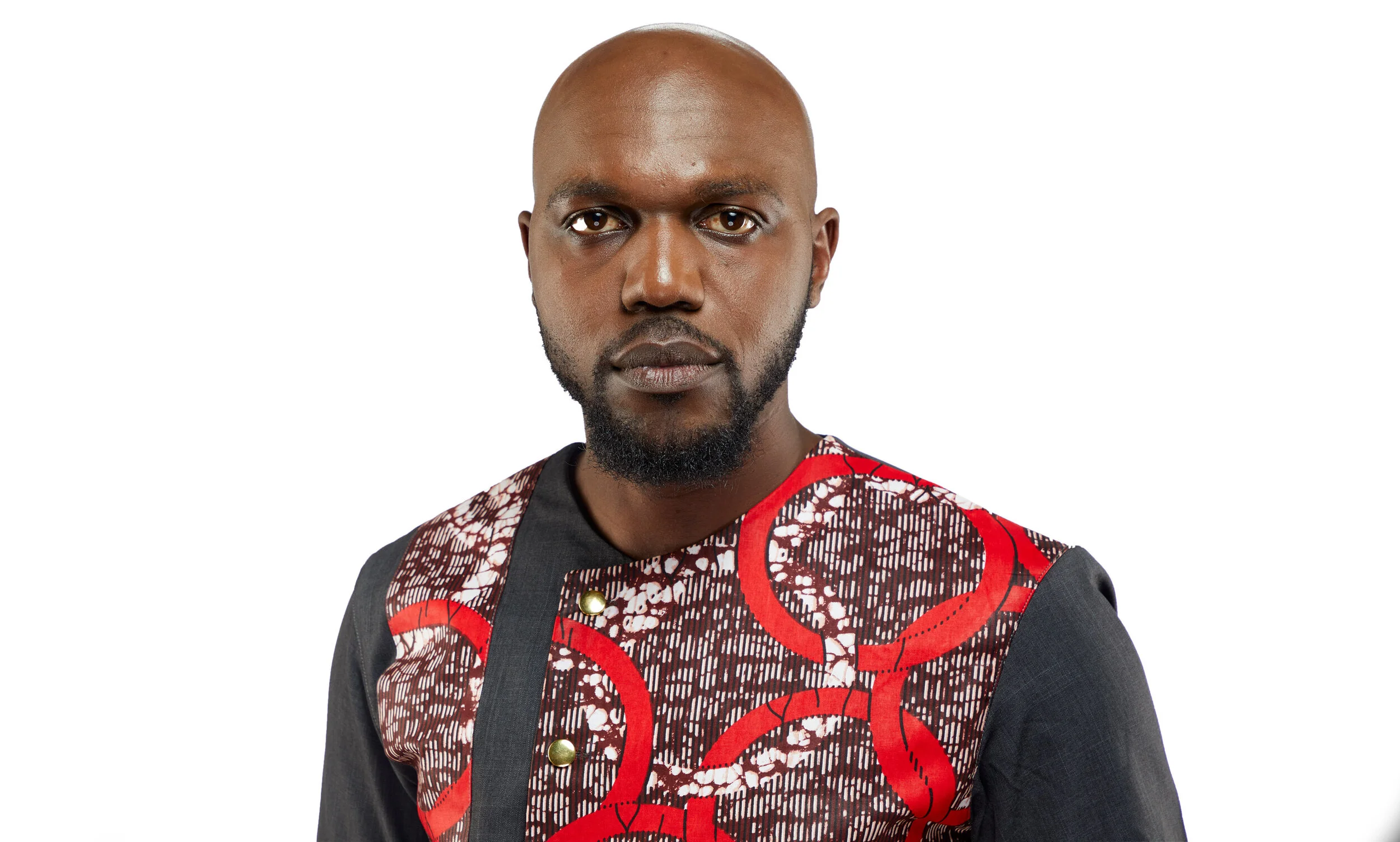
Larry Madowo
Doctoral Student, Journalism, Columbia University
Larry Madowo is a Knight-Bagehot Fellow in Economics and Business Journalism at Columbia University. He is also a candidate for an M.A. in Business and Economics at Columbia Journalism School. Before taking up the fellowship in New York City, he was the BBC Africa Business Editor. Larry launched 6 syndicated BBC TV shows in English, Swahili and French and led the broadcaster’s coverage of business in Africa.
Larry Madowo
Graduate Student, School of Journalism, Columbia University

Larry Madowo is a Knight-Bagehot Fellow in Economics and Business Journalism at Columbia University. He is also a candidate for an M.A. in Business and Economics at Columbia Journalism School. Before taking up the fellowship in New York City, he was the BBC Africa Business Editor. Larry launched 6 syndicated BBC TV shows in English, Swahili and French and led the broadcaster’s coverage of business in Africa. He was named among the 100 Most Influential Africans by NewAfrican magazine. He has reported from more than 40 countries and interviewed some of the world’s most prominent business, political and cultural leaders. He is an international correspondent, speaker and writer who has previously worked in Nairobi, London and Johannesburg. His work has been featured on numerous global outlets including CNN International, the Washington Post, Al Jazeera English, France 24, ABC News Australia and RTÉ Ireland. Larry has presented his own radio and television shows and spoken at conferences around the world. He is also a pioneering digital journalist with an audience of nearly 4 million followers on social media.
Working Group Affiliation
Racial Capitalism, Media Fellow (2020)
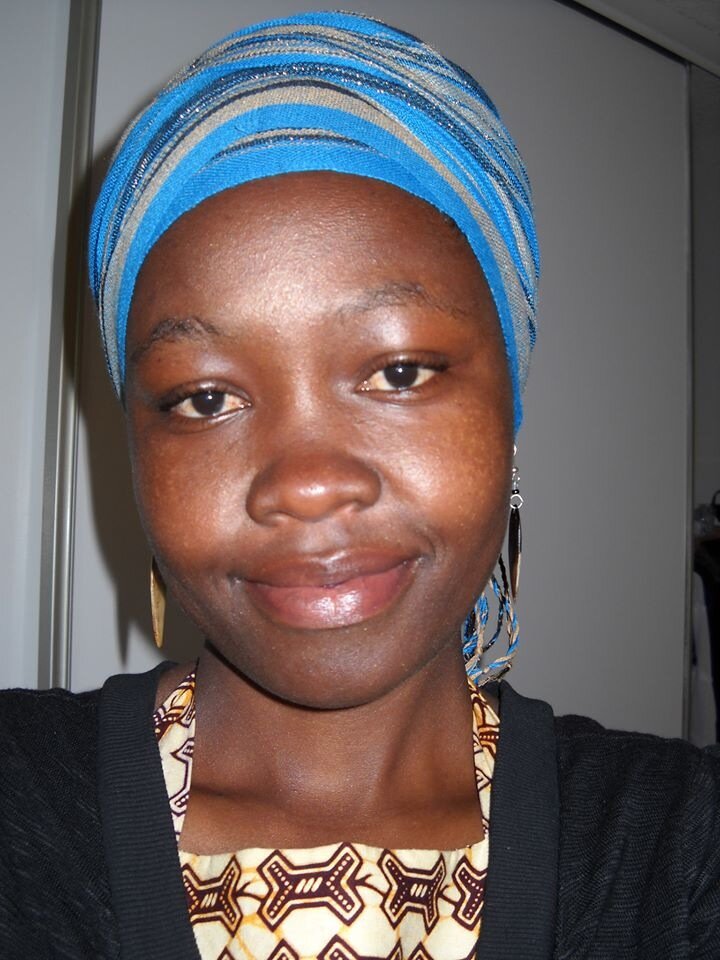
Selina Makana
Fellow, African History, University of Memphis
Selina Makana is an Assistant Professor of African history at the University of Memphis. Her research and teaching focus on African women’s social history, gender and militarism, transnational feminisms, and African diaspora studies. Her current monograph uses oral interviews with former women combatants and archival records to probe the relationship between gender and militarism in contemporary Angola.
Selina Makana
Assistant Professor of African History, University of Memphis

Selina Makana is an Assistant Professor of African history at the University of Memphis. Her research and teaching focus on African women’s social history, gender and militarism, transnational feminisms, and African diaspora studies. Her current monograph uses oral interviews with former women combatants and archival records to probe the relationship between gender and militarism in contemporary Angola. This research explores how nationalist projects and armed insurgent organizations utilize gender—in particular ideas of masculinities and femininities —to consolidate power and perpetuate violence. In 2017-2020, she was a Postdoctoral Research Scholar at the Institute for Research on Women, Gender, and Sexuality and a lecturer in the Department of Middle Eastern, South Asian, and African Studies at Columbia University. She holds a Ph.D. in African Diaspora Studies and a Graduate Certificate in Gender and Women’s Studies from the University of California-Berkeley. Makana has been a Fulbright Fellow at Stanford University. Her recent publications have appeared in Meridians: Feminism, Race, and Transnationalism, Gender & History, and The Oxford Encyclopedia of African Women’s History. Selina Makana is a member of the African Feminist Initiative and serves on the editorial advisory board of Feminist Africa.
Working Group Affiliation
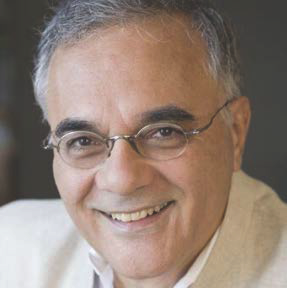
Mahmood Mamdani
Professor, Department of Government MESAAS, International Affairs, and Anthropology, Columbia University
Mahmood Mamdani specializes in the study of African history and politics. His works explore the intersection between politics and culture, a comparative study of colonialism since 1452, the history of civil war and genocide in Africa, the Cold War and the War on Terror, and the history and theory of human rights. He has received numerous awards and recognitions, including being listed as one of the 'Top 20 Public Intellectuals' by Foreign Policy (US) and Prospect (UK) magazine in 2008. His most recent books include Saviors and Survivors: Darfur, Politics, and the War on Terror (2009); Good Muslim, Bad Muslim: America, the Cold War and the Roots of Terror (2004).
Mahmood Mamdani
Herbert Lehman Professor of Government MESAAS, International Affairs, and Anthropology, Columbia University
Mahmood Mamdani received his Ph.D. from Harvard University in 1974 and specializes in the study of African history and politics. His works explore the intersection between politics and culture, a comparative study of colonialism since 1452, the history of civil war and genocide in Africa, the Cold War and the War on Terror, and the history and theory of human rights. Prior to joining the Columbia faculty, Mamdani was a professor at the University of Dar-es-Salaam in Tanzania (1973-79), Makerere University in Uganda (1980-1993), and the University of Cape Town (1996-1999). He has received numerous awards and recognitions, including being listed as one of the 'Top 20 Public Intellectuals' by Foreign Policy (US) and Prospect (UK) magazine in 2008. From 1998 to 2002 he served as President of CODESRIA (Council for the Development of Social Research in Africa). His essays have appeared in the New Left Review and the London Review of Books, among other journals. Mamdani teaches courses on: major debates in the study of Africa; the modern state and the colonial subject; the Cold War and the Third World; the theory, history, and practice of human rights; and civil wars and the state in Africa. His books include Saviors and Survivors: Darfur, Politics, and the War on Terror (2009); Good Muslim, Bad Muslim: America, the Cold War and the Roots of Terror (2004); When Victims Become Killers: Colonialism, Nativism and Genocide in Rwanda (2001); Citizen and Subject: Contemporary Africa and the Legacy of Late Colonialism (1996), which was awarded the Herskovitz Prize of the African Studies Association; Politics and Class Formation in Uganda (1976); From Citizen to Refugee (1973); and The Myth of Population Control: Family, Class and Caste in an Indian Village (1972).
Working Group Affiliation
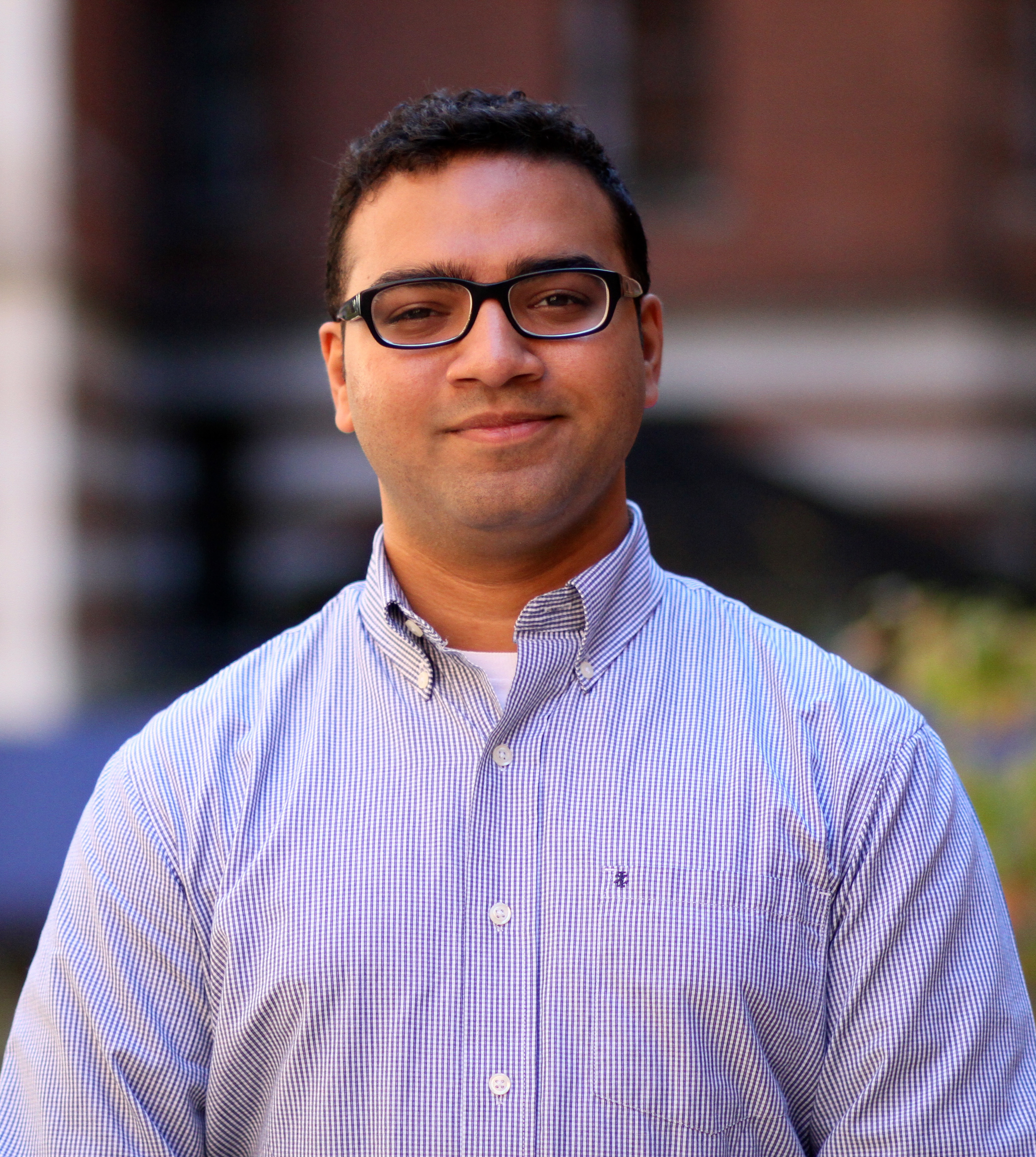
Amar Mandavia
Doctoral Student, Clinical Psychology, Columbia University
Amar Mandavia is currently a second-year doctoral student pursuing clinical psychology at Teachers College, Columbia University from where he also holds a master’s degree in clinical psychology. In his current involvement with ELSI, Amar is assisting in a systematic review to identify genetic markers and subsequent variations among different racial and ethnicity groups to inform PMI research efforts. His master’s thesis focused on analyzing longitudinal epidemiological data to identify prospective psychosocial factors that impact transition to and recovery from homelessness among adults in the US.
Amar Mandavia
Graduate Student, Teachers College, Columbia University

Amar Mandavia is currently a second-year doctoral student pursuing clinical psychology at Teachers College, Columbia University from where he also holds a master’s degree in clinical psychology. In his current involvement with ELSI, Amar is assisting in a systematic review to identify genetic markers and subsequent variations among different racial and ethnicity groups to inform PMI research efforts. His master’s thesis focused on analyzing longitudinal epidemiological data to identify prospective psychosocial factors that impact transition to and recovery from homelessness among adults in the US. His current research examines the impact of the social environment and community participation among couples who were previously homeless and its impact upon their risk recurrent homelessness.
Working Group Affiliation
Ariana Mangual Figueroa
Mangual Figueroa draws from the fields of language socialization and linguistic anthropology to examine language use and learning in Latinx communities living in the United States. Her ethnographic research documents the ways in which linguistic and cultural development is shaped by citizenship status and schooling practices during everyday, routine interactions.
Ariana Mangual Figueroa
Associate Professor of Urban Education, Graduate Center, CUNY
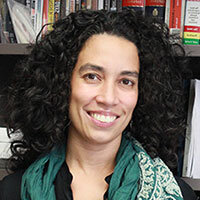
Mangual Figueroa draws from the fields of language socialization and linguistic anthropology to examine language use and learning in Latinx communities living in the United States. Her ethnographic research documents the ways in which linguistic and cultural development is shaped by citizenship status and schooling practices during everyday, routine interactions. Her work has appeared in Anthropology & Education Quarterly, Language Policy American, and the Educational Research Journal. Prior to obtaining her Ph.D., she taught English as a Second Language and Spanish in public schools in the Bronx and Brooklyn.
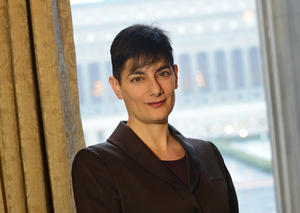
Sharon Marcus
Professor, Department of English and Comparative Literature, Columbia University
Sharon Marcus is Dean of Humanities and co-founder and co-editor in chief of Public Books, a bimonthly review of books, arts, and ideas. A literary critic, cultural historian, and feminist theorist, Sharon Marcus is the author of two books: Apartment Stories: City and Home in Nineteenth-Century Paris and London (University of California Press, 1999), and the prize-winning Between Women: Friendship, Desire, and Marriage in Victorian England (Princeton: 2007). She has guest edited several special issues of scholarly journals, including a controversial 2009 issue of Representations, "The Way We Read Now" (co-edited with Stephen Best).
Sharon Marcus
Orlando Harriman Professor of English and Comparative Literature, Columbia University
Sharon Marcus is Dean of Humanities and co-founder and co-editor in chief of Public Books, a bimonthly review of books, arts, and ideas. A literary critic, cultural historian, and feminist theorist, Sharon Marcus is the author of two books: Apartment Stories: City and Home in Nineteenth-Century Paris and London (University of California Press, 1999), and the prize-winning Between Women: Friendship, Desire, and Marriage in Victorian England (Princeton: 2007). She has guest edited several special issues of scholarly journals, including a controversial 2009 issue of Representations, "The Way We Read Now" (co-edited with Stephen Best) and a special 2015 issue of Public Culture on "Celebrities and Publics in the Internet Era." She is currently completing a book on the history and theory of modern celebrity.
Lianna Marks
Doctoral Student, Global Health, Columbia University Medical Center
Lianna Marks is a Pediatric Hematology and Oncology Fellow at the Children's Hospital of New York and Columbia University Medical Center. She is a graduate of Columbia College and the Indiana University School of Medicine and completed her pediatric residency at the Children's Hospital of Philadelphia. Her interest in Global Health has lead her to clinical work in Kenya, Guatemala, Costa Rica, and the Dominican Republic. Her research investigates using natural killer cell immunotherapy in the treatment of cancer.
Lianna Marks
Fellow, Pediatric Hematology and Oncology, Children's Hospital of New York and Columbia University Medical Center

Lianna Marks is a Pediatric Hematology and Oncology Fellow at the Children's Hospital of New York and Columbia University Medical Center. She is a graduate of Columbia College and the Indiana University School of Medicine and completed her pediatric residency at the Children's Hospital of Philadelphia. Her interest in Global Health has lead her to clinical work in Kenya, Guatemala, Costa Rica, and the Dominican Republic. Her research investigates using natural killer cell immunotherapy in the treatment of cancer. She is also interested in how genetic sequencing can be used to identify targeted therapies and predict risk of relapse in patients with pediatric leukemia.
Working Group Affiliation
Bree Martin
Doctoral Student, Genetic Counseling, Columbia University
Bree Martin is from Los Angeles, CA, and received a bachelor’s degree in psychobiology with a minor in philosophy from UCLA. She is currently pursuing a master’s degree at Columbia University in Genetic Counseling. Bree has past research experience in genetic factors in schizophrenia, and was an active member of UCLA’s Bioethics Society. She hopes to be an advocate for equitable healthcare, specifically within genetic medicine.
Bree Martin
Graduate Student, Genetic Counseling, Columbia University

Bree Martin is from Los Angeles, CA, and received a bachelor’s degree in psychobiology with a minor in philosophy from UCLA. She is currently pursuing a master’s degree at Columbia University in Genetic Counseling. Bree has past research experience in genetic factors in schizophrenia, and was an active member of UCLA’s Bioethics Society. She hopes to be an advocate for equitable healthcare, specifically within genetic medicine.
Working Group Affiliation
Reinhold Martin
Professor, Department of Architecture, Graduate School of Architecture, Planning, and Preservation, Columbia University
Reinhold Martin is a founding co-editor of the journal Grey Room and has published widely on the history and theory of modern and contemporary architecture. He is the author of The Organizational Complex: Architecture, Media, and Corporate Space (MIT Press, 2003), and Utopia’s Ghost: Architecture and Postmodernism, Again (Minnesota, 2010), as well as the co-author, with Kadambari Baxi, of Multi-National City: Architectural Itineraries (Actar, 2007). His most recent book, The Urban Apparatus: Mediapolitics and the City was published in 2016 from the University of Minnesota Press. Currently, Martin is working on a history of the nineteenth century American university as a media complex.
Reinhold Martin
Professor of Architecture, Graduate School of Architecture, Planning, and Preservation, Columbia University
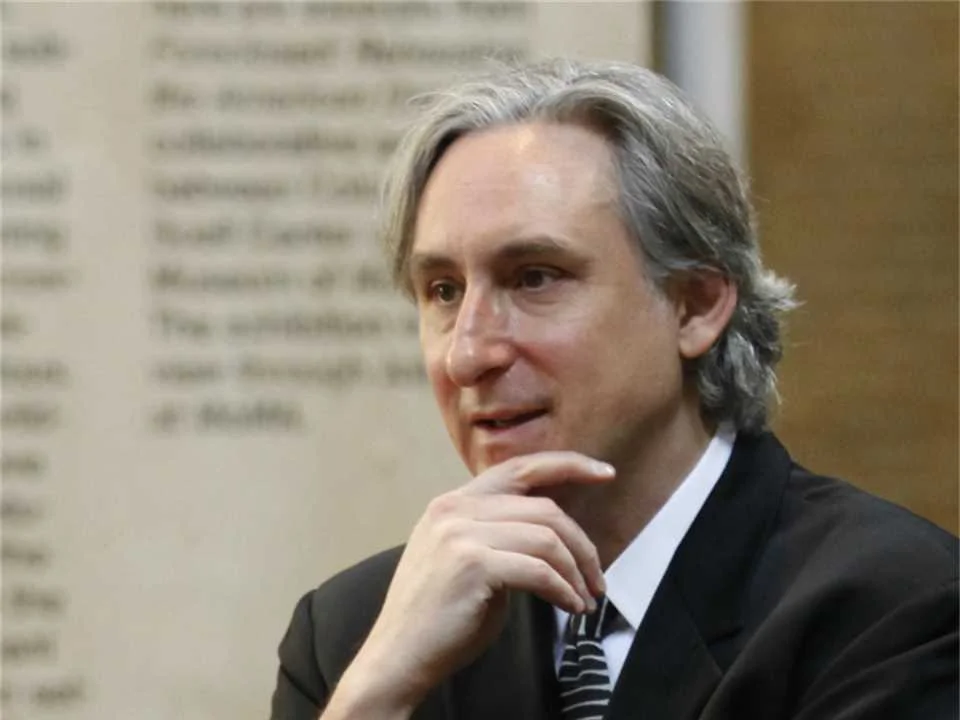
Reinhold Martin directs the PhD program in architecture at Columbia's Columbia Graduate School of Architecture, Planning, and Preservation and the Temple Hoyne Buell Center for the Study of American Architecture. He is a member of Columbia’s Institute for Comparative Literature and Society as well as the Committee on Global Thought. Martin is a founding co-editor of the journal Grey Room and has published widely on the history and theory of modern and contemporary architecture. He is the author of The Organizational Complex: Architecture, Media, and Corporate Space (MIT Press, 2003), and Utopia’s Ghost: Architecture and Postmodernism, Again (Minnesota, 2010), as well as the co-author, with Kadambari Baxi, of Multi-National City: Architectural Itineraries (Actar, 2007). In 2012, Martin co-curated with Barry Bergdoll “Foreclosed: Rehousing the American Dream,” at the Museum of Modern Art in New York, for which he and Bergdoll also co-edited the exhibition catalogue. His work centers on histories of space, power, and the aesthetic imagination, particularly as mediated by technical infrastructures. Related areas of research include architecture and epistemology, globalization and cities, and media history. His most recent book, The Urban Apparatus: Mediapolitics and the City was published in 2016 from the University of Minnesota Press. Currently, Martin is working on a history of the nineteenth century American university as a media complex.
Working Group Affiliation
The Rural-Urban Interface: Gender and Poverty in Ghana and Kenya, Statistics and Stories, Project Director
Caroline Marvin
Professor, Department of Psychology, Columbia University
Caroline Marvin is a Lecturer and the Director of Instruction and Academic Affairs in the Department of Psychology at Columbia University, where she oversees curriculum- and teaching-related needs of the department. Dr. Marvin also serves as Director of Undergraduate Studies for the Neuroscience & Behavior major, advising and mentoring undergraduate students pursuing study in neuroscience. Dr. Marvin’s research focuses on curiosity -- what motivates people to seek and learn new information, how curiosity takes shape in response to various types of information and differing contingencies, how the motivation to learn ultimately influences memory, and how curiosity may change throughout the lifespan.
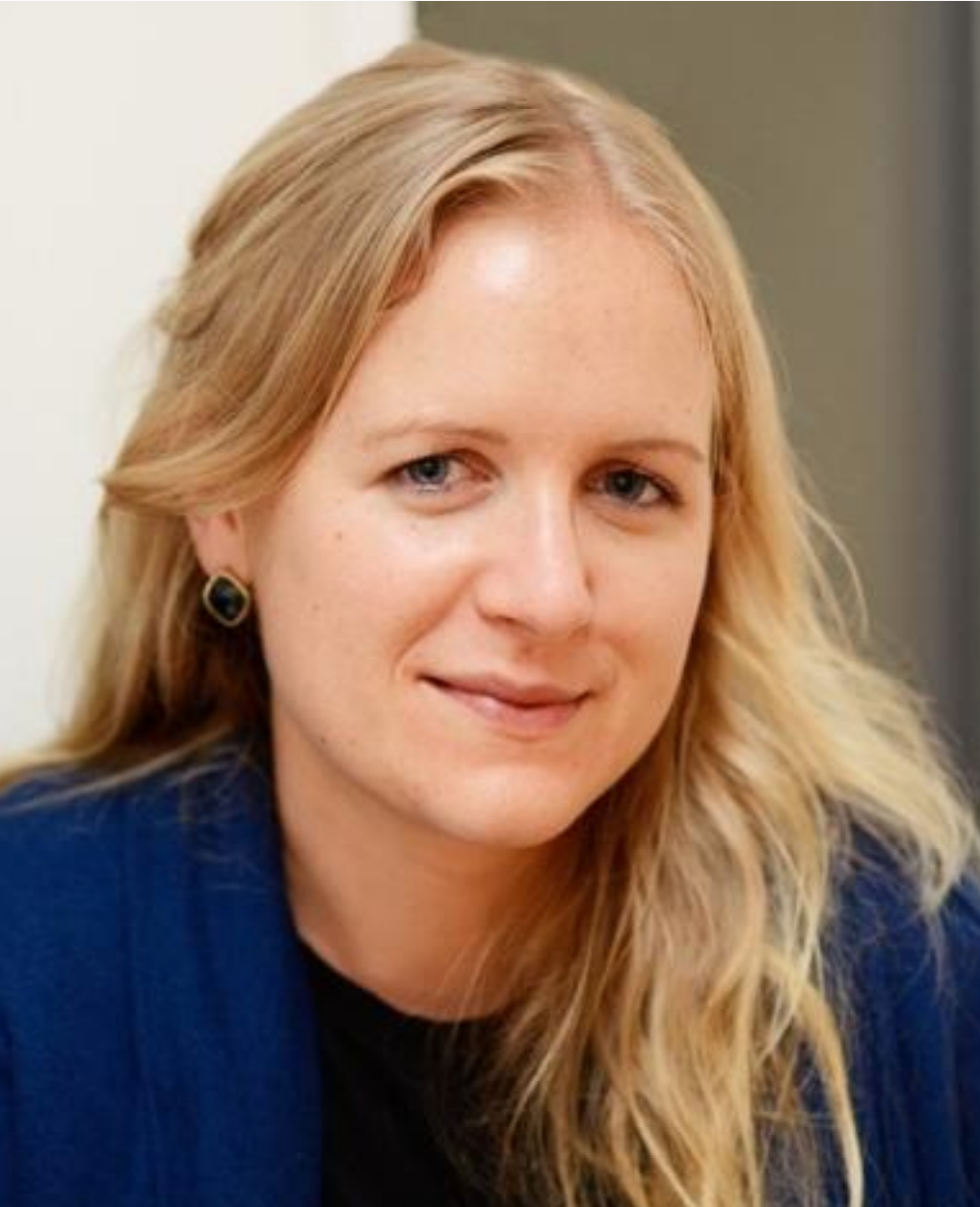
Caroline Marvin is a Lecturer and the Director of Instruction and Academic Affairs in the Department of Psychology at Columbia University, where she oversees curriculum- and teaching-related needs of the department. Dr. Marvin also serves as Director of Undergraduate Studies for the Neuroscience & Behavior major, advising and mentoring undergraduate students pursuing study in neuroscience. Dr. Marvin’s research focuses on curiosity -- what motivates people to seek and learn new information, how curiosity takes shape in response to various types of information and differing contingencies, how the motivation to learn ultimately influences memory, and how curiosity may change throughout the lifespan. New lines of research delve into more applied educational settings, aiming to explore how we can leverage our understanding of curiosity and learning to enhance pedagogical practice and classroom learning. Before earning her PhD, Dr. Marvin worked as a journalist and speechwriter, and she remains dedicated to communicating scientific findings to a broader audience and engages in a variety of science outreach projects with young people and adults.

Safwan Masri
New York
Safwan Masri
Qatar
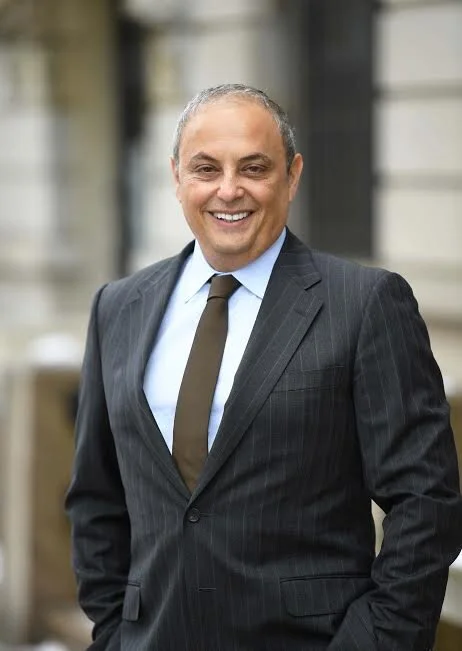
Professor Safwan M. Masri is Executive Vice President for Global Centers and Global Development at Columbia University and a Senior Research Scholar at Columbia’s School of International and Public Affairs (SIPA). He joined Columbia University in 1988 as a member of the faculty of Columbia Business School and served as Vice Dean from 1993-2005. He previously taught engineering at Stanford University and was a visiting professor at INSEAD (Institut Européen d’Administration des Affaires) in France. Masri is the author of Tunisia: An Arab Anomaly (Columbia University Press, 2017). He is a lifetime member of the Council on Foreign Relations and an honorary fellow of the Foreign Policy Association.
Hebe Mattos
Fellow, History, University Federal Fluminense
Hebe Mattos is Professor of History at University Federal Fluminense (UFF) in Brazil. She was visiting Professor at Columbia University (Ruth Cardoso Chair, ILAS/Institute of Latin America Studies, 2013/2014), at Ecoles des Hautes Etudes en Sciences Sociales (2004) and at the University of Michigan (1996). She is the author or co-author of numerous books on Brazilian slavery and post-emancipation society, including Memórias do Cativeiro. Família, Trabalho e Cidadania no Pós-Abolição/ Memories of Captivity.
Hebe Mattos
Professor of History, University Federal Fluminense
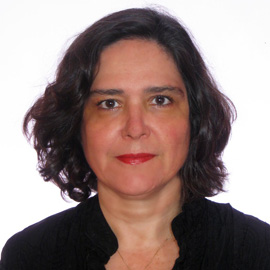
Hebe Mattos is Professor of History at University Federal Fluminense (UFF) in Brazil. She was visiting Professor at Columbia University (Ruth Cardoso Chair, ILAS/Institute of Latin America Studies, 2013/2014), at Ecoles des Hautes Etudes en Sciences Sociales (2004) and at the University of Michigan (1996). She is the author or co-author of numerous books on Brazilian slavery and post-emancipation society, including Memórias do Cativeiro. Família, Trabalho e Cidadania no Pós-Abolição/ Memories of Captivity. Family, Labor and Citizenship after abolition(2005); Das Cores do Silêncio. Significados da Liberdade no Sudeste Escravista, Brasil-sec. XIX / Colors of Silence. Meanings of Freedom in 19th Southeast Brazil/ (1995, 1998, 2013) - for which she received the Brazil National Archive Research Award (1993), and The Abolition of Slavery and the aftermath of emancipation in Brazil (with Rebecca Scott et allii, 1988). She’s one of the coordinators of The Oral History and Image Lab of UFF where she co-directed the collection of documentary films Present Pasts.
Working Group Affiliation
Laura Mauldin
Fellow, Sociology, University of Connecticut
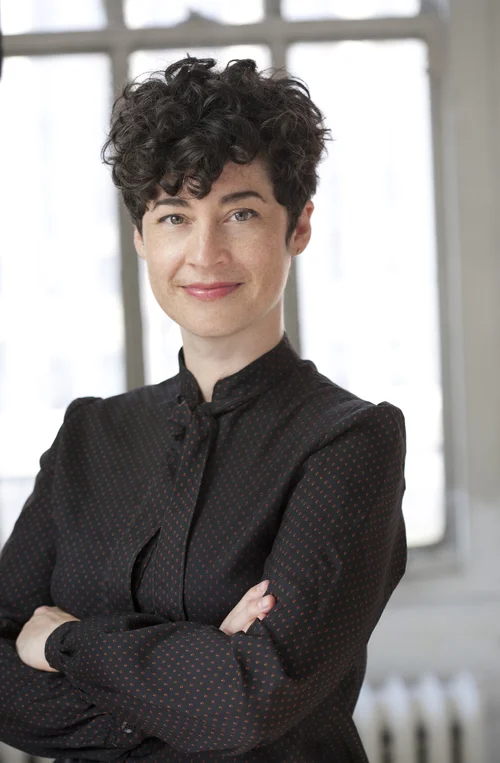
Laura Mauldin's research draws from the fields of medical sociology, science and technology studies (STS), and disability studies. She uses ethnographic methods to show how individual experiences are situated within institutional structures and a larger sociocultural context. All of her research is concerned with how science, technology, and medicine shape contemporary life and is based on the contention that disability – like race, class, or gender - is a political and social category. Her aim is to give voice to the experiences of individuals and families who utilize healthcare services and/or medical technologies in order to show the ambivalent qualities of technoscientific change, the politics of disability and illness, and to suggest what healthcare policies or issues need to be further researched or improved.
Laura Mauldin
Sociology, University of Connecticut

Laura Mauldin's research draws from the fields of medical sociology, science and technology studies (STS), and disability studies. She uses ethnographic methods to show how individual experiences are situated within institutional structures and a larger sociocultural context. All of her research is concerned with how science, technology, and medicine shape contemporary life and is based on the contention that disability – like race, class, or gender - is a political and social category. Her aim is to give voice to the experiences of individuals and families who utilize healthcare services and/or medical technologies in order to show the ambivalent qualities of technoscientific change, the politics of disability and illness, and to suggest what healthcare policies or issues need to be further researched or improved.
Professor Mauldin attended the University of Texas at Austin (UT), where she majored in linguistics and focused on ASL for her thesis. She has also worked at the Texas School for the Blind in the deaf/blind department where she was trained in Orientation and Mobility and how to work with deaf/blind individuals. After graduating, she briefly entered the Interpreter Training Program at Austin Community College. But during the first semester there, she was accepted as a graduate student in ASL and Deaf Studies at Gallaudet University, which is the only liberal arts university for the deaf in the world and everything is conducted in ASL. As a Master's student, she also spent time in Bristol, UK as a visiting scholar in Deaf studies at the University of Bristol (sadly, the Deaf Studies Centre is now closed, but you can read about it here) and a summer completing the certificate in Sexuality, Culture and Society at the University of Amsterdam.
Mauldin entered the PhD program in Sociology at the Graduate Center - City University of New York (CUNY), where Barbara Katz Rothman chaired her dissertation committee. After finishing, she was invited to be a visiting professor for one year in the Science, Technology and Society department at Rochester Institute of Technology (RIT). She also taught an introduction to sociology course at the National Technical Institute for the Deaf, which is housed within RIT. The following year, she returned to New York City and began her tenure track position at the University of Connecticut where she is jointly appointed in Women's, Gender, & Sexuality Studies and Human Development/Family Studies, with an affiliation in the Department of Sociology.
Mauldin is currently developing new research projects related to spousal/partner caregiving, disability, and medical technologies. She still has interests in deaf-related topics. She is on the Board of Corporators for the American School for the Deaf and maintains her interpreting certification with the Registry of Interpreters for the Deaf. She is co-chair of the Disabilities Division of the Society for the Study of Social Problems and active in the Disability and Society Section of the American Sociological Association. She is also affiliated with (or just a fan of!) a variety of other groups, initiatives and professional associations, such as the NYU Council for the Study of Disability, the Future of Disability Studies project at Columbia, the Well Spouse Association, the Center for LGBTQ Studies at CUNY, the Society for Social Studies of Science, Society for Disability Studies, American Society for Bioethics and Humanities, National Women's Studies Association, and Sociologists for Women in Society.
Working Group Affiliation

Maria Rivera Maulucci
Associate Professor, Department of Education, Barnard College
Maria S. Rivera Maulucci, Associate Professor of Education, joined the faculty of Barnard in 2004. She is a proud member of the Class of 1988 at Barnard and serves as Co-Fund Chair. Prior to coming to Barnard, Maria served as Director of the Science Professional Development Center for Region One in the Bronx. Her expertise in science pedagogy and teacher education draws on 16 years of experience teaching at the elementary, secondary, and postsecondary levels. Her interdisciplinary scholarship focuses on how teachers learn to teach for social justice and the role of language, identity, and emotions in teacher development. Professor Rivera is the Principal Investigator for the Barnard College Robert Noyce Teacher Education Scholars Program (BNTSP) funded by the National Science Foundation.
Maria Rivera Maulucci
Associate Professor, Education Department, Barnard College
Maria S. Rivera Maulucci, Associate Professor of Education, joined the faculty of Barnard in 2004. She is a proud member of the Class of 1988 at Barnard and serves as Co-Fund Chair. Prior to coming to Barnard, Maria served as Director of the Science Professional Development Center for Region One in the Bronx. Her expertise in science pedagogy and teacher education draws on 16 years of experience teaching at the elementary, secondary, and postsecondary levels. Her interdisciplinary scholarship focuses on how teachers learn to teach for social justice and the role of language, identity, and emotions in teacher development. Professor Rivera is the Principal Investigator for the Barnard College Robert Noyce Teacher Education Scholars Program (BNTSP) funded by the National Science Foundation.
Working Group Affiliation

Julie E. Maybee
Fellow, Philosophy, Lehman College, City University of New York
Julie E. Maybee is an Associate Professor of Philosophy at Lehman College, City University of New York (CUNY). She is the Coordinator of the new Disability Studies Minor at Lehman, and is affiliated with the Masters in Disability Studies Program in the School of Professional Studies at CUNY along with the Department of African and African American Studies at Lehman.
Julie E. Maybee
Associate Professor of Philosophy, Lehman College, City University of New York
Julie E. Maybee is an Associate Professor of Philosophy at Lehman College, City University of New York (CUNY). She is the Coordinator of the new Disability Studies Minor at Lehman, and is affiliated with the Masters in Disability Studies Program in the School of Professional Studies at CUNY along with the Department of African and African American Studies at Lehman. Her interest in Africana philosophy and 19th Century Continental philosophy—especially Hegel (Picturing Hegel: An Illustrated Guide to Hegel’s Encyclopaedia Logic, Lexington Books, 2009) and the post-Hegelians—led to a broader exploration of the lived experiences of social identities—race, class, disability, ethnicity, gender—as well as the disadvantage and discrimination that accompany those identities in our society. Her most recent piece, “The Political is Personal: Mothering at the Intersection of Acquired Disability, Gender and Race” (in Disability and Mothering: Liminal Spaces of Embodied Knowledge, Cynthia Lewiecki-Wilson and Jen Cellio eds., Syracuse University Press, 2011), explores some complexities of identity created by the social consequences of becoming the mother of a newly disabled, black daughter.

Anne McClintock
Professor of English and Gender Studies, University of Wisconsin-Madison
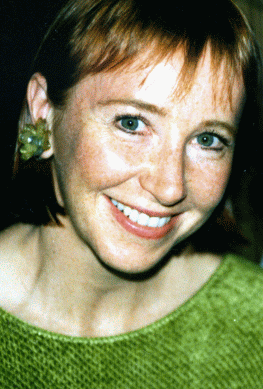
Anne McClintock's research interests include: Victorian British Literature and Culture, Twentieth Century American Culture and Literature, Gender Studies and Theories of Sexuality, Colonial and Postcolonial Literature and Culture, Irish Literature and Culture. She is the author of Simone de Beauvoir (1990); Olive Shreiner (1991); Imperial Leather: Race, Gender, and Sexuality in the Colonial Contest (1995) and co-editor of Dangerous Liaisons: Gender, Nation and Postcolonial Perspectives (1997); and Of Race and Queer Sexuality (1999).
Anne McClintock
Professor of English and Gender Studies, University of Wisconsin-Madison
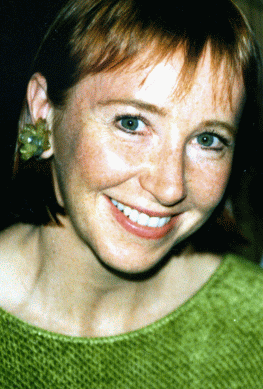
Anne McClintock's research interests include: Victorian British Literature and Culture, Twentieth Century American Culture and Literature, Gender Studies and Theories of Sexuality, Colonial and Postcolonial Literature and Culture, Irish Literature and Culture. She is the author of Simone de Beauvoir (1990); Olive Shreiner (1991); Imperial Leather: Race, Gender, and Sexuality in the Colonial Contest (1995) and co-editor of Dangerous Liaisons: Gender, Nation and Postcolonial Perspectives (1997); and Of Race and Queer Sexuality (1999).
Working Group Affiliations
Liza McIntosh
PhD Student, English and Comparative Literature, Columbia University
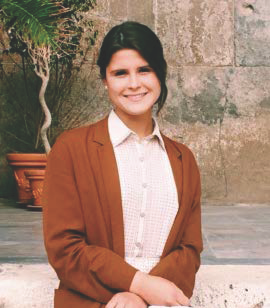
Liza McIntosh is a PhD student in the department of English and Comparative Literature at Columbia. She is broadly interested in the culture and texts of the Early Modern period, with a focus on questions of gender, sexuality, and nature. She received her BA from Johns Hopkins University in English and Art History.
Liza McIntosh

Liza McIntosh is a PhD student in the department of English and Comparative Literature at Columbia. She is broadly interested in the culture and texts of the Early Modern period, with a focus on questions of gender, sexuality, and nature. She received her BA from Johns Hopkins University in English and Art History.
Working Group Affiliations
Sarah McLaughlin
Graduate Student, Narrative Medicine, Columbia University
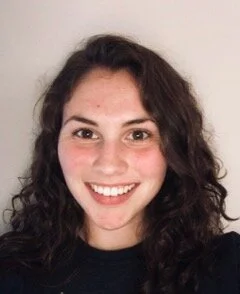
Sarah McLaughlin is a first-year graduate student in the Narrative Medicine Program at Columbia University. She is interested in prioritizing stories of marginalization in the clinical encounter, employing storytelling to better care for individuals in underserved communities, and understanding patients’ stories in the context of identity, community and society.
Sarah McLaughlin
Graduate Student, Narrative Medicine, Columbia University
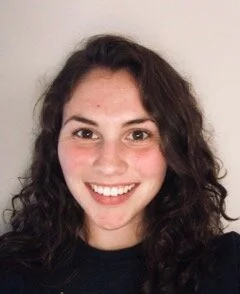
Sarah McLaughlin is a first-year graduate student in the Narrative Medicine Program at Columbia University. She received her B.A. from Williams College earlier this year, where she completed a dual major in English Literature and Chemistry, with a concentration in Biochemistry and Molecular Biology. She was also on the pre-health track at Williams, and looks forward to pursuing a career in the medical field. She is interested in prioritizing stories of marginalization in the clinical encounter, employing storytelling to better care for individuals in underserved communities, and understanding patients’ stories in the context of identity, community and society. In her free time, she enjoys field hockey and weightlifting, playing and writing music, and exploring new places with friends and family.
Working Group Affiliation
Mary McLeod
Professor, Department of Architecture, Graduate School of Architecture, Planning, and Preservation, Columbia University
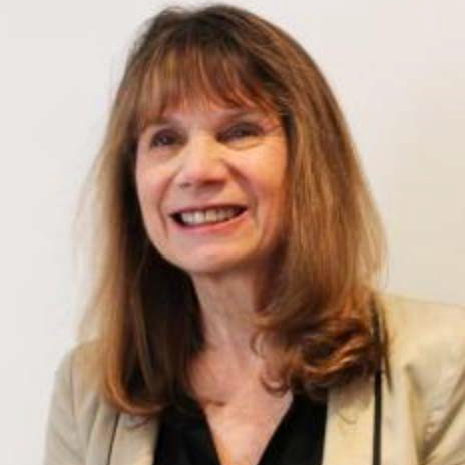
Mary McLeod teaches architecture history and theory, and occasionally studio. Her research and publications have focused on the history of the modern movement and on contemporary architecture theory, examining issues concerning the connections between architecture and ideology. She is co-editor of Architecture, Criticism, Ideology and Architecture Reproduction, and is the editor of and contributor to the book Charlotte Perriand: An Art of Living (Abrams, 2003). She also initiated and helped curate the exhibition Charlotte Perriand: Interior Equipment, held at the Urban Center in New York.
Mary McLeod
Professor of Architecture, Graduate School of Architecture, Planning, and Preservation, Columbia University

Mary McLeod teaches architecture history and theory, and occasionally studio. She has also taught at Harvard University, University of Kentucky, University of Miami and the Institute for Architecture and Urban Studies. Her research and publications have focused on the history of the modern movement and on contemporary architecture theory, examining issues concerning the connections between architecture and ideology.
McLeod is co-editor of Architecture, Criticism, Ideology and Architecture Reproduction, and is the editor of and contributor to the book Charlotte Perriand: An Art of Living (Abrams, 2003). She also initiated and helped curate the exhibition Charlotte Perriand: Interior Equipment, held at the Urban Center in New York. Her articles have appeared in Assemblage, Oppositions, Art Journal, AA Files, JSAH, Casabella, Art Journal, Harvard Design Magazine and Lotus as well as other journals and anthologies, such as The Sex of Architecture, Architecture in Fashion, Architecture of the Everyday, Architecture and Feminism, The Pragmatist Imagination, The State of Architecture, Fragments: Architecture and the Unfinished, Architecture Theory since 1968, Oppositions Reader, Le Parole dell'Architettura, and Modern Women: Women Artists at The Museum of Modern Art. She has received numerous fellowships and awards, including a Fulbright Fellowship, NEH award, and grants from New York Council of the Arts and the Graham Foundation.
Working Group Affiliation
K. Melodi McSweeney
Graduate Student, Genetics and Development, Columbia University
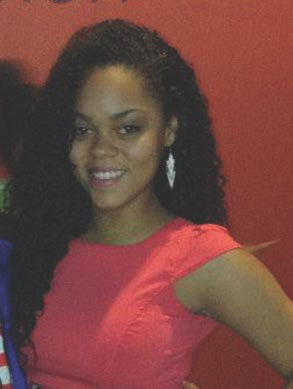
K. Melodi McSweeney is a fourth year PhD candidate in Genetics whose research focuses on modelling the effect of mutations that cause neurological disorders. Melodi is originally from Belize City, Belize and moved to Chicago, IL in 2008 to finish her Bachelor’s Degree in Molecular Biology at Loyola University Chicago. Melodi went on to complete a Post-Baccalaureate Research Education Program at the University of Michigan in the Human Genetics department where she studied atypical progeria and DNA damage due to hydroxyurea, a treatment for sickle cell anemia.
K. Melodi McSweeney
Graduate Student, Genetics and Development, Columbia University

K. Melodi McSweeney is a fourth year PhD candidate in Genetics whose research focuses on modelling the effect of mutations that cause neurological disorders. Melodi is originally from Belize City, Belize and moved to Chicago, IL in 2008 to finish her Bachelor’s Degree in Molecular Biology at Loyola University Chicago. Melodi went on to complete a Post-Baccalaureate Research Education Program at the University of Michigan in the Human Genetics department where she studied atypical progeria and DNA damage due to hydroxyurea, a treatment for sickle cell anemia. Melodi started her PhD in 2012 through the University Program in Genetics and Genomics at Duke University and then joined Dr. David Goldstein’s lab in 2013. Melodi relocated to Columbia University with Dr. Goldstein’s group in 2015 and is currently continuing her PhD research on the effect of microRNA manipulation on neuronal activity and the functional consequences of mutations in the ATP1A3 gene.
Working Group Affiliation