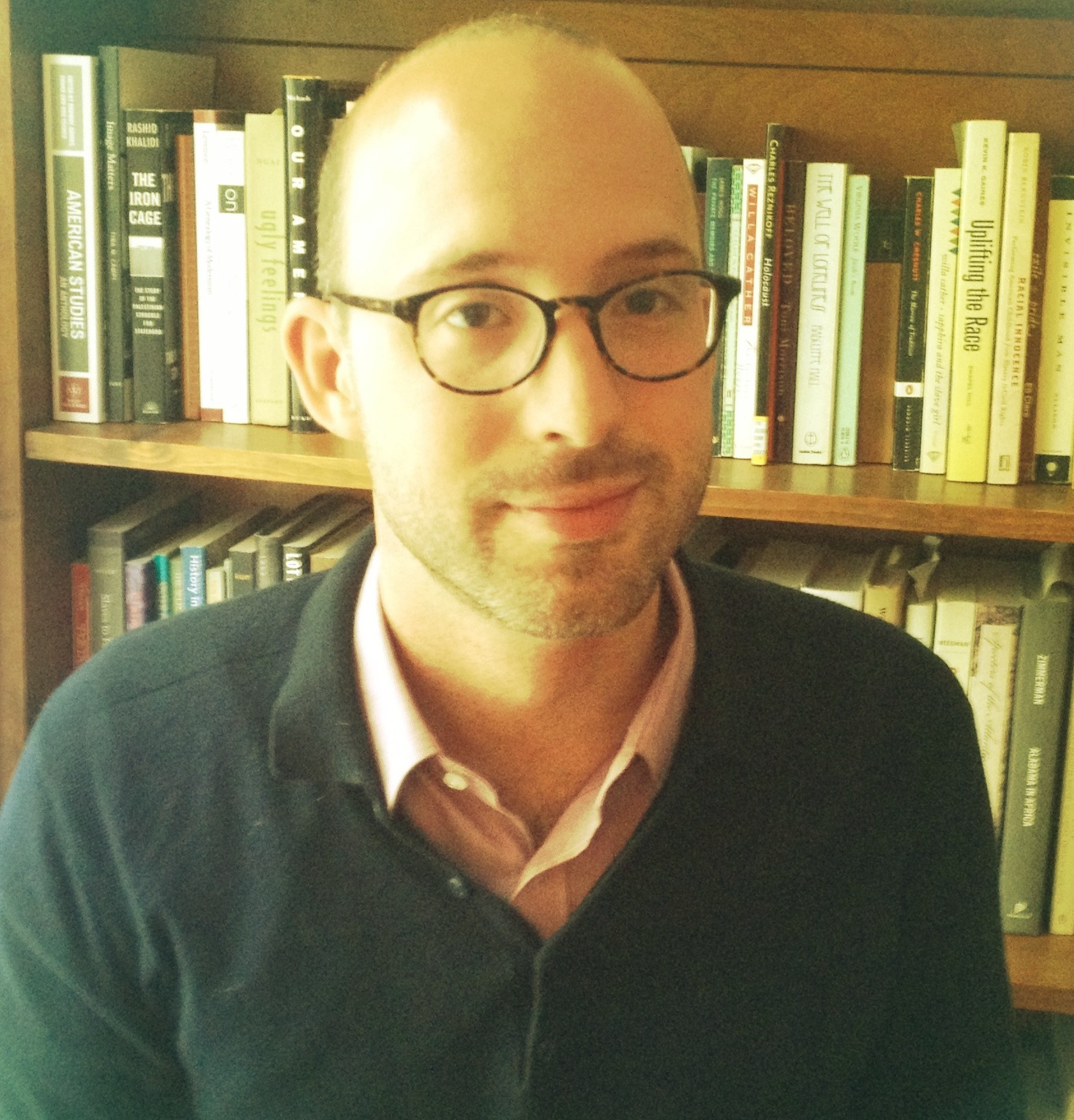
Nina Berman
Associate Professor, Department of Journalism, Columbia University
Nina Berman is Associate Professor of Journalism at Columbia University. She is a documentary photographer with a primary interest in the American political and social landscape. She is the author of two acclaimed monographs “Purple Hearts – Back from Iraq,” portraits and interviews with wounded veterans, and “Homeland,” an exploration of post September 11 America.
Nina Berman
Associate Professor, Department of Journalism, Columbia University

Nina Berman is Associate Professor of Journalism at Columbia University. She is a documentary photographer with a primary interest in the American political and social landscape. She is the author of two acclaimed monographs “Purple Hearts – Back from Iraq,” portraits and interviews with wounded veterans, and “Homeland,” an exploration of post September 11 America.
Her work has been recognized with awards in art and journalism from the New York Foundation for the Arts, the World Press Photo Foundation, the Open Society Institute Documentary Fund, Pictures of the Year International, and Hasselblad among others. Nina has exhibited still and video work in more than eighty venues including the Museum of Fine Arts, Houston, the Whitney Museum of American Art 2010 Biennial, and Dublin Contemporary.
Working Group Affiliation

Sheri Berman
Professor, Department of Political Science, Barnard College
Sheri E. Berman is professor of political science. Her main interests are European politics and political history, democracy and democratization, globalization, and the history of the left. Her two books, The Social Democratic Moment; Ideas and Politics in the Making of Interwar Europe and The Primacy of Politics: Social Democracy and the Making of Europe's Twentieth Century have examined the role played by social democracy in determining political outcomes in 20th-century Europe. Her book Democracy and Dictatorship in Europe: From Ancien Regime to the Present Day is forthcoming from Oxford University Press.
Sheri Berman
Professor of Political Science, Barnard College

Sheri E. Berman is professor of political science. Her main interests are European politics and political history, democracy and democratization, globalization, and the history of the left. Her two books, The Social Democratic Moment; Ideas and Politics in the Making of Interwar Europe and The Primacy of Politics: Social Democracy and the Making of Europe's Twentieth Century have examined the role played by social democracy in determining political outcomes in 20th-century Europe. Her book Democracy and Dictatorship in Europe: From Ancien Regime to the Present Day is forthcoming from Oxford University Press.
Working Group Affiliation
Elizabeth Bernstein
Associate Professor, Department of Women’s, Gender, and Sexuality Studies and Sociology, Barnard College
With Janet Jakobsen, Elizabeth Bernstein is currently serves as co-director of the Barnard Center for Research on Women’s project on Gender, Justice, and Neoliberal Transformations, a comparative and synthetic interdisciplinary project comprising researchers from ten countries. She is the author of Temporarily Yours: Intimacy, Authenticity, and the Commerce of Sex (University of Chicago Press, 2007).
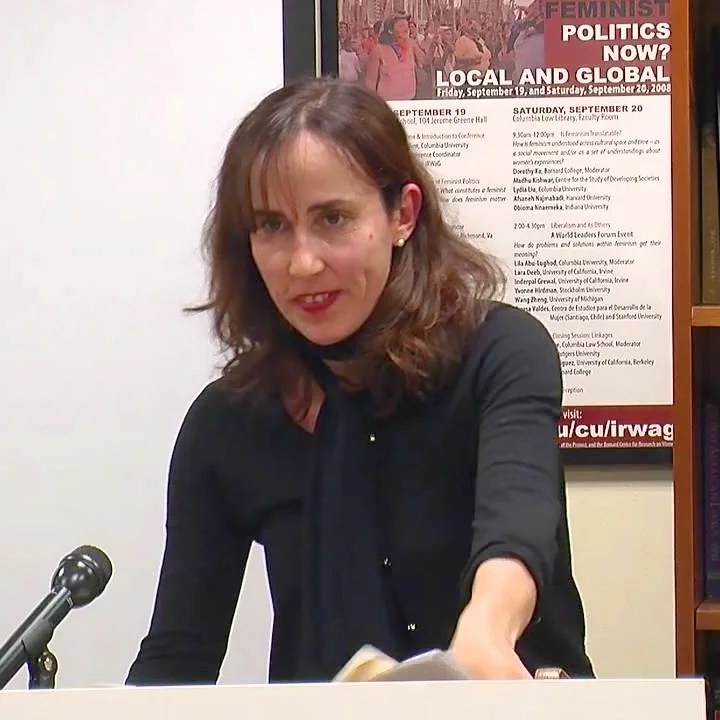
Elizabeth Bernstein is an interdisciplinary feminist scholar trained in qualitative sociology and ethnographic methods. Her research and teaching focus on the political economy of the body, gender, and sexuality. She is the author of the award-winning books Brokered Subjects: Sex, Trafficking, and the Politics of Freedom (University of Chicago Press, 2018) and Temporarily Yours: Intimacy, Authenticity, and the Commerce of Sex (University of Chicago Press, 2007), and co-editor of the volumes Paradoxes of Neoliberalism: Sex, Gender, and Possibilities for Justice (Routledge: 2021) and Regulating Sex: The Politics of Intimacy and Identity (Routledge 2004). She is currently conducting research for a new book project entitled Imagining Immunity: Precarious Bodies and the Governance of Gendered Dis-ease, an auto-ethnographic account and intersectional analysis of the immunological metaphors that guide common conceptions of bodily risk and suffering, as well as the biopolitical interventions designed to address conditions ranging from allergies to autoimmune disorders to infectious disease.
Edited Books
Paradoxes of Neoliberalism: Sex, Gender, and Possibilities for Justice Co-Edited with Janet R Jakobsen Routledge: 2021
Brokered Subjects: Sex, Trafficking, and the Politics of Freedom University of Chicago Press, 2018
Temporarily Yours: Intimacy, Authenticity, and the Commerce of Sex University of Chicago Press, 2007.
Regulating Sex: The Politics of Intimacy and Identity Co-Edited with Laurie Schaffner Routledge 2004

Jewelle Bickford
New York
Jewelle Bickford
New York

Jewelle Bickford joined Evercore Wealth Management in August 2013 as a Partner and Wealth and Fiduciary Advisor. She worked closely with the firm's planning and investment professionals, focusing on family governance, private wealth education, and the Wise Women series.
Jewelle retired as a partner at Evercore Wealth Management on Dec 31, 2020 and became President of Paradigm4parity, a non profit dedicated to achieving gender and racial equality for women.
She joined Evercore Wealth Management from GenSpring Family Offices, where she served as a senior strategist, responsible for cultivating relationships with high net worth families. She also led the company's focus on women and wealth.
Prior to joining GenSpring in 2009, Ms. Bickford was a global partner at Rothschild Group, concentrating on cross-border new business origination, and head of the debt capital markets for Rothschild Inc. She was a member of N.M. Rothchild’s Global Banking and Treasury Committee. She merged her investment banking firm, Bickford & Partners Inc., into Rothschild Inc. in 1994.
Ms. Bickford is a member of the Council on Foreign Relations and the founder of Women and Foreign Policy, the Council's task force on the role of women in economic and political development in the Middle East and Southeast Asia.
She currently serves as co-chair on the board of directors of MasterVoices. She also serves on the board of directors of Women for Women International and the Women's Media Center, and on the Business Committee of the Metropolitan Museum of Art. She is a board member and the past president of the Trisha Brown Dance Company and is a Trustee Emeritus of the Randolph-Macon Women's College. From 2003 to 2010 she served on the board of directors of the SEC-registered Torrey Funds. Continuously from 2003 through 2007, she attended Fortune’s Most Powerful Women Conference.
Additionally, Ms. Bickford is a member of the Committee of 200, the Women's Forum and the co-chair of the Paradigm for Parity Movement, and currently President of the Paradigm4parity nonprofit.
She earned her B.A. from Sarah Lawrence College in 1977, and is a graduate of The Fuqua School of Business Executive Education program at Duke University.
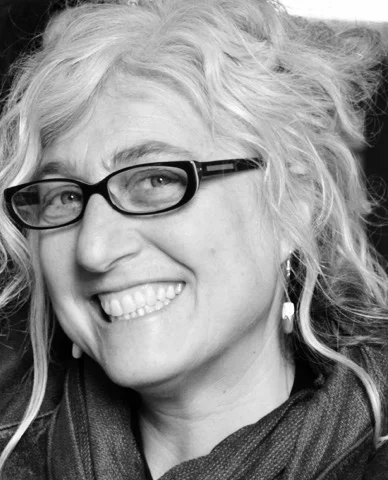
Chris Bobel
Associate Professor of Women’s, Gender & Sexuality Studies, University of Massachusetts Boston
Chris Bobel is Associate Professor of Women’s, Gender & Sexuality Studies at the University of Massachusetts Boston where she teaches courses on Gender & the Body, Feminist Theory, Feminist Research Methods, Women in US Social Movements and Feminist Activism.
Chris Bobel
Associate Professor of Women’s, Gender & Sexuality Studies, University of Massachusetts Boston
Chris Bobel is Associate Professor of Women’s, Gender & Sexuality Studies at the University of Massachusetts Boston where she teaches courses on Gender & the Body, Feminist Theory, Feminist Research Methods, Women in US Social Movements and Feminist Activism. Her scholarship lies at the intersection of social movements, gender, health and embodiment, sites where feminist thinking becomes feminist doing.
Since 2003, Chris has been engaged in the study of efforts to advance menstrual health as a matter of human rights and reproductive justice. Her publications include New Blood: Third Wave Feminism and the Politics of Menstruation and The Managed Body: Developing Girls and Menstrual Health in the Global South (forthcoming in late 2018). She is also co-editor (with Samantha Kwan) of Body Battlegrounds: Transgressions, Tensions, Transformations (forthcoming in 2019) and Embodied Resistance: Challenging the Norms, Breaking the Rules. She is also at work co-editing the first ever Handbook of Critical Menstruation Studies.
To see a more complete listing of Chris’s work and media mentions, go to https://works.bepress.com/chris_bobel/
Working Group Affiliation
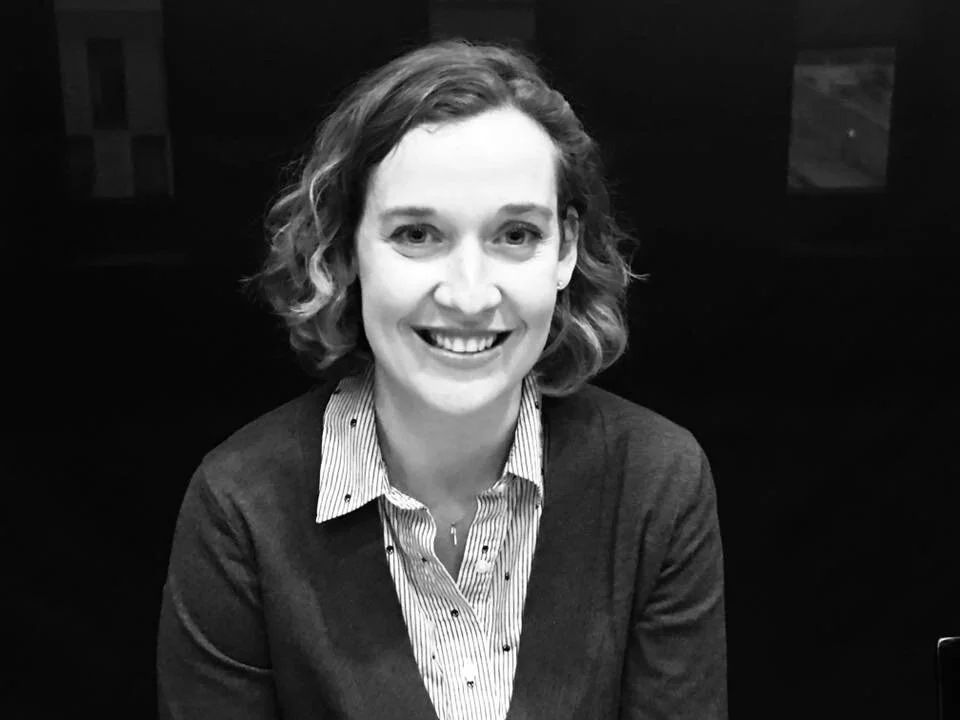
Emily Bloom
Mellon Public Humanities Fellow, Sarah Lawrence College
Emily Bloom is a Mellon Public Humanities Fellow at Sarah Lawrence College. She is the author of The Wireless Past: Anglo-Irish Writers and the BBC, 1931-1968 (Oxford University Press, 2016), which was awarded the First Book Prize by the Modernist Studies Association.
Emily Bloom
Mellon Public Humanities Fellow, Sarah Lawrence College
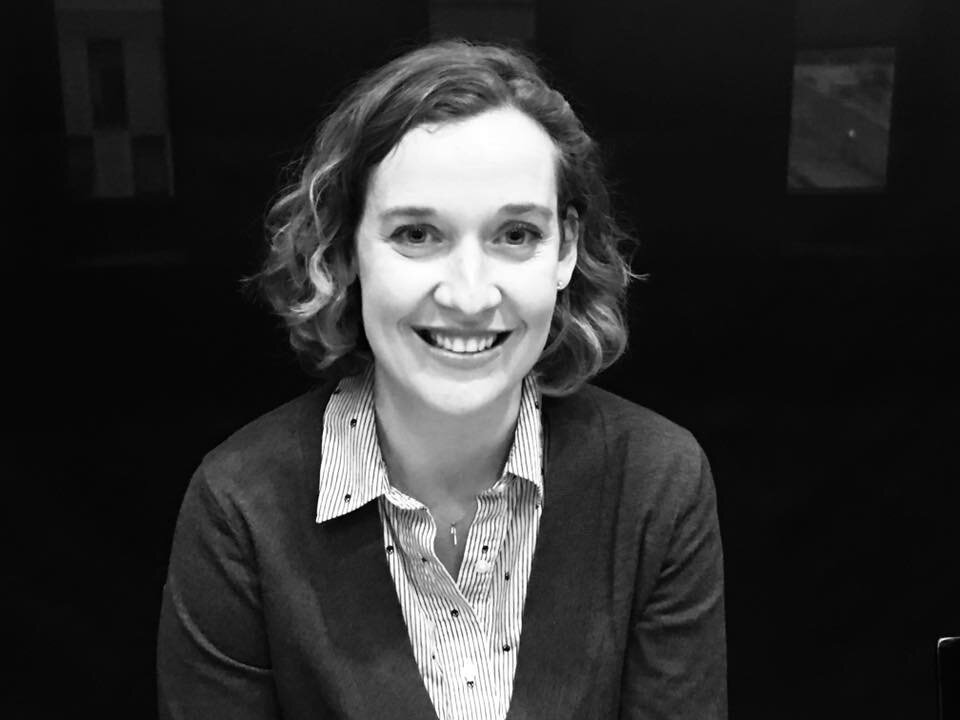
Emily Bloom is a Mellon Public Humanities Fellow at Sarah Lawrence College. She is the author of The Wireless Past: Anglo-Irish Writers and the BBC, 1931-1968 (Oxford University Press, 2016), which was awarded the First Book Prize by the Modernist Studies Association. Her current work explores the interrelations between disability, media, technology, gender, and literature. She has contributed chapters to The Edinburgh Companion to Modernism and Technology, Irish Literature in Transition (Cambridge UP), and The Critic as Amateur (Bloomsbury) and has published articles in The Irish Times, International Yeats Studies, Éire-Ireland, and Texas Studies in Literature and Language. Her review essay, “Mother of a Pandemic,” on motherhood, pandemics, and the gothic appeared in Public Books in January 2021. Dr. Bloom is currently at work on a work of narrative non-fiction about motherhood and technology.
Working Group Affiliation

Yarimar Bonilla
Associate Professor of Anthropology and Caribbean Studies, Rutgers University
Yarimar Bonilla is an Assistant Professor of Anthropology and Caribbean Studies at Rutgers University.
Yarimar Bonilla
Associate Professor of Anthropology and Caribbean Studies, Rutgers University

PhD, U Chicago, 2008; Assistant Professor, SAS) Political and Historical Anthropology, Postcolonialism, Social Movements, Sovereignty, Citizenship; Caribbean, France
yarimar.bonilla@rutgers.edu
EDUCATION
2008 Ph.D. Socio-Cultural Anthropology, University of Chicago
2003 M.A. Socio-Cultural Anthropology, University of Chicago
1998 M.A. Latin American Studies, University of New Mexico
1996 B.A. University of Puerto Rico - Rio Piedras
ACADEMIC POSITIONS
2011+ Assistant Professor of Anthropology and Caribbean Studies, Rutgers University
2008-11 Assistant Professor, Department of Anthropology, University of Virginia
2006-08 Research Fellow, Carter G. Woodson Institute, University of Virginia
PRIZES
2010 Crystal Award for Best Dissertation, awarded by the Caribbean Studies Association
2009 Daniel F. Nugent Dissertation Prize for Distinguished Work in the field of Historical
Anthropology, awarded by the University of Chicago Department of Anthropology
RESEARCH STATEMENT
I teach and write about social movements, political imaginaries, colonial legacies and historical memory in the non-sovereign Caribbean and the French Outremer. I focus particularly on the non-sovereign Caribbean: societies with lingering colonial relationships and ambiguous political identities that disrupt traditional understandings of citizenship, nationality, sovereignty, and autonomy. I am particularly attentive to the political possibilities that exist outside of the traditional rubrics of state and nation building, and to the formation of political identities that disrupt the assumed relationships between a land, a people, and a state. These concerns have combined with an interest in the role of history in the Caribbean political imagination, and the ways in which Caribbean populations understand and negotiate their past – particularly their experiences with colonialism and slavery.
My first book grounds these questions in an ethnographic study of labor activism in the French Caribbean island of Guadeloupe. I argue that in the wake of what some describe as “failed” nationalist movements, a new kind of labor politics has emerged throughout the Former French colonies that combines the ideological and tactical repertoires of anti-colonial struggles with the political strength of the French labor tradition. The result is a form of “postcolonial syndicalism” that infuses traditional labor struggles with battles over collective memory, creole language politics, cultural revalorization, and nontraditional claims to self-determination. However, unlike the iconic forms of post-war anti-colonialism from which these labor movements emerged, these new political actors do not seek “national liberation” or political independence. Instead they are attempting to carve out alternative forms of political and economic autonomy within the context of French and European integration.
In addition to my work in Guadeloupe, I am also in the process of developing a larger program of comparative research in the non-sovereign Caribbean in order to re-theorize the colonial legacies and contemporary politics of the region. I contend that we need to examine non-sovereignty as a model, not just for non-independent territories, but also for the nominally sovereign territories within and beyond the Caribbean that are mired in postcolonial crises of structural adjustment, international trade regulations, NGO shadow states, post disaster recovery, and the (often inadvertent) effects of international aid. By approaching the region through the frame of the “non-sovereign” I seek to break with the linguistic divides that have plagued the field of Caribbean studies in order to bring together research on the French, English, Spanish, and Dutch speaking Caribbean and to highlight points of commonality in both the historical trajectories and contemporary political forms and processes of the region.
PUBLICATIONS
2011 The Past Is Made by Walking: Labor Activism and Historical Production in
Postcolonial Guadeloupe. Cultural Anthropology 26(3):313–339
2010 Guadeloupe Is Ours. The Prefigurative Politics of the Mass Strike in the French
Antilles. Interventions: International Journal of Postcolonial Studies 12(1):125-137
2010 Puerto Rico in Crisis: Government Workers Battle Against Neoliberal Reform (written
with Rafael Boglio) NACLA Report on the Americasforthcoming January 43(1):6-8
2009 Guadeloupe on Strike: A New Political Chapter in the French Antilles. NACLA Report on
the Americas 42(3):6-10
2009 Labor and Protest in Guadeloupe. International Encyclopedia of Revolution and
Protest. Immanuel Ness, Ed. Blackwell pp 1468-1471
Working Group Affiliations
Unpayable Debt: Capital, Violence, and the New Global Economy
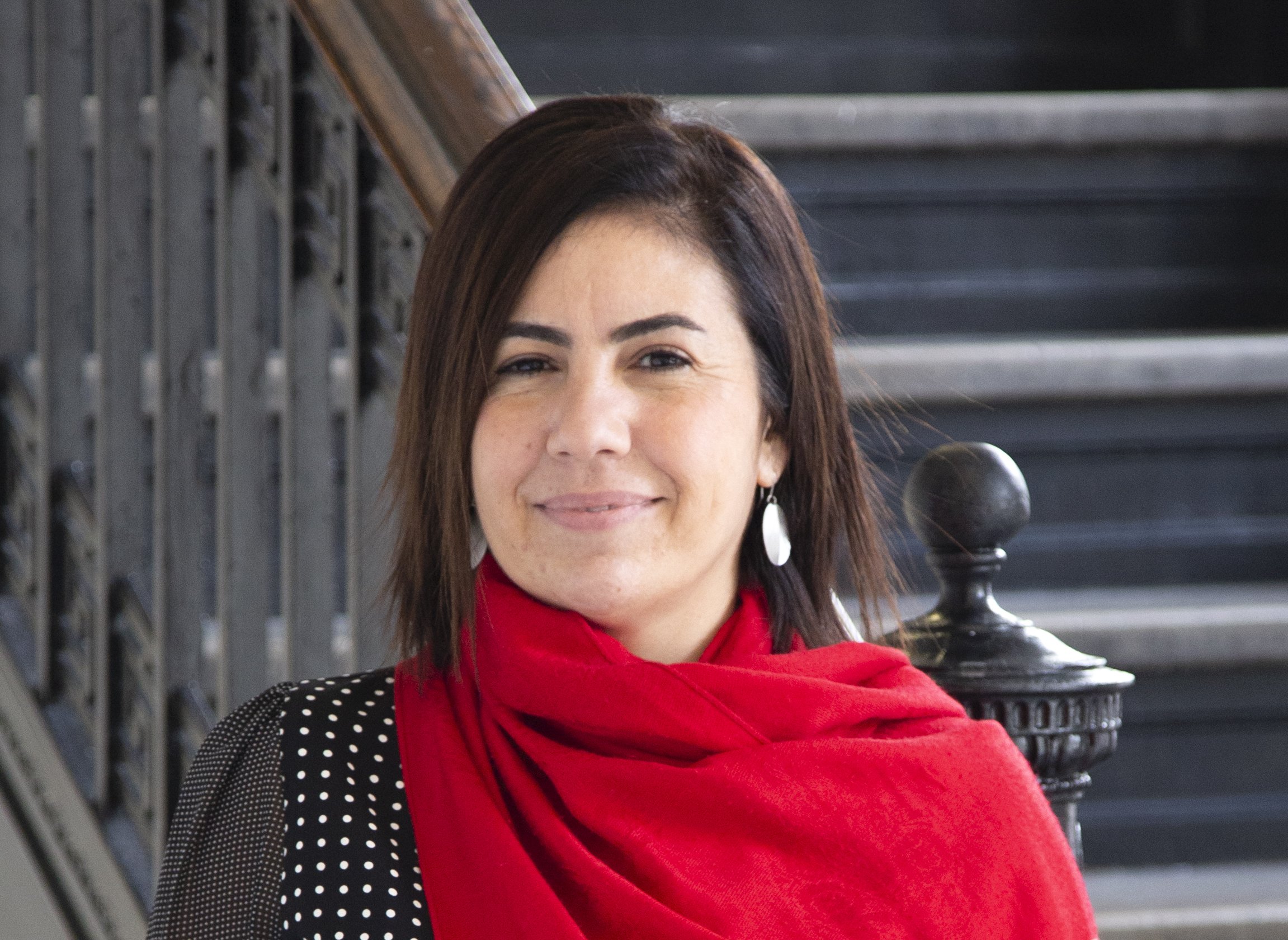
Hiba Bou Akar
Assistant Professor, Department of Urban Planning, Columbia University
Hiba Bou Akar is an Assistant Professor in the Urban Planning program at Columbia GSAPP. Her research focuses on planning in conflict and post-conflict cities, the question of urban violence, and the role of religious political organizations in the making of cities.
Hiba Bou Akar
Assistant Professor, Urban Planning, GSAPP Columbia University
Hiba Bou Akar is an Assistant Professor in the Urban Planning program at Columbia GSAPP. Her research focuses on planning in conflict and post-conflict cities, the question of urban violence, and the role of religious political organizations in the making of cities. Bou Akar’s award-winning book, For the War Yet to Come: Planning Beirut’s Frontiers (2018), examines how Beirut’s post-civil war peripheries have been transformed through multiple planning exercises into contested frontiers that are mired in new forms of conflict. Her first co-edited book, Narrating Beirut from its Borderlines (2011), incorporated ethnographic and archival research with art installations, architectural research, graphic design, and photography to explore Beirut’s segregated geographies. Currently, Bou Akar is working on a new project entitled “Sedimentary Urbanization” examining the temporalities of displacement and refugee-ness. Bou Akar is also the founder and director of the Post-Conflict Cities Lab at Columbia University. The lab focuses on the studies of post-conflict urban planning and aims to develop methodological, empirical, and theoretical approaches to planning in contested spaces.
Working Group Affiliation
Insurgent Domesticities
Refugee Cities

Liz Bowen
PhD Student, English and Comparative Literature, Columbia University
Liz Bowen is a Ph.D. candidate in English and comparative literature who works at the intersections of 20th and 21st century American literature, disability studies, and critical animal studies. Her dissertation, “Animal Abilities: Disability, Species Difference, and Aesthetic Innovation in the Long 20th Century,” traces the intertwined deployments of disability, animality, and cognitive otherness as sites for literary experimentation, from Faulkner to the Harlem Renaissance to contemporary poetics.
Liz Bowen
PhD Student, Department of English and Comparative Literature, Columbia University

Liz Bowen is a Ph.D. candidate in English and comparative literature who works at the intersections of 20th and 21st century American literature, disability studies, and critical animal studies. Her dissertation, “Animal Abilities: Disability, Species Difference, and Aesthetic Innovation in the Long 20th Century,” traces the intertwined deployments of disability, animality, and cognitive otherness as sites for literary experimentation, from Faulkner to the Harlem Renaissance to contemporary poetics. She has published critical reviews in The Journal of Literary and Cultural Disability Studies and Humanimalia: A Journal of Human/Animal Interface Studies, and her essay “On Outcast Women, Dog Love, and Abjection between Species” will be included in the edited collection Animaladies, forthcoming from Bloomsbury. Liz has been the graduate organizer for Columbia’s University Seminar on Disability, Culture, and Society for the past three years, and she is also pursuing a certificate in feminist scholarship from the Institute for Research on Women, Gender, and Sexuality. She has been the instructor of record for both writing composition and literary studies courses, including an upper-level seminar of her own design called Animal Modernisms.
Liz is also a widely published poet and poetry critic. Her first full-length poetry collection, Sugarblood, was published by Metatron Press in 2017, and her chapbook Compassion Fountain is forthcoming from Hyacinth Girl Press in 2018. Her poems and essays have appeared in Boston Review, The Wanderer, Dream Pop Press, Cosmonauts Avenue, The Atlas Review, and elsewhere. She is also on the poetry staff at Anomaly magazine. For further publications, press, and CV, please visit her website at liz-bowen.com.
Working Group Affiliation
Jayna Brown
Professor, Humanities and Media Studies, Pratt Institute
Jayna Brown is a Professor in the Department of Humanities and Media Studies at Pratt Institute and is the co-editor of Social Text. Her areas of knowledge and interest include black expressive cultures, film, queer of color critique, anarchism, materialism, and science fiction.
Jayna Brown
Professor of Humanities and Media Studies, Pratt Institute,

Jayna Brown is Professor in the Department of Humanities and Media Studies at Pratt Institute and is the co-editor of Social Text. Her areas of knowledge and interest include black expressive cultures, film, queer of color critique, anarchism, materialism and science fiction. Her first book, Babylon Girls: Black Women Performers and the Shaping of the Modern (Duke University Press, 2008) won Best Book awards from both the American Society for Theatre Research and the Theater Library Association. She has also published on African American race film and popular performance in various journals including The Journal of Popular Music Studies, GLQ, Social Text and Women and Performance. Her new book, Black Utopias: Speculative Life and the Music of Other Worlds (Duke University Press, Spring, 2021) traces black radical utopian practice and performance, from the psychic travels of Sojourner Truth to the cosmic transmissions of Alice Coltrane and Sun Ra. A current project on terraformation, or the modification of inhabitable environments to make them livable for the human species, asks after the ethics of human habitation in this moment, for neither the scorched earth nor the burning surface of Mars can provide us with virgin soil upon which to start over.
Working Group Affiliation

A'lelia Bundles
Washington, DC
A'lelia Bundles
Washington, DC
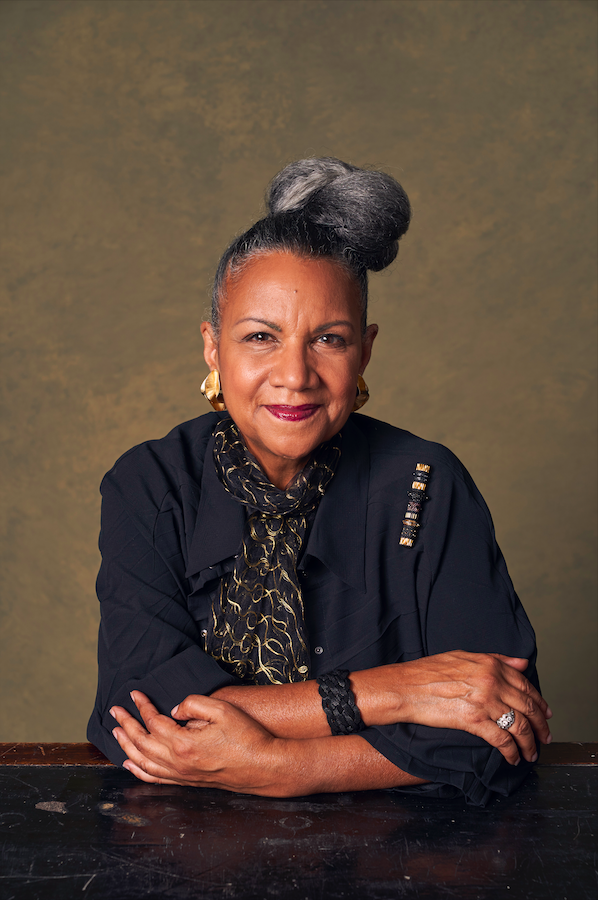
A’Lelia Bundles is the author of four biographies about the women in her family. On Her Own Ground: The Life and Times of Madam C.J. Walker, which she began researching while a student at Columbia’s Graduate School of Journalism, was named a New York Times Notable Book and was the inspiration for Self Made, a 2020 Netflix series.
She was a network television news executive and producer for three decades. After thirteen years as a producer with NBC News, she joined ABC News where she served as a producer for World News Tonight with Peter Jennings, as Washington, DC deputy bureau chief and as director of talent development in New York.
She is Chair Emerita of the National Archives Foundation and on the advisory boards of the Schlesinger Library at Harvard’s Radcliffe Institute for Advanced Study, the March on Washington Film Festival and the Smithsonian’s American Women’s History Initiative. A recipient of an Emmy and a du Pont Gold Baton for her television journalism, she has participated in writing residencies at Yaddo and the MacDowell Colony. She is a member of Phi Beta Kappa and of the American Academy of Arts and Sciences.
She is a Vice Chair of Columbia’s Board of Trustees and Co-Chair of the Public Affairs Committee. She is a former Vice Chair of the Columbia Alumni Association, former Co-Chair of the CAA Strategic Planning Committee and served two terms as a du Pont Broadcast Awards Juror. She is a recipient of a Columbia Medal for Distinguished Alumni Service.
Harvard A.B., 1974
Columbia Graduate School of Journalism, M.S., 1976
Judith Butler
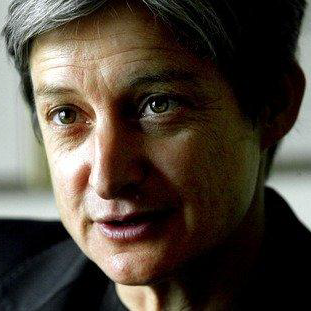
Judith Butler is Maxine Elliot Professor of Comparative Literature, Departments of Rhetoric and Comparative Literature, at the University of California, Berkeley. She is the author of Gender Trouble: Feminism and the Subversion of Identity and Bodies That Matter: On the Discursive Limits of "Sex" (Routledge, 1993), among many others.
Judith Butler
Judith Butler is Maxine Elliot Professor of Comparative Literature, Departments of Rhetoric and Comparative Literature, at the University of California, Berkeley. She received her Ph.D. in Philosophy from Yale University in 1984 on the French Reception of Hegel. Judith Butler is the author of Subjects of Desire: Hegelian Reflections in Twentieth-Century France (Columbia University Press, 1987), Gender Trouble: Feminism and the Subversion of Identity (Routledge, 1990), Bodies That Matter: On the Discursive Limits of "Sex" (Routledge, 1993), The Psychic Life of Power: Theories of Subjection (Stanford University Press, 1997), Excitable Speech (Routledge, 1997), Antigone's Claim: Kinship Between Life and Death (Columbia University Press, 2000), Precarious Life: Powers of Violence and Mourning (2004); Undoing Gender (2004), Who Sings the Nation-State?: Language, Politics, Belonging (with Gayatri Spivak in 2008), Frames of War: When Is Life Grievable? (2009), and Is Critique Secular? (co-written with Talal Asad, Wendy Brown, and Saba Mahmood, 2009). Her most recent book is Parting Ways: Jewishness and the Critique of Zionism (2012). She is also active in gender and sexual politics and human rights, anti-war politics, and Jewish Voice for Peace. She is presently the recipient of the Andrew Mellon Award for Distinguished Academic Achievement in the Humanities and is the 2012 receipient of the Adorno Prize in Germany.

Judith Byfield
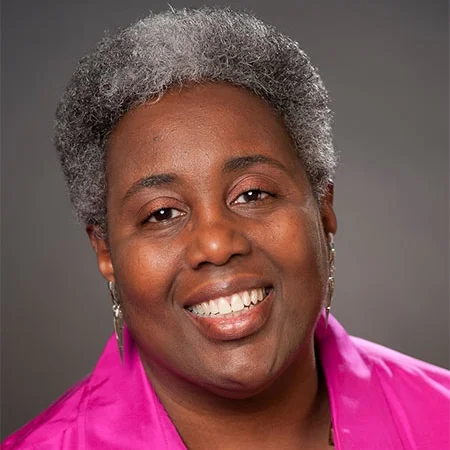
Judith Byfield is an Associate Professor of History at Cornell University. Her first book, The Bluest Hands: A Social and Economic History of Women Indigo Dyers in Western Nigeria, examined the transformation of indigo dyeing and textile production in Abeokuta, a town famous for its indigo dyed cloth, adire.
Judith Byfield
Judith Byfield is an Associate Professor of History at Cornell University. Her research interests began with a very strong interest in African art and literature and gradually added the colonial state, nationalism, women's history, and the African Diaspora, specifically the Anglophone Caribbean. Most of her research and writing thus far has focused on women's social and economic history in colonial Nigeria. Her first book, The Bluest Hands: A Social and Economic History of Women Indigo Dyers in Western Nigeria, brought many of her interests together in an examination of the transformation of indigo dyeing and textile production in Abeokuta, a town famous for its indigo dyed cloth, adire. It illuminated the ways in which the colonial state transformed women's economic life as well as the ways women navigated the new economic landscape and pressed the colonial state to protect their livelihoods.
Her current research, The Great Upheaval: Women, Taxes and Nationalist Politics in Nigeria, 1945-1951 (2017, forthcoming), explores a women's tax revolt in Abeokuta after WW II, and follows the projection of this political episode unto the national stage as the organization that led the tax revolt grew into a national women's organization that tried to shape the nationalist movement.
Her courses reflect the full range of my interests. They include lecture courses on Caribbean history, Africa After 1800, Popular Culture in Africa as well as seminars on a range of topics, including Nationalism and Decolonization; Marriage and Divorce; and Cloth, Dress and Identity.

Christopher Cadham
Doctoral Student, Sociomedical Sciences, Columbia University
Christopher is a second year Master of Public Health student at Columbia University’s Mailman School of Public Health in the Department of Sociomedical Sciences. His certificate is in History, Ethics and Law. He received a Bachelor of Arts in Anthropology from McGill University in Montreal, Canada. His research interest is in using ethics to assess how policies in the fields of public health and medicine work to balance efficacy, efficiency, and effectiveness.
Christopher Cadham
Graduate Student, Sociomedical Sciences, Mailman School of Public Health, Columbia University

Christopher is a second year Master of Public Health student at Columbia University’s Mailman School of Public Health in the Department of Sociomedical Sciences. His certificate is in History, Ethics and Law. He received a Bachelor of Arts in Anthropology from McGill University in Montreal, Canada. His research interest is in using ethics to assess how policies in the fields of public health and medicine work to balance efficacy, efficiency, and effectiveness. His fascination with precision medicine stems from the anthropology of the body and the implications that precision medicine has on phenomenological experience. Essentially, how can the body be changed without the mind (or experience of the mind) be changed? His year of public health studies has raised further questions about the efficacy of precision medicine specifically with regard to notions of justice. The history of public health repeatedly shows public, rather than precision have been the most effective interventions for improving health outcomes. Public interventions in water, hygiene and sanitation, vaccination programs and robust health systems have and continue to prevent millions of deaths worldwide. Yet, the recent turn in the United States and other countries has been towards the individualized precision medicine. In addition to being an Associate Fellow of the Precision Medicine: Ethics, Politics, and Culture working group, Christopher is also a Philanthropy Fellow at the New York Community Trust in the Health and People with Special Needs, and the Environment portfolios. He has also interned at Columbia University’s Earth Institute as well as at the United Nations Joint Programme on HIV/AIDS.
Working Group Affiliation

Dilara Çalışkan
Fellow, Cultural Studies, Sabancı University
Dilara Çalışkan is currently working at Sabancı University’s Gender and Women’s Studies Forum. In 2014, she graduated from Sabancı University’s Cultural Studies Master Program with a thesis titled “Queer Mothers and Daughters: The Role of Queer Kinship in the Everyday Lives of Trans Sex Worker Women in Istanbul.” Since 2010, she has been involved with Istanbul’s LGBTI Solidarity Association, which particularly focuses on human rights violations based on sexual orientation and gender identity, opposes the criminalization of sex work, and supports its recognition as work.
Dilara Çalışkan
Cultural Studies, Sabancı University

Dilara Çalışkan is currently working at Sabancı University’s Gender and Women’s Studies Forum. In 2014, she graduated from Sabancı University’s Cultural Studies Master Program with a thesis titled “Queer Mothers and Daughters: The Role of Queer Kinship in the Everyday Lives of Trans Sex Worker Women in Istanbul.” Since 2010, she has been involved with Istanbul’s LGBTI Solidarity Association, which particularly focuses on human rights violations based on sexual orientation and gender identity, opposes the criminalization of sex work, and supports its recognition as work.
Working Group Affiliation
Jordan T. Camp
Visiting Scholar in the Charles Warren Center for Studies in American History at Harvard University
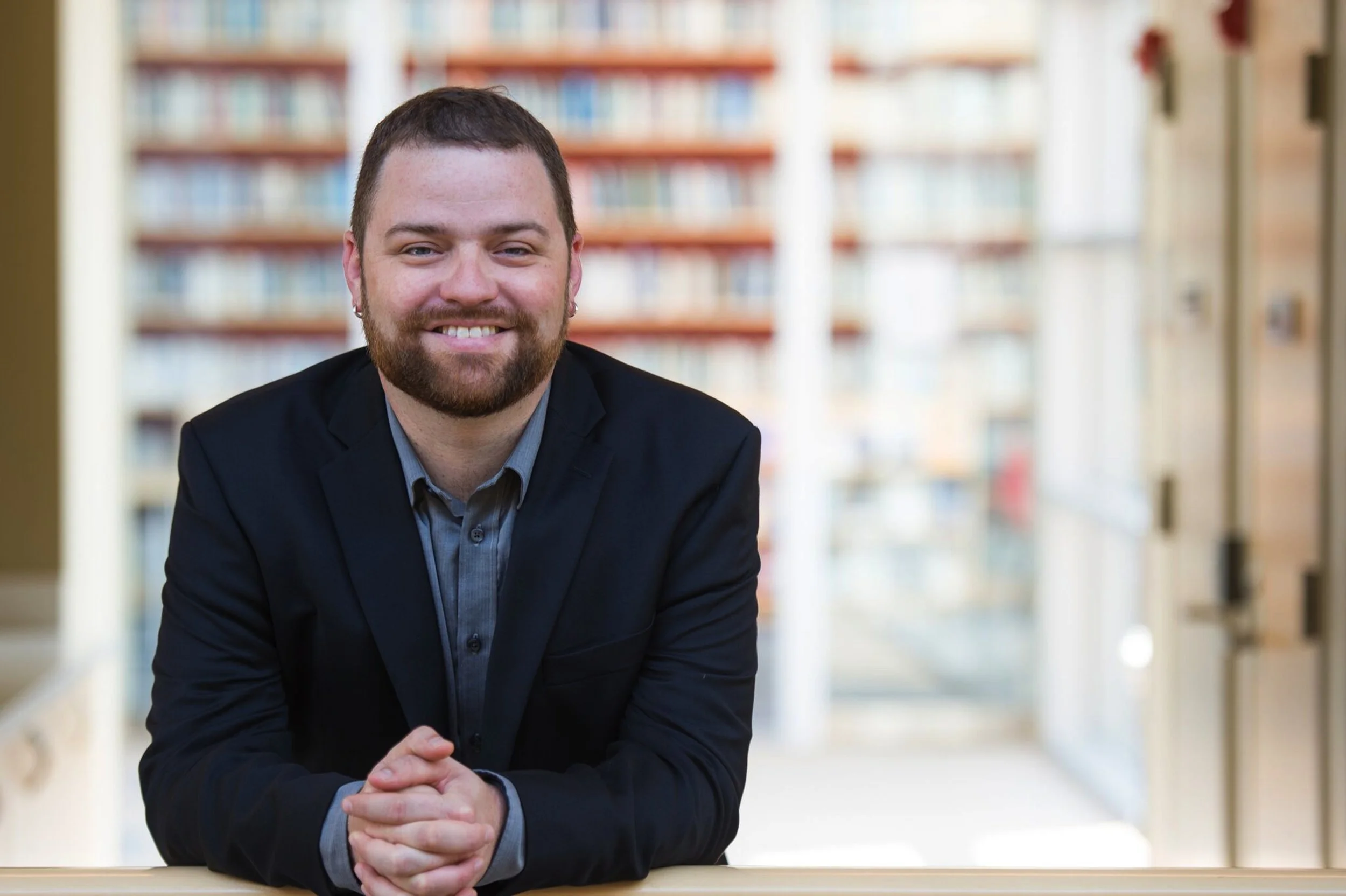
Jordan T. Camp is the author of Incarcerating the Crisis: Freedom Struggles and the Rise of the Neoliberal State (University of California Press, 2016), co-editor (with Christina Heatherton) of Policing the Planet: Why the Policing Crisis Led to Black Lives Matter (Verso, 2016), and co-editor (with Laura Pulido) of the late Clyde Woods’ Development Drowned and Reborn: The Blues and Bourbon Restorations in Post-Katrina New Orleans (University of Georgia Press, 2017).
Jordan T. Camp
Visiting Scholar in the Charles Warren Center for Studies in American History at Harvard University
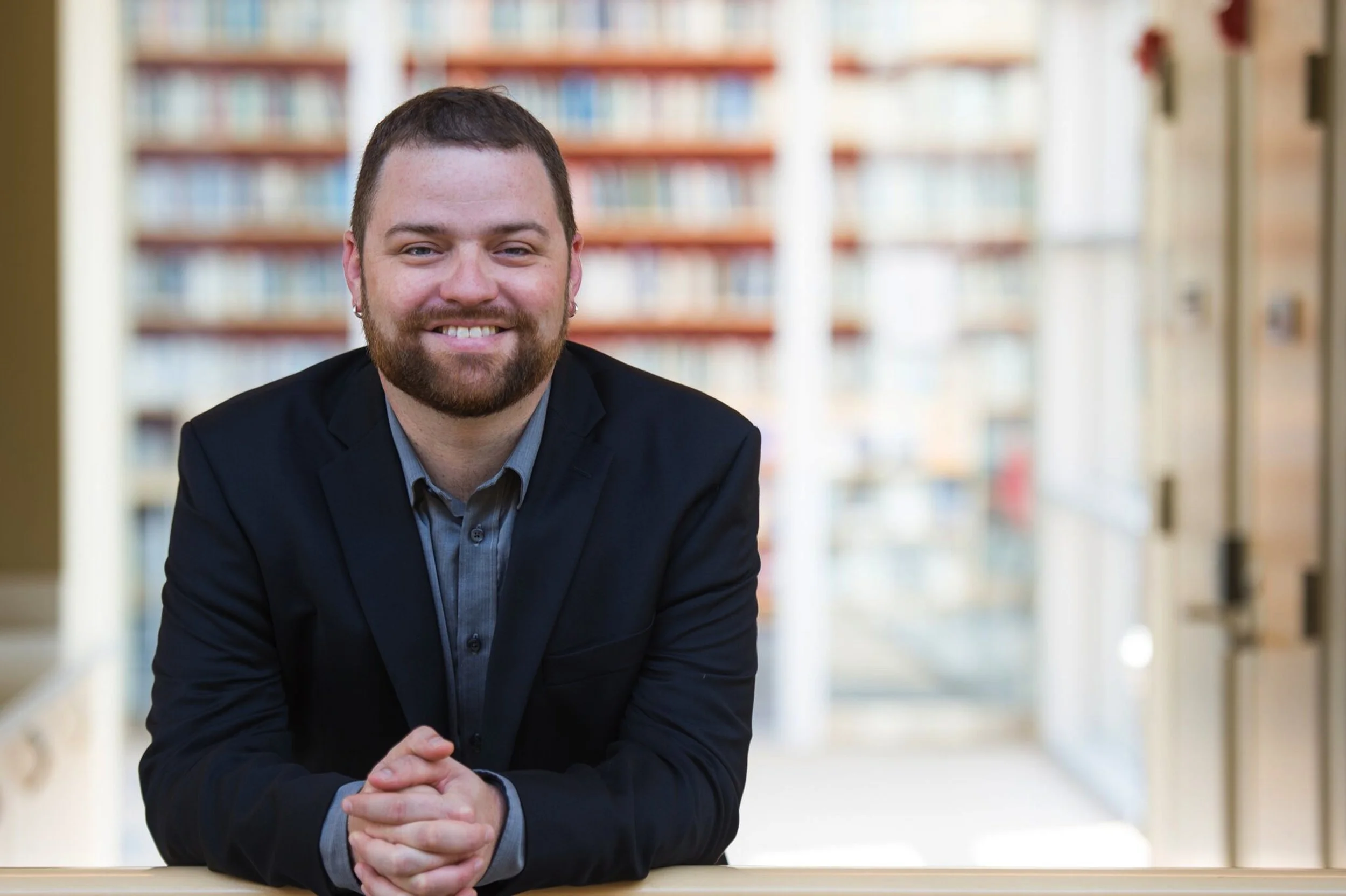
Jordan T. Camp is the author of Incarcerating the Crisis: Freedom Struggles and the Rise of the Neoliberal State (University of California Press, 2016), co-editor (with Christina Heatherton) of Policing the Planet: Why the Policing Crisis Led to Black Lives Matter (Verso, 2016), and co-editor (with Laura Pulido) of the late Clyde Woods’ Development Drowned and Reborn: The Blues and Bourbon Restorations in Post-Katrina New Orleans (University of Georgia Press, 2017). His work also appears or is forthcoming in American Quarterly, Eurozine, Jacobin, Kalfou: A Journal of Comparative and Relational Ethnic Studies, Ord & Bild, Race & Class, and Social Justice, as well as edited volumes including: In the Wake of Hurricane Katrina (Johns Hopkins University Press, 2010), Race, Empire, and the Crisis of the Subprime (Johns Hopkins University Press, 2013), and Futures of Black Radicalism (Verso, 2017).
Working Group Affiliation
Racial Capitalism, Project Director

Tina Campt
Professor, Department of Women’s, Gender and Sexuality Studies, Barnard College
Tina Campt's work theorizes gender, memory and racial formation among African Diasporic communities in Europe and Germany in particular. She is the author of Other Germans: Black Germans and the Politics of Race, Gender and Memory in the Third Reich (2004), which examines the mutual constitution of racial and gendered formations among German Blacks in the Third Reich. Her new project, Imaging Black Europe: Archive, Photography and the African Diaspora, studies how Black Britons and Black Germans used photography as an expressive cultural practice to create forms of identification and community in the first half of the twentieth century in Germany and the UK.
Tina Campt
Professor of Women’s, Gender and Sexuality Studies and Director of the Africana Studies Program, Barnard College

Tina Campt joined the Barnard faculty in 2010, prior to which she held faculty positions at Duke University, the University of California-Santa Cruz and the Technical University of Berlin. An interdisciplinary scholar by necessity, her work theorizes gender, memory and racial formation among African Diasporic communities in Europe and Germany in particular. In addition to article publications in New German Critique, Radical History Review, Meridians and Callaloo, she is the author of Other Germans: Black Germans and the Politics of Race, Gender and Memory in the Third Reich (2004), which examines the mutual constitution of racial and gendered formations among German Blacks in the Third Reich. She is co-editor with Michelle M. Wright of a special issue of Callaloo (2003) on the Black German experience, and together with Paul Gilroy, she co-edited the volume Der Black Atlantik (2004), a collection of essays emerging out of their work as guest curators of the multimedia cultural project “The Black Atlantic: Traveling Cultures, Counter-History and Networked Identities” at the House of World Cultures in Berlin. Her new project, Imaging Black Europe: Archive, Photography and the African Diaspora, is a study of how two different Black European communities - Black Britons and Black Germans - used photography as an expressive cultural practice to create forms of identification and community in the first half of the twentieth century in Germany and the UK. Together with Deborah Thomas, she is co-convener of the scholarly and curricular project “Diasporic Hegemonies: Gendering the Diaspora and Racing the Transnational.” In addition to her published writing, Campt holds advisory positions as a Corresponding Editor for Feminist Review, on the Board of Editors of the Journal of Women's History, and the Editorial Advisory Board of Duke University Press.
Working Group Affiliation
Engendering the Archive, Project Director

Hazel Carby
Fellow, African American Studies and American Studies, Yale University
Hazel Carby is the Charles C. and Dorothea S. Dilley Professor of African American Studies, Professor of American Studies, and Director of the Initiative on Race Gender and Globalization at Yale University. Her books include Reconstructing Womanhood (OUP, 1987), Race Men (Harvard, 1998), and Cultures in Babylon (Verso, 1999).
Hazel Carby
Professor of African American Studies and American Studies, Yale University

Hazel Carby is the Charles C. and Dorothea S. Dilley Professor of African American Studies, Professor of American Studies, and Director of the Initiative on Race Gender and Globalization at Yale University. Her books include Reconstructing Womanhood (OUP, 1987), Race Men (Harvard, 1998), and Cultures in Babylon (Verso, 1999). Recent publications include: “A Strange and Bitter Crop: The Spectacle of Torture,” Open Democracy; the Foreword to making race matter: bodies, space & identity, eds. Claire Alexander and Caroline Knowles; and two essays, “The New Auction Block: Blackness and the Marketplace,” in Companion to African American Literature, ed. Lewis Gordon and “Postcolonial Translations” for Ethnic and Racial Studies. She recently completed the manuscript “Imperial Intimacies,” an auto-history of the intimate imperial entanglements of the islands of Britain and Jamaica from the anti-Napoleonic war to the anti-fascist war.
Working Group Affiliation
Christopher Cardona
PhD Student, Integrated Program in Cellular, Molecular, and Biomedical Studies, Columbia University
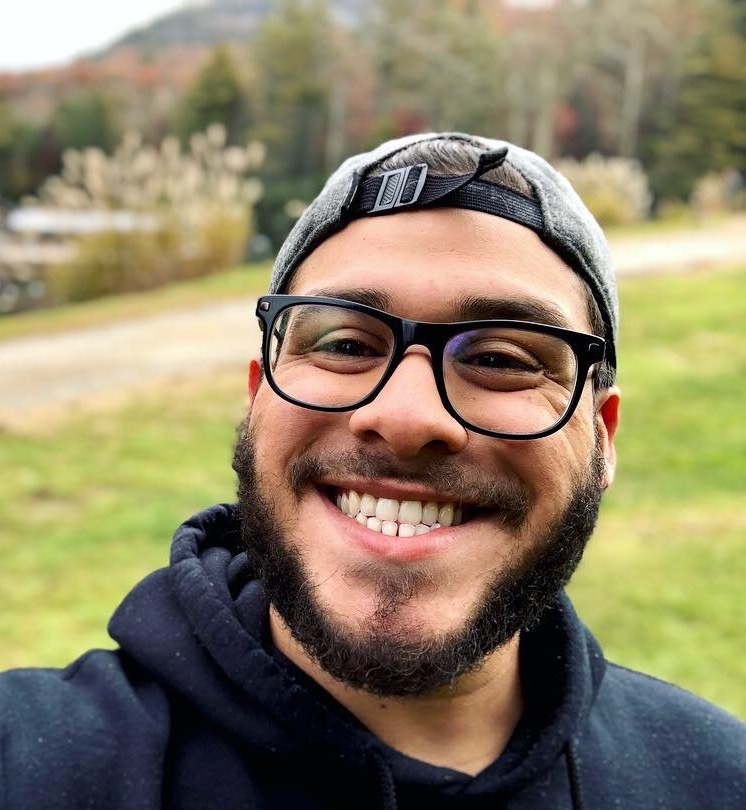
Christopher Cardona is a first year doctoral student in the integrated program in Cellular, Molecular, and Biomedical Studies. He is excited to learn about the multiple aspects of precision medicine and how we can begin incorporating these in scientific research. He is currently working on muscle invasive bladder cancer in mouse models and will be working on Alzheimer's next semester. Both labs use comprehensive and computational tools to identify important regulators of these processes.
Christopher Cardona
PhD Student, Integrated Program in Cellular, Molecular, and Biomedical Studies, Vagelos College of Physicians and Surgeons, Columbia University
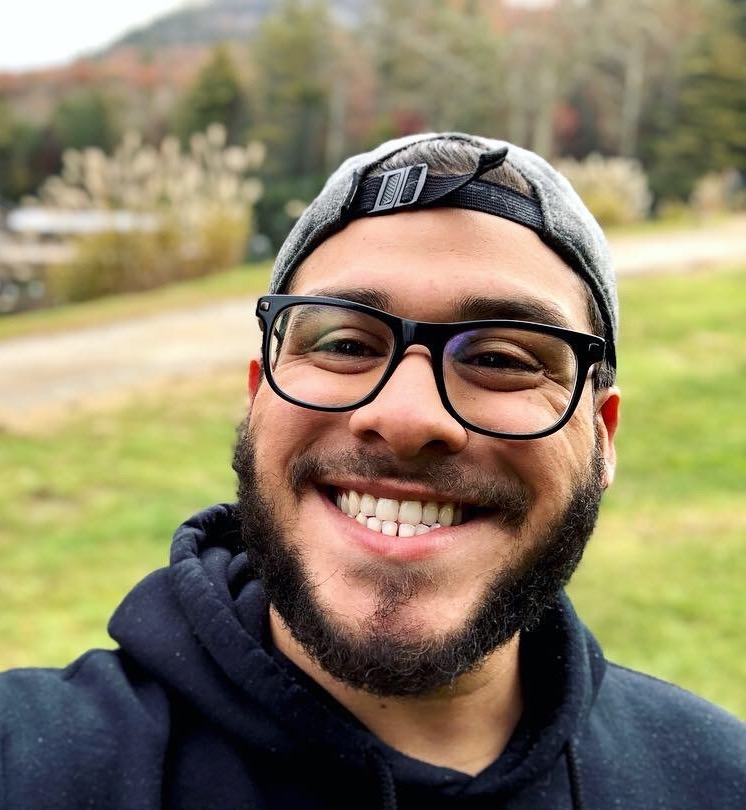
Christopher Cardona is a first year doctoral student in the integrated program in Cellular, Molecular, and Biomedical Studies. He is excited to learn about the multiple aspects of precision medicine and how we can begin incorporating these in scientific research. He is currently working on muscle invasive bladder cancer in mouse models and will be working on Alzheimer's next semester. Both labs use comprehensive and computational tools to identify important regulators of these processes.
Working Group Affiliation

Todd Carmody
Fellow, History and Literature, Harvard University
Todd Carmody is a Lecturer on History & Literature at Harvard University, where he teaches broadly in nineteenth- and twentieth-century American and African American literature and in disability studies. He previously held an ACLS New FacultyFellowship in UC Berkeley’s Department of English and a Sheila Biddle Ford Foundation Fellowship from Harvard’s W.E.B.
Todd Carmody
Lecturer on History and Literature, Harvard University
Todd Carmody is a Lecturer on History & Literature at Harvard University, where he teaches broadly in nineteenth- and twentieth-century American and African American literature and in disability studies. He previously held an ACLS New FacultyFellowship in UC Berkeley’s Department of English and a Sheila Biddle Ford Foundation Fellowship from Harvard’s W.E.B. Du Bois Institute for African and African American Research. Carmody is at work on a book entitled “Racial Handicap”: The Disability History of Uplift, which explores how postbellum discourses of black progress were shaped both by disability culture and by the legal, economic, and political developments that produced disability as a coherent social category. Recent essays and reviews have appeared or are forthcoming in J19: The Journal of Nineteenth-Century Americanists, Callaloo, Cultural Critique, Criticism, The Journal of Modern Literature, and Modern Philology.